

10 Best Cloud Productivity Software Picked for 2026

Cloud Productivity Software Shortlist


Cloud productivity software refers to online platforms that help your team collaborate, manage tasks, and share files from anywhere. If you’re searching for the best cloud productivity software, you’re likely looking to keep projects on track, improve visibility across teams, and adapt quickly as priorities shift. With so many options available, choosing the right tools can make the difference between missed deadlines and smooth delivery.
This list will help you compare leading solutions, understand what sets each apart, and find the best fit for your team’s workflow.
Why Trust Our Software Recommendations
Our team has been testing and reviewing software since 2012. As project managers ourselves, we know how difficult—and important—it is to choose the right software.
For this guide, we evaluated tools using hands-on testing and independent research, scoring tools using our selection criteria. We also draw on insights from industry thought leaders and practicing project management experts.
Our reviews reflect our human editorial judgment, not a sales pitch.
Expert reviewers:
Cloud Productivity Software Comparison Table
This comparison table summarizes pricing details for my top cloud productivity software selections:
| Tool | Best For | Trial Info | Price | ||
|---|---|---|---|---|---|
| 1 | Best for secure file sharing and storage | Free trial + free plan available | From $9.99/user/month (billed annually) | Website | |
| 2 | Best for real-time document collaboration | 14-day free trial available | From $7/user/month (billed annually) | Website | |
| 3 | Best with integrated office productivity apps | 30-day free trial available | From $6/user/month (billed annually) | Website | |
| 4 | Best for structured project planning | Free plan available | From $10.99/user/month (billed annually) | Website | |
| 5 | Best for advanced content governance | 14-day free trial | From CAD$21/user/month (billed annually) | Website | |
| 6 | Best for collaborative knowledge documentation | Free trial + free plan available | From $5.42/user/month | Website | |
| 7 | Best for kanban-style task boards | Free plan available | From $5/user/month (billed annually) | Website | |
| 8 | Best for all-in-one task and goal tracking | Free plan available | From $7/user/month (billed annually) | Website | |
| 9 | Best for customizable workspace organization | Free plan + free demo available | From $10/member/month (billed annually) | Website | |
| 10 | Best for centralized team communication | Free plan available | From $7.25/user/month (billed annually) | Website |
Cloud Productivity Software Reviews
Below are my detailed summaries of the cloud productivity software that made it onto my shortlist. My reviews offer a detailed look at the features, best use cases, and integrations of each platform to help you find the best one for you.

Dropbox
Best for secure file sharing and storage

For teams that need secure, centralized file storage and sharing, Dropbox offers a cloud platform built for collaboration and control. It’s especially useful for creative agencies, legal teams, and distributed businesses that handle sensitive documents or large media files. Dropbox’s granular sharing permissions and file recovery features help organizations keep data protected while making it easy to work together from anywhere.
Why I Picked Dropbox
When secure file sharing and storage are top priorities, Dropbox stands out for its strong focus on data protection and access control. I picked Dropbox because it offers granular sharing permissions, allowing you to set view, edit, or download rights for each file or folder. The platform also provides file version history and recovery, so teams can restore previous versions or recover deleted files if needed. For organizations that need to safeguard sensitive information while enabling collaboration, Dropbox’s security features make it a reliable choice.
Dropbox Key Features
Some other Dropbox features that support cloud productivity include:
- Dropbox Paper: Create, edit, and collaborate on documents directly within Dropbox.
- Smart Sync: Access all files and folders from your desktop without taking up local storage space.
- File Requests: Collect files from anyone, even if they don’t have a Dropbox account.
- Team Activity Dashboard: Monitor file sharing, edits, and team activity in one place.
Dropbox Integrations
Integrations include Google Workspace, Microsoft, Adobe, HubSpot, Canva, AWS, Slack, Zoom, and more.
Pros and Cons
Pros:
- Dashboard tracks team activity and sharing
- Has in-app document collaboration
- Supports file version history
Cons:
- Shared links can be hard to track centrally
- No built-in project or task management

Best for real-time document collaboration
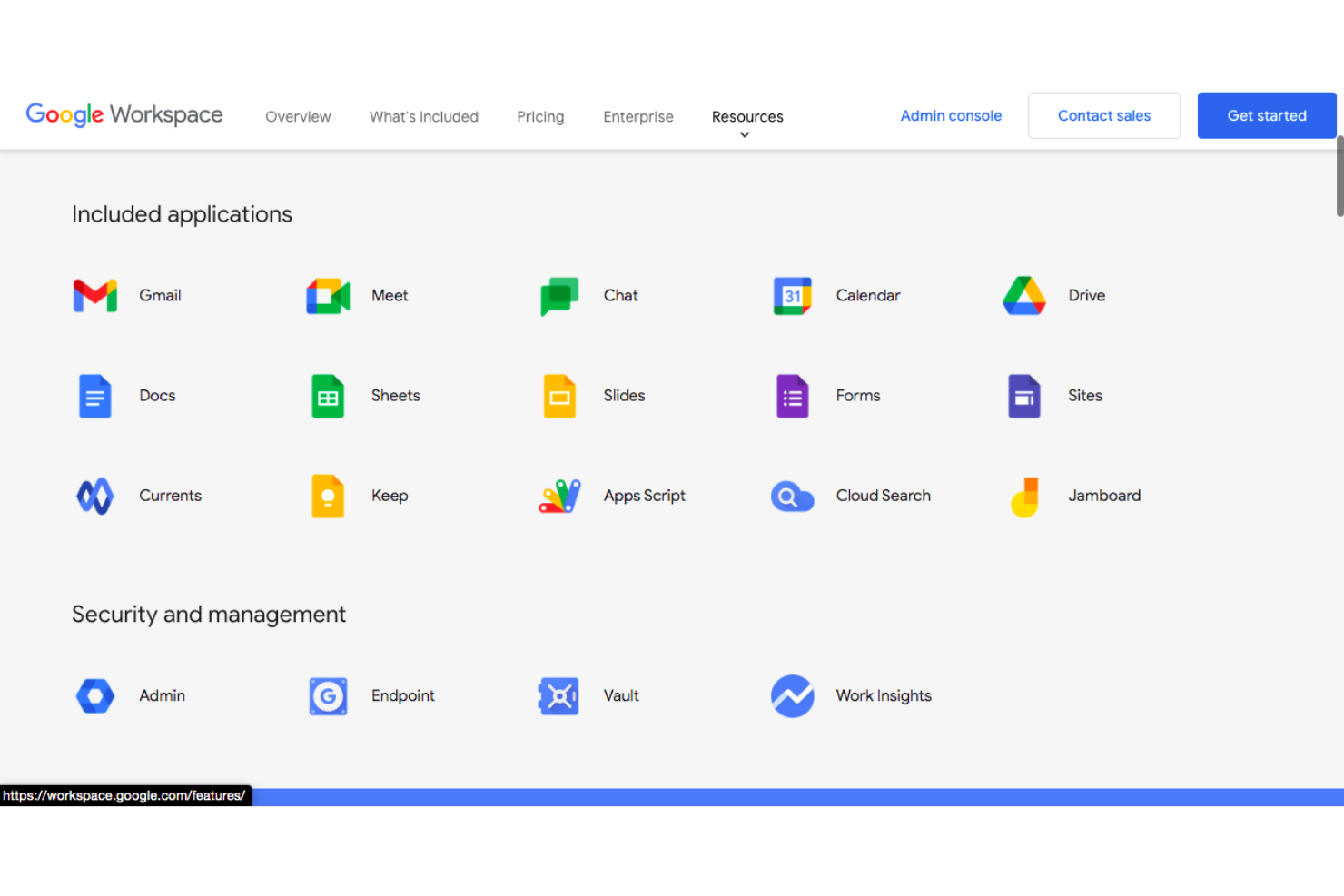
If your team needs to collaborate on documents, spreadsheets, and presentations in real time, Google Workspace is a strong choice. It’s especially useful for distributed teams and organizations that rely on fast, cloud-based editing and sharing. The platform helps reduce version control issues and keeps everyone on the same page, no matter where they’re working.
Why I Picked Google Workspace
I chose Google Workspace for this list because its real-time document collaboration platform stands out among cloud productivity platforms. The ability for multiple users to edit Docs, Sheets, and Slides at the same time makes it easy to keep projects moving without version conflicts. Built-in commenting and suggestion tools help teams communicate directly within files, reducing the need for endless email threads. For teams that need to work together on high-quality content from anywhere, these features make Google Workspace a top contender.
Google Workspace Key Features
Some other features that make Google Workspace a versatile platform for teams include:
- Shared Drives: Create team-specific drives where files are owned collectively and remain accessible even if members leave.
- Google Meet Integration: Schedule and join video meetings directly from your calendar or within documents.
- Calendar Sharing: Share Google calendars across your organization to coordinate meetings and deadlines with ease.
- Admin Console: Manage user access, security settings, and device policies from a centralized dashboard.
Google Workspace Integrations
Integrations include Salesforce, Docsign, Zoom, Asana, Slack, Trello, Smartsheet, Zendesk, Adobe Acrobat, and more.
Pros and Cons
Pros:
- Easy file sharing with granular permissions
- AI-powered features in Docs and Gmail
- Real-time editing across all core apps
Cons:
- Limited advanced spreadsheet functions
- Offline editing can be inconsistent

Best with integrated office productivity apps
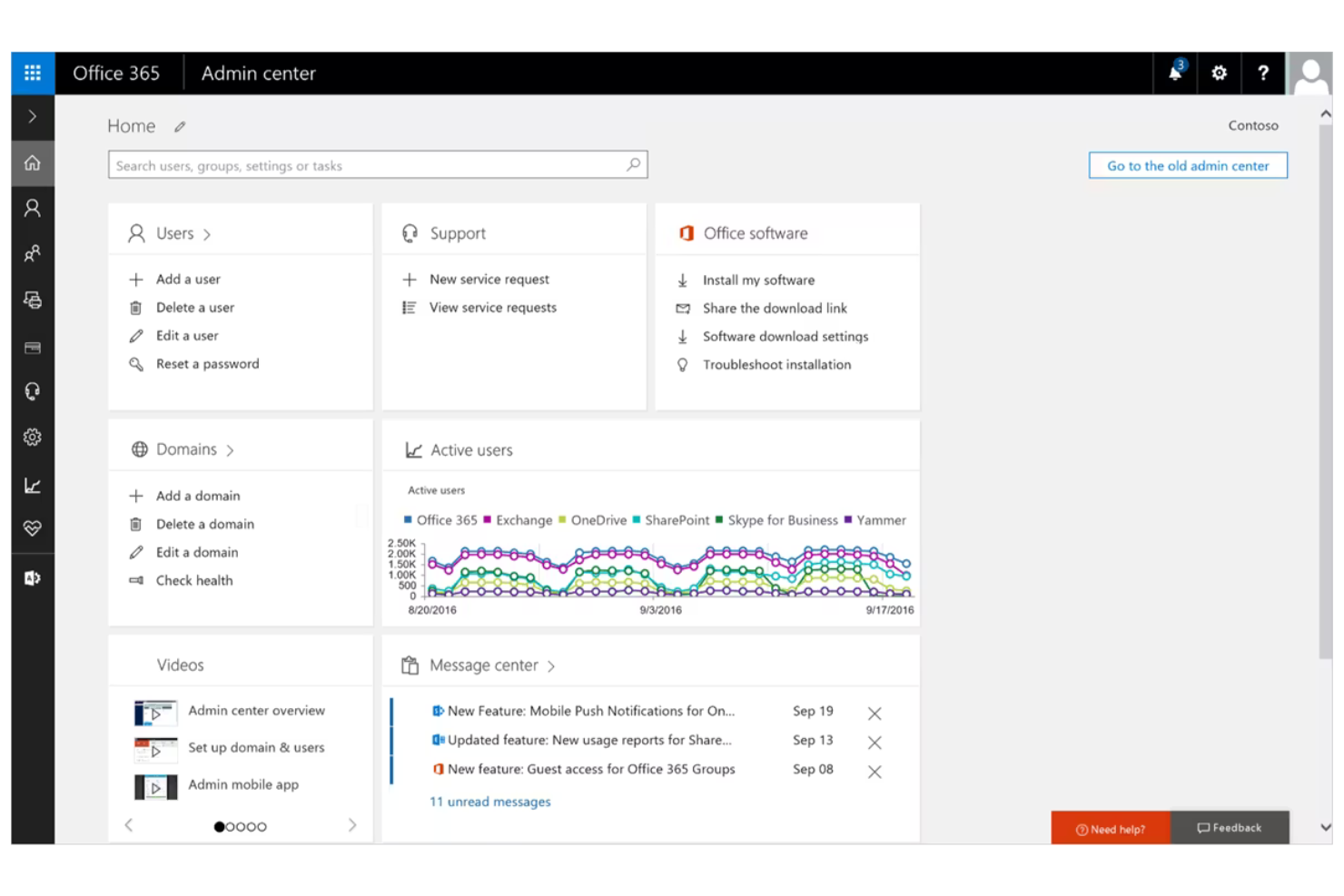
For teams that rely on familiar office apps and need tight integration across email, documents, and collaboration, Microsoft 365 brings everything together in one cloud-based suite. It’s a strong fit for organizations that want desktop and web access to Word, Excel, PowerPoint, and Outlook, along with secure file storage and sharing. The platform helps unify workflows for businesses that need both advanced document editing and communication tools.
Why I Picked Microsoft 365
What sets Microsoft 365 Copilot apart is how it combines all the core office productivity apps—Word, Excel, PowerPoint, and Outlook—into a single, integrated cloud platform. This approach means your team can move between document creation, data analysis, and communication without switching tools or losing context. I picked Microsoft 365 because its apps work together natively, so features like real-time co-authoring and shared calendars are built right in. For organizations that want a unified experience across desktop and cloud, this level of integration is hard to match.
Microsoft 365 Key Features
Some other features that make Microsoft 365 a strong choice for cloud productivity include:
- OneDrive Cloud Storage: Store, sync, and access files securely from any device.
- Microsoft Teams Integration: Chat, meet, and collaborate with your team in a unified workspace.
- Advanced Security Controls: Set up multi-factor authentication and manage data loss prevention policies.
- Planner and To Do Apps: Organize tasks, assign responsibilities, and track progress across projects.
Microsoft 365 Integrations
Integrations include Salesforce, Adobe Acrobat Sign, Zoom, Trello, Asana, ServiceNow, Workday, SAP, and more.
Pros and Cons
Pros:
- Enterprise-grade security features
- Advanced spreadsheet tools in Excel
- Desktop and web apps offer full parity
Cons:
- Occasional compatibility issues in Mac
- Collaboration requires Microsoft accounts
Asana
Best for structured project planning
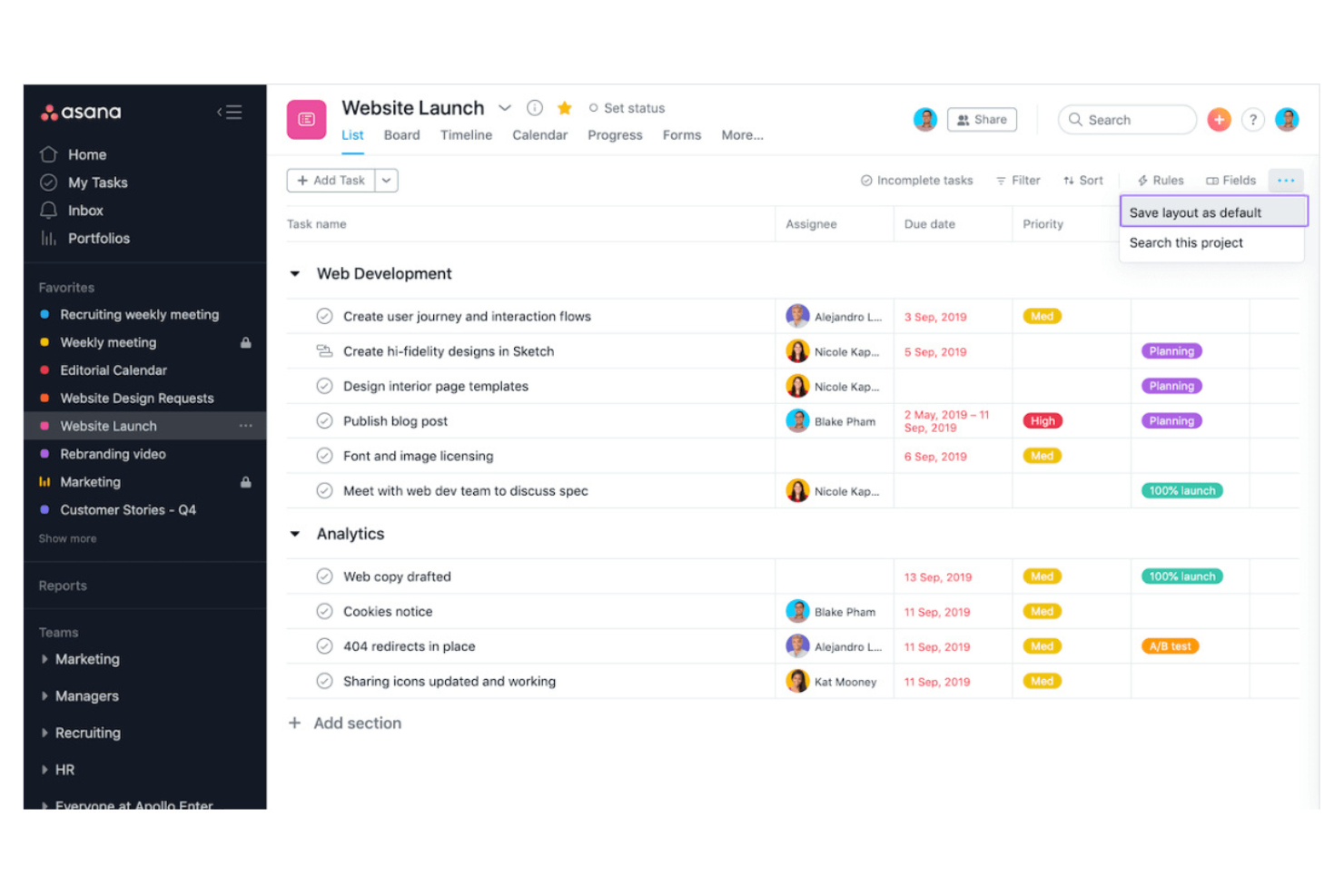
Teams that need a clear structure for managing projects often turn to Asana for its organized approach to planning and tracking work. It’s especially useful for project managers, marketing teams, and operations leads who want to break down goals into actionable tasks and timelines. Asana’s structured layouts and workflow tools help teams coordinate complex projects and keep everyone accountable.
Why I Picked Asana
Asana stands out for its ability to bring structure and clarity to project planning, which is essential for teams managing multiple priorities in the cloud. The platform’s task hierarchy lets you break down projects into sections, tasks, and subtasks, making it easy to organize complex work. I picked Asana because its timeline view and custom fields help teams map out dependencies and track progress with precision. For anyone who needs a reliable way to plan, assign, and monitor structured workflows, Asana offers a focused and organized solution.
Asana Key Features
Some other features that make Asana valuable for cloud productivity include:
- Rules Automation: Automate routine actions like task assignments, status updates, and notifications based on triggers you set.
- Workload Management: Visualize team capacity and balance assignments to avoid overloading anyone.
- Project Templates: Start new projects quickly with pre-built templates for common workflows and industries.
- Milestones Tracking: Mark key points in your project to track progress toward major goals.
Asana Integrations
Integrations include Slack, Google Drive, Microsoft Teams, Jira Cloud, Salesforce, Zoom, Dropbox, Gmail, Outlook, and more.
Pros and Cons
Pros:
- Comment keeps discussions attached to tasks
- Has advanced search filters
- Custom fields capture project-specific data points
Cons:
- Task templates can’t be edited after creation
- Limited reporting options on lower-tier plans

Box
Best for advanced content governance
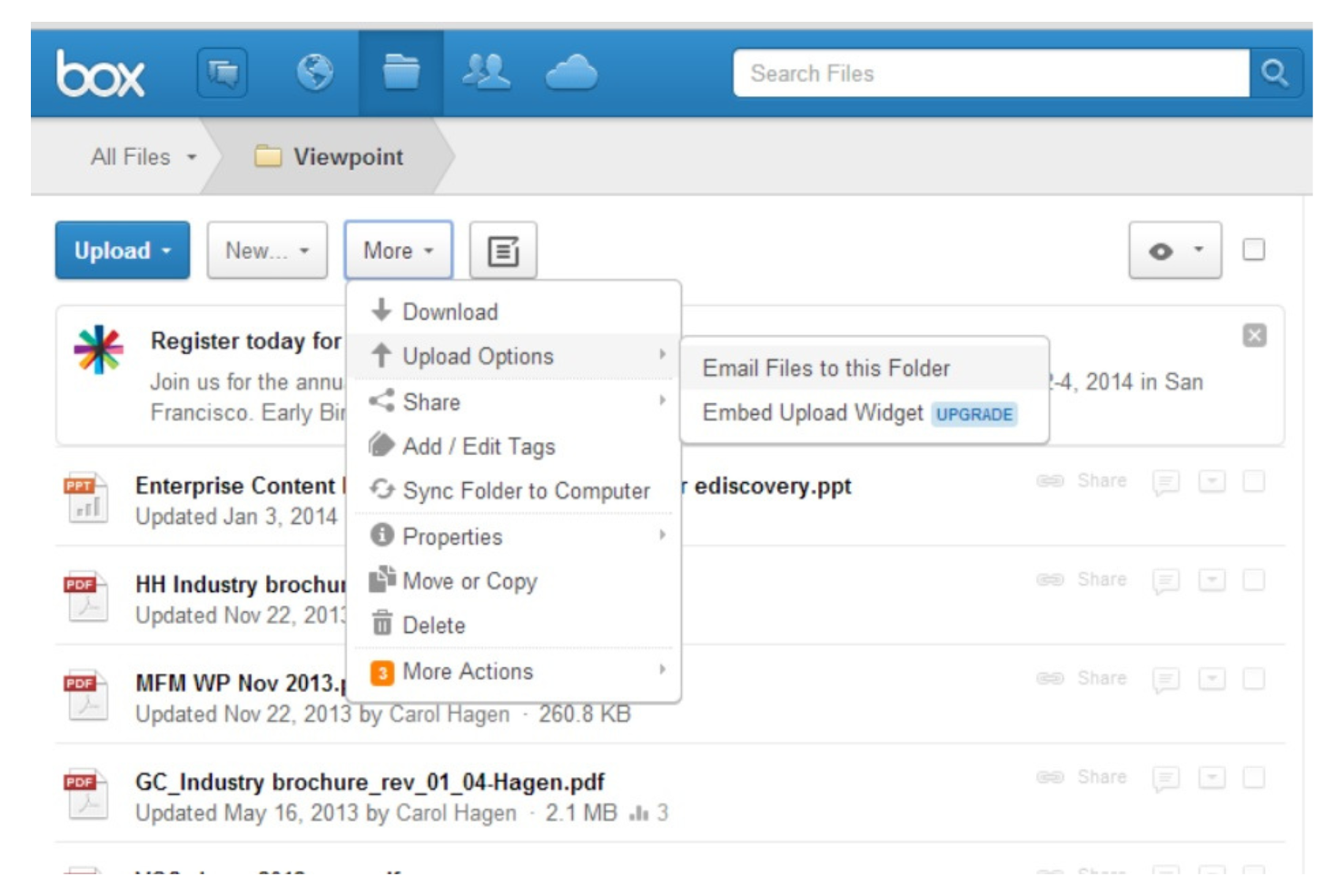
If your organization needs strict control over content access and compliance, Box offers advanced governance tools built for regulated industries and large enterprises. It’s a strong fit for legal, healthcare, and CRM teams that manage sensitive files and require detailed audit trails. Box’s automated retention policies and granular permissions help businesses meet regulatory requirements while keeping collaboration secure and organized.
Why I Picked Box
For teams that need to enforce strict content controls, Box delivers advanced content governance features that go beyond basic file storage. I picked Box because it offers automated retention policies and legal holds, which help organizations manage compliance and reduce risk. The platform’s granular permission settings let you control who can access, edit, or share specific files and folders. These capabilities make Box a strong choice for businesses that need to balance collaboration with regulatory and security requirements.
Box Key Features
Some other Box features that support cloud productivity include:
- Box Notes: Collaborate on documents and meeting notes in real time within the platform.
- Workflow Automation: Build and automate content-centric workflows using Box Relay.
- E-signature Integration: Collect legally binding electronic signatures directly within Box.
- Advanced Search: Locate files quickly with metadata tagging and full-text search capabilities.
Box Integrations
Integrations include Microsoft 365, Google Workspace, Salesforce, Slack, Adobe, Oracle NetSuite, Workday, Okta, and more.
Pros and Cons
Pros:
- Native e-signature integration
- Enables content workflow automation
- Supports complex compliance needs
Cons:
- Workflow automation limited to content
- Complex external collaboration setup
Best for collaborative knowledge documentation
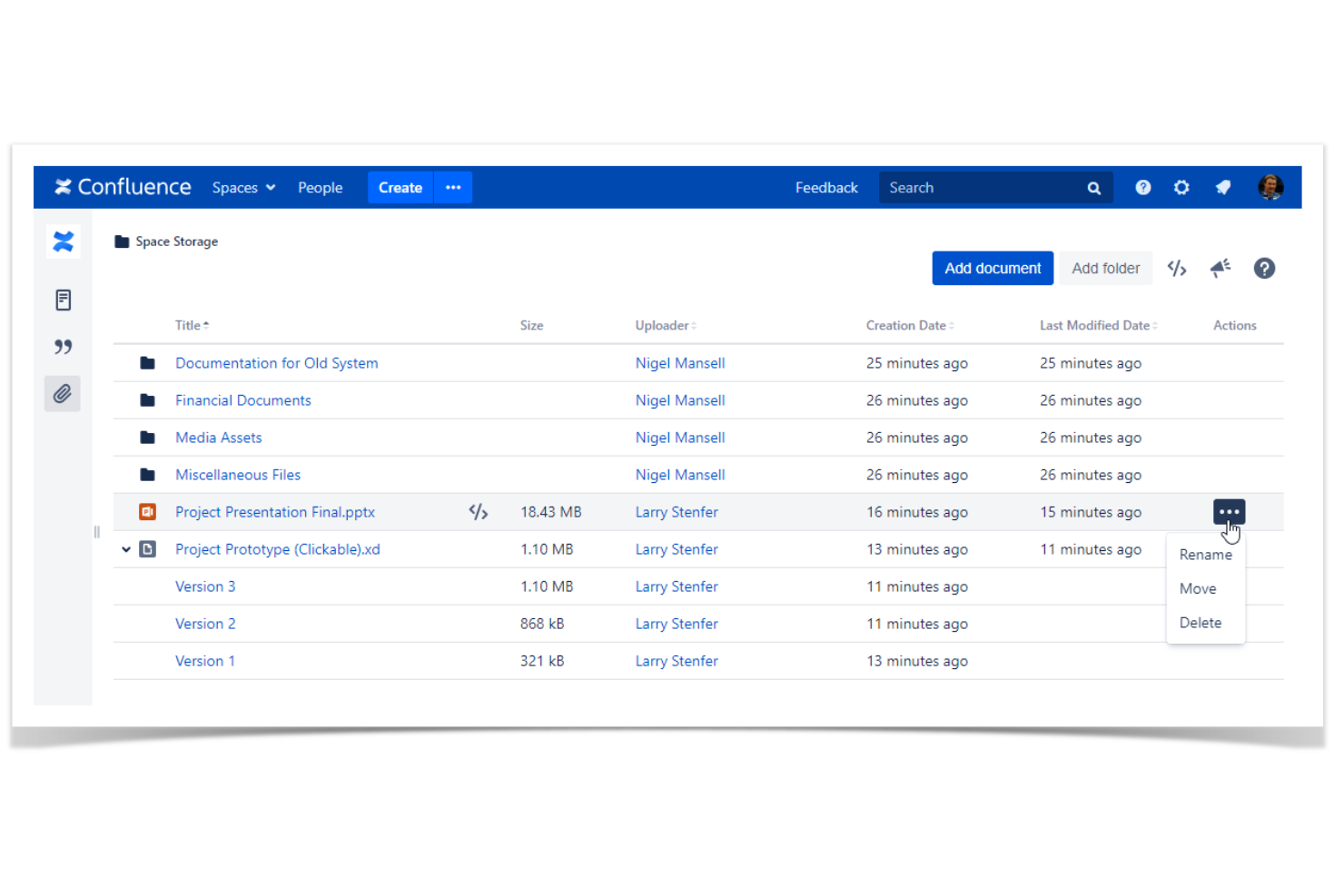
If your team needs a central place to capture, organize, and share knowledge, Confluence by Atlassian is built for collaborative documentation. It’s especially useful for product, engineering, and project teams that want to create living documents, meeting notes, and project plans everyone can update in real time. Confluence stands out for its flexible page structure and deep integration with Jira, making it easy to connect documentation with project work.
Why I Picked Confluence
For teams that need a single source of truth for documentation, Confluence offers a collaborative workspace designed for knowledge sharing. I picked Confluence because its page hierarchy and powerful search make it easy to organize and retrieve information across projects and teams. The inline commenting and collaborative editing features let multiple users contribute to documents at the same time, which is essential for keeping knowledge up to date. These capabilities make Confluence a strong fit for organizations that want to build and maintain living documentation in the cloud.
Confluence Key Features
Some other features that make Confluence valuable for cloud productivity teams include:
- Templates Library: Choose from a wide range of pre-built templates for meeting notes, project plans, and retrospectives.
- Page Permissions: Set granular access controls for spaces, pages, and even individual sections.
- Macros: Add dynamic content like task lists, calendars, and Jira issues directly into pages.
- Version History: Track changes and restore previous versions of any page at any time.
Confluence Integrations
Integrations include Jira, Trello, Microsoft Teams, Google Drive, Google Docs, Figma, Miro, GitHub, Zoom, and more.
Pros and Cons
Pros:
- Inline comments support real-time team feedback
- Permissions control access at page level
- Macros embed Jira issues and dynamic content
Cons:
- Bulk archiving pages requires manual steps
- Exporting to PDF can break page formatting

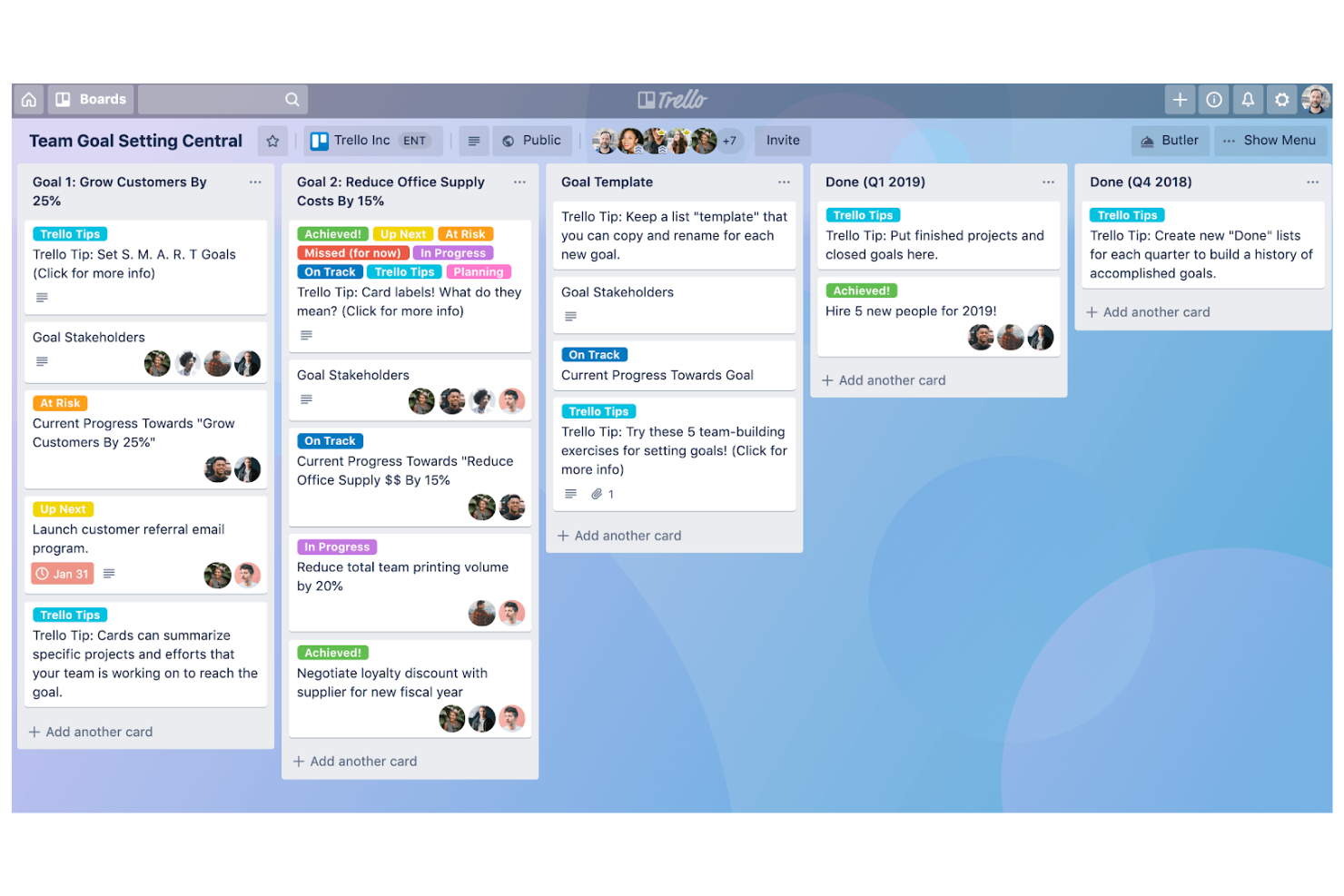
If your team prefers a visual approach to managing tasks, Trello offers a kanban-style board that makes tracking work simple and intuitive. It’s a strong fit for marketing teams, product managers, and small businesses that need to organize projects, campaigns, or workflows in a flexible, card-based format. Trello’s drag-and-drop boards and customizable lists help teams quickly adapt to changing priorities and keep everyone aligned.
Why I Picked Trello
When teams need a straightforward way to visualize and manage tasks, Trello’s kanban-style boards offer a clear advantage. The drag-and-drop cards let you move work through stages, making it easy to see progress at a glance. I picked Trello because its board and list structure support flexible workflows, whether you’re tracking sprints, content calendars, or onboarding checklists. For anyone looking for a visual, adaptable approach to cloud-based task management, Trello’s kanban boards are a practical choice.
Trello Key Features
Some other features that make Trello useful for cloud productivity include:
- Butler Automation: Automate repetitive actions on boards with rule-based triggers and custom buttons.
- Card Checklists: Break down tasks into smaller steps directly within each card.
- Power-Ups Marketplace: Add extra functionality like calendar views, voting, or integrations with other tools.
- Attachment Support: Upload files and documents directly to cards for easy reference.
Trello Integrations
Integrations include Slack, Jira Cloud, Miro, Google Drive, Dropbox, Microsoft Teams, Confluence, GitHub, Evernote, and more.
Pros and Cons
Pros:
- Has a drag-and-drop interface
- Card checklists organize subtasks within tasks
- Power-Ups add features like calendar and voting
Cons:
- Lacks native video conferencing tool
- No native Gantt or timeline view

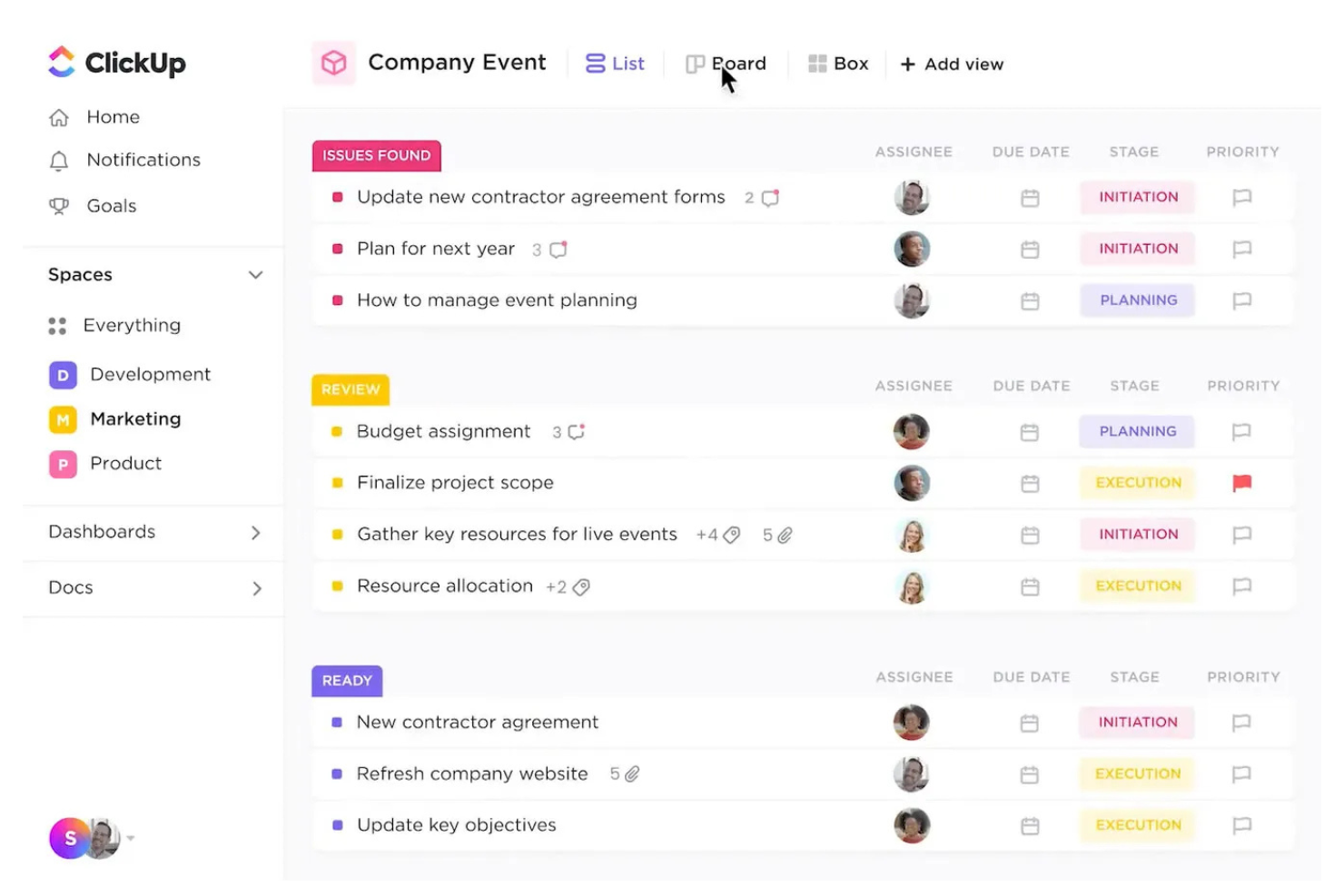
ClickUp brings together tasks, docs, goals, and dashboards in one platform, making it a strong choice for teams that want to manage everything in a single workspace. It’s especially useful for project managers and cross-functional teams who need to track progress, prioritize tasks, and align on goals without switching between multiple tools. ClickUp’s flexible structure helps teams organize work their way, whether they’re running agile sprints or managing ongoing projects.
Why I Picked ClickUp
ClickUp stands out for teams that want to manage tasks, goals, and project details all in one place. Its all-in-one approach means you can track tasks, set and monitor goals, and visualize progress with dashboards—without jumping between different apps. I picked ClickUp because it lets you connect tasks directly to goals, so you always see how daily work ties to bigger objectives. For teams looking for a unified workspace that covers both granular task management and high-level goal tracking, ClickUp offers a flexible solution.
ClickUp Key Features
Some other features that make ClickUp useful for cloud productivity include:
- Custom Views: Choose from list, board, calendar, and Gantt chart views to organize and visualize work.
- Built-In Docs: Create, edit, and share documents directly within your workspace.
- Automations: Set up automated workflows for recurring tasks, status changes, and notifications.
- Time Tracking: Log time spent on tasks with built-in timers and manual entry options.
ClickUp Integrations
Integrations include Slack, GitHub, GitLab, HubSpot, Everhour, Toggl, Harvest, Google Drive, Outlook, and more.
Pros and Cons
Pros:
- Multiple view options fit different workflows
- Goal tracking links objectives to daily work
- Hierarchical structure organizes tasks by priority
Cons:
- Guest permissions lack granular control options
- Mobile app performance lags behind desktop

Notion gives teams a flexible ecosystem to build their own workspace for notes, docs, databases, and project tracking. It’s a strong fit for organizations that want to design custom workflows or centralize knowledge without being locked into rigid templates. Notion helps teams connect tasks, documents, and wikis in one place, making it easier to adapt to changing project needs.
Why I Picked Notion
What sets Notion apart is how deeply you can customize your workspace to fit your team’s unique processes. You can build databases, link pages, and create custom dashboards that reflect exactly how your projects and documentation need to be organized. I picked Notion because it lets you design everything from simple to complex workflows, so you’re not limited by rigid structures. For teams that want to shape their own workspace and adapt as they grow, Notion offers a level of flexibility that’s hard to match in cloud productivity software.
Notion Key Features
Some other features that make Notion useful for cloud productivity include:
- AI-Powered Writing Assistant: Generate summaries, rewrite content, and automate note-taking with built-in AI tools.
- Real-Time Collaboration: Multiple users can edit pages and databases at the same time with live updates.
- Version History: Track changes and restore previous versions of any page or database.
- Template Gallery: Access a wide range of pre-built templates for project management, meeting notes, and documentation.
Notion Integrations
Integrations include Asana, Figma, GitHub, Google Drive, Jira, Miro, Slack, Trello, Typeform, and more.
Pros and Cons
Pros:
- Page linking connects related docs and projects
- AI assistant generates summaries and rewrites text
- Database views support kanban, calendar, and list
Cons:
- Permission settings can be confusing for teams
- Offline access is limited

Slack
Best for centralized team communication
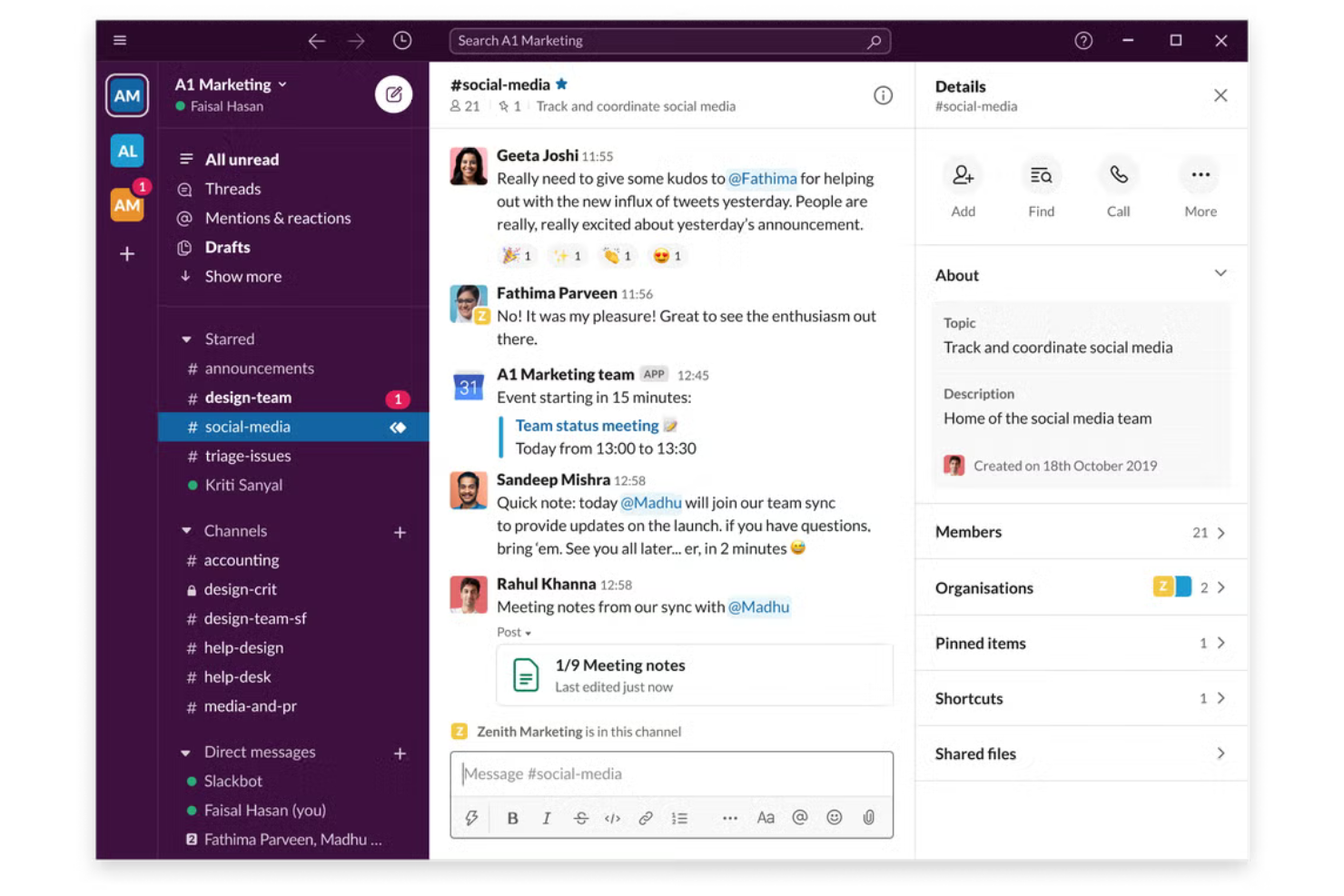
If your team needs a single place for all work conversations, Slack brings channels, direct messaging, and app integrations together in one platform. It’s especially useful for distributed teams or fast-moving organizations that need to keep discussions organized and searchable. Slack helps reduce email overload and makes it easier to track decisions, files, and updates in real time.
Why I Picked Slack
Centralizing team communication is where Slack really shines, making it a strong choice for cloud productivity solution. With channels, you can organize conversations by project, topic, or team, so information stays easy to find, and context is never lost. I picked Slack because its searchable message history and file-sharing features help teams keep track of decisions and resources without relying on scattered emails. For organizations that need to keep everyone in sync, Slack’s real-time messaging and notifications make collaboration much more manageable.
Slack Key Features
In addition to its core communication tools, Slack offers several other features that support productivity and collaboration:
- Workflow Builder: Automate routine tasks and processes with no-code custom workflows directly inside Slack.
- Huddles: Start quick, audio-based conversations for spontaneous discussions or troubleshooting.
- App Directory: Connect with thousands of third-party apps like Google Drive, Asana, and Zoom.
- Enterprise Key Management: Control and manage encryption keys for added data security.
Slack Integrations
Integrations include Asana, Box, ChatGPT, Claude, GitHub, Google Drive, Notion, Outlook Calendar, Salesforce, and more.
Pros and Cons
Pros:
- Huddles enable quick, informal audio chats
- Searchable message history
- Channels keep project discussions organized
Cons:
- Threaded replies can be hard to track
- Message retention limits on free plan
Other Cloud Productivity Software
Here are some additional cloud productivity software options that didn’t make it onto my shortlist, but are still worth checking out:
- monday AI Workspace
With AI-powered project planning
- Smartsheet
For managing complex workflows
- Wrike
For cross-team collaboration tracking
- Todoist
For personal task organization
- Axero
For creating internal knowledge hubs
- Zimbra
For open-source email and scheduling
- Coda
For building custom workspaces
- Reclaim
For automated calendar optimization
- LucidLink
For real-time remote file access


How I Evaluate Cloud Productivity Software
I evaluate cloud productivity tools in two layers: baseline requirements—cloud-native access, task management, live collaboration—and the differentiators that make one tool the right fit.
Core Functionality (Table Stakes For This List)
When I'm selecting tools for my list, I rank each one on a scale from 0 (does not offer the functionality) to 5 (excels in this area) for each core functionality listed below. Then, I calculate the tool's total score into a percentage. Each tool needs to achieve a minimum total score of 75% to be considered for inclusion.
- Cloud-Based Access & Availability: I check whether the platform runs natively in a browser with full-featured mobile apps, so a PM can reassign a task from a phone between meetings.
- Task & Project Management: Each tool should support task assignment, due dates, dependencies, and milestones—enough structure to run a multi-phase product launch.
- Real-Time Collaboration: I look for live co-editing, @mentions, and threaded comments that let a distributed team hash out a sprint plan without switching to email.
- File Sharing & Cloud Storage: Teams need to attach briefs, share specs, and retrieve past versions, so I evaluate storage depth, version history, and permission controls.
- Workflow & Productivity Views: I consider how many views a tool offers—Kanban, Gantt, calendar, timeline—and whether teams can toggle between them to match Agile or Waterfall needs.
- Third-Party Integrations: The tool should connect with the apps teams already rely on, like Slack, Google Workspace, or Jira, through native integrations or an open API.
Once I have a list of tools that meet this criteria, I consider what sets each platform apart.
Differentiating Factors (What Sets Vendors Apart)
Here's how I compare and contrast different vendors:
Standout Features
Resource and workload management is a big differentiator—I look for visual capacity planning that shows who's overloaded before a sprint starts, not after deadlines slip. AI-powered automation also carries weight, especially when a tool can auto-generate status summaries or suggest task assignments based on team availability. Goal and OKR alignment rounds things out by connecting daily tasks to strategic objectives, which gives program managers the portfolio-level visibility leadership actually asks for.
Beyond Features
Security is high on my list—I check for SOC 2 Type II certification, SSO support, and granular role-based permissions, since enterprise PMOs often need audit logs before procurement will sign off. Methodology flexibility is another factor I evaluate closely. A tool that forces pure Kanban won't serve a team running hybrid Waterfall-Agile delivery. I also consider pricing scalability, particularly whether a platform lets you add contractors or external stakeholders without jumping to a higher tier mid-project.
How to Choose Cloud Productivity Software
It’s easy to get bogged down in long feature lists and complex pricing structures. To help you stay focused as you work through your unique software selection process, here’s a checklist of factors to keep in mind:
| Factor | What to Consider |
|---|---|
| Scalability | Will the software support your team as it grows? Check user limits, storage caps, and plan upgrade paths. |
| Integrations | Does it connect natively with your existing tools (e.g., Slack, Jira, Google Workspace)? Missing integrations can create manual work. |
| Customizability | Can you adapt workflows, permissions, and templates to fit your processes, or are you locked into rigid structures? |
| Ease of use | Will your team adopt it quickly? Look for clear navigation, minimal training needs, and intuitive interfaces. |
| Implementation and onboarding | How long will setup take, and what resources are required? Consider data migration, training, and support during rollout. |
| Cost | Are pricing tiers transparent and predictable as your usage grows? Watch for hidden fees or costly add-ons. |
| Security safeguards | Does the tool offer encryption, SSO, and compliance with standards like SOC 2 or GDPR? Assess risk based on your data sensitivity. |
| Support availability | What support channels are offered, and are they available in your region and time zone? Fast, reliable help can be crucial during issues. |
What Is Cloud Productivity Software?
Cloud productivity software refers to digital tools that help teams create, organize, share, and manage work online from any location. These platforms typically support document collaboration, file storage, task tracking, and communication in a secure, centralized environment. By operating in the cloud, they enable real-time updates and access across devices, making it easier for distributed teams to stay aligned and productive.
Features of Cloud Productivity Software
When selecting cloud productivity software, keep an eye out for the following key features:
- Document collaboration: Multiple users can create, edit, and comment on documents in real time, making it easier to gather input and keep content up to date.
- Cloud file storage: Store, organize, and access files securely from any device, ensuring your team always has the latest version of important documents.
- Task and project tracking: Assign tasks, set deadlines, and monitor progress within shared workspaces to keep everyone accountable and aligned.
- Permission controls: Manage who can view, edit, or share specific files and workspaces, protecting sensitive information and supporting compliance needs.
- Version history: Track changes to documents and files, allowing users to review edits, restore previous versions, and maintain a clear audit trail.
- Calendar integration: Sync project milestones, meetings, and deadlines with team calendars to improve scheduling and visibility.
- Search functionality: Quickly locate documents, tasks, or conversations across your entire workspace using keyword or filter-based search tools.
- Notifications and alerts: Receive updates about changes, comments, or approaching deadlines to stay informed and responsive.
- Mobile access: Use dedicated mobile apps or responsive web interfaces to manage work and collaborate while away from your desk.
Benefits of Cloud Productivity Software
Implementing cloud productivity software provides several benefits for your team and your business. Here are a few you can look forward to:
- Real-time collaboration: Teams can work together on documents and projects simultaneously, reducing delays and version confusion.
- Centralized information: All files, tasks, and communications are stored in one accessible location, making it easier to find and manage work.
- Remote work accessibility: Team members can access tools and data from any device or location, supporting distributed and hybrid work models.
- Improved accountability: Task tracking, permission controls, and version history help clarify responsibilities and maintain a clear record of changes.
- Scalable workflows: Cloud-based platforms can grow with your team, allowing you to add users, storage, or features as your needs evolve.
- Enhanced security: Built-in permission settings and compliance features help protect sensitive information and support regulatory requirements.
- Centralized onboarding: Pre-built templates, training resources, and intuitive interfaces help new users get up to speed quickly.
Costs and Pricing of Cloud Productivity Software
Selecting cloud productivity software requires an understanding of the various pricing models and plans available. Costs vary based on features, team size, add-ons, and more. The table below summarizes common plans, their average prices, and typical features included in cloud productivity software solutions:
Plan Comparison Table for Cloud Productivity Software
| Plan Type | Average Price | Common Features |
|---|---|---|
| Free Plan | $0 | Basic document collaboration, limited storage, simple task tracking, and basic support. |
| Personal Plan | $5–$10/user/month | Individual file storage, calendar integration, mobile access, and personal task management. |
| Business Plan | $12–$25/user/month | Team workspaces, advanced permission controls, integrations with other tools, and priority support. |
| Enterprise Plan | $30–$50/user/month | Unlimited storage, advanced security, compliance features, custom onboarding, and dedicated support. |
Cloud Productivity Software FAQs
Here are some answers to common questions about cloud productivity software:
How secure is cloud productivity software?
Most cloud productivity software uses encryption, access controls, and compliance certifications like SOC 2 or GDPR to protect your data. Always review a vendor’s security documentation and ask about their incident response process before making a decision.
Can I migrate my existing files and data into cloud productivity software?
Yes, most platforms offer import tools or migration support for files, documents, and user data. Check for compatibility with your current formats and ask about any limitations or additional costs for large migrations.
What happens if my internet connection goes down?
Many cloud productivity tools offer offline access for core features like document editing or file viewing. Changes made offline typically sync automatically once your connection is restored, but some advanced features may be unavailable until you’re back online.
How do I manage user access and permissions?
Most solutions let you set granular permissions at the document, folder, or workspace level. You can control who can view, edit, or share content, and often integrate with single sign-on (SSO) for centralized user management.
Are there hidden costs beyond the subscription fee?
Some vendors charge extra for advanced features, additional storage, premium support, or integrations. Review the pricing page carefully and ask for a detailed quote to avoid surprises as your usage grows.