

Resource Planning: Importance & How To Do It Effectively


Resource planning is a foundational element of project management. It involves forecasting, organizing, and allocating everything from people and equipment to budget and time required to fulfill project objectives.
This planning ensures that the right resources are available at the right moment, preventing delays, cost overruns, and overworked teams.
What Is Resource Planning?
Resource planning is the process of identifying, organizing, and allocating the people, equipment, materials, time, and budget needed to complete a project successfully.

It helps project managers match resources to project requirements based on availability, skills, and capacity. Effective resource planning prevents scheduling conflicts, reduces unnecessary costs, and ensures resources are available when needed.
Importance of Resource Planning
Resource planning helps project managers deliver projects on time, control costs, and avoid overloading their teams. It provides visibility into resource availability and potential constraints, making it easier to prevent delays and make informed decisions.
Here are six key benefits:
- Improved resource visibility: See how resources are distributed across projects and identify scheduling conflicts before they cause delays.
- Better resource allocation: Use resource allocation to assign people and equipment based on project needs, skills, and availability.
- Greater time accountability: Compare actual time spent on tasks against estimates to identify inefficiencies and improve future planning.
- More accurate forecasting: Use resource forecasting to anticipate future staffing and equipment needs, and capacity planning to prevent resource shortages.
- Better budget control: Estimate resource costs, monitor spending, and adjust allocations to stay within budget.
- Greater flexibility: Reassign resources and adjust plans when priorities change or unexpected challenges arise.
How Does Resource Planning Work?
Resource planning works by matching project requirements with available resources. Project managers assess resource needs, costs, and capacity before assigning work, then adjust the plan as project demands change.
Here are five key factors to consider:
- Resources: Identify the people, equipment, materials, and other resources available across projects.
- Cost: Estimate resource expenses, including employee hourly rates, equipment costs, and client billing rates where applicable.
- Availability: Check schedules, workloads, and lead times to prevent delays and resource conflicts.
- Responsibilities: Assign tasks based on skills and availability, making sure everyone understands their role.
- Dependencies: Identify tasks or resources that depend on other activities being completed first to avoid bottlenecks.

How To Do Resource Planning: 6 Stages
Effective resource planning starts with understanding your project requirements and available capacity. Follow these six steps to build a resource plan and keep it aligned with your project as work progresses.
There are 6 stages in the resource planning process:
1. Review Upcoming Projects
Start by reviewing your organization's project pipeline to understand what work is coming up and when.
Check your project portfolio management tool or coordinate with other project managers to identify overlapping projects, competing priorities, and potential resource conflicts.
2. Identify and Forecast Resource Requirements
Determine the people, equipment, materials, and budget each project will need.
Break down the project into tasks and estimate the resources and time required for each. Use historical project data to improve your estimates and identify specialized skills or equipment you'll need to secure in advance.
3. Check Resource Availability
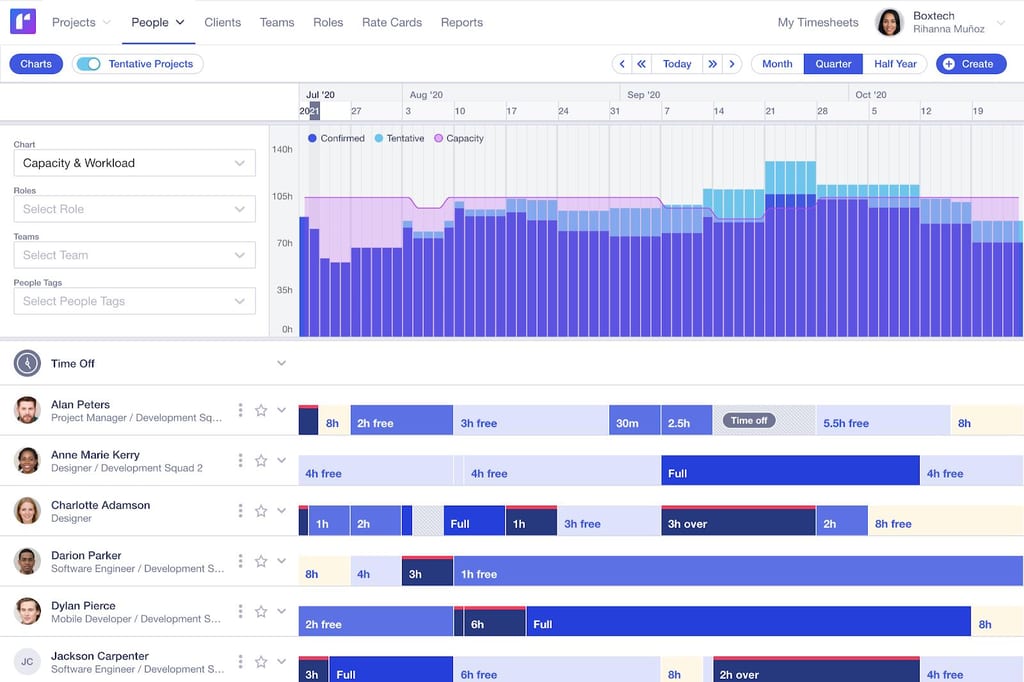
Compare your requirements against available resources to determine whether your team has enough capacity.
Review employee workloads, planned time off, existing commitments, and equipment availability. Identify shortages or scheduling conflicts early so you can adjust timelines or secure additional resources.
4. Match Resources to Project Needs
Assign resources to the projects and tasks where they'll be most effective.
Consider each team member's skills, experience, availability, and workload. Prioritize critical tasks and identify backup resources in case priorities shift or someone becomes unavailable.
5. Allocate Resources and Build Your Plan
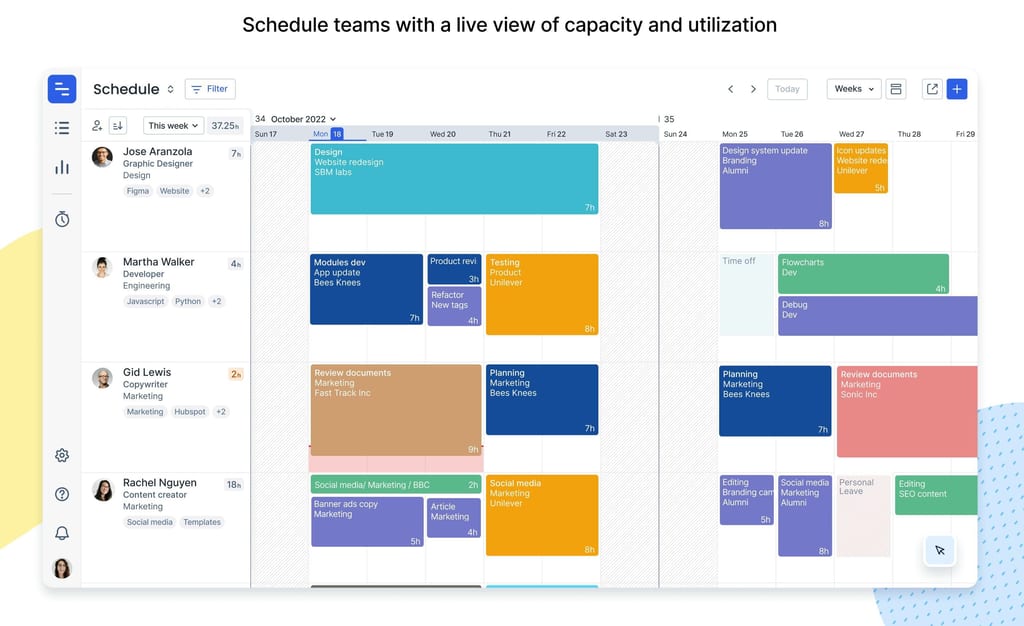
Create a resource allocation plan that outlines who or what is assigned to each task, when resources are needed, and how much capacity they'll require.
Coordinate assignments with your project schedule and budget. Review lessons learned from previous projects to anticipate risks, and include contingency plans for potential resource shortages.
6. Monitor and Adjust Resource Allocation
Resource planning doesn't end once assignments are made. Track resource utilization, workloads, and project progress throughout execution.
Compare actual resource usage against your estimates and adjust assignments when priorities, deadlines, or availability change. Regular reviews help prevent bottlenecks and keep the project on track.
You can also use resource planning templates to organize assignments and simplify ongoing updates.

When organizations invest time in planning ahead, they prevent failures along the way. Resource planning (with a sprinkle of active resource management) is one of the major aspects of project management that can help ensure project success.
Don't believe me?
According to the Project Management Institute’s Pulse of the Profession survey, 23 percent of the organizations surveyed thought that inadequate resource forecasting was one of the primary causes of a project’s failure.
Therefore, it is important to recognize the importance of forecasting in project management.
Forecasting and resource planning are key… it gives me a better indicator of whether we need more budget or to cut a feature.

Resource Planning Best Practices
Effective resource planning requires more than assigning people and equipment to tasks. These best practices can help you make better use of available resources and respond to changing project needs.
- Plan around realistic capacity: Account for meetings, administrative work, time off, and other commitments instead of assuming team members can dedicate 100% of their time to project tasks.
- Keep resource information centralized: Maintain a shared resource calendar or planning tool so project managers can see availability, assignments, and workloads across multiple projects.
- Prioritize critical tasks and resources: Identify activities that directly affect project deadlines and allocate specialized or limited resources to these tasks first.
- Use historical data to improve estimates: Review previous project timelines, resource utilization, and actual costs to make more accurate forecasts for upcoming work.
- Build flexibility into your schedule: Leave reasonable capacity buffers for unexpected requests, delays, or changes in project scope.
- Coordinate resource decisions across teams: Communicate with other project managers and department leads before assigning shared resources to avoid competing commitments.
- Review and update your plan regularly: Compare actual workloads and progress against your original estimates, and adjust assignments as priorities or resource availability change.
Common Resource Planning Mistakes to Avoid
Resource management is an important component of project management, but there are also challenges to navigating this workflow. Consider the following risk factors so you can avoid common mistakes:
- Not understanding your needs: A resource plan isn’t effective if it doesn’t accurately represent all your anticipated needs and every available resource. Account for everything you know so you don’t encounter surprises later.
- Not following up on outcomes: Compare your projections to outcomes. Did the estimated resource costs match the actual costs? Did a project take more hours than anticipated? Analyze these outcomes to identify areas for improvement and make better project plans in the future.
- Not holding teams to commitments: Hold the team accountable to their deadlines (without being unrealistic). Set expectations and follow up on missed commitments to help your team stay on track.
- Not anticipating hiring needs: Plan for hiring needs far in advance. If staffing is too tight, employee morale can suffer. If staffing is too padded, you’re paying for unnecessary resources. Forecasting your future needs allows you time to train new employees and account for turnover.
- Not limiting scope creep: Set clear expectations about what is and isn’t included in a project with the team and the client. Client resource management software can assist in this process by providing visibility into available resources and project scopes. Additionally, consider including buffer time and resources to address unexpected changes, ensuring that the timeline remains on track.
Working on your resource management skills on a regular basis can help you anticipate these challenges before they come up.
Recommended Tools For Resource Planning
Resource management software or resource scheduling tools make resource planning easy.
These tools help manage and store information like team member schedules, capacity, ideal utilization rates, and skill sets, so you have all the pertinent information to create an accurate resource plan. You can also find specific capacity planning software here.
Here is our list of the best software tools for resource management:
Clicks on the links below may earn a commission, which supports our independent testing and review of software and services. Learn more about how we stay transparent.


If you need a low-cost option to help you get started, check out our list of free resource management software or this list of open source resource management software.
What's Next?
Want to connect with other digital project managers to share resources and best practices? Join our membership community and get access to 100+ templates, samples, and examples and connect with 100s of other digital project managers in Slack.


