

Las 10 mejores herramientas de gestión de carteras de proyectos (PPM) en 2026

10 Selección de las mejores herramientas de gestión de carteras


Las mejores herramientas de gestión de carteras de proyectos (PPM) ayudan a tomar decisiones estratégicas sobre qué proyectos financiar, pausar o cancelar en una cartera global, basándose en datos en tiempo real sobre la capacidad de los recursos, el impacto financiero, la alineación con los objetivos empresariales y la exposición al riesgo. Cuando gestionas varias iniciativas a la vez, es fácil perder de vista las prioridades, comprometer recursos en exceso o incumplir fechas límite importantes. Las herramientas PPM ayudan a resolverlo centralizando los datos de los proyectos, mostrando información en tiempo real y permitiendo tomar mejores decisiones a gran escala.
Durante mis más de 20 años en la gestión de proyectos, he utilizado más de 15 herramientas PPM y he aprendido cómo ayudan a priorizar y asignar recursos entre proyectos de clientes competidores basándose en la capacidad disponible en tiempo real y el valor estratégico.
A continuación encontrarás mis principales recomendaciones, basadas en pruebas prácticas. He seleccionado cada una por lo bien que ayuda a los equipos a gestionar carteras de proyectos con claridad, alineación y control.
Por qué confiar en nuestras recomendaciones de software
Nuestro equipo lleva probando y evaluando software desde 2012. Como gestores de proyectos, sabemos lo difícil —y lo importante— que es elegir el software adecuado.
Para esta guía, evaluamos las herramientas mediante pruebas prácticas e investigación independiente, puntuando las herramientas según nuestros criterios de selección. También nos basamos en la experiencia de líderes de opinión del sector y de profesionales en activo de la gestión de proyectos.
Nuestras reseñas reflejan nuestro criterio editorial humano, no un discurso de ventas.
Revisores expertos:
Tabla comparativa de herramientas PPM
Aquí tienes una tabla que puedes utilizar para comparar todas las herramientas que acabamos de analizar en los resúmenes.
| Tool | Best For | Trial Info | Price | ||
|---|---|---|---|---|---|
| 1 | Ideal para visibilidad en tiempo real del portafolio de proyectos | Prueba gratuita de 14 días + demo gratuita disponible | Desde $19.90/usuario/mes (facturado anualmente) | Website | |
| 2 | Ideal para una planificación de PMO estructurada y potenciada con IA | Demostración gratuita disponible | Precio bajo solicitud | Website | |
| 3 | La mejor opción para la planificación de escenarios hipotéticos en todas las carteras | Demostración gratuita disponible | Desde $20/usuario/mes (facturado anualmente) | Website | |
| 4 | Mejor para la optimización de carteras de proyectos con IA | Prueba gratuita de 30 días + demo gratuita disponible | Desde 22,5 €/mes (facturación anual) | Website | |
| 5 | Ideal para rastrear la carga de trabajo del equipo | Prueba gratuita de 14 días | Desde $9.80/usuario/mes | Website | |
| 6 | Ideal para la gobernanza del portafolio | Prueba gratuita + demo gratuita disponible | Desde $9/miembro/mes (facturado anualmente) | Website | |
| 7 | Mejor para agencias y consultoras medianas | Prueba gratuita de 14 días | Desde $16/usuario/mes | Website | |
| 8 | Ideal para priorizar proyectos con IA | Prueba gratuita de 30 días | Desde $25/usuario/mes | Website | |
| 9 | Ideal para capacidades de personalización de flujos de trabajo | Prueba gratuita de 14 días | Desde $10/usuario/mes | Website | |
| 10 | Mejor para equipos de servicios profesionales | Demo gratuita disponible | Precio a consultar | Website |


Reseñas de las mejores herramientas de gestión de carteras
Cualquier solución de gestión de carteras de proyectos de esta lista debería ayudarte a gestionar proyectos y la alineación estratégica en toda tu cartera.

Scoro
Ideal para visibilidad en tiempo real del portafolio de proyectos
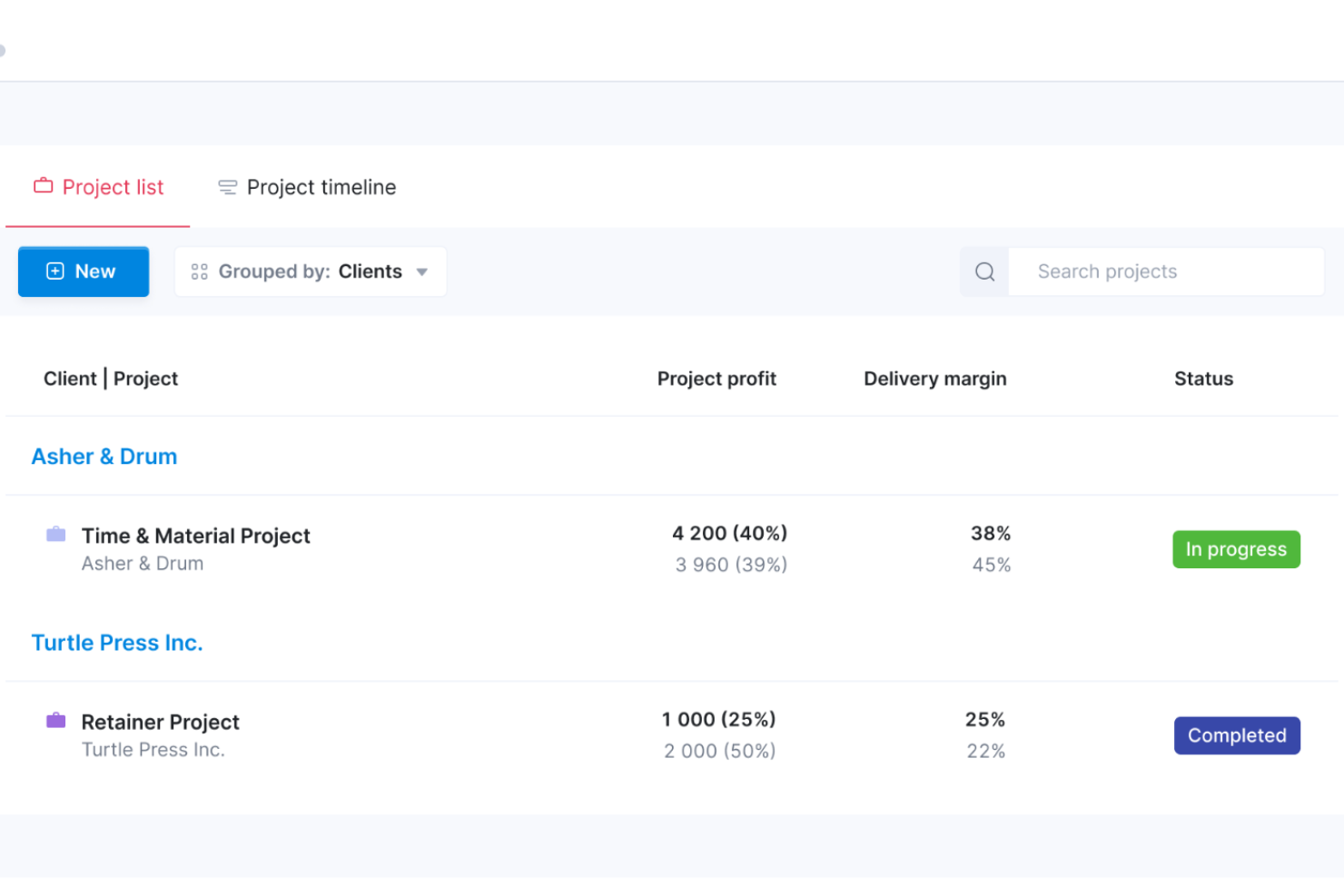
Scoro es un software de gestión de trabajo con funciones para la gestión de carteras de proyectos (PPM) que puede ayudar a las empresas a gestionar varios proyectos y carteras de manera eficiente.
Por qué elegí Scoro
Como software de gestión de carteras de proyectos, Scoro combina todo lo que necesitas en un solo lugar. La herramienta PPM de Scoro está diseñada para proporcionar información sobre la salud del proyecto, el estado y los indicadores financieros, así como facilitar el seguimiento interno del tiempo y la gestión detallada de recursos.
Estas funciones buscan ofrecer visibilidad y control para diversos roles dentro de la organización, incluidos ejecutivos, responsables de operaciones, gestores de proyectos, responsables financieros y miembros del equipo. Además, la función de informes en tiempo real de la plataforma puede ayudarte a identificar qué proyectos y clientes están afectando más los márgenes de beneficio, para que puedas tomar decisiones más informadas sobre qué proyectos emprender.
Características clave de Scoro
Scoro también ofrece varias funciones adicionales que pueden ayudarte a mejorar tus capacidades de gestión de carteras de proyectos.
- Paneles personalizables: Puedes crear paneles personalizados para rastrear indicadores clave de rendimiento (KPI), tareas y objetivos relevantes a tus proyectos, lo que ayuda a mantener el enfoque y organización.
- Seguimiento del tiempo: Hay varias opciones para el seguimiento del tiempo, incluyendo un temporizador incorporado para registro en tiempo real, lo cual te ayuda a mejorar la planificación del proyecto y gestionar eficazmente los costes de mano de obra.
- Gestión automática de presupuestos: Puedes hacer un seguimiento automático del gasto de los proyectos respecto al presupuesto planificado, obtener información financiera en tiempo real para evitar problemas y mejorar la planificación futura.
- Gestión de facturas y pagos: Puedes automatizar la creación de facturas basadas en presupuestos y conectar con sistemas de pago como Stripe para agilizar el proceso de facturación de tus proyectos.
Integraciones de Scoro
Las integraciones incluyen Google Calendar, Stripe, Jira, Microsoft Exchange, Expensify, Slack, Asana, Dropbox, PayPal, QuickBooks, Xero y Sage Intacct.
Pros and Cons
Pros:
- Pronostica recursos entre proyectos
- Haz seguimiento del uso del presupuesto en tiempo real
- Elabora informes densos para múltiples proyectos
Cons:
- La configuración puede llevar tiempo
- Limitaciones en la personalización de informes
New Product Updates from Scoro

Scoro Adds Time Mobile App and ELI Improvements
Scoro adds the Scoro Time mobile app for iOS/Android to track time anywhere and expands ELI with attachments, smarter filtering, and trigger-based actions. For more information, visit Scoro's official site.

Ideal para una planificación de PMO estructurada y potenciada con IA
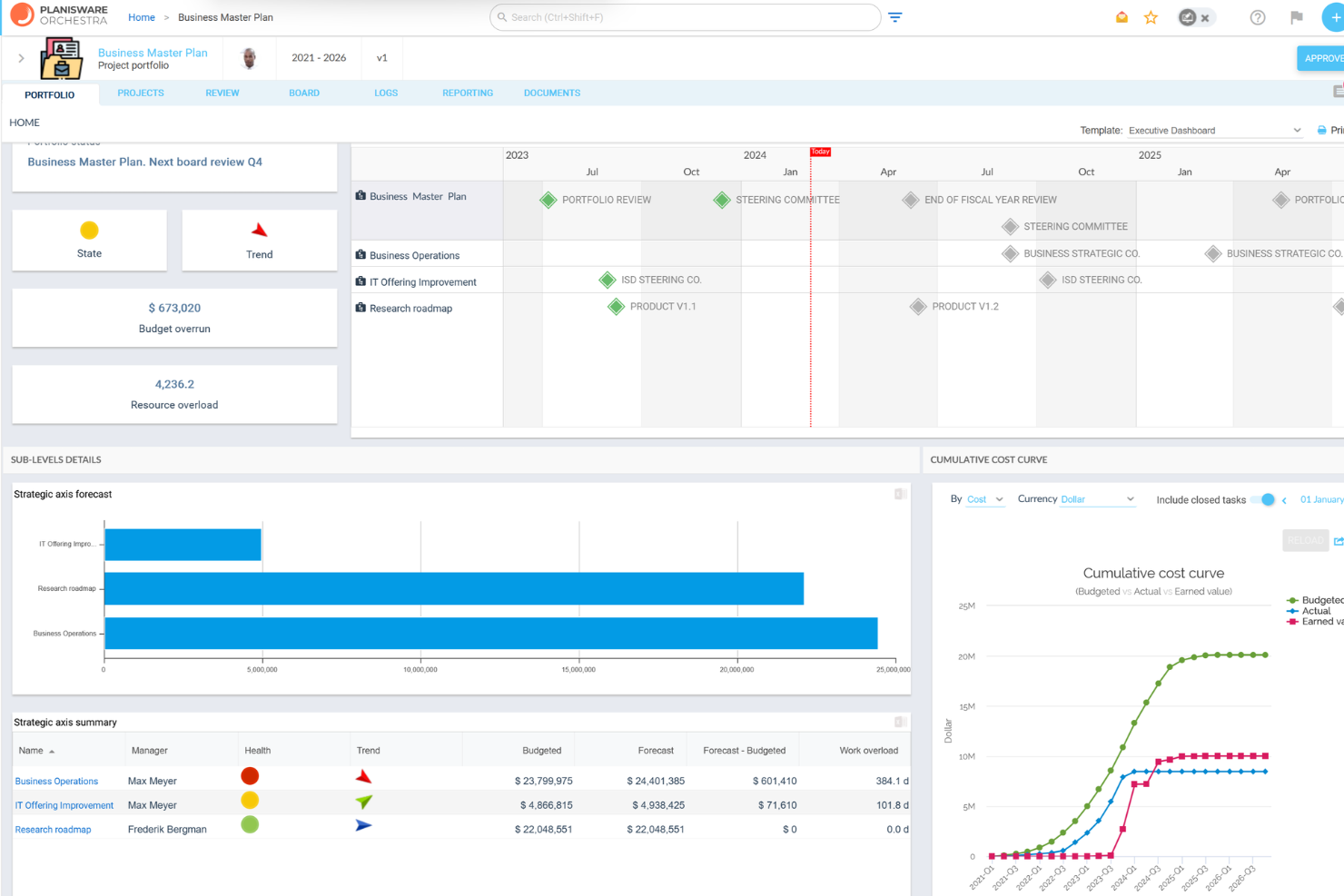
Planisware es un software de gestión de portafolio de proyectos (PPM) diseñado para ayudar a las organizaciones a administrar y priorizar sus proyectos. Está diseñado para manejar portafolios complejos y puede adaptarse a los requisitos específicos de diferentes organizaciones e industrias.
Por qué elegí Planisware
Una de sus características clave es la capacidad de análisis dinámico de portafolio, que permite a los gestores categorizar, priorizar y equilibrar proyectos según los objetivos estratégicos del negocio. Esto alinea los proyectos directamente con las estrategias corporativas, asegurando que todas las iniciativas generen valor y cumplan metas empresariales predefinidas. La plataforma también facilita la planificación de escenarios de portafolio con herramientas avanzadas de simulación y previsión.
Además, Planisware proporciona un marco estructurado pero flexible para ayudar a las oficinas de proyectos (PMO) a madurar sus prácticas de gestión de portafolios. Desde procesos y metodologías estandarizados hasta una interfaz completamente personalizable que se adapta a varios niveles de madurez en la gestión de proyectos, el software potenciado con IA acompaña el desarrollo hacia prácticas de PPM más avanzadas.
Características clave de Planisware
Planisware también ofrece un conjunto de funcionalidades adicionales para apoyar la gestión de portafolios de proyectos.
- Gestión de demanda: Permite centralizar y evaluar propuestas de proyectos para alinear las necesidades con la implementación.
- Gestión de presupuestos y costos: Puedes seguir y analizar el desempeño financiero de los proyectos en tiempo real, así como generar previsiones de presupuesto fiables.
- Colaboración e informes: Facilita la comunicación entre equipos y provee información en tiempo real para la toma de decisiones.
- Gestión de recursos: Puedes optimizar la capacidad y carga de trabajo del equipo gracias a una visión integral de las actividades de los recursos.
Integraciones de Planisware
Las integraciones incluyen Microsoft Office 365, Microsoft Teams, Google Workspace, Oracle NetSuite, Hyperion, JD Edwards, Tableau, Qlik, Workforce, ADP, SAP, Jira, Salesforce, HubSpot y más.
Pros and Cons
Pros:
- Permite la planificación de escenarios para grandes portafolios
- Personaliza los flujos de trabajo y campos de datos según tus necesidades
- Soporta múltiples monedas y empresas globales
Cons:
- La personalización avanzada puede requerir conocimientos técnicos
- No es ideal para equipos pequeños

La mejor opción para la planificación de escenarios hipotéticos en todas las carteras
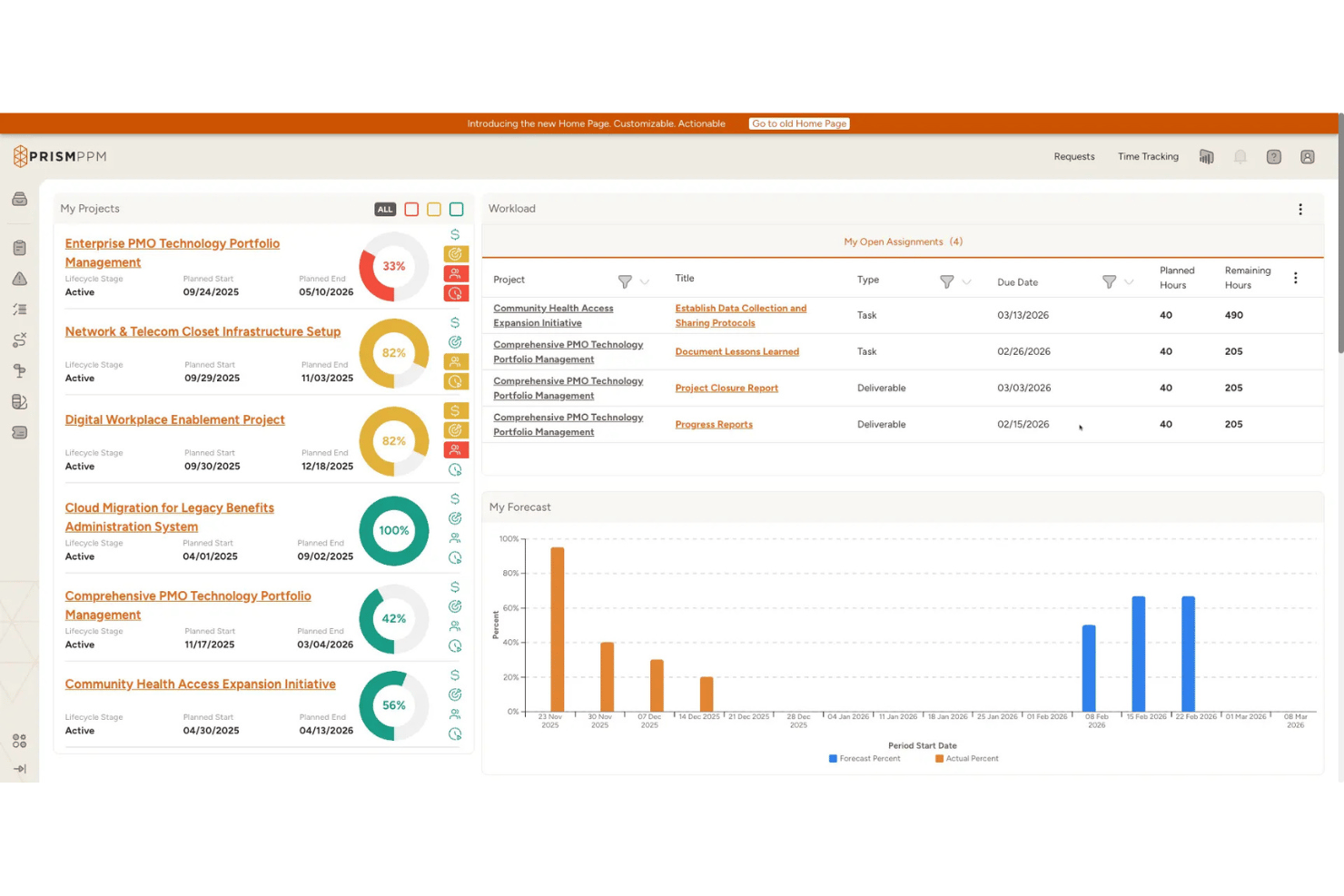
Prism PPM es una plataforma de gestión de carteras de proyectos diseñada para las PMO que combina paneles de cartera, planificación de la capacidad de recursos, modelado de escenarios, recepción de solicitudes y mapeo de la alineación estratégica.
¿Para quién es más adecuado Prism PPM?
Prism PPM es una opción especialmente adecuada para directores de PMO y gestores de carteras en organizaciones medianas que necesitan una gobernanza estructurada basada en PMBOK junto con un modelado flexible de escenarios.
Por qué elegí Prism PPM
Prism PPM merece estar en mi lista de opciones principales porque su planificación de escenarios hipotéticos es realmente una de las más avanzadas que he visto en una plataforma PPM, ya que constituye un diferenciador fundamental desde 1998. Puedo llevar los datos de la cartera sin conexión, ajustar manualmente los plazos de los proyectos y observar cómo se actualiza el impacto en los recursos en tiempo real antes de comprometerme con nada. Si a esto le añadimos la nivelación automatizada de recursos y una evaluación del valor empresarial para puntuar las solicitudes de proyectos según criterios estratégicos ponderados, tenemos un verdadero motor de apoyo a la toma de decisiones para las PMO que gestionan prioridades contrapuestas.
Funciones principales de Prism PPM
- Evaluación del valor empresarial: Una herramienta de puntuación ponderada que permite diseñar criterios propios para evaluar y priorizar las solicitudes de proyectos entrantes según los objetivos estratégicos.
- IA agéntica: Ofrece informes resumidos de la cartera en tiempo real, análisis de la calidad de los datos y evaluaciones de riesgos, con un chat de IA disponible en los niveles Business y Enterprise.
- Hojas de ruta de la cartera: Una vista cronológica de todos los proyectos dentro de una iniciativa de cartera, incluida la visualización de dependencias entre proyectos y dentro de ellos.
- Registro de riesgos: Una herramienta de seguimiento de riesgos lista para usar que consolida los riesgos y problemas de los proyectos en los niveles de programa y cartera.
Integraciones de Prism PPM
Prism PPM se integra con Jira, Microsoft Project, Power BI, Azure Databricks, Microsoft Excel, Box, Dropbox, Google Drive, Microsoft Entra ID y Project Libre. Una API abierta admite integraciones personalizadas, incluidas conexiones con sistemas financieros y de recursos humanos.
Pros and Cons
Pros:
- Planificación avanzada de escenarios hipotéticos integrada
- Paneles de cartera para los informes de las partes interesadas de la PMO
- Información de la cartera basada en IA en tiempo real
Cons:
- La integración con Jira está limitada en el nivel estándar
- No ofrece integraciones nativas con ERP o HRIS

Epicflow
Mejor para la optimización de carteras de proyectos con IA

Epicflow está diseñado para quienes gestionan entornos de proyectos complejos, ofreciendo soluciones impulsadas por IA para optimizar carteras de proyectos en distintas industrias. Si eres un ejecutivo senior o un gestor de proyectos, descubrirás que Epicflow resuelve desafíos relacionados con la asignación de recursos y la programación de proyectos, asegurando entregas puntuales y dentro del presupuesto.
Por qué elegí Epicflow
Elegí Epicflow por su capacidad única de incorporar análisis predictivos impulsados por IA y control de flujo de trabajo en tiempo real, aspectos cruciales para optimizar múltiples proyectos en tu cartera de manera eficiente. Su función de planificación de capacidad te permite pronosticar la demanda de recursos y detectar cuellos de botella antes de que ocurran, resultando de gran valor para los gestores de proyectos que enfrentan desafíos en la asignación de recursos. Además, la característica de análisis de escenarios hipotéticos de Epicflow te permite explorar diferentes escenarios de proyecto, ayudándote a tomar decisiones informadas que se alineen con tus objetivos estratégicos. Estas capacidades hacen de Epicflow una excelente opción si buscas mejorar la eficiencia y rentabilidad en la entrega de proyectos en general.
Características clave de Epicflow
Además de su fuerte enfoque en el análisis predictivo y el control de flujo de trabajo, Epicflow ofrece varias otras características que refuerzan su utilidad como herramienta PPM.
- Reasignación de tareas basada en habilidades: Te permite identificar tareas cuyas competencias requeridas coinciden con otros recursos disponibles, facilitando mover el trabajo dentro o entre grupos.
- Gráfico de carga futura: Permite prever la demanda de recursos e identificar posibles cuellos de botella en tu flujo de proyectos.
- Gestión de competencias y atributos: Facilita la asignación efectiva de recursos al vincular las competencias del equipo con los requerimientos del proyecto.
- Visión general de la cartera en tiempo real: Ofrece una visión integral de todos los proyectos en curso, ayudándote a gestionar múltiples proyectos de forma sencilla.
Integraciones de Epicflow
Las integraciones incluyen Jira, Microsoft Project, Oracle Primavera, SAP y Asana. Se dispone de una API para integraciones personalizadas, permitiendo una conectividad fluida con otros sistemas de gestión de proyectos o RRHH.
Pros and Cons
Pros:
- La planificación de escenarios ayuda a evaluar posibles resultados de proyectos.
- Las predicciones impulsadas por IA reducen los conflictos en la asignación de recursos.
- Mejora la gestión multiproyecto con prioridades de tareas claras.
Cons:
- Requiere tiempo para ingresar datos detallados de proyectos inicialmente.
- No es ideal para equipos de proyectos muy pequeños o usuarios individuales.
Wrike
Ideal para rastrear la carga de trabajo del equipo
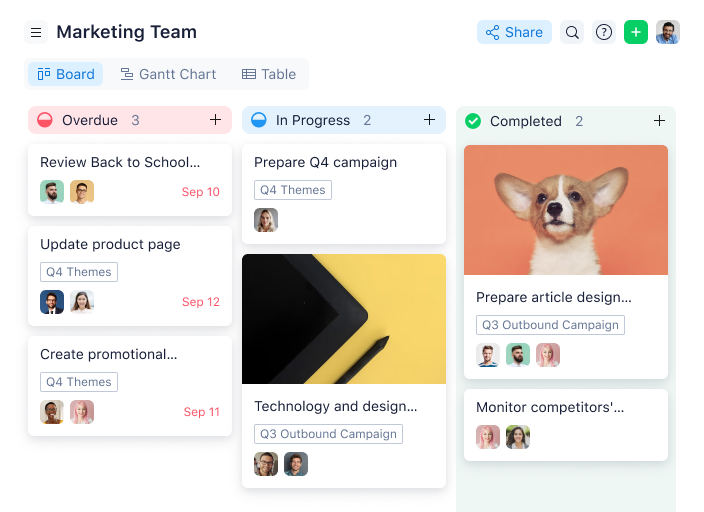
Wrike es un software galardonado de gestión de portafolio de proyectos, fácil de usar, altamente configurable e incluye capacidades de IA que pueden evaluar proyectos en riesgo y ayudar a optimizar tu portafolio. Los usuarios pueden personalizar flujos de trabajo, paneles de control, informes, formularios de solicitud y más.
Por qué elegí Wrike
Elegí Wrike por su capacidad para permitirte rastrear con precisión la carga de trabajo del equipo, un componente fundamental para la gestión de portafolio de proyectos. Con gráficos de carga de trabajo intuitivos, puedes visualizar la capacidad de tu equipo y redistribuir tareas para evitar el agotamiento y mantener un uso óptimo de los recursos.
Los informes en tiempo real y los paneles personalizables de Wrike te proporcionan la información que necesitas para rastrear el progreso y tomar decisiones fundamentadas de manera rápida. Este enfoque en la gestión de cargas de trabajo impulsa la colaboración y mantiene tus proyectos alineados con los objetivos estratégicos de negocio.
Características clave de Wrike
Wrike también ofrece varias otras funciones que lo hacen una excelente opción como herramienta de gestión de portafolio de proyectos.
- Formularios de solicitud personalizables: Estos formularios permiten que tu equipo recopile y priorice solicitudes de proyectos sin inconvenientes, para asegurar que solo los proyectos más críticos avancen.
- Herramientas de presupuesto en tiempo real: Puedes asignar y rastrear recursos financieros en todos los proyectos y mantener tu presupuesto alineado con los objetivos del proyecto.
- Soporte ágil: Wrike brinda flexibilidad para metodologías como ágil, lo que ayuda a tu equipo a adaptarse rápidamente a las necesidades cambiantes del proyecto.
- Automatización con IA: Los agentes de IA de Wrike te permiten automatizar tareas mundanas, mejorar la eficiencia en tus proyectos y liberar a tu equipo para enfocarse en actividades más estratégicas.
Integraciones de Wrike
Las integraciones incluyen Microsoft Office, Google Drive, Dropbox, Salesforce y Marketo.
Pros and Cons
Pros:
- Adapta espacios de trabajo y campos a los proyectos
- Administra gráficos de carga de trabajo y predice la demanda
- Gestiona múltiples sectores/departamentos en un solo lugar
Cons:
- Límites en campos personalizados muy específicos o lógica de formularios
- Los conjuntos de datos grandes pueden ralentizar el rendimiento
New Product Updates from Wrike

Wrike Adds Quick Search to Table View
Wrike adds Quick Search to Table View with full-table search across titles, descriptions, and fields, plus highlighted matches. This helps users find tasks faster in large tables. For more information, visit Wrike’s official site.
Ideal para la gobernanza del portafolio
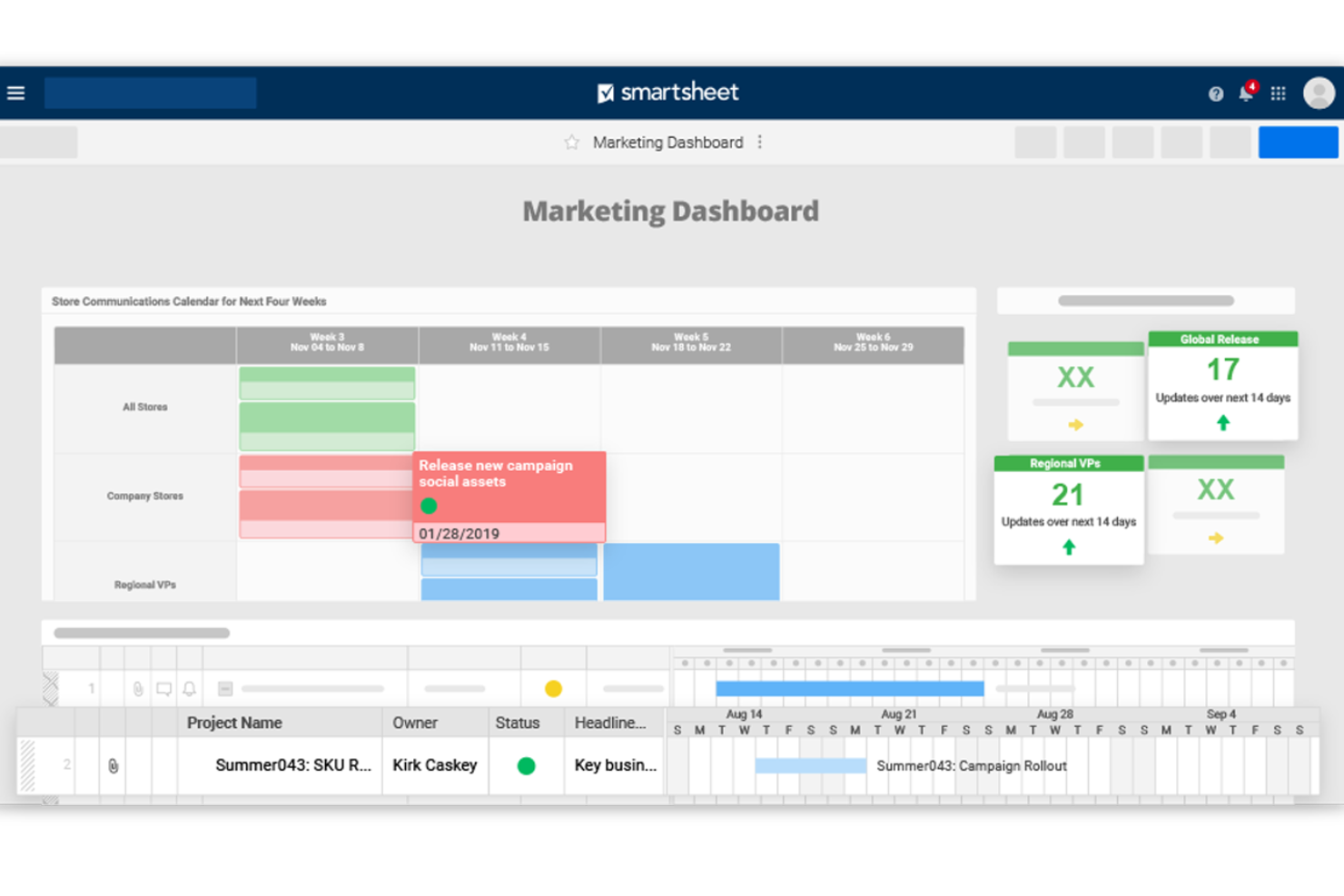
Smartsheet es una plataforma versátil de gestión de trabajo y automatización diseñada para ayudar a los equipos a planificar, recopilar, gestionar, automatizar e informar sobre su trabajo. Esta herramienta puede proporcionar una visión general de alto nivel de los proyectos y recursos para que puedas centrarte en las decisiones clave.
Como aprendimos de la Senior PM, Thako Harris, 'En el rol de PM, herramientas como Smartsheet facilitan ver en tiempo real la asignación de equipo y la capacidad.'
Por qué elegí Smartsheet
Como software PPM, Smartsheet ayuda a los equipos a gobernar su portafolio de proyectos complejos. Ofrece funciones de colaboración en tiempo real, asegurando que todos estén alineados. Sus capacidades de seguimiento de tareas y programación también permiten a los equipos planificar y ejecutar campañas con precisión, mientras que los flujos de trabajo automatizados ayudan a reducir el esfuerzo manual y minimizan los errores.
Otra razón por la que Smartsheet es ideal si buscas una gobernanza sólida del portafolio es su robusta capacidad de informes y análisis. La plataforma proporciona paneles y reportes personalizables que ofrecen a los usuarios información valiosa sobre el desempeño de los proyectos, el seguimiento presupuestario y la asignación de recursos.
Características clave de Smartsheet
Además de las características anteriores, Smartsheet ofrece una variedad de funciones para la gestión del portafolio de proyectos.
- Planificación estratégica: Esta función te ayuda a alinear los proyectos con los objetivos y presupuestos de la empresa, para que te asegures de que tu portafolio brinde valor.
- Recepción y priorización de demandas: Puedes gestionar eficazmente las solicitudes de proyectos y asegurarte de que se alineen con los objetivos empresariales para mantener un flujo de trabajo eficiente.
- Gestión de recursos: Puedes rastrear y asignar recursos a través de varios proyectos para mantener las cargas de trabajo equilibradas y optimizar la utilización, de modo que los recursos correctos se apliquen a los proyectos correctos en el momento adecuado.
- Automatización: Puedes automatizar tareas y procesos para reducir ineficiencias y permitir que tu equipo se enfoque en actividades estratégicas en lugar de procesos manuales repetitivos.
Integraciones de Smartsheet
Las integraciones incluyen Docusign, Tableau, Salesforce, ServiceNow, Google Workspace, Jira, Microsoft Office 365, Box, Dropbox, Adobe Creative Cloud, Slack, OneDrive, Evernote, GitHub y Zapier.
Pros and Cons
Pros:
- Visualiza docenas de hojas de proyectos en una sola vista
- Los cálculos de fórmulas imitan la lógica de una hoja de cálculo
- Mapas de calor de carga de trabajo entre recursos
Cons:
- Automatizaciones complejas difíciles de crear
- Conjuntos de datos grandes pueden provocar un rendimiento lento
New Product Updates from Smartsheet
Smartsheet Adds Column Duplication Without Data
Smartsheet now lets you duplicate columns in table view without copying cell data, while retaining column properties like type, formatting, validation, and dropdown/contact options. For more information, visit Smartsheet's official site.

Accelo
Mejor para agencias y consultoras medianas

Accelo es una plataforma de automatización de servicios profesionales que ayuda a las empresas de servicios a gestionar el trabajo desde el compromiso con el cliente hasta la entrega y el pago. Ofrece herramientas para rastrear el trabajo con clientes, monitorear la capacidad del equipo y vincular la ejecución de proyectos con los resultados financieros.
Por qué elegí Accelo
Accelo te permite gestionar tu flujo de trabajo de cotización a cobro de principio a fin y vincula las tareas del proyecto, el seguimiento del tiempo, la facturación y los informes para que puedas ver de dónde proviene la rentabilidad. Incluye paneles en tiempo real que muestran presupuestos de proyectos, cifras reales y márgenes, para que no tengas que esperar semanas para tomar el pulso a la rentabilidad y detectar desviaciones. La gestión de recursos permite asignar trabajo por habilidades y disponibilidad para que tu equipo se mantenga ocupado y eficiente. Está diseñado pensando en las empresas de servicios para alinearse con los tipos de modelos de trabajo con clientes que utiliza tu equipo.
Características clave de Accelo
Accelo ofrece una variedad de funciones adicionales que pueden ayudarte con la gestión de portafolio de proyectos.
- Gestión de tareas: Puedes crear, asignar y priorizar tareas mientras haces seguimiento al progreso en tiempo real, garantizando que tu equipo siga el ritmo.
- Asignación de recursos: Permite asignar eficazmente los recursos según la disponibilidad y las competencias, y gestionar las cargas de trabajo de manera efectiva en varios proyectos.
- Presupuestación y gestión financiera: Puedes establecer presupuestos de proyectos y rastrear gastos e ingresos en tiempo real para mantener el control financiero y optimizar la rentabilidad.
- Informes y análisis: Permite generar informes de desempeño y analizar datos de los proyectos para obtener información y tomar decisiones informadas que impulsen la mejora continua.
Integraciones de Accelo
Las integraciones incluyen Google Workspace, Microsoft 365, QuickBooks, HubSpot, PayPal, Zapier, Xero y Jira.
Pros and Cons
Pros:
- Visualiza en vivo la rentabilidad en todo tu portafolio
- Vincula cotizaciones directamente con finanzas del proyecto
- Asigna recursos según habilidades y disponibilidad
Cons:
- Modelos de servicio únicos necesitan mayor personalización
- Se requiere disciplina en los datos para mantener la precisión de los análisis
New Product Updates from Accelo
Accelo Adds Quote Designer and Pipeline Management
Accelo adds Quote Designer, enhanced pipeline views, and quote tracking with version history. This helps teams create proposals and manage opportunities from scoped work. For more information, visit Accelo’s official site.

Celoxis
Ideal para priorizar proyectos con IA
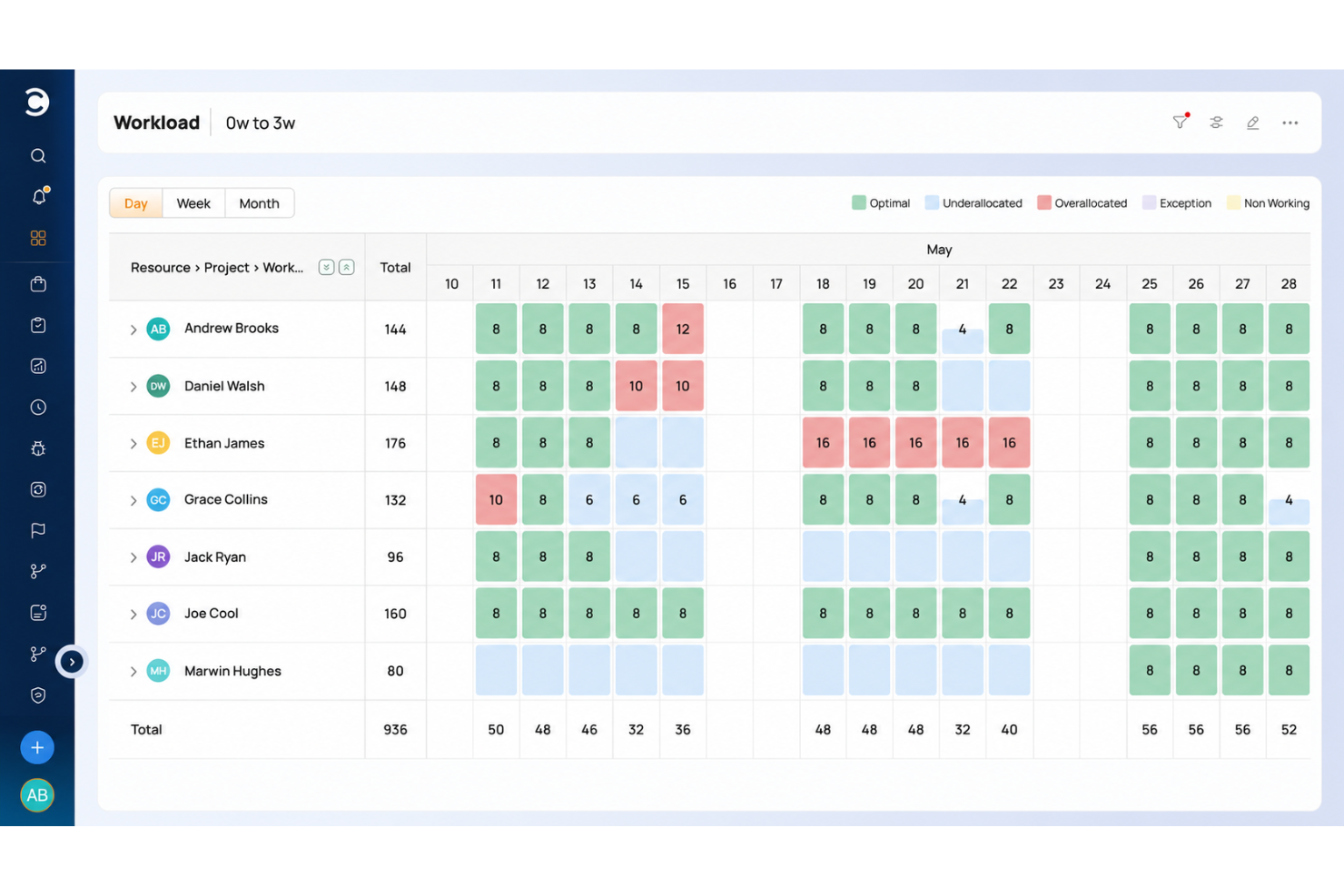
Celoxis ofrece sólidas capacidades de Gestión de Portafolios de Proyectos (PPM), permitiendo a las organizaciones optimizar, supervisar y mejorar todo su portafolio de proyectos en una sola plataforma unificada. En esencia, Celoxis proporciona visibilidad en todos los proyectos, asegurando que los ejecutivos y gerentes de proyectos puedan alinear las iniciativas con los objetivos estratégicos del negocio y optimizar la asignación de recursos.
Por qué elegí Celoxis: Con herramientas avanzadas de priorización impulsadas por IA, Celoxis ayuda a las empresas a enfocar sus estrategias en los proyectos de mayor impacto analizando criterios como la alineación estratégica, viabilidad financiera y disponibilidad de recursos. Esto permite una mejor toma de decisiones, garantizando que las iniciativas de alto valor reciban la atención que merecen, mientras que los proyectos menos críticos se gestionan eficientemente o se posponen.
El seguimiento en tiempo real de la plataforma permite obtener información inmediata sobre el avance del proyecto, la utilización de recursos y la salud financiera, brindando total transparencia en cada etapa del ciclo de vida del proyecto. Con análisis predictivos impulsados por IA, Celoxis anticipa riesgos potenciales, cuellos de botella y brechas de recursos, ayudando a los equipos a mitigar proactivamente los problemas antes de que afecten plazos o presupuestos. Celoxis también cuenta con gestión financiera integrada, ofreciendo un centro centralizado para administrar presupuestos de proyectos, valores reales, previsiones y desviaciones.
Características e integraciones destacadas de Celoxis
Características incluyen algoritmos impulsados por IA para la gestión y optimización de recursos en todo el portafolio, así como planificación y gobernanza dinámica del portafolio. Con su planificación de capacidad en tiempo real, puedes identificar restricciones de recursos antes de que se conviertan en cuellos de botella, garantizando una distribución óptima de la carga de trabajo. La plataforma también alinea la ejecución de proyectos con los objetivos estratégicos al brindar visibilidad sobre las prioridades del proyecto y métricas de desempeño, lo que la convierte en una opción sólida para organizaciones que manejan múltiples proyectos críticos.
Las integraciones incluyen cientos de aplicaciones empresariales populares mediante conectores de integración y API web. Esto abarca plataformas esenciales como Jira, Salesforce, QuickBooks Online, Excel, Slack, Google Apps y más.
Pros and Cons
Pros:
- Visualiza cargas de trabajo de recursos entre proyectos en un solo gráfico
- Muchas opciones de campos personalizados y aplicaciones personalizadas
- Implementación en la nube y en local disponible
Cons:
- La interfaz puede sentirse saturada
- La complejidad aumenta con equipos grandes
Ideal para capacidades de personalización de flujos de trabajo
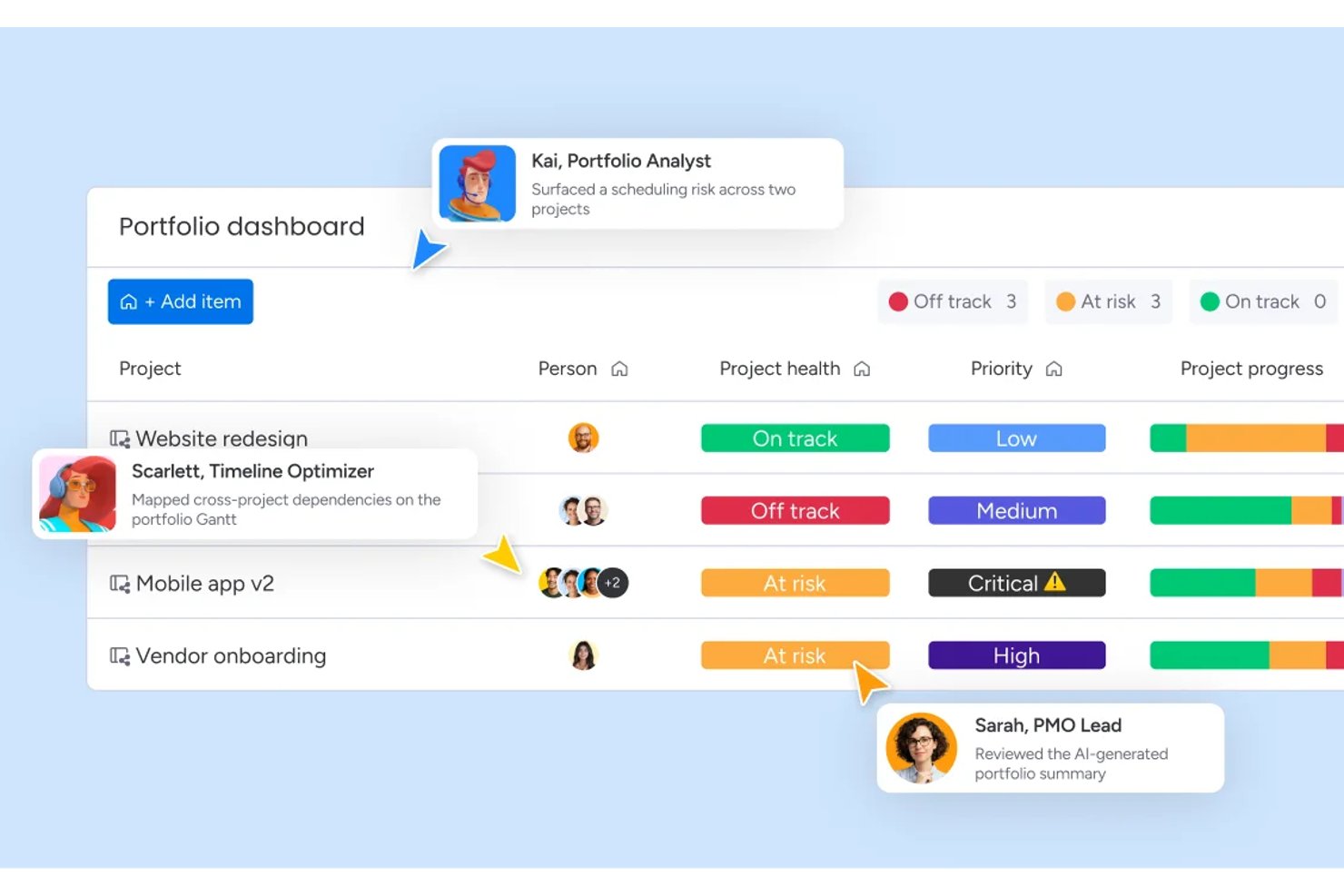
monday AI Workspace es una plataforma de gestión del trabajo impulsada por IA que respalda la supervisión de carteras, la asignación de recursos, la planificación de proyectos y la elaboración de informes entre equipos a través de múltiples proyectos y programas simultáneos.
¿Para quién es ideal monday AI Workspace?
monday AI Workspace es una excelente opción para equipos de PMO y gestores de programas en organizaciones medianas y grandes que necesitan flujos de trabajo flexibles y personalizables que abarquen varios departamentos y proyectos.
Por qué elegí monday AI Workspace
monday AI Workspace se gana su lugar como uno de los mejores en mi lista porque ningún otro sistema cercano a PPM permite construir flujos de trabajo con tanta libertad como este. Me gusta especialmente el generador de flujos de trabajo con IA, que crea lógica de automatización a partir de una descripción en lenguaje sencillo, y el creador de apps Vibe, que convierte una necesidad empresarial en una aplicación funcional sin escribir código. Mi equipo puede configurar tableros, columnas y reglas de automatización para que se adapten exactamente a cómo realizamos las revisiones de cartera y los informes de estado.
Principales funciones de monday AI Workspace
- Tableros de cartera: Crea tableros en tiempo real que visualizan el estado de los proyectos, los KPI y el estado en varias carteras.
- Módulo de gestión de recursos: Asigna los recursos del equipo y equilibra la capacidad entre todas las iniciativas gracias a los datos centralizados.
- Columnas personalizadas para seguimiento de riesgos: Agrega columnas de riesgos e incidencias a los tableros para una gestión de riesgos consistente tanto a nivel de proyecto como de cartera.
- Mercado de integraciones: Conéctate con más de 200 herramientas externas, incluidas soluciones ERP y HRIS, para sincronizar datos de ejecución, recursos y presupuestos.
Integraciones de monday AI Workspace
monday AI Workspace ofrece cientos de integraciones nativas, como Slack, Google Workspace, Microsoft 365, Salesforce, Jira, GitHub, Zoom, Dropbox, HubSpot y Zendesk. También es compatible con Zapier y proporciona una API para integraciones personalizadas.
Pros and Cons
Pros:
- Tableros y reglas de automatización altamente personalizables
- Los flujos de trabajo generados por IA reducen el tiempo de configuración manual
- Los tableros de cartera visuales se actualizan en tiempo real
Cons:
- El seguimiento financiero a nivel de cartera es relativamente superficial
- La planificación avanzada de capacidad de recursos requiere soluciones alternativas
New Product Updates from monday AI Workspace
monday AI Workspace Adds Human Approval Routing
monday AI Workspace adds a human-in-the-loop approval block to AI Workflows, sending approval requests and routing workflow paths based on responses. For more information, visit monday AI Workspace's official site.

Kantata
Mejor para equipos de servicios profesionales
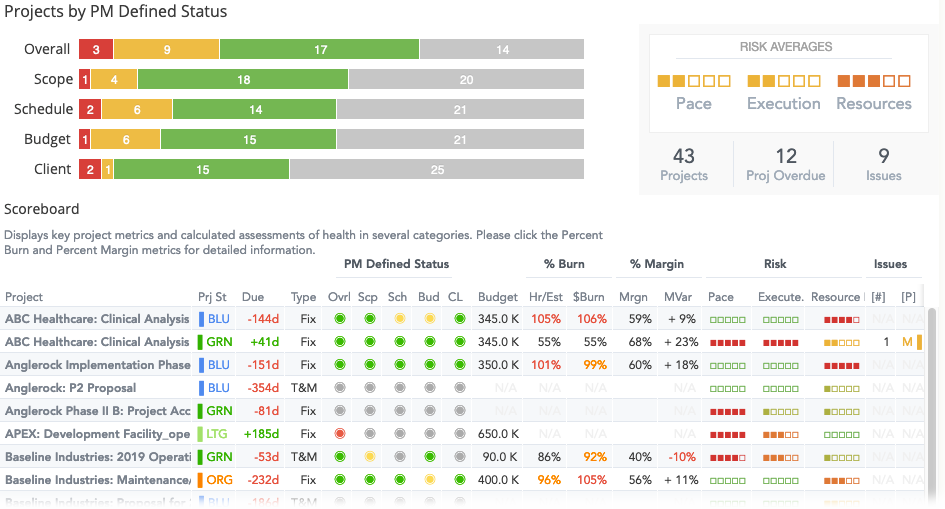
Kantata es una plataforma de gestión de portafolios de proyectos (PPM, por sus siglas en inglés) diseñada específicamente para empresas de servicios profesionales. Unifica la visibilidad del portafolio, la planificación de recursos y la gestión financiera, para que puedas gestionar todo el ciclo de vida de la prestación de servicios en un solo lugar.
Por qué elegí Kantata
Elegí Kantata porque es ideal para equipos de servicios profesionales que necesitan una solución de gestión de portafolios de proyectos. Las herramientas de previsión y gestión de recursos impulsadas por IA te ayudan a asignar tu equipo de manera óptima y hacer ajustes cuando cambian las prioridades o la demanda.
Las funciones de gestión financiera de Kantata ofrecen información en tiempo real que te ayuda a mejorar la rentabilidad y la transparencia en todos los proyectos. Las funciones de información sobre la salud del proyecto y gestión de riesgos te permiten priorizar tareas y tomar decisiones estratégicas informadas, lo cual a su vez ayuda a mantener los estándares de entrega de proyectos y la satisfacción de los clientes.
Funciones clave de Kantata
Kantata también ofrece varias otras funciones clave que ayudan a ti y a tu equipo a gestionar mejor vuestros proyectos y portafolios.
- Paneles personalizables: Permiten a tu equipo ver los principales indicadores de los proyectos en todo el portafolio y obtener información sobre la salud de los proyectos y la asignación de recursos.
- Detección de problemas: Esta función permite monitorizar en tiempo real la salud de los proyectos para identificar posibles problemas temprano e intervenir a tiempo.
- Herramientas de colaboración: Puedes facilitar la comunicación fluida y la retroalimentación entre equipos y clientes, para mantener a todos alineados e informados a lo largo del ciclo de vida del proyecto.
- Diagramas de Gantt y seguimiento de tareas: Esta función proporciona una representación visual del avance del proyecto y ayuda a priorizar tareas, lo que también mejora la rendición de cuentas y la comunicación dentro del equipo.
Integraciones de Kantata
Las integraciones incluyen Salesforce, SAP, Jira, Xero, BambooHR, Slack, Worday, QuickBooks, HubSpot y NetSuite.
Pros and Cons
Pros:
- Consulta datos de tiempo y financieros en una sola vista
- Indicadores de salud en tiempo real en todos los proyectos
- Las plantillas estandarizan los procesos de entrega
Cons:
- Demasiado complejo para equipos pequeños
- Requiere tiempo de administración para optimizar el sistema
New Product Updates from Kantata

Kantata Adds Access Group Change History
Kantata adds Access Groups History, letting account administrators track changes to group details, membership, and permissions in Recent History. The update also makes these events available through the Subscribed Events API for broader monitoring. For more information, visit Kantata’s official site.
 .
.Cuándo utilizar herramientas de gestión de carteras de proyectos
Las herramientas de gestión de carteras de proyectos te proporcionan un lugar centralizado para realizar el seguimiento, priorizar y supervisar cada proyecto que gestiona tu organización, de modo que nada se quede atrás. Si alguna de las situaciones siguientes te resulta familiar, podría ser el momento de añadir una a tu conjunto de herramientas:
- Tu equipo está gestionando más de 10 proyectos sin un orden claro de prioridades: Cuando todo está marcado como "urgente", en realidad nada se hace primero. Una herramienta PPM te permite clasificar las iniciativas según su valor estratégico y la disponibilidad de recursos, para que tu equipo sepa en qué trabajar y por qué.
- Tomas decisiones sobre la asignación de recursos basándote en la intuición: Supongamos que tu equipo de desarrollo está al límite de su capacidad, pero tres responsables de proyecto siguen enviando solicitudes. Las herramientas PPM muestran datos de disponibilidad en tiempo real para que puedas asignar recursos basándote en hechos y no en suposiciones.
- Los ciclos de aprobación están paralizando los proyectos: Si una sola aprobación requiere cinco cadenas de correos electrónicos y dos semanas de espera, las funciones de gobernanza estructurada de las herramientas PPM dirigen las aprobaciones automáticamente y reducen significativamente el retraso en la toma de decisiones.
- Tardas días en preparar un informe de estado: Recopilar manualmente las actualizaciones de hojas de cálculo, Jira y Slack antes de cada reunión con los directivos es agotador. Las herramientas PPM agregan los datos sobre el estado de los proyectos en tiempo real, por lo que tus informes tardan minutos, no días.
- Gestionar los presupuestos de varios proyectos implica conciliaciones constantes: Cuando la información financiera se encuentra en hojas de cálculo separadas para cada proyecto, es difícil detectar a tiempo los excesos de gasto. Las herramientas PPM consolidan el seguimiento presupuestario de toda la cartera para que puedas detectar los problemas antes de que se agraven.
Otras herramientas de gestión de carteras
Estas herramientas PPM no llegaron a estar entre las 10 principales, pero merece la pena tenerlas en cuenta si quieres ampliar tu investigación de herramientas.
- Bubble PPM
Mejor para NPD y la innovación
- Zoho Projects
Ideal para paneles de portafolio
- Hive
Mejor para la colaboración
- Quickbase
Mejor para crear aplicaciones sin necesidad de código
- ClickUp
Mejor para personalización
- Forecast
Ideal para vincular la planificación de recursos y las finanzas
- Oracle Primavera
Mejor para empresas
- Bonsai Agency Software
Ideal para agencias y consultorías
- Adobe Workfront
Ideal para equipos de servicios
- ProjectManager
Ideal para plantillas de informes integradas y personalizables
- Portfoleon
Mejor herramienta para la planificación estratégica
- Tempo Portfolio Manager
Ideal para programación predictiva
- Proggio
Ideal para cronogramas de proyectos impulsados por IA
- OnePlan
Ideal para la gestión estratégica de portafolios con IA
- Ravetree
Mejor para la gestión de clientes
- Visor
Ideal para sincronizar con Jira
- Acuity PPM
Mejor herramienta PPM ligera
- Perforce
Mejor para la planificación ágil
- Primetric
Lo mejor para empresas de servicios de TI
- RAIDLOG.com
Ideal para la gestión y el monitoreo de riesgos
- ESPMI
Ideal para administración financiera
- Mach-AI
Mejor para la priorización automatizada de proyectos
- GanttPRO
Ideal para crear diagramas de Gantt
- Dragonboat
Ideal para la alineación de OKR
- Runn
Ideal para equipos de software en crecimiento


Reseñas relacionadas de gestión de proyectos
- Software de gestión de proyectos
- Software de gestión de recursos
- Software de automatización de flujos de trabajo
- Software de seguimiento del tiempo
- Software de gestión de tareas
- Herramientas de colaboración
- Software de planificación de recursos
- Software de gestión de clientes
Cómo Evalúo las Herramientas PPM
Divido mi evaluación en dos capas: la base que una herramienta PPM debe tener para calificar—paneles de portafolio, planificación de recursos, consolidación financiera—y los diferenciadores que distinguen a las mejores opciones.
Funcionalidad Básica (Requisitos Indispensables para Esta Lista)
Cuando selecciono herramientas para mi lista, califico cada una en una escala del 0 (no ofrece la funcionalidad) al 5 (sobresale en esta área) para cada funcionalidad básica que se detalla a continuación. Luego, calculo la puntuación total de la herramienta en porcentaje. Cada herramienta debe alcanzar una puntuación total mínima del 65% para ser considerada.
- Paneles de Portafolio: Evalúo si una herramienta ofrece a los líderes PMO una vista única de la salud del proyecto, estado y KPIs en todo el portafolio, en lugar de obligar a hacer clic en proyectos individuales.
- Priorización y Puntuación de Proyectos: Los modelos de puntuación ponderada son importantes aquí—busco herramientas que permitan clasificar y comparar propuestas de proyectos según criterios estratégicos como ROI o impacto empresarial.
- Gestión de Recursos y Capacidad: Lo que reviso es la capacidad de ver quién está sobreasignado en los proyectos y predecir la demanda según la capacidad disponible, no solo la asignación básica de tareas.
- Seguimiento Financiero y Presupuestario: Verifico si los presupuestos consolidados, los reales y las proyecciones existen a nivel de portafolio para que los equipos de finanzas y PMO puedan monitorear el gasto sin exportar a hojas de cálculo.
- Planificación de Rutas y Escenarios: Las buenas herramientas PPM permiten modelar “¿qué pasa si retrasamos el Proyecto X?” y comparar los resultados del portafolio en paralelo—evalúo qué tan interactivas y visuales son estas funciones.
- Gobernanza e Informes de Riesgos: Los flujos de trabajo stage-gate, los registros de riesgos consolidados para todo el portafolio y las plantillas de informes configurables son lo que reviso para respaldar una entrega estándar bajo gobernanza.
Una vez que tengo una lista de herramientas que cumplen los criterios, considero qué hace única a cada plataforma.
Factores Diferenciadores (Qué Distingue a los Proveedores)
Así es como comparo y contrasto a los distintos proveedores:
Características Destacadas
El mapeo del alineamiento estratégico es un gran diferenciador. Busco herramientas que relacionen cada proyecto con un OKR u objetivo empresarial específico, para que la dirección vea dónde se invierte. Las capacidades basadas en inteligencia artificial también valen la pena evaluar, especialmente las previsiones que advierten cuellos de botella en recursos o cronogramas en riesgo antes de que escalen. También considero si una herramienta admite la recepción estructurada de la demanda, ya que un embudo de solicitudes bien gestionado evita que las solicitudes no validadas saturen el portafolio. El soporte para metodologías híbridas es relevante para equipos que trabajan con waterfall y agile en paralelo.
Más Allá de las Funcionalidades
La conectividad con el ecosistema es una de las primeras cosas que evalúo. Una herramienta PPM que se conecta nativamente con Jira, Azure DevOps u otras plataformas similares de ejecución ofrece a los gestores de portafolio información consolidada en tiempo real sin tener que perseguir actualizaciones de estado. La implementación y el tiempo hasta lograr valor también son muy importantes—verifico si los proveedores ofrecen plantillas PPM prediseñadas y servicios profesionales, ya que los despliegues complejos pueden retrasar la adopción durante meses. La seguridad y el cumplimiento cierran mi evaluación. Las PMO empresariales en sectores regulados necesitan SOC 2, SSO/SAML y permisos granulares basados en roles para controlar quién accede a datos financieros y de recursos sensibles.
Cómo elegir un software de gestión de carteras de proyectos
Con tantas soluciones diferentes de gestión de carteras de proyectos disponibles, puede resultar difícil decidir qué herramienta de gestión de carteras de proyectos se adapta mejor a tus necesidades.
Al elaborar tu lista de opciones, probar y seleccionar herramientas de gestión de carteras de proyectos ten en cuenta lo siguiente:
- Qué problema intentas resolver - Empieza por identificar la carencia de funcionalidades de las herramientas de gestión de carteras de proyectos que intentas cubrir para aclarar las características y funcionalidades que debe ofrecer la herramienta de gestión de carteras de proyectos .
- Quién tendrá que utilizarlo - Para evaluar el coste y los requisitos, considera quién utilizará el software y cuántas licencias necesitarás. Tendrás que evaluar si solo lo necesitará el equipo del proyecto o si requerirá acceso toda la organización. Cuando esto esté claro, conviene considerar si estás priorizando la facilidad de uso para todos o la velocidad para los usuarios avanzados de tus herramientas de gestión de carteras de proyectos.
- Con qué otras herramientas debe funcionar - Aclara qué herramientas vas a sustituir, cuáles conservarás y con qué herramientas tendrás que integrarlo, como software de contabilidad, CRM o RR. HH. Tendrás que decidir si las herramientas deberán integrarse entre sí o, alternativamente, si puedes sustituir varias herramientas por una única herramienta consolidada de gestión de carteras de proyectos.
- Qué resultados son importantes - Considera el resultado que debe ofrecer el software para que se considere un éxito. Piensa en qué capacidad quieres obtener o qué quieres mejorar y en cómo medirás el éxito. Por ejemplo, un resultado podría ser la capacidad de obtener una mayor visibilidad del rendimiento. Podrías comparar las funcionalidades de las herramientas de gestión de carteras de proyectos hasta la saciedad, pero si no piensas en los resultados que quieres impulsar, podrías estar desperdiciando mucho tiempo valioso.
- Cómo funcionaría dentro de tu organización - Considera la selección del software junto con tus flujos de trabajo y metodología de entrega. Evalúa qué funciona bien y qué áreas están causando problemas que deben abordarse. Recuerda que cada empresa es diferente: no des por hecho que una herramienta funcionará en tu organización solo porque sea popular.
Tendencias en las herramientas de gestión de carteras de proyectos
A medida que las empresas buscan eficiencia, agilidad y alineación estratégica, las herramientas PPM se han vuelto fundamentales para proporcionar visibilidad, mejorar la toma de decisiones y demostrar cómo contribuye cada proyecto a los objetivos generales. Este resumen destaca las principales tendencias en las herramientas PPM.
- Mayor integración y automatización: Se hace cada vez más hincapié en la integración fluida con otras herramientas empresariales, incluidos CRM, sistemas ERP y plataformas de colaboración, para agilizar los flujos de trabajo y reducir la introducción manual de datos.
- Análisis e informes avanzados: Las funciones de análisis avanzado y generación de informes personalizables evolucionan rápidamente para ofrecer información más profunda sobre el rendimiento de la cartera, la asignación de recursos y la gestión de riesgos. Las actualizaciones recientes incluyen análisis basados en IA para el análisis predictivo de los resultados de los proyectos y paneles más intuitivos y personalizables que permiten a las partes interesadas visualizar cómo se alinean los proyectos con los objetivos empresariales.
- Enfoque en la alineación estratégica: Las herramientas incorporan cada vez más funciones que ayudan a las organizaciones a alinear los proyectos con los objetivos estratégicos y a demostrar esta alineación a las partes interesadas. Entre las nuevas funcionalidades se incluyen marcos de establecimiento de objetivos, herramientas de planificación basadas en resultados y cuadros de mando de alineación que vinculan directamente los resultados de los proyectos con los objetivos estratégicos.
¿Qué son las herramientas de gestión de carteras de proyectos?
Las herramientas de gestión de carteras de proyectos ayudan a las organizaciones a supervisar varios proyectos desde un nivel estratégico. Permiten a los gestores de proyectos y a las PMO evaluar el rendimiento de los proyectos, priorizar iniciativas, asignar recursos de forma eficiente y alinear la ejecución con los objetivos empresariales. Los equipos utilizan software PPM para reducir riesgos, evitar conflictos de recursos y tomar decisiones basadas en datos en toda su cartera de proyectos.
Características de las herramientas de gestión de carteras de proyectos
Al seleccionar herramientas de gestión de carteras de proyectos, presta atención a las siguientes características clave:
- Visibilidad de la cartera: Puedes ver todos tus proyectos en un solo lugar, obtener una visión clara del trabajo y detectar tendencias, alinear prioridades y comprender rápidamente qué hay en la cartera de proyectos.
- Asignación de recursos: Esto te permite distribuir personas, presupuesto y materiales de forma eficiente entre varios proyectos, así como evitar cuellos de botella y asegurarte de que los proyectos tienen lo necesario para mantenerse encaminados.
- Gestión de riesgos: Puedes identificar, evaluar y supervisar los riesgos potenciales, así como ofrecer estrategias de mitigación y alertas antes de que los pequeños problemas se conviertan en grandes dificultades.
- Seguimiento del rendimiento: Esto te permite supervisar el progreso de los proyectos, los hitos y los entregables, para que siempre sepas qué proyectos van según lo previsto y cuáles necesitan atención.
- Planificación de escenarios: Puedes modelar escenarios de «qué pasaría si» para sopesar posibles cambios, comprender su impacto antes de comprometerte y tomar decisiones más acertadas.
- Gestión financiera: Esto te permite realizar un seguimiento de los presupuestos y las previsiones de los proyectos, y facilita el control de costes, la prevención de sobrecostes y la obtención de un sólido rendimiento de la inversión.
- Informes y análisis: Puedes generar informes y paneles claros y personalizables que proporcionan la información necesaria para tomar decisiones fundamentadas.
- Herramientas de colaboración: Esto te permite centralizar la comunicación, los documentos y los comentarios, lo que facilita que los equipos estén sincronizados y evita malentendidos.
Características habituales de IA en las herramientas de gestión de carteras de proyectos
Además de las características estándar de las herramientas de gestión de carteras de proyectos mencionadas anteriormente, muchas soluciones incorporan características de IA como:
- Análisis predictivo: Puedes utilizar la IA para prever los resultados de los proyectos a partir de datos históricos y anticipar retrasos o problemas presupuestarios antes de que se produzcan.
- Programación automatizada: Esta característica de IA te ayuda a optimizar los plazos y las asignaciones de recursos, lo que ahorra horas de trabajo manual y ayuda a mantener realistas las fechas de entrega.
- Priorización inteligente: Puedes permitir que la IA recomiende qué proyectos deben pasar a la parte superior de tu cartera en función de los objetivos, las limitaciones de recursos y el valor estratégico.
- Procesamiento del lenguaje natural: Esto facilita la extracción y el resumen de actualizaciones y comunicaciones de proyectos, y te permite convertir los datos en información práctica.
- Detección de anomalías: Esta herramienta de IA puede detectar patrones o desviaciones inusuales en las métricas de los proyectos y marcarlos para su revisión antes de que se conviertan en problemas mayores.
Ventajas del software de gestión de carteras de proyectos
Estas son cinco ventajas principales que ofrece el software PPM:
- Mayor alineación estratégica: Este beneficio garantiza que todos los proyectos contribuyan directamente a los objetivos estratégicos de la organización. El software de GPP permite a los usuarios seleccionar y priorizar proyectos que se ajusten a sus objetivos empresariales, garantizando que los recursos se inviertan en las iniciativas de mayor impacto.
- Mejor optimización de los recursos: Al proporcionar una visión clara de la asignación y disponibilidad de los recursos, las herramientas de gestión de carteras de recursos e inversiones permiten utilizar de forma eficiente el personal, el presupuesto y el tiempo. Esta optimización ayuda a las empresas a maximizar la productividad y reducir los costes generales, garantizando que los proyectos se entreguen a tiempo y dentro del presupuesto.
- Mayor visibilidad y control: Con paneles y funciones de generación de informes en tiempo real, el software de GPP ofrece a los usuarios una visibilidad completa del rendimiento, los plazos y los riesgos de los proyectos. Esta mayor supervisión permite a los responsables tomar decisiones informadas con rapidez, manteniendo los proyectos encaminados y alineados con las estrategias empresariales. De forma similar a la visibilidad que ofrecen los controles de proyectos cuando no se dispone de una herramienta SaaS que sirva de apoyo.
- Mejor gestión de riesgos: El software de GPP ayuda a identificar, evaluar y mitigar los posibles riesgos en toda la cartera de proyectos. Al gestionar los riesgos de forma proactiva, las organizaciones pueden minimizar el impacto de las incertidumbres en sus proyectos, garantizando una ejecución más fluida y mayores índices de éxito.
- Mayor colaboración y comunicación: Al facilitar una comunicación fluida entre los miembros del equipo y las partes interesadas, el software de GPP garantiza que todos estén al tanto de la situación. Esto fomenta un entorno colaborativo en el que la información se comparte libremente, lo que da lugar a equipos de proyecto más cohesionados y mejores resultados.
Costes y precios del software de gestión de carteras de proyectos
Uno de los aspectos más importantes a la hora de seleccionar un software de GPP es comprender los diferentes planes de precios disponibles. Estos planes pueden variar considerablemente en cuanto a funciones, asistencia y opciones de escalabilidad, por lo que es fundamental conocer los planes habituales del mercado para evitar pagar de más por funciones comunes.
También es esencial evaluar detenidamente lo que ofrece cada plan para evitar pagar por capacidades innecesarias. Por el contrario, aunque los planes básicos y de menor coste pueden parecer atractivos, a menudo carecen de funciones esenciales como la asignación avanzada de recursos, la gestión integral de riesgos y las métricas detalladas de rendimiento, lo que significa que puedes obtener una mejor relación calidad-precio si actualizas tu plan.
La siguiente tabla describe las opciones de planes habituales, sus precios medios y las funciones incluidas para ayudarte a tomar una decisión informada y obtener el máximo valor de tu inversión:
Tabla comparativa del software de gestión de carteras de proyectos
| Tipo de plan | Precio medio | Funciones habituales incluidas |
|---|---|---|
| Individual | $10 - $20/usuario/mes | Acceso para 1 usuario, funciones básicas de gestión de proyectos, generación de informes limitada y funciones básicas de panel |
| Equipo | $25 - $50/usuario/mes | Herramientas de colaboración en proyectos, gestión de recursos, generación de informes y paneles mejorados, asistencia para varios usuarios |
| Profesional | $50 - $100/usuario/mes | Análisis avanzados, gestión de carteras, herramientas de evaluación de riesgos, funciones de integración, proyectos ilimitados |
| Empresa | Precios personalizados | Funciones personalizables, opciones de seguridad avanzadas, asistencia exclusiva, escalabilidad de nivel empresarial |
| Opción gratuita | $0 | Proyectos limitados, gestión básica de tareas, herramientas sencillas de generación de informes, acceso para un número limitado de usuarios |
Al seleccionar una herramienta de GPP, asegúrate de examinar los diferentes planes para encontrar la mejor oferta para ti y aprovecha las pruebas gratuitas para probar el software antes de comprometerte. Una vez que hayas elegido la herramienta, considera empezar con un plan básico para ahorrar costes o con un plan profesional para obtener funciones más completas. Recuerda que siempre puedes actualizar tu plan si es necesario.
Además, al elegir un plan de software, es importante tener en cuenta tanto las necesidades inmediatas como las futuras de tu organización. Opta por un plan que no solo se ajuste a tus requisitos actuales de gestión de proyectos, sino que también ofrezca margen de crecimiento a medida que evolucione tu empresa.
Entre las etapas habituales en las que tu empresa puede querer actualizar su plan de precios se incluyen:
- Aumento del volumen de proyectos: A medida que crece el número de proyectos de gestión de carteras de proyectos (PPM) gestionados por la empresa, es posible que el nivel básico deje de ser suficiente. La actualización permite gestionar mejor varios proyectos con funciones avanzadas.
- Ampliación del tamaño del equipo: Cuando se amplía el equipo que gestiona los proyectos, la empresa puede necesitar más licencias de usuario, herramientas de colaboración mejoradas y funciones avanzadas de gestión de usuarios.
- Necesidad de análisis e informes avanzados: A medida que la empresa busca obtener información más detallada sobre el rendimiento de los proyectos, la asignación de recursos y las métricas financieras, los usuarios pueden querer actualizarse a un nivel superior con herramientas sólidas de análisis y generación de informes.
- Requisito de capacidades de integración mejoradas: A medida que crece la empresa, también aumenta la complejidad de su ecosistema de software. Pasar a un nivel superior puede proporcionar mejores opciones de integración con otras herramientas empresariales esenciales.
- Demanda de funciones avanzadas de seguridad y cumplimiento normativo: Con el crecimiento, la empresa puede enfrentarse a mayores riesgos de seguridad y a requisitos de cumplimiento más estrictos. Los niveles de precios superiores suelen ofrecer funciones de seguridad mejoradas y herramientas de cumplimiento normativo.
Preguntas frecuentes sobre las herramientas de gestión de carteras de proyectos
Encuentra respuestas a las preguntas frecuentes que otras personas hacen sobre este tema.
¿Cuál es la diferencia entre la gestión de carteras y la gestión de proyectos?
La gestión de carteras y la gestión de proyectos pueden confundirse fácilmente. Aunque ambas se centran en los proyectos, la principal diferencia es el objetivo que persiguen. La gestión de carteras se centra en alinear los proyectos con los objetivos empresariales estratégicos y gestionar los recursos entre varios proyectos, en lugar de centrarse en completar los proyectos con éxito, a tiempo y dentro del presupuesto.
Como director de proyectos sénior, tendrás que equilibrar la entrega de proyectos con las prioridades a nivel de cartera, asegurándote de tomar decisiones basadas en datos sobre qué iniciativas priorizar, pausar o detener en función del impacto, el valor y los recursos disponibles.
¿Cómo puedo identificar el nivel de madurez de la gestión de carteras de proyectos de mi empresa?
Según el modelo de Gartner, puedes determinar la madurez de tu empresa clasificándola en uno de los 5 modelos, en orden ascendente de madurez:
- Reactiva – incluye a todas las organizaciones con un enfoque improvisado para los proyectos. Existe una necesidad mínima de herramientas PPM avanzadas, aunque resultarán necesarias para el crecimiento.
- Disciplina emergente – siguiente nivel de gestión de PPM y de enfoque para los proyectos. Implica el uso de herramientas PPM básicas, pero con mayor frecuencia y en un nivel más avanzado.
- Integración inicial – sigue un enfoque más integral de la PPM. En este punto se necesita un patrón organizativo más amplio. Pueden surgir decisiones arriesgadas y el seguimiento de los datos debe ser preciso.
- Integración eficaz – en este punto la automatización se vuelve necesaria y un gerente necesita toda la ayuda posible para ejecutar todo a tiempo y dentro del presupuesto.
- Innovación eficaz – es el objetivo final al que aspira todo el mundo. Las PPM se utilizan plenamente en varios niveles y se establece una oficina de gestión de proyectos empresarial para facilitar la ejecución.
¿Cómo puedo admitir varios métodos de trabajo en las herramientas PPM?
Admitir varios métodos de trabajo en las herramientas PPM es esencial para una PPM eficaz (gestión de carteras de proyectos). Al admitir diferentes metodologías, las organizaciones pueden optimizar su cartera de proyectos y garantizar una entrega satisfactoria. A continuación se desglosan varios enfoques populares:
1. Cascada – La metodología en cascada es un enfoque lineal y secuencial en el que cada fase debe completarse antes de comenzar la siguiente. Este método es más adecuado para proyectos con requisitos bien definidos y poca incertidumbre. Para admitir este enfoque, las organizaciones pueden utilizar software de gestión de carteras para realizar un seguimiento del progreso por fases y gestionar eficazmente los plazos.
2. Ágil – La metodología ágil se caracteriza por su naturaleza iterativa, que fomenta la flexibilidad y la colaboración con el cliente mediante ciclos cortos conocidos como sprints. Es ideal para proyectos con requisitos cambiantes o que se desarrollan en entornos dinámicos. Para aprovechar este enfoque, los equipos pueden utilizar software de gestión de proyectos y carteras que ofrezca tableros ágiles y funciones de gestión de listas de tareas pendientes para mejorar la colaboración y la capacidad de respuesta.
3. Híbrido – El enfoque híbrido combina elementos de las metodologías en cascada y ágil, lo que permite a los equipos adaptarse según las necesidades del proyecto. Este método resulta especialmente útil para proyectos complejos que requieren tanto una planificación estructurada como flexibilidad. Las organizaciones pueden beneficiarse del software empresarial de gestión de carteras de proyectos para integrar estas metodologías y proporcionar una visión unificada de toda la cartera de proyectos.
4. Scrum – El marco Scrum es un subconjunto de ágil que hace hincapié en el trabajo en equipo, la responsabilidad y el progreso iterativo hacia un objetivo bien definido. Incluye roles como maestro de Scrum y propietario del producto, y utiliza iteraciones limitadas en el tiempo denominadas sprints. El software PPM puede facilitar Scrum mediante herramientas para la planificación de sprints, la gestión de listas de tareas pendientes y el seguimiento del rendimiento.
5. Kanban – Kanban es otra metodología ágil centrada en visualizar el trabajo, limitar el trabajo en curso y maximizar el flujo. Utiliza tableros para representar las tareas y su estado, lo que facilita la identificación de cuellos de botella. Las soluciones de gestión de carteras que incluyen tableros Kanban pueden ayudar a los equipos a gestionar las tareas de forma eficaz y adaptarse a las prioridades cambiantes.
6. Lean – La metodología Lean tiene como objetivo maximizar el valor minimizando los desperdicios y mejorando los procesos. Fomenta la mejora continua y se centra en ofrecer valor a los clientes. El software de seguimiento de carteras puede respaldar Lean proporcionando información sobre la eficiencia de los procesos y las áreas de mejora.
7. Seis Sigma – Seis Sigma es un enfoque basado en datos que busca mejorar la calidad identificando y eliminando las causas de los defectos y minimizando la variabilidad. Utiliza métodos estadísticos y suele emplearse en proyectos de fabricación y orientados a procesos. Por ejemplo, el software de gestión de carteras de inversión puede incorporar metodologías Seis Sigma para mejorar la calidad de los proyectos y las métricas de rendimiento.
Al integrar uno o varios de estos enfoques en tu sistema de gestión de carteras, puedes mejorar la eficiencia del flujo de trabajo y los resultados generales de los proyectos, haciendo que tus herramientas de gestión de carteras sean más versátiles y eficaces.
¿Cómo puedo utilizar las herramientas PPM para captar y gestionar la demanda de proyectos?
Tanto si optas por un software gratuito de gestión de carteras como si inviertes en soluciones completas, el software adecuado para la gestión de carteras puede transformar la forma en que se capta y gestiona la demanda de proyectos, lo que permite tomar decisiones más informadas y mejorar los resultados de los proyectos. Para captar y gestionar eficazmente la demanda de proyectos, las organizaciones pueden utilizar software de gestión de carteras de proyectos (software PPM) para optimizar los siguientes procesos:
- Identificación de la demanda: mediante un sistema PPM, los equipos pueden recopilar solicitudes de proyectos de varias partes interesadas. Esto puede implicar formularios o paneles dentro de las soluciones de gestión de carteras que permitan enviarlas y obtener visibilidad fácilmente.
- Priorización y evaluación: una vez captadas las demandas, se puede utilizar software de análisis de carteras para evaluar el valor potencial y la alineación de cada proyecto con los objetivos de la organización. Aquí es donde destaca el software de gestión de proyectos de cartera, que ofrece herramientas para evaluar la viabilidad del proyecto, las necesidades de recursos y los resultados esperados.
- Flujo de trabajo de aprobación: implementar un proceso de aprobación estructurado con software de gestión de carteras garantiza que solo los proyectos alineados con los objetivos estratégicos y que aporten valor sigan avanzando. Este enfoque puede utilizar flujos de trabajo automatizados para guiar los proyectos sin interrupciones por cada etapa del proceso de aprobación.
- Asignación de recursos: un software eficaz de gestión de carteras de TI ayuda a asignar recursos a los proyectos aprobados, contribuyendo a equilibrar la demanda con la capacidad disponible. Esto minimiza los cuellos de botella y garantiza que los proyectos reciban el apoyo adecuado.
- Supervisión y ajuste: la supervisión continua mediante software de análisis de carteras permite a los directores de proyectos realizar un seguimiento del progreso respecto a las previsiones de demanda, posibilitando ajustes oportunos en la asignación de recursos y los plazos de los proyectos.
Al integrar estos procesos con las herramientas adecuadas, como el software de gestión de inversiones personales y las herramientas de gestión de riesgos de carteras, las organizaciones pueden mejorar sus capacidades de gestión de proyectos PPM.
¿Cómo consigo el apoyo de la dirección para adoptar una nueva herramienta PPM?
Para conseguir el apoyo de la dirección, empieza por identificar los problemas empresariales que genera tu proceso actual, como el desperdicio de recursos o el incumplimiento de plazos. Los pasos siguientes son:
- Investigar y seleccionar una herramienta PPM que aborde directamente esos problemas.
- Elaborar un caso empresarial claro con datos específicos y mostrar los ahorros previstos, las mejoras de eficiencia o las reducciones de riesgos.
- Involucrar pronto a los responsables clave de la toma de decisiones para comprender sus objetivos y preocupaciones.
- Realizar una demostración de la herramienta con un pequeño proyecto piloto o una prueba de concepto y, después, compartir los resultados, las lecciones aprendidas y los testimonios del personal.
Por último, presenta un plan de implementación detallado que abarque los costes, los plazos, las estrategias de adopción y los resultados medibles, para que la dirección pueda ver claramente el valor y la reducción del riesgo.
¿Cómo puedo medir el ROI después de implementar una herramienta PPM?
Mide el ROI realizando un seguimiento de métricas como la velocidad de entrega de los proyectos, la utilización de recursos, el rendimiento dentro del presupuesto y las tasas de éxito de los proyectos antes y después de la implementación. Compara:
- El tiempo ahorrado en los informes
- En qué medida se redujeron los fracasos de los proyectos
- El porcentaje de mejora en la alineación con los objetivos empresariales.
Asegúrate de recopilar comentarios de los usuarios y los ejecutivos para mostrar tanto las mejoras cuantitativas como las cualitativas.