

10 Best E-signature Software Reviewed For 2026

10 Best E-signature Software Shortlist


E-signature software streamlines the process of collecting approvals, signing contracts, and finalizing documents—eliminating delays caused by printing, scanning, and endless email threads. Whether you’re managing client agreements, vendor approvals, or internal sign-offs, e-signature tools help teams move faster and stay organized.
I independently tested and reviewed leading e-signature software to see which platforms offer the best mix of speed, security, integrations, and usability for project teams. From legally binding signatures to automated reminders and audit trails, I focused on what actually works in real-world workflows.
In this guide, you’ll find the best e-signature software options available in 2026—plus a breakdown of key features, ideal use cases, and what each tool does (and doesn’t) do well.
Why Trust Our Software Recommendations
Our team has been testing and reviewing software since 2012. As project managers ourselves, we know how difficult—and important—it is to choose the right software.
For this guide, we evaluated tools using hands-on testing and independent research, scoring tools using our selection criteria. We also draw on insights from industry thought leaders and practicing project management experts.
Our reviews reflect our human editorial judgment, not a sales pitch.
Expert reviewers:
Best E-signature Software Summary
This comparison chart summarizes pricing details for my top e-signature software selections to help you find the best one for your budget and business needs.
| Tool | Best For | Trial Info | Price | ||
|---|---|---|---|---|---|
| 1 | Best for workflow automation tools | Free trial available | From $8/month (billed annually) | Website | |
| 2 | Best for form-driven signing workflows | Free plan available | From $34/month (billed annually) | Website | |
| 3 | Best for seamless Integration with Gmail | Free forever plan | From $8/month | Website | |
| 4 | Best for editing and signing PDFs | 30-day free trial | From $8/month (billed annually) | Website | |
| 5 | Best for audit trail transparency | Free plan available | From $10/month (billed annually) | Website | |
| 6 | Best for real-time collaboration | Free demo available | Pricing upon request | Website | |
| 7 | Best for guided signing workflows | Free trial available | From $20/month; API plans start at $49/month | Website | |
| 8 | Best for remote team workflows | 14-day free trial | From $10/user/month (billed annually) | Website | |
| 9 | Best for multi-language support | 14-day free trial + free plan available | From $12/month | Website | |
| 10 | Best for mobile-first document signing | Free trial + free plan available | From $8/user/month | Website |
Best E-signature Software Reviews
Here, you can expect to find my evaluation and comparison of the best e-signature software options. You’ll see key features, the reasons behind why I chose a particular software, a pricing overview, and a screenshot that provides a glimpse into the inner workings of the platform. Use these various explanations to create your own comparison chart and choose your tool.
SignNow
Best for workflow automation tools
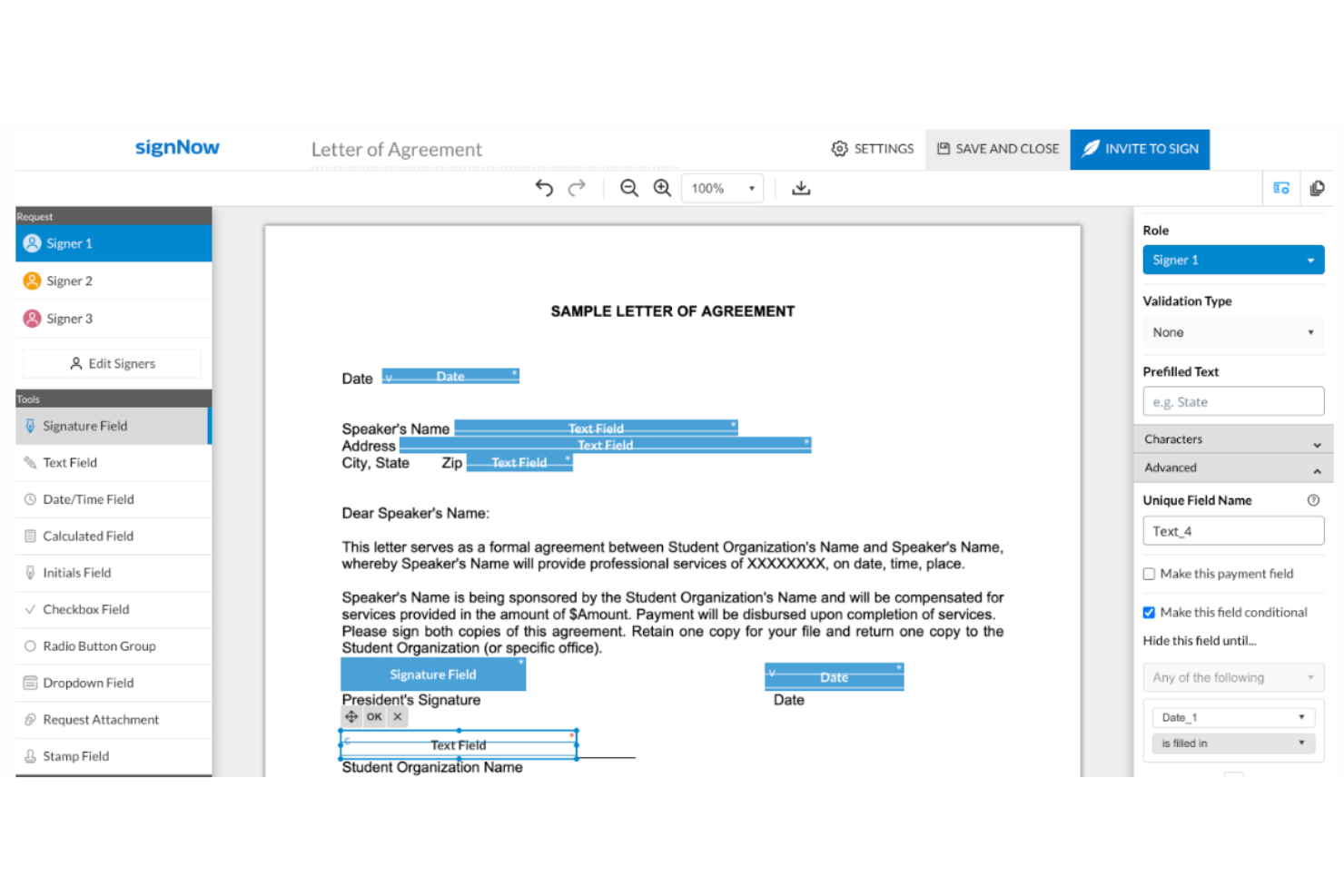
SignNow is built for teams that want to automate document workflows while managing electronic signatures. It’s a strong fit for operations, legal, and procurement teams that need to route, approve, and sign documents in a controlled sequence. With workflow automation tools, SignNow helps you reduce manual steps and keep signature processes moving.
Who is SignNow Best For?
SignNow is appropriate for operations and IT teams in mid-sized to enterprise companies that automate document-driven business processes. It supports organizations integrating signing workflows into broader automation initiatives.
Why I Picked SignNow
SignNow stands out for its workflow automation capabilities, which go beyond basic electronic signature tools. I picked SignNow because it lets you build custom signing sequences, set conditional routing, and automate reminders, so documents move through your process without manual intervention. The platform also supports role-based signing, allowing you to assign specific actions to different stakeholders in a workflow. If your team needs to manage complex approval chains or automate repetitive signature tasks, SignNow is built to handle those requirements.
SignNow Key Features
Some other features that make SignNow useful for electronic signature workflows include:
- Bulk Sending: Send documents to multiple recipients for signature in one action.
- Document Merge: Combine multiple files into a single document before sending for signature.
- Mobile App: Access, sign, and manage documents from iOS and Android devices.
- Custom Branding: Add your company logo and colors to signature requests and notifications.
SignNow Integrations
Integrations include Salesforce, Google Workspace, Netsuite, Autodesk, and Office 365.
Pros and Cons
Pros:
- Advanced mobile and tablet experience
- Valuable for creating a paperless office
- Simplifies adding signatures and fields to documents
Cons:
- Customer support services could be improved
- Occasional crashes
Jotform
Best for form-driven signing workflows
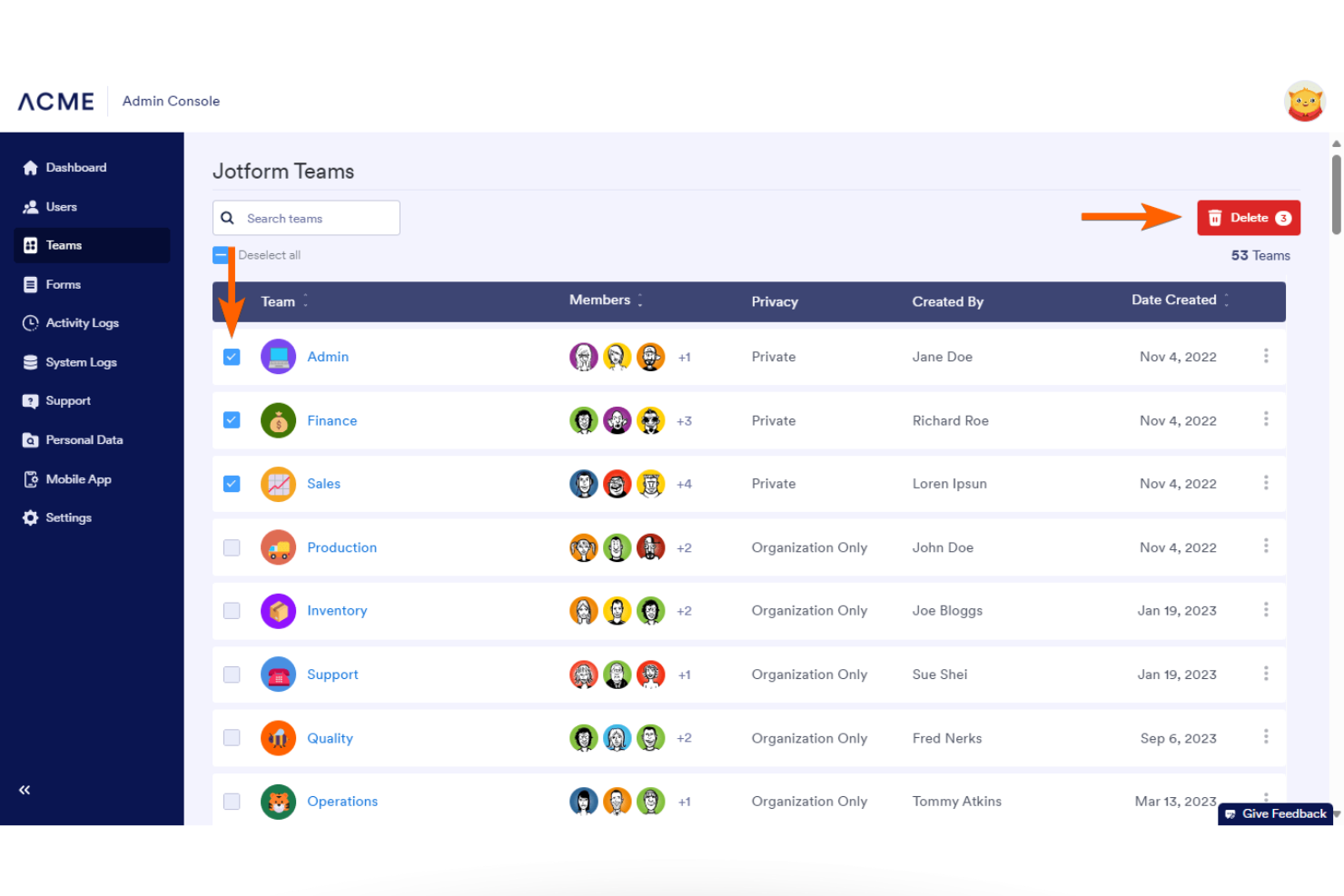
Jotform is an online form automation platform that includes e-signature functionality through Jotform Sign. While it is not a standalone e-signature provider in the traditional sense, it allows teams to generate documents, collect data, and capture legally binding signatures within a single automated workflow. This makes it particularly useful for organizations that need signatures embedded into broader approval, onboarding, or intake processes rather than sent as isolated documents.
Who Is Jotform Best For?
Jotform is a good fit for organizations that need e-signatures embedded within form-driven workflows, especially teams that want to combine data collection, document generation, and signing in one platform.
Why I Picked Jotform
For teams that prioritize branded and customizable signing experiences, Jotform stands out for its flexibility within its form automation environment. I picked Jotform because it allows users to customize forms, emails, and signing workflows to reflect their organization’s identity. This helps maintain consistency throughout the signing process while keeping document generation and signature collection within the same system.
Jotform Key Features
Some other features that make Jotform a strong choice for e signature workflows include:
- Document automation: Automatically generate and send documents for signature based on form submissions.
- Conditional logic: Set up rules that change form behavior or signing workflows based on user responses.
- Audit trails: Track every action taken on a document, including who signed and when, for compliance and transparency.
- Multi-party signing: Collect signatures from multiple stakeholders in a specific order or simultaneously, depending on your workflow needs.
Jotform Integrations
Integrations include Salesforce, Google Sheets, Slack, PayPal, Dropbox, HubSpot, Stripe, Mailchimp, Zoom, and monday.com.
Pros and Cons
Pros:
- Enables mobile-friendly document signing
- Supports bulk sending of signature requests
- Provides detailed audit trails for signatures
Cons:
- Limited offline signing capabilities
- Lacks advanced document editing tools

DocHub
Best for seamless Integration with Gmail

For those in search of an intuitive e-signature solution, DocHub presents an engaging platform to enhance your document workflows. It offers seamless integration with tools like Google Workspace and caters to a range of industries, including education and healthcare. With user-friendly features for editing, signing, and sharing PDFs, DocHub is designed to meet your needs for productivity and compliance with legal standards.
Why I Picked DocHub
I picked DocHub for its integration with Gmail, which is ideal for those who want an efficient e-signature solution without leaving their email workflow. This integration allows you to open, edit, and sign PDF attachments directly within Gmail, saving valuable time and keeping your document management organized. The DocHub for Gmail add-on ensures a secure and user-friendly experience, with compliance to standards like GDPR and HIPAA, providing peace of mind for sensitive documents. By centralizing your document tasks in Gmail, you enhance productivity and protect your data, making DocHub a compelling choice for e-signature needs.
DocHub Key Features
In addition to its integration with Gmail, DocHub offers a range of features to enhance your document management experience.
- Advanced Document Editing: Modify PDFs with tools for text, images, and annotations, allowing you to create custom forms tailored to specific needs.
- Collaborative Workflow Enhancement: Engage in real-time collaboration by sharing documents with controlled permissions and tracking version history to maintain document integrity.
- Mobile Accessibility: Access and manage your documents on mobile devices without the need for an app, ensuring flexibility and productivity on the go.
- Security Features: Share documents securely with options for password protection and recipient authentication, providing peace of mind for sensitive information.
DocHub Integrations
- Integrations include Gmail, Google Drive, Google Classroom, Dropbox, OneDrive, and Microsoft Edge.
Pros and Cons
Pros:
- Supports real-time collaboration, enhancing team productivity.
- Provides advanced document editing features for comprehensive PDF management.
- Offers seamless integration with Google Drive for efficient workflows.
Cons:
- Mobile optimization could be better
- Limited docs with free version

Best for editing and signing PDFs
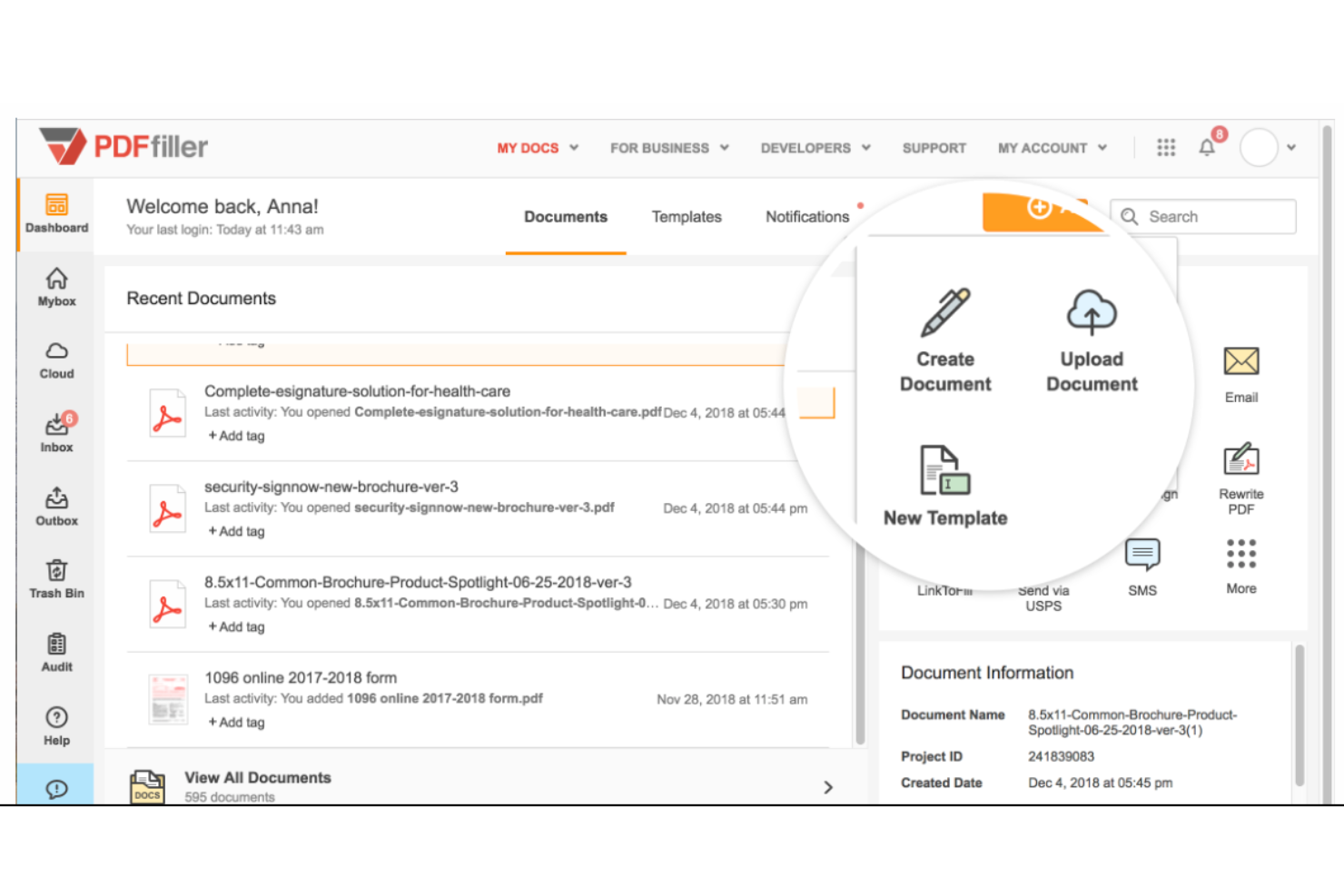
pdfFiller is designed for teams that need to edit, fill, and sign PDFs in one place. It’s especially useful for HR, legal, and administrative professionals who handle a high volume of forms and contracts. With built-in editing and signing tools, pdfFiller helps you manage document workflows without switching between platforms.
Who is pdfFiller Best For?
pdfFiller serves administrative and compliance teams in small to mid-sized organizations that regularly edit and complete PDF forms. It fits businesses that combine document editing and signing within a single workflow.
Why I Picked pdfFiller
What sets pdfFiller apart is its ability to let you edit and sign PDFs within a single platform. I picked pdfFiller because it combines a full-featured PDF editor with electronic signature tools, so you can make changes to documents and collect signatures without exporting files or using multiple apps. The platform supports adding text, images, and checkboxes directly to PDFs, which is especially useful for teams that need to customize forms or contracts before sending them out. If your workflow involves frequent document edits and signatures, pdfFiller brings both together in one place.
pdfFiller Key Features
Some other features that make pdfFiller useful for electronic signature workflows include:
- Bulk Send: Send documents to multiple recipients for signature at once.
- Reusable Templates: Save and reuse frequently used forms and contracts.
- Audit Trail: Track every action taken on a document for compliance.
- Custom Branding: Add your company logo and colors to signature requests and notifications.
pdfFiller Integrations
Integrations include OneDrive, Box, Dropbox, Google Chrome, and G Suite.
Pros and Cons
Pros:
- Helps save time and money
- User-friendly design
- Documents can be password protected
Cons:
- Some formatting issues when converting PDFs to Word
- Advanced features require a steep learning curve

Signwell
Best for audit trail transparency

SignWell is a digital signature platform built for teams that need clear, detailed audit trails for every document. It’s especially useful for legal, finance, and compliance-focused organizations that require transparent tracking of signature activity. SignWell helps you maintain accountability and meet regulatory requirements by providing granular visibility into every step of the signing process.
Who is SignWell Best For?
SignWell is appropriate for small business owners and operations leads that require clear audit trails for signed agreements. It fits organizations that prioritize transparency and straightforward recordkeeping in routine contracts.
Why I Picked SignWell
What sets SignWell apart is its focus on providing a transparent and detailed audit trail for every document you send. The platform automatically records each action—such as when a document is viewed, signed, or declined—along with timestamps and IP addresses. I picked SignWell because this level of tracking is essential for teams that need to demonstrate compliance or resolve disputes. With its audit trail features, you can quickly verify the authenticity and status of any signed document.
SignWell Key Features
Some other features that make SignWell useful for teams managing digital agreements include:
- Reusable Templates: Save time by creating and storing templates for frequently used documents.
- Bulk Send: Send the same document to multiple recipients at once for signature collection.
- Signer Fields: Add custom fields for initials, dates, checkboxes, and text to guide signers through the document.
- Reminders and Notifications: Set up automated reminders and notifications to keep signers on track and informed.
SignWell Integrations
Integrations include QuickBooks Online, Xero, Clio, Close, Jack Henry, and Mambu.
Pros and Cons
Pros:
- Solid basic e-signature functionality (templates, tracking, audit trails)
- Very good value for the cost
- User-friendly and easy to use
Cons:
- Free plan comes with some usage and capability caps
- Feature limitations, better suited for simple workflows

Lightico
Best for real-time collaboration

Lightico is designed for teams that need to collaborate with customers in real time during document signing and completion. It’s especially useful for financial services, insurance, and call centers that want to guide clients through forms, signatures, and document uploads in a live session. With Lightico, you can co-browse, collect signatures, and complete transactions while staying connected with your customers.
Who is Lightico Best For?
Lightico is designed for customer service and financial services teams in enterprise organizations that require real-time document collaboration. It fits businesses that manage time-sensitive customer interactions across digital channels.
Why I Picked Lightico
Lightico stands out for its real-time collaboration capabilities, which are especially valuable for teams that need to guide customers through signing processes as they happen. I picked Lightico because it lets you co-browse documents, collect signatures, and complete forms together with clients in a live session. The platform also supports instant document sharing and secure uploads during the same interaction, so nothing gets lost in follow-up emails. These features make Lightico a strong fit for industries like financial services and insurance, where live customer engagement is often essential.
Lightico Key Features
In addition to its real-time collaboration tools, Lightico offers several other features that support electronic signature workflows:
- eForms: Create and send digital forms for customers to complete and sign within the same session.
- ID Verification: Verify customer identity using built-in ID capture and validation tools.
- Workflow Automation: Set up automated processes for document routing and approval.
- SMS Document Requests: Send document requests and signature links directly to customers via SMS.
Lightico Integrations
Integrations include Salesforce.
Pros and Cons
Pros:
- Designed for real-time use
- Fully integrated with Salesforce
- ADA compliant platform
Cons:
- Requires internet accessibility
- Limited integrations

Best for guided signing workflows

Signaturely is designed for teams and professionals who want a step-by-step signing experience that reduces errors and confusion. Its guided signing workflows help ensure every required field is completed and signatures are collected in the right order. This approach is especially useful for businesses that handle complex agreements or need to walk clients through multi-step documents.
Who is Signaturely Best For?
Signaturely is a practical option for HR teams and operations managers in growing small businesses that need structured, guided signing processes. It works well for organizations formalizing internal document workflows across distributed teams.
Why I Picked Signaturely
Signaturely stands out for its focus on guided signing workflows, which is especially valuable for teams that need to ensure every document is completed accurately. The platform lets you set required fields and signing orders, so you can control exactly how recipients move through each document. I like that Signaturely provides clear prompts and visual cues to guide signers step by step, reducing the risk of missed signatures or incomplete forms. This makes it a strong choice for businesses that handle contracts or agreements with multiple parties and complex requirements.
Signaturely Key Features
Some other features in Signaturely help support a range of document management needs:
- Document Templates: Create and reuse templates for frequently signed agreements and forms.
- Team Management: Add multiple users, assign roles, and manage permissions within your organization.
- Audit Trails: Track every action taken on a document, including timestamps and user details.
- Notifications: Receive email alerts when documents are viewed, signed, or completed.
Signaturely Integrations
Native integrations are not currently listed by Signaturely.
Pros and Cons
Pros:
- Sustainable, green giving
- Hassle-free learning curve
- User-friendly interface
Cons:
- Limited templates unless you pay for the highest tier
- Free plan only allows one document per month

Signeasy
Best for remote team workflows

Signeasy is designed for distributed teams that need to manage signatures and approvals from anywhere. It’s especially useful for businesses with remote or hybrid workforces that require quick, mobile-friendly document signing. Signeasy helps you keep signature workflows moving smoothly, even when your team is spread across different locations and time zones.
Who is Signeasy Best For?
Signeasy is appropriate for remote teams and managers in small to mid-sized companies that need consistent signing workflows across devices. It aligns with organizations managing distributed workforces across multiple locations.
Why I Picked Signeasy
When remote teams need to keep business moving, Signeasy stands out for its mobile-first approach to electronic signatures. I picked Signeasy because it lets users send, sign, and track documents from smartphones and tablets, which is essential for distributed teams that aren’t always at a desk. The tool also supports in-person signing on mobile devices, making it flexible for hybrid work scenarios. With real-time notifications and status tracking, Signeasy helps remote teams stay aligned and responsive throughout the signature process.
Signeasy Key Features
Some other features that make Signeasy useful for electronic signature workflows include:
- Document Templates: Save and reuse frequently used documents to speed up signature requests.
- Team Management Dashboard: Assign roles, manage users, and monitor team activity from a centralized dashboard.
- Audit Trails: Access a detailed log of every action taken on a document for compliance and tracking.
- Cloud Storage Integrations: Connect directly with Google Drive, Dropbox, and OneDrive to import and export documents.
Signeasy Integrations
Integrations include Google Workspace, Microsoft SharePoint, Microsoft Outlook, and Teamtailor.
Pros and Cons
Pros:
- Solid integrations and device compatibility
- Affordable pricing for smaller teams
- Mobile and on-the-go friendly
Cons:
- Some integration issues reported
- Feature limitations for complex workflows

CocoSign
Best for multi-language support

If your team needs to send and sign documents in multiple languages, CocoSign is built to support global workflows. It’s a strong fit for international businesses, legal teams, and HR departments that manage agreements across different regions. CocoSign helps you handle e-signatures and document management without language barriers getting in the way.
Who is CocoSign Best For?
CocoSign is suitable for cross-border teams and mid-sized companies that manage documents in multiple languages. It supports organizations with international operations that require accessible signing workflows for diverse user bases.
Why I Picked CocoSign
CocoSign caught my attention because it’s one of the few electronic signature platforms that truly prioritizes multi-language support. You can send, sign, and manage documents in over a dozen languages, which is essential for teams working across borders or with international clients. I appreciate that CocoSign allows both senders and signers to interact with the platform in their preferred language, reducing confusion and errors. This focus on language accessibility makes CocoSign a practical choice for global organizations and distributed teams.
CocoSign Key Features
Some other features that make CocoSign useful for electronic signature workflows include:
- Bulk Send: Send the same document to multiple recipients at once for signature collection.
- Document Templates: Save reusable templates for frequently used agreements and forms.
- Audit Trail: Track every action taken on a document with a detailed, time-stamped log.
- In-Person Signing: Capture signatures on-site using a tablet or mobile device.
CocoSign Integrations
Integrations include Google Drive, Google Docs, Gmail, and Microsoft Word.
Pros and Cons
Pros:
- Mobile-friendly interface
- Low barrier to entry
- Free plan that allows unlimited signatures
Cons:
- No bulk deleting of documents
- No mobile app

DottedSign
Best for mobile-first document signing

If you need to sign and manage documents on the go, DottedSign is built with a mobile-first approach that’s ideal for remote teams, field workers, and busy professionals. The app’s design prioritizes mobile usability, making it easy to send, sign, and track documents from your phone or tablet. This focus on mobile workflows helps teams keep business moving, even when they’re away from their desks.
Who is DottedSign Best For?
DottedSign is suitable for field teams, sales representatives, and mobile-first professionals in small to mid-sized companies. It supports organizations that require document signing capabilities optimized for remote and on-the-go use.
Why I Picked DottedSign
DottedSign caught my attention because it’s designed specifically for mobile-first document signing, which is still rare among electronic signature tools. The app offers a dedicated mobile experience with features like in-app signing, document tracking, and push notifications, all optimized for smartphones and tablets. I appreciate that DottedSign lets users manage signing tasks, send reminders, and monitor document status directly from their mobile devices. This makes it a strong fit for teams and professionals who need to handle signatures and approvals while working remotely or in the field.
DottedSign Key Features
Some other features in DottedSign help round out its document management capabilities:
- Bulk Send: Send the same document to multiple recipients for signature at once.
- Template Library: Save and reuse frequently used documents as templates.
- Document Expiration: Set expiration dates for signing requests to keep workflows on track.
- Audit Trail: Access a detailed log of all document activities and actions.
DottedSign Integrations
Integrations include Salesforce and LINE WORKS.
Pros and Cons
Pros:
- Can edit documents on mobile
- User-friendly platform
- More comprehensive free option
Cons:
- Limited template options
- Cost is per user
Other E-signature Software
Here are the runners-up for the best e-signature options, along with their best use-case.
- SignRequest
For simple API integration
- SignPlus
For cross-platform accessibility
- PandaDoc
For contract lifecycle management
- DigiSigner
For quick document turnaround
- Under.io
For blockchain-based verification
- Dropbox Sign
For Dropbox document management
- Scrive
For advanced authentication options
- GetAccept
For sales document automation
- Xodo Sign
For Google Workspace integration
- Box
For secure cloud storage integration
- Qwilr
For interactive proposal creation
- CINCEL
For Latin American compliance
- Foxit eSign
For PDF document handling


Related E-signature Software Reviews
If you still haven't found what you're looking for here, check out these tools closely related to e-signature software that we've tested and evaluated.
- CRM Software
- Sales Software
- Lead Management Software
- Business Intelligence Software
- Contract Management Software
- Revenue Management System
- Document Collection Software
- Document Verification Software
- Open Source Document Management Software
How I Evaluate Electronic Signature Software
I split my evaluation into two layers: baseline requirements every tool must meet—like legally binding signatures and multi-party workflows—and differentiators that separate good from great.
Core Functionality (Table Stakes For This List)
When I'm selecting tools for my list, I rank each one on a scale from 0 (does not offer the functionality) to 5 (excels in this area) for each core functionality listed below. Then, I calculate the tool's total score into a percentage. Each tool needs to achieve a minimum total score of 65% to be considered for inclusion.
- Legally Binding Signatures: I check for compliance with ESIGN, UETA, and eIDAS at a minimum, plus whether advanced or qualified signatures are available for regulated projects.
- Multi-Party Signing Workflows: Project sign-offs rarely involve one signer, so I evaluate how each tool handles sequential, parallel, and role-based routing across stakeholders.
- Reusable Templates & Fields: Sending the same SOW or change order format repeatedly should be painless—I look for drag-and-drop field placement and shared template libraries.
- Document Status Tracking & Reminders: Chasing down a missing signature on a milestone approval kills momentum, so automated reminders and real-time status dashboards matter here.
- Project Management Integrations: I evaluate native connections with tools like Asana, Jira, Monday, and Smartsheet, along with API and Zapier support for custom workflows.
- Audit Trail & Secure Storage: Every signed document should produce a certificate of completion with timestamps, IP addresses, and signer identity—plus encrypted storage to back it up.
Once I have a list of tools that meet this criteria, I consider what sets each platform apart.
Differentiating Factors (What Sets Vendors Apart)
Here's how I compare and contrast different vendors:
Standout Features
Conditional logic in forms is a big deal for project documents. A change order template that adjusts fields based on whether the scope change affects budget, timeline, or both saves teams from managing multiple document versions. I also evaluate mobile signing, since field teams and remote stakeholders need to execute documents from a phone without a degraded experience. In-person signing mode matters too—contractor onboarding at a job site where you pass a single tablet around is a common scenario.
Beyond Features
The signer experience matters more than most buyers realize. If external contractors or clients need to create an account just to countersign an SOW, you're adding friction to every project kickoff. I look for platforms where signers complete documents with zero account setup. Pricing models also deserve attention—per-envelope pricing can spike costs during high-volume delivery phases, while per-user plans may suit smaller PMOs better. Security certifications like SOC 2 Type II and data residency options come into play when your projects span multiple regions or involve sensitive data.
How to Choose E-signature Software
It’s easy to get bogged down in long feature lists and complex pricing structures. To help you stay focused as you work through electronic signature software reviews, here’s a checklist of factors to keep in mind:
| Factor | What to Consider |
| Scalability | Make sure the tool can grow with your team. Look for flexible plans, multi-user access, and support for high volumes of documents. |
| Integrations | Check that the software works with your project management tools, cloud storage, or CRM. Integrations save time and reduce errors. |
| Customizability | See if you can add your company logo, create templates, and adjust workflows to match how your team works. |
| Ease of Use | The interface should be intuitive enough that anyone on your team can send and sign without a learning curve. |
| Budget | Look at what’s included in each pricing tier. Consider how often you’ll send documents and how many users need access. |
| Security Safeguards | Make sure the tool includes audit trails, encryption, and signer authentication to protect sensitive documents. |
| Mobile Access | You’ll want the option to sign or review documents from a phone or tablet when you’re away from your desk. |
| Document Tracking | Look for real-time status updates, notifications, and reminders to stay on top of documents that need attention. |
What Is E-signature Software?
E-signature software is a digital tool that enables users to sign documents electronically in a fast, secure, and legally binding way.
Used by teams in legal, HR, operations, and project management, it streamlines approval workflows with features like signer authentication, document tracking, and reusable templates. E-signature tools reduce manual paperwork, speed up processes, and improve accuracy in record-keeping.
Trends in E-signature Software
In my research, I sourced countless product updates, press releases, and release logs from different e-signature software vendors. Here are some of the emerging trends I’m keeping an eye on:
- AI-Assisted Document Prep: Some tools now use AI to suggest where to place signature fields and auto-fill key information. This helps teams prep documents faster and avoid missed fields.
- Embedded Signing in Custom Workflows: Vendors are offering options to embed signing into custom portals or apps. This helps teams maintain a consistent user experience without sending users to an external tool.
- Identity Verification Add-ons: More tools now support ID checks like government ID scans or facial recognition before signing. This helps with compliance and reduces the risk of fraud.
- Smart Templates with Conditional Logic: Some platforms let you build templates that change based on user input. This cuts down on manual edits and helps standardize complex document types.
- Expanded Audit Trails: Audit logs now often include more details, like IP addresses, time spent on each page, and click behavior. This gives teams better insight into who did what and when.
Features of E-Signature Software
When selecting e-signature software, make sure to look for the following key features:
- Document preparation tools: Effortlessly create, upload, and prepare documents for signatures. These tools let you add fields like signatures, dates, and initials, so collecting the right info is always simple and organized.
- Multi-party signing: Collect signatures from multiple people in a single workflow. This is perfect when agreements require input from different departments or multiple clients, making collaboration quick and efficient.
- Authentication options: Choose from methods like email verification, SMS codes, or ID checks to confirm every signer’s identity. This helps protect sensitive data and ensures your signatures are legally binding.
- Audit trails: Track every action—like when a document was opened, who signed it, and timestamp details. This gives you an extra layer of security and peace of mind, especially if you need to prove document integrity later.
- Template management: Save time by reusing templates for agreements, contracts, or any paperwork you regularly send out. With this feature, you can set up standard forms once, then send them out in just a few clicks.
- Integration capabilities: Connect your e-signature tool with other software you already use, like CRMs, cloud storage, or productivity apps. This seamless integration helps you keep work flowing without constant switching between platforms.
- Mobile compatibility: Sign and manage documents from your phone or tablet. Whether you’re on-the-go or working remote, you can keep things moving with just a few taps.
- Compliance and security standards: Make sure the software meets important legal and industry standards, like eIDAS or ESIGN, and uses encryption to protect your data. This keeps everything above-board and secure.
Common E-Signature Software AI Features
Beyond the standard e-signature software features listed above, AI-powered e-signature tools include features like:
- Intelligent document recognition: AI automatically detects and tags fields for signatures, names, or dates the moment you upload a document, saving you setup time and reducing manual errors.
- Automated workflow suggestions: The AI predicts the optimal signing order or recommends workflow steps based on your past documents, making large or complicated sign-off processes much smoother.
- Fraud detection algorithms: Machine learning spots unusual signing patterns or behaviors—like suspicious IP addresses or repeated failed authentication—which helps flag potential fraud early on.
- Natural language search: You can find contracts or specific details inside signed documents using simple, conversational search queries, because the AI understands what you’re looking for—making audits and reviews much easier.
- Signature validity analytics: Real-time AI monitors each signature’s authenticity by analyzing digital markers, so you can confidently confirm if a document is genuine or has been tampered with.
Benefits of E-signature Software
Implementing software for digital signatures provides several benefits for your team and your business. Here are a few you can look forward to:
- Faster approvals: You can send, sign, and return documents in minutes instead of waiting days.
- Fewer delays: Automated reminders and tracking tools help you avoid bottlenecks and missed signatures.
- Lower paperwork costs: You won’t need to print, scan, or mail documents, which saves time and money.
- Improved accuracy: Templates and required fields help prevent missed signatures or incomplete forms.
- Better record-keeping: Audit trails and cloud storage integrations make it easy to store and retrieve documents.
- More secure signing: Features like encryption and authentication help protect sensitive information.
- Easier collaboration: Teams in different locations can sign and send documents without needing to meet in person.
Costs & Pricing for E-signature Software
Selecting e-signature software requires an understanding of the various pricing models and plans available. Costs vary based on features, team size, add-ons, and more. The table below summarizes common plans, their average prices, and typical features included in e-signature software solutions:
Plan Comparison Table for E-signature Software
| Plan Type | Average Price | Common Features Included |
|---|---|---|
| Basic | $10 - $25/user/month | Basic e-signing, limited document sends, essential integration |
| Professional | $25 - $40/user/month | Advanced e-signing, enhanced document sends, custom branding, integrations |
| Enterprise | Custom pricing | Advanced integrations, API access, higher security, dedicated support |
| Free | $0 | Very basic e-signing, limited number of documents per month |
E-signature Software Frequently Asked Questions
Do you still have more questions about e-signature software? Here are some top FAQs to help you gather all the facts.
How can project managers automate workflows with e-signature software?
You can automate document processes by setting up templates, approval routing, reminders, and conditional logic. Many e-signature tools let you assign signer order, trigger next steps after signatures, and auto-archive finalized documents. Look for software with workflow builders or built-in integrations with project management tools to save time and reduce manual follow-up.
Can e-signature software integrate with CRM systems?
Yes, most leading e-signature platforms offer CRM integrations, including Salesforce, HubSpot, and Zoho. These connections help you pull contact details, send out documents directly from your CRM, and automatically log completed agreements back to records. Integrating e-signature tools with your CRM reduces duplicate data entry and speeds up contract turnaround.
What legal considerations should I keep in mind when using e-signature tools?
E-signatures are legal in most countries, but you should verify your software complies with regulations like ESIGN, eIDAS, or UETA. Check if your documents require special types of authentication or increased audit trails. Some contracts (like wills) may need a handwritten signature—consult with your legal team before fully switching to digital.
How does e-signature software verify signer identity?
E-signature platforms use methods like email verification, SMS codes, access PINs, and audit trails to confirm signer identities. For sensitive documents, you can require multi-factor authentication or even government ID validation. The verification method you pick should match the risk level of your contracts.
Is there free e-signature software?
Yes, several providers offer free plans, but these often limit features, templates, or monthly document volume. Free versions might work for testing or very light use, but most project teams need paid subscriptions to access robust integrations, support, and compliance features. Check if a vendor offers a free trial to evaluate functionality with your workflow.
What are the types of e-signature software?
There are cloud-based, on-premise, and API-driven e-signature tools. Cloud apps are easiest for most teams, offering quick setup and automatic updates. On-premise solutions suit organizations with strict security needs. API-based platforms support custom integrations but may require more technical setup. Consider your team’s tech skills and security needs before choosing.
Are there options for bulk sending?
Many e-signature platforms include bulk send features, allowing you to create one template and send it to dozens or hundreds at once. Automated reminders and a response-tracking dashboard streamline follow-ups, saving time on repetitive administrative tasks and improving efficiency in managing large-scale document distribution.
How do e-signature platforms handle document version control?
Most tools track document edits, maintain audit trails, and let you retrieve signed or previous versions when needed. Check your software’s dashboard for version control features and ensure your workflow includes safeguards to prevent outdated documents from being sent for signature, reducing errors and maintaining compliance.
What Next?
So now you have another digital tool to round out your arsenal and simplify your business operations. As you browse the options I’ve listed above, find the ones that best suit your budget and needs, but keep the others in mind as your business grows.
If this detailed breakdown of e-signature software was useful to you, you may want to get other updates on essential trends and tools in the world of revops. Get weekly articles and insights from the top experts in the field when you subscribe to our newsletter.