

Die 10 besten Projektmanagement-Softwares für 2026

Die beste Projektmanagement-Software hilft Ihnen, Projekte zu planen, den Fortschritt zu verfolgen, Budgets zu verwalten und mit Ihrem Team an einem einzigen Ort zusammenzuarbeiten. Ohne sie sind Sie gezwungen, auf voneinander getrennte Tools wie Tabellenkalkulationen, E-Mails oder Slack-Threads zurückzugreifen. Dadurch wird es schwieriger, Zeitpläne zu verwalten, eine schleichende Ausweitung des Projektumfangs zu verhindern und Ihr Team aufeinander abzustimmen.
Nach 20 Jahren Erfahrung in der Verwaltung groß angelegter Projekte bei verschiedenen Agenturen und mehr als einem Jahrzehnt, in dem ich Softwaretests schreibe, weiß ich, worauf es bei der Bewertung von Projektmanagement-Tools hinsichtlich Leistung, Benutzerfreundlichkeit und Skalierbarkeit ankommt. Ich habe mehr als 40 Tools getestet und verglichen, um diejenigen zu ermitteln, die die Projektdurchführung tatsächlich effizienter machen.
In diesem Leitfaden finden Sie zuverlässige, speziell entwickelte Softwarelösungen, die während des gesamten Projektlebenszyklus Planung, Nachverfolgung und Kommunikation unterstützen. Jede Rezension enthält wichtige Funktionen, Vor- und Nachteile sowie eine Erläuterung, wodurch sich das jeweilige Tool auszeichnet. So können Sie die Software auswählen, die am besten zu Ihren Arbeitsabläufen und Ihrem Managementstil passt.
Warum Sie unseren Software-Empfehlungen vertrauen können
Unser Team testet und bewertet Software seit 2012. Als Projektmanager wissen wir selbst, wie schwierig – und wichtig – es ist, die richtige Software auszuwählen.
Für diesen Leitfaden haben wir Tools mithilfe von praktischen Tests und unabhängiger Recherche bewertet und dabei unsere Bewertungskriterien angewendet. Zudem greifen wir auf Erkenntnisse von Branchenvordenkern und praktizierenden Projektmanagement-Experten zurück.
Unsere Bewertungen spiegeln unser menschliches redaktionelles Urteilsvermögen wider, keine Verkaufsstrategie.
Expertenprüfer:
Vergleichstabelle der besten Projektmanagement-Tools
Diese Vergleichstabelle fasst die Preisinformationen meiner besten Projektmanagement-Softwareauswahlen zusammen und hilft Ihnen dabei, die beste Lösung für Ihr Budget und Ihre geschäftlichen Anforderungen zu finden.
| Tool | Best For | Trial Info | Price | ||
|---|---|---|---|---|---|
| 1 | Am besten für funktionsübergreifende Bereitstellung in Unternehmen geeignet | 14-tägige kostenlose Testversion | Ab $9.80/Benutzer/Monat | Website | |
| 2 | Am besten geeignet für individuell anpassbare Dashboards | 30 Tage kostenlos testen | Ab $9/Nutzer/Monat | Website | |
| 3 | Am besten geeignet für Agenturprojekte und Budgetierung | 14-tägige kostenlose Testphase + kostenlose Demo verfügbar | Ab $10/Nutzer/Monat | Website | |
| 4 | Am besten für Projektprognosen | Kostenlose Testversion verfügbar | Ab $7/Nutzer/Monat (jährliche Abrechnung) | Website | |
| 5 | Am besten geeignet für KI-gesteuerte Ressourcenoptimierung | 14 Tage kostenloser Test | Ab $10/Nutzer/Monat | Website | |
| 6 | Am besten für vereinfachte Planung und Workflows geeignet | 30 Tage kostenlos testen | Ab $25/Nutzer/Monat | Website | |
| 7 | Am besten für kollaboratives Projektmanagement geeignet | 14 Tage kostenlos testen | Ab $16/Nutzer/Monat | Website | |
| 8 | Am besten geeignet für Agenturen, die Vertrieb und Projektabwicklung verknüpfen möchten | 14-tägige kostenlose Testphase + kostenlose Demo verfügbar | Ab $9/Sitzplatz/Monat (jährliche Abrechnung) | Website | |
| 9 | Am besten geeignet für die Integration mit Zoho Suite | 10 Tage kostenlos testen | Ab $5/Nutzer/Monat bei jährlicher Abrechnung. Kostenlose Basisversion verfügbar. | Website | |
| 10 | Am besten für die Integration eines Kundenportals geeignet | 14-tägige kostenlose Testversion | Ab $3.90/aktivem Projekt/Monat | Website |













Weitere Projektmanagement-Software
Hier sind einige zusätzliche Projektmanagement-Softwarelösungen, die es nicht in meine Auswahl geschafft haben, aber dennoch einen Blick wert sind:
- Quire
Am besten geeignet zur Aufgabenaufgliederung
- Resource Guru
Am besten zur Vermeidung von Überbelegungen geeignet
- Quickbase
Am besten für Plattform-Vielseitigkeit
- Bubble PPM
Am besten geeignet für Portfoliomanagement
- Microsoft Project
Am besten für Teams, die Microsoft 365 nutzen
- FigJam
Am besten für kreative Zusammenarbeit geeignet
- Rocketlane
E Kundenportale zum Teilen von Einblicken
- Dock
Am besten geeignet für das Kundenkooperationsmanagement
- MeisterTask
Am besten für einfaches Projektmanagement
- ClickUp
Am besten geeignet, um mehrere einzelne Tools zu ersetzen
- Nifty
Am besten geeignet für Meilenstein-Tracking
- Plaky
Am besten für kostengünstiges Projektmanagement geeignet
- Kintone
Am besten für individuelle Anwendungen
- Forecast
Am besten für die frühzeitige Erkennung von Projektbudgetrisiken
- Backlog
Am besten für Softwareentwickler geeignet
- Workzone
Am besten geeignet für umfassende Projektübersicht
- ProofHub
Am besten für die Organisation über Board- und Tabellenansichten geeignet
- Shortcut
Ideal, um Planung und Entwicklung zu vereinen
- Teamwork.com
Am besten für verteilte Teams geeignet
- awork
E Benutzeroberfläche für Bedienbarkeit & Intuitivität
- Jira
Am besten für projektübergreifendes Tracking von Teams
- Bonsai Agency Software
Am besten für Agenturprojekte von Anfang bis Ende
- Nutcache
Am besten für fortgeschrittene Zeiterfassung
- Basecamp
Am besten geeignet für zentrale Projektdokumente
- FunctionFox
Am besten für Kreative
- Planview AdaptiveWork
Am besten für Ressourcenplanung in Unternehmen
- Polaris PSA By Replicon
Am besten für Einblicke in Projekte in Echtzeit
- Deltek Replicon Time
Am besten für intelligente Erfassung von Projektzeiten
- Adobe Workfront
Am besten für anpassbare Projektschablonen geeignet
- PSOhub
Am besten geeignet für die Integration von Projektmanagement und CRM


Weitere Arten von Projektmanagement-Software
Sehen Sie sich unsere Liste der Projektmanagement-Tools an, die wir aufgrund bestimmter Funktionen oder für spezielle Anwendungsfälle in verschiedenen Branchen ermittelt und getestet haben.
Projektmanagement-Software für:
- Agil
- Architekten
- Bauwesen
- Berater
- Kreativ
- Design
- Unternehmen
- Kostenlos
- Freiberufler
- Gesundheitswesen
- Einzelpersonen
- macOS-Nutzer
- Marketing
- Fertigung
- Remote-Teams
- Kleinunternehmen
- Start-ups
Projektmanagement-Software mit:
- Kundenportalen
- Agile Nachverfolgung
- Google-Kalender-Integrationen
- Rechnungsstellung
- Bereitstellung vor Ort
- Visuelle Planung
Videoanleitung zu Projektmanagement-Tools
Sehen Sie sich unser Video zu den wichtigsten Projektmanagement-Tools an:


Wie ich Projektmanagement-Software bewerte
Ich bewerte Tools auf zwei Ebenen: die grundlegenden Funktionen, wie Aufgabenmanagement und Gantt-Planung, die jedes ernstzunehmende PM-Tool benötigt, sowie die Besonderheiten, die ein Tool zur besseren Wahl gegenüber anderen machen.
Kernfunktionen (Grundvoraussetzungen für diese Liste)
Diese Kernfunktionen dienen als Aufnahmekriterium für meine Liste der Projektmanagement-Software:
- Aufgaben- & Workflow-Management: Ich bewerte, wie jedes Tool die Erstellung von Aufgaben, Teilaufgaben, individuelle Status und Workflow-Phasen handhabt, wie zum Beispiel die Bearbeitung einer Designanfrage von der Aufnahme über die Prüfung bis zur Veröffentlichung.
- Projektplanung & Terminierung: Gantt-Diagramme, Meilensteine und Abhängigkeitsmanagement sind hier entscheidend. Ich suche nach Tools, mit denen Sie einen vollständigen Projektzeitplan visualisieren und bei Terminänderungen anpassen können.
- Mehrere Projektansichten: Ich prüfe, ob Sie zwischen Kanban-, Listen-, Zeitachsen- und Kalenderansichten für denselben Datensatz umschalten können, ohne Arbeit zu duplizieren oder den Kontext zu verlieren.
- Zusammenarbeit im Team: Ich achte auf Kommentare, @Erwähnungen und Dateifreigaben im Kontext der Aufgaben. Ihr Team sollte die Plattform nicht verlassen müssen, um über ein Ergebnis zu diskutieren.
- Ressourcen- & Auslastungsmanagement: Ansichten zur Arbeitsbelastung, die zeigen, wer überlastet ist und wer Kapazitäten frei hat, sind ein Muss. Ich suche nach Tools zur Zuweisung, die projektübergreifend funktionieren.
- Berichte & Dashboards: Ich bewerte, ob Dashboards den echten Projektstatus abbilden (z. B. geleistete Stunden, Meilenstein-Fortschritt, Blocker), statt oberflächlicher Kennzahlen, auf die Sie nicht reagieren können.
Ich bewerte jeden Anbieter für jedes Kriterium auf einer Skala von 0 (bietet die Funktion nicht) bis 5 (überzeugt in diesem Bereich).
Anbieter müssen einen Mindestdurchschnitt erreichen, um auf meine Liste zu kommen. Danach betrachte ich, was jede Plattform besonders macht.
Unterscheidungsmerkmale (Was Anbieter einzigartig macht)
Wenn ich meine Liste zusammengestellt habe, vergleiche ich die verschiedenen Anbieter von Projektmanagement-Software folgendermaßen:
Herausragende Funktionen
Automatisierung von Workflows sticht wirklich hervor. Ich schaue, ob Tools No-Code-Regeln anbieten, um wiederkehrende Aufgaben zu reduzieren, wie z. B. automatisches Zuweisen von Aufgaben in bestimmten Projektphasen. Auch integrierte Zeiterfassung und Budgetierung sind für Teams wichtig, die Stunden oder Projektfinanzen direkt im Workspace überwachen müssen. Erweiterte Kollaborationsfunktionen, wie Gastzugänge für Kund:innen oder eingebettete Freigaben, können für Agenturen oder bereichsübergreifende Projekte ein echtes Plus sein. Schließlich werden KI-gestützte Assistenten, insbesondere zur Automatisierung von Status-Updates oder dem Erkennen von Projektrisiken, für größere oder schnelle Teams immer wichtiger.
Jenseits der Funktionen
Das Integrations-Ökosystem ist hier besonders wichtig. Ich prüfe, ob eine Plattform sich nativ mit Tools wie Slack, Jira, GitHub und Google Drive verbinden lässt. Ein PM-Tool, das isoliert arbeitet, erzeugt mehr Arbeit statt weniger. Skalierbarkeit ist ein weiterer Punkt, den ich sorgfältig abwäge; ein Tool, das für ein Team mit 10 Personen funktioniert, aber bei einer 200-köpfigen PMO zusammenbricht, ist keine langfristige Lösung. Ich betrachte auch die Methodik-Unterstützung und ob die Plattform agile, klassische oder hybride Ansätze unterstützt, ohne das Team auf ein Framework festzulegen.
So wählen Sie Projektmanagement-Software aus
Bei langen Funktionslisten und komplexen Preisstrukturen kann man leicht den Überblick verlieren. Damit Sie sich während Ihres Auswahlprozesses für eine Software auf das Wesentliche konzentrieren können, finden Sie hier eine Checkliste mit Faktoren, die Sie berücksichtigen sollten:
| Faktor | Was zu beachten ist |
| Skalierbarkeit | Stellen Sie sicher, dass die Software mit Ihrem Team wachsen kann, indem sie eine steigende Anzahl an Projekten, Benutzern und Daten ohne Leistungseinbußen bewältigt. |
| Integrationen | Achten Sie auf Tools, die sich nahtlos mit den Apps verbinden, die Ihr Team bereits verwendet, etwa Slack, Zoom oder Salesforce. |
| Anpassbarkeit | Prüfen Sie, ob Sie Arbeitsabläufe, Dashboards und Berichte an die individuellen Prozesse Ihres Teams anpassen können. |
| Benutzerfreundlichkeit | Wählen Sie eine Plattform, die intuitiv bedienbar ist, den Schulungsaufwand minimiert und die Akzeptanz in Ihrem gesamten Team steigert. |
| Budget | Berücksichtigen Sie Anschaffungskosten, laufende Gebühren und versteckte Kosten. Wählen Sie Software, die einen hohen Gegenwert für ihren Preis bietet. |
| Sicherheitsvorkehrungen | Priorisieren Sie Tools mit starker Verschlüsselung, Benutzerberechtigungen und der Einhaltung von Branchenstandards, um Ihre Daten zu schützen. |
| Kollaborationstools | Achten Sie auf Funktionen wie Bearbeitung in Echtzeit, Kommentare und gemeinsam genutzte Dashboards, um die Kommunikation im Team zu optimieren. |
| Supportoptionen | Berücksichtigen Sie die Verfügbarkeit von Live-Chat, telefonischem Support oder Hilfezentren, um Probleme schnell zu lösen. |
Das ist eine Menge, die es zu verarbeiten gilt – und der Druck, alles richtig zu machen, ist groß. Daher empfehle ich, unseren Beratungsservice für Projektmanagementsoftware zu nutzen, der Ihnen dabei hilft, eine Vorauswahl von Tools zu treffen, die zu den Anforderungen Ihrer Organisation passen.
Trends bei Projektmanagementsoftware
Für meine Recherche habe ich zahlreiche Produktaktualisierungen, Pressemitteilungen und Änderungsprotokolle verschiedener Anbieter von Projektmanagementsoftware ausgewertet. Hier sind einige der aufkommenden Trends, die ich im Auge behalte:
- KI-gestützte Ressourcenprognosen: Immer mehr Tools nutzen KI, um den Ressourcenbedarf vorherzusagen. Dadurch können Teams Personal und Budgets genauer zuweisen. Der Ausgleich der Arbeitsbelastung und die Nachfrageprognose werden zum Standard, um die Effizienz zu steigern und Überlastung zu vermeiden.
- Anpassungsfähigkeit an hybride Arbeitsmodelle: Plattformen bieten zunehmend Unterstützung sowohl für das Remote-Projektmanagement als auch für das Projektmanagement im Büro, einschließlich asynchroner Kommunikation, virtueller Arbeitsbereiche und anpassbarer Arbeitsabläufe.
- Szenarioplanung für das Risikomanagement: Fortschrittliche Tools ermöglichen es Benutzern, Ergebnisse auf Grundlage von Variablen wie Budgetänderungen oder Verzögerungen zu modellieren. Dies hilft Teams, Risiken frühzeitig zu erkennen und Pläne anzupassen – ideal für komplexe Zeitpläne oder Probleme in der Lieferkette.
- Integrierte Finanzverfolgung: Immer mehr Plattformen integrieren die Finanzverfolgung in Projektabläufe. Dadurch können Teams Budgets, Ausgaben und Gewinne in Unternehmen mit mehreren Projekten und hoher Kostensensibilität verwalten, ohne auf separate Buchhaltungstools angewiesen zu sein.
- Nachhaltigkeitskennzahlen: Einige Tools bieten inzwischen Dashboards mit CO2-Erfassung und Nachhaltigkeitsanalysen. Damit können Teams Energieverbrauch, Abfall und Emissionen messen, um CSR- und Umweltziele zu erreichen.
Was ist Projektmanagementsoftware?
Projektmanagementsoftware ist ein digitales Tool, das Benutzern hilft, Arbeiten zu planen, zu organisieren, zuzuweisen und zu verfolgen, um Projekte effizienter abzuschließen.
Sie ermöglicht es Benutzern, Aufgaben zu planen, Fristen festzulegen, Ressourcen zuzuweisen, Budgets zu verwalten und effizient zu kommunizieren – von der einfachen Aufgabenverfolgung bis hin zu komplexen Projekten mit mehreren Phasen. Webbasierte Projektmanagementsoftware zentralisiert Informationen und automatisiert Routineaufgaben, um Koordination, Verantwortlichkeit und Umsetzung in verschiedenen Branchen zu verbessern.
Funktionen von Projektmanagementsoftware
Achten Sie bei der Auswahl von Projektmanagementsoftware auf die folgenden wichtigen Funktionen:
- Aufgabenverwaltung: Erstellen, weisen Sie sich und Ihrem Team Aufgaben zu und verfolgen Sie diese. Mit Projektmanagementsoftware können Sie große Projekte in überschaubare Teilaufgaben zerlegen, sodass kein Detail übersehen wird. Sie können Fristen festlegen, Beschreibungen hinzufügen und abgeschlossene Arbeiten abhaken, damit alles organisiert bleibt und vorankommt.
- Tools für die Zusammenarbeit: Kommunizieren Sie und teilen Sie Aktualisierungen direkt in Ihrem Projektarbeitsbereich. Mit integriertem Chat, Kommentarverläufen oder Dateifreigaben können Sie in Echtzeit mit Teammitgliedern zusammenarbeiten, endlose E-Mail-Ketten vermeiden und sicherstellen, dass alle auf dem gleichen Stand bleiben.
- Zeiterfassung: Erfassen Sie die für bestimmte Aufgaben oder gesamte Projekte aufgewendeten Stunden. So sehen Sie, wohin Ihre Zeit fließt, können genauere Projektschätzungen erstellen und sicherstellen, dass Fristen und tatsächlicher Aufwand übereinstimmen. Das ist besonders praktisch für Freiberufler oder Teams, die auf Stundenbasis abrechnen.
- Ressourcenverwaltung: Weisen Sie Personen, Tools und Budgets effizient zu. Funktionen zur Ressourcenverwaltung helfen Ihnen, Überlastungen zu vermeiden, Engpässe zu erkennen, bevor sie Probleme verursachen, und sicherzustellen, dass alle die benötigten Mittel haben, um ihre Arbeit ohne Überlastung oder Verzögerungen zu erledigen.
- Dokumentenverwaltung: Speichern, organisieren und greifen Sie an einem zentralen Ort auf Projektdokumente zu. Anstatt Dateien in zufälligen E-Mail-Verläufen zu suchen, können Sie alles – von Angeboten bis hin zu Besprechungsnotizen – genau dort aufbewahren, wo Ihr Team es benötigt, mit Versionskontrolle und Berechtigungen für zusätzliche Sicherheit.
- Gantt-Diagramme und Zeitachsen: Visualisieren Sie den Zeitplan und die Abhängigkeiten Ihres Projekts mit leicht verständlichen Diagrammen. Gantt-Diagramme zeigen, wie sich Aufgaben überschneiden, helfen Ihnen, Risiken zu erkennen und Zeitpläne bei Bedarf per Ziehen und Ablegen anzupassen.
- Berichte und Analysen: Erstellen Sie Berichte zum Projektfortschritt, zur Ressourcennutzung, zu Fristen und mehr. Diese Einblicke helfen Ihnen, Trends zu erkennen, den Erfolg zu messen und datengestützte Entscheidungen zu treffen, damit Sie zukünftige Projekte verbessern können.
- Integrationsmöglichkeiten: Verbinden Sie Ihre Projektmanagementsoftware mit anderen von Ihnen verwendeten Apps, etwa für E-Mail, Kalender oder Dateispeicherung. Dadurch verbringen Sie weniger Zeit mit dem Wechsel zwischen Tools und Ihr Arbeitsablauf bleibt nahtlos.
Gängige KI-Funktionen von Projektmanagementsoftware
Über die oben aufgeführten Standardfunktionen von Projektmanagementsoftware hinaus integrieren viele dieser Lösungen KI mit Funktionen wie:
- Automatisierte Terminplanung: KI analysiert Arbeitsauslastungen und Prioritäten, um die besten Besprechungszeiten oder Projektfristen vorzuschlagen. Dabei berücksichtigt sie die Verfügbarkeit aller Beteiligten und Aufgabenabhängigkeiten, sodass Sie sich das ständige Hin und Her bei der Kalenderplanung sparen.
- Prädiktive Projektanalysen: Durch die Untersuchung historischer Daten prognostiziert KI potenzielle Risiken oder Verzögerungen, bevor sie zu größeren Problemen werden. Sie erhalten frühzeitige Warnungen und Empfehlungen, sodass Sie Probleme proaktiv angehen können – und nicht erst, nachdem sie eskaliert sind.
- Verarbeitung natürlicher Sprache zur Aufgabenerstellung: Geben Sie einfach Ihre Projektanforderungen ein oder sprechen Sie sie aus, und die KI erstellt, kategorisiert und weist Aufgaben automatisch zu. Das beschleunigt die Planung, wenn Sie viele Details gleichzeitig koordinieren müssen.
- Ressourcenoptimierung: KI überwacht die Arbeitsauslastung und Fähigkeiten Ihres Teams und empfiehlt anschließend, wie Aufgaben am effizientesten verteilt werden können. So nutzen Sie die Stärken aller Beteiligten optimal und vermeiden sowohl Überlastung als auch Langeweile.
- Aussagekräftige Berichte: KI durchsucht alle Ihre Projektdaten, um die wichtigsten Erkenntnisse, Trends und Engpässe aufzudecken. Sie erhalten klare, umsetzbare Zusammenfassungen, ohne sich durch Zahlenmengen arbeiten zu müssen.
- Smarte Dokumentenverwaltung: KI organisiert und verschlagwortet Ihre Projektdokumente, sodass Sie benötigte Dateien sofort leichter finden – selbst wenn Sie den genauen Dateinamen vergessen haben. So bleibt allen die „Hochladen/Herunterladen-Endlosschleife“ erspart.
Vorteile von Projektmanagementsoftware
Die Einführung von Projektmanagementsoftware kann Ihrem Team und Ihrem Unternehmen mehrere Vorteile bieten. Auf Folgendes können Sie sich freuen:
- Verbesserte Zusammenarbeit: Projektmanagementtools fördern die Teamarbeit, indem sie eine zentrale Plattform für Kommunikation, Dateifreigaben und Aktualisierungen bereitstellen. Dadurch wird die Kommunikation optimiert und alle bleiben aufeinander abgestimmt.
- Verbesserte Projektplanung: Leistungsstarke Planungsfunktionen wie Terminplanung, Ressourcenzuweisung und Meilensteinverfolgung helfen Benutzern, realistische und erreichbare Projektpläne zu erstellen.
- Bessere Ressourcenverwaltung: Benutzer können die Verfügbarkeit überwachen, Arbeitsauslastungen verwalten und eine Überzuweisung vermeiden, um eine effiziente Nutzung von Personal und Materialien sicherzustellen.
- Verbessertes Risikomanagement: Integrierte Tools zur Risikobewertung, -verfolgung und Planung von Gegenmaßnahmen helfen Teams, potenzielle Projektunterbrechungen zu minimieren.
- Datengestützte Entscheidungsfindung: Echtzeitdaten und Analysen unterstützen fundierte Entscheidungen, indem sie Kennzahlen verfolgen, Trends erkennen und rechtzeitige Anpassungen ermöglichen.
Kosten & Preise für Projektmanagementsoftware
Die Auswahl einer Projektmanagement-Software erfordert ein Verständnis der verschiedenen verfügbaren Preismodelle und Tarife. Die Kosten variieren je nach Funktionen, Teamgröße, Zusatzoptionen und weiteren Faktoren. Die folgende Tabelle fasst gängige Tarife, deren durchschnittliche Preise und typische Funktionen zusammen, die in Projektmanagement-Softwarelösungen enthalten sind:
Vergleichstabelle für Tarife von Projektmanagement-Software
| Tariftyp | Durchschnittlicher Preis | Gängige Funktionen |
|---|---|---|
| Kostenlos | $0 | Aufgabenverwaltung, grundlegende Berichte, eingeschränkter Benutzerzugriff, begrenzter Speicherplatz |
| Basis | $7 - $15 pro Benutzer/Monat | Erweiterte Aufgabenverwaltung, Projektvorlagen, Dateifreigabe, grundlegende Integrationen, alle Funktionen des kostenlosen Tarifs |
| Fortgeschritten | $20 - $30 pro Benutzer/Monat | Erweiterte Berichte, anpassbare Dashboards, mehr Benutzer und Speicherplatz, zusätzliche Integrationen, alle Funktionen des Basistarifs |
| Erweitert | $30+ pro Benutzer/Monat | Ressourcenverwaltung, erweiterte Sicherheit, Premium-Support, API-Zugriff, anpassbare Funktionen, alle Funktionen des fortgeschrittenen Tarifs |
Als Faustregel gilt: Kleinere Teams oder Teams, die neu im Projektmanagement sind, sollten mit einem Basis- oder kostenlosen Tarif beginnen, um wichtige Funktionen ohne zusätzliche Komplexität zu nutzen. Wenn Ihr Team wächst oder sich die Anforderungen ändern, schalten Sie mit einem fortgeschrittenen oder erweiterten Tarif weitere Tools und umfangreichere Anpassungsmöglichkeiten frei.
Typische Situationen, in denen Ihr Unternehmen ein Upgrade durchführen möchte, sind:
- Teamerweiterung: Die Einstellung weiterer Mitarbeiter oder die Bildung neuer Teams kann die Benutzerlimits des aktuellen Tarifs überschreiten.
- Mehr Projekte: Die gleichzeitige Verwaltung mehrerer Projekte erfordert häufig erweiterte Funktionen und eine größere Datenkapazität.
- Erweiterte Funktionen: Der Bedarf an Tools wie verbesserten Berichten oder stärkerer Sicherheit kann den Wechsel zu einer höheren Tarifstufe rechtfertigen.
- Speicherbedarf: Mehr Projektdateien können zusätzlichen Speicherplatz und eine bessere Dateiverwaltung erfordern.
- Kundenverwaltung: Wachsende Kundenbestände erfordern häufig erweiterte Kunden-Tools, die in höheren Tarifstufen enthalten sind.
Häufig gestellte Fragen zu Projektmanagement-Software
Hier finden Sie einige der häufig gestellten Fragen, die ich zur Projektmanagement-Software erhalte.
Wie kann ich mein Team dazu bringen, eine neue Projektmanagement-Software zu nutzen?
Beziehen Sie Ihr Team frühzeitig in den Auswahlprozess ein und erklären Sie die Vorteile klar. Bieten Sie praktische Schulungen an und bestimmen Sie eine „Schlüsselperson“, die Fragen beantwortet. Beginnen Sie mit einer Kerngruppe, sammeln Sie Feedback und verbessern Sie Ihren Ansatz, bevor Sie die Software vollständig einführen. Das Feiern schneller Erfolge – etwa eingesparter Zeit oder besserer Zusammenarbeit – fördert die weitere Nutzung.
Wie implementiere ich eine Projektmanagement-Software?
Wählen Sie ein Tool nicht nur deshalb aus, weil es beliebt ist – konzentrieren Sie sich auf die Anforderungen und Arbeitsabläufe Ihres Teams. Unterschätzen Sie nicht den Zeitaufwand für Einrichtung und Schulung und ignorieren Sie bei der Bewertung nicht die Meinung Ihres Teams. Wenn Sie Integrationsprüfungen überspringen oder Sicherheitsfunktionen nicht überprüfen, kann dies später zu Problemen bei der Nutzung oder zu Datenrisiken führen.
Sollte ich eine Projektmanagement-Software auf Grundlage meiner Methodik auswählen?
Ja, am besten wählen Sie eine Software, die Ihre bevorzugte Methodik wie Agile, Scrum oder Wasserfall unterstützt. Einige Tools sind für bestimmte Ansätze konzipiert, während andere flexibler sind. Stellen Sie sicher, dass die Plattform die Prozesse, die Terminologie und die Berichtanforderungen Ihres Teams unterstützt.
Welche Projektmanagement-Software ist am einfachsten zu bedienen?
Legen Sie zunächst klare Ziele fest und definieren Sie die Anforderungen Ihres Teams an die Arbeitsabläufe. Wählen Sie eine Software, die diesen Anforderungen entspricht. Importieren Sie anschließend Daten oder richten Sie neue Projekte ein und schulen Sie Ihr Team mithilfe integrierter Anleitungen oder Tutorials. Weisen Sie Rollen zu, legen Sie Berechtigungen fest und konfigurieren Sie Integrationen mit anderen Tools, die Ihr Team verwendet. Überwachen Sie die Nutzung und sammeln Sie Feedback, um Einstellungen und Arbeitsabläufe für eine reibungslosere Einführung anzupassen.
Welche Projektmanagement-Software eignet sich am besten für kleine Unternehmen?
Die meisten Projektmanagement-Softwarelösungen lassen sich mithilfe integrierter Integrationen oder Drittanbieter-Konnektoren wie Zapier mit beliebten Apps wie Slack, Google Drive und Microsoft Teams verbinden. In der Regel verknüpfen Sie Ihre Konten in den Einstellungen und legen anschließend Regeln dafür fest, wie Aufgaben oder Dateien zwischen den Systemen synchronisiert werden. Dies hilft, Arbeitsabläufe zu automatisieren, und sorgt dafür, dass Ihr Team an einem Ort arbeiten kann.
Kann ich Daten von einem Projektmanagement-Tool in ein anderes migrieren?
Ja, die meisten führenden Projektmanagement-Softwares bieten Datenimportfunktionen, mit denen du Aufgaben, Benutzer, Anhänge und Projekthistorien übertragen kannst. Achte auf CSV-Importoptionen, direkte Integrationen oder spezielle Migrationstools des Anbieters. Einige Unternehmen bieten außerdem Unterstützung oder Services bei der Einführung an, um dir bei der Übertragung von Daten zu helfen, ohne wichtige Informationen zu verlieren.
Wie kann ich Projektmanagement-Software skalieren, wenn mein Team wächst?
Achte auf Plattformen mit anpassbaren Berechtigungen, erweiterten Benutzerrollen und der Möglichkeit, mehrere Projekte oder Portfolios zu verwalten. Stelle sicher, dass die Software zusätzlichen Speicherplatz, umfassende Berichte und die Integrationen unterstützt, die dein Team mit zunehmender Größe benötigt. Prüfe die Preisstufen und Zusatzoptionen, da die Kosten mit mehr Benutzern oder erweiterten Funktionen häufig steigen.
Sicherheit und Datenschutz in Projektmanagement-Software
Sicherheit und Datenschutz sind bei Online-Tools zur Aufgabenverwaltung entscheidend, um sensible Informationen zu schützen, Vorschriften einzuhalten und Vertrauen aufzubauen. Sie tragen außerdem dazu bei, unbefugten Zugriff zu verhindern, die Datenintegrität zu gewährleisten, die Geschäftskontinuität aufrechtzuerhalten sowie interne und externe Bedrohungen zu reduzieren.
Unzureichende Sicherheitsmaßnahmen führen daher dazu, dass Daten anfällig für unbefugten Zugriff, Diebstahl oder Sicherheitsverletzungen sind, was potenziell erhebliche finanzielle und Reputationsschäden verursachen kann.

Hier sind einige der Sicherheitsfunktionen, die du erwarten kannst:
- Einhaltung europäischer Standards: Die DSGVO hat die Art und Weise revolutioniert, wie SaaS-Unternehmen den Datenschutz von Kundendaten verwalten. Die meisten verlassen sich inzwischen auf große Hosting-Anbieter wie Amazon und nutzen weltweit verteilte Server, um regionale Compliance-Anforderungen zu erfüllen.

- Datenverschlüsselung: Die Datenverschlüsselung schützt deine Informationen vor Dritten, sowohl während der Übertragung als auch im Ruhezustand. Das bedeutet, dass deine Informationen beim Senden oder Speichern geschützt sind.
- Sicherheitszertifizierungen: Der Anbieter sollte nach ISO 27001, SOC2 Typ I, Typ II, CSA STAR oder vergleichbaren Standards zertifiziert sein.
Einige Anbieter gehen transparenter mit ihren Sicherheits- und Datenschutzpraktiken um als andere, aber alle sollten entsprechende Maßnahmen umgesetzt haben. Wenn die Details nicht eindeutig sind, solltest du während deines Demotermins unbedingt nachfragen.
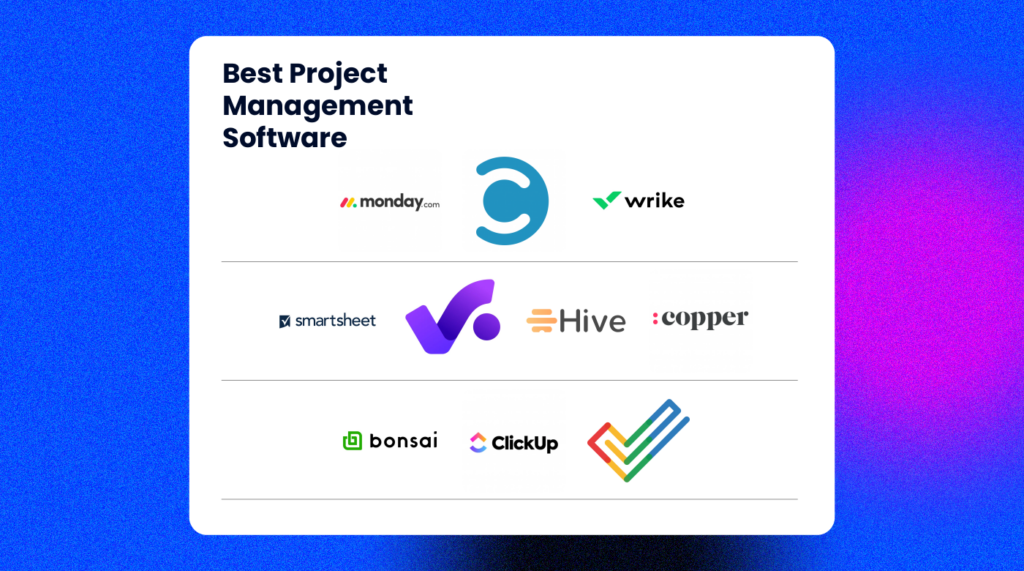
Wie geht es weiter?
Die Auswahl einer Projektmanagement-Software kann schwierig sein. Wenn du weitere Informationen zu einem bestimmten Anwendungsfall benötigst, kannst du jederzeit eine Demo mit dem Anbieter vereinbaren, um zu sehen, wie das Tool deine Herausforderungen bewältigen könnte.
Der Digital Project Manager bietet jede Menge nützlicher Inhalte, die dir helfen, bei der Arbeit erfolgreich zu sein! Du kannst auf dem Laufenden bleiben, indem du den Insiders-Newsletter abonnierst. Jede Woche landen neue Inhalte und interessante Gespräche rund um Projektmanagement in deinem Posteingang.