

I 10 migliori software aziendali di gestione dei progetti con IA recensiti nel 2026

La migliore selezione di software di gestione dei progetti aziendali basato sull'IA


Il software di gestione dei progetti basato sull'IA aiuta a eliminare le incomprensioni e a ridurre le conversazioni sovrapposte, segnalando tempestivamente i rischi, gestendo le attività di routine e fornendo dashboard e aggiornamenti sullo stato in tempo reale, così puoi monitorare i progressi e i colli di bottiglia dei tuoi progetti.
Durante la mia esperienza di test di queste piattaforme, ho visto come le funzionalità di IA possano produrre un impatto misurabile, ad esempio riducendo la durata delle riunioni, gli errori manuali e i tempi di completamento delle attività, mantenendo al contempo sotto controllo i progetti complessi.
In questo elenco analizzo gli strumenti che si distinguono, descrivendone le principali funzionalità di IA e le integrazioni, oltre al modo in cui supportano il tuo flusso di lavoro, illustrando come possono aiutare il tuo team a pianificare con una programmazione intelligente, a eseguire le attività con una gestione automatizzata e ad adattarsi segnalando i rischi e suggerendo modifiche.
Perché fidarsi dei nostri consigli sui software
Il nostro team testa e recensisce software dal 2012. In quanto project manager noi stessi, sappiamo quanto sia difficile — e importante — scegliere il software giusto.
Per questa guida, abbiamo valutato gli strumenti attraverso test pratici e ricerche indipendenti, assegnando un punteggio agli strumenti in base ai nostri criteri di selezione. Ci basiamo inoltre sulle competenze di leader di pensiero del settore e di professionisti attivi nella gestione dei progetti.
Le nostre recensioni riflettono il nostro giudizio editoriale umano, non un discorso di vendita.
Revisori esperti:
Tabella comparativa dei software di gestione dei progetti aziendali basati sull'IA
Questa tabella comparativa riassume i dettagli dei prezzi delle mie migliori selezioni di software di gestione dei progetti aziendali basati sull’IA.
| Tool | Best For | Trial Info | Price | ||
|---|---|---|---|---|---|
| 1 | Ideale per la definizione delle priorità dei progetti basata sull'intelligenza artificiale | Piano gratuito + prova gratuita di 14 giorni + demo gratuita disponibile | A partire da $10/utente/mese (con fatturazione annuale) | Website | |
| 2 | Ideale per dashboard di progetto personalizzabili | Prova gratuita + demo gratuita disponibile | Da $10/utente/mese (fatturato annualmente) | Website | |
| 3 | Ideale per l'automazione dei progetti AI | Piano gratuito disponibile | Da $9/utente/mese (fatturazione annuale) | Website | |
| 4 | Ideale per il monitoraggio del tempo con IA | Prova gratuita di 14 giorni + demo gratuita disponibile | Da $9/utente/mese (fatturato annualmente) | Website | |
| 5 | Ideale per la produttività guidata dall’IA | Piano gratuito disponibile | Da $4/utente/mese (fatturato annualmente) | Website | |
| 6 | Ideale per l'automazione semplice delle attività tramite AI | Piano gratuito disponibile | Da $5/utente/mese (fatturato annualmente) | Website | |
| 7 | Ideale per riepiloghi di riunioni tramite AI | Piano gratuito + demo gratuita disponibile | Da $10.99/utente/mese (fatturato annualmente) | Website | |
| 8 | Ideale per l'automazione dei flussi di lavoro tramite intelligenza artificiale | Prova gratuita di 14 giorni + demo gratuita disponibile | Prezzo su richiesta | Website | |
| 9 | Ideale per la pianificazione alimentata da AI | Prova gratuita disponibile | Da $29/utente/mese | Website | |
| 10 | Ideale per la pianificazione delle risorse tramite IA | Demo gratuita disponibile | Da €5/licenza/mese (fatturazione annuale) | Website |


Recensione dei migliori software di gestione dei progetti aziendali basati sull'IA
Di seguito trovi i miei riepiloghi dettagliati dei migliori software di gestione dei progetti aziendali basati sull’IA inclusi nella mia selezione. Le mie recensioni offrono una panoramica dettagliata delle funzionalità principali, dei pro e dei contro, delle integrazioni e dei casi d’uso ideali di ogni strumento, per aiutarti a trovare quello più adatto a te.
Wrike
Ideale per la definizione delle priorità dei progetti basata sull'intelligenza artificiale

Wrike è un software di gestione dei progetti basato sull'intelligenza artificiale, progettato per le aziende che desiderano aumentare la produttività e ottimizzare i flussi di lavoro. Questo strumento è particolarmente indicato per settori come marketing, IT e finanza, dove gestire progetti complessi e coordinare squadre numerose può essere difficile. Sfruttando le funzionalità di intelligenza artificiale di Wrike, le squadre possono automatizzare le attività ripetitive, definire le priorità dei progetti e ottenere informazioni preziose, aiutandole a superare la difficoltà di gestire numerose responsabilità e scadenze.
Perché ho scelto Wrike
Ho scelto Wrike per le sue straordinarie funzionalità di intelligenza artificiale, pensate per soddisfare le esigenze della gestione dei progetti aziendali. Wrike Copilot funge da assistente basato sull'intelligenza artificiale, aiutando la squadra a definire le priorità dei progetti e a identificare i rischi in modo efficiente. Inoltre, l'integrazione di Wrike con strumenti di intelligenza artificiale come Microsoft Copilot migliora ulteriormente la collaborazione e il processo decisionale. Queste funzionalità sono particolarmente utili per le squadre che desiderano ottimizzare l'allocazione delle risorse e semplificare i flussi di lavoro in un ambiente dinamico.
Funzionalità principali di Wrike
Oltre alle funzionalità di intelligenza artificiale, Wrike offre una vasta gamma di strumenti per supportare le esigenze di gestione dei progetti.
- Flussi di lavoro personalizzabili: Adatta i flussi di lavoro ai processi e ai requisiti specifici della squadra, consentendo una gestione fluida delle attività.
- Modelli di progetto: Crea modelli riutilizzabili per i progetti ricorrenti, garantendo coerenza e risparmiando tempo nella configurazione dei progetti.
- Comunicazione nella piattaforma: Favorisci la collaborazione direttamente all'interno della piattaforma, mantenendo tutte le interazioni e gli aggiornamenti della squadra in un unico luogo.
- Monitoraggio del tempo: Tieni traccia con precisione del tempo dedicato alle attività per migliorare la fatturazione e la gestione delle risorse.
Integrazioni di Wrike
Le integrazioni includono Microsoft Teams, Slack, Salesforce, Dropbox, Google Drive, Box, GitHub, Adobe Creative Cloud, Microsoft OneDrive e Jira.
Pros and Cons
Pros:
- L'intelligenza artificiale supporta la definizione delle priorità dei progetti aziendali
- Flussi di lavoro altamente personalizzabili per le squadre
- Ampie integrazioni per le grandi organizzazioni
Cons:
- Curva di apprendimento iniziale ripida
- Le funzionalità avanzate di intelligenza artificiale hanno un costo maggiore
New Product Updates from Wrike

Wrike Adds Quick Search to Table View
Wrike adds Quick Search to Table View with full-table search across titles, descriptions, and fields, plus highlighted matches. This helps users find tasks faster in large tables. For more information, visit Wrike’s official site.

Celoxis
Ideale per dashboard di progetto personalizzabili
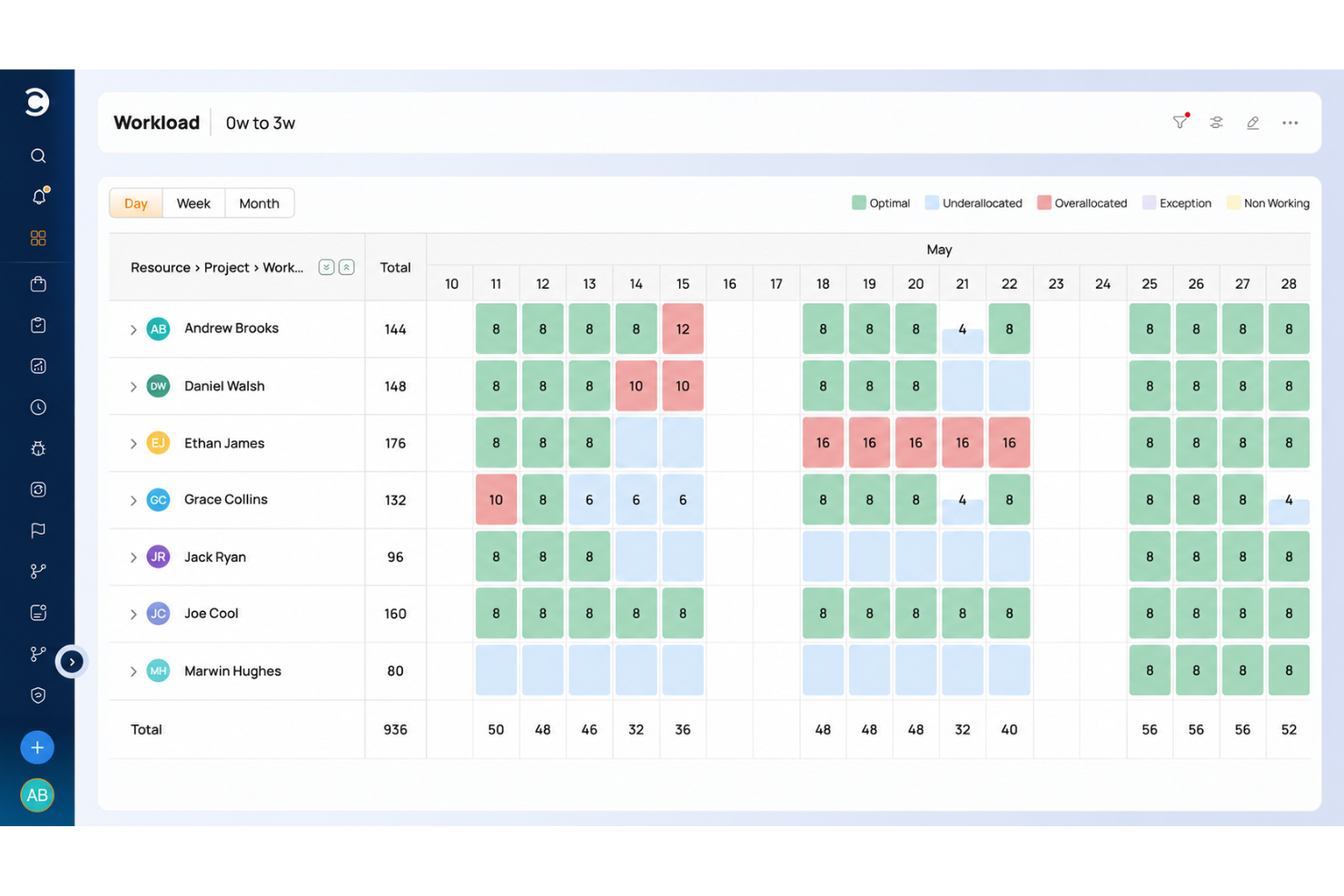
Celoxis è una piattaforma di gestione progetti aziendali potenziata dall'IA che combina il monitoraggio dei portafogli, la pianificazione delle risorse, la contabilità di progetto, la gestione dei rischi e strumenti di collaborazione con i clienti in un unico sistema.
Per chi è più adatto Celoxis?
Celoxis è particolarmente indicato per aziende di medie e grandi dimensioni che gestiscono ambienti complessi e multi-progetto tra team nei reparti IT, servizi professionali o operativi.
Perché ho scelto Celoxis
Ho scelto Celoxis come uno dei migliori perché le sue capacità di dashboard sostituiscono ciò per cui la maggior parte dei team si rivolgerebbe a uno strumento BI dedicato. Adoro il fatto che sia possibile costruire molteplici dashboard condivise con widget personalizzabili, e quasi qualsiasi report può essere fissato direttamente in una dashboard e ridimensionato secondo necessità. I grafici personalizzati con analisi approfondite sono particolarmente utili: puoi cliccare su un grafico ed eseguire azioni collettive sui record senza lasciare la vista.
Funzionalità chiave di Celoxis
- Assistente AI (Lex): Un assistente AI integrato che analizza i dati di progetto in tempo reale, segnala i rischi e risponde a comandi in linguaggio naturale.
- Pianificazione dinamica delle risorse: Assegna e gestisci le risorse su più progetti con grafici di carico che mostrano disponibilità, allocazione e conflitti per ruolo o persona.
- Contabilità di progetto: Tieni traccia di budget, costi e ricavi a livello di attività o di progetto, con report di margine e redditività integrati.
- Gestione del portafoglio: Visualizza e gestisci più progetti in un unico ambiente di portafoglio, con indicatori aggregati di stato e monitoraggio delle milestone.
Integrazioni Celoxis
Celoxis offre integrazioni native con Google Drive, Microsoft Excel, Microsoft Project, Jira, QuickBooks Online e Salesforce, oltre al supporto SSO tramite Okta, OneLogin e SAML 2.0. Sono disponibili numerose altre connessioni tramite Zapier, ed è presente un'API per integrazioni personalizzate.
Pros and Cons
Pros:
- Reportistica e analisi integrate a livello BI
- Supporta modelli a tariffa oraria e a prezzo fisso
- Grafici a bolle del portafoglio in linea con la strategia
Cons:
- App mobile poco fluida e limitata
- Configurazione complessa dei modelli che rallenta l'onboarding

Ideale per l'automazione dei progetti AI
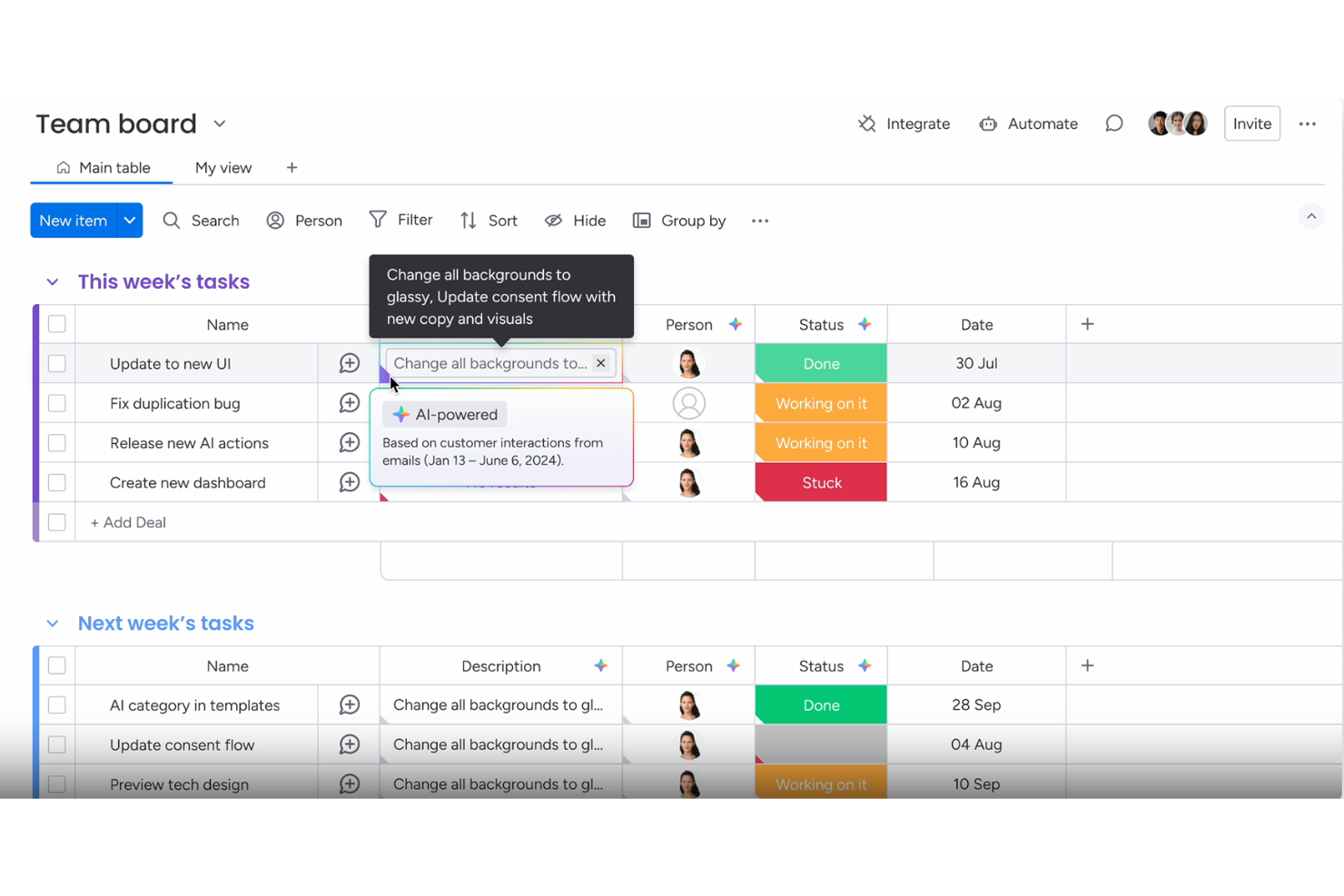
Per le aziende che cercano una soluzione di automazione dei progetti con l'IA, monday.com offre una piattaforma che aiuta i team a gestire progetti, attività e risorse in un unico spazio di lavoro. Il sistema supporta i team di diversi dipartimenti come marketing, IT e operations, aiutandoli a organizzare il lavoro e mantenere i progetti in movimento. Grazie all'automazione assistita dall'IA, agli strumenti di workflow e alle bacheche personalizzabili, monday.com aiuta le imprese a coordinare le attività, monitorare i progressi e migliorare la collaborazione tra team numerosi.
Perché ho scelto monday.com
Ho scelto monday.com perché supporta i team nell’automazione dei progetti AI nella gestione dei progetti aziendali. La piattaforma aiuta ad automatizzare le attività, organizzare i flussi di lavoro e gestire grandi progetti che coinvolgono più team. Le sue funzionalità di IA assistono nella pianificazione delle tempistiche, nel monitoraggio delle dipendenze e nell'organizzazione del lavoro di progetto, aiutando i team a coordinare le attività e tenere traccia dei progressi. Queste capacità aiutano le aziende a gestire progetti complessi mantenendo sempre la visibilità su attività, risorse e fasi di progetto.
Caratteristiche principali di monday.com
Oltre all'automazione dei progetti AI, monday.com offre:
- Dashboard: Personalizza le dashboard per ottenere una panoramica in tempo reale dell'avanzamento dei progetti e della performance del team.
- Diagrammi di Gantt: Visualizza le tempistiche dei progetti e le dipendenze per ottimizzare l’allocazione delle risorse.
- Integrazioni: Connettiti senza problemi con oltre 850 app per migliorare i flussi di lavoro e la collaborazione.
Integrazioni di monday.com
Le integrazioni includono Slack, Google Drive, Trello, Salesforce, Microsoft Teams, Zoom, HubSpot, QuickBooks, Shopify e Dropbox.
Pros and Cons
Pros:
- Le funzionalità di IA assistono nella sintesi delle attività, automazione e generazione di contenuti
- Le funzionalità di automazione aiutano a snellire i flussi di lavoro ripetitivi
- Le opzioni di integrazione con strumenti popolari migliorano la connettività dei flussi di lavoro
Cons:
- Alcune funzionalità avanzate sono disponibili solo nei piani di livello superiore
- Il prezzo può essere elevato per piccole imprese o startup
New Product Updates from monday AI Workspace
monday AI Workspace Adds Human Approval Routing
monday AI Workspace adds a human-in-the-loop approval block to AI Workflows, sending approval requests and routing workflow paths based on responses. For more information, visit monday AI Workspace's official site.

Timely
Ideale per il monitoraggio del tempo con IA

Timely è un software di gestione del tempo progettato principalmente per liberi professionisti, team e aziende che desiderano migliorare la produttività e la responsabilità. Offre un monitoraggio del tempo basato sull’intelligenza artificiale per registrare automaticamente le ore di lavoro e il tempo dedicato ai progetti, riducendo l’inserimento manuale e garantendo la precisione.
Perché ho scelto Timely: Timely eccelle nel monitoraggio del tempo tramite intelligenza artificiale, offrendo una registrazione automatica che fa risparmiare molto lavoro manuale al tuo team. Le sue funzionalità IA includono Memory, che registra l’attività su tutti i dispositivi, e suggerimenti intelligenti per migliorare la gestione del tempo. La piattaforma offre anche dashboard di progetto in tempo reale, offrendoti una panoramica del tempo speso nei vari progetti. Ho visto diversi team sfruttare le capacità IA di Timely per rinnovare completamente i propri processi manuali, riducendo il carico amministrativo e recuperando tempo per attività più significative.
Funzionalità principali e integrazioni:
Funzionalità comprendono la gestione del budget di progetto per monitorare i budget e avvisarti quando il tempo registrato supera le stime previste, strumenti di pianificazione del team per allocare le risorse e report dettagliati per generare report che suddividono il tempo impiegato per progetto, identificano i tempi morti e segnalano i membri del team sovraccarichi.
Integrazioni includono Slack, Asana, Trello, QuickBooks, Zapier, Todoist, Outlook Calendar, Google Calendar, Xero e Microsoft Teams.
Pros and Cons
Pros:
- Funzione di monitoraggio automatico del tempo
- Dashboard di progetto in tempo reale
- Report dettagliati sulla produttività
Cons:
- Opzioni di personalizzazione limitate
- Può risultare complesso per i nuovi utenti

Taskade
Ideale per la produttività guidata dall’IA

Taskade è uno spazio di lavoro collaborativo pensato per i team che desiderano gestire attività, progetti e flussi di lavoro. Il generatore di flussi di lavoro AI di Taskade trasforma istruzioni in inglese semplice in automazioni a più passaggi, inclusa logica condizionale, cicli e integrazioni.
Perché ho scelto Taskade: Taskade si distingue per i suoi strumenti di produttività guidati dall’intelligenza artificiale che aiutano il tuo team a lavorare in modo più efficiente. Puoi creare agenti IA che suggeriscono automazioni per le attività, per esempio raccomandando proattivamente flussi di lavoro basati su schemi riconosciuti nei tuoi progetti. La piattaforma offre anche collaborazione in tempo reale, permettendo al tuo team di rimanere connesso e produttivo.
Il connettore AI di Taskade supporta azioni come “Riepiloga con IA” (per condensare note lunghe) e “Classifica con IA” (per classificare input per sentimento, intento o schema personalizzato). Ho riscontrato che le capacità AI di Taskade lo rendono uno strumento particolarmente prezioso per i team che vogliono ridurre al minimo sforzi e attività ripetitive.
Funzionalità principali e integrazioni:
Funzionalità includono la modifica in tempo reale, che consente al team di collaborare istantaneamente. I modelli di attività aiutano a configurare rapidamente i progetti senza partire da zero. La vista mappa mentale offre una rappresentazione visiva dei tuoi progetti, facilitando la pianificazione.
Le integrazioni includono Slack, Google Drive, Dropbox, Zapier, GitHub, Trello, Asana, Microsoft Teams, Zoom ed Evernote.
Pros and Cons
Pros:
- Suggerimenti per le attività guidati dall’IA
- Collaborazione in tempo reale
- Opzioni di visualizzazione flessibili
Cons:
- Mancanza di funzionalità avanzate di project management
- Può essere complesso per i principianti

Trello
Ideale per l'automazione semplice delle attività tramite AI

Trello è uno strumento di gestione dei progetti visivo pensato per i team che cercano un'organizzazione e una collaborazione delle attività semplice. Utilizza bacheche, elenchi e schede per aiutare i team a gestire i progetti e offre funzionalità AI semplici per migliorare l'automazione delle attività.
Perché ho scelto Trello: L'automazione integrata Butler di Trello ti permette di definire vincoli utili, impostare automazioni programmate e creare pulsanti personalizzati per avviare flussi di lavoro multi-step. Butler può automatizzare attività ripetitive come lo spostamento delle schede e l'impostazione delle scadenze. Inoltre, il linguaggio senza codice rende la creazione di automazioni facile per tutti: specifichi i trigger (come una data di scadenza) e le azioni corrispondenti (come lo spostamento delle schede) tramite comandi semplici. Il livello di semplicità e automazione offerto da Trello lo rende perfetto per i team che desiderano migliorare l'efficienza nella gestione delle attività.
Funzionalità e integrazioni principali:
Funzionalità includono bacheche personalizzabili che si adattano al tuo flusso di lavoro, etichette sulle schede e date di scadenza per una facile priorità, e funzionalità drag-and-drop.
Integrazioni includono Slack, Google Drive, Dropbox, Microsoft Teams, Jira, Evernote, Salesforce, GitHub, Zapier e Mailchimp.
Pros and Cons
Pros:
- Interfaccia facile da usare
- Opzioni di workflow personalizzabili
- Automazione delle attività integrata
Cons:
- Funzionalità avanzate limitate
- Capacità di reportistica di base
Asana
Ideale per riepiloghi di riunioni tramite AI

Asana è una piattaforma di gestione dei progetti che migliora la collaborazione del team attraverso la gestione dei progetti, l'automazione dei flussi di lavoro e il monitoraggio degli obiettivi. Gli AI Teammates di Asana sono agenti collaborativi che comprendono il contesto della tua organizzazione e aiutano con i flussi di lavoro di routine, apprendendo e adattandosi nel tempo.
Perché ho scelto Asana: Asana AI Studio permette di impostare una regola che si attiva al “Transcript di Zoom pronto” ed estrarre automaticamente i riepiloghi delle riunioni, le attività da svolgere e le decisioni chiave. Le sue funzionalità AI includono la gestione automatica delle attività e l'allineamento strategico degli obiettivi, che aiutano a dare priorità agli obiettivi del team.
L'AI Studio offre strumenti per affinare i flussi di lavoro, rendendo più facile la gestione di progetti complessi. Secondo la mia esperienza, il lavoro svolto dagli AI Teammates è trasparente e regolamentato. Evidenziano come un team è arrivato a una decisione e sono governati dai permessi aziendali, così hai il controllo su accessi e comportamenti.
Caratteristiche principali & Integrazioni:
Funzionalità includono modelli di progetto personalizzabili che eliminano la presa di appunti manuali nelle riunioni generando riepiloghi e attività da svolgere tramite l'AI, una visualizzazione a timeline per tracciare l'avanzamento dei progetti e dipendenze tra le attività che aiutano a gestire efficacemente i carichi di lavoro.
Integrazioni includono Slack, Microsoft Teams, Google Drive, Dropbox, Salesforce, Zoom, Adobe Creative Cloud, Tableau, Okta e Zendesk.
Pros and Cons
Pros:
- Ampie funzionalità di riepilogo delle riunioni tramite AI
- Forti capacità di automazione delle attività
- Vasta gamma di modelli di progetto
Cons:
- Può risultare complesso per i nuovi utenti
- Funzionalità offline limitate

Ideale per l'automazione dei flussi di lavoro tramite intelligenza artificiale
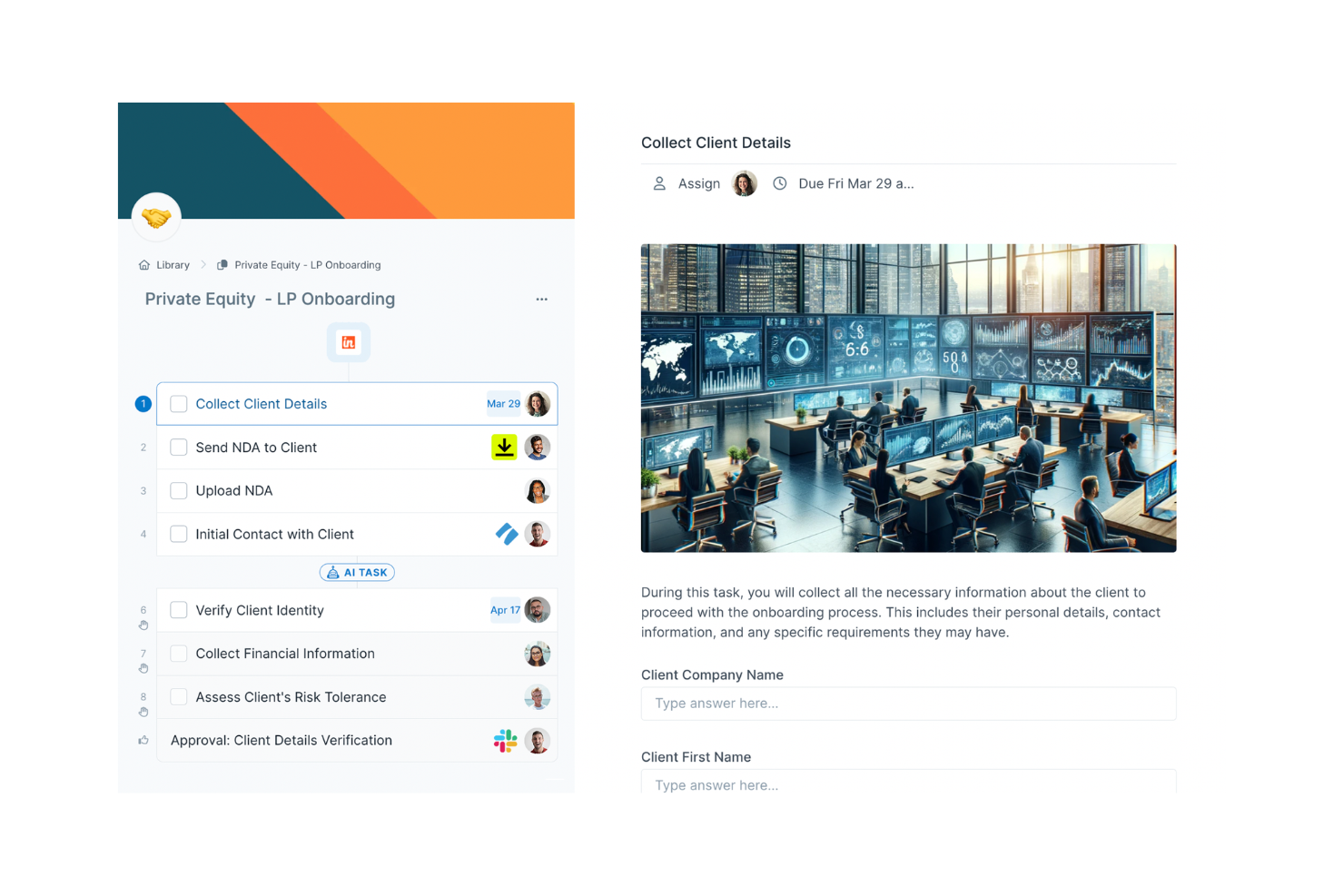
Process Street è un software di gestione dei processi progettato per i team che desiderano creare, monitorare e gestire i flussi di lavoro in modo efficiente. Serve aziende di vari settori, offrendo funzionalità di intelligenza artificiale che automatizzano i flussi di lavoro e ottimizzano i processi operativi.
Perché ho scelto Process Street: Process Street eccelle nell'automazione dei flussi di lavoro tramite intelligenza artificiale, rendendolo una scelta eccellente per i team che necessitano di processi snelli. Le sue funzionalità di AI includono flussi di lavoro dinamici che si adattano alle tue esigenze e assegnazioni di compiti automatizzate che fanno risparmiare tempo. La piattaforma fornisce inoltre logica condizionale per garantire che le attività vengano eseguite nell'ordine corretto. I team sfruttano l'automazione di Process Street per ridisegnare ampie serie di processi manuali. Ho visto diverse agenzie liberare innumerevoli ore di lavoro strategico grazie a questo software.
Funzionalità e integrazioni principali:
Funzionalità includono un semplice editor drag-and-drop per la creazione di flussi di lavoro, modelli di liste di controllo e logica condizionale per garantire flussi di lavoro strutturati e ripetibili per le operazioni ricorrenti, oltre a strumenti di collaborazione in tempo reale che inviano automaticamente aggiornamenti di check-in al team e distribuiscono attività di follow-up tramite i riepiloghi delle riunioni.
Integrazioni includono Slack, Zapier, Google Drive, Dropbox, Salesforce, Trello, Asana, Microsoft Teams, Airtable e HubSpot.
Pros and Cons
Pros:
- Automazione dinamica dei flussi di lavoro
- Funzionalità di checklist facili da usare
- Collaborazione in tempo reale
Cons:
- Opzioni di personalizzazione limitate
- Può risultare complesso per i nuovi utenti

Motion
Ideale per la pianificazione alimentata da AI
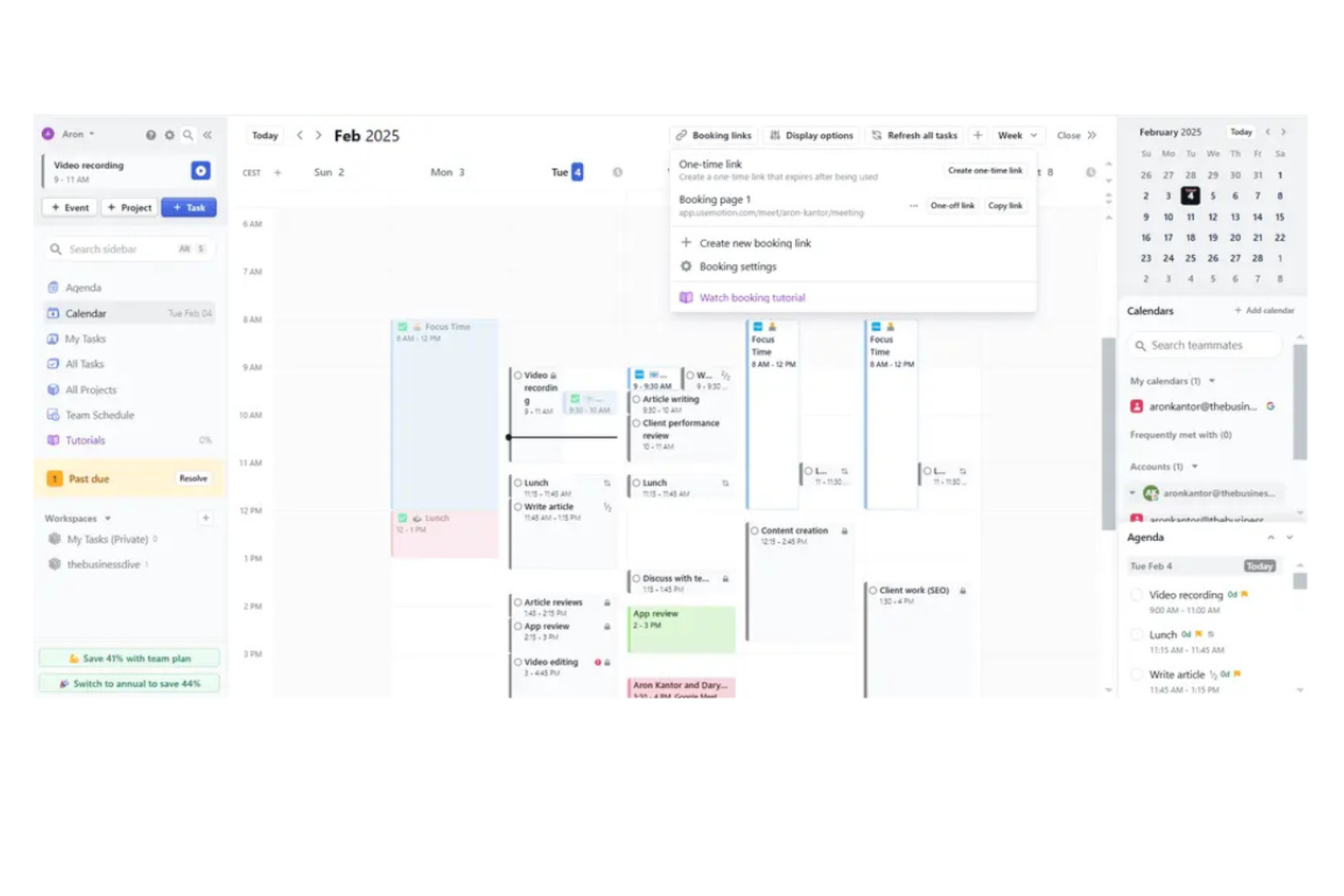
Motion utilizza dipendenti AI (ad esempio, Millie, una Project Manager AI) per creare automaticamente piani di progetto, generare report di stato e aggiornare le tempistiche. Serve principalmente aziende che desiderano automatizzare la pianificazione e la gestione delle attività tramite dipendenti AI come Alfred e Millie.
Perché ho scelto Motion: Motion si distingue per le sue capacità di pianificazione alimentate dall'IA, rendendolo utile per la gestione dei calendari. Il suo assistente alla pianificazione propone orari ottimali per le riunioni, dà priorità alle attività e blocca il tempo di concentrazione, riducendo il continuo scambio di messaggi e minimizzando i cambi di contesto. Le funzionalità AI includono anche pianificazione automatizzata e approfondimenti che aiutano il team a concentrarsi su attività strategiche. Nella mia esperienza, automatizzare gli aggiornamenti di stato regolari con uno strumento come Motion aiuta a ridurre i rapporti manuali, permettendo al team di dedicare più tempo ad attività di maggiore valore.
Funzionalità principali e integrazioni:
Funzionalità includono pianificazione generata da AI che analizza i modelli di lavoro del team e organizza le riunioni nei momenti ottimali, preservando i blocchi di concentrazione, e automazione della priorità delle attività che ordina automaticamente le attività in base alle scadenze e dipendenze, aiutando il team a concentrarsi su ciò che è più urgente. Invia anche promemoria automatici per le scadenze imminenti e ripianifica proattivamente le attività se le tempistiche cambiano.
Integrazioni includono Google Calendar, Outlook, Zapier, Microsoft Teams, Zoom e molte altre tramite l'API aperta di Motion, come Asana, Trello, Salesforce, HubSpot e Dropbox.
Pros and Cons
Pros:
- Funzionalità efficienti di pianificazione AI
- Dipendenti AI personalizzabili
- Conformità SOC 2 Tipo 2
Cons:
- Opzioni di personalizzazione limitate
- Curva di apprendimento più ripida per i nuovi utenti

Can Do
Ideale per la pianificazione delle risorse tramite IA
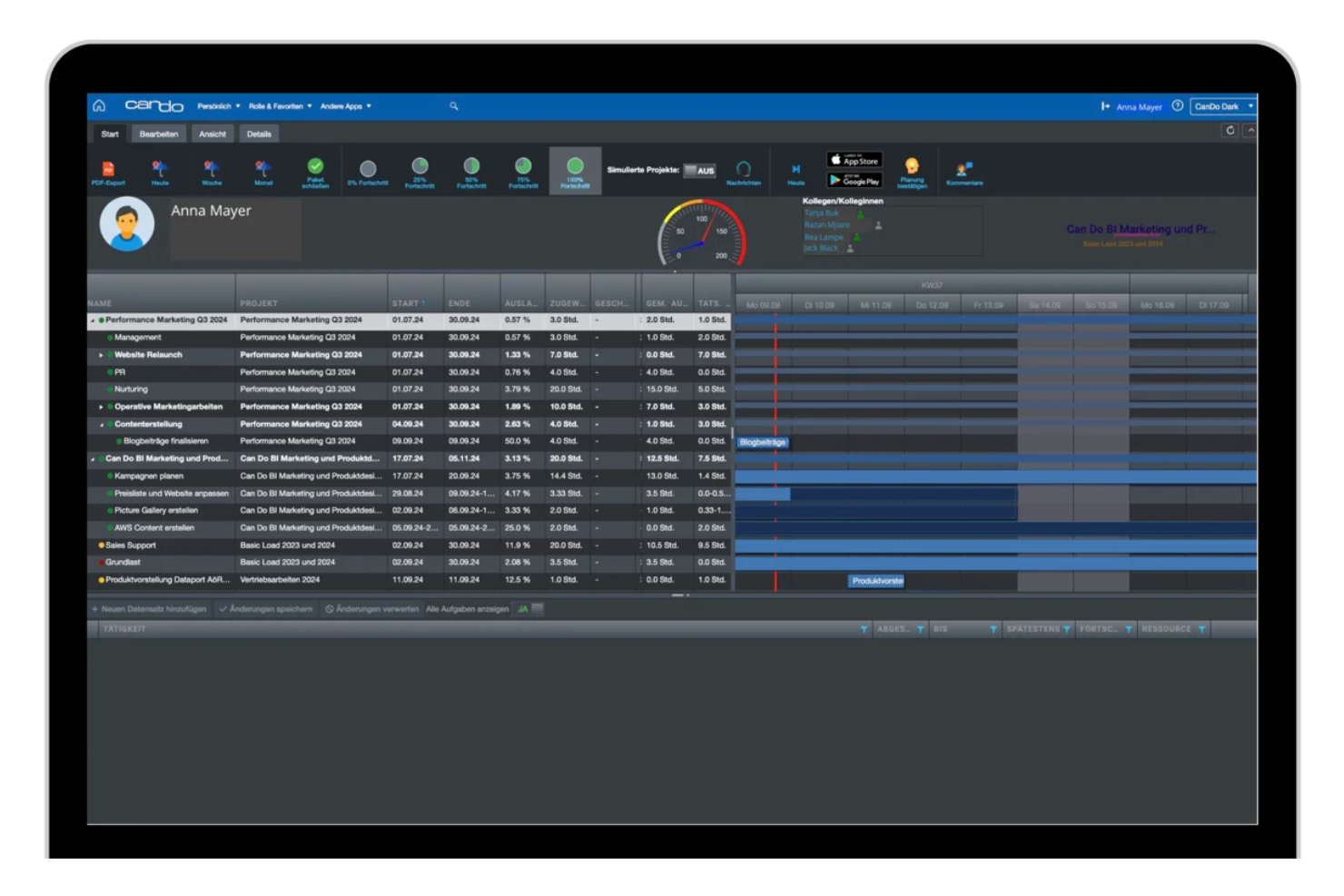
Can Do è un software di gestione progetti progettato per le aziende che necessitano di una pianificazione efficace delle risorse e della programmazione dei progetti. Si rivolge a medie e grandi imprese, offrendo soluzioni guidate dall’intelligenza artificiale per ottimizzare l’allocazione delle risorse e le tempistiche dei progetti.
Perché ho scelto Can Do: Can Do si distingue per le sue capacità di pianificazione delle risorse supportate dall’IA, che aiutano il tuo team ad allocare le risorse in modo efficiente. Le sue funzionalità di intelligenza artificiale includono analisi predittive per le tempistiche di progetto e assegnazione automatizzata delle risorse per ridurre i tempi morti. Lo strumento offre anche la pianificazione di scenari, che aiuta il tuo team ad anticipare potenziali sfide di progetto. Secondo la mia esperienza, queste funzionalità rendono Can Do una scelta eccellente per i team che desiderano migliorare la gestione delle risorse.
Funzionalità principali e integrazioni:
Funzionalità includono diagrammi di Gantt interattivi che forniscono una panoramica visiva dei tuoi progetti, strumenti di pianificazione della capacità per gestire efficacemente il carico di lavoro e report dettagliati per monitorare l’avanzamento dei progetti.
Integrazioni includono Microsoft Teams, Slack, Jira, Trello, Asana, Google Calendar, Outlook, SAP, Salesforce e HubSpot.
Pros and Cons
Pros:
- Allocazione avanzata delle risorse tramite IA
- Capacità di pianificazione di scenari
- Strumenti avanzati di pianificazione della capacità
Cons:
- Le funzionalità e le notifiche possono risultare troppo numerose
- Flussi di lavoro rigidi limitano l’adozione rapida
Altri software di gestione dei progetti aziendali basati sull'IA
Ecco altre opzioni di software di gestione dei progetti aziendali basati sull’IA che non sono entrate nella mia selezione, ma che vale comunque la pena prendere in considerazione:
- Ayanza
Ideale per la collaborazione di team tramite IA
- Smartsheet
Ideale per ampie integrazioni con applicazioni aziendali
- Hive
Ideale per la pianificazione di progetti con IA
- Zoho Projects
Ideale per la gestione delle attività tramite IA


Come valuto i software di gestione progetti aziendali con AI
Includo solo gli strumenti in cui l’IA va oltre il semplice slogan di marketing—se l’IA non fa davvero risparmiare ore ai responsabili PMO nella pianificazione, previsione o reportistica, non viene considerata. Divido la mia valutazione tra la funzionalità di base che ogni piattaforma aziendale deve offrire e i fattori che differenziano un buon prodotto da uno eccellente.
Funzionalità di base (Requisiti fondamentali per questa lista)
Quando seleziono gli strumenti per la mia lista, valuto ciascuno su una scala da 0 (non offre la funzionalità) a 5 (eccelle in quest’area) per ogni funzionalità di base elencata di seguito. Poi, calcolo il punteggio totale dello strumento in percentuale. Ogni strumento deve ottenere un punteggio minimo totale del 65% per essere preso in considerazione.
- Automazione delle attività tramite IA: Cerco IA in grado di generare e assegnare attività da un brief o un prompt, non semplici trigger basati su regole mascherate da intelligenza.
- Analisi predittiva dei rischi: Ogni strumento dovrebbe fornire previsioni basate sui dati su tempistiche di consegna e budget, non solo segnalare attività già scadute.
- Assegnazione intelligente delle risorse: Valuto se l’IA consiglia l’assegnazione dei team in base a input reali come competenze, disponibilità e carico di lavoro tra i progetti.
- Reportistica generativa e insight: La piattaforma deve generare su richiesta riepiloghi in linguaggio naturale e aggiornamenti di stato a partire dai dati di progetto in tempo reale.
- Gestione portafoglio progetti aziendali: Verifico la presenza di viste multi-progetto con dipendenze trasversali, dashboard aggregate e controlli di governance che funzionino su centinaia di progetti.
- Sicurezza aziendale e integrazioni: SSO, permessi basati sui ruoli, log di audit e connettori nativi con strumenti come Jira, Salesforce, ServiceNow o SAP sono ciò che cerco in questa categoria.
Una volta ottenuta la lista degli strumenti che soddisfano questi criteri, considero cosa distingue ogni piattaforma.
Fattori di differenziazione (Cosa distingue i fornitori)
Ecco come confronto e metto a confronto diversi fornitori:
Caratteristiche distintive
La creazione di progetti con linguaggio naturale è un grande elemento distintivo—voglio che un direttore PMO descriva il lancio di un prodotto tramite un prompt e ottenga un piano completo con traguardi, dipendenze e responsabili. Anche la conversione delle riunioni AI in attività aggiunge valore reale, estraendo elementi d’azione e scadenze direttamente dai resoconti registrati alle standup nel piano di progetto. Valuto anche se uno strumento collega l’esecuzione agli OKR strategici, valutando in tempo reale il contributo di ogni progetto agli obiettivi aziendali.
Oltre le funzionalità
La privacy dei dati e la governance dell’IA sono fondamentali per le aziende. Guardo se i fornitori sono trasparenti su come i dati dei progetti addestrano i loro modelli e se offrono controlli di esclusione o implementazioni private. La profondità delle integrazioni è un altro fattore chiave—una piattaforma che si connette in modo bidirezionale con Jira, ServiceNow e Salesforce si integra molto meglio di una che si affida solo a Zapier. Valuto anche il costo totale di proprietà, verificando che il prezzo cresca in modo prevedibile all’aumentare di team, progetti e utilizzo dell’IA.
Come scegliere un software di gestione dei progetti aziendali basato sull'IA
È facile perdersi in lunghi elenchi di funzionalità e strutture di prezzo complesse. Per aiutarti a rimanere concentrato mentre affronti il tuo processo di selezione del software, unico per le tue esigenze, ecco una lista di fattori da tenere a mente:
| Fattore | Cosa considerare |
|---|---|
| Scalabilità | Il software può crescere insieme alla tua squadra? Considera i limiti degli utenti e i prezzi per i livelli superiori. Assicurati che sia in grado di gestire una maggiore complessità dei progetti con l'espansione della tua organizzazione. |
| Integrazioni | Si integra con gli strumenti che utilizzi attualmente? Verifica la compatibilità con il tuo ecosistema software esistente per garantire un flusso di dati fluido ed evitare il trasferimento manuale dei dati. |
| Personalizzazione | Puoi adattare il software ai tuoi flussi di lavoro? Cerca opzioni per personalizzare i pannelli di controllo, i report e i processi in base alle esigenze specifiche della tua squadra. |
| Facilità d'uso | L'interfaccia è intuitiva per la tua squadra? Valuta la curva di apprendimento e considera se sarà necessaria una formazione affinché la tua squadra diventi rapidamente operativa. |
| Implementazione e inserimento iniziale | Quanto tempo richiederà la configurazione? Valuta le risorse necessarie per l'implementazione e la formazione. Cerca strumenti con processi di inserimento iniziale semplici e assistenza disponibile durante la transizione. |
| Costo | Rientra nel tuo budget? Confronta i modelli di prezzo, inclusi i costi per utente e le commissioni aggiuntive. Considera i costi a lungo termine e gli eventuali sconti per gli impegni annuali. |
| Misure di sicurezza | Soddisfa i tuoi standard di sicurezza? Assicurati che lo strumento sia conforme agli standard di settore come il GDPR o alle certificazioni ISO, soprattutto se gestisci dati sensibili. |
| Disponibilità dell'assistenza | L'assistenza è disponibile quando ne hai bisogno? Verifica gli orari di supporto, i canali disponibili come chat o telefono e le recensioni degli utenti sulla rapidità di risposta dell'assistenza, per assicurarti di avere supporto quando si verificano problemi. |
Che cos'è il software di gestione dei progetti aziendali basato sull'IA?
Il software PM aziendale basato sull'IA è un tipo specializzato di software di gestione dei progetti che aiuta le organizzazioni a gestire i progetti utilizzando l'intelligenza artificiale per automatizzare e migliorare diversi processi. Questi strumenti sono generalmente utilizzati da responsabili di progetto, responsabili delle squadre e altri professionisti che desiderano migliorare l'efficienza e il processo decisionale.
La pianificazione automatizzata, l'analisi predittiva e l'assegnazione intelligente delle attività aiutano a ottimizzare le risorse, prevedere i risultati dei progetti e mantenere l'allineamento all'interno delle squadre. Nel complesso, questi strumenti offrono un valore significativo riducendo il lavoro manuale e supportando la pianificazione strategica.
Funzionalità
Quando selezioni un software di gestione dei progetti aziendali basato sull'IA, presta attenzione alle seguenti funzionalità chiave:
- Pianificazione automatizzata: Utilizza l'IA per organizzare automaticamente attività e riunioni, automatizzando la gestione del calendario per riservare gli orari ottimali per le riunioni e i periodi di concentrazione, riducendo gli scambi necessari per la pianificazione.
- Analisi predittiva: Analizza i dati per prevedere le tempistiche dei progetti e i potenziali rischi, stimando le tempistiche dei progetti con l'analisi predittiva e modificando i piani in base al carico di lavoro o agli indicatori di rischio.
- Assegnazione intelligente delle attività: Assegna automaticamente le attività in base alle competenze e alla disponibilità dei membri della squadra, assegnando le attività in base alla disponibilità e alle competenze in tempo reale e massimizzando l'utilizzo della capacità della squadra.
- Informazioni basate sull'IA: Fornisce informazioni utili e raccomandazioni, offrendo informazioni basate sui dati, ad esempio rischi segnalati e previsioni delle tendenze, affinché i manager possano apportare modifiche proattive.
- Automazione dei flussi di lavoro: Automatizza attività e processi ripetitivi, delegando all'IA la pianificazione ordinaria e la creazione di report, così la tua squadra può dedicare più tempo al lavoro strategico e ad alta priorità.
- Collaborazione in tempo reale: Consente ai membri della squadra di lavorare insieme in tempo reale, centralizzando i riepiloghi delle riunioni e gli aggiornamenti sullo stato in pannelli di controllo condivisi o chat, garantendo che tutti rimangano allineati.
- Pannelli di controllo personalizzabili: Consente agli utenti di creare visualizzazioni personalizzate dei dati dei progetti, offrendo ai manager visibilità tramite pannelli di controllo generati dall'IA e avvisi sui rischi, così da poter identificare tempestivamente i problemi.
- Monitoraggio del tempo: Monitora il tempo dedicato ad attività e progetti, fornendo dati per semplificare i flussi di lavoro automatizzando le attività ripetitive e riducendo il passaggio da uno strumento all'altro.
Vantaggi
L'implementazione di un software di gestione dei progetti aziendali basato sull'IA offre diversi vantaggi alla tua squadra e alla tua azienda. Eccone alcuni che puoi aspettarti:
- Maggiore efficienza: La pianificazione e l'assegnazione automatizzate delle attività riducono il carico di lavoro manuale, liberando tempo per attività più strategiche.
- Migliore processo decisionale: Gli insight basati sull'IA e l'analisi predittiva offrono raccomandazioni supportate dai dati, fornendo analisi predittive e informazioni utili per orientare la riassegnazione delle attività o la modifica delle scadenze.
- Collaborazione potenziata: Le funzionalità di collaborazione in tempo reale garantiscono che tutti siano sempre aggiornati, registrando automaticamente gli appunti delle riunioni e le attività da svolgere, per poi distribuirli ai membri del team interessati tramite spazi di lavoro condivisi.
- Migliore utilizzo delle risorse: L'assegnazione intelligente delle attività ottimizza l'utilizzo delle competenze e della disponibilità dei membri del team, utilizzando l'IA per suggerire la riallocazione delle risorse e segnalando quando i membri del team sono utilizzati al di sotto o al di sopra della loro capacità.
- Riduzione degli errori: L'automazione dei flussi di lavoro riduce al minimo gli errori umani automatizzando le attività ripetitive e standardizzando i flussi di lavoro con modelli di liste di controllo basati sull'IA e logica condizionale per ridurre l'errore umano.
- Risparmio di tempo: Il monitoraggio del tempo e i processi automatizzati generano report sulla produttività che evidenziano i colli di bottiglia, i periodi di inattività e le opportunità di automazione.
- Viste personalizzabili: I dashboard personalizzati consentono agli utenti di concentrarsi sui dati più rilevanti, migliorando la loro capacità di monitorare i progressi e le prestazioni.
Costi e prezzi
La scelta di un software di gestione dei progetti aziendali basato sull'IA richiede la comprensione dei vari modelli e piani tariffari disponibili. I costi variano in base alle funzionalità, alle dimensioni del team, ai componenti aggiuntivi e ad altri fattori. La tabella seguente riassume i piani più comuni, i relativi prezzi medi e le funzionalità generalmente incluse nelle soluzioni software di gestione dei progetti aziendali basate sull'IA:
Tabella comparativa dei piani per software di gestione dei progetti aziendali basati sull'IA
| Tipo di piano | Prezzo medio | Funzionalità comuni |
| Piano gratuito | $0 | Gestione di base delle attività, spazio di archiviazione limitato e supporto della community. |
| Piano personale | $5-$15/utente/mese | Gestione delle attività, integrazioni di base e funzionalità di automazione limitate. |
| Piano aziendale | $16-$30/utente/mese | Monitoraggio avanzato dei progetti, integrazioni potenziate e supporto prioritario. |
| Piano per grandi aziende | $31-$60/utente/mese | Flussi di lavoro personalizzabili, insight basati sull'IA, supporto dedicato e funzionalità di sicurezza. |
Domande frequenti sul software aziendale di gestione dei progetti basato sull'AI
Ecco alcune risposte alle domande comuni sul software aziendale di gestione dei progetti basato sull’AI:
In che modo il software aziendale di gestione dei progetti basato sull'AI migliora l'efficienza della gestione dei progetti?
L’AI migliora l’efficienza della gestione dei progetti automatizzando le attività ripetitive, prevedendo i rischi dei progetti e fornendo informazioni basate sui dati. Ad esempio, l’AI può automatizzare la pianificazione e l’assegnazione delle attività, delegando all’AI il lavoro ripetitivo di pianificazione e inserimento dei dati, così il team può concentrarsi sulle attività ad alto impatto. L’analisi predittiva aiuta a prevedere i potenziali colli di bottiglia e ad adeguare i piani di conseguenza.
Analizzando i dati dei progetti, gli strumenti di AI possono fornire informazioni utili per il processo decisionale, utilizzando l’analisi predittiva e il rilevamento precoce dei rischi per adeguare proattivamente le tempistiche prima che si verifichino ritardi.
Il software aziendale di gestione dei progetti basato sull'AI può integrarsi con il software esistente?
Sì, la maggior parte degli strumenti di AI per la gestione dei progetti aziendali è progettata per integrarsi con software esistenti come sistemi CRM, piattaforme di comunicazione e soluzioni di archiviazione dei dati. Verifica la compatibilità con il tuo attuale ecosistema tecnologico per garantire un flusso di dati senza interruzioni. Le integrazioni comuni includono Slack per la comunicazione, Salesforce per il CRM e Google Drive per l’archiviazione dei file.
Le integrazioni non solo si collegano senza problemi agli strumenti che già utilizzi, come Slack, Google Drive o i sistemi CRM, mantenendo i flussi di lavoro connessi e automatici, ma rendono anche più semplice per il team adottare il nuovo software.
Il software aziendale di gestione dei progetti basato sull'AI è sicuro?
Sì, gli strumenti di AI per la gestione dei progetti danno priorità alla sicurezza offrendo funzionalità come la crittografia dei dati, l’autenticazione degli utenti e la conformità a standard di settore come il GDPR. Quando valuti gli strumenti, considera le misure di sicurezza che implementano per proteggere i tuoi dati. Cerca soluzioni che offrano controlli dettagliati degli accessi e verifiche di sicurezza periodiche.
Assicurarsi che il software soddisfi i requisiti di sicurezza della tua organizzazione è fondamentale, soprattutto se gestisci informazioni sensibili.
Come posso misurare il ROI del software di gestione dei progetti basato sull'AI?
Per misurare il ROI del software di gestione dei progetti basato sull’AI, monitora metriche come il tempo risparmiato, gli aumenti di produttività e i tassi di completamento dei progetti. Calcola i risparmi sui costi derivanti dalla riduzione del lavoro manuale e dal miglioramento dell’efficienza. Ad esempio, se l’AI automatizza la pianificazione, quantifica le ore risparmiate e traducile in valore monetario.
Inoltre, valuta i miglioramenti nella collaborazione del team e nel processo decisionale per misurare il ROI monitorando metriche come il tempo risparmiato, la riduzione delle riunioni e il numero di attività automatizzate nei tuoi progetti.
In che modo il software aziendale di gestione dei progetti basato sull'AI può aiutare i team a prevenire i rischi?
Monitora le attività in corso e segnala le attività bloccate, i ritardi imprevisti o i picchi di carico di lavoro. Gli avvisi tempestivi aiutano ad agire prima che piccoli problemi si trasformino in ostacoli rilevanti. Sfruttando l’AI, questo software fornisce analisi predittive per prevedere potenziali rischi come sforamenti del budget o slittamenti delle tempistiche, analizzando i dati storici e attuali dei progetti.
Inoltre, può rilevare proattivamente i primi segnali di rischio, come l’ampliamento incontrollato dell’ambito o l’emergere di colli di bottiglia, analizzando automaticamente le comunicazioni degli sviluppatori e gli aggiornamenti dei progetti alla ricerca di parole chiave che segnalano problemi