
Google Calendar Review: Pros, Cons, Features and Pricing



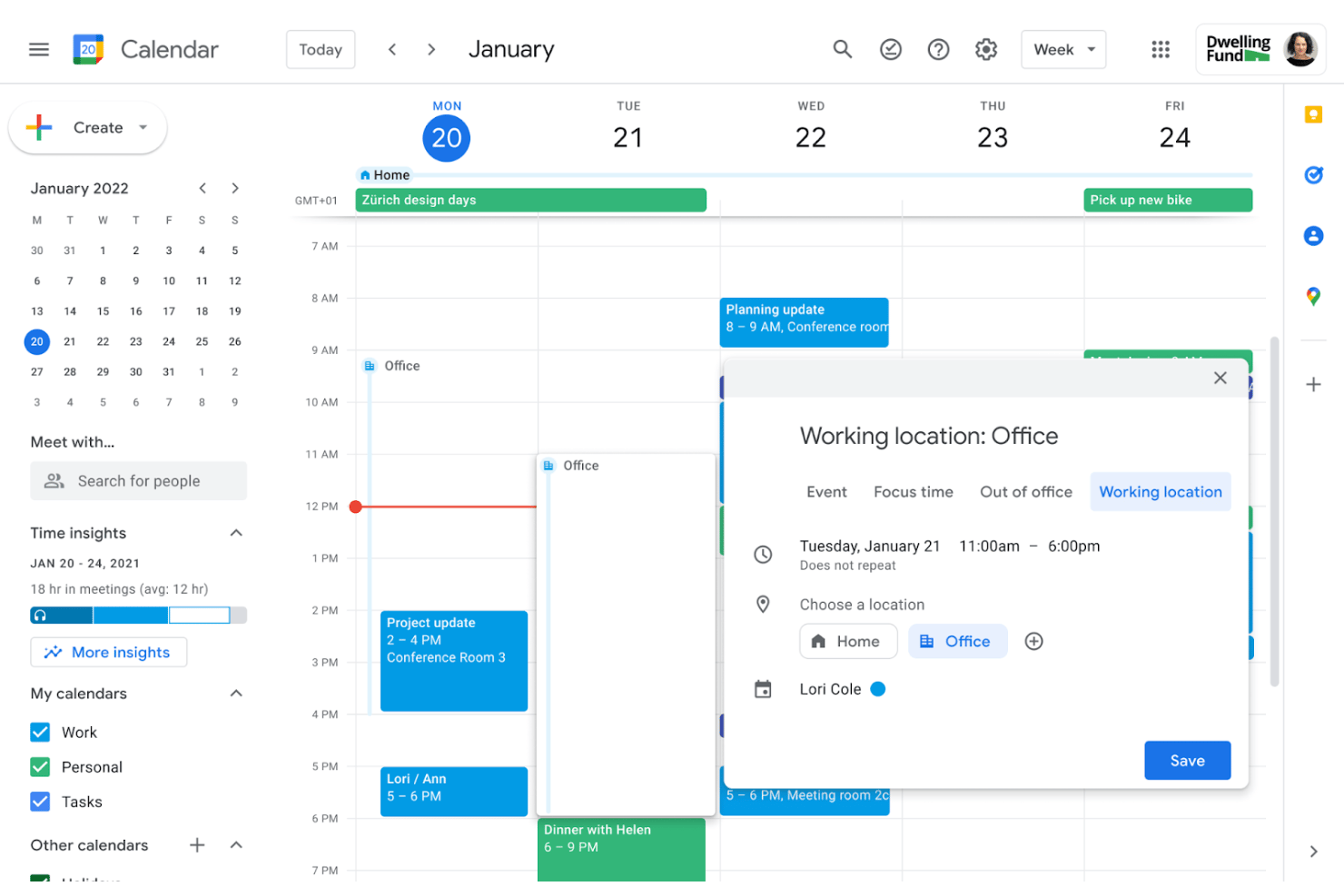
Google Calendar is a time blocking app built around calendar management, scheduled focus time, and shared team visibility. It's worth considering if you're already working inside Google Workspace and want to structure your day without adding another tool to your stack. Compared to dedicated scheduling tools like Motion, Google Calendar won't auto-schedule your tasks—but if you want full manual control over how your time is blocked, without an AI making those calls for you, it's the more predictable option.
Google Calendar Evaluation Summary
- $7.56/month
- 14-day free trial
Why Trust Our Software Recommendations
Our team has been testing and reviewing software since 2012. As project managers ourselves, we know how difficult—and important—it is to choose the right software.
For this guide, we evaluated tools using hands-on testing and independent research, scoring tools using our selection criteria. We also draw on insights from industry thought leaders and practicing project management experts.
Our reviews reflect our human editorial judgment, not a sales pitch.
Expert reviewers:
Google Calendar Overview
In my experience, Google Calendar is the most user-friendly time blocking app to pick up, thanks to its intuitive design and rock-solid Google integrations. While its time-blocking functionalities aren’t as specialized as some competitors, the pricing makes it a no-brainer for teams already using Google Workspace. If you’re choosing software for a distributed digital team or a multitasking manager, this is a strong option—especially when you value integrations and fast setup over deep analytics or automation.
pros
-
Lets you create recurring time blocks with one click
-
Drag-and-drop editing makes rescheduling blocked time fast
-
Offers visual daily and weekly views to review your blocks
cons
-
No built-in analytics for reviewing past time blocks
-
Lacks native features for automatic task-time estimation
-
Reminders don’t natively adjust when blocks shift
-

Smartsheet
Visit WebsiteThis rating combines scores from multiple user review sites to reflect overall customer sentiment about the product.4.5 -
Celoxis
Visit WebsiteThis rating combines scores from multiple user review sites to reflect overall customer sentiment about the product.4.5 -
Accelo
Visit WebsiteThis rating combines scores from multiple user review sites to reflect overall customer sentiment about the product.4.4




Our Review Methodology
How We Test & Score Tools
We’ve spent years building, refining, and improving our software testing and scoring system. The rubric is designed to capture the nuances of software selection and what makes a tool effective, focusing on critical aspects of the decision-making process.
Below, you can see exactly how our testing and scoring works across seven criteria. It allows us to provide an unbiased evaluation of the software based on core functionality, standout features, ease of use, onboarding, customer support, integrations, customer reviews, and value for money.
Core Functionality (25% of final scoring)
The starting point of our evaluation is always the core functionality of the tool. Does it have the basic features and functions that a user would expect to see? Are any of those core features locked to higher-tiered pricing plans? At its core, we expect a tool to stand up against the baseline capabilities of its competitors.
Standout Features (25% of final scoring)
Next, we evaluate uncommon standout features that go above and beyond the core functionality typically found in tools of its kind. A high score reflects specialized or unique features that make the product faster, more efficient, or offer additional value to the user.
We also evaluate how easy it is to integrate with other tools typically found in the tech stack to expand the functionality and utility of the software. Tools offering plentiful native integrations, 3rd party connections, and API access to build custom integrations score best.
Ease of Use (10% of final scoring)
We consider how quick and easy it is to execute the tasks defined in the core functionality using the tool. High scoring software is well designed, intuitive to use, offers mobile apps, provides templates, and makes relatively complex tasks seem simple.
Onboarding (10% of final scoring)
We know how important rapid team adoption is for a new platform, so we evaluate how easy it is to learn and use a tool with minimal training. We evaluate how quickly a team member can get set up and start using the tool with no experience. High scoring solutions indicate little or no support is required.
Customer Support (10% of final scoring)
We review how quick and easy it is to get unstuck and find help by phone, live chat, or knowledge base. Tools and companies that provide real-time support score best, while chatbots score worst.
Customer Reviews (10% of final scoring)
Beyond our own testing and evaluation, we consider the net promoter score from current and past customers. We review their likelihood, given the option, to choose the tool again for the core functionality. A high scoring software reflects a high net promoter score from current or past customers.
Value for Money (10% of final scoring)
Lastly, in consideration of all the other criteria, we review the average price of entry level plans against the core features and consider the value of the other evaluation criteria. Software that delivers more, for less, will score higher.
Core Features
Drag-and-Drop Event Scheduling
Move or resize calendar events and meeting invites to instantly adjust your blocked time. This helps you adapt task management plans to changing priorities without extra steps.
Recurring Event Setup
Set up daily, weekly, or custom recurring blocks for regular tasks and to-do list items. You can batch create focus sessions, daily standups, or deep work blocks.
Multiple Calendar Management
Create separate calendars for work, personal life, or project time blocks. Toggle these views to avoid conflicts and maintain visibility across all commitments.
Custom Notifications and Reminders
Add pop-up or email reminders for every time block on your schedule. You control the timing, so you never miss important focus sessions.
Color-Coding and Visual Organization
Assign colors to specific categories, like deep work or meetings. This visual clarity lets you see how your day is distributed at a glance.
Appointment Slots and Bookable Blocks
Set specific hours as bookable for others to schedule appointments or reserve time with you. This cuts down on back-and-forth, enables simple booking pages, and protects your key focus hours.
Ease of Use
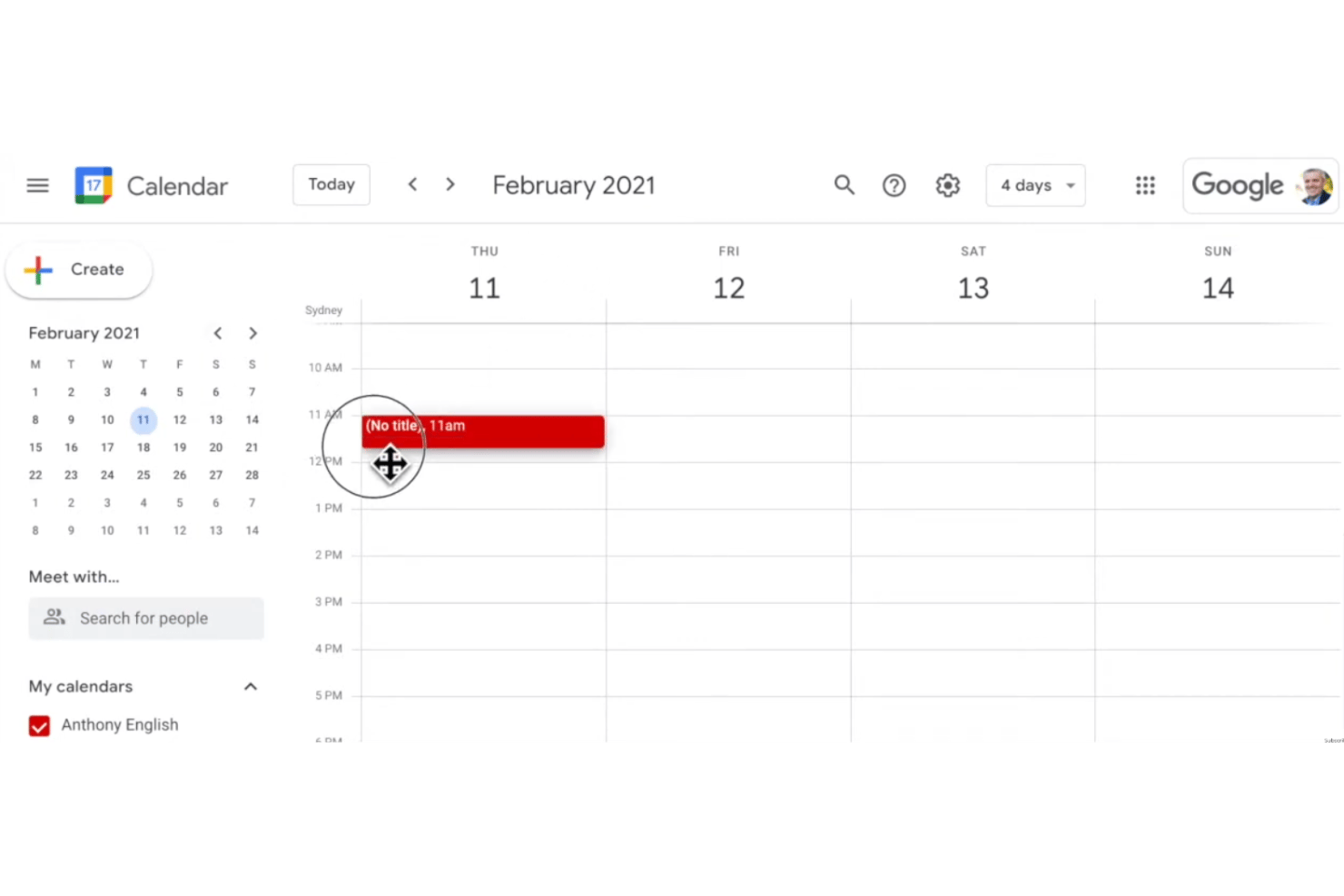
Google Calendar nails user-friendliness with its drag-and-drop event creation, quick color-coding, and unified dashboard for all schedules. Most users find setup intuitive, and features like recurring events and custom notifications make time blocking practical with almost no learning curve. The mobile app extends this experience seamlessly—use Google Calendar’s full functionality on Android or iPhone to manage your schedule anywhere. It feels fast and flexible—even for first-timers managing busy schedules.
Integrations
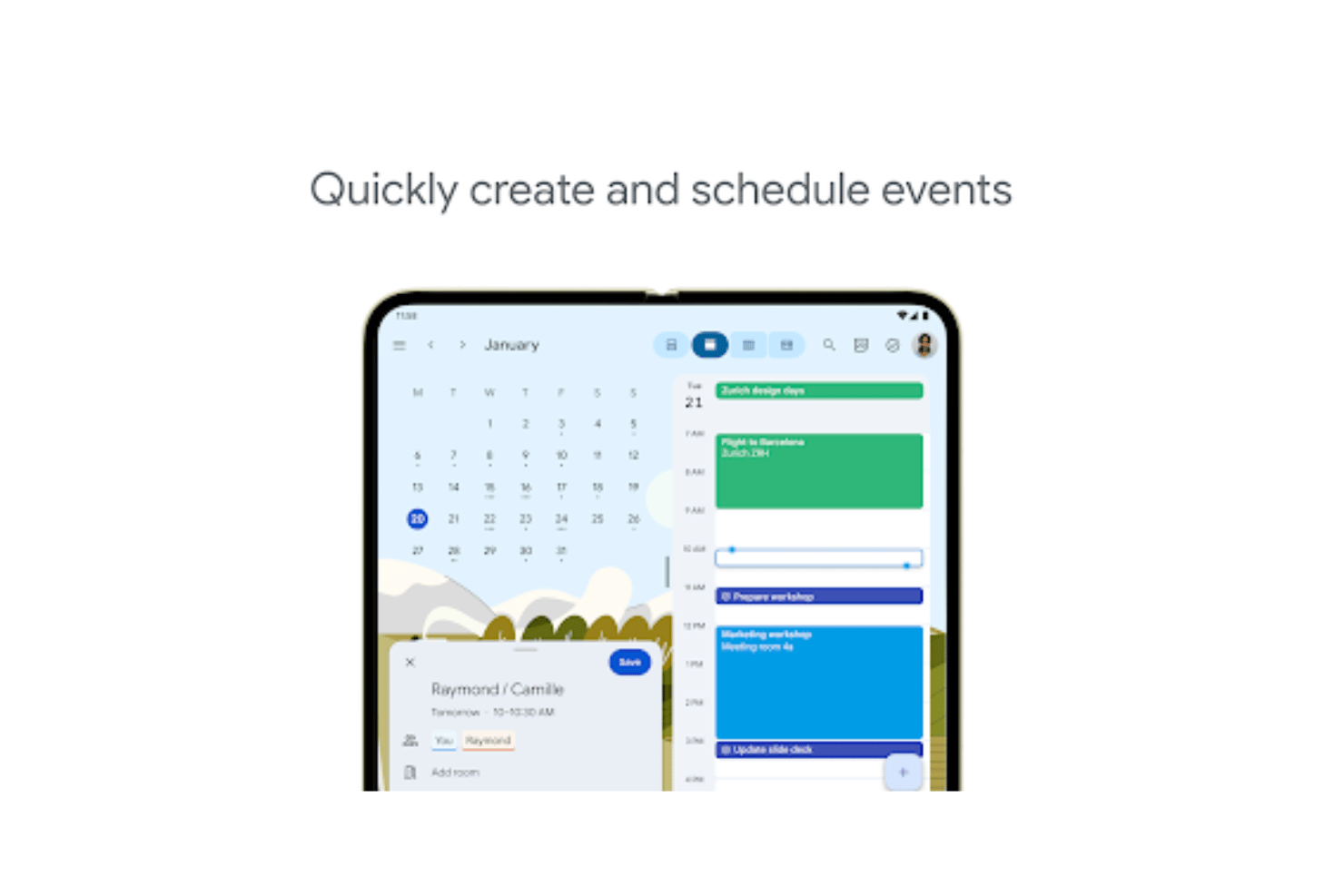
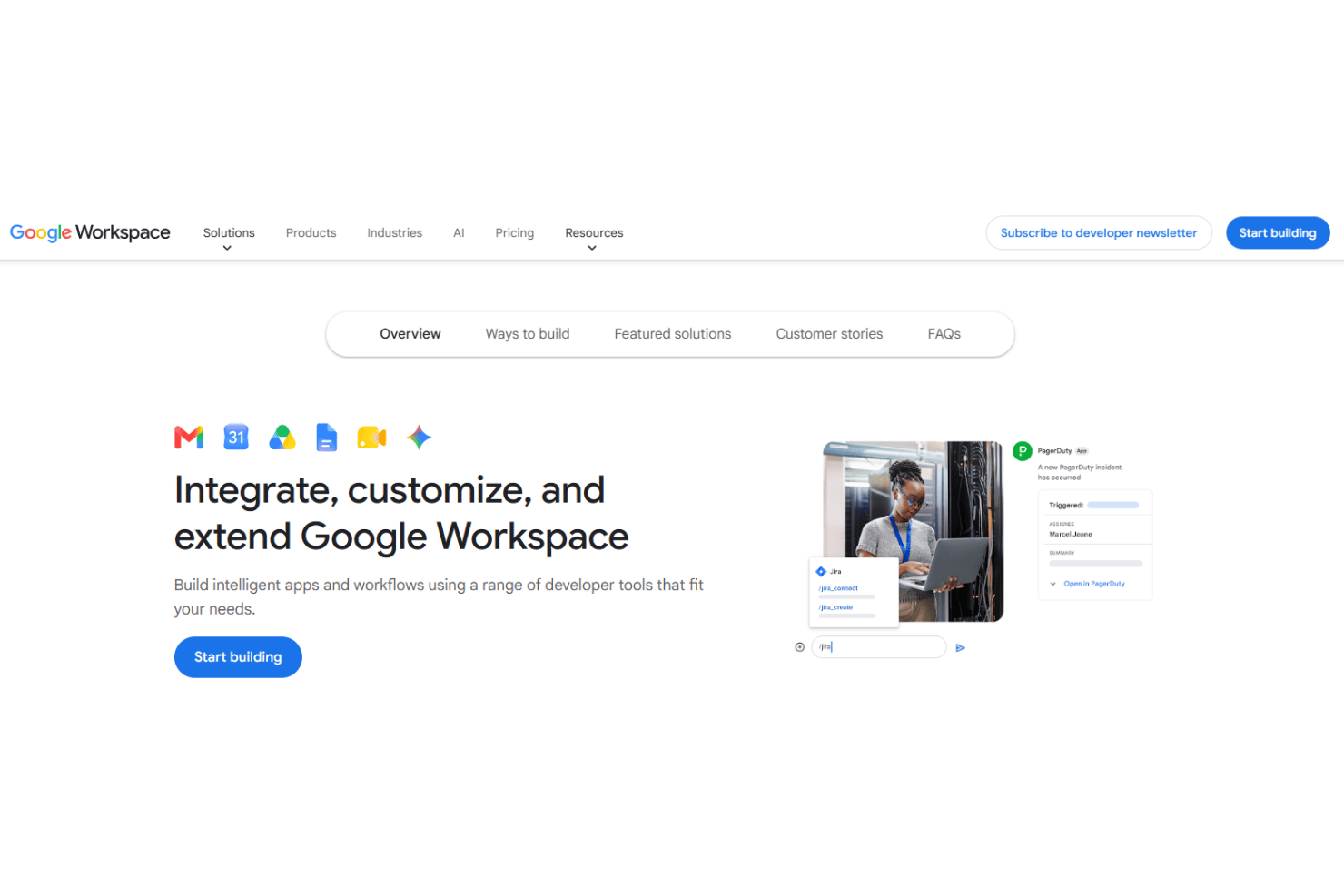
Google Calendar integrates with Gmail, Google Meet, Google Tasks, Google Drive, Google Chat, Zoom, Slack, Microsoft Outlook, Apple Calendar, Asana, Todoist, and Trello, among others.
It also offers a developer API and connects with third-party integration platforms like Zapier.
Google Calendar Specs
- API
- Appointment Scheduling
- Attendance Tracking
- Calendar Management
- Contact Management
- Contact Sharing
- Dashboards
- Email Integration
- External Integrations
- Google Apps Integration
- Mobile App
- Multi-User
- Notifications
- Project Management
- Reports
- Resource Management
- Scheduling
- Task Scheduling/Tracking
- Time Management
- Vacation & Absence Calendar