FigJam Review 2026: Pros, Cons, Features and Pricing Explained



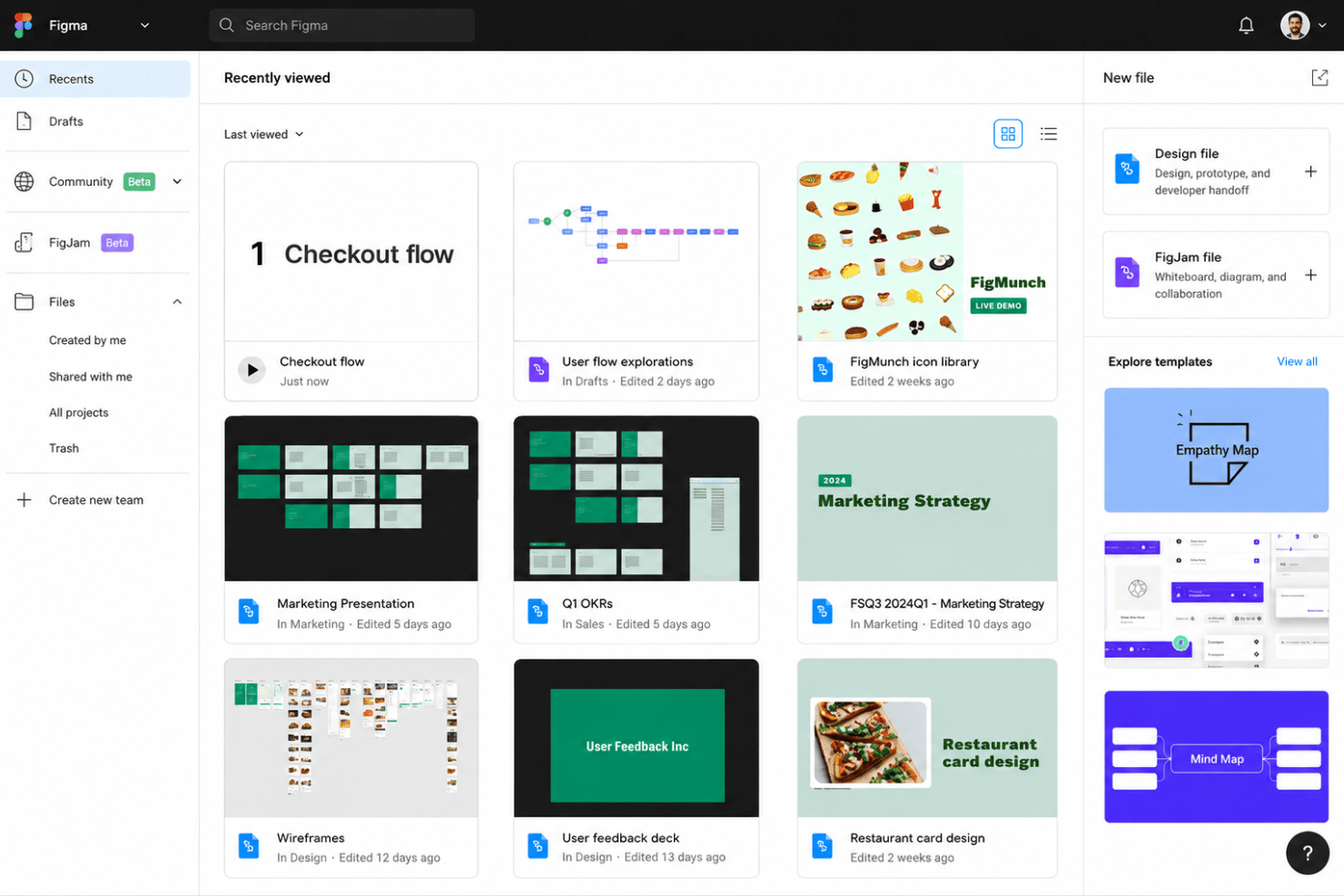
FigJam is a workflow diagram software from Figma. It's built for teams that need to map processes, run retrospectives, and collaborate on ideas alongside design work. I'd consider it most seriously if your team already works in Figma. The integration between the two tools runs deeper than anything that other competing tools, like Miro, offer for design-led teams. If diagramming and design handoff happen in the same environment, that connection is hard to replicate elsewhere.
FigJam Evaluation Summary
- From $16/user/month
- Free plan available
Why Trust Our Software Recommendations
Our team has been testing and reviewing software since 2012. As project managers ourselves, we know how difficult—and important—it is to choose the right software.
For this guide, we evaluated tools using hands-on testing and independent research, scoring tools using our selection criteria. We also draw on insights from industry thought leaders and practicing project management experts.
Our reviews reflect our human editorial judgment, not a sales pitch.
Expert reviewers:
FigJam Overview
If you’re deciding between workflow diagram solutions, I think FigJam stands out for real-time collaboration, a slick interface, and low learning curve. I find its integrations with design and productivity tools solid, though automation features don’t go as deep as some rivals. FigJam’s pricing fits teams who want one workspace for diagrams and whiteboarding, especially for product, design, or tech teams working remotely.
pros
-
Real-time multiplayer editing works smoothly on large diagrams
-
Prebuilt diagram templates speed up common workflow mapping
-
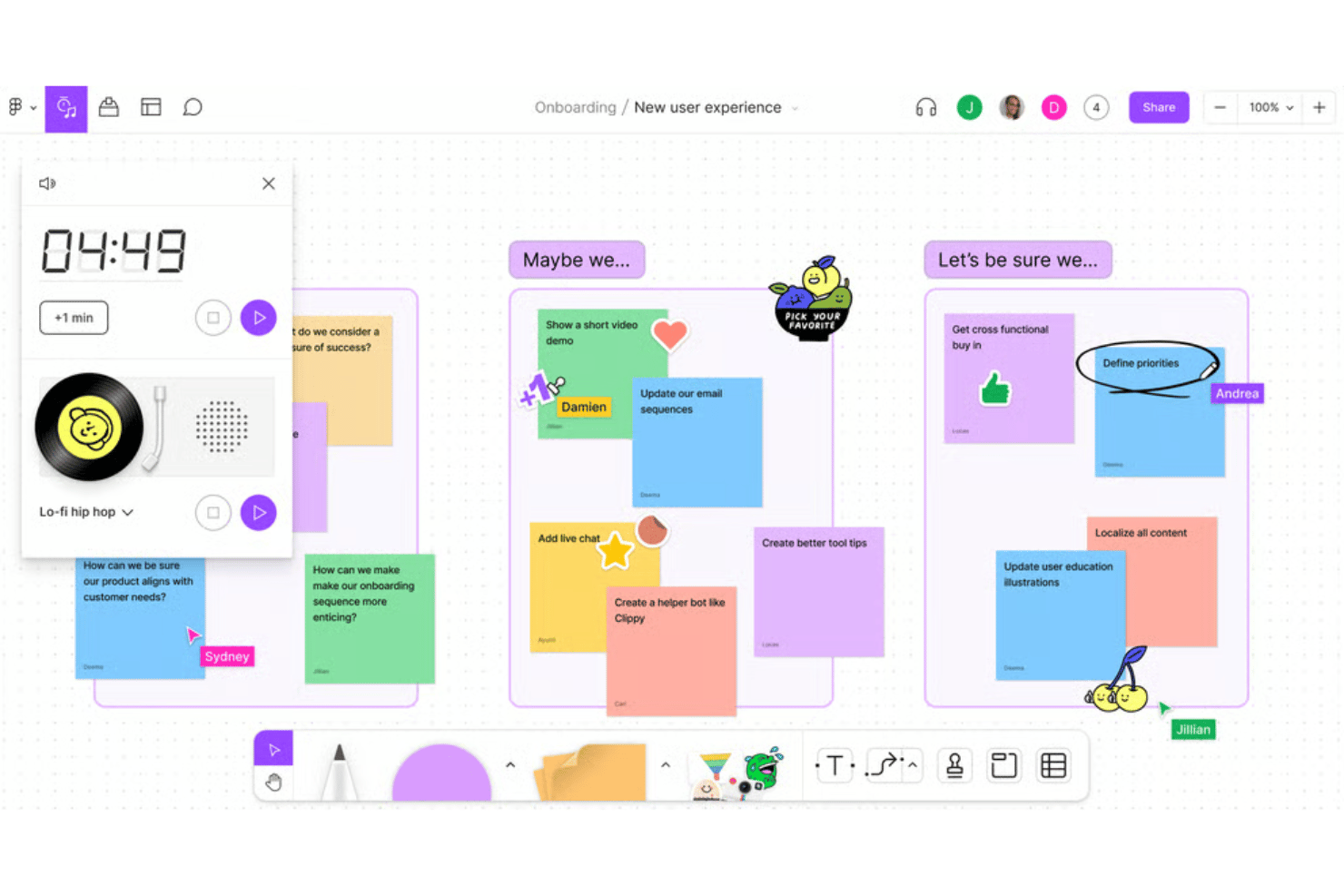
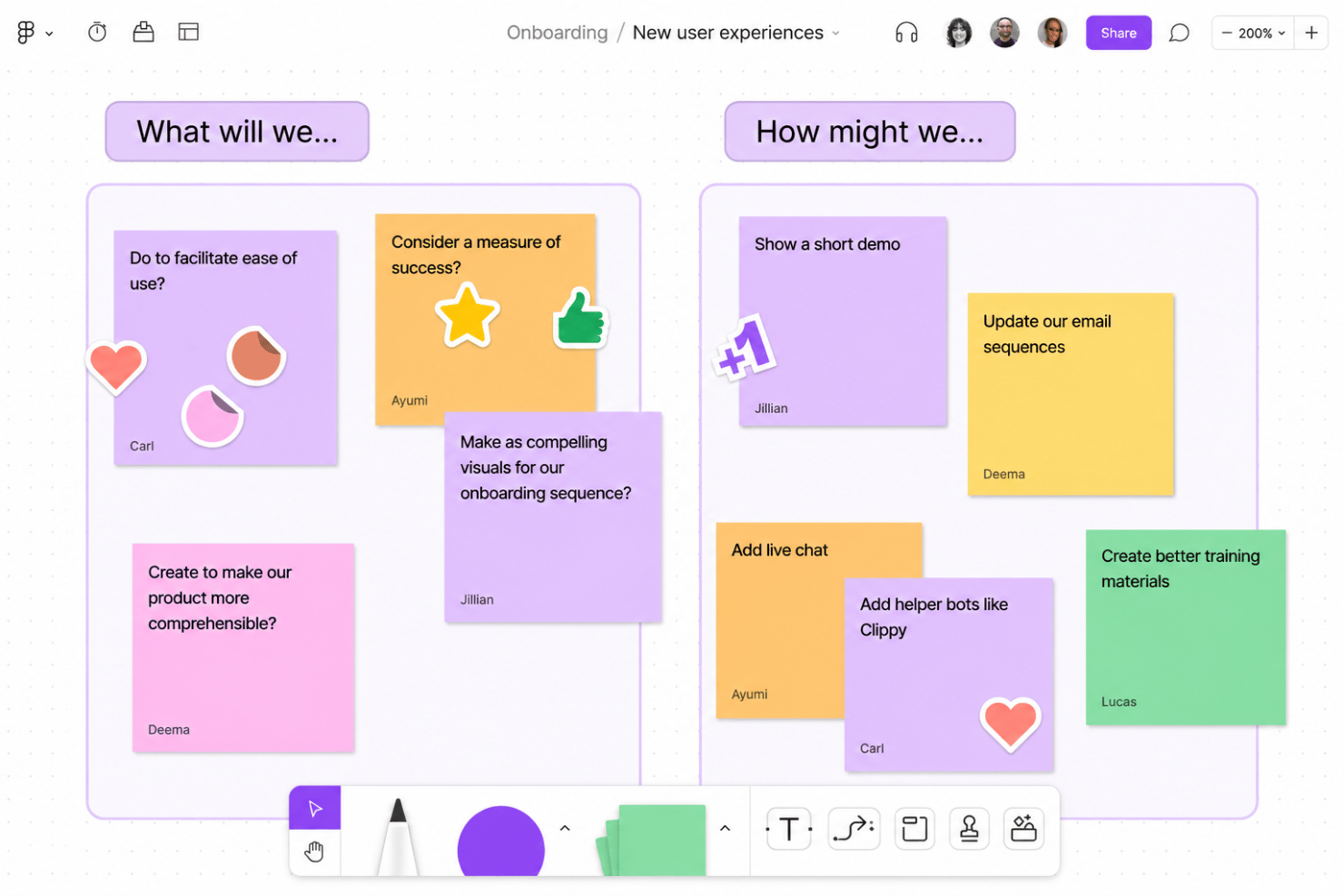
Sticky notes and voting make team input informal and visible
cons
-
Layer and element management gets messy with complex workflows
-
No built-in task automation or advanced process logic
-
Offline access is limited compared to some competitors
-

Smartsheet
Visit WebsiteThis rating combines scores from multiple user review sites to reflect overall customer sentiment about the product.4.5 -
Celoxis
Visit WebsiteThis rating combines scores from multiple user review sites to reflect overall customer sentiment about the product.4.5 -
Accelo
Visit WebsiteThis rating combines scores from multiple user review sites to reflect overall customer sentiment about the product.4.4




Our Review Methodology
How We Test & Score Tools
We’ve spent years building, refining, and improving our software testing and scoring system. The rubric is designed to capture the nuances of software selection and what makes a tool effective, focusing on critical aspects of the decision-making process.
Below, you can see exactly how our testing and scoring works across seven criteria. It allows us to provide an unbiased evaluation of the software based on core functionality, standout features, ease of use, onboarding, customer support, integrations, customer reviews, and value for money.
Core Functionality (25% of final scoring)
The starting point of our evaluation is always the core functionality of the tool. Does it have the basic features and functions that a user would expect to see? Are any of those core features locked to higher-tiered pricing plans? At its core, we expect a tool to stand up against the baseline capabilities of its competitors.
Standout Features (25% of final scoring)
Next, we evaluate uncommon standout features that go above and beyond the core functionality typically found in tools of its kind. A high score reflects specialized or unique features that make the product faster, more efficient, or offer additional value to the user.
We also evaluate how easy it is to integrate with other tools typically found in the tech stack to expand the functionality and utility of the software. Tools offering plentiful native integrations, 3rd party connections, and API access to build custom integrations score best.
Ease of Use (10% of final scoring)
We consider how quick and easy it is to execute the tasks defined in the core functionality using the tool. High scoring software is well designed, intuitive to use, offers mobile apps, provides templates, and makes relatively complex tasks seem simple.
Onboarding (10% of final scoring)
We know how important rapid team adoption is for a new platform, so we evaluate how easy it is to learn and use a tool with minimal training. We evaluate how quickly a team member can get set up and start using the tool with no experience. High scoring solutions indicate little or no support is required.
Customer Support (10% of final scoring)
We review how quick and easy it is to get unstuck and find help by phone, live chat, or knowledge base. Tools and companies that provide real-time support score best, while chatbots score worst.
Customer Reviews (10% of final scoring)
Beyond our own testing and evaluation, we consider the net promoter score from current and past customers. We review their likelihood, given the option, to choose the tool again for the core functionality. A high scoring software reflects a high net promoter score from current or past customers.
Value for Money (10% of final scoring)
Lastly, in consideration of all the other criteria, we review the average price of entry level plans against the core features and consider the value of the other evaluation criteria. Software that delivers more, for less, will score higher.
Core Features
Real-Time Collaborative Editing
Multiple users can edit diagrams at once and see changes live. Team feedback happens instantly during workshops or planning sessions.
Prebuilt and Customizable Templates
FigJam includes ready-made templates for flowcharts, swimlanes, and brainstorming. You can quickly adapt them for your unique workflow scenarios.
Sticky Notes and Voting Tools
Drop sticky notes and run quick votes to collect team input. These features help facilitate group decisions during remote meetings.
Drag-and-Drop Shapes and Connectors
Easily build out processes using a library of shapes and drag connectors between them. This lets you map even winding workflows without hunting for tools mid-session.
Interactive Widgets and Timers
Add timers, emoji reactions, or progress bars to keep sessions engaging. These interactive elements spark participation and keep meetings energetic.
Infinite Canvas
Expand your diagram without running out of space on a single board. Teams can map detailed workflows and add context without paging between files.
Ease of Use
FigJam feels approachable from the start—drag, drop, and connect elements with almost zero friction. I find the infinite canvas, intuitive sticky notes, and instant multiplayer editing make it easy for non-designers and seasoned tech teams alike. Many users highlight how quickly workshops and process reviews get off the ground, thanks to built-in brainstorming tools and accessible features.
Integrations
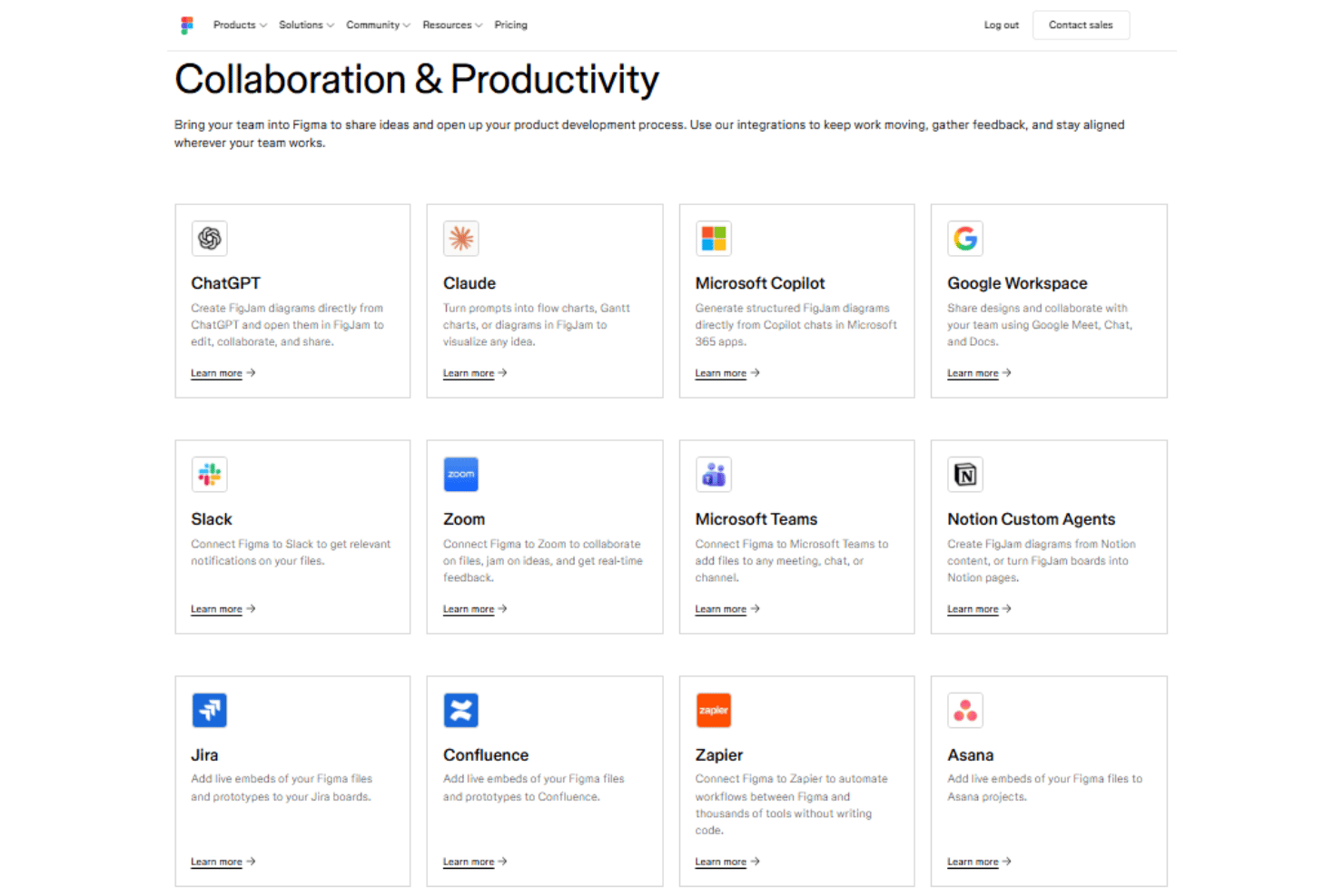
FigJam integrates with Figma, Slack, Jira, Google Drive, Microsoft Teams, Asana, Zoom, GitHub, Trello, and Dropbox. FigJam also offers an API and supports connections through third-party integration tools like Zapier.
FigJam Specs
- 2-Factor Authentication
- API
- Batch Permissions & Access
- Budgeting
- Calendar Management
- Contact Management
- Contact Sharing
- Customer Management
- Dashboard
- Data Export
- Data Import
- Data Visualization
- Email Integration
- Expense Tracking
- External Integrations
- Gantt Charts
- Google Apps Integration
- Multi-User
- Notifications
- Project Management
- Resource Management
- Scheduling
- Task Scheduling/Tracking
- Third-Party Plugins/Add-Ons
- Travel Management