

10 Best Kintone Alternatives for Project Teams in 2026

Best Kintone Alternatives Shortlist


Kintone is a valuable tool for teams looking for customizable solutions to manage workflows, data, and collaboration in one integrated platform. However, it may not be the best solution for every business.
When it comes to finding a Kintone alternative, there are several factors to consider, including cost, features, integrations, and more. But with so many solutions out there, how can you tell which is right for you?
Using my extensive experience in project management and digital software, I’ve sourced and reviewed numerous Kintone alternatives to help teams discover the top solutions. With my guidance, I’m confident you will be well-equipped to choose a project management tool that not only meets your unique business needs but also enhances your team's efficiency and collaboration.
What is Kintone?
Kintone is a cloud-based platform that allows teams and organizations to create, customize, and deploy business applications. It provides tools for database management, workflow automation, and collaborative project management, enabling users to streamline operations and manage data effectively.
Why Trust Our Software Recommendations
Our team has been testing and reviewing software since 2012. As project managers ourselves, we know how difficult—and important—it is to choose the right software.
For this guide, we evaluated tools using hands-on testing and independent research, scoring tools using our selection criteria. We also draw on insights from industry thought leaders and practicing project management experts.
Our reviews reflect our human editorial judgment, not a sales pitch.
Expert reviewers:
Kintone Alternatives Comparison Table
| Tool | Best For | Trial Info | Price | ||
|---|---|---|---|---|---|
| 1 | Best for flexible low-code business process automation | Free plan available | Pricing upon request | Website | |
| 2 | Best for unlimited user access in low-code apps | 14-day free trial | From $392/month | Website | |
| 3 | Best for comprehensive low-code app development | Free plan available; 15-day free trial | Pricing upon request | Website | |
| 4 | Best for field apps linked to legacy databases | 45-day free trial | From $22/user/month (billed annually) | Website | |
| 5 | Best for client-facing operations workspaces | Free plan + 30-day free trial + free demo available | From $14/user/month | Website | |
| 6 | Best for no-code application development | Free trial available | From $49/month (billed annually) | Website | |
| 7 | Best for secure and strategic form building | 14-day free trial | From $83/month (billed annually) | Website | |
| 8 | Best for AI-powered app development | Free plan available | From $20/user/month (billed annually) | Website | |
| 9 | Best for simple online surveys and data collection | Free plan available | From $8.40/user/month | Website | |
| 10 | Best for versatile online form building | Free plan available | Pricing upon request | Website |
Best Kintone Alternatives Reviews
In this section, I’ll provide an in-depth analysis and overview of each Kintone alternative. I’ll walk you through the pros and cons of each tool, their features, and their best use cases.

Ninox
Best for flexible low-code business process automation
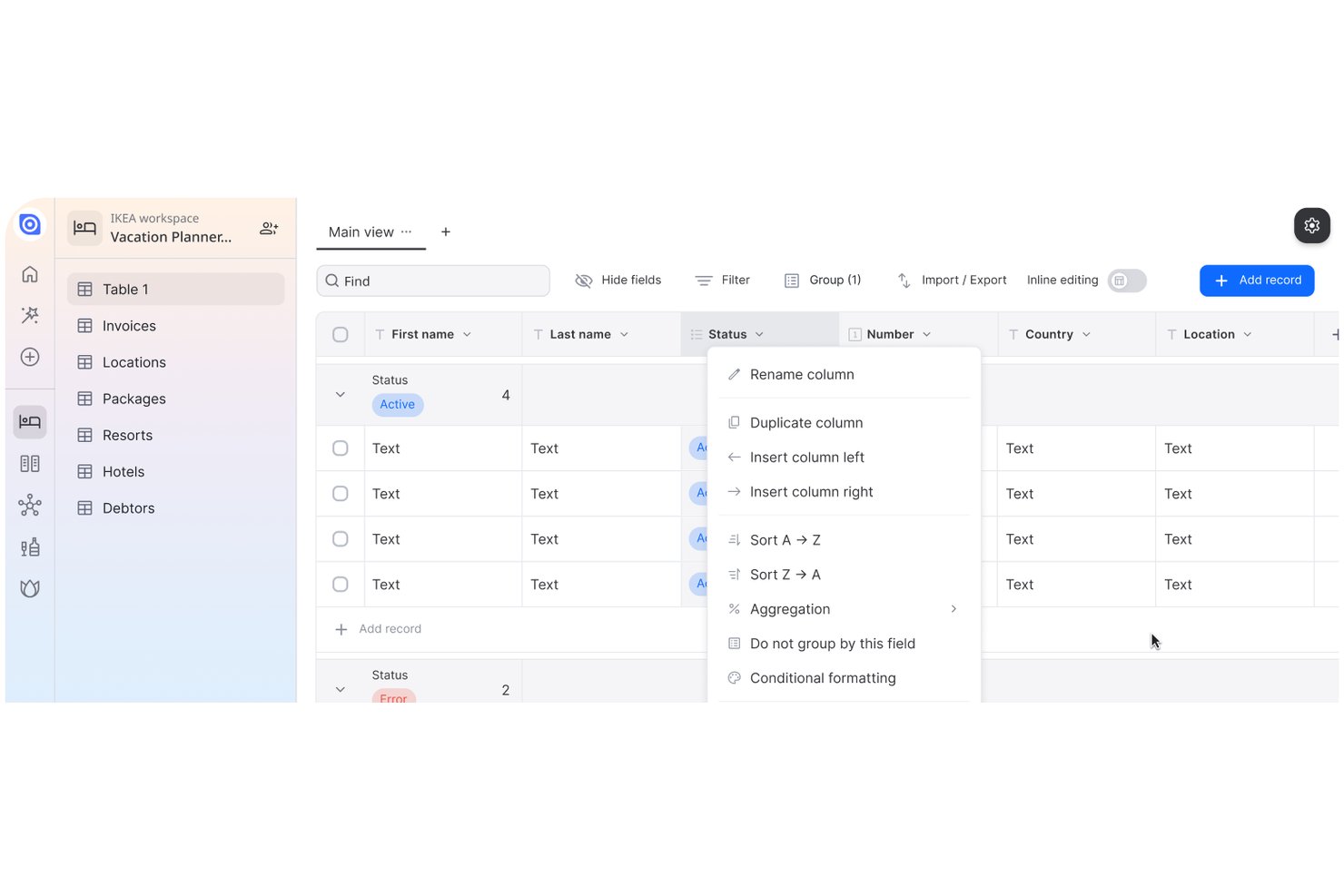
Ninox is a low-code app and database platform for teams replacing spreadsheets and disconnected tools with tailored workflows for project tracking, approvals, and operational data, making it an option for businesses considering kintone alternatives.
Who Is Ninox Best For?
Ninox suits operations teams that need to build adaptable internal apps for specialized workflows that standard project management tools don’t cover.
Why I Picked Ninox
I picked Ninox because it lets me shape a low-code app around a business process instead of forcing the process into a fixed template. I like how linked database tables can connect project records, approvals, and operational data, while custom forms and scripts support steps such as routing a request after a status change. That makes it a practical kintone alternative for workflows that need tailored data structures and automation.
Ninox Key Features
- Kanban and calendar views: Display records as boards or scheduled items.
- Role-based access controls: Set permissions at organization, workspace, and user levels.
- Spreadsheet import and export: Map fields when importing Excel or CSV files, then export records.
- Dashboard widgets: Add charts and KPI summaries to pages.
Ninox Integrations
Ninox lists seven direct integrations: Lexware Office, sevdesk, weclapp, Xentral, Sage Accounting, Google Sheets, and Excel. It also connects with Zapier and provides a REST API for custom integrations.
Pros and Cons
Pros:
- Mobile apps keep records accessible across devices
- Custom forms and scripts model tailored workflows
- Relational tables connect project and operational records
Cons:
- Scripting and documentation take extra effort
- Report layouts offer limited formatting control

Caspio
Best for unlimited user access in low-code apps
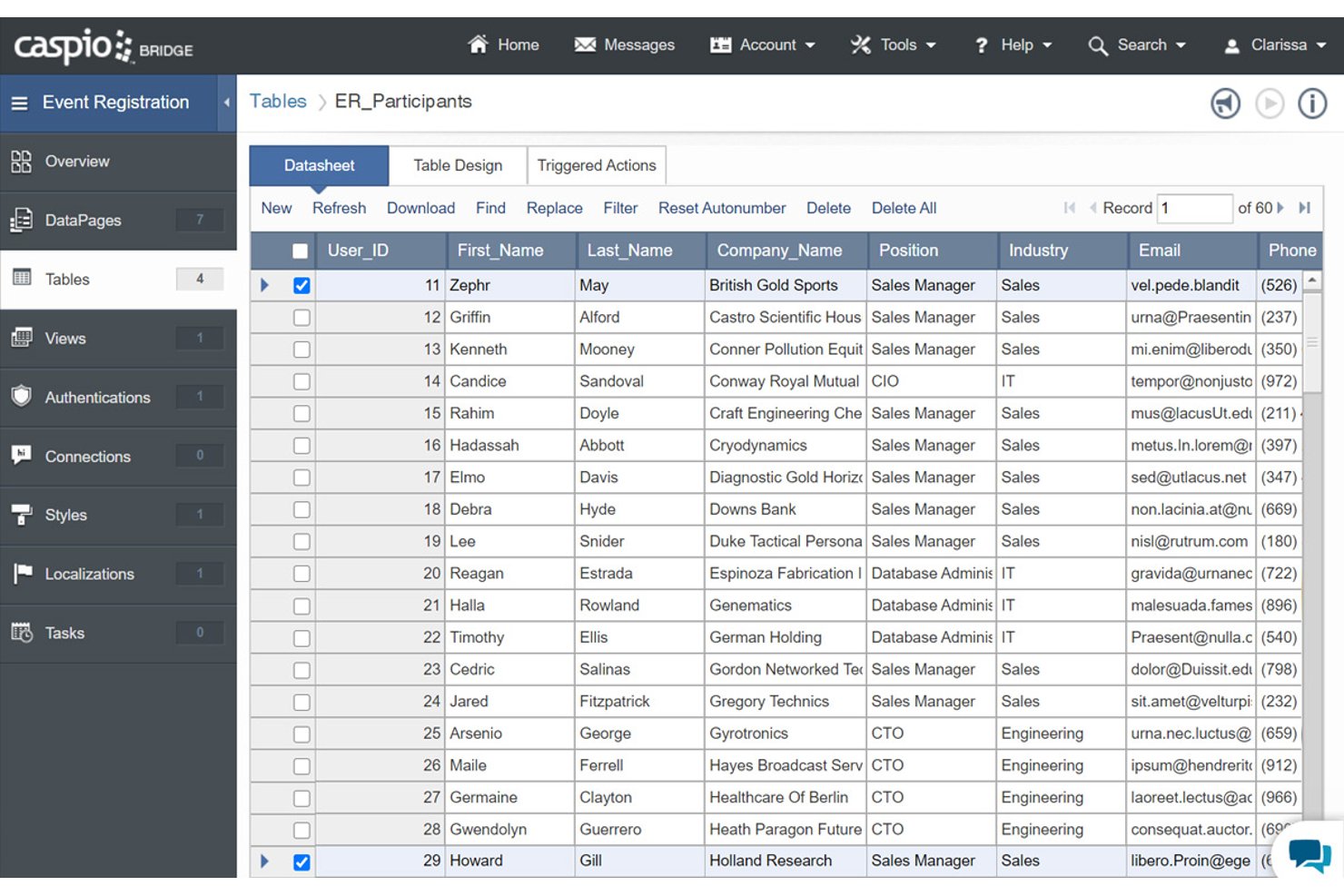
Caspio gives operations and project teams a low-code way to build database-backed web apps and automate workflows, replacing scattered spreadsheets and manual handoffs without custom software development.
Who Is Caspio Best For?
Caspio suits operations and IT teams building low-code apps for broad employee, partner, or customer access without per-user limits.
Why I Picked Caspio
I picked Caspio as a kintone alternative because it’s best for unlimited user access in low-code apps. I like that I can build database-backed web apps and automate workflows, so project teams can replace spreadsheet-based request tracking with an app employees, partners, and customers can access.
Caspio Key Features
- Interactive reports and dashboards: Create charts, pivot tables, and dashboards from application data.
- REST API and webhooks: Connect Caspio apps with external services through APIs and event-based integrations.
- App embedding: Host apps on Caspio or embed them in websites, intranets, and customer portals.
- Audit trails: Use built-in audit trails alongside role- and record-level security.
Caspio Integrations
Caspio connects with Make, n8n, and Keragon, and supports Zapier. It also offers a REST API and webhooks for custom integrations.
Pros and Cons
Pros:
- Scheduled tasks automate repeatable workflows
- Relational database links operational records
- Unlimited users remove per-seat access barriers
Cons:
- Complex applications can require custom coding
- Dashboard customization trails dedicated analytics tools

Best for comprehensive low-code app development
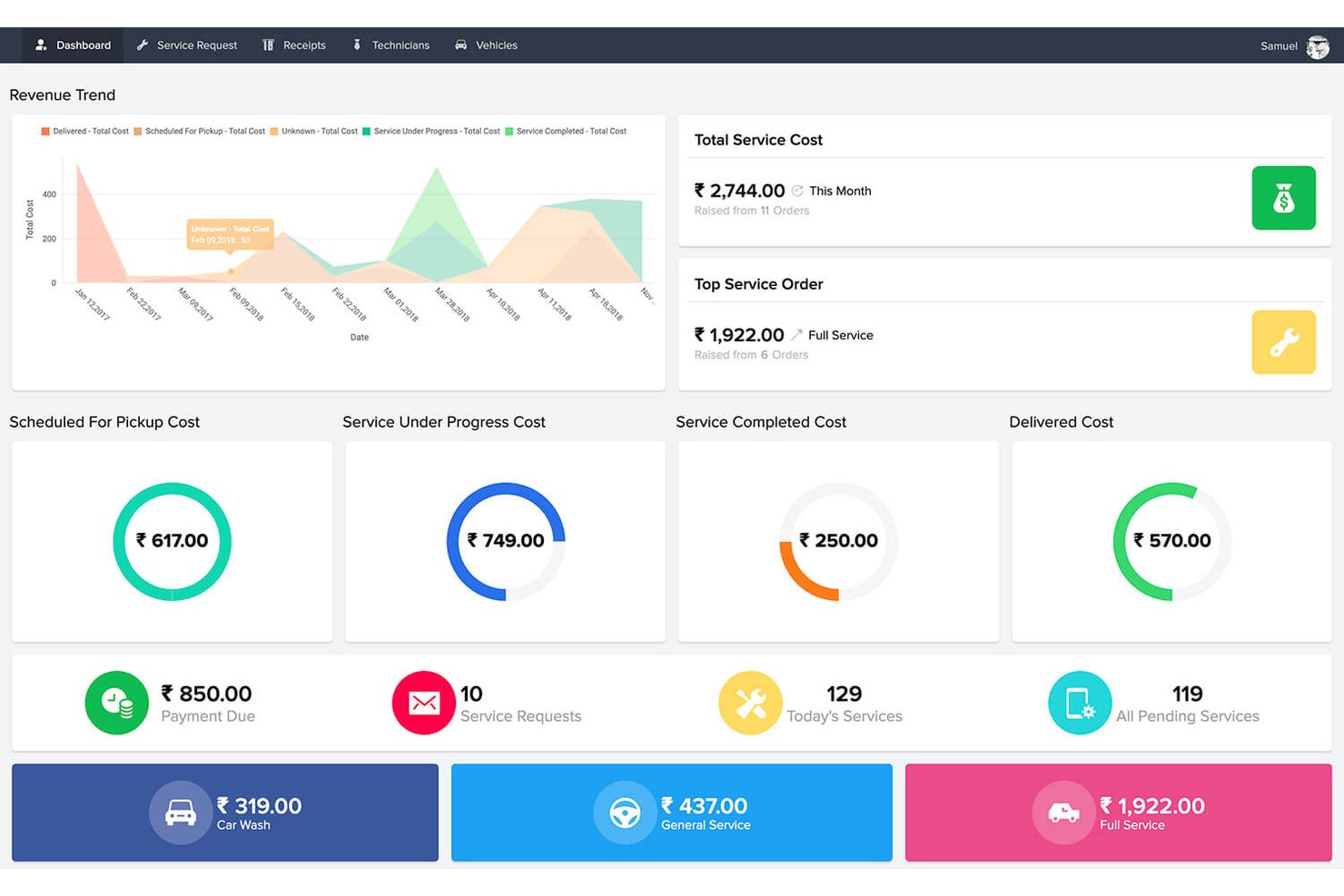
Zoho Creator gives operations and project teams a low-code way to build custom business apps and automate cross-team workflows when spreadsheets or fixed tools can't match changing processes.
Who Is Zoho Creator Best For?
Zoho Creator suits operations and IT teams in growing businesses that need tailored business apps without relying on full custom development.
Why I Picked Zoho Creator
I picked Zoho Creator, best for comprehensive low-code app development, as a kintone alternative because its app builder pairs custom forms with Blueprints that define approval stages and actions. I like that Deluge lets me add routing rules, such as sending higher-value purchase requests to finance for review.
Zoho Creator Key Features
- Reports and dashboards: Build reports and dashboards to view app data and track metrics.
- Prebuilt integrations: Connect apps with more than 1,000 prebuilt integrations.
- Customer portals: Give customers, vendors, and partners access to shared information.
- Mobile apps: Use native iOS and Android apps, with offline access to forms and reports.
Zoho Creator Integrations
Zoho Creator supports integrations with Salesforce, Stripe, QuickBooks, and Slack, and connects with Zapier and Workato. It also provides REST APIs for custom integrations.
Pros and Cons
Pros:
- Portals extend tailored apps to external partners
- One build creates native mobile apps
- Custom forms and Deluge automate approval routes
Cons:
- Formula bugs can disrupt app calculations
- Pixel-level interface customization remains restrictive

Best for field apps linked to legacy databases
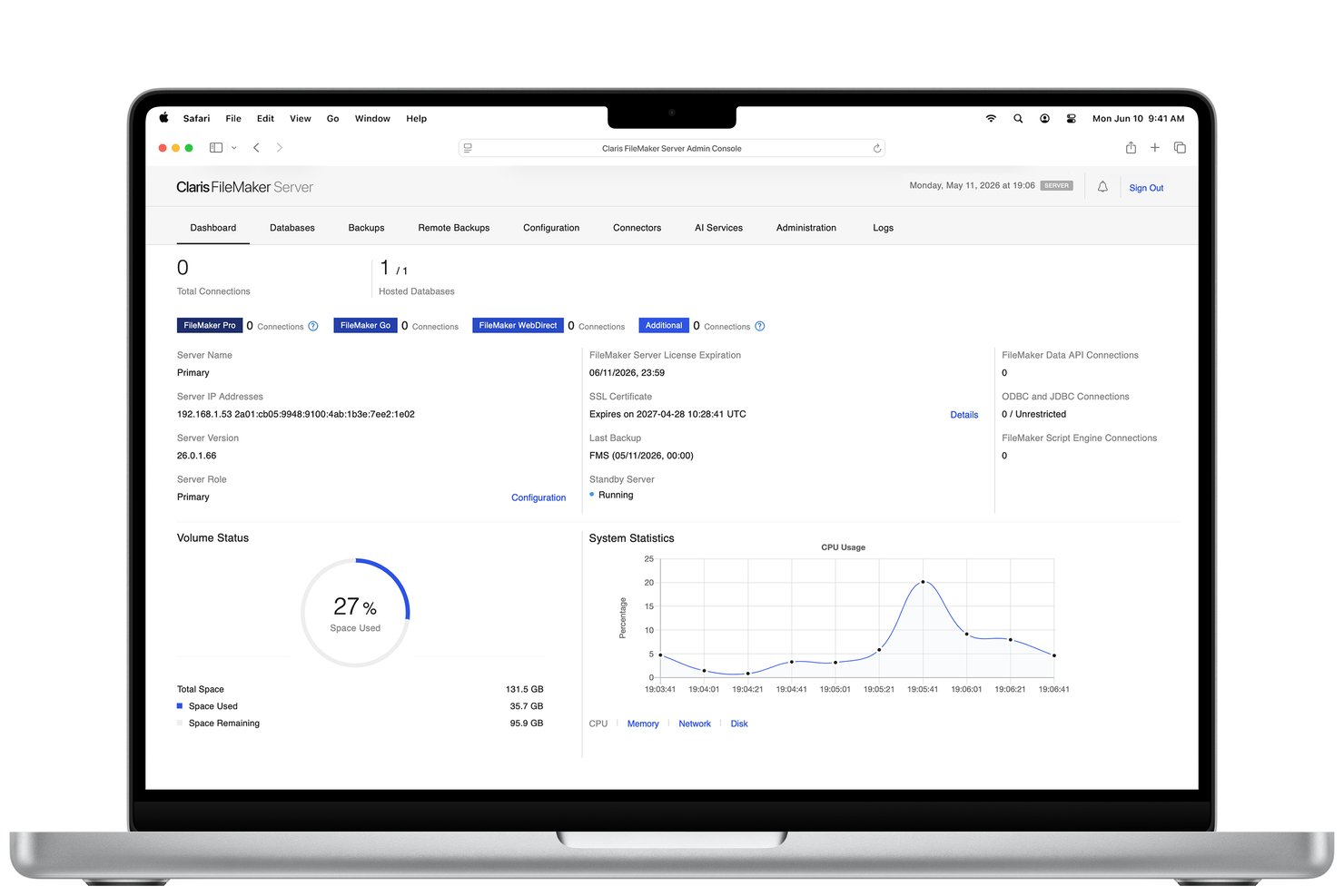
Claris FileMaker is a low-code app platform for teams that need tailored workflow apps to manage project data, approvals, and processes across connected systems.
Who Is Claris FileMaker Best For?
Claris FileMaker suits operations and IT teams that need custom business apps connected to existing databases and services.
Why I Picked Claris FileMaker
I picked Claris FileMaker for custom app development with extensive integration, especially when kintone’s app structure doesn’t fit a project workflow. Its Script Engine automates app behavior, while Claris Connect supports custom REST API connectors and conditional flows. I’d use them to turn project intake into tailored FileMaker records and send updates to a team’s proprietary planning system.
Claris FileMaker Key Features
- Cross-platform apps: Build and run apps on macOS, Windows, iPhone, and iPad.
- FileMaker WebDirect: Open FileMaker apps in a web browser.
- Access controls: Set authentication, role-based permissions, and record-level security.
- Data access: Export data as CSV or XML, or connect through Data APIs and xDBC.
Claris FileMaker Integrations
Claris Connect includes connectors for Asana, Jira, Slack, Trello, Smartsheet, Google Sheets, Microsoft Teams, and QuickBooks, and connects directly with Claris FileMaker and Claris Studio. You can build custom connectors for apps with a REST API.
Pros and Cons
Pros:
- Native desktop, mobile, and browser access
- Teams can revise live databases
- Tailored relational apps for unusual workflows
Cons:
- Web layouts can feel dated
- Complex scripts demand developer expertise
Podio
Best for client-facing operations workspaces
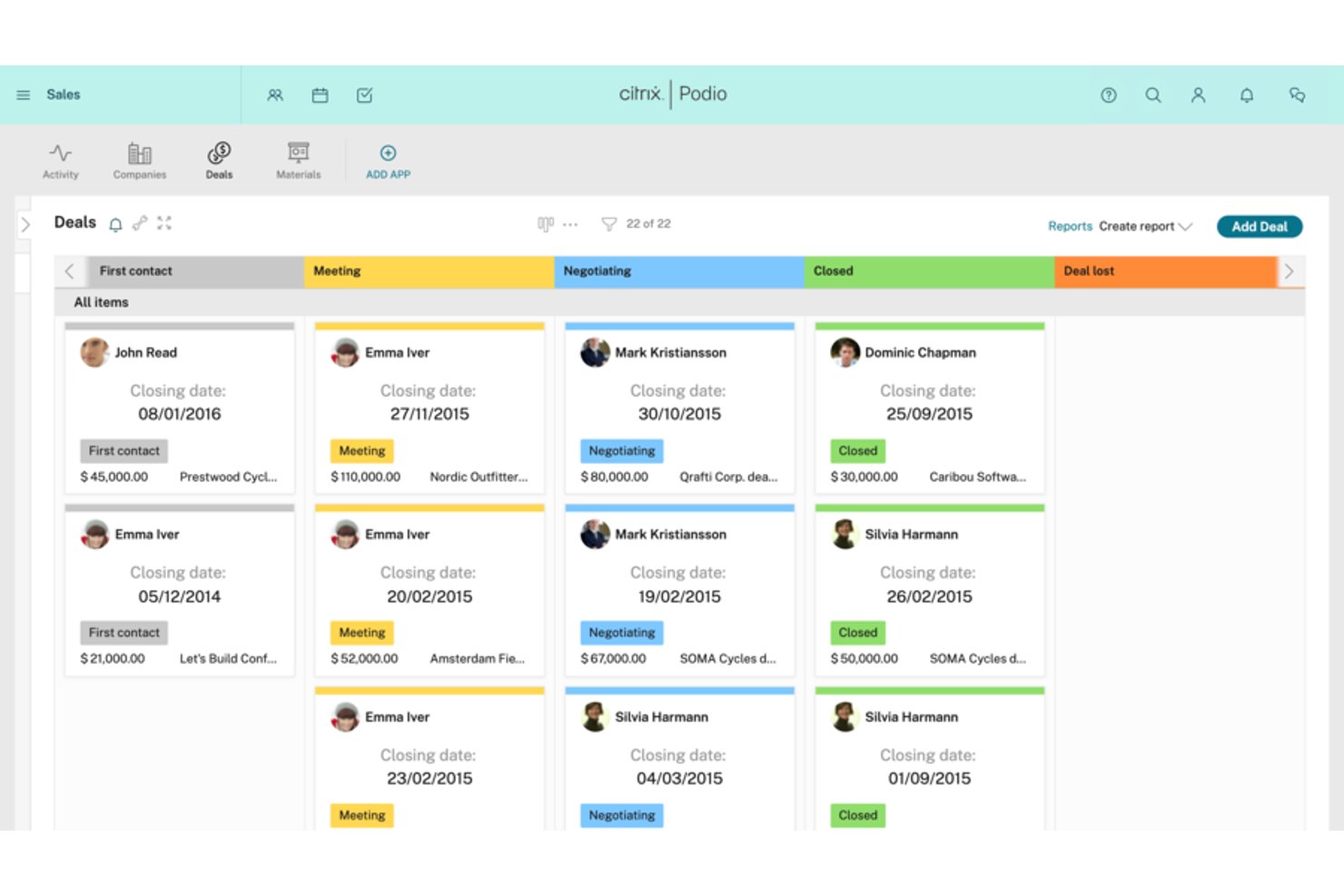
Podio is a work management platform for project and operations teams that want to build custom apps for tracking requests, coordinating work, and keeping project information in one shared workspace.
Who Is Podio Best For?
Podio suits operations teams that need to tailor workflows to their processes and coordinate work across departments.
Why I Picked Podio
I picked Podio as a kintone alternative because it pairs customizable business solutions with team collaboration. I use its custom apps to structure request intake and approval workflows around fields and status changes that match the process. Shared workspaces keep each request’s records, tasks, and team discussions together.
Podio Key Features
- Webforms: Collect external submissions directly into Podio.
- Relational fields: Link related records across apps.
- Shared calendar: View scheduled work in one calendar.
- Access controls: Set permissions for users and external collaborators.
Podio Integrations
Podio’s Extensions directory lists third-party add-ons such as teamdeck, Timely, and Gravity Forms + Podio; it also connects with Slack, Gmail, and Google Sheets through Zapier. Podio provides an API for custom integrations.
Pros and Cons
Pros:
- Free guest access supports external collaborators
- Linked records connect related business data
- Custom apps match department-specific workflows
Cons:
- Complex workflows take time to configure
- Reporting and dashboards offer limited depth

Knack
Best for no-code application development
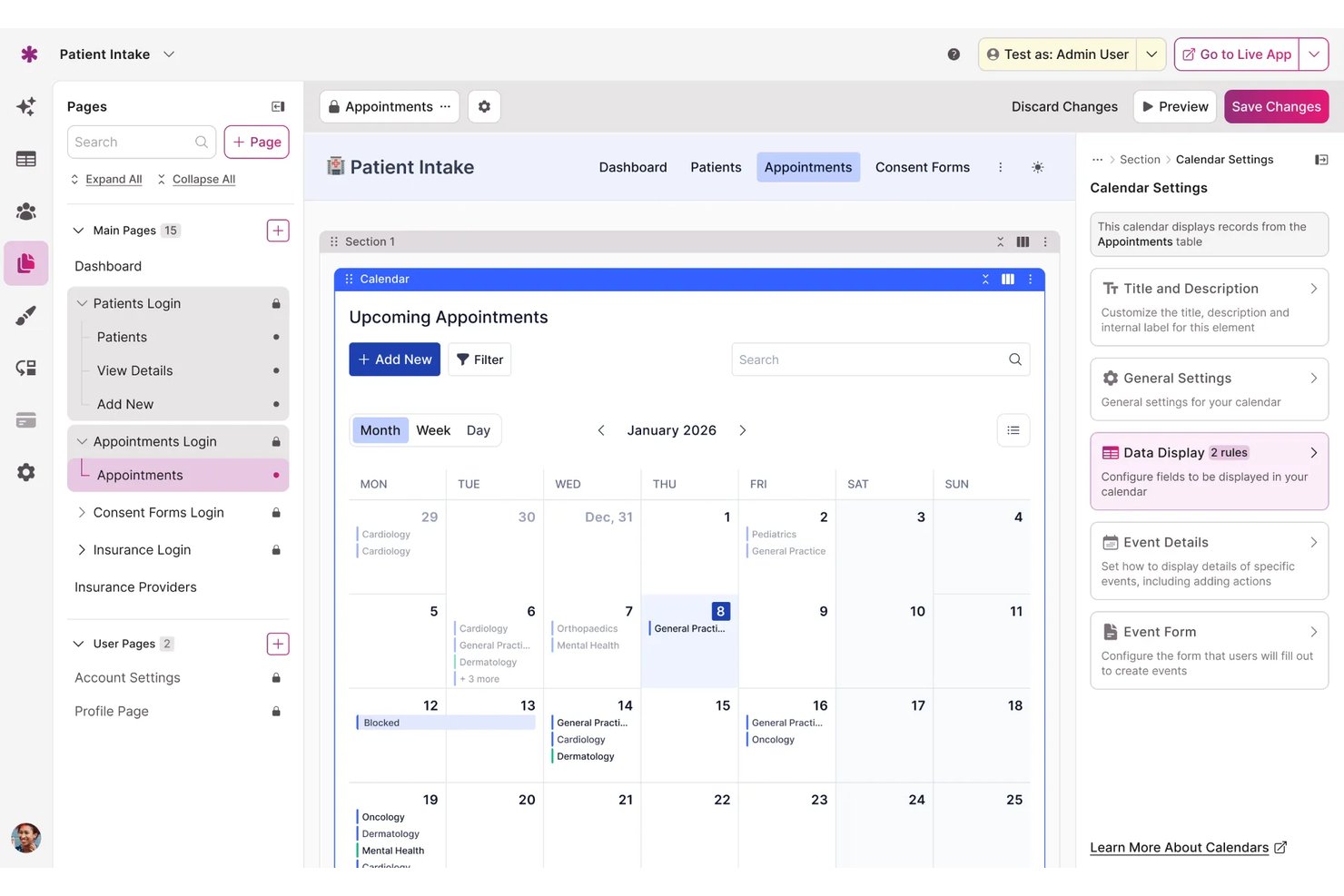
Knack is a cloud-based database and business app platform for operations and project teams that need to organize shared data, replace spreadsheet-based tracking, and connect day-to-day workflows without custom software.
Who Is Knack Best For?
Knack suits operations and project teams that need to build custom internal apps without relying on developers.
Why I Picked Knack
I picked Knack as a kintone alternative because it’s best for no-code application development. I like how its database, forms, and role-based access let me build a project intake app where teams submit requests, track linked records, and see only the information relevant to their role.
Knack Key Features
- Visual workflow builder: Create automated processes with drag-and-drop steps and actions.
- Knack Flows integrations: Connect Knack to third-party apps, including Slack, Google Drive, and QuickBooks.
- Reports and dashboards: Present data with pivot tables, charts, and customizable filters.
- App templates: Start with prebuilt options for project management, scheduling, and reporting.
Knack Integrations
Knack Flows offers 400+ native integrations, including Slack, Google Drive, QuickBooks, HubSpot, and Salesforce; Knack also connects with Zapier and provides an API for custom integrations.
Pros and Cons
Pros:
- Role-based views separate staff and client access
- Flows automate approvals across business workflows
- Relational databases support custom operational apps
Cons:
- No offline mode for field teams
- Complex actions across tables take extra setup

Best for secure and strategic form building
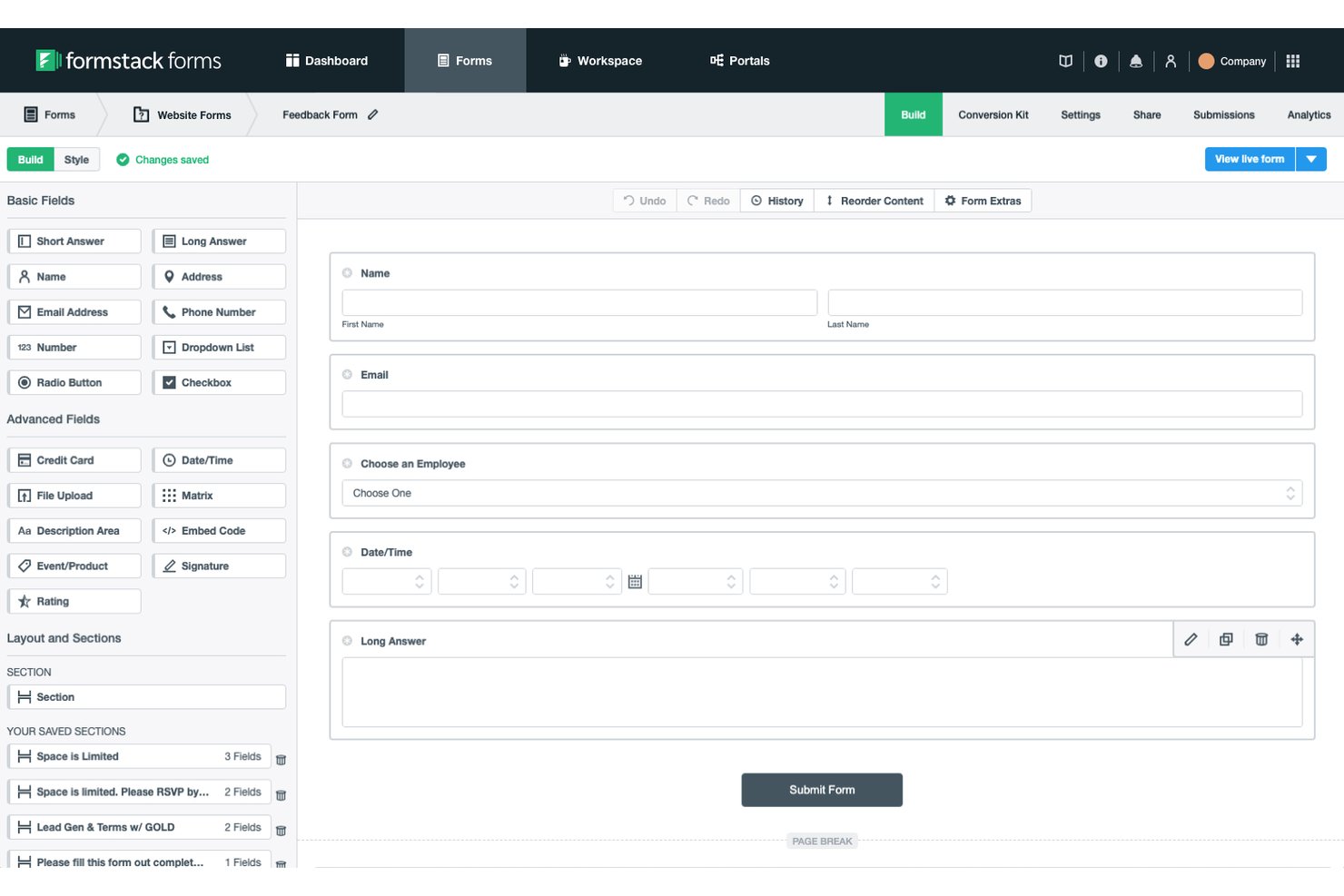
Formstack is a no-code form and workflow platform for teams that need to replace email-based intake with structured submissions, routed approvals, and connected processes without building a custom app.
Who Is Formstack Best For?
Formstack suits operations and project teams that need secure forms to collect information and route approvals across business workflows.
Why I Picked Formstack
I picked Formstack as a kintone alternative for its “Best for secure and strategic form building” focus. Encrypted form data and user-level permissions help protect sensitive intake, while conditional logic and approval workflows route requests to the right reviewer.
Formstack Key Features
- Save and resume: Let respondents pause a form and continue later.
- Data integrations: Sync form submissions with CRMs and other connected systems.
- Payment collection: Add payment fields and connect a payment processor.
- Form analytics: Track form activity and identify where respondents abandon forms.
Formstack Integrations
Formstack lists 250+ integrations, including native Salesforce and integrations with Google Sheets, HubSpot, Airtable, Microsoft Power Automate, and Zapier. It also provides an API for custom integrations.
Pros and Cons
Pros:
- Respondents can save and resume submissions
- Conditional branching routes requests to reviewers
- Encrypted intake with granular form permissions
Cons:
- Limited control over form appearance
- Doesn't replace kintone's record-centric custom apps
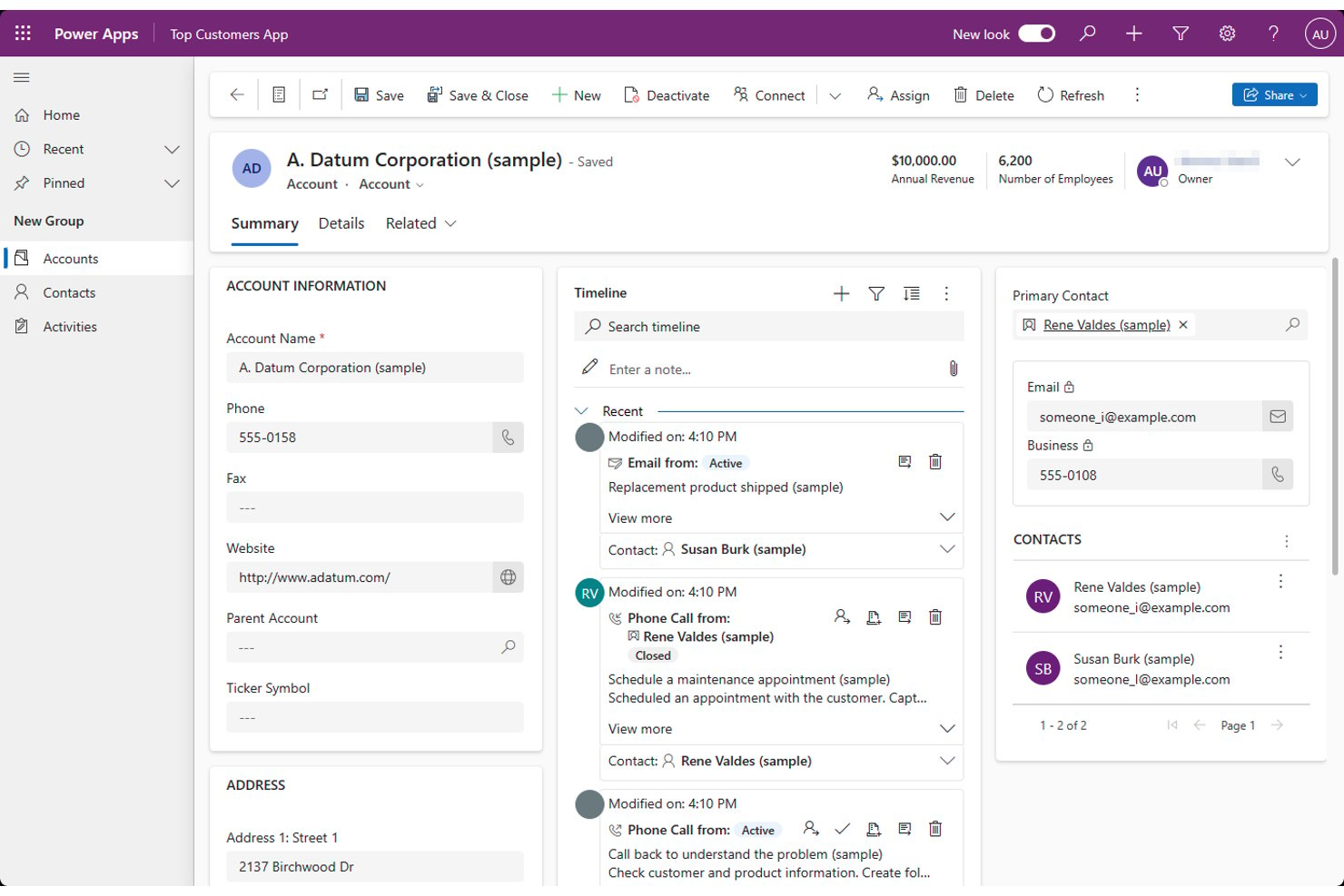
Microsoft Power Apps gives project and operations teams a low-code way to build custom business apps that replace manual data collection and connect work across Microsoft tools and other systems.
Who Is Microsoft Power Apps Best For?
Microsoft Power Apps suits IT teams and business analysts who want to build AI-powered business apps with low-code tools.
Why I Picked Microsoft Power Apps
I picked Microsoft Power Apps, my choice for “Best for AI-powered app development,” as a kintone alternative. Copilot can turn a plain-language process description into app screens and tables, while AI Builder can extract fields from submitted documents. I’d use both to create an intake app that routes requests and captures invoice details.
Microsoft PowerApps Key Features
- Canvas apps: Arrange controls on flexible screens to create custom forms and workflows.
- Model-driven apps: Build data-focused apps from Dataverse tables, forms, and views.
- Data connectors: Connect apps to Microsoft 365 and third-party services.
- Power Automate flows: Trigger actions such as notifications or approvals from app events.
Microsoft PowerApps Integrations
Microsoft Power Apps has built-in connectors across the Microsoft ecosystem, including Microsoft 365 and SharePoint, as well as connectors for Salesforce and SQL Server. You can also create custom connectors for REST APIs.
Pros and Cons
Pros:
- Dataverse supports structured business app data
- Rapidly digitizes approval and intake workflows
- Copilot drafts apps from plain-language requirements
Cons:
- Polished interfaces often require design workarounds
- Large datasets can slow app performance

Google Forms gives project teams a lightweight way to collect requests, feedback, and project details, helping them organize incoming information without adopting a full workflow automation platform.
Who Is Google Forms Best For?
Google Forms suits project managers and operations teams that need quick surveys to gather stakeholder input or project data.
Why I Picked Google Forms
I picked Google Forms as a kintone alternative for its stated strength: “Best for simple online surveys and data collection.” I use answer-based section branching and response validation to tailor project intake questions and reduce incomplete submissions. Response summaries and Google Sheets exports help me review stakeholder feedback and organize requests before assigning work elsewhere.
Google Forms Key Features
- Question types: Add multiple-choice, short-answer, date, and other question formats.
- File uploads: Let respondents attach files to their submissions.
- Quiz mode: Assign points, set answer keys, and provide feedback on answers.
- Collaborator access: Invite others to edit a form with you.
Google Forms Integrations
Google Forms has a built-in option to send responses to Google Sheets. It connects with Zapier and provides an API for custom integrations.
Pros and Cons
Pros:
- Validation reduces incomplete submissions
- Branching tailors questions to respondent answers
- Fast setup for project intake surveys
Cons:
- Limited form styling and branching depth
- No task ownership or workflow tracking
Jotform
Best for versatile online form building
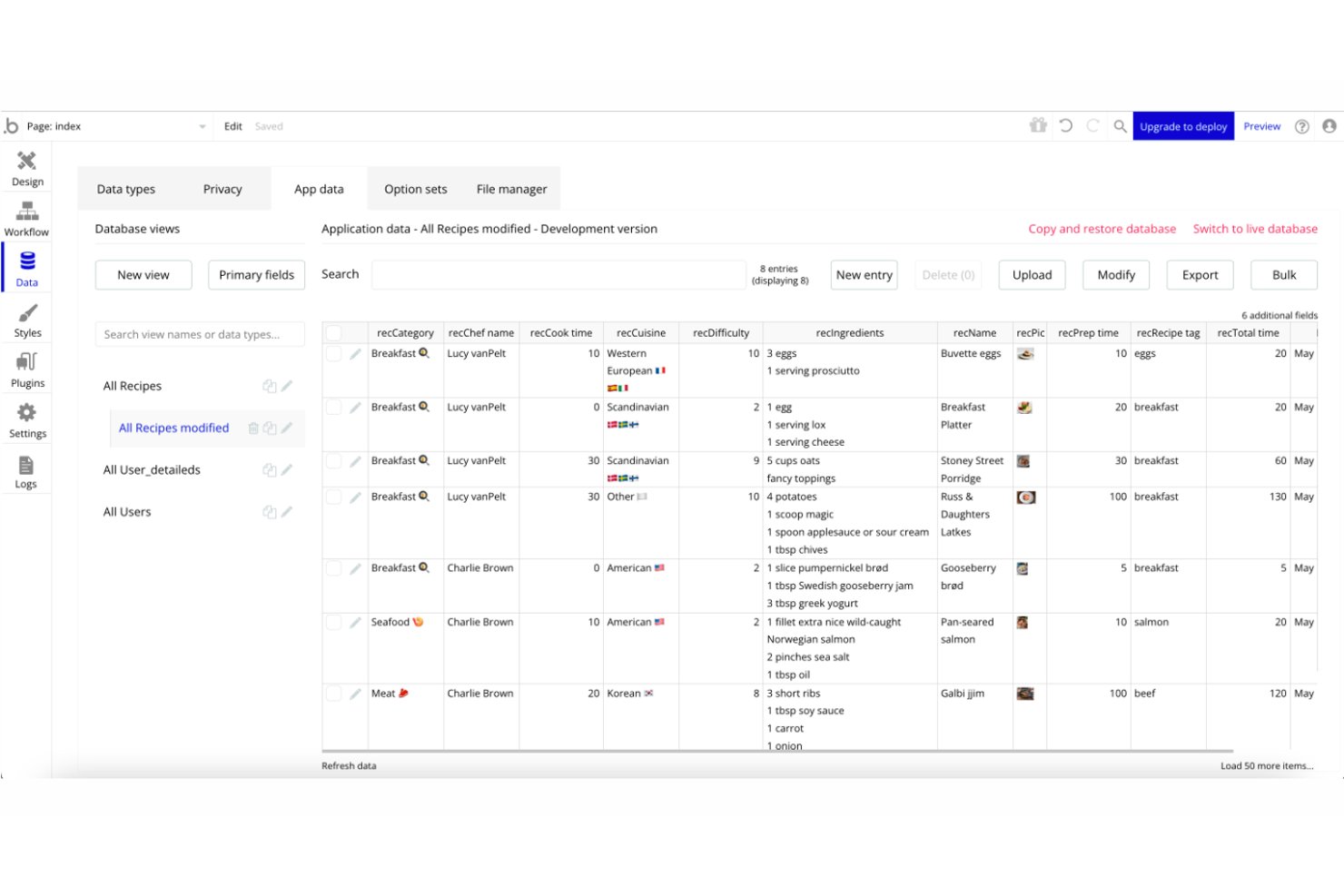
Jotform is a no-code forms and workflow platform that helps project and operations teams collect requests, route approvals, and reduce manual follow-up without building a custom app.
Who Is Jotform Best For?
Jotform suits operations, HR, and marketing teams that need to create varied online forms without custom development.
Why I Picked Jotform
I picked Jotform as a kintone alternative for teams that build different request workflows. Its USP is “Best for versatile online form building.” I like how conditional fields can tailor an intake form to each request type, while approval workflows route submissions to the right reviewer. A product change request can collect relevant details and move directly into sign-off.
Jotform Key Features
- App integrations: Connect submissions to tools such as Slack, Google Drive, and Salesforce.
- Jotform Tables: View, organize, and update submission data in a spreadsheet-style workspace.
- PDF editor: Turn submitted data into custom PDFs, such as project briefs or service agreements.
- Payment collection: Accept payments through forms using supported payment integrations.
Jotform Integrations
Jotform lists 200+ integrations, including Slack, Google Drive, Salesforce, Google Sheets, Trello, Asana, and Zapier. It also provides an API for custom integrations.
Pros and Cons
Pros:
- Submissions convert into signable PDFs
- Approval flows route submissions for sign-off
- Conditional fields tailor request-specific intake
Cons:
- Complex forms can lag during editing
- Tables offer less depth for relational apps
Other Kintone Alternatives
Below is a list of additional Kintone alternatives that I shortlisted. While they didn’t make the top 10, they’re still valuable and worth further research.
- Quickbase
For dynamic work and project management
- Smartsheet
For project management and collaboration
- Wrike
For real-time project visibility and tracking
- Airtable
For scalable data and development
- TeamDesk
For creating custom databases without coding
- AppSheet
For building custom mobile apps
- Insightly
For CRM with project management features
- ClickUp
For customizable workflows and task management
- monday.com
For team collaboration and project tracking


Related Project Management Software Reviews
If you still haven't found what you're looking for here, check out these other related tools that we've tested and evaluated:
- Project Management Software
- Resource Management Software
- Workflow Automation Software
- Time Tracking Software
- Task Management Software
- Collaboration Tools
- Gantt Chart Maker
- Productivity Tools
- Project Tracking Software
- Project Scheduling Software
How I Evaluate Kintone Alternatives
I split my evaluation into two layers: the baseline a tool must clear—no-code app building, workflow automation, custom databases—and the differentiators that matter for project teams.
Core Functionality (Table Stakes For This List)
When I'm selecting tools for my list, I rank each one on a scale from 0 (does not offer the functionality) to 5 (excels in this area) for each core functionality listed below. Then, I calculate the tool's total score into a percentage. Each tool needs to achieve a minimum total score of 65% to be considered for inclusion.
- No-Code App Building: I check whether teams can build custom apps—like a project intake form or a client request tracker—through visual tools rather than code.
- Task & Project Tracking: Each tool should let you assign tasks, set deadlines, and track progress across views like Kanban boards, Gantt charts, or timelines.
- Workflow Automation: I look for rule-based triggers and actions, such as automatically reassigning a task when a status changes or routing an approval to a team lead.
- Custom Databases & Fields: Teams need to structure project data their own way, so I evaluate how each tool handles custom fields, linked records, and relational data.
- In-Context Team Collaboration: Comments, @mentions, and activity feeds tied directly to tasks or records matter more here than a standalone chat feature.
- Integrations & API Access: I evaluate native connections to tools like Slack, Google Workspace, and Jira, plus whether a REST API and webhook support are available.
Once I have a list of tools that meet this criteria, I consider what sets each platform apart.
Differentiating Factors (What Sets Vendors Apart)
Here's how I compare and contrast different vendors:
Standout Features
Custom dashboards matter because PMO leads need to roll up project health across teams without exporting data to a spreadsheet. I also look at portfolio and resource management features—seeing workload across projects helps operations managers spot overallocation before it causes delays. Guest access is another factor I weigh, since cross-functional teams often collaborate with contractors or clients who shouldn't need a full license.
Beyond Features
Pricing transparency matters when you're scaling from a small team to a department-wide rollout—I check whether per-user costs stay predictable as headcount grows. Onboarding support is another factor I evaluate, since deploying a no-code platform across multiple departments often requires guided setup, templates, or access to certified consultants. I also consider team size and industry fit, because a tool built for enterprise IT teams may overwhelm a 10-person marketing group.
Why Look for a Kintone Alternative?
While Kintone is a valued software, it might not check all the boxes you need it to in order to be your top solution. As a result, here are some common reasons you might be searching for a Kintone alternative:
- Cost: Kintone's pricing structure might work for all businesses, especially those with limited budgets. If you’re finding the cost too high, you may need to look for more affordable alternatives that offer similar functionalities.
- Customization: While Kintone provides some customization capabilities, they might not be suited for companies requiring more extensive customization options. As a result, try searching for an alternative that allows for greater flexibility and control over application design and functionality.
- User Interface: If Kintone’s user interface feels outdated or cumbersome, users might seek a platform with a more intuitive and modern design. A sleek, user-friendly interface can significantly enhance productivity and user adoption, prompting a switch.
- Integration: Kintone might not integrate seamlessly with other essential software and tools used within your organization, and that’s alright. Businesses needing more advanced integration capabilities to streamline their processes might explore other platforms that offer better connectivity with their existing tech stack.
- Scalability: As a business grows, its requirements can outpace the capabilities of its existing systems. If Kintone does not scale effectively to meet increased demands or complexity, an alternative may serve you better.
Choosing the right project management and collaboration tool is important for maximizing productivity and ensuring smooth operations within your team. With a Kintone alternative, you could find the specific features and flexibility your organization requires to thrive in an ever-evolving business landscape.
Key Features to Look for in Kintone Alternatives
Here are some key features of Kintone that your alternative software should be able to replicate or improve upon in order to be a good fit:
- Customizable Databases: Customizable databases allow businesses to tailor data management systems specifically to their needs, ensuring all relevant information is organized and accessible without relying on multiple, disparate software solutions. This capability is important for efficient data tracking across various departments and projects, enhancing overall operational clarity.
- No-Code App Building: The ability to build and customize applications using a drag-and-drop interface without needing any coding knowledge allows non-technical team members to contribute to tool creation. This helps speed up the deployment of business solutions and fosters innovation within teams.
- Workflow Management: Organizing complex processes into automated workflows that can be easily tracked from inception to completion helps streamline operations and reduce the likelihood of errors. This feature ensures that projects progress smoothly and allows managers to monitor tasks effectively, improving productivity and accountability.
- Collaboration Tools: Built-in collaboration tools enhance communication among team members by allowing them to share data, tag colleagues, and have critical conversations within the context of their work. These tools facilitate a more integrated and responsive working environment, which is vital for fast-paced business settings.
- Automated Notifications: Automated notifications are essential for keeping team members aware of upcoming deadlines and task assignments without manual follow-ups. This feature helps ensure that nothing slips through the cracks, maintaining project momentum and enhancing time management across teams.
- Guest Spaces: The ability to create guest spaces for collaboration with external members who are not regular users of the platform is vital for projects that involve contractors, clients, or partners. This flexibility enhances external collaboration while maintaining control over data and project management within the core team.
- Data Visualization: Data visualization tools, such as graphs and charts, provide immediate insights into business performance and help track progress against goals. This feature is essential for making informed decisions quickly, allowing teams to adjust strategies proactively based on real-time data analysis.
- Access Controls: Implementing detailed permission controls to manage who can access and modify data is necessary for maintaining data integrity and security. This feature ensures that sensitive information is protected and that compliance with regulatory standards is upheld.
- Mobile Access: Mobile access allows team members to interact with databases, applications, and workflows from any location, ensuring that they can stay productive even when away from their desks. This flexibility is crucial for modern businesses with mobile or remote workforces.
- Integration Capabilities: The ability to integrate with other tools and services through APIs expands the functionality of a platform, allowing it to become a more strategic solution. This interoperability is key to optimizing workflows and enhancing overall productivity.
When exploring alternatives to Kintone, it's essential to consider a platform that not only meets but potentially exceeds the features offered by Kintone. Choosing a platform that excels in these areas will equip your team with the tools necessary for success in a competitive business landscape.