


Microsoft Copilot Review: Pros, Cons, Features and Pricing



Microsoft Copilot is an AI productivity tool built directly into Microsoft 365, giving you AI assistance inside Word, Excel, PowerPoint, Teams, and Outlook. It's the right fit if your team already runs on Microsoft 365 and wants AI capabilities without adding separate tools to your stack. Compared to Google Gemini for Workspace, Copilot has a clear edge for Microsoft-first teams—the integration with your existing files, emails, and meeting recordings is native, not layered on top after the fact.
Microsoft CoPilot Evaluation Summary
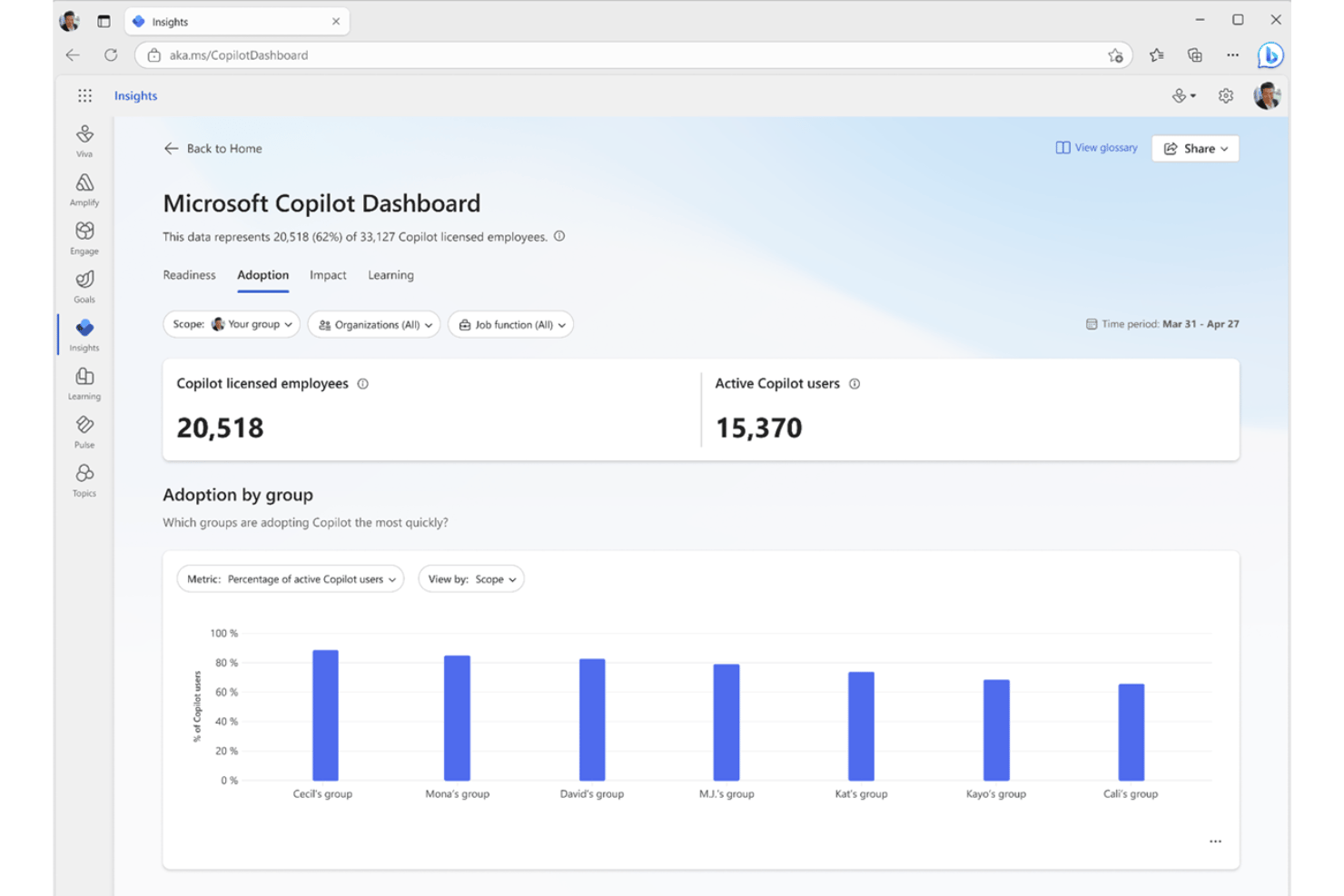
- From $21/user/month (billed annually)
- Free plan available
Why Trust Our Software Recommendations
Our team has been testing and reviewing software since 2012. As project managers ourselves, we know how difficult—and important—it is to choose the right software.
For this guide, we evaluated tools using hands-on testing and independent research, scoring tools using our selection criteria. We also draw on insights from industry thought leaders and practicing project management experts.
Our reviews reflect our human editorial judgment, not a sales pitch.
Expert reviewers:
Microsoft CoPilot Overview
In my view, Microsoft Copilot is an easy pick if your team lives in Microsoft 365. Its integration across Outlook, Teams, Word, and Excel means you get AI-driven summaries, data analysis, and drafting tools with almost no onboarding or setup. While pricing will rule it out for smaller teams and some wish it supported more third-party tools, I find its native experience best for organizations seeking reliable, deeply integrated automation rather than more experimental AI features. For project managers prioritizing security, compatibility, and a familiar interface, Copilot is often the smartest choice.
pros
-
Built into all core Microsoft 365 apps
-
Generates meeting summaries from Teams and Outlook automatically
-
Helps draft documents, emails, and presentations with context
cons
-
Requires a paid Microsoft 365 subscription with specific tiers
-
Struggles to accurately summarize highly technical information
-
Limited support for automating workflows involving non-Microsoft apps
-

Celoxis
Visit WebsiteThis rating combines scores from multiple user review sites to reflect overall customer sentiment about the product.4.5 -
Smartsheet
Visit WebsiteThis rating combines scores from multiple user review sites to reflect overall customer sentiment about the product.4.5 -
Accelo
Visit WebsiteThis rating combines scores from multiple user review sites to reflect overall customer sentiment about the product.4.4





Our Review Methodology
How We Test & Score Tools
We’ve spent years building, refining, and improving our software testing and scoring system. The rubric is designed to capture the nuances of software selection and what makes a tool effective, focusing on critical aspects of the decision-making process.
Below, you can see exactly how our testing and scoring works across seven criteria. It allows us to provide an unbiased evaluation of the software based on core functionality, standout features, ease of use, onboarding, customer support, integrations, customer reviews, and value for money.
Core Functionality (25% of final scoring)
The starting point of our evaluation is always the core functionality of the tool. Does it have the basic features and functions that a user would expect to see? Are any of those core features locked to higher-tiered pricing plans? At its core, we expect a tool to stand up against the baseline capabilities of its competitors.
Standout Features (25% of final scoring)
Next, we evaluate uncommon standout features that go above and beyond the core functionality typically found in tools of its kind. A high score reflects specialized or unique features that make the product faster, more efficient, or offer additional value to the user.
We also evaluate how easy it is to integrate with other tools typically found in the tech stack to expand the functionality and utility of the software. Tools offering plentiful native integrations, 3rd party connections, and API access to build custom integrations score best.
Ease of Use (10% of final scoring)
We consider how quick and easy it is to execute the tasks defined in the core functionality using the tool. High scoring software is well designed, intuitive to use, offers mobile apps, provides templates, and makes relatively complex tasks seem simple.
Onboarding (10% of final scoring)
We know how important rapid team adoption is for a new platform, so we evaluate how easy it is to learn and use a tool with minimal training. We evaluate how quickly a team member can get set up and start using the tool with no experience. High scoring solutions indicate little or no support is required.
Customer Support (10% of final scoring)
We review how quick and easy it is to get unstuck and find help by phone, live chat, or knowledge base. Tools and companies that provide real-time support score best, while chatbots score worst.
Customer Reviews (10% of final scoring)
Beyond our own testing and evaluation, we consider the net promoter score from current and past customers. We review their likelihood, given the option, to choose the tool again for the core functionality. A high scoring software reflects a high net promoter score from current or past customers.
Value for Money (10% of final scoring)
Lastly, in consideration of all the other criteria, we review the average price of entry level plans against the core features and consider the value of the other evaluation criteria. Software that delivers more, for less, will score higher.
Core Features
AI-Powered Document Drafting
Copilot generates outlines, text, and slides in Word and PowerPoint based on prompts. You can quickly create reports, proposals, or presentation decks using your organization’s own data.
Contextual Email Assistance
In Outlook, Copilot drafts responses and summarizes threads. It highlights key decisions or deadlines so you save time reviewing long chains.
Meeting Summaries and Action Items
Copilot produces summarized notes and next steps from Teams calls. This helps project managers track follow-ups without manual notetaking.
Data Analysis in Excel
Copilot suggests formulas, visualizations, and key insights from raw data in Excel. You can ask questions in plain language and get instant answers.
Task and Project Brief Generation
Generate project briefs or update summaries from Teams or Planner activities. Copilot surfaces key tasks, due dates, and blockers in seconds.
Natural Language Queries
Ask Copilot questions in Word, Excel, or Teams and receive answers from across your Microsoft 365 documents. This eliminates the need for manual searching or digging through files.
Ease of Use
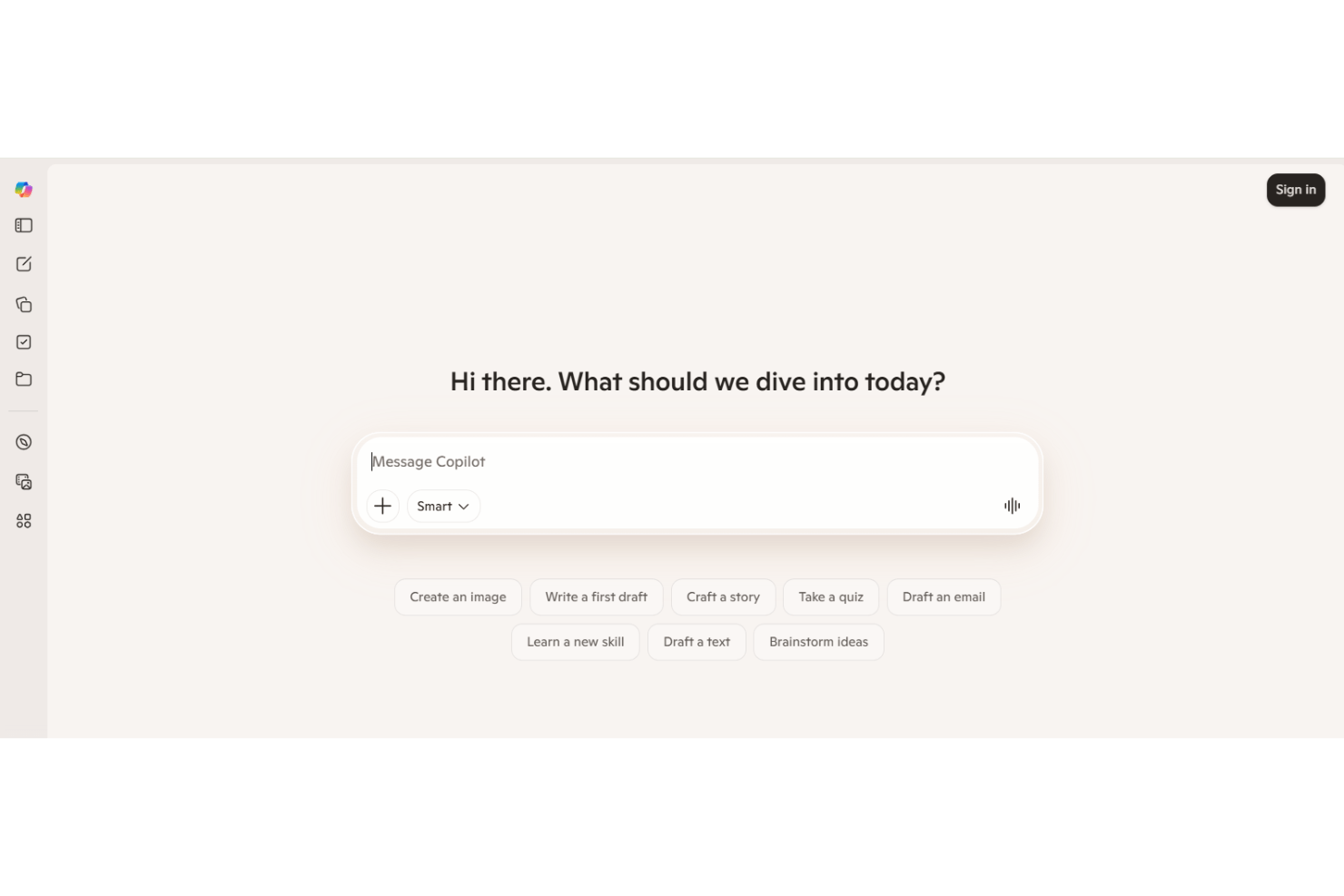
Microsoft Copilot is among the easiest AI productivity tools for teams who already use Microsoft 365. You don’t need to learn new platforms—AI features appear right in Word, Outlook, Teams, and Excel. Users appreciate the contextual prompts and the way it adapts to their organization’s content, while feedback calls out that natural language controls and clear prompts keep the learning curve low.
Integrations
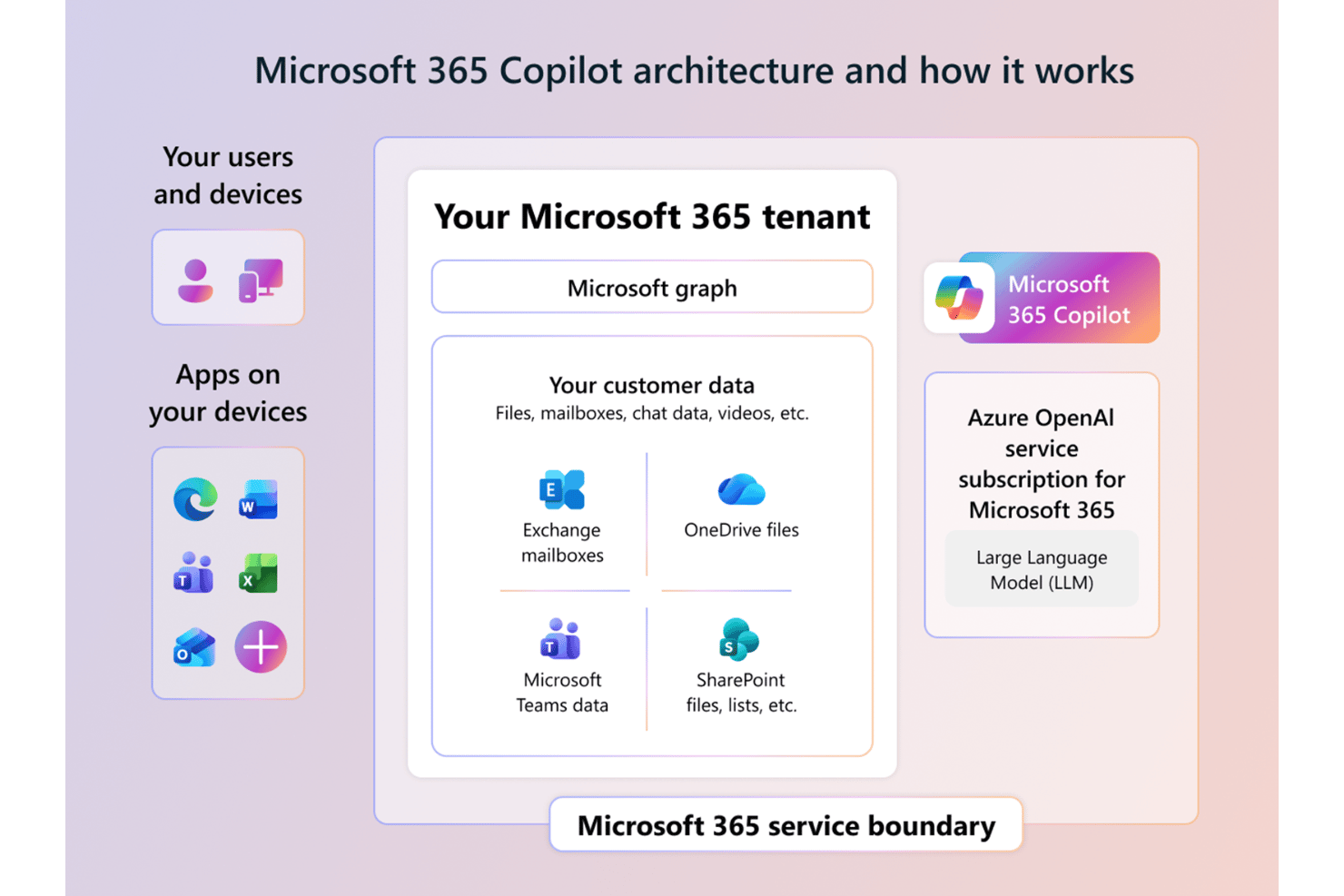
Microsoft Copilot integrates with Word, Excel, PowerPoint, Outlook, Teams, OneNote, Loop, SharePoint, Microsoft Planner, and Viva.
Microsoft 365 Copilot offers APIs that enable developers to integrate Copilot capabilities into custom applications, workflows, and agents.
Microsoft CoPilot Specs
- API
- Calendar Management
- Data Export
- Data Import
- Email Integration
- External Integrations
- Notifications
- Scheduling


