

How 3 PMs Rebuilt Their Careers After Layoffs (Plus Q&A)

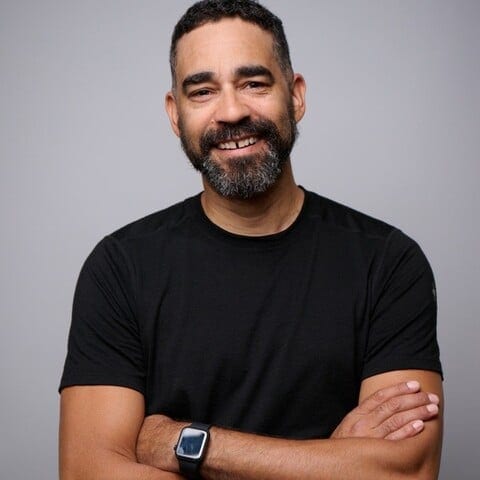


Getting laid off as a project manager hits hard. It’s not just about losing a job—it’s the uncertainty that follows. How do I explain this on my resume? Should I jump back in or take a step back? Could freelancing be an option? It’s a lot to figure out, but you don’t have to do it alone.
Join us on March 26 at 12pm EDT for a candid conversation with three PMs who’ve been through it—and made it out stronger. They’ll share exactly how they rebuilt their careers after a layoff, what worked (and what didn’t), and how you can move forward with confidence.
Whether you’re actively job hunting, exploring new options, or just want to be prepared for whatever comes next, this session will be packed with real talk and real strategies to help you bounce back.
This session will be split into two parts.
Part 1 – Open
During this 30 minute session, you’ll learn:
- What it’s really like to experience a layoff as a PM and how to process it
- The first steps you should take—both emotionally and professionally—after getting laid off
- Different career paths you can explore, from landing your next job to freelancing or taking a career break
Part 2 – Members Only
For the second half of the session, our speakers will be hosting a private Q&A for DPM Members only. Members will be able to get their most pressing questions answered in real time by our featured speakers.
[00:00:00]
[00:00:00] Kelsey Alpaio: Welcome everyone to the latest in our community event series. We’re seeing these grow and become a valuable way for our members. To engage with the experts who contribute to the digital project manager. So we’re happy you were able to join us today and take part. My name is Kelsey Alpaio. I’m the Executive editor for the Digital Project Manager.
And today’s session we’ll focus on how three PMs rebuilt their careers after layoffs. And to get us started, we’re going to get a quick read of the room and find out why you might be joining us today with a poll. And while you answer that, I’ll introduce our panelists. We’ll be speaking with some of the top voices and thought leaders in this space.
We have Nicolasa Galvez. Nicolasa is an anti career coach for people who feel stuck or undervalued in their careers. Having worked in both structured corporate and mission driven spaces, she [00:01:00] brings her candid style to what it really means to move through tough and unexpected career transitions. And Nico, you’ve held a variety of jobs throughout your career and at one point.
Found yourself PMing, a renovation for a celebrity’s house. Can you tell us who it was and how you landed that job?
[00:01:18] Nicolassa Galvez: Um, it was a handsome pirate of the Caribbean, if that, if that gives you any hint. Um, and this one when was actually after a painful job loss. I had left a toxic, I had left it. Um, and so a family friend.
Um, had a construction company and I just needed a safe space at a huge pay cut. But, you know, the safety, um, was more important and I really enjoyed, um, construction and PMing for construction is so, uh, tactile and interesting and fun. So it was great transition.
[00:01:59] Kelsey Alpaio: [00:02:00] Very cool, very cool. Um, we also have Taco Harris here with us today.
Taco is a seasoned operations and resourcing veteran with over 11 years of experience in project management. His client roster includes recognizable brands such as Subaru. Noom, GNC and Comcast and Taco. You recently built a gravel cycling community in Spain over the past few years, and now I hear that you’re moving back to the US In about a week from now, do you plan on rebuilding something similar or do you have new plans in mind?
[00:02:34] Thako Harris: Yeah, um. The goal is to also create a gravel community or join one there and then organize trips to these beautiful routes and places that I’ve come to, you know, love and learn about here in Spain. So, um, that’s the goal.
[00:02:50] Kelsey Alpaio: Amazing. Love to hear it. Uh, and we also have nata Bakke. NATA brings over 10 years of digital project manager experience.
She [00:03:00] has spearheaded cutting edge mobile and web applications built for emerging tech, including ar, vr, and ai and nata. You were telling us before the call that your daughter’s fifth birthday is coming up. So what are five-year-olds asking for these days?
[00:03:17] Nadaa Baqui: Well, um, yeah, my 5-year-old specifically for.
Where’s this house gonna live? We don’t have the room. And she said, oh, just buy a barn too. So, yeah, you know, just low key. No biggie, no big expectations there.
[00:03:35] Kelsey Alpaio: Oh my gosh. Well, exciting to hear that ponies is still, is still the thing that that is being asked for. I’m still waiting for mine personally. Um, but.
Um, so we’ll get started in just a second here. I am seeing some of those results from the poll coming in. We have quite a few people who are responding yes, to having been through a layoff or recently laid off. Um, and a lot of folks who are, you know, worried about layoffs [00:04:00] coming up. So, uh, we’re really hoping to dig into some of that in that session, in the session here.
this session is also being broken into two parts. So the first 30 minutes here, we’re going to hear more about our guests. Layoff stories and what they learned or would’ve done differently.
And the second half will be a private q and A for members of our DPM membership, and our members can find the link to that private zoom call in our Slack channel. And this is just one of a. Series of monthly sessions we hold for our members who get access to a number of other benefits, including our entire back catalog of session recordings, our library of templates, resources, and mini courses, as well as our flagship certification course, mastering Digital Project Management.
And you can join in the Fun by going to the digital project manager.com/membership. So as we get started here, I do just wanna thank all of our panelists for being here and for being willing to share your layoff stories [00:05:00] with us. This stuff is personal, it can be emotional, and it does take a lot of courage to talk about, but as I’m sure everyone on this call knows layoffs are.
Way more common than we might think. And the more we talk about them, the less isolating they will become. So let’s get into it and start at the beginning here. Uh, I’m hoping that each of our panelists could share their layoff story. You know, what happened? Where did you land, and how long did it take you to quote unquote bounce back?
Uh, nada. Why don’t you get us started there?
[00:05:31] Nadaa Baqui: Yeah. Thank you Kelsey. So, um, you know, first of all, hey everybody, so good to see, you know, everyone from all these different, uh. Um, you know, first I just wanna say GPM has been such a great support for me over the years, and I’m just really glad I can be here to share my story with you today.
Um, so just in terms of my layoff journey, um, you know, things have been slow for a while. The projects were, you know, falling, uh, we’re not coming in. And, [00:06:00] um, I was a little bit worried about my future at the agency, but I wasn’t expecting to be laid off when I did. Um. It was the summer of 2024. I had just put, been, uh, put on this new and exciting project and just like that boom, you know, I was, I was hit with the news.
And, um, so turns out I, the agency was going through, um, a round of layoffs and I was one of the team members affected. Um, so. It was my first experience with, uh, being, you know, being laid off. And honestly, I, uh, I was devastated. I was lost. I, I didn’t know what to do. And I remember the initial days I was, uh, just, I found myself like constantly refreshing my emails, you know, and just feeling so strange about like, not having Slack to check, you know, not attending any meetings.
I just felt empty. Um. And [00:07:00] I, I, you know, I, I was worried about my finances. Like, I’m a mom, I have a mortgage to pay, and I had heard the job market was just horrible and I was really, really stressed out. Um, so yeah, it, you know, it, it really was a lot. And, um, I just, I just needed time to process everything and, uh, that’s something I did.
I, I took that time for myself and I, you know, I. It’s something I would recommend if you can afford to, like, please just take that time for yourself. I think it’ll help you down the line. Um, so that’s what I did. I, I took that time and then, uh, you know, I just, just worked on my resume, like, worked on my portfolio.
Didn’t really apply for jobs because I didn’t feel ready. And then, um, eventually later in the fall, uh, I landed a role at Skillshare, and I think it’s here, the, you know, it was a contract role. And, uh, the team has just been so [00:08:00] wonderful and that just really, really helped my, um, sort of helped me feel myself again.
And, um, yeah, I think I’m in a better place right now. Yeah.
[00:08:14] Kelsey Alpaio: Yeah. Thank you for sharing that. Um, and Nicolasa, could you tell us a little bit more about your layoff story?
[00:08:22] Nicolassa Galvez: You know, I’ve actually been fired twice and laid off. Um, so I will share my firing story ’cause it was a project management, um, gig, not gig, it was a position.
Um, I, my employer knew that, you know, I was struggling with the role and, um. Uh, just because of the middle management, you know, realizing that I love pro the theory of project management and the process, but it is, um, a people, it’s a people job and it’s about managing people more than managing the project.
[00:09:00] And, um, I just didn’t have that skillset. So. I didn’t know that I was gonna get fired. It was, um, you know, giving a coworker a pep talk, uh, where unknowing to me, my boss was listening in, um, and she took it as a slight to her, the pep talk. And so, and then a week after the meeting, you know, called me in after a.
Staff meeting virtually and let me go. And then, you know, we were friends, so it was maybe like a three hour conversation and, um, it was really tough. So I, uh, you know, after that I burst into tears and, um, called my partner and, um. You know, luckily they, she was there to support us financially, but, um, I know one, uh, one layoff, it was so painful.
I had given notice in my apartment. My mom picked up all my [00:10:00] stuff and, uh, went into storage. ’cause I knew I wasn’t gonna be able to go into a full-time position right away. So I couch surfed. I eventually became homeless for a couple years, but. It was so painful that I knew I couldn’t go back into the workplace and I didn’t know I was gonna become homeless when I started couch surfing.
But I did know enough that I gave notice on my apartment, like as soon as I had gotten laid off. ’cause I’m like, I’m not gonna be able to afford this ’cause I, I don’t know what I’m gonna do for money, but it’s not gonna be going back to a full-time job that can afford, you know, a place to live.
[00:10:37] Kelsey Alpaio: Wow. Yeah.
Thank you for sharing that story as well. And Taco, can you tell us, uh, a little bit more about your layoff story?
[00:10:45] Thako Harris: Yeah. I, I went from teaching into project management and, um, I guess ultimately the story is that. We lost the client. And so then it was sort of like hoping if we would win another one. And so in the meantime, I [00:11:00] was doing all these admin officey type cleaning out the storage room.
And, and it was just weird. So it, I kind, I guess I suspected something might be brewing. Um, yeah. And then, uh, my boss scheduled a quick, quick 15 with no subject. And you know, I didn’t know at that time that that’s like a. A situation, you know, like, so she told me the, the news and then I was like, weirdly.
Comforting her. ’cause she was sad. And like, I’m like, I’m like, like I’m sad. Like I have no job. Like I’m not, anyway, um, yeah. So that was crazy because in teaching it was very stable and I like, enjoyed teaching a lot. It just didn’t pay very well. And I thought, oh my God, I made a huge mistake. Um, and I, you know, they wanted to go get drinks [00:12:00] afterwards and I was like.
Nope, I’m not hanging out drinking after this. I’m like, I don’t know what I’m gonna do. So luckily I had, I’m, I’m a cyclist, so I had like rocky kind of things where I’m like going, running on the beach and listening to music and driving dark tunnels. I don’t know. But like that kind of thing. I. And, uh, eventually I had made connections, um, in the ad community and people are super helpful.
You know, like I had, I knew designers and copywriters and a lot of people that were like, I’ll keep my ear out. I’ll, I’ll let you know if I hear anything. And, um, uh, a designer friend of mine redid my resume in a really cool way. Um, that I loved and somehow with a talent agency that worked and I, I got another position with that.
Um, which ultimately when my contract was sort of nearing the end also was [00:13:00] the factor I think that, um, caused me to be laid off. ’cause, um, they didn’t wanna pay the, like to close out the contract kind of a fee structure. For me to become full-time there. Um, so they just, and again, I found myself like really like, is this what ad agency life is like, like every year or two in the fall when Q4, um, performance of agencies need to be reported for, uh, bonuses for the higher ups.
I’m gonna get like cut until you reach some level. I don’t know. That’s what I.
But again, um, a lot of connections in, in the Minneapolis agency world and, um, through cycling. I knew a creative director and his wife was a talent placer, and so, but she didn’t take a fee, I, I don’t recall and just sort of recommended me to CEO and I got in there and I ended up staying [00:14:00] at, um, that place for se almost seven years.
Um. So at the time, you know, every time that happens you think, oh man, like the first one was like three months before I got a, a new thing. And then the second one was lucky. I, I was able to find another, um, position in a month. Um, but, but that, those times are like kind of dark, you know, like you’re like, you know, like you were saying, refreshing and looking and.
Like what it feels sort of like gambling, you know, like you’re going into the digital world, you’re sending these things and you have no idea, like if it’s gonna land or, or bring anything back and it just feels like phish or, you know, um, but you know, it did, did work with the word of mouth from real connections that you make while you’re working.
So, um,
[00:14:49] Nadaa Baqui: yeah.
[00:14:51] Kelsey Alpaio: Yeah. Yeah, it definitely, it sounds like networking was, was a big piece of, you know, getting that first role. Um, and, and nata you [00:15:00] talked a little bit about, you know, landing a contractor, uh, or a contract role shortly after being laid off. Can you talk a little bit more about the strategies that helped you most in, in landing that role?
And did you talk about your layoff into interviews? Like what did that process look like for you?
[00:15:16] Nadaa Baqui: Yeah, I was like, one of the first things I, uh, did when I felt ready was, uh, I talked to people about my layoff. Right. Um, at, at first I was hesitant. I was a little embarrassed. Is it okay to share? Um, but then I, I quickly realized like I, you know, you do rely on my network, like you said, taco.
Um, it was just, uh, uh, you know, you know, just spoke to my friends about it and, um. Yeah. And then I, um, you know, honestly I spent a lot of hours on, on LinkedIn. I was, uh, like I said, I was stalking people, you know, just reading their posts and, um, it’s true one of these posts that someone I had worked with previously, right?
Like again, someone in my network, [00:16:00] um, that I found my current role. And, um, again, I, I, I can’t stress enough like the importance of reaching out to your network. It’s, it’s just so, so it’s an extremely useful resource. Um, I had, you know, I had sent out so many resumes, just never heard back or just, uh, if I did hear back it was like, Hey, we are interested in you, but, um, do you speak German, Italian, French, English, and I.
I’m not Google Translate. You know, I, I just, just felt like there was so many expectations. Um, so I just feel like your network, your LinkedIn is really your friend here.
[00:16:42] Kelsey Alpaio: Yeah, that’s, that’s really helpful advice. And, um, Nicolasa, I actually wanna ask you a little bit as well, because I know you’ve sort of transitioned out of the project management role, um, project management world, and, um, are doing something a little bit different now.
You’re working as a grants manager and a [00:17:00] coach, so can you tell us a little bit more about the decision? To not go for another PM role. Like how did you figure out what you wanted to do and, um, once you figured it out, how did you go from there?
[00:17:11] Nicolassa Galvez: Um, I had been doing project management officially, you know, like, um, because I love it so much, it was always part of my role.
But, um. Uh, it was just coming to the realization about how much more it was about people and that, you know, I could build the, the best systems and have the best, create the best tickets. But if I couldn’t manage up, you know, with, with the, um. The leader that was, um, assigning the projects, um, let alone, you know, managing my coworkers wasn’t as difficult.
It was more like the managing up. Um, I had to admit to myself that I needed to move on from that role because I wasn’t willing to learn, um, the people skills that I, I think, that make [00:18:00] project managers so successful. And, um. My, you know, the last place that I got fired, they, they knew it. And, you know, I had started the coaching certification, um, while I was working with them.
And, um, but then when I had gotten fired, I, um, had looked through. I used the same resume. I have a, um. Skills-based resume. And that links to my chronological, because I am just not that person that can update my resume. And also, I had a designer friend design it, and it was so gorgeous that I, um, a a lot of people accepted the skill-based and were willing to go to my LinkedIn, which I felt I could update easily and more quickly with the chronological and then the, um, you know, the skills underneath it.
And I, um. Return to grant writing, which is [00:19:00] just, um, a role that’s usually more quiet and isolated. And I just, and I needed that. Um, I needed that quiet, I needed that autonomy and that isolation. It’s, it hasn’t been as autonomous as I’d like. ’cause it is a nonprofit sector, which is very, you know, overly tight knit, but.
The self-reflection and making that decision about, you know, do I wanna return to the role? Not because I was fired, but you know, was it a fit?
[00:19:34] Kelsey Alpaio: Yeah. Yeah, that makes sense. Um, it does sound like getting a designer friend is definitely on the list of things to do. Thanks.
[00:19:43] Nicolassa Galvez: Yeah. They, they do. They, you know, it makes you stand.
I, uh, one thing, a quick advice is indeed, you know, if you’re not feeling up for the, the intense job application process, it is a really a one. My current grant writing job was a one button click, sending my [00:20:00] resume. Um. Not a cover letter and, um, the resume, you know, the designer friend resume stood out. And when you are so tired of job searching deeds, like one click apply feature is just a lifesaver.
And, and it works. You know, at least once you know is all you need.
[00:20:24] Kelsey Alpaio: Great, great piece of advice. Um, and it does lead into my next question here a little bit, which is around, you know, the rebuilding process. It’s riddled with rejections and setbacks. Like Nada. You mentioned getting no after. No. And so I’m wondering what advice you all have for maintaining your confidence, you know, through that process.
And ta I’ll, I’ll throw this question to you first.
[00:20:50] Thako Harris: Yeah. Um. This is embarrassing to share, but, um, I like to listen to like gym [00:21:00] techno or something like this really hardcore, like lift that heavy weight kind of stuff. And then I like go biking and then I usually feel better and I feel kind of like amped up and not like, um, or, um, perhaps a little, because that gets heavy.
It gets heavy when you. The ghosting, which you know, I think before you’d get a reply, thanks for like now auto reply, and then it’s like we will get in touch with you if. And then it just never, like nothing can happen. Um, so that like gets old quick. But then, um, back to the networking piece, um, I have found that if, if there’s, you know, and LinkedIn has the third, fourth, fifth layer connection, if you can find that person to then like do a little bit of greasing the rap the tracks for you and like, because LinkedIn is.
I used LinkedIn to try and hire, and it was, it was [00:22:00] just so much that I, I just like got overwhelmed and couldn’t use it. But if someone was like, Hey, I know someone, I’m like, whoa, thank God. You know? So like, like it’s just night and day a difference. Like, oh my God, here’s someone they know, someone, they’ve talked to someone.
It’s a real person. They’re not crazy. I know them. They’re not crazy. And so, um, it just makes a massive difference. So, um. I, I just feel like if that, like you were saying, nada, that stalking, like what do like Yeah. Yep. And talk to those people and try and start building some even slight rapport that you can over, over LinkedIn and see if they’re maybe not, don’t lead with that right away to like, Hey, will you share my rest?
You know, like, you know, you probably have to be a little more diplomatic and spend a little time and then, you know, work your way that way.
[00:22:54] Kelsey Alpaio: Absolutely. And nata. Yeah. What, what tips do you have for, you know, getting past those [00:23:00] rejections and those nos?
[00:23:03] Nadaa Baqui: Uh, yeah. I’m not gonna lie, I feel like I needed like, my own team of cheerleaders, like, just being like, yeah, you know, you, you’ve got this and you can do it.
And I think, um. There were times, of course you feel very low, right? Like you just, you just don’t hear back, or, uh, response is so limited and you’re just, you’re really demotivated. Um, and it’s different when you already have a job and you’re applying for another job. It’s different ’cause you have things that are keeping you busy, right?
But when you’re, when you don’t have, and you know, like you. Your regular work going on. It’s, it’s tough. Um, so I would say to like, definitely like relying on your network of family and friends is important. And then also just remembering, you know, like just focusing on like the fact that you have a good body of work, you know, that one rejection is not, doesn’t define you.
And you know, there are times I would forget that, but it just like, just like constantly just like no have, have. [00:24:00] You can do just being consistent and resilient and just showing up every day. And then I feel like something will click eventually. Right? So, yeah.
[00:24:11] Thako Harris: Yeah. Any number of rejections doesn’t define you.
Let me, it could be so many rejections and it doesn’t define you like I, yeah.
[00:24:21] Kelsey Alpaio: Yeah. Absolutely. Um, and I do, I do wanna talk a little bit too about kind of the destabilization of layoffs in both, like your career and your life, like going through a layoff can feel so incredibly destabilizing. And I, I heard elements of that in all of your stories.
And so I’m wondering what you’ve done to help you regain some of that feeling of stability or like, does that uncertainty feeling. Never really go away. Um, and I’ll, I’ll pass this one to, to Nicolasa first.
[00:24:55] Nicolassa Galvez: Um, no, I don’t think it ever goes away. Um, my first, uh, [00:25:00] time I was fired was in 2012, and it is a personalities personality game.
You know, it wasn’t a skill, it wasn’t like I did something wrong. Um, so I’m still grappling with. You know, loving my personality and realizing that it makes it for a challenging workplace for me. Um, and so that heartbreak I. You know, it, it, it, it feel, it, it feels very personal because it is a character.
Um, or I’m really active in the community and so I have a, well, uh, a good reputation. Um, so a lot of times I do get hired through my network because of my reputation or because of my outcomes or what I’ve built. But then, you know, the day to day of working with working with me, um, who’s. I don’t know, observe it.
Curious, um, a fixer, [00:26:00] um, it’s embracing the, you know, they want what I can do for them, but not who I am. And that is still, you know, such a challenging thing to accept and having to constantly remind myself. But especially as women, you know, we’re socialized, um, that our value is in what we do. And not who we are.
And, um, you know, I mean, everyone struggles with, with feelings of value and yeah, it’s, I, you know, I’m sad to say no. Um, it does get better, but it doesn’t, it doesn’t go away. It’s still a challenge.
[00:26:41] Kelsey Alpaio: Absolutely. And Taco, I know, um, we’ve talked about this a little bit as well, and now you know, you’re doing a little bit of freelance PMing, which has its own elements of destabilization and uncertainty.
Can you talk to this a little bit?
[00:26:57] Thako Harris: Yeah. Um, I [00:27:00] think I try to keep a schedule for myself of, you know, I build a, uh. A routine that I just do, you know, like every day it’s the same. Um, and it, and I just limit the, the different things. So, because you could just spin in LinkedIn, like you could just spin and spin and spin and like chase down this and that and this and that and this and, and just like lose, um, any sense of like, you still have to do stuff for yourself.
You still have to stay healthy. You still have to like, um. You know, maintain your life as it is, you know? So, um, I feel like that helps provide some, like, if I don’t know what I’m doing, at least my, like, structures that I’ve set up, keep me. Doing the things that are productive in my life. Like wake up and then do this, and then do that, and then eat, and then do that, and then check, and then go for a walk, and then go back and check some more, and then like [00:28:00] do something else again, and then check some more.
And like, there’s just like short amounts of time to like focus intensely and then switch and like do it again. And then, um, so I find that that helps. Um. Provide some like feeling of being productive while also, even though those like answers might not be coming, then you can like, go for a walk and like, oh, the sun’s shining.
Or you know, like there’s really those small things that, that make life nice regardless of if you have a job or not. You know, like, so, uh, try to keep those things aware in your life so that, um, like gratitude I guess is, is a real thing, um, that helps you. Keep going. Um, I think, you know, when people say, oh, it’s gonna make room for better things, and you’re like, what?
When people say that to you, you’re just like, I know, but you’re saying that, but you have a job. Like, it’s just such a, it’s it is [00:29:00] true in some sense, but it’s like, I don’t know, I don’t know exactly what I’m trying to say with that, but it just feels like one of those isms that people say and, and then you deal with and like.
Like until you get a job, like that’s an ism, you know? And then in hindsight it’s great, but like if that hindsight is not going bad, then you’re like, I don’t know what you’re talking about. Um, so yeah, I find routines help me a lot and staying active.
[00:29:31] Kelsey Alpaio: Yeah, absolutely. Um, and unfortunately, we, we are out of time here.
That time absolutely flew by. Um, and I just wanna thank all the panelists again for volunteering your time today and sharing your stories. Um, this was incredibly helpful. Um, and after this session, we will be having a q and a session for DPM members right after this. So. Members, you can find the link to that private zoom call in our Slack channel once this conversation has come to a close.
[00:30:00] Uh, before we do sign off, there are a few resources I wanted to share. First, Nicolasa wanted to share a resource, uh, a free and paid resource to help folks get through tough work and layoff days. It includes everything from books to podcasts to her favorite. Virtual coworking space and the link will be in the chat for that.
Um, if you love this session, then we’d love to see you at our next event, which is AI prompts. Every PM needs. So be on the lookout for when registration goes live for that. And before anyone takes off today, I want you to know that we love feedback, so. Please take a second to let us know what you thought of today’s event and let us know if there are any topics you’d like to see us cover in future future sessions.
That link will also be in the chat and so we’re headed on over to that members only q and a session now. But if you’re leaving us here, have a great rest of your day and thank you for joining us.
[00:30:55] Michael Mordak: I would love to just open this up more as like a round table. I know we’ve got a few, few questions that, [00:31:00] uh, why don’t we start off with the question that Fred had asked,
So the first one, and I’ll, we’ll just throw this out to all of our, our panelists.
but Fred was asking, what about, uh, applicant tracking systems? Oh my goodness. Issues around the resume.
[00:31:14] Fred Baker: and specifically in contrast to having like a designed resume that often look really great to people, but really terrible to applicant tracking systems.
[00:31:23] Thako Harris: Yeah. I guess my view is I want to represent myself how I am, and I don’t wanna make my resume like that, even if it gets rejected. And I, I don’t know, I guess maybe I’m paying the price, but I want, like, if I want someone to see my resume and like get a sense for who I am so that they can be for forewarned, um, yeah, I, you know, I like color.
I like, uh, I want it to be fun and like. I don’t know. If that doesn’t fit, then I guess I don’t fit. But yeah, there’s something too. Maybe [00:32:00] also the idea of working at a place that filters everything through a machine before a person too. I mean, not, it’s sort of inevitable, right? On some level, but I wonder if maybe there’s something to be said about, maybe that’s not the place you wanna work.
[00:32:15] Fred Baker: Right. I think that’s the, where the networking comes in. Again, you know, that human to human touch point is like. Critical, more and more critical as these eight eight applicant tracking and AI vetting. Like now there’s all this AI vetting that happens, like when you fill out, it’s like, do you want your resume?
[00:32:34] Thako Harris: You can opt out. And I’m like, if I opt out, does that mean I’m opting out? You know, like, or, and so it just creates even another layer. It’s like, Ugh, man, in my, you know, I have the design skill-based resume and I haven’t updated it. Probably like seven years. So because it was skill-based, it was like, um.
[00:32:57] Nicolassa Galvez: Things that I’m still doing [00:33:00] and, um, you know, not a, I’m not paid by indeed, but, um, they too, um, um, you’re, you’re allowed to submit like, uh, their version of your resume that’s in a text box. So it was not a scientific method, but sometimes I went, you know, like based on a gut feeling. Um, I went with their, um, you know, uh, automatic resume rather than sending, um, a link to my, my designed one.
[00:33:27] Fred Baker: That’s good to hear too. I had that skills based resume. I, I went through a similar transition from higher ed into project management during Covid and trying to convince people that you’ve been doing project management when you haven’t had a project management title was terrible. So having that skill based resume helped a lot.
[00:33:45] Nadaa Baqui: Yeah. Um, so I’ll say like, I had a very designed resume. Like I had de designed it myself. And, um, this time around when I was applying for jobs, I had read about ETS and [00:34:00] um, I actually patted down, right? Like, I was a little bit concerned about it. So I’m like, okay, let me just, you know, the, the advice out there just like make it more friendly for a TS.
So I, I kind of went in between, I didn’t do like a full on like. S friendly resume, but I, I went just less design. Um, and I don’t know if it, I don’t think it really worked for me. Again, I think I kind of agree with tackle. I wasn’t like applying, like if I was applying to those big, you know, corporations, big companies that have those systems in place, then maybe it would’ve helped me there.
But, you know, I, I. I kind of ended up relying more on my network, so it didn’t take me that far, but I, I feel like maybe my advice would be like, Hey, just maybe have one in place and it just depends on where you’re applying for and then you have multiple versions of your resume, like, um, and that might be helpful.[00:35:00]
[00:35:01] Thako Harris: Yeah, I don’t know if anyone has a, a feeling for like, you know, when you upload your resume and then it auto-populates your career, uh, timeline, but then it does it wrong. And then like I ki like I’ve said, information in resume and then like not done that. ’cause it’s just, if you’re applying to. 10, 20 places a day and you have to like just do this mind numbing, copy, paste, copy, paste, copy, paste, edit, edit, copy, paste, copy, edit, edit.
Like that is dumb. That’s why the resume is there. And like if you’re hiring me to work smarter, not harder. Please, like please review my resume. You know, like that’s why you have the thing. If you don’t have that, then I will input my resume. But like, don’t do make me do double work. Like it doesn’t. That’s mine.
If someone else thinks like, holy shit, you better do that. It’ll never get hired, please let me know. But [00:36:00] yeah.
[00:36:01] Michael Mordak: Preston asked, uh, if someone says. We will follow up with next steps in a week and you don’t hear anything, how often should you follow up and is it a turnoff to follow up?
[00:36:12] Kelsey Alpaio: Uh, it feels like I get ghosted because I am following up though. I’m probably not getting ghosted for that reason. Um, but yeah, I, I know Taco, you responded a little bit in the chat, but Nicolasa nada. Do you have anything to add there? It’s never, whenever I’ve, um, done hiring, it’s never been too much.
[00:36:33] Nadaa Baqui: Yeah. And I guess that it just depends on, yeah, go ahead. Sorry. No, I’m sorry. I had to turn my camera off because my network became unstable, so, um, and I apologize for my voice. I lost it last night. Coaching my daughter’s soccer team. Um, so I fight through it. We won the game, so it was worth it. Um, but yeah, I feel like I get through.
[00:36:59] Preston Feiler: Several stages of [00:37:00] the interview process, and then you don’t hear anything back for a while and that, and it’s, you get the, we’ll be in touch, you know, with next steps in a week or two weeks. And then, you know, those two, those two weeks go by and you don’t hear anything. It becomes three weeks and then I reach out and then you don’t hear anything again.
And it’s, it, it’s becoming a cycle and it’s, it’s, I feel like I’m on this hamster wheel of. Not getting responses and the constant churn, and I know it’s not me, and they’re telling me how great I am, and they’re telling me all these things that I want to hear, and the interest is mutual because I’m in the fourth stage or the fifth stage and mm-hmm The experience is there.
Everything is there and, but then I’m not getting the responses back, but when we’re at the most critical stage. And then it’s, okay, well I don’t [00:38:00] wanna become too pushy and, you know, their, their time is valuable and I wanna respect their time. And it’s, you know, I reach out one time and you don’t get a response in a week, do I reach out again and say, Hey, just following up again.
I know we were gonna, you know, have next steps a couple of weeks ago. Just wanna check in, in, on the process and make, you know, see how everything. Is there anything I need to do towards next steps or work, you know, whatever that messaging is. But it just feels like it’s an endless cycle and, you know, knowing it’s tight and tough out there right now and feeling this, you know, feeling this myself, where, you know, my wife is starting her own company and so both of us are not really working right now.
And so.
[00:38:47] Thako Harris: I think Melody has a really good point there. Like that would be killer. Like if you get a follow up that also shows that you’re solving some pro or thinking about some problem that they might already be having, you [00:39:00] know, like, or applies to an aspect of their business is awesome and it doesn’t create the, the needy, um, like, like your exasperation.
Like you don’t want to get that vibe out, you know, like with people. Um. So that’s a way of like showing I can help you without, you know, like doing this about like they promised kind of a thing, which they might have like a hold likely, like they’re probably waiting for a client to come in that’s not, also not signing their SOW and they’re probably waiting on like the pitch come back.
Like there’s just so many things where they like. Oh my God, we’re gonna need to staff up because we’re in the final round of this decision to get this new client, and then that client does the same thing to them that they’re doing to you. You know? So like, it, it’s not like malignant necessarily, or like they’re just [00:40:00] playing you, or like it’s, it’s just literally the same problem that they don’t know if they can hire.
Exactly. But if that comes, then they’re gonna be screwed if they don’t have someone. So they’re like trying to build a bench. Then they can’t really take it on yet until those things are signed. So, right. I think, I think, um, this, this method that Melody suggested is awesome and it keeps them, keeps you in their minds as like, oh my God, this guy, and even if you’re, yeah,
[00:40:31] Melody MacKeand: I would just add like some. Some secondary skills. ’cause it can feel like, oh my gosh, do I have to write an article every time I wanna follow up with someone? But it could just be like, um, I did this a few months ago, linking them to a LinkedIn video that I had done recently, and it was mostly just to communicate like I’m an articulate PM.
A PM has to have soft skills of good, strong communication. And this is a video of me, you can see what I look [00:41:00] like. You can see that I know how to communicate well, like that’s a value add. So the content is kind of PM adjacent, but it’s also kind of adding to the soft skill there. Um, or, and I’ve done like example emails, like this is an email of what I would send to a client, um, in this kind kind of scenario, if you don’t necessarily.
Necessarily have the ability to share past work, um, that does take a little bit more time. So you obviously wanna do that specifically with companies that you really want to get hired at. Um, but the others, it’s just like repurposing content that you already have. Mm-hmm. Thank you. I, I, I also just wanted to say like, and I don’t know if it’s just me, but I feel like if you’re in the fourth round of interviews with the company, I feel like they owe you an explanation, right?
[00:41:47] Nadaa Baqui: You know, you’ve, like, you’ve gone through multiple rounds and I think just, I just feel like it’s professional just to like, like let people know what the status is. Right. As opposed to like, you just [00:42:00] constantly following up and, and I think like tackle, like tackle, like you said, like, I think it’s, it’s something that’s on their end.
Like, you know, like said a scope of work is not signed, but I don’t know. I’ve, you know, I, I’ve. I think I was in a final stage of an interview and I thought I was gonna get the role, and then they just were like, Nope, sorry. Um, you know, we don’t wanna go forward anymore. But at least they told me that as opposed to me just wondering like, what happened?
I, I almost had the role. Um, so I don’t know. I feel like they, there has to be some sort of professional courtesy there just to like, at least let people know when you’ve gone. Yeah. That’s. I’ve done the videos, it’s, you know, and even done demo videos where, you know, they sent an assignment. You know, here’s a sample project.
[00:42:51] Preston Feiler: We, you know, please put together a project plan, show us how you do, and put together a loom video and walk us through all the steps. And you know, it’s like, wow, this is [00:43:00] fascinating. You know, what you put together is amazing, you know, and you’re a unicorn and these type of things.
And building those relationships through the interview process. Um, but yeah, it’s, I mean, it’s just like you said, it’s, you know, getting to that step where it’s like, okay, it’s, you know, just the professional courtesy of it. If I’m not it, then tell me I’m not in and we’re moving on. But, you know, I think somebody mentioned before, it’s the constant refreshing of your email, you know, and you’re hitting a refresh every 10 minutes.
Like, come on. Is there, is there anything yet, is there anything yet? Is there anything yet? You know, when you know, you. And if I’m not on the verge, just tell me. So I wonder if, uh, Preston, so you’re creating those videos and, but then essentially what happens is you’re in an interview, they ask you to create this video, they give you feedback, but then they ghost you.
[00:43:51] Fred Baker: Are you able to. Reuse that somehow and convert that into a LinkedIn post or an example of your work, or even if [00:44:00] you have to sort of remake it, taking that strategy or that request, what you’re, what they’re really asking you to do is show your skillset, and even though it’s sort of at this narrow audience that turns out not to need you, if you could convert that into a LinkedIn post or something.
I mean, I don’t know. One of the biggest struggles that I had was like the sudden need to all of a sudden have all this stuff in place with. What felt like, oh, you’ve got nothing but time. But like you just said, you’re constantly refreshing email. You can’t focus on anything at that point. So I’m, you know, thinking about like how to leverage things that are already in place without you having to do even more work.
Right. And also that schedule, like Taco was talking about, like you just to keep yourself sane. Like, I’m gonna go for a run and then I’m gonna check, you know, that kind of stuff. Because it shifts the focus from like, I’m gonna refresh my email so that I’m ready the instant day, come back to like, I, you know, this is part of my life, but not everything.
Um, so. [00:45:00] I hope the network too, just to, I, I’ll look for you on LinkedIn. I couldn’t find you, but if you reach out to me, I’m happy to share my network and like you, if there’s anybody in there who you’d like an introduction to, I’m happy to do that. So if you’ll connect with me on LinkedIn, I can do that.
Yeah, I definitely will for, I appreciate that. And um, yeah, I’ve got everything pretty much templated out to where yeah, I could make, you know, do something like that.
[00:45:26] Preston Feiler: And I appreciate everybody’s help and advice. I, I really appreciate that. It’s very helpful. It’s super rude, like Nicola thing. It’s, uh, like, I don’t know. I like, there’s so many things that are just, oh, such easy courtesies to give someone. Like, they’re not super hard to just stay the truth. Like we’re not hiring right now or.
[00:45:47] Thako Harris: We had to postpone hiring for three months or we didn’t like whatever. Like it’s so easy to do and they like, people are just like me. You know? They, they just, so I think in light of that, we can hope for what [00:46:00] we, like, would want the world to be, but it’s not that way. So I, I think it just goes back to know your worth and know that like.
I, I, you know, I have things to, to offer that are worth, um, while and, uh, to keep looking, you know, like, keep trying to, this is a very big cliche, but I don’t know if you guys heard this story about the, this allegory about a dad giving his daughter a Jeep, and then she takes it to like the, the like scrap yard.
How much do they give you? 500, they go to a dealership, trade in 700, go to this other thing. They offer like a thousand and then like a Jeep Collector’s convention, they’re like, oh my God, that’s a rare item. It’s like, oh, it never could be found. Like it’s $20,000. And she’s like, oh my god. And you know, the, the thing is like, know your worth and like nowhere it fits.
I, I know that’s just oversimplification ’cause we don’t know where the. The deep convention is that looks [00:47:00] for our thing. You know, like it’s hard to find that. But um, I think it still has an important thing, like, just ’cause they don’t want you and just aren’t worth, like, they don’t find it worth replying.
Like that doesn’t mean, um, you’re worthless and like you should stop, like, just keep, you know, keep looking and.
[00:47:23] Kelsey Alpaio: I think we only have a couple minutes left here. Um, but I think we can wrap up with one more question. I really love this question from Fred about. What can we do in this situation before getting laid off? Because it’s really that rush once it actually happens. So what’s one thing, like everyone on this call could do today to either help them, you know, advance towards that role that helps them bounce back or, um, you know, prepares themselves for the potential next layoff.
Uh, do any of you have have thoughts on that before we wrap up? Uh, quick update your LinkedIn before. [00:48:00] I mean, I never knew it was coming, but just update your LinkedIn right now when you know you’re bored in between things, use AI so that when you’re laid off, you’re, you know, your brain is mush and you’re not like, oh my god.
[00:48:13] Nicolassa Galvez: You know, and you maybe have lost your confidence. Have to go in and update your LinkedIn. Just do it right now, um, and get it over with. And, um, done is better than perfect ’cause there’s no such thing as perfect. Just similar to that, I would say document all your project work as well, right? Like, um, everything you’ve been, you know, working on like, any challenges you’ve faced all your accomplishments, because I know, like, down the line when you have to remember stuff, it’s, it’s really, really hard.
[00:48:43] Nadaa Baqui: And, um, just keeping like, kind of building a portfolio out ahead of time will, will, you know, take you really, really far when you’re actually in that situation.
[00:48:57] Thako Harris: I think, um, if you wanna share [00:49:00] LinkedIns with me and if I hear things, I’ll also just, I’ll just share, you know, I’ll share your names with, uh, anything that I hear, and also the fan fiction that everyone wants for yours, the cover, otherwise known as cover letter. Uh, Chad g, pt, I don’t know if this is cheating, but, uh, chat, GPT.
Some great cover letters. You know, if you go then in and like add some humanity to it. ’cause it’s usually like written like a technical document, like, ah, this, there’s no life in it. But if you can then just infuse them life, it can cut down on the like, oh my god, now I gotta write a cover letter too. Like, so yeah.
[00:49:39] Kelsey Alpaio: Great. Awesome. Last pieces of advice to end on and um, yeah, just drop your LinkedIns in the chat, drop them in the Slack channel. Um, and yeah, just remember that we’re all here together. We have that Slack channel that we can rely on and lean on each other. Um, and Julia did ask if there are other Slack channels that, [00:50:00] um, we should be getting into.
So if you have names for those, um, add those. To the Slack channel as well, so we can kind of expand on that. Um, but yeah, I just wanna thank all of our panelists again today for your openness and for your advice. Um, I found this really insightful and I hope all of you, uh, found some helpful tips in here as well.
Um, but yeah, that’s all for now. So thank you all.
[00:50:23] Thako Harris: Thank you.
[00:50:23] Michael Mordak: Thanks so much everybody. Thanks. It’s great seeing you. Have a
[00:50:25] Kelsey Alpaio: great one.
[00:50:26] Michael Mordak: Talk to you soon. Bye-Bye.
Host


