
Why Technical Teams Still Fail Without These Skills

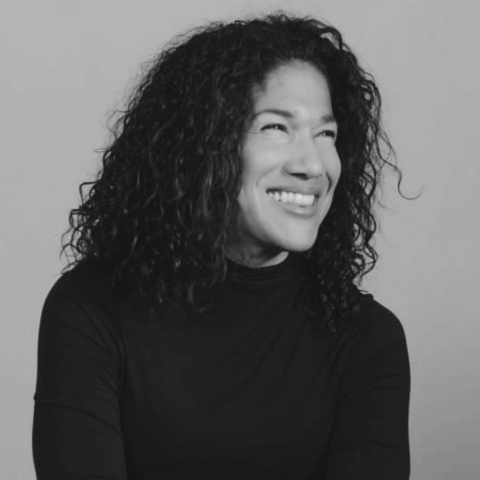

Soft skills are having a moment—but they’re still widely misunderstood, undervalued, or dismissed as “nice to have.” In this episode, Galen sits down with Yadi Caro to unpack why that perception persists—and why it’s costing teams more than they realize. Drawing from her experience working with elite technical teams in the defense sector, Yadi reframes soft skills as something far more rigorous: essential capabilities that enable collaboration, decision-making, and ultimately, results.
Together, they explore what it actually looks like to apply these skills in high-pressure, highly technical environments—and why, in the age of AI, they’re becoming even more critical. From onboarding new team members mid-project to navigating conflict and driving alignment, this conversation makes a strong case: soft skills aren’t soft—they’re the work.

What You’ll Learn
- Why soft skills often fail to gain traction in organizations—and how to reposition them
- How human dynamics, not technical gaps, are often the root cause of project failure
- Practical ways to embed soft skills into everyday team workflows (without formal training programs)
- Why language and framing matter when introducing “soft skills” to skeptical teams
- How leadership behaviors can be distributed across a team—not just top-down
- Which skills will matter most as AI reshapes how we work
Key Takeaways
- Soft skills are hard—and that’s the point.
These aren’t etiquette tips—they’re complex, learnable capabilities like communication, conflict management, and adaptability that directly impact delivery. - A-team talent doesn’t guarantee outcomes.
Even the most technically brilliant teams fail without the ability to collaborate effectively. Soft skills are the connective tissue. - Start with outcomes, not labels.
“Psychological safety” might get pushback—but “having the courage to speak up” lands. Focus on what the team needs to achieve, not the terminology. - Micro-learning beats massive training programs.
Embedding small, practical skill-building moments into real work (like better meetings or onboarding) is more effective than large-scale training initiatives. - Connection isn’t fluff—it’s foundational.
Taking time to align on goals, roles, and ways of working—even briefly—can prevent friction and accelerate performance. - Conflict is a feature, not a bug.
When managed well, conflict drives better outcomes. Avoiding it often leads to building the wrong thing faster. - Leadership is a team sport.
High-performing teams don’t rely on a single leader to manage dynamics—they build shared responsibility for communication, feedback, and alignment. - AI raises the bar for human skills.
As machines take on execution, humans need to get better at problem framing, listening, and collaboration—not just faster at delivery.
Chapters
- 00:00 — Soft Skills Debate
- 03:11 — Rebranding Soft Skills
- 08:16 — Org Psychology Basics
- 13:25 — Teams & Collaboration
- 18:29 — Overcoming Resistance
- 21:49 — Buzzwords vs Outcomes
- 25:33 — Measuring Impact
- 28:54 — Onboarding Mid-Project
- 33:56 — Building Team Habits
- 35:49 — Micro-Learning in Action
- 38:24 — Skills in the AI Era
- 40:37 — Core Skills for the Future
- 43:50 — Where to Learn More
Meet Our Guest
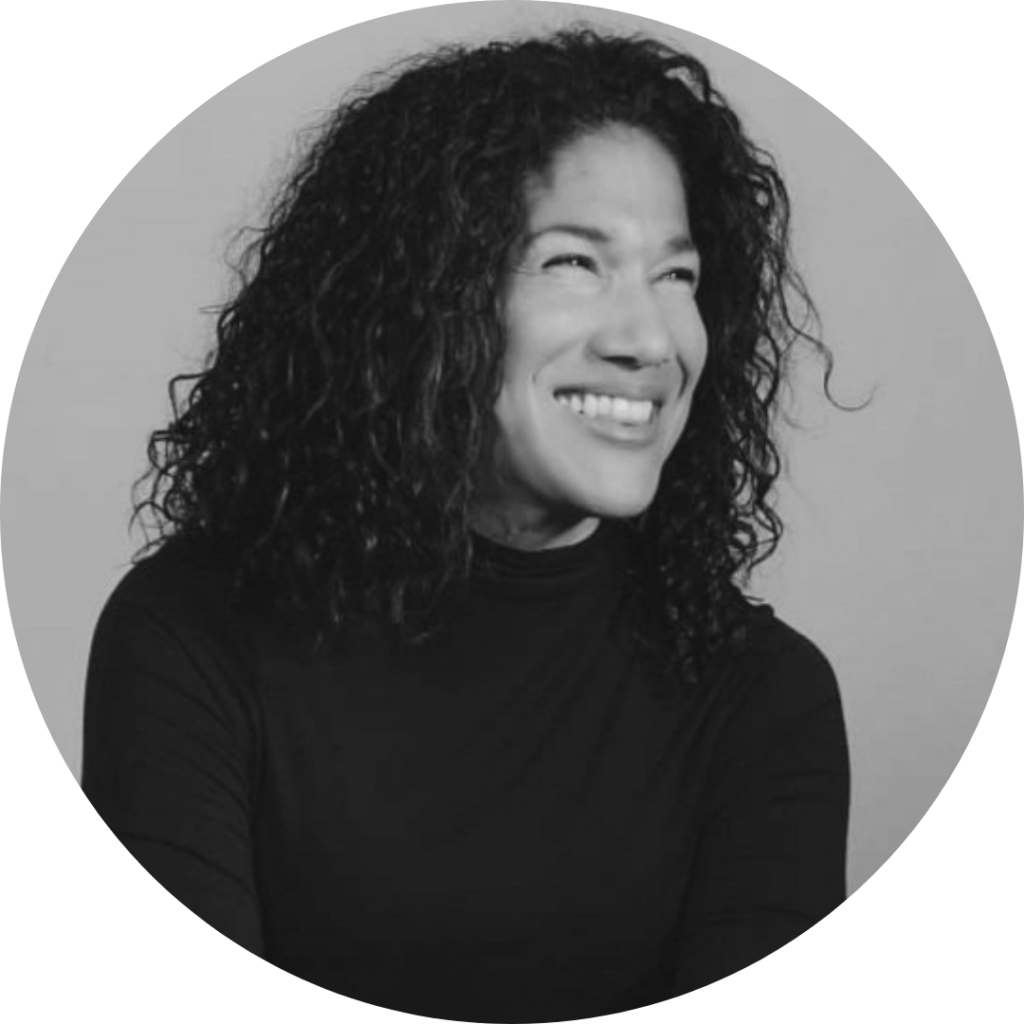
Yadi Caro is an IT Project Management Lead at SAIC, a leading technology and engineering firm supporting government and enterprise clients. In her role, she oversees complex IT initiatives, guiding cross-functional teams to deliver projects on time, within scope, and aligned to mission-critical objectives. With strong expertise in project planning, stakeholder coordination, and risk management, Yadi brings a structured yet collaborative approach to driving operational efficiency and successful outcomes in high-impact environments.
Resources from this episode:
- Join the Digital Project Manager Community
- Subscribe to the newsletter to get our latest articles and podcasts
- Connect with Yadi on LinkedIn
- Check out SAIC
- Yadi’s book: Hardcore Soft Skills and podcast
Related articles and podcasts:
Galen Low: Soft skills can be a bit divisive these days. On the one hand, your LinkedIn feed is telling you that soft skills are the future for anyone who wants to stay relevant in the age of AI. But on the other hand, a lot of teams bulk at the value of soft skills and organizations are still resistant to investing in soft skills training for its people.
That's why for this episode, I brought in someone who champions soft skills in some of the toughest environments, including technical projects involving world class engineers, and four star general for the US Department of Defense. Together we're gonna be unpacking how soft skills can outweigh technical skills in the age of AI, we're gonna be exploring how micro doses of soft skills training can be worked into your team culture, and we're gonna be discovering that maybe soft skills are actually pretty hardcore. Hope you enjoy the episode.
Welcome to The Digital Project Manager Podcast — the show that helps delivery leaders work smarter, deliver smoother, and lead their teams with confidence in the age of AI. I'm Galen, and every week we dive into real world strategies, emerging trends, proven frameworks, and the occasional war story from the project front lines. Whether you're steering massive transformation projects, wrangling AI workflows, or just trying to keep the chaos under control, you're in the right place. Let's get into it.
Okay, today we are talking about negative perceptions of soft skills and how that may be holding teams back in contexts where technical skills and blunt force decision making are put on a pedestal. We're gonna be talking about how to upskill teams on soft skills even in the most hardcore team cultures like the defense sector, and then we're going to talk through some examples of the skills at work.
With me today is Yadi Caro, a Harvard educated organizational psychology practitioner, coach, podcast host, and author who has been working for almost two decades with software developers, engineers, and managers in the defense sector.
Her book, Hardcore Soft Skills and Learning Platform by the same name, helps dynamic project teams deliver results.
Yadi, thanks for joining me today.
Yadi Caro: Thank you so much for allowing me to be here, Galen.
Galen Low: Oh, I was really excited when we got connected. Our mutual friend had amazing things to say and as we were chatting I was like, ah, this is so important right now.
And I was just saying to you in the green room that like even in my community, I just came out of a conversation talking about soft skills, talking about how they're a little bit misunderstood, maybe deprioritize, some organizations don't even really know what to do with it. Yet, there's a lot of dialogue right now about soft skills being, you know, the most important things right now, the human stuff, the leadership stuff.
It's just still a bit squishy for a lot of organizations, for a lot of people navigating their careers. So, needless to say, I am super excited to dive into this with you. I hope we chase down a whole bunch of shiny objects along the way, but just in case, here's the little roadmap that I've sketched out for us.
To start us off, I wanted to just set the stage by hitting you with like a big hairy question that my listeners want your take on, but then I'd like to zoom out from that and talk about three things. Firstly, I wanted to talk about your experience leading technical teams within the Department of the Defense and why you chose to approach soft skills as something that's, you know, quote unquote hardcore.
Then I like to dive into some real world scenarios where gaps in technical knowledge across a team can be smoothed over by soft skills and even under high pressure and challenging environments. And lastly, I'd like to just dive into the future and how you see cultural perceptions of soft skills changing, especially in the context of AI.
How does that sound to you?
Yadi Caro: Sounds great. Thank you.
Galen Low: Awesome. Let's dive in. I thought I'd just start off with one big hairy question, and my question is this. When you're developing your platform for building high performing project teams, you coined this term Hardcore Soft Skills. In your opinion, do soft skills need a bit of a rebrand in order to land well with folks who think soft skills are a bit irrelevant, and if so, is there something that we're losing just by relabeling it without driving consensus on what soft skills can actually do to make human collaboration more effective?
Yadi Caro: Yeah, so that's a great question in the sense that yes, there's absolutely a need for a rebrand because when I started exploring the topic about soft skills, 'cause I didn't even discover the term kind of as I was starting the podcast because I was realizing after working with the teams. I work with so many talented folks that were very technically savvy, and even after having a bunch of people that were super brilliant in the room and realizing like, oh, the project's not working, or Why is this product not effective?
Or Why can't we make it work? It wasn't a matter of having the technical teams there. The A players, it require other skills, and that came about. Evident during COVID times that it require us to kind of reframe the way we were working together and collaborate and really care about one another, but also like figure out how do we communicate more effectively with the user.
Especially for me who was working at the time with a team of developers, we were all on psych. So bottom line is that as I started to kind of learn more about the importance of developing communication skills, collaboration, how to create creativity as a skill, that's when I realized like, oh, we're talking about the soft skills.
But when I thought about soft skills, so I thought about etiquette is like, how do you know dress well in an occasion in a, and when you shake the hands of somebody, look them in the eye. So that kind of like superfluous approach. Realizing that soft skills covers so much more, and there has been efforts to call them power skills or, you know, essential skills.
So when I thought about the term, I thinking like, well, they're hardcore because they're, you know, I'm a fan and hardcore fan, but also because of the fact that they're really like, they take a lot of effort. They're super difficult to master.
Galen Low: That's interesting. I hadn't even thought about that. I was like kind of interpreting it as like, you know, making soft skills more edgy.
But like, I like that framing of like, these are difficult things. These are not the easy things and we were just having a conversation in my community about, you know, it's quite easy sometimes, right? To like sell an organization, to get a team upskilled on something technical, right? A new piece of technology, a new platform, a new software that seems to have like immediate, you know, you can connect the dots from A to B, you know what your ROI is gonna be.
It makes sense, but actually sometimes the soft skills, even though they are important, they're harder to make a case for. Because in some cases folks think that like, we should have this already, right? We're professionals, like we know how to problem solve, negotiate, you know, collaborate. We know how to smooth over all the rough edges.
Clearly we don't. And the thing you said earlier just really hit home for me. You could have a team of all the A players, and I think people will really resonate with the idea that just because you have that doesn't mean your project's gonna go well. Doesn't mean the work's gonna go well, doesn't mean you're gonna achieve your goals.
In fact, we know that in a lot of scenarios when you have all the brightest people in the room. Actually, it's gonna be a big clash. It might even be less productive than only having a couple A players and then a bunch of people supporting them. And I think a lot of my listeners can really picture that and imagine that and say, yeah, actually it might be hard to make a case for soft skills in a vacuum.
But when we're pointing at scenarios where we have like the brightest people working as hard as they can and the depth of their specialty and things aren't going well, I think that's really relatable.
Yadi Caro: Yeah. And even when you talk about certifications, like we talk technical certifications, but also like even the project management professional certification, that it gives you the essence of what are the processes, how a project should be, but then we realize like, oh, this project has people working on it that we need to deal with.
And as an example, I was talking with a colleague and she was mentioning about a question that she received on the PMP about if a team member doesn't wanna collaborate, what do you do when one of the answers was, point them to the agreement that you did and remind them of the agreement. It's like, that doesn't solve anything.
That doesn't help. So it's important to develop further. So it goes beyond just like knowing the processes and it is the nuances of dealing with people, which is always so, you know, complicated 'cause we're no robots, so.
Galen Low: Right. Yeah, exactly. Actually, probably a really good segue if we wanted to zoom out a bit.
I was really interested in your profile because you are a Harvard educated organizational psychology practitioner, and also you spent over 18 years as a contractor working with teams within the US Department of Defense. Currently at the time of recording called the Department of War, but that doesn't quite roll off the tongue for me.
But the psychology aspect of things is what really intrigued me. And then the pre-end of like organizational psychology. I was wondering maybe for my listeners, and for me, I was wondering if you could explain what organizational psychology is, and maybe even just like what role it played in your work within the defense sector.
Like why is it necessary and how has it been necessary to like drive the goals for your projects and your teams?
Yadi Caro: Yeah, so organizational psychology, to put it in simple terms, it's about how do we humans behave in the workplace and how to make people happier in the workplace or more effective in the workplace.
So it's it is a discipline that kind of covers all the different aspects of individuals in a workplace setting. And for my experience, in terms of the work that I've been doing with the teams in the military. It hasn't been specifically like the io, like the organizational psychology role. It's how I've applied that in all the different roles that I've been doing.
'cause I've been working in the titles that you can imagine, like business analyst, agile coach, project manager, meeting project managers, and. It all boils down to how to make processes or people work together more effectively and how do we communicate with the customer to make sure that we have a better product.
So product development as a whole, and what organizational psychology has enabled me to do is to identify what are the things that could be working better? Like for example, when I'm as an agile coach, launching a team, what's the right formula to kind of launch them as a team? Like the ability to make sure that we connect better first.
And then what are some techniques that are for more effective for collaboration? What are complex styles? Also, when we deal with teams, so it's all about human psychology. It's not about, for example, going back to the example of Agile coach. It's not about how to teach people how to use a specific tool.
It's about how do we get people to manage change and therefore adopt it and work together. And talk to each other. So it's all about psychology. So that, I think that's been critical in terms of how I do my work, working with all these teams and coaching them to work better together.
Galen Low: I like that. It's like an underpinning, right?
It's not like you went in, like you said, your role was not to be a practitioner of organizational psychology. Your role was to make sure stuff got done. That involved collaboration, that involved like the nuances of humans working together. It was like a tool in your arsenal to kind of get teams to work better together and not, you know, it's funny, I'm gonna speak from what I think is some of a listener perspective of like, okay, a lot of the times we can be guilty, like project managers, you know, agile coaches and what have you.
We can be guilty of like, I don't know, throwing the book at people. Like, we're like almost being a bit too preachy about it. You've got to like embody these philosophies, you know, like drink the Kool-Aid and all this. Which in and of itself is a thing that can like, really make people resistant to it. You know, they don't wanna be told that they have to, you know, be part of this group and they have to like gain entry to it, but rather, it's it's more fluid is the word I'm finding.
But what I really mean is like. It's more core to us being humans. It's more a skill that we can use across every kind of like inter human interpersonal interaction. It's not necessarily like, you know, this like book that you need to follow. Like here's the rules and you have to use these words and then we're gonna work together as a team so much better if we were just use it right Vernacular.
Yadi Caro: Yeah. And even for any effort, like for project management, for organizational change management, that it all applies in terms of there are the steps that you need to follow, like for the project initiation and planning and all those things. But it is important to follow them. But the people that are on the other side of that are not the PMs.
They don't really care, per se about what's going on. They care about delivering something. So how do you maintain those processes in the background? Like, yeah, you're gonna lead by these philosophies. Also as you work with them, in order to make the project work or the change work, you have to deal either in an individual basis or helping people give them the tools to, for example, as a project manager, how do, when you hold your meetings, you need to develop that skill set of how do you have an effective meeting?
There are some techniques that you can use and allow you and your team to have a better meeting where you know all the voices are heard. How do you become a better listener in terms of. When listening, it's a whole science as well that there's repeating back what you hear or kind of pausing.
So just little tools and tips that you need to consider to help you become better at those soft skills and do your work better.
Galen Low: I wondered if we can like dive a bit into that. You mentioned, you know, you have held a lot of different titles and roles, you know, working in the defense sector and other sectors, mostly with technical teams.
You've mentioned BA. You mentioned project manager, agile coach, leading teams of project managers. And what I know about some of these projects is that you know, you're working with a very cross-functional team and like you said, a players and like deep specialists in their craft, people who really know their stuff.
The experts probably on quite sensitive projects and probably with a lot of different types of personalities in addition to their technical expertise. I'm imagining you're working with folks who are, like, you mentioned, developers and engineers, but like also with bureaucrats and politicians. But what I mean is, you know, people who are non-technical, non-technical stakeholders, government stakeholders, but when it comes to like leading these diverse teams of, you know, different specialties and different personalities, like how can the soft skills.
Smooth over some of the gaps when everybody is like so excellent at their technical skill. How do soft skills fill in the gaps in between so that these eight players can be productive together?
Yadi Caro: Yeah, so it boils down to the soft skills are kind of the, in the background, in the sense of. As the framework I have, for example, that I described in my book, is that for any work that you're gonna take in for any project or just entering with any team, the first thing that you need to do is just connect with the folks that you're gonna be working with.
So either be a general, or either be like the technical teams, it's just like, okay, we're gonna do a thing together. Let's figure out ways to connect. They build up empathy. And I know it sounds so soft to use the term empathy, but just understanding like the perspective of the other, part of the little skills that we need to be thinking about in the background of like, how do I really connect with the folks and not just come in and say, this is what we're gonna do.
Yes. As a general, you probably have that, you know, working with four Star Generals, they have been agenda, but even themselves have made an effort to like, okay, I need to connect and meet the people that I've been gonna be working with. Which is sometimes something we take for granted that we work with people, we don't really get to know them or find their strengths.
So that's the part first, and then you figure out the communication part, communicating the vision. It seems so simple, but it's not something that we're repeating enough of like, okay, we're gonna work in this project and it probably has some sort of acronym that people cannot understand. But then you ask about the, like, what is this for?
You know? It's reminding yourself and reminding the team, like, okay, we're gonna be working on this refresh of laptops, but well, what is it for? Oh, well then you kind of wanna go ahead and remind the team. All those things. Then setting the stage for the collaboration and creation, which is first you have a team agreement, and that's something that saves so much time and effort because just agreeing as a team, especially as a pm, as a project manager, deciding what are we, do I prefer with the communication?
How often are we gonna be meeting? How are we gonna prioritize? So oftentimes like. It's a priority depending on what the general says. Well, yeah, at least we know that's what's gonna be the priority and then the part of the continually correcting, which is that as a team, and that's something very popular in Agile frameworks as you may know, which is that the retrospective or kind of reflecting on what you, not wait till the end of the project, but just.
Constantly working ways of how you're gonna manage conflict effectively, because a lot of times conflict erupts and then you have to come with like the boss. Yeah. To kind of put the rule in the team. That's the framework I use, which is basically all based on the aspect of, as you build a team, you need to slowly develop this skill that you're gonna be working with.
Galen Low: I like that it you know, boils back down to relationships and context and trust. You mentioned something earlier about, you know, empathy being a word that sounds very soft and I've experienced that, right? It's like, okay, that sounds a bit too hippie, a bit too woke. Like, I don't really understand how this fits into, like, how we deliver impact.
It's just, you know, it's the way it is. Four star general comes in, tells us how it is we do it. Like that's just rank and file what we're gonna do. I also like that it's not like, like the way you phrase it. And I do want to kind of get into phrasing after this, but the way you phrase it is not like, you know, we've given some of these things a name, right?
Like retrospective, you know, like kickoffs, all these sort of ceremonies along the way. And I sense in the industry that there's some fatigue around that and that's what kind of gives people like resistance to it. The resistance to the idea of doing a sprint retro, because there's just so much imbued in that word.
But really it's like, let's talk about what happened, you know, what's been done, how can we improve and when we like boil it down. Communicating and having a relationship with one another. Like that's not useless, right? That's not irrelevant in anyone's sort of reality. And it was actually really interesting to hear.
I've never really worked in the defense sector and I know that there are going to be stereotypes of course, right? With the four star general with how the military is organized. And I think a lot of us, you know, picture in our heads my way or the highway, I don't need to get to know you, you know, private.
Like I, you just have to do what I say and we have this image in our head, but it's actually really refreshing to hear that. And even on your podcast. The names you're bringing on the names and their roles. A lot of folks, you know, I'd like to say breaking the mold a little bit of, you know, the sort of military stereotypes who are like, yeah, of course I need to build trust.
And I think a lot of folks who have served, who are listening to this or who have, you know, a background in defense and military, they're gonna say, of course. You don't do these things without trust. You don't do these things without relationship. But like the pop culture, you know, Hollywood media, for me, I'm like, there's the drill sergeant and there's a like, you know, and it's like there's no room for soft skills.
There would be no room for soft skills. And gosh, it what an uphill battle. I was refreshing to hear that, but I did also wanna get into the idea that like. I know that's not a change across the board. Like anywhere in any sector, you'll still come across folks who are just like not in love with the idea of soft skills.
Like either, you know, the generals, like they're your project sponsors, your, you know, leadership teams, but even like folks on the project team like might be like yeah. Pause and listen. Well, like, yeah, like. Tell me how to hold a knife and fork. Like, you know, I'm not a baby. And especially like when it's like high pressure, you know, technical and especially in a hierarchical environment, you know, I could see that a lot of people might be like yeah, this is a waste of time.
Like doing this like team building exercise. So like in those circumstances, like when the word soft skills is like an automatic turnoff for team members or maybe the entire team, like how do you launch that team effectively towards high performance without like this notion of soft skills being that like non-starter.
Yadi Caro: Yeah, so it's interesting because even for my experience working with the military have been discovered that the higher they rank, the more they care about, like the aspect of cultivating those things. I will talk to them about books they recommend, or even in the podcast, I've talked to Navy seals and leaders that have like a led, like a submarines and that they, we take a deliberate effort to really understand.
How can I serve the people that I work with better or that work for me? How can I serve them better? So I think it's a mindset of the tough general who doesn't have feelings like what you see in the movies. It's not what I have seen about experience in the workplace. It's a really a care that I had a working with a four star general, that he would walk around.
That's 'cause he wanted to know the people that were working and appreciative of the work that they were doing. And sometimes it's a lot of, when we talk about soft skills. Leadership skills that we have to frame it in a way of how to be a better leader, even if we not necessarily may lead, but the use of the term leadership is very popular to kind of describe how to work with the teams.
I find that problematic at times because it thinks like, okay, I'm the leader. I'm gonna be the boss and I'm gonna be forging the, for the group, for the case I'm making with the pockets. It's like, it's not just poor leaders, it's like, oh, we just need to play along better. You know? So when it comes to the soft skills, instead of saying we're gonna have a training on soft skills.
We'll go to say, Hey, let's have a training on, for example, how we're gonna launch a team effectively. Clear communication is something that, or conflict resolution, how to manage conflict effectively. So focusing on the end goal is more effective than saying like, Hey, we're gonna learn how to, you know, build empathy like that will not go well.
Necessarily, it's more about, for example, understanding the user or something along those lines that will describe the end goal. Even the term psychological safety. I was working with a manager and he was like, yeah, don't use that term. Use psychological safety. Like, okay. So it's more about the ability to have the courage to descent in the higher ranks, to be able to have the courage to be able to say, Hey, this is not right, or we should think about it differently.
So we will have to find different terms based on the end goal of what we wanted to achieve instead of a blank soft skills training type of approach.
Galen Low: I like that because, you know, it's again, just kind of takes it outta the context of something that, you know, might be attached to a whole bunch of other meaning.
I love that, like the phrasing of like courage. And as you were saying that I was like, okay, I get it. Not just the outcomes of what we're trying to achieve, working together better, better communication, all those things, but also the values. We have as a team, you know, where courage is something that, yeah, we wanna be courageous.
Not to say that there's many teams out there that would be like, nah, we don't wanna be courageous. I mean, I'm sure there are those, but you know, it it's something that kind of aligns with values as well as the outcome. You know, I have this I wasn't sure if I was gonna go here, but I was like, there's a lot of like word avoidance these days, right?
I was at an agile conference last year and there was a talk, a great talk, but it was like, how to do agile without using the A word. You know how to create psychological safety without using the word psychological safety. You know how to do all these things without saying the word that people are gonna go no.
Don't say that. Like, if we unpack that, like what are some of the reasons, in your opinion, why some of these words become dirty words? Like is it like. Something must have happened along the way that people are like, yeah, no, we don't need someone to do the psychological safety training. We need this other result.
Like what creates that stigma around a word?
Yadi Caro: It may be in terms of the results are not seen necessarily. They're not evident because I'm thinking for the term Agile, that's, there's a lot of people that say, and see this is why I don't do Agile, because it's just, it takes too many meetings. It takes a longer time.
Like basically it's on the implementation of, or the focus, for example, like. We're agile, yet our outcomes are focused on old story points. Like, great, you did a thousand story points, good for you, but whether you deliver, so, and I've seen that in organizations, it's the, when we forget to focus on the outcome, if we say like, we need to have that psychological safety as a team.
I'm like, but so what? So we can work together. Then we know like we are, instead of using that, for example, framing yourself as a team, like, Hey, we address things directly. We wanna be as effective as possible, so therefore we are able to just give direct feedback. If something is not working, then we talk about it and then we fix it right away.
So it's a matter of focusing on the outcome and perhaps the obsession with words too, that when we say, oh, we need to build empathy, but without connecting it to the end result. The same with agility. We need to be agile and focusing with the wrong metrics. I think it's part of the problem right now.
Galen Low: I think that's a hugely good point.
And like the things I'm thinking about right now are like, they were all like movements or trends and whenever there's like a trend, there's always folks who jump on the bandwagon who might stop short of the goal, maybe with the best of intentions. Right. You know, like, and I'm trying to think through like, am I sort of Rolodex of like.
Coaches and consultants who do leadership training or you know, who did focus on things like psychological safety and they're sort of up against this sort of idea that you're just gonna say, oh, we need to create psychological safety. And like the end, like without sort of getting to the outcome and maybe not even being able to measure like the effectiveness of having gotten there.
And I'm like, oh, of course. Yeah. Like of course people feel a bit stung by it. If they've been working with folks like that, who like stop short of the goal.
Yadi Caro: Yeah. And even connecting it to the business goals, like for example, there was this tendency of getting agile training, like let's get everybody certified on this particular Agile certification.
Everybody's trained, everybody was trained, and now what like were you having connected with? How are you gonna implement it to the outcomes of the organization? Great. You're gonna have a leadership training, but for what? What was the need that you were trying to fill out with that leadership training?
All because we wanna, people in managerial roles, and now they're able to do so. So connecting those things, even as a trainer or a workshop facilitator to really understand, okay, I'm coming to this organization. They're gonna have this training. That's the end goal that they want to achieve. Here's my part to at least give them the tools.
And as I give them the workshop, the training. That they are able to start connecting it to real world scenarios. I think that's very important.
Galen Low: I love that. It actually, it leads me down this other path where I'm like, okay, yes. Like in the circles that I travel in, you know, we know these skills are important.
We know that teamwork is important. We're collaborators, we're communicators like we know this is, you know, valuable. I love that idea of tying it to the business goals. 'cause then you can kind of trace it back. But the other sort of softness about soft skills is like the attribution, like, you know, being able to prove that because we did this training or because we, you know, have been dialoguing in this way, or because we've done these sort of like team building activities that has.
Move the needle on our business goal. A lot of people will be like, yeah, we, there's a more direct line you can draw between like, well, everyone needs to start using Cursor and if people are using cursor, then we'll see efficiency gains. Okay, this many people are using cursor. You know, to your point, it's easy to be like, oh, now we're doing a thousand story points.
Say perfect, right? Like great, we can draw a straight line, but like for the soft stuff, part of the challenge is that you can't necessarily draw a straight line or there's gonna be resistance to the idea that the thing you did to help build these leadership skills in your team. It like directly impacted the result and the outcome of the project, or, you know, the outcome to the quarter or what have you.
Yadi Caro: Yeah, and there are some metrics that we can find. I was reading the other day for example, that of the cost of hiring an employee that's conflictive, that loves to get into bad conflict with people, that therefore the cost of hiring is thousands of dollars per employee. And I'm thinking, well, what if that employee that's brilliant, and instead we give that person the tools of how to manage conflict or we set up instead of having the manager intervene, like, okay, hey, as a team.
Let's practice do a little bit more better retrospectives or how to address conflict. Like here's the framework that we're gonna use as a team. Think that will, that those an outcome that you can save money there in the sense of keeping your workforce. Because if managers think about our organizations, think about a lot of the issues that happen is either miscommunication or either, you know, a conflicted person or not you know.
There's a lot of things I may not have to do with the ability to do the work technically, that it boils down to like the, here's a person that's, you know, conflictive, or here's a person that it's not doing the work. They don't know how to manage their time, so maybe if they do manage your time better, let's give them the tools.
And even after that, nothing really, you know, results, but at least you try and give them the tools to improve on those angles.
Galen Low: I like that. I like that sort of way of measuring it and like, you know, escalations are expensive. There's like an opportunity cost as well as like some of the folks who have to step in to deal with, you know, and resolve a conflict, could have been doing something else that might be much more valuable.
So to be able to sort of say, okay, well yeah, listen, like these things didn't escalate. We were able to solve like a number of problems as a team using the tools that we were trained on. You know, I think that's a good data point as well.
Yadi Caro: Yeah.
Galen Low: I wondered if maybe we could go through a few examples of like some of this stuff in action.
And mostly the lens I wanna put on it is that, you know, I, I know that like I'm not gonna paint everyone with a brush, but I think there is a cultural understanding that humans working together, there is a skillset. You can be better or worse at working with others and that is a thing. But I do find that a lot of people are still trying to convince their respective organizations, their businesses, to.
Make this a priority, like to make leadership skill development a priority and maybe provide some education around what some of those leadership skills are and what outcomes they would drive. So I was just wondering if maybe we could go through a few examples of, you know, your Hardcore Soft Skills, how they can be applied, and maybe like how you approach it a bit differently than some of my listeners might interpret them or consider them and their sort of understanding of soft skills.
Like one of the things that you had mentioned. Leading up to this was this notion of like adapting to change. And especially the example you gave earlier where it was like, okay, well, you know, pointing back at the team working agreement and being like, oh, well that's what we agreed to. I thought maybe as one of the scenarios I was hoping maybe we could dive into like.
Maybe someone like knew joining a team mid-flight, mid-project, mid mission, who maybe wasn't around for that like agreement. Like they were not part of that. They weren't there at the kickoff. They've been brought in because they're like best in class of their like technical expertise. They're only somewhat interested in building bonds with these people because they're just here to like do a job, you know, fix a problem, but it's causing like friction on the team.
Maybe could you walk me through how a leader could approach that to have a better outcome, to drive results, to get people collaborating more effectively, and maybe even like how that can translate into, you know, impact for that particular project.
Yadi Caro: Yeah, so if we are talking about a new team member that's walking into a scenario that all the people that are all.
You know, working together effectively as a leader, it is important to practice the skill of kind of bringing the person in and giving them a good onboarding. Of course, I know it sounds like a very human resources term, but a good onboarding in terms of the, of bringing them in showing them like the processes or that team agreement, but a team agreement that has not just like, here's where the libraries are, here's where everything is that they have with the team.
What was the vision of that team? What were their preferred ways of communication? How do they prioritize? Kind of include that there, and it's part of the framework too, of as they bringing that person in, important to take a pause with the rest of the team so they really connect with that person. You know, even if you don't wanna talk about like, you know, what's your favorite hobby perhaps, but at least you know, like, okay, what was your.
Previous experience, what are your strengths that you bringing to the team? What's the role of everybody on the team? And they can listen in and understand like, okay, in a very transactional way of, I'm a person that's already in the team. I know this new person could help you with this. So, okay. So, and as a leader also establishing that mentorship capability with the team that understand that, hey, as a team, in some way we could be mentoring each other on beer friendly areas.
So I know this new person can give value to the team, a mentor or them in this areas, or receive mentorship in these other areas. That's part of the connecting with the team member. Then communicating the vision up to the team and having that hopefully the leader has established venues that they have affected communication and the leader has practiced the skills of having good meetings.
Which is that it's not just, you know, one person talking this meeting could be an email. It's more along the lines of giving space to everybody to have effective brainstorming sessions. So that's another skill that you can develop in terms of how do you allow the voices to be heard around the room, either a virtual room or a physical room.
So, the collaboration part and how they create together and how do they respect each other's ideas. And perhaps if that person is not used to that, a good leader may have established a way of, you know, we in this team we give and receive feedback, so we are gonna tell you if something is not working. But good feedback.
Also, another skill giving feedback is not just about attacking the person of a saying, like, you're just not cut out for this job. It's more saying like, okay, seems that this particular process, did it work out? Feedback is such another skill that, that as leaders, we all need to practice very much.
Galen Low: Absolutely.
Yadi Caro: Yeah. So that kind of goes through the cycle of the connection, communicate how you collaborate and create items together and keep correcting. And that person will kind of be integrated into the team and then start, it could take some time, but at least it starts giving value. But if the foundation has been established for, to have a successful team that.
Has developed those skills effectively that they could have some meetings, maybe terrible, but other meetings they, they realize like, you know what, let me learn a little bit more about meeting management. So I may able to have a better meeting because a lot of the times that's a problem that we think like, I'm just not a good communicator or I'm not able to do this.
But if they think about them, like, okay, I have a gap here. Terrible at. Let me either read some books or see this course so I can handle conflict better and let me develop this skill. It's that mindset that the teams need to have to kind of incorporate themselves and work better effectively.
Galen Low: I really like that and it crystallizes the idea of like, why we call it leadership skills, like you mentioned it earlier.
It is possible, right? You say leadership skills and you see some leaders who are just barking commands at people and you're like, yeah, that thing, but actually this idea, like what you explained to me just there, like the stack of skills, right? Like in order to onboard a new team member, effectively you need to have already a establish some of these values with the team, which also means you have to have been better at sort of having meetings that are not one sided.
They would've had to be better at listening. You're actually leading the team into some of these more productive habits, into these more effective habits. So that everyone can, a learn from one another. Like I love that as a value, like a value add for this. And also, you know, drive outcomes together without like hitting conflict in a way that stops us in our tracks.
And the thing you said earlier, you know, like of just kind of like a gentle pause and it's almost functional. Even though it's still about connection, to not have this person like try to jump into a moving car, which is often how it feels, especially with projects that I've run. It's like we're just moving so fast.
We've got a deadline. We need a new team member to just swap in. So we're gonna like hit them with the fire hose of information, read all the documents, get up to speed. Then do your thing. You know, you're just slotting into a fast moving train. Whereas actually even just that slight pause and not like a, oh, we're gonna do like an offsite on Thursday to do trust falls, but to be like, listen, we're gonna take a pause.
We've got a new team member, everyone round of intros, let's like go through to reiterate the mission, which is probably useful for people on the team as well. And. Have the connection, which is not usually one way, like, here's all the information you need, go, but like, you know, let's develop a way of working.
Let's develop trust, let's develop a relationship. Let's be connected as humans so that we can like achieve this mission together.
Yadi Caro: Yeah.
Galen Low: Yeah. It just breaks down. So like naturally to me.
Yadi Caro: As you were talking, I was we calling a specific situation with one of the teams that I work with. That part of integrating the new team member, what we'll do is have one of the existing team members, instead of being a manager telling, you know, repeating the same thing over and over, it'll be like, Hey, it's your turn to talk about our values.
Go ahead and explain them. And then they practice their communication skills and they also remember how to, you know, like, oh, is this what we stand for? So kind of putting them on the spot to be able to practice their communication skills and also understand that it's not, you know, coming top down. It's like, as a team, we, these are our values.
This is how we work.
Galen Low: I really like that. I also like how micro it can be and still be effective. And I think you and I chatted about this before, but especially some of the conversations I'm having recently where, you know, it's hard sometimes for organizations to invest a lot of money in leadership skill development all at once.
Especially because, you know, a, there's still. Coming away from the stigma of some of these things, right, where someone's been sold a bill of goods and it hasn't really resulted in an outcome, you know, okay, well maybe we don't really want to spend $2 million on, you know, psychological safety training. But you know, as you're sort of describing this, what I'm picking up is that it doesn't have to be this big.
Program that, you know, is like gonna take 18 months to complete and everyone's gonna learn to be a good leader. But until, you know, December next year, everything's gonna suck still. Right. Whereas like what you're talking about is like, you know, you could go in for like Yeah. Better communication training.
It could be like a lunch and learn. Then developing the habits so that in a way the team's kind of training one another by practicing these things. It's like training in the project or in the mission rather than, you know, stop everything. We have to go get a degree in being better leaders and then come back to it like, no one's gonna invest in that.
But I like this idea. Maybe my question is, do I have the right idea here? Like, can it be smaller, like smaller components rather than wholesale, you know, training to become better leaders?
Yadi Caro: I absolutely, that's, you've captured it well, that it's a micro learning as it applies to the situations. Because first you could start with like how to launch a team, like you launch a team and just that mindset of the team members realizing like the other stuff, we have the skills of, you know, coding or we have the specific skills of troubleshooting.
But also, hey, there are these other skills that I need to develop in terms of the communication, in terms of giving feedback. So just having that mindset of is a continual learning. And these are skills is very important because, for example, the, a lot of the times when I see in teams is that they think that where the, for example, the tech team or we are here to do this role and it's up to the manager to fix everything else, right?
And having to intervene, communicate like, no, you engage with a customer. We don't talk to customers. So that mindset. It's definitely not applicable to today's workplace where everybody needs to be able to be doing the thing one-on-one with the customer, sitting with the customer, and some of the best developers I've worked with, they are the ones that, they're great technically, but also they are able to explain things in simple terms, which is.
So challenging, but they are able to sit down with you and have that mutual respect to understand like, okay, let's level up the knowledge and explain the, that kicks the communication skills that they have to explain things in simple terms, and also have that empathy for the user when it comes to like, let me understand how you use my application.
And then, you know, and you observe you and go ahead and develop something better. So it is definitely learning in chunks as you would do, I think with any of the other technologies available that it, instead of getting a certification, I think it's more effective to learn on the spot as we practice.
Galen Low: And there's two things there that I wanted to kind of pick out.
One, I love that idea that like, especially from a project management standpoint, right? Like there's a lot of us, you know, myself included sometimes where, yeah, I take a lot of pride in being the person who is. Client facing, you know, who is the communicator whose, you know, job it is to like keep everybody, you know, doing the right thing to stay organized.
But actually the real value is cultivating a team that organizes itself, that also values, you know, these things like delivering value for the customer, communication, you know, staying organized. And then I love that second bit of just like the, you know, as a differentiator. Being the person who is multifaceted.
And it could be your advantage in your career, you know, to be the technical person, the developer, who also can do really good storytelling. Or the data person who can tell a story with data. Someone who can kind of distill and translate to, you know, other. Types of people, personalities and skillset and like that is sort of, you know, what is valuable right now.
Yadi Caro: Yeah. And that's so important, especially now because knowing that AI can do a lot of the things that developers do or that we do, like the tasks that are, so any tasks that could be automated will probably end up. You know, AI taking over. So this is why it's important to develop the other skills, and not just for that, because we wanna compete against it, but because we wanna develop better things.
Now that the technology has scaled, it has shifted so quickly, then we need to work on ourselves in order to not just catch up, but also how do we make prompting better? How do. Talk better to the machine. That's why we need to have a better communication skills or problem finding, not just problem solving.
Like, okay, AI can solve the problems very effectively, but what if we're giving them the, giving it the wrong problem to solve? This is what we need to go back to, like building that, listening to the user, listening to the customer to understand that instead of developing the product faster, but it's equally wrong, we develop a better product to or perform the project better for the user.
Galen Low: I love that you're totally reading my mind. Like in my head I was like, I wanted to get into your podcast 'cause you interview so many interesting people. Instead, what I'll do is I'll point our listeners, you know, to the show notes, I'll link to your podcast, but instead, maybe I can put you on the spot a little bit because I love what you're saying and I think that is a question for the future that like.
People all have in their heads, which is okay. Yeah. Right now humans are collaborating, but also there's AI and we're collaborating with AI. We've got these hybrid teams. There's a whole camp of people who are like, well, actually technical skills is gonna be where it's at. Like we won't even be interfacing as humans potentially in the future.
But maybe I can put you on the spot and ask you like. What are the main leadership skills, the Hardcore Soft Skills that people should be focusing on right now, knowing that in the near future slash right now, like the nature of the way we collaborate is changing. You know, we are working, like you said, we're prompting machines, we are working together with humans and LLMs.
We are building agents to do a human's job. What are some of the soft skills? That are actually the hardcore, very keystone, very important things to have as we enter this new age.
Yadi Caro: Yeah, so certainly there's so many, but certainly adaptability is one because of the fact that everything's changing right now.
Even the jobs that the ex that we know may not exist in five years. So we need to be able to understand like, okay, how do I, instead of. Thinking of things that are happening to me and therefore, like that big team mindset, I guess it's understanding, like in order to adapt, I need to be resilient. I need to be able to reframe the change, understand what skills I have, and kind of, think about it, how am I gonna apply it to another situation?
So finding ways to develop your adaptability skills is very important because things are gonna be shifting very quickly. I think also the listening, or let's say communication, so listening, but it's very important to really understand each other as humans in terms of, we suck at listening. We wanna move our point across.
Particularly in the online world, we just kind of express our opinion and you know, and not necessarily have a dialogue. I think it's important to develop that skill to listen to what's not said, especially when it comes to, you know, interactions via online. Or via virtual setting. So it's a skill that requires a lot of practice, particularly as leaders.
And I'm thinking it's just so many, because I think emotion management is as another one too because, or let's say emotional management, but also the ability to manage conflict because conflict is a good motor for innovation because it can help people if we are able to collaborate and not just, you know.
Talk about the thing, but without really addressing the thing, we need to be able to cultivate the ability to like, okay, there's conflict. We could take this and kind of focus on the problem. There will be a lot of complicated workplace, but that could result in great products to develop and also keep our mental sanity on the way.
So I think those are at least three of the skills, the adaptability, listening for better communication and the ability to manage conflict effectively.
Galen Low: I love that and I love the bit about conflict because I think, you know, in a lot of cases we are thinking of it as like how to avoid conflict or like how to resolve conflict as quickly as possible.
Whereas actually sometimes we need conflict to make sure that, you know, we're doing the right thing. And the thing you said earlier really resonated, which is like, you know, we don't need to build the wrong product faster. We need to find ways to build a better product or, you know, drive a better result faster.
And that's gonna be up to us and the way we communicate, the way we listen to one another, the way we adapt, the way we are able to, you know, just like maybe disagree and find a way forward based on our goals, based on our values. And like that is gonna be the skillset. Especially when, you know, we've got AI doing some of the stuff that we were doing before, it's actually our responsibility to the collaboration to be better humans to other humans and to the machines, which is actually really interesting.
Yadi Caro: Exactly. Yeah. So it's all about becoming better humans 'cause if the AI is getting better, why can't the humans get better too? You know?
Galen Low: Yeah, right. Exactly. And in fact, that, that's a challenge to us is how do we keep pace at getting better as humans, as AI is getting better at AI. And some of the humor stuff too.
Yadi Caro: Exactly.
Galen Low: Yadi, this was so much fun. Thank you for spending the time with me today. Where can people learn more about you and your podcast and your book and Hardcore Soft Skills in general?
Yadi Caro: Yeah, so definitely going to my website where they'll find the link to the episodes, books, and also some of the courses.
So it's hardcoresoftskillspodcast.com. I'm also on LinkedIn, so I love to connect with people on LinkedIn like I did with you. And I really reply to messages like I put my own voice. I don't use AI when it comes to replying to LinkedIn. I really wanna understand the experiences of people. So you can find me, Yadira ‘Yadi' Caro, or just Yadi Caro and then you'll find me on LinkedIn.
Galen Low: I love that. I will also include links to all those things in the show notes. And Yadi, thank you again. This was so much fun.
Yadi Caro: Thank you so much for allowing me to be here, Galen.
Galen Low: Alright folks, that's it for today's episode of The Digital Project Manager Podcast. If you enjoyed this conversation, make sure to subscribe wherever you're listening. And if you want even more tactical insights, case studies and playbooks, create a free account with us at thedigitalprojectmanager.com. Until next time, thanks for listening.