

How to Work With a Founder Who Keeps Changing Direction

Founders are wired to look ahead: spotting opportunities, chasing possibilities, and imagining what the business could become. Project and operations people tend to live closer to today, turning those ideas into something teams can actually deliver. The friction between those two perspectives isn’t necessarily a problem—it can be the engine that moves a business forward.
Galen Low sits down with Derek Fredrickson, founder of The COO Solution, to unpack how operators can become the bridge between vision and execution. They explore why trust and clarity matter more than simply “getting things done,” how to challenge a founder without becoming the resident no-machine, and why strong project leaders need to know when to step out of the details and into strategic dialogue.


What You’ll Learn
- Why the tension between visionary leaders and execution-focused teams can be productive
- How operators can translate a founder’s vision into clear, executable outcomes
- Why moving from founder-led to operator-led requires both systems and a mindset shift
- How trust, empathy, and emotional intelligence help operators influence decisions
- Why strategic thinking means asking better questions—not simply pushing back
- How understanding the “why” helps teams take greater ownership of execution
- When project managers need to leave the details behind and meet leaders at the strategic level
Key Takeaways
- Treat friction as a translation problem. Founders are often thinking about where the business is going while operators are focused on what needs to happen today. Strong operators act as the glue between those perspectives, translating vision into execution and bringing operational realities back into strategic conversations.
- Get the founder to sell themselves on the idea first. Before turning an idea into a project plan, clarify the desired outcome and success criteria. Asking what success looks like three months from now can reveal whether an idea has real substance—or is simply the latest shiny object.
- Be a “yes, and” operator. Immediately shooting down an idea can shut down valuable ideation. Blindly agreeing creates a different problem. Start with curiosity, then use clarifying questions to test assumptions, priorities, and outcomes without turning the conversation into a fight.
- Don’t drag the founder into the how. When discussing an initiative, focus on what, why, when, and who. The detailed how belongs with the people responsible for execution. Think of it as meeting the founder halfway rather than pulling them into your 42-point checklist.
- Build trust by making the business less dependent on one person. Processes, playbooks, systems, and clear ownership allow teams to deliver value without routing every decision through the founder. The goal isn’t to remove their expertise—it’s to make that expertise scalable.
- Keep connecting execution to the why. Teams become order takers when they understand what they’ve been asked to do but not why it matters. Context gives people a better foundation for making decisions, taking ownership, and seeing how their work contributes to the bigger picture.
- Know when the environment is the constraint. Strategic thinking requires room for questions, clarification, and healthy pushback. If the culture only rewards “just get it done,” an operator’s ability to contribute beyond execution will always be limited.
Chapters
- 00:00 — Founder Friction
- 03:08 — The Operating Gap
- 06:05 — Growth vs. Operations
- 09:34 — Founder-Led to Operator-Led
- 16:51 — Building Trust
- 23:00 — Scaling Founder Value
- 26:57 — Vision to Execution
- 32:49 — Bridging the Gap
- 36:45 — Getting Too Detailed
- 40:37 — What, Why, When & Who
- 43:11 — Beyond Order Taking
- 46:58 — Pushing Back Productively
- 51:55 — Getting Out of the Way
- 54:41 — Connect With Derek
Meet Our Guest
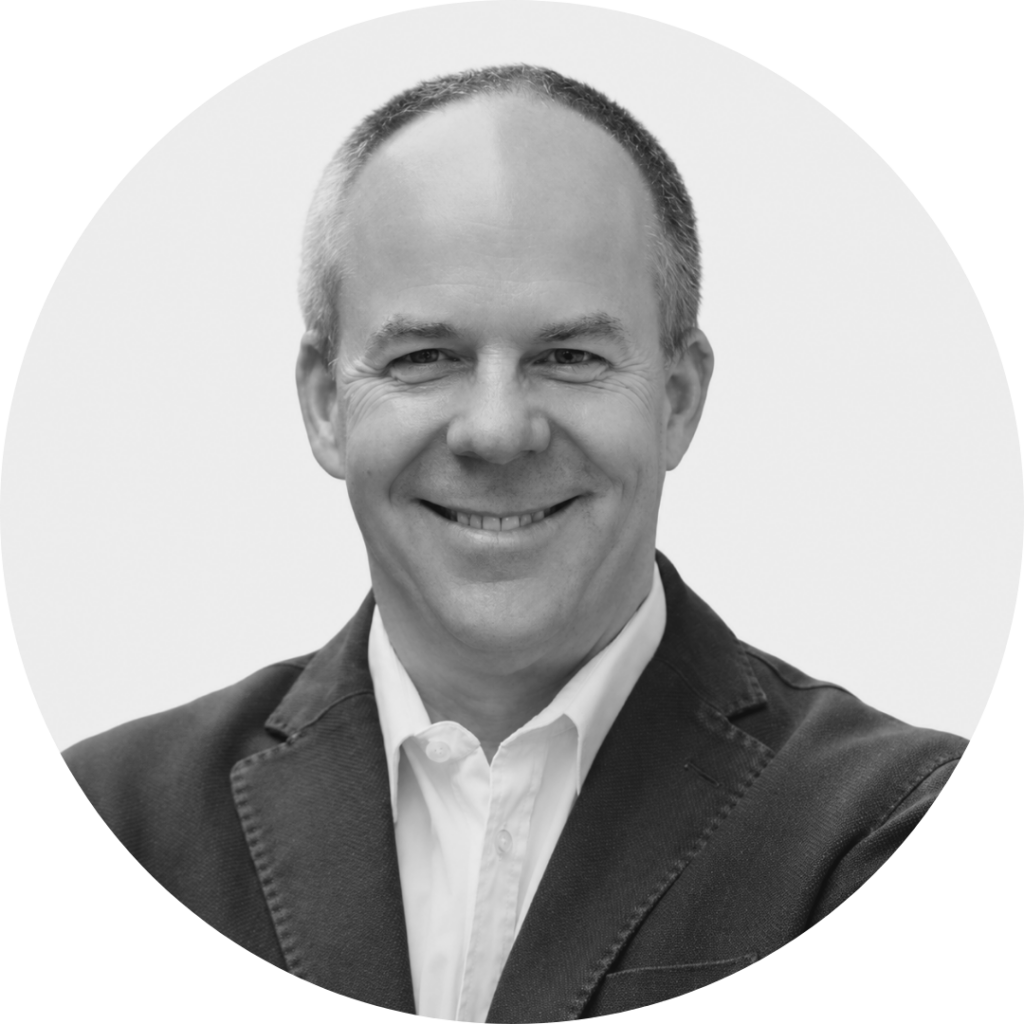
Derek Fredrickson is the Founder and CEO of The COO Solution, a fractional COO firm that helps founder-led businesses build the systems, structure, and accountability needed to scale. With more than 16 years of experience as a COO and second-in-command, including at Boldheart and other six- and seven-figure businesses, Derek specializes in translating founders’ visions into executable strategies and sustainable operations. Drawing on his experience with EOS® and operational leadership, he helps entrepreneurs strengthen their teams, streamline execution, and step out of the day-to-day so they can focus on growth and long-term vision.
Resources from this episode:
- Join the Digital Project Manager Community
- Subscribe to the newsletter to get our latest articles and podcasts
- Connect with Derek on LinkedIn
- Visit The COO Solution
Related articles and podcasts:
Galen Low: Founders can be frustrating. I know because I've worked with a bunch of them, and also because I am one myself. Founders set the vision, but their ideas aren't always clear or realistic. Founders get things started, but usually move on to the next thing before they're finished. Founders are determined and decisive, but they are also very easily distracted by shiny objects.
And for us operational, process-oriented minds, that can create a bit of friction. It makes us feel like we're being asked to chase our own tails. It makes us feel like the execution part isn't valued or respected. It makes us feel like we're being tossed around by the waves instead of being given enough control to just get away from the storm.
So how can we navigate this tension? How can project and operations people add to the conversation rather than just shrink into order takers? To answer that, I've brought in someone who has been an operator and a founder, and who now pulls from both sides of the equation to help entrepreneur-led businesses convert this tension into healthy, sustainable growth.
We're going to get into the founder's mindset, explore the relationship between vision and execution, and discuss strategies for influencing the way ideas are shaped before they get handed off to your teams. Hope you enjoy the episode.
Welcome to the Digital Project Manager Podcast—the show that helps delivery leaders work smarter, deliver smoother, and lead their teams with confidence in the age of AI. I'm Galen, and every week we dive into real-world strategies, emerging trends, proven frameworks, and the occasional war story from the project front lines. Whether you're steering massive transformation projects, wrangling AI workflows, or just trying to keep the chaos under control, you're in the right place.
And if you've been liking what you've been hearing from us lately, please consider following wherever you're listening or watching and maybe even leaving us a review. All right, let's get into it.
Today, we're talking about one of the most persistent sources of tension inside entrepreneur-led organizations, and that's the tension between a founder's vision for what the business could become and the operational reality of making that vision happen.
With me today is Derek Fredrickson, founder of The COO Solution. Derek has spent nearly two decades helping businesses turn ideas into execution. Drawing from his experience leading operations as a COO in several different verticals and industries, and his experience helping grow multiple founder-led businesses into the multi-seven-figure territory, he created The COO Solution, a team of experienced fractional COOs who work alongside founders to create the people, processes, accountability, and operating structures their companies need to scale.
Derek, thanks so much for joining me today.
Derek Fredrickson: Thanks, Galen. I'm happy to be here. Thank you.
Galen Low: This is great. I'm, I'm, I'm, I've been really excited about this episode because I have enjoyed sort of prepping together and talking through this. L- let's just maybe set the scene with a bit of a controversial question.
So in my community, my members often describe a pretty palpable tension, right, between their delivery and operations team and the founder's vision. And in a lot of cases, teams perceive the founder's vision as ranging from lofty, unrealistic, and haphazard to vague, shortsighted, and easily influenced by shiny objects.
So m- my question is this: people often use the word visionary when they describe founders. Is that just a euphemistic code for a leader that creates organizational chaos?
Derek Fredrickson: That's a, that's a, that's a, that's a tough question. I have to be careful how I navigate that 'cause I wear two hats. I'm, I'm a, I'm a CEO visionary, but I'm also an operator at heart, so I can see things through, through both lenses.
So I'll, I'll answer it from a, from a, from a CEO founder perspective. Yes, their, their, their lane is to be the visionary, right? Just the nature of the word is vision and looking more towards the future. Where are we going? What does the next quarter, what does the next year, what does the next decade look like?
That's the operating lane of the visionary, is to focus on where we're going. Not so much on where we are today because that's not necessarily exciting for a visionary, right? Because that's more of what's happening currently, what's the status quo, what's the reality of what, you know, the present day state of the business is.
But operators, COOs, project managers operations staff, they're focused on today 'cause they gotta keep the ship running. And so there is this tension that you mentioned between where are we going and where are we today, and how can we make sure that the ship is sailing towards where we want to go based on what the visionary, the founder, CEO wants to create.
But also, how are we going to reverse engineer what needs to happen today, this week, this month, this quarter in order to make progress and have momentum towards that goal? So there is a bit of a, I call it the operating gap between what the visionary's looking for towards tomorrow and what the operators of a team that are looking at in terms of what are we doing today in order to keep the business going, but also how do we get to where we want to go.
So there's a bit of a, there's a bit of a rub in there, and I'm sure we'll kinda unpack that a bit more.
Galen Low: No, I love that framing too, though. And I, I, I love it as well because you, you have these different perspectives. You know, you said you're, you're an operator at heart. You're also a business owner, an entrepreneur, a CEO.
You've been a COO in large businesses. So you kind of, s- have seen different permutations of this tension, and I really like that framing of the idea that, yeah there needs to be a vision for the future. The, the goal is not to keep doing the same thing, the s- the, the status quo.
That wouldn't progress us forward. I was chatting with a friend last night over dinner and, you know, on, on the one hand I'm like that person who was like, "Oh, can't we just, you know, village mentality. You know, we just like catch fish and, you know, we don't need to build scalable processes and, you know, build metropolises."
And I was like, but then there'd be no progress, right? There wouldn't be this movement. And as you say it I'm like, oh gosh, yeah, actually it, it is quite a burden. It's, it's quite a challenge that I don't know if everyone always appreciates. But to be creative and strategic enough to always be looking to the future, and then, you know, setting that direction.
And, and yeah, you have your team to sort of execute but they are kind of separate processes. If you kind of draw yourself back into the day-to-day, then y- you're thinking less about, you know, the vision and the future and where we could go. I yeah, I think that's sometimes underappreciated, I guess I should say for folks who are not, you know, at the helm, I guess.
Derek Fredrickson: Yeah. I think there's a... I, I use this analogy sometimes, you know, often. I, I, I say the word CEO, founder, entrepreneur, business owner, visionary, that's that box, right? And oftentimes again, like I just said, they're focused on where are we going? They don't get excited about the status quo. They don't excited, they don't get excited about the, the, the, the routine.
They get excited about what's new, what's exciting, what's a challenge, what's a risk, how can I push myself? That's how they got started to begin with. Entrepreneurs by nature are high risk takers, right? So they're very comfortable making big decisions, bolder bets on what the future will hold. That's why they started what they created in the first place.
But oftentimes what I've experienced is that, I'll just say founders, they often put their foot on the, the gas, right? And they're like, "I want growth, I want scale, I want 1X, 2X, 3X," whatever it might be. But also sometimes subconsciously they put their foot on the gas because unknowingly they realize that sometimes behind the scenes, the backstage, their day-to-day operations, the people, the structure, the systems, the process, the accountability, the, the metrics, they're not there to support that growth.
And so sometimes they stifle that growth and that vision-oriented mindset because if they do grow and scale, where does that fall on? Their shoulders, and it's more weight. It kind of feels like I'm still pushing the boulder of my business up the hill, and it feels heavy. It feels pressure. It doesn't feel fun.
It doesn't feel exciting. And so part of what I think operators, project managers, COOs, you know, second in commands, what our job is to kind of like, relieve the business owner of carrying the weight of running the business from a day-to-day perspective, and allow somebody who's more wired to execute, somebody who's got the strengths to implement on what needs to happen today, and then allow the visionary to be more in their sandbox of, "This is where I want to go."
And then they get excited about that, and they get more confident, and that's how there's this momentum. But in the beginning there can be some friction, for sure.
Galen Low: That's such a good word, like just the excitement of it, right? And as you said it, I was like, "Yeah, that resonates with me," you know? And, and I think you and I are both, you know, we have some of the same wiring where I do get excited about the operational day-to-day.
I do get like excited about, you know, delivery. But I'm also in, in a seat where I get to be excited about, okay, well, what can we do in the future? And what's the right next move? But I do agree with you that like they are boxes. They play well together. They, you know, in some ways y- they are sort of, different parts of the same machine, necessary parts of the same machine, necessary friction in some cases.
And you know, I, I do think that like that, that is the growth engine. The growth engine is the combination of the two and in some ways the tension between the two. Maybe, maybe we can zero in on some of that tension as well because, you know, you've, you've helped grow multiple businesses into the multiple seven-figure territory across a lot of different industries.
And your roles, right, have, have ranged, like you said, from CEO to COO to, you know, being a strategic advisor. And today your team, you know, you specialize in scaling founder-led businesses using methods ranging from EOS to your own frameworks. But I'm wondering if you could like, d- do you have any stories?
Can you help unpack some of what you're saying about, you know, a, a, a leader who's kind of got their foot on the gas and the brake at the same time? Like what are some of the problems that come up time and time again that make this tension unproductive instead of productive? And maybe even the reverse.
Like what is the, what is the dynamic that makes it productive- Yeah ... even if there's tension?
Derek Fredrickson: Great question. So I'll give a couple examples. I won't use real names, right? To protect, protect the innocent, if you will. So we'll call him Bob. So Bob is a, a client of ours. We've been working with him for about six months.
He's in the financial services business, so he runs a wealth management company, you know, investment advisory, wealth ma- wealth management you know, retirement planning. Very successful business. Multiple seven figures, decent sized team, has been doing it for 20, 25 years, loves the work, loves the clients, but he doesn't want to keep doing this forever.
Bob's in his 60s, right? So for him, it's a question of... I remember in our first conversation he said, "I'd like to have my feet in the sand in the next five years and be able to retire." So that's what I call the North Star, right? Which is why are we going to... If we decide to do something to help you grow in scale, why are we doing this?
Is it, is it just growth and scale? Is it profit? Is it exit? Is it you just don't want to work so darn hard in your business? Whatever that might be. And for Bob was, "I want to exit. I would like to get out and be able to have a business that is you know, something I can pass on to, you know, maybe investors or an exit," or maybe even legacy to his family, whatever it is.
Great. When we stepped into the company, what we realized, everything flowed through Bob. So there's a difference between what I call a owner-led company and an operator-led company. And Bob wore both the operator and the owner hat, right? The business owner hat. It's his business, right? It's Bob's business.
But in terms of how the business operated, it operated through Bob, from Bob, to Bob. How do we onboard a client? Ask Bob. How do we promote our workshop event? Ask Bob. How do we reconcile the books? The bookkeeper does some, but then Bob does the rest, right? So there's all these workflows. All, all this like how do you do what you do in the business?
And this is one of the things that we bring to the table, I think not just we as COOs, but operators in general. Yeah, we're focused on what a company wants to do in order to grow in scale. But how we do that is we focus more on how are you doing what you're doing? Because the how is the people, structure, systems, process, all the things that business owners eventually realize they need in the business, but they don't want to be the one to set it all up and run it, right?
Right. I've never had a business owner jump out of bed and say, "I can't wait to create systems, structure, and process and accountability." That feels like a box. It feels like stifling. That's not exciting to them. That's not in- in- in- invigorating. And so with Bob, what we had to realize, first, what he had to realize, is that there's a mindset shift, and the mindset shift is from owner, from, excuse me, from operator to true owner, from founder-led to operator-led.
An operator is not Bob. An operator is your COO, your second in command, a project manager, project manager, et cetera. But part of what we need to do is allow Bob to take all of the operating system of how the business runs from Bob's head, and I say put it down to paper, but really put it down into checklists, playbooks, runbooks, project management systems.
It is the this is how we do things around here, and allow the team to take more ownership and allow them to be more empowered to run the business without everything having to go through Bob. And when that happens, two things cr- two things happen. One, Bob feels like, "This is amazing. This is great sigh of relief.
I don't have to be involved in so many things. I can only do the things that I really love to do," and maybe that you're, you're the rainmaker. You're networking. You're creating the vision. You're more in the visionary box. But sometimes what happens Bob may feel like, "So what's my role in the company now?
Before everything came through me, now not much comes through me, so what do I do? Where's my significance as an entrepreneur in my own company?" And that's a mindset shift that is very difficult for business owners to kind of embrace because they're used to being the jack of all trades, the go-to. It feeds their significance.
It gives them value. It gives them recognition, and we all love value and significance, but it has to come not so much in the doing, but in the creation, in the ideation, in the thinking, in the thing that actually got Bob to start the business in the first place. I have an idea. I wanna be a wealth manager.
I wanna create an impact. I wanna serve clients. All of that got pushed down into the dirt after a while because guess what? You gotta deal with team and people and firefighting and problem-solving, and that's not fun for Bob. So there's a bit of a, a pendulum shift from the operator-led business to an owner-led business where Bob is the owner, and you have an operator that's actually genuinely wired to run the business for Bob, and that is a very, very dramatic shift.
So long story short, I remember Bob went on vacation for a week, did not check text messages for work, did not look at email, came back, and actually the business did better without Bob in the office. The clients still got results. New clients came in the door. Business ran, not even as usual, but at a higher level, and Bob was, "Maybe I'll take another vacation," right?
So there's this other impact of being able to create this work, which is really meaningful because otherwise, if Bob wants to sell his business, you can't sell a business that's dependent upon Bob.
Galen Low: 100%. Gosh, there's so much good stuff there. I mean, so, for, for Bob, like I could see that there's even tension there within that sort of founder visionary role of, wow, my business ran just fine, even a little bit better when I was on vacation.
But also I'm go- going through this existential crisis of how do I add value? And you know, it, it, it, it almost reinforces that. It was like, okay, well now I do nothing for the business. Is this okay? And I think the thing that people don't always realize is is what you said, is that this is what they, they know.
They started a business from the ground up and they needed to, right, do the things that they weren't excited about. And then they got to a point where they're like, "Okay, I, I guess this is just running a business." And no wonder Bob wants to exit, right? Doing all the things, responsible for everything and just kinda hanging on, you know, like white-knuckled to the reins until it's over basically, right?
It almost seems like this like one of those like bull rides. And I, I think the other piece there, I, I like that story 'cause it's okay, you know, yes, I do wanna document these things and, and often driven by the exit, right? And it's just okay, well, like I can't just, you know, sell a owner-led business and then walk away from it.
Like that, no one's gonna buy that. And that was the goal. But the, I, I, in my head I'm like I, I've seen that scenario, but I've seen the scenario where it's like it's not just because that's all they know. Sometimes it's, it's like this trust gap as well, where it's like, well, I don't know, they don't get the business like I do.
I'll keep doing payroll. I'll keep, you know, doing the processes. All the client stuff can still come to me. What do you do when like a, a, a founder is just like not willing to, not ready to let go of this? Either A, because that's where they think they add the most value, but I think B, because they just actually don't trust their, their employees to do, you know, the people they brought on to, to do- Yeah those jobs.
Derek Fredrickson: I think that's a great que- That's the flip side, right? What I simplified in the case of Bob, but there's this trust barrier that needs to be bridged, and I don't care if it's whether you're talking about a COO or a second in command or an ops assistant or a VA or an executive assistant.
There is a trust component, and what we do with our clients to build the trust and kind of bridge the gap between how do I trust you to give you, not necessarily the keys to the kingdom, but I know how to onboard a client, so why would I teach you how to onboard a client when I can do it better, faster, and I'll just get it done?
And that works to a point, but at some point Bob probably brought on a team member to help with some elements of the business. So it's been done before. The proof is in the pudding. There are some things that Bob does now that I bet Bob did not do in the very beginning. So it's just a muscle. New level, new devil.
There is more to delegate. There is more to outsource. There's more to systematize. But where Bob tends to hold things tight are in the things that bro- that bring him the most significance, that bring him the most value. I'll give you the example with Bob. If I'm not in the room delivering the service to the client, how is the client getting value?
And that's a real challenge for Bob to overcome. Now, you can train mini Bobs, junior Bobs, Bob apprentices that can do 80% of the work, right? Because it's a methodology. It's our framework. It's how we do the thing. And then the extra 20% can be Bob's, I call it, the pixie dust, like the magic sprinkle, whatever that is.
I use the dentist analogy because it's the best example. When you go to the dentist and you get your teeth cleaned, does the dentist clean your teeth?
Galen Low: Hmm, no.
Derek Fredrickson: No. Who does?
Galen Low: The hygienist.
Derek Fredrickson: The hygienist. What does the dentist do?
Galen Low: Comes in afterwards and checks their work?
Derek Fredrickson: Exactly, for 5% and be like, shakes the hand, "Good to see you.
I'll see you in six months," right? And you're like, "What did I just pay for?" Right? But you, you paid for the service. You paid for the value to get your teeth cleaned, to make sure you don't have the ca-... I'm using this as a cheeky example, but you get the idea. And I think where Bob needs to realize is that he can still add value without necessarily being in the room.
The value is what Bob has built to allow mini Bobs to provide the value to the clients. And the real kicker is when Bob realizes if Bob's the only one that drives the value to the clients, and there's only so much of Bob to go around, how many clients can Bob serve? Five? Yeah. 10? But if you have mini Bobs, how many clients can Bob serve?
50? 100? That's scale. That's the difference between 2x and 10x. And when Bob starts to realize that's the impact, that's the real driver, that gets exciting for Bob. 'Cause Bob's "I can now go and create more opportunities for growth and different revenue streams and different ideas to come back and have the team go and implement."
But there is a little bit of a mindset shift to trust. And now I think part of it also is, again, I'm simplifying the trust factor, but when you start to get Bob's processes, Bob's OS out of his head and into pen to paper, this is the playbook of how we do things around here. This is Bob's process, Bob's methodology, Bob's framework, as opposed to I do a step and I get stuck and I ask Bob, and then I do the next step and I get stuck, and then I ask Bob, right?
So you have to really kinda let them put it onto the table, good, bad, and ugly, if you will. And then in some cases, and I think this is what a real good operator does, is they step in, not judging, but they might ask, "So why do you do it that way? Have you thought about doing it differently? So instead of doing all of this in a spreadsheet, have you thought about using a project management system with some automation workflows that can simplify this, that can streamline this?"
Not to make it more tech-oriented, but sometimes Bob hasn't had the thought and the, the, the capacity to think about, "Well, how can I do what I'm doing and keep it high touch but in a high-tech way?" And so an operator is thinking "How do I automate this? How do I connect the dots? How do I str-" That's a process mindset.
Bob doesn't have a process mindset. So when you put those two together, think there is that trust component that says, "Okay, there is a better way, and I'm gonna let somebody who's genuinely wired to create that structure go ahead and run with it.
Galen Low: So interesting that as you're saying that I'm like, that's the initial moment of friction actually.
It's like, "Well, have you thought about doing this?" Bob's like, "Damn it, no. I'm just... I'm holding all of the boulders on my..." You know? Yeah, exactly. It's like, "I'm..." You know?
Derek Fredrickson: And he's right.
Galen Low: "Don't, don't insult my intelligence."
Derek Fredrickson: He's, he's completely right.
Galen Low: I am, like, I've got good process.
Derek Fredrickson: Yeah. And there's nothing wrong with that.
But I think in order for him to realize that, again, and this is where I think a real... I always say we do it strategically, we do it carefully. We are not here to step in. I say we, an operator. We don't step into the business. I always say, we don't shake the tree of your business to get things to fall.
We don't wanna break process. We don't wanna break people, right? So if things are working, great. Do more of that. But if things aren't working, we tend to ask the question, why? Most teams don't have the capacity, 'cause they're so damn busy, and they don't have maybe the strategic mindset to think about, how could I be doing what I'm doing in a different way?
An operator thinks about, how are you doing what you're doing, and can we find a different way, and maybe we can create some momentum and some traction to get things in a more kinda processed, oriented fashion. Yeah.
Galen Low: Yeah. I like that. A- and I s- I wanted to come back to something you said. You put it really in what I thought I, I loved the way you put it about scale.
Not scaling so that we can make more monies. It was scaling because, you know, the customer. From the customer's perspective, that actually is more valuable too. Where you're like, "Well, when Bob's on vacation, does do I still get service? Do I still get value?" And that mindset shift of okay, the value is not Bob doing all the work and doing all the things and being in every room.
The, the, it's like the Bob method. What is the Bob way of doing things that made this successful? And I, and I think I undercut dentists earlier. I know my dentist especially, you know, she comes in and she's adding value. Yeah, it's five minutes, but she's noticing things from her experience and her education where, you know, "Oh, did we check this?"
You know, whatever whatever, bicuspid or, you know, there seems to be a, this thing. And that is also value, that's expertise. That is just Bob that, you know, is also part of it. So-
Derek Fredrickson: Well, also if you think about-
Galen Low: Apologies to dentists and to Bob.
Derek Fredrickson: Yeah. But, yeah. But if you think about that example, there are so many elements that actually add to the whole value experience.
How do you schedule an appointment? The intake process. Billing. All of those things matter. And is Bob the one that's orchestrating the intake process, the billing, the scheduling? No. But there are systems in place. There are people in place. They are following a process that may be Bob's way, but maybe it's just a more less Bob-oriented way that is more systematized because the people are like, "Here's our billing system.
Here's our scheduling system." Bob may not know what the best billing system is. Bob likes to create the relationships with the clients. And so when you allow people to be more in their lanes, I think it really adds value to the whole organization. And I'll say one more thing, and I think part of what, again, a really good operator does when you're working with your Bob, is you bring them back to the why and say, "Is your impact Beyond just how many clients, but I-- sometimes it's a little bit, you know, grandiose, like what's the ripple effect?
Like, how many clients do you want to serve? And if you have a real mission into why you started your business, you can't really serve that mission serving five people. But if you allow some of these different structures in place, guess what? You can serve 50 people, and that's actually serving back into, in this case I remember Bob, this example, this story.
He got into that particular industry because of an experience that he had growing up as a child with his family- Mm ... around money. So that's the why. That's the mission. And so if you wanna create a meaning around that, it's only gonna scratch the surface if you could do it with five people. But if you could do it with 50, how much more of an impact are you having?
And so you just tap into that why, and that gets them even more motivated to trust and to let go and let people really run the business for them. Yeah.
Galen Low: I super love that because you know, I've worked for a number of founder-led businesses. And you know, my title is co-founder. I wouldn't say I was, you know, built from the ground up.
That's like the, the nuance of the co-founder title for me. But- Yeah ... when you're saying that I was like, yeah, like that's always been part of the unlock not being the founder- Sure ... to be like, okay, well, I, I don't know where all of this is going and like it seems like we're zigging and zagging and chasing these objects.
But like asking that question, like why, why did they start the business? Yeah. Maybe asking them directly or, or asking it to yourself. And usually, you know, the, the fingerprints of that original vision or mission are still there.
Derek Fredrickson: Yeah, of course.
Galen Low: In fact, sometimes everywhere. Yeah. I, I, I, I, I, I worked for a Bob, right?
Who was like, you know, grew up dirt poor. You know, managed to come up in the world. And yeah, I mean I, I think like it was, there was the sort of more individual mission to be like- Yeah ... well, I'm gonna, I, I'm just driven to succeed because- Yeah ... you know, I came from nothing and I've built something, and now I want that something to be like way bigger.
Yeah. So I can prove to myself that, yeah, I, you know, I, I overcame the adversity in front of me.
Derek Fredrickson: Sure.
Galen Low: And also, the internet is cool, right? Yeah. Let's, let- Yeah ... let's build something really neat and have a lot of fun doing it, and it's easy to forget that when you're just like, you know, buried in all of the operations.
Derek Fredrickson: Yeah.
Galen Low: I wonder if we could take it to a place where we're like, okay, well once you've done that, right? Once you've kind of like, you know, delegated control, and then from the operator perspective, once, you know, the founder's been like, "Okay, yeah you know, we've got a good cadence. We, you know, we're, we're, we've, we've built process.
You know, we, we have something scalable here." And now it's that whole, you know, what we started talking about at the beginning, taking that vision and translating it into execution. Sure. And something you said that I, I really you described the founder's job as making it up. Mm. The operator's job as making it real, and the organization's job as making it recur- Yes
Happen over and over again. Yeah. Repeatability. You know, in, in some ways I'm like, I love that. It's so clean, it's so tidy, and yet also it seems like a big game of telephone, you know? And I've seen it happen where it's a big game of telephone. Yeah. I'm just wondering w- what is the most common thing that you notice gets lost in translation that sometimes just goes under the radar and nobody ever really like calls out?
Derek Fredrickson: Yeah. Yeah. So I think it starts with, primarily with the business owner, right? So if the that, when I say, you know, make it up, it's like the idea, right? And so I have this new idea. It could be a, a new revenue stream. It could be a new product offering. It could be a new market that they want to go into.
One of the things that's super important, again, as an operator working with the founder is to have them get as crystal clear as possible as to what does that really demonstrate? What are the success criteria? What is the outcome? What is the desired goal that we're looking for? Get them to sell themselves on the idea of what it is before they try to sell it to the team, because the team is there to implement.
They're there to execute. But if they're not clear because, I'll use Bob, if Bob's not clear, the team's not clear, and then we get into zigzag. And so sometimes what happens, and I use this example all the time, Bob comes in on Monday morning, goes to the team meeting, says, "Hey, guys, I'm going to the conference this week.
I'm gonna be out of the office. I have this great new idea. Here you go. I'll check in on Friday. Bye-bye." And the rest of the team is like, "I don't really know what this idea is. I'm not clear. Do I have to prioritize this over my other projects? What are the success criteria? Are you doing that part? Is that my lane?
I don't really know." There's complexity. And when Bob's not in the room and there's no clarity, you cannot scale complexity. You can scale simplicity. So keep the idea simple in terms of what's the outcome, what's the goal, what are the success criteria? And sometimes we do this with founders and we'll say, "We love the idea."
First, yes, it's a great idea. Always affirm back to the founder. Don't reject the idea because that stifles their ideation. So you never wanna be a no machine. You wanna be a yes and machine. Yes, and I have some clarifying questions about this idea, Bob. First of all, I love it. It's fantastic. And If we want to achieve this, what does the success look like in the next three months?
What's the desired outcome? What do you want that... If this were to be true, what would this look like? If we were meeting three months from today and we've done all the work and this is produced and finalized, what does that look like to you? Tell me about it. Walk me through it. And sometimes what Bob does as he starts to talk about it and Bob starts to realize, "I'm not so sure this is actually a really good idea anymore because I'm not really clear on whether or not this is something that's gonna work."
Or Bob gets even more excited, and when Bob gets more excited, the clarity starts to come in. And as operators, we're kind of dropping the popcorn in and be like, "Okay, I got this. You want this. I can see this. Okay, I can start to figure out how the machine is gonna be built to make that happen," and that comes from clarity.
So that's the make it up piece. So there's this translation between make it up and then there's the make it real. They start to think about what are the plans? What are the processes? What are the people? What are the steps? I always say an A to Z framework. An operator thinks from A to Z, and sometimes we have to go from Z and reverse engineer back to A in order to figure out what needs to happen along the way.
That's the mindset of an operator. So they create the structure to make it real, to make it happen, and then once we start to get into it, because we're wired to execute, we're wired to implement, we love to finish things, we love to land the plane, we love to take the kite and put the string and bring it down and be like, "Okay, we're gonna bring this home," right?
Otherwise, if y- you can't get results on things you don't finish. So let's finish this thing to completion. Bob likes to start it, but he doesn't like to finish it. And then when the team gets on board and they know what their lane is, what I's do I need to dot? What T's do I need to cross? What's my responsibility?
How do I take ownership of that? How do I justify that I'm getting good results in sort of me- in terms of metrics? And then it just starts to roll in the right direction. It's like a... It sounds cliche, but a rising tide lifts all boats, and people start to get really more empowered about what their contribution is to Bob's idea because they know what their lane is.
They know what their contribution is. They know what they're responsible for. But I think it starts i- i- in your question, Galen, I think in the beginning I always say this, get the founder to sell themselves on the idea before they try to sell it to the team. They can easily sell it to the team 'cause the team's gonna be like, "Sure Bob, I'll do it."
'Cause if you're the boss- Right ... what you say, I, I don't wanna lose my job, so I'm gonna say sure. But when Bob's out of the room, they're like, "I have no idea what to do. I'm so confused by this project. This is so complex. This is like confusing. And how am I supposed to do this when I've already got these 14 other projects that Bob's been giving me for the last, you know, three weeks?"
So get the clarity first, and then it becomes more simplified in order to translate that from vision to execution.
Galen Low: I like the, I, I like many things about that. One, I like the fact that it's like a you used the word empowered, right? And, you know, these stages of the machine that produce value, that, that, that lift the tide, you know, everyone's got a place in it.
But also they've got their roles in it and, you know, that everyone needs to kinda stay in their lane. I also like the idea that, you know, I think a lot of folks you know, from a operator level or, you know, the person who's the executional sort of brain is like the challenger, right? "Oh, is that really a good idea?"
And "I'm gonna beat it up," and but I like your framing that, you know. And, and some people might say, "Oh yeah, well Derek said to flatter the CEO and, and then help them realize it's a bad idea." But also I think I, I took it to mean that y- this is a thought partnership. To be like, okay and you know, it's, it's not that Bob or it's not that the founder thinks that their idea is complete in its, in its current form, but they've gotten to that edge of that box where it's like, if I go further into this box, then I'm in executional, operational brain, and I might be not thinking in the sort of visionary sort of creative space anymore.
And actually, that's that intersection. So operator's job to make it real, not to challenge it and criticize it, tear it down. Also not to just say, "Yeah, okay, great," you know, "I just need these five things and then I can execute it even though I still think it's, you know, a bad idea or I don't think we've thought this all the way through."
But to help that thought process complete, and then reach clarity that they can then explain to the team without creating complexity that makes people freak out.
Derek Fredrickson: Right. I think the, the role of this operator is the, I often say it's the glue between the vision and the execution. The vision is with the visionary, the CEO.
The execution is with the, the, the people and the process. We're the translator. We have to go both ways. We have to say, "Okay, vision, execution, execution, vision." There's a- the- otherwise, if we don't have that, I say, an operator, a COO, a second in command, or a really strong project manager, it gets lost in translation from vision to execution.
There's too much of a gap. It's hard to translate that. And I think sometimes the real good element of building trust, and I'll give you an example. We just did two sessions with one of our, with two new clients this week, and what they both asked for, one of the questions we ask in our, our monthly sessions with the COO, myself, and the client, is "What could we be doing to make this engagement even better?"
Like, how do we take it from like a, like a 10 to an 11, right? Hmm. And both of them said, willingly, "I want you to push back more. I want you to tell me if this is not a good idea." Why? Because sometimes they don't know The visionary's very lonely, so the role of that trusted second in command is not to nes- just be a yes machine.
It's also not to be a no machine, "Sorry, we can't do this." It's sometimes to validate, and sometimes the validation is to a yes, and sometimes the validation is to maybe not now. And when they can come to that realization as opposed to us being like, "Bob, I mean, we've got so much stuff going on right now.
That's such a bad idea." Y- you've just killed Bob's spirit, and Bob's never gonna bring more ideas to the table. Right. And next thing you know, everybody's status quo and the business isn't growing, and then that's not a recipe for growth. So, it's a, it's, it's an important balance to have, that, that skill set.
I call it the EQ component, the emotional intelligence to have that challenging, healthy conflict, pushback kind of a conversation. Not to be combative, but to kind of walk Bob through the thought process that we as operators think through, and guide Bob in that decision-making process is really valuable before we get into the execution and the plans and mobilizing resources and everything else. Yeah.
Galen Low: Yeah, that's actually what I was gonna... It's exactly what I was gonna say because it's you know, I've seen both go a little sideways. One, the, yeah, I'm, I'm, I'm just shooting down ideas. And then y- y- you're right, it is, you know, it's a, it's a lonely place to be usually the one single visionary for the entire business.
And yeah, like there's, there's emotions in leaders too. You know? Surprise, surprise. You know, you can hurt their feelings and then they might not come back to it just like anybody else. But I also like that idea that it's the first step is not to be like, "Okay, let's make a really hyper-detailed plan about the thing and not talk about it.
You know, let's not talk about the idea. Let's just I'm just gonna take it a- and just execute it, but here are the seven things I need." But actually to dialogue about it and to explore it. But I mean, I, you know, I... For the folks I know I'm walking a line in this episode, right? Because a lot of the folks listening are project people.
They're like, "Yeah, we don't do ops and it doesn't, you know, our work- our projects don't recur." But I'd argue they do, right? It's like the, the process of delivering a project the, the reliability of that, the repeatability of that is so important to the, the survival and, and growth of any business. And then there's the operating layer of things that, you know, are day-to-day recurring machines.
But I do have a lot of folks who listen who are doing both or who will do both, right? The sort of like project manager to ops path. I think a lot of folks, when they start shifting their brain, especially from a project management perspective to an ops perspective to a dialoguing with the CEO perspective those almost get into too much detail right away.
It's like, how much is the right amount of ambiguity to resolve before it can be sort of brought to the rest of the team? That might be a too difficult of a question to answer, but I you know, I'm curious what your take to be like, what, you know, what's an example of something that's like you probably took it too far if you're having that conversation with the founder about that much detail.
You're, like, dragging them into execution brain-
Derek Fredrickson: Yeah, that's, that's a, that's
Galen Low: a- ... instead of leaving them where they're doing their best work ...
Derek Fredrickson: great question. It's a challenging question, right? Because I think operators, you know, I, I, before I started COO work, I was a project manager for, for, for investment banks.
And so, you know, whether you're working with stakeholders or project teams, it's still, you know, we're, we're the ones that kind of hold it all together. You know? We can see the blocks, we can see the risks, we can see the pitfalls, the dangers, the opportunities. We're managing the plan, we're managing the people.
Do we hit the milestones? Are we on track? And there's a lot of detail in that, in holding that together. Our m- our mindset, our wiring is to focus on the details, to focus on the organization, and sometimes by default, that's where we go to initially because that's our l- zone of genius. That's our comfort zone, right?
W- I'm gonna organize the hell out of it. I'm gonna go down a rabbit hole and I've created a 42-point checklist on how to initiate the project, and Bob's like, "But we're just still s- talking about the project and you've already kind of, gone down the rabbit hole." So I think this is where project managers can up-level how they're doing what they're doing.
There is value in the detail. There is value in honoring that that is their zone of genius, but I think in order to bring the conversation to the table with a stakeholder, with the, with the, with the, with the, the, the CEO, the department lead, whatever it is, is sometimes I say meet them halfway where they are.
As opposed to just staying here, where I'm in my organization, my process, my detail, my fact-finding mode. Sometimes we have to go a little bit outside of our comfort zone. I'm gonna go a little bit more where Bob is, 'cause Bob's just kind of an exploration. Bob's just kind of throwing spaghetti at the wall to see what sticks.
He doesn't want you to go and implement every single project from the spaghetti bowl on the wall. He wants to see what sticks, and then we kinda ideate, we kinda discuss it, we kinda brainstorm, we kinda strategize. So put your strategic thinking cap on, because as project managers it's already inherent in their personality 'cause they do that with projects.
But do that in the conversation and the ideation with that stakeholder, the department lead, the CEO, and then you can go back into your default. I think sometimes we've seen, because we do a lot of assessments with our clients, like I said- Founders, entrepreneurs, CEOs, they love to start things. They don't love to finish things.
Where- Mm ... operators, project managers, we just wanna get the thing done. I wanna get it off the list. I wanna check the box. Sometimes I create the list to check the box just because it feeds my significance. I like that feeling. Let's admit it, right? And so sometimes there's this gap between the two, and I think, listen, Bob is not gonna go into your lane and start fact-finding and detail organization.
That's not at all in their comfort zone. But we have to step- Mm ... outside of our comfort zone in order to meet a little bit where Bob is, to get a little bit more clarity, get a little bit more certainty of what we're trying to do, and then we can go back into our lane and create the detailed plan and go down the rabbit holes and start to create the structure and everything else.
So it, it's, again, it's a mindset shift. A lot of this stuff is easier said than done, and the thing that's going to change is not how you manage projects differently, it's how you shift your mindset about how to manage projects differently. That's the real kicker here, if you think about it. Yeah.
Galen Low: I really like that.
I like this idea of you know, meeting halfway, and I think it ties into what you said earlier about, you know, EQ. There's so much empathy involved in here, and actually I think that's kind of like the thread of steel in this. And you used the word excitement and, you know, I, I, in my head I'm thinking of those examples where, you know, you're in that conversation with, you know, a CEO or a founder, the owner and y- you know, y- you can see their excitement fade almost, right?
As you get into the details. And now I'm like, oh yeah, because that's not what they, that's not what gets them excited. Keep them in their zone of genius. If you're noticing those things, you know, use your EQ to read where it's going and you're like, yeah, you probably didn't need to know you know, the 11 key acceptance criteria that I would define for that task, for that thing that you, you know, that big idea that you had.
You know, I went f- way too far down the rabbit hole. I'm gonna bring myself back up a little bit because we are dialoguing, we are collaborating we are sort of shaping this into something. It's part of the sculpting process.
Derek Fredrickson: Yeah. Can I give an example- And- ... real quickly about this? Just it might help the audience.
So one of the things- Yeah ... that we do with, because again, our clients are, you know, they're, they're, they're, they're like, "Just give me the top line summary. I don't need the whole, you know, 10-page report. I just, gi- give me the, the one-liner," right? And so sometimes what I do with our team of COOs when we talk about strategy or project planning or goal setting or anything else, we say, "Focus on what we're doing, why we're doing it, when we're doing it, who's going to do it?"
Don't get into the how, right? Mm. It's the whole you know, Bob is going to create what he wants as the outcome. Is he going to tell you what tasks to do to get there? No. So don't- Mm ... try to tell him which tasks are going to get done in order for milestone 1.1 to get done in the project plan. Bob doesn't need to know the detail.
He doesn't need to know all the intricate hows. He just wants to know, "This is the milestone. This is why it's important. This is when it's gonna get done, and here's who's gonna own it." He's like, "Okay, great. What's the next one?" And that's a very, very important distinction, so focus on what, when, why, how...
Sorry. What, when, what, why, when, who But don't get into the how. The how is not the lane for, again, I say stakeholder, a, a department lead, you know, whoever's paying for the project to get done, don't get into the how with them because that's not their way of thinking and operating. Yeah.
Galen Low: And I like that because it also works in reverse, you know, for folks who have worked with a founder that does wanna get into the weeds, into the how, and you're like, "Listen, you stay in y- in your lane.
I'll, I'll deal with the how. Let's talk about these things. Let's keep this conversation in that overlapping middle ground, that Venn diagram of dialogue so that it can still be productive." I, you know, I think some people listening are like, "That sounds nice, Derek, but that's not how it works in my organization.
We just take orders and do them." There's no dialogue. I- it especially that operator layer, right? The person that's making it real, whether they are, you know, a chief operating officer, operations manager, sometimes even project people. Like, how can they, you know, if they're not already having that sort of dialogue with the founder and maybe it's because they don't even...
They're, they're not in the room, but also maybe they don't know enough about how the business operates. Like, how can an operator learn to see the business through the founder's eyes and not just become an order taker? 'Cause it's like, "Well, I can't push back. I don't really know the finances or, you know, what the mission is, so I'm just gonna say yes and do it, even though I think it's a dumb idea."
How can they kind of get up to that level-
Derek Fredrickson: That's
Galen Low: a- ... to see it the way they do?
Derek Fredrickson: It's, it's a great topic. It's, it's not easy because sometimes they are, let's just be real, sometimes they are order takers, right? Just because that's the nature of how the organization is structured. Sometimes people don't want to they don't wanna wave the, the flagpole and be like, "I'm confused," or, "I need more clarity.
I'm..." You know? And otherwise it makes it look like to Bob that maybe you don't really know what you're doing and maybe you're not good at your job and, "I don't wanna rock the boat and maybe not have a job." So I think part of it, again, goes back to the department lead, the stakeholder, founder, whatever it is, to sell them on the why.
Don't sell them just on the what because people, again, operators, project managers, they can get the what. "What are we doing? Okay, this is the project. How are we going to do it? That's my lane. I can figure that out." But sometimes they like to get bought into the why because the why connects the dots.
The why starts to bring it into a higher purpose beyond just I'm going through and dotting I's and crossing T's. They kinda get the whole bigger meaning. I know this sounds a bit grandiose, but otherwise, if they're just in their lane, in their box, in their cubicle kinda doing things but they don't "I don't really know why I'm doing this.
I don't really know the bigger purpose. Is it to make money? Are we acquiring a company? Or are we, you know, optimizing our department so we all get laid off? I have no idea." But let's get them back into the why we're doing it, and that's the role of the stakeholder or the department lead or the founder to say, "This is why we're doing it."
Before you get to the what, talk about the why because then they get a little bit more excited. They get a little bit more enthused, and they get a little bit more empowered to say, "Ah, okay, I'm, I can actually see my contribution in this area and I'm really encouraged in order to do things in a more efficient and effective way because it's adding to the bottom line and beyond just numbers and figures, if you will, right?
And I know this sounds a bit grandiose, but I've seen this where a lot of teams, sometimes they just take the orders from the, the stakeholder, the founder, but they don't really know the bigger purpose. But when they get bought into the bigger purpose, there's more meaning behind what they're doing and they take more ownership, they take more accountability, and there's a better result in there.
So again, it kind of starts back with the why. The why just doesn't live in Bob's head. I say this to our clients all the time. Part of your job is to always talk about the why. Every time you can, talk about the why, talk about the vision, talk about where we're going, talk about what it's going to look like.
Get them sold on the bigger purpose. It gets them excited so when they go to do the work, it starts to create more meaning and fulfillment rather than just kind of, you know Getting a paycheck, if you will. Yeah
Galen Low: I, I'm a huge proponent of that. I, I, I, I definitely agree with that. The the vision is important.
The why is the thing that and where everything gets lost in translation, frankly. It's this chasm that if you don't address it, if you're not saying why as the leader, and if you're not asking why as the ex- the, the team that has to execute and it's a gap, then that's where everything's gonna fall apart, and that's the, the, the starting point.
Derek Fredrickson: Yeah. Yeah, for sure.
Galen Low: I mean, I, I, I guess the other thing is as we're, as we're, as we're going along this, I'm like I know some folks listening might be like, "Okay, well, you know, still seems really squishy." And it is, right? Because I think this is a thing that, you know, you, you kind of navigate. You're like, okay, well, you know, I, I don't have to be an order taker and say yes.
I can push back on some stuff. But also don't be a person who says no. I don't know if this is an easy podcast question to answer, but it's like, what are some of the ways that someone can judge whether they should be... Like, when they should be pushing back, I guess, and when they should, you know, I guess comply and, like, when they should try to counsel.
What should be going on in someone's head to sort of make those calls in those conversations with founders to find that balance? Teach me all your secrets.
Derek Fredrickson: That's a tough one- Here's the question ... man. That's a tough one. I'm going back and thinking of all the different scenarios of when that can come into play, and I think it, you know, and I, I don't wanna cop out and say somewhat, you know, it depends, but, you know.
I'll give you an example. When I started out doing project management work back in the, the, the late 90s when I graduated college out of an investment bank, I wasn't gonna push back on, you know, what I was being told to do. I was just creating the business process. I was creating the system, right? And I kind of count...
I relied on those a- above the chain to have validated the why, to have proven that this is actually something that's viable. When you work in an entrepreneurial space, there's more room for ideation. I think part of it is developing a strategic thinking mindset, and sometimes it is put yourself in the seat of the business owner, in the seat of the stakeholder, and kind of role play, if you will.
What are the pros if we do this? What are the cons if we do this? What are the pros if we don't do this? What are the cons if we don't do this? And kinda- ... again, we talked about it earlier sell yourself on it, and if there's a role that you have in your... If there's a responsibility in your role that is strategic thinking, right, as opposed to just execute, and allows you to not just push back, but to validate, to confirm, to clarify.
Listen, there's a fine line of pushing back and asking clarifying questions, right? So Galen, I love that idea. I think it's gonna be really, really exciting. I have a couple questions just to make sure that I'm comfortable and confident in what my role is and my part. So when you talk about- launching this podcast.
Can you tell me what's your vision behind that? What's the success criteria? What do you want it to look like? And what did I just use as a word in that question? Vision. What's your vision about this? So it taps into what the visionary may be thinking "Oh, the vision, the vision of this is gonna be amazing.
It's gonna be incredible. It's gonna build our cr- reputation. It's gonna give us r- you know, clients. It's gonna improve SEO," whatever that might be. Ah, okay. So when it's gonna get us clients, how is it going to get us clients? What's your thought on how it's going to get us clients? Well, I'll be able to be on podcasts, and I can connect with people, and I'll share my message.
Ah, okay. And then what? You'd want to invite them to have a call with you? Is that h- like walk them through. I'm not pushing back. I'm not judging. I'm asking questions. And so we can be the strategic thinker just by asking questions, but in that process of asking questions, we're getting more validation.
Is this really something that's going to move the needle or not? So you could be a bit sneaky behind, you know, being able to, to do it in that way, I think.
Galen Low: Yeah, that's funny that you say sneaky, but as you're saying that, I'm like it, it all anchors back to what you said earlier about trust and empathy.
Trust earned, right? And and built with with, with a founder. And the other thing that you said was that it's different with a founder-led business. And I was like, yeah, because in a lot of cases, it's their baby. There's emotions involved. You know, y- we, we want to be able to help them navigate to, you know, to take this to a place.
And there's insecurity behind it too because it's their baby. And in, and in a lot of cases, it's the first business that they've built, and they don't know. And it's lonely, and it's "Okay, well, help me finish the thought process."
Derek Fredrickson: Well, and I think, you know, mentioned it earlier, I think sometimes because A lot of business owners suffer from bright, shiny object syndrome, right?
So there's a lot of, the, I, I use this sy- I remember we talked about it once before. There's a lot of squirrel. There's a squirrel. There's another squirrel. I wanna do this. I wanna, I wanna create an AI agent. I wanna do this. I wanna do that. I wanna create a podcast. I wanna go on TikTok. It's like, okay, yes, and why do we want to be, be on TikTok?
Why do you wanna create a podcast? Why do you think we need more AI agents? So part of that is kind of validating through this question-and-answer clarification process, and that's the role of anybody that's, you know, responsible for delivering results, executing on projects, holding deadlines, managing stakeholders.
You know, that's part of the strategic thinking cap that I think every project manager should have as part of their arsenal. Be a strategic thinker. Yep.
Galen Low: And I like that your strategic thinking is being in the mindset of the people they're talking with, right? It's empathy. But it's also that the, the sort of business understanding to know what to ask.
It's not ask these five questions. It's explore the vision, help them complete the vision based on your understanding of how they see the business- Sure ... as well-
Derek Fredrickson: Yeah ...
Galen Low: as how you see the business.
Derek Fredrickson: Yeah. Yeah. And listen, you're gonna, every now and then you're gonna have a Bob that'd be like, "Well, I, I...
Just, just get it done," right? And, and you, the, the, I, I don't wanna have to keep repeating myself. This is just what I want. I just want you to just go get it done. And, you know, that might be an environment where perhaps the project manager is wondering, well, is this an environment where I can really, you know, add value if I'm just basically an order taker, right?
So they, it doesn't necessarily have to be all on them. It could be maybe the organization's culture is not set up where there's shared accountability, there's shared ownership and responsibility. If it's just pop down, get it done no matter what, and there's no room for clarification, strategic thinking, pushback dialogue, you know, that's not...
People don't love to be in that type of environment. So you can add your, you can do your brilliance work in other, other areas.
Galen Low: And maybe we can round out with one question, but just a quick hit, because some of my listeners are actually founders. You know, they're staying plugged into the digital world and AI and project and what have you.
They're trying to get into that operational executional mindset. But you know, we talked about Bob earlier, sort of, you know, kind of being a bit of a bottleneck. What advice would you give to a founder CEO listening right now in terms of that first step of getting out of the way and sort of letting the value be the, the operation, not the owner?
Derek Fredrickson: I think it ki- it starts with awareness. Again, it's more kind of psychological, right, if you will. And, and business owners are really, really good at being present to challenge and then- pushing it down, right? You know, this is really frustrating and annoying, I'm gonna do it anyway. This is really challenging and complex, but I'm gonna do it anyway.
That's the perseverance. That's the, the, the gut to kind of, push. But then at a certain point, like I use this analogy, if it feels like every day, and I mean it's been going on for years, you keep pushing the boulder of your business up the hill, and the hill gets longer, and it gets steeper, and the ball gets heavier, and it gets bigger, that is not a path to scale and grow.
And at one point, it's going to be like, ugh. And I literally have had companies who have found us that say, "You are our last attempt, because I've been doing this for so damn long, and I am so damn tired, and so damn stressed, that if I can't find a different way, what's it all for?" And that's depressing when you feel Bob's been, like, at this for 20 years.
And so when... My advice to a founder or CEO is, like, when that awareness comes in, and you're like, "Gosh, I keep- this is so hard. This is so frustrating. Why does it have to be this way? Ah, well just screw it, I'll just keep working harder." If you- Right ... can just have a little bit of a pause and reflection and be like, "Maybe there's a different way, you know?
There are others in my space that are really, really successful, and they don't have these challenges." And the difference is that the mindset was there to say, "Okay, I'm aware to this challenge, and I'm gonna do things differently," as opposed to, "I'm aware to this challenge, I'm just gonna work harder," right?
It's the whole working harder, working smarter. But I think it starts with just being really present to that moment where it feels, again, time and time, day after day, this is really, really frustrating and challenging and complex. Why does it have to be this way? And as opposed to just discounting that feeling and being like, "I'm gonna push through it anyways," be like, "You know, maybe I, maybe I should l- look into what another option might be," right?
It could be- Yeah ... maybe I need to get a really good project manager. Maybe I get, need to get a better VA. Maybe I need to get a, a second in command, whatever it is. But again, business owners are not supposed to be the ones running their business on their own. They need- Yeah ... yeah, people, but also those that are really focused on how you're running the business, not just what you're doing to grow and scale the business.
Galen Low: I love that, just that moment of pause instead of just grinding through.
Derek Fredrickson: Yeah.
Galen Low: Derek, this has been awesome. Thank you so much for spending the time with me today. For folks who wanna learn more about what you do, where can they go?
Derek Fredrickson: My website's probably the best place. It's thecoosolution.com. I've got a podcast that's on there where I talk about this kind of stuff all day long, so you can check that out.
And I'm pretty active on LinkedIn. If you wanna connect on LinkedIn, you can look me up there as well, so.
Galen Low: Very cool. I will include all those links in the show notes, and yeah, once again, thank you so much.
Derek Fredrickson: Thank you, Galen. I appreciate it.
Galen Low: All right, folks. That's it for today's episode of the Digital Project Manager Podcast. If you enjoyed this conversation, make sure to subscribe wherever you're listening. And if you want even more tactical insights, case studies, and playbooks, create a free account with us at thedigitalprojectmanager.com. Until next time, thanks for listening.

