


Moxo versus ServiceNow: Vergelijking en deskundige beoordelingen voor 2026



Workflow problems do not always begin with a broken process. Sometimes the process works fine until more teams, systems, approvals, and outside participants pile on, turning a simple handoff into an enterprise-sized headache.
Moxo and ServiceNow are workflow automation platforms built to solve different operational problems. Moxo focuses on human-AI process orchestration across employees, clients, vendors, AI agents, and connected systems, while ServiceNow supports enterprise-wide workflow automation across IT, HR, customer service, security, finance, and other business functions.
In this detailed comparison, I’ve evaluated Moxo and ServiceNow to help you decide which platform better fits your workflow automation needs.
Moxo vs. ServiceNow: An Overview
Moxo
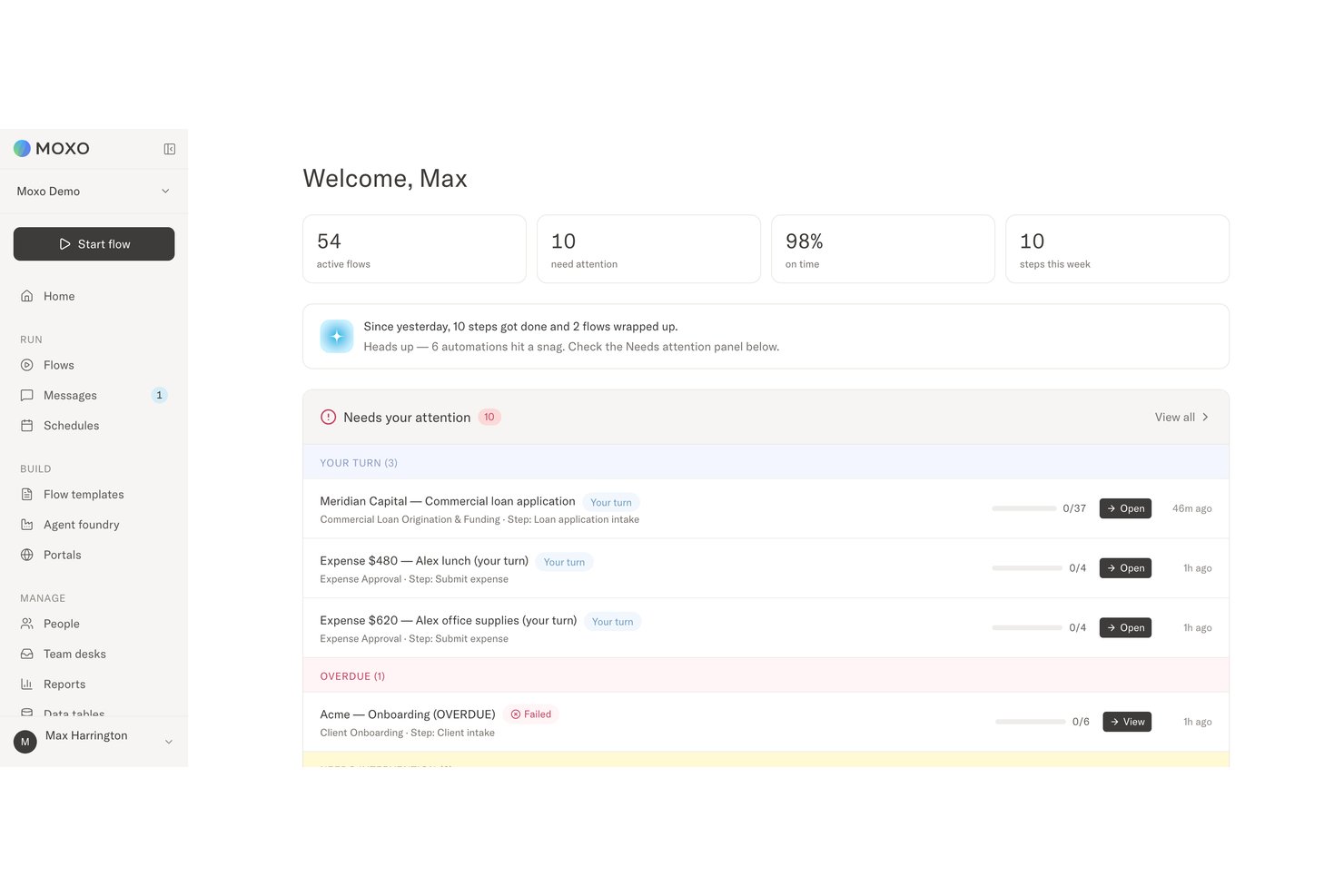
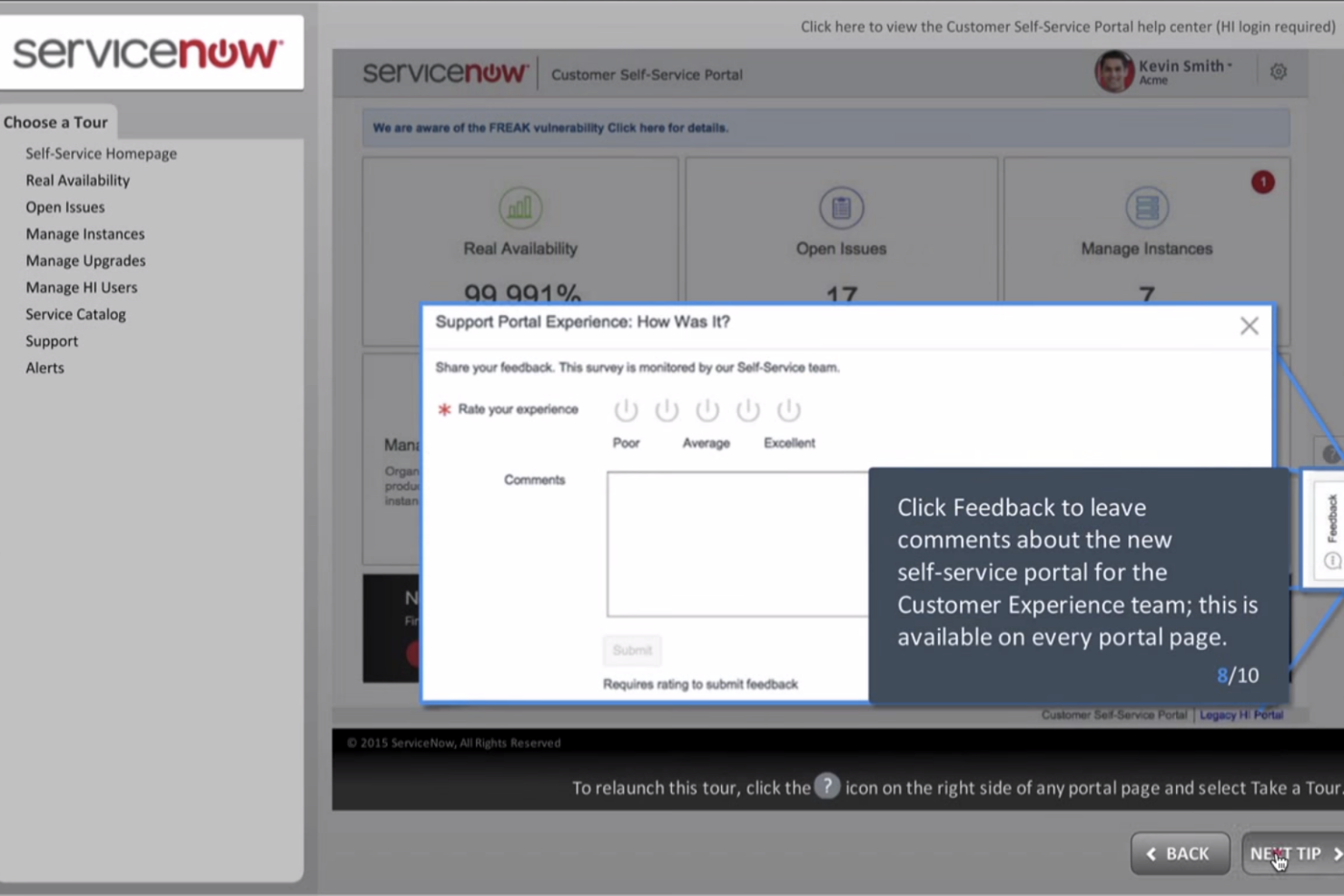
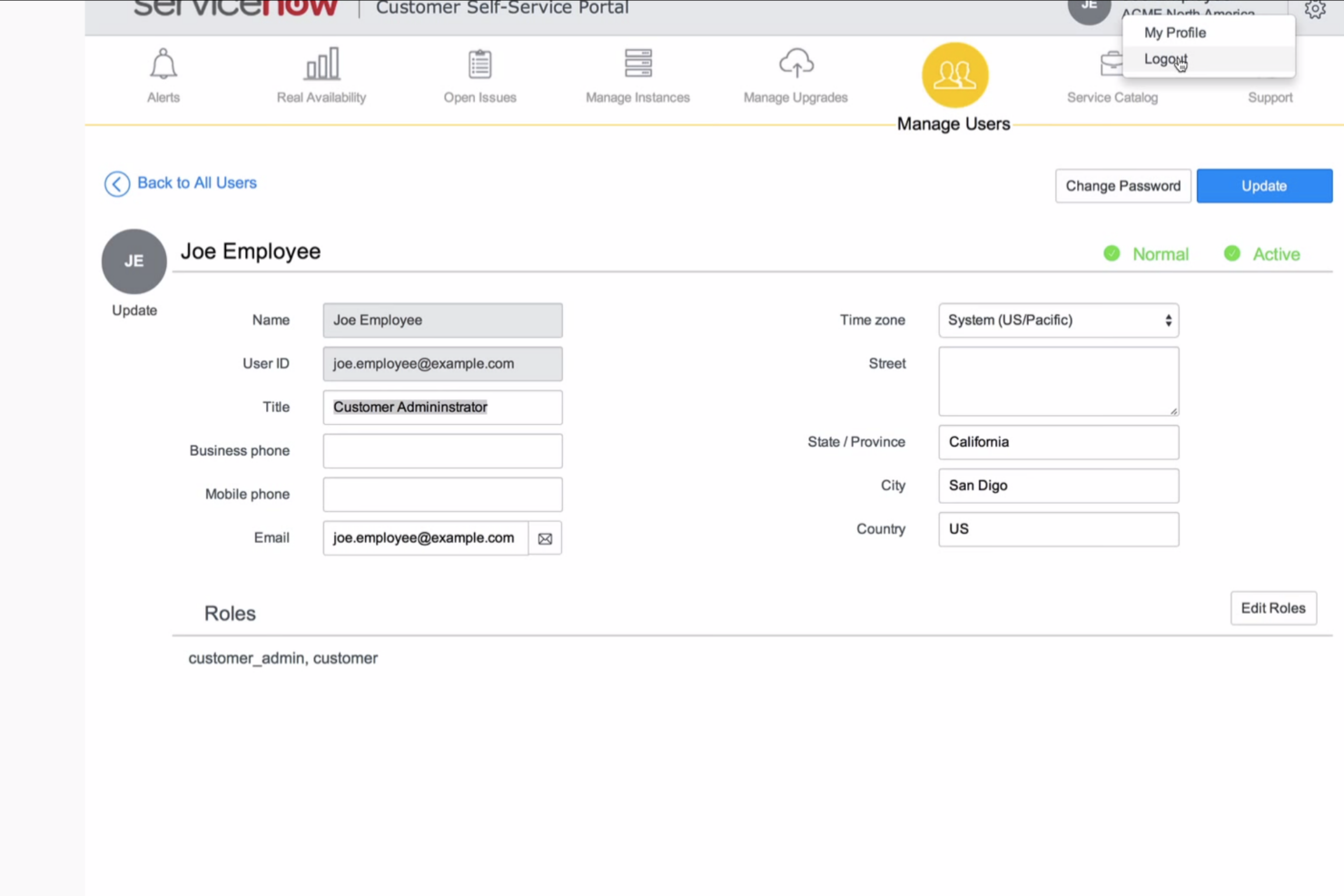
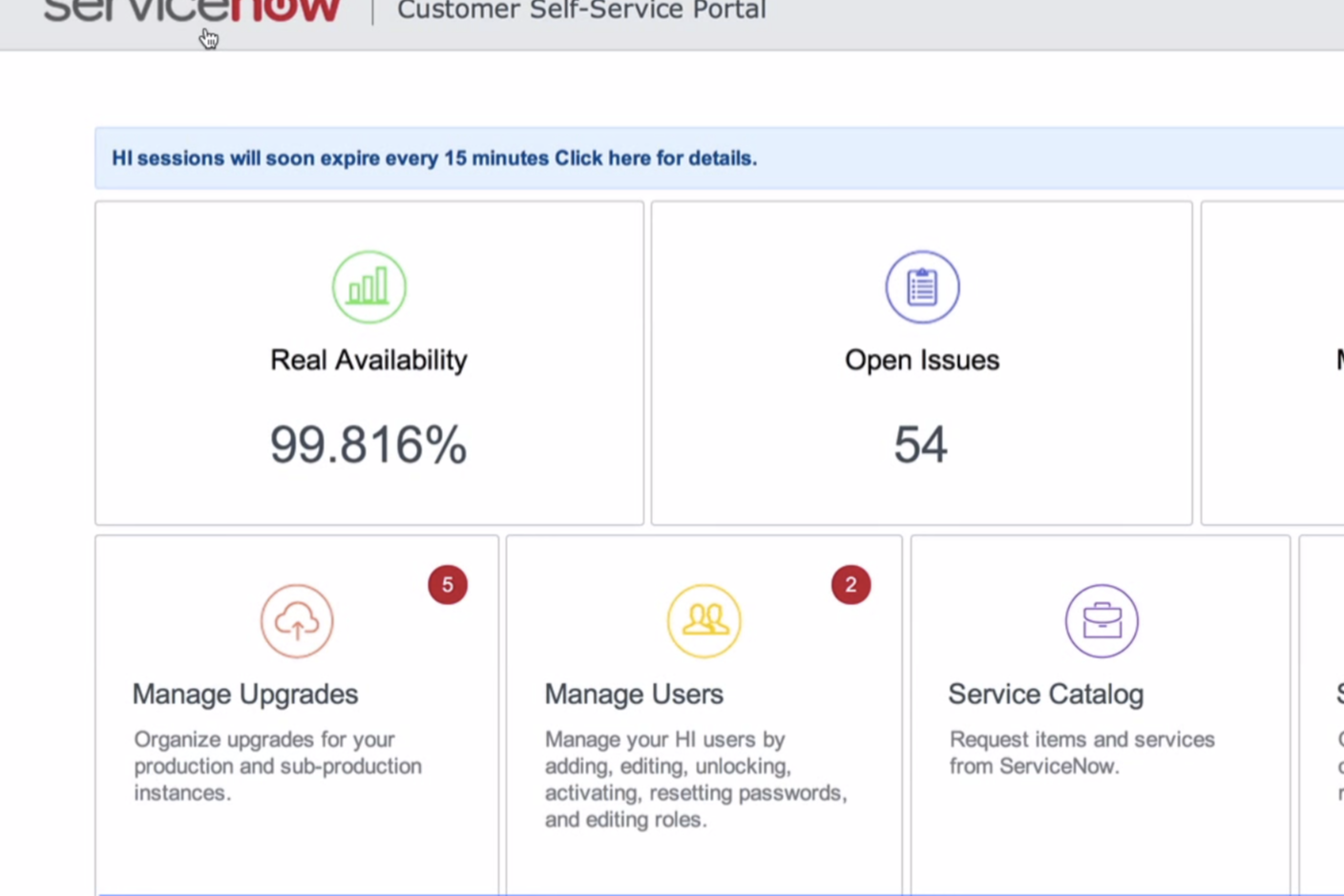
ServiceNow



Waarom u onze softwareaanbevelingen kunt vertrouwen
Ons team test en beoordeelt software sinds 2012. Als projectmanagers weten we zelf hoe moeilijk — en belangrijk — het is om de juiste software te kiezen.
Voor deze gids hebben we tools geëvalueerd met behulp van praktijktests en onafhankelijk onderzoek, waarbij we tools beoordeelden aan de hand van onze selectiecriteria. We putten ook uit inzichten van vooraanstaande experts uit de branche en praktiserende projectmanagementprofessionals.
Onze reviews weerspiegelen ons menselijke redactionele oordeel, geen verkooppraatje.
Deskundige beoordelaars:
Moxo vs. ServiceNow Pricing Comparison
| Moxo | ServiceNow | |
|---|---|---|
| Free Trial | Free plan available | Free demo available |
| Pricing | From $99/month | Pricing upon request |
Moxo versus ServiceNow: prijzen en verborgen kosten
Moxo publiceert prijzen voor de pakketten Free, Business en Pro, terwijl Enterprise werkt met een offerte op maat. De kosten stijgen wanneer teams meer workflows en AI-credits nodig hebben of overstappen naar hogere niveaus voor aangepaste portals, supervisoragents, API's, SSO en auditlogboeken. ServiceNow hanteert daarentegen aangepaste prijzen op basis van de geselecteerde producten, de implementatieomvang en de operationele vereisten. Aanvullende kosten kunnen bestaan uit implementatieadvies, migratie, integraties, training, ondersteuning, extra modules en doorlopend beheer.
De keuze tussen beide komt grotendeels neer op de vraag of je de voorkeur geeft aan de duidelijkere niveaustructuur van Moxo of aan het sterk op maat gemaakte ondernemingsmodel van ServiceNow. Vraag voordat je je vastlegt om een volledige kostenopgave voor installatie, gebruikslimieten, ondersteuning, integraties, aanpassingen en toekomstige uitbreiding, aangezien de abonnementsprijs mogelijk slechts één onderdeel van de totale investering is.
Moxo vs. ServiceNow Feature Comparison
| Moxo | ServiceNow | |
|---|---|---|
| API | ||
| Analytics | ||
| Batch Permissions & Access | ||
| Customer Management | ||
| Data Export | ||
| Data Import | ||
| External Integrations | ||
| Multi-User | ||
| Notifications | ||
| Project Management | ||
| Workflow Management |
Moxo versus ServiceNow-integraties
| Integratie | Moxo | ServiceNow |
|---|---|---|
| Salesforce | ✅ | ✅ |
| Microsoft Teams | ✅ | ✅ |
| Google Drive | ✅ | ✅ |
| Slack | ✅ | ✅ |
| Zoom | ✅ | ✅ |
| DocuSign | ✅ | ✅ |
| Jira | ✅ | ✅ |
| Outlook | ✅ | ✅ |
| API | ✅ | ✅ |
| Zapier | ✅ | ✅ |
Beide platforms bieden uitgebreide integratiemogelijkheden, maar gebruiken die verbindingen op verschillende manieren. Moxo haalt gegevens en acties samen in workflows met meerdere partijen, waarbij medewerkers, klanten, leveranciers en AI-agents betrokken zijn. ServiceNow is daarentegen ontworpen om grote bedrijfsomgevingen binnen IT, HR, klantenservice, beveiliging en andere afdelingen met elkaar te verbinden. Over het geheel genomen biedt ServiceNow meer diepgang voor complexe bedrijfsbrede ecosystemen, terwijl Moxo het eenvoudiger maakt om verbonden systemen te coördineren rond externe samenwerking en beslissingen waarvoor mensen verantwoordelijk zijn.
Moxo vs. ServiceNow Beveiliging, naleving & betrouwbaarheid
| Factor | Moxo | ServiceNow |
|---|---|---|
| Gegevensbescherming | Gebruikt een architectuur met meerdere tenants, met door KMS versleutelde opslag en versleuteling tijdens transport en in rust om workflowgegevens en documenten te beschermen. | Versleutelt gegevens tijdens transport en in rust, met aanvullende bescherming voor gevoelige velden, bijlagen, databases en versleutelingssleutels. |
| Naleving & privacy | Beschikt over SOC 2 Type II- en SOC 3-certificeringen, ondergaat regelmatig audits door externe partijen en biedt controles ter ondersteuning van de AVG-vereisten binnen gereguleerde workflows. | Beschikt over een brede reeks SOC-, ISO-, privacy-, cloudbeveiligings- en bedrijfscontinuïteitscertificeringen voor wereldwijde ondernemingen. |
| Identiteit & toegang | Ondersteunt SAML 2.0 SSO en rolgebaseerde controles voor werknemers, externe belanghebbenden en AI-agents, waarbij wordt beperkt wie toegang heeft tot gegevens, acties kan voltooien of beslissingen kan nemen. | Biedt SSO, MFA, directory-integraties en gedetailleerde rolgebaseerde controles voor applicaties, records, velden en administratieve functies. |
| Controleerbaarheid & elektronische handtekeningen | Houdt onveranderlijke auditlogboeken bij van menselijke en AI-acties en bevat native elektronische handtekeningen die worden beschermd door cryptografie op basis van KMS. | Registreert gebruikersactiviteiten, systeemgebeurtenissen, transacties en configuratiewijzigingen ter ondersteuning van audits, onderzoeken en governance. |
| Betrouwbaarheid & herstel | Gebruikt infrastructuur van ondernemingsniveau, gelaagde beveiligingscontroles, flexibele implementatieopties en regelmatige tests om de beschikbaarheid van workflows en de integriteit van gegevens te beschermen. | Gebruikt redundante infrastructuur, continue replicatie, monitoring, back-ups en geteste procedures voor herstel na calamiteiten om beschikbaarheid op ondernemingsniveau te bieden. |
Moxo integreert beveiliging in de workflow zelf, met gecontroleerde toegang, onveranderlijke registraties en cryptografisch beschermde handtekeningen voor zowel menselijke als AI-activiteiten. ServiceNow biedt daarentegen breder infrastructuurbeheer en wereldwijde certificeringen, maar Moxo is de meer gerichte keuze wanneer veilige deelname door externe partijen en verantwoordingsplicht voor beslissingen niet vaag mogen blijven.
Moxo vs. ServiceNow Gebruiksgemak
| Factor | Moxo | ServiceNow |
|---|---|---|
| Gebruikersinterface | Gebruikt begeleide flows en aangepaste portals, zodat werknemers, klanten, leveranciers en andere deelnemers alleen de berichten, bestanden, beslissingen en acties zien die voor hen relevant zijn. | Brengt workflows, diensten, analyses en beheer samen in een veelzijdige interface voor ondernemingen, die nieuwe gebruikers tijd kan kosten om te leren. |
| Ingebruikname | Ondersteunt zelfbedieningsingebruikname via sjablonen, de workflowbouwer zonder code en geüploade documenten of diagrammen, met begeleide implementatie voor grotere implementaties. | Biedt uitgebreide documentatie, training en implementatiemiddelen, hoewel implementaties binnen ondernemingen vaak beheerders, consultants of gecertificeerde partners vereisen. |
| Workflowconfiguratie | De workflowbouwer zonder code genereert rollen, vertakkingen, gegevensverwijzingen, deadlines en escalatieregels op basis van schriftelijke instructies, documenten of diagrammen. Voor geavanceerd toezicht op agents is nog steeds een doordacht ontwerp nodig. | Biedt diepgaande configuratie met weinig code voor applicaties, gegevens, automatiseringen en bedrijfsregels, maar complexe configuraties vereisen doorgaans technische expertise en doorlopend beheer. |
| Klantenondersteuning | Omvat hulp in de app en een kennisbank, met klantgerichte ondersteuning en engineering op locatie beschikbaar voor complexere implementaties. | Biedt documentatie, communitybronnen, technische ondersteuning en diensten voor ondernemingen, waarbij de dekking en responstijden afhankelijk zijn van het ondersteuningspakket. |
| Mobiele ervaring | Geeft interne en externe deelnemers mobiele toegang tot aangepaste portals, begeleide acties, goedkeuringen, bestanden, berichten en workflowupdates zonder het volledige proces bloot te leggen. | Ondersteunt mobiele serviceverzoeken, goedkeuringen, taken, incidenten en werknemersworkflows, hoewel de ervaring de bredere structuur van het platform voor ondernemingen weerspiegelt. |
Wat gebruiksgemak betreft houdt Moxo de configuratie eenvoudiger dankzij de workflowbouwer zonder code, begeleide flows en aangepaste portals die elke deelnemer alleen tonen wat nodig is om de taak te voltooien. ServiceNow biedt aanzienlijk meer configuratiemogelijkheden, maar die flexibiliteit brengt doorgaans een zwaardere ingebruikname, meer beheer en grotere behoefte aan technische ondersteuning met zich mee. Moxo past beter bij organisaties die complexe workflows met meerdere partijen lanceren, terwijl ServiceNow beter geschikt is voor grote ondernemingen die bereid zijn een steilere leercurve te accepteren voor meer controle.
Moxo vs ServiceNow: Pros & Cons
Moxo
- Agentic AI handles preparation, validation, routing, and monitoring
- Custom portals keep external participants aligned
- Human-in-the-loop controls, SLA rules, and audit trails reinforce accountability
- Advanced workflow design requires an adjustment period
- Less common integrations may require Zapier, Composio, or APIs
- Reporting focuses on process operations rather than customizable BI
ServiceNow
- It enhances your team's efficiency with powerful workflow automation.
- You can customize it extensively to fit your specific business needs.
- It offers strong customer support to help you resolve issues quickly.
- The user interface can be complex, which might slow down new users.
- It requires a learning curve to fully leverage its capabilities.
- You might find the initial setup time-consuming for larger implementations.
Best Use Cases for Moxo and ServiceNow
Moxo
- Professional Services Firms Accounting, legal, consulting, and marketing firms can manage client onboarding, document collection, approvals, and recurring service delivery.
- Financial Services and Insurance Banks, lenders, wealth managers, and insurers can coordinate applications, compliance checks, exception reviews, signatures, and client decisions.
- Healthcare Administration Healthcare organizations can manage provider credentialing, intake, document verification, acknowledgements, and approval-heavy processes.
- B2B SaaS Customer Operations Customer success and implementation teams can coordinate onboarding, account reviews, renewals, and service requests across customers and internal specialists.
- Real Estate and Construction Firms Moxo helps organize contracts, approvals, vendor requirements, project documentation, and communication between clients, brokers, contractors, and internal staff.
- Manufacturing and Logistics Operations Operations teams can use Moxo for vendor onboarding, order fulfillment, compliance checks, document requests, and other multi-party workflows.
ServiceNow
- IT Departments ServiceNow's comprehensive workflow automation helps your IT team manage tasks and incidents efficiently.
- Healthcare Organizations The platform supports compliance and streamlines your healthcare operations with its customizable workflows.
- Finance Companies ServiceNow offers robust security features that help your finance team manage sensitive data securely.
- Technology Firms With its integration capabilities, your tech team can easily connect existing tools and improve productivity.
- Project Management Teams ServiceNow's extensive customization allows your team to tailor workflows for specific project needs.
- Customer Service Departments The platform's strong support features help your customer service team resolve issues quickly and effectively.
Wie zou Moxo moeten gebruiken en wie ServiceNow?
Als u software voor workflowautomatisering nodig hebt voor complexe processen tussen medewerkers, klanten, leveranciers, AI-agents en verbonden systemen, is Moxo waarschijnlijk de betere keuze. Het is geschikt voor zakelijke dienstverlening, financiële dienstverlening, gezondheidszorg en andere gereguleerde organisaties die behoefte hebben aan aangepaste portalen, goedkeuringen met duidelijke verantwoordelijkheid, controletrajecten en menselijke controle, zonder dat elke implementatie een IT-project wordt.
Als u daarentegen een bedrijfsplatform nodig hebt voor het automatiseren van werk binnen IT, klantenservice, HR, beveiliging, financiën en andere afdelingen, is ServiceNow mogelijk de sterkere keuze. Het werkt het best voor grote organisaties in de gezondheidszorg, financiële dienstverlening en technologie, evenals voor internationale organisaties die behoefte hebben aan uitgebreide aanpassingsmogelijkheden, brede integraties, volwassen servicemanagement en voldoende administratieve controle om te voorkomen dat omvangrijke activiteiten zelf een voltijds probleem worden.
Differences Between Moxo and ServiceNow
| Moxo | ServiceNow | |
|---|---|---|
| AI Agent Model | Uses Agent Foundry to deploy Prepare, Advise, Review, Automation, and Chat agents, with supervisor agents and human checkpoints governing sensitive decisions. | Uses AI Agent Studio and enterprise AI agents to automate work across applications, data, and workflows within the ServiceNow AI Platform. |
| Deployment Ownership | Its no-code workflow builder lets business teams generate structured workflows from natural-language instructions, documents, or diagrams without waiting for a lengthy IT-led development cycle. | Supports no-code and low-code development, but complex enterprise deployments typically involve administrators, developers, governance teams, or implementation partners. |
| External Participant Experience | Provides custom portals configured for clients, vendors, partners, and other participants, with secure access to relevant messages, files, resources, and assigned actions through accounts or magic links. | Delivers employee and customer experiences through enterprise portals, workspaces, and service interfaces connected to the broader ServiceNow environment. |
| Platform Architecture | Uses process-centric flows to coordinate people, AI agents, documents, decisions, and system actions across departments and organizations. | Uses a unified enterprise data model to connect AI, workflows, applications, security, and records across 450+ third-party applications. |
| Primary Workflow Scope | Orchestrates complex processes across employees, clients, vendors, AI agents, and connected systems, with named humans remaining accountable for critical decisions. | Automates enterprise-wide workflows across IT, HR, customer service, security, finance, and other business functions on a shared platform. |
| Visit MoxoOpens new window | Read ServiceNow ReviewOpens new window |
Similarities Between Moxo and ServiceNow
| Forms and Data Collection | Both collect structured requests, questionnaires, documents, and supporting information within the workflow, giving each participant the context needed before the next action begins. |
|---|---|
| Integrations and Extensibility | Both connect workflows with third-party business systems and support APIs, automation tools, and configurable actions for transferring data or triggering work across a wider technology stack. |
| Notifications and Escalations | Both send reminders, status updates, and escalation alerts based on deadlines, stalled work, conditions, or exceptions, reducing the need for someone to chase every handoff manually. |
| Reporting and Process Visibility | Both provide dashboards, workflow histories, and performance data that help teams track progress, uncover bottlenecks, measure completion times, and review how each process was handled. |
| Task and Approval Management | Both assign work by role, route approvals and decision steps, set deadlines, and preserve ownership as a process moves across multiple participants and departments. |
| Visit MoxoOpens new window Read ServiceNow ReviewOpens new window | |