Recensione di Google Docs: Vantaggi, Svantaggi, Funzionalità e Prezzi



Google Docs is a browser-based document collaboration tool for teams that need to co-author, comment on, and review documents in real time. There's no version juggling or software to install. I'd pick it over Microsoft Word when your team works across devices and operating systems. It also wins when real-time co-editing and free access matter more than advanced desktop formatting.
Google Docs Evaluation Summary
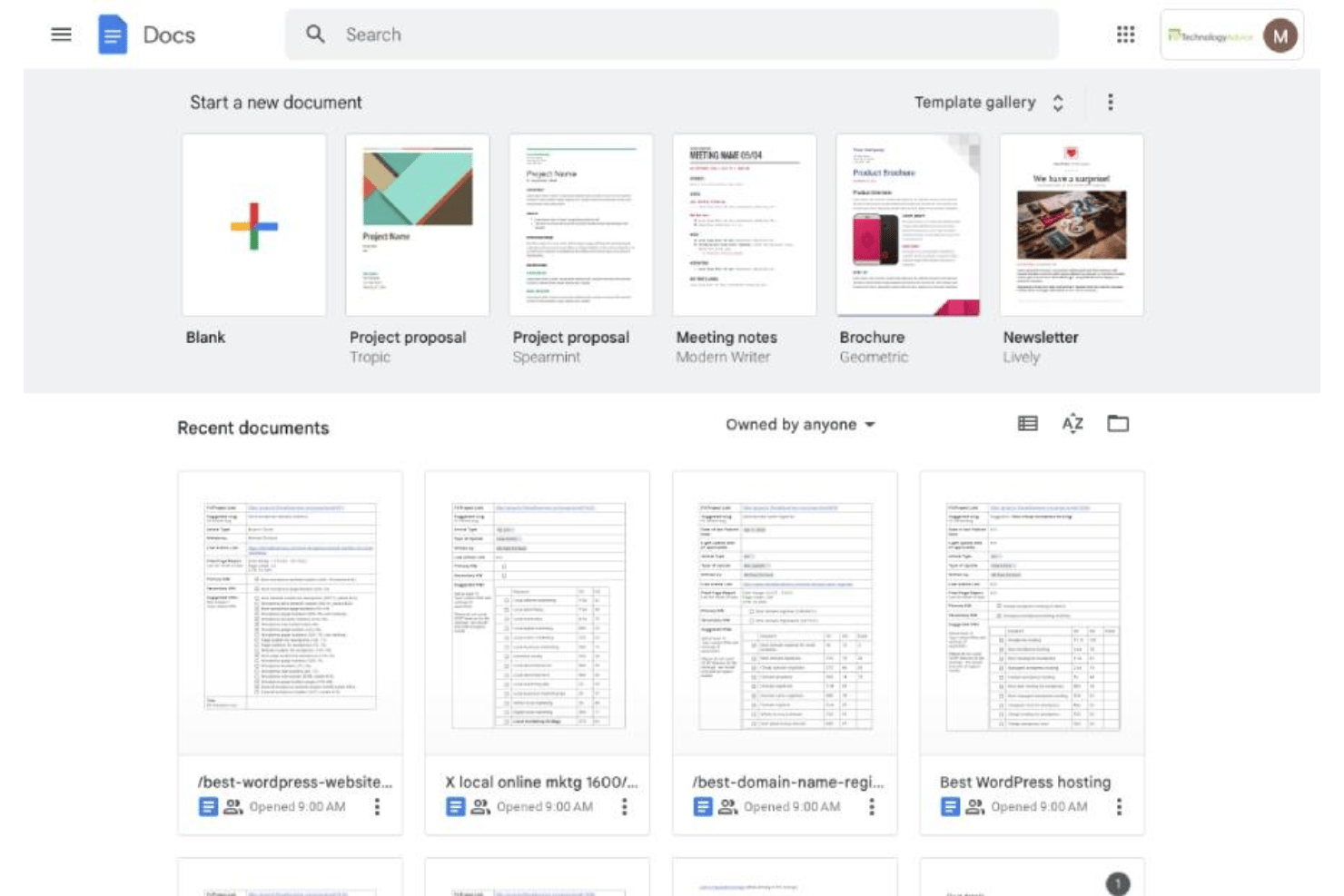
- From $7/user/month (billed annually)
- Free plan + trial available
Perché fidarsi dei nostri consigli sui software
Il nostro team testa e recensisce software dal 2012. In quanto project manager noi stessi, sappiamo quanto sia difficile — e importante — scegliere il software giusto.
Per questa guida, abbiamo valutato gli strumenti attraverso test pratici e ricerche indipendenti, assegnando un punteggio agli strumenti in base ai nostri criteri di selezione. Ci basiamo inoltre sulle competenze di leader di pensiero del settore e di professionisti attivi nella gestione dei progetti.
Le nostre recensioni riflettono il nostro giudizio editoriale umano, non un discorso di vendita.
Revisori esperti:
Google Docs Overview
When judging document collaboration tools, I think Google Docs stands out for real-time editing, intuitive sharing, and integration with the wider Google Workspace. While it isn’t built for advanced workflow controls or deep offline editing, its intuitive interface and zero-cost entry make onboarding a breeze for fast-moving teams. I find its commenting and suggestion features outperform most others for cross-team projects, though teams switching from Microsoft Office or Microsoft Word may miss some advanced formatting power. For teams prioritizing cloud access, simple permissions, and a user-friendly experience, Google Docs is an easy choice.
pros
-
Real-time collaboration tracks contributions and suggestions clearly
-
Version history lets you recover or reference previous document states
-
Cloud-based access from any device without software installation
cons
-
Offline editing can be unreliable or incomplete on some devices
-
Formatting can break between Google Docs and exported files
-
Limited document organization features for large-scale team workspaces
-

Celoxis
Visit WebsiteThis rating combines scores from multiple user review sites to reflect overall customer sentiment about the product.4.5 -
Smartsheet
Visit WebsiteThis rating combines scores from multiple user review sites to reflect overall customer sentiment about the product.4.5 -
Accelo
Visit WebsiteThis rating combines scores from multiple user review sites to reflect overall customer sentiment about the product.4.4





La nostra metodologia di recensione
Come testiamo e valutiamo gli strumenti
Abbiamo passato anni a costruire, perfezionare e migliorare il nostro sistema di test e valutazione dei software. Il nostro schema è progettato per cogliere tutte le sfumature della scelta di un software e ciò che rende uno strumento efficace, ponendo l’accento sugli aspetti critici del processo decisionale. Qui sotto puoi vedere esattamente come funziona il nostro test e la nostra valutazione su sette criteri. Questo ci consente di offrire una valutazione imparziale del software basata su funzionalità fondamentali, caratteristiche distintive, facilità d’uso, onboarding, assistenza clienti, integrazioni, recensioni dei clienti e rapporto qualità-prezzo.
Funzionalità principali (25% della valutazione finale)
Il punto di partenza della nostra valutazione è sempre la funzionalità principale dello strumento. Ha le funzioni e le caratteristiche di base che un utente si aspetterebbe di trovare? Alcune di queste funzionalità sono limitate ai piani premium? In sostanza, ci aspettiamo che uno strumento sia all’altezza delle capacità di base dei suoi concorrenti.
Caratteristiche distintive (25% della valutazione finale)
Successivamente valutiamo le funzioni distintive, non comuni, che vanno oltre la semplice funzionalità di base normalmente presente in strumenti simili. Un punteggio elevato riflette funzionalità specializzate o uniche che rendono il prodotto più rapido, efficiente o che offrono un valore aggiunto all’utente. Valutiamo anche la facilità d’integrazione con altri strumenti comunemente presenti nel tech stack per ampliare la funzionalità e l’utilità del software. Gli strumenti che offrono molte integrazioni native, connessioni di terze parti e accesso API per creare integrazioni personalizzate ottengono il punteggio più alto.
Facilità d’uso (10% della valutazione finale)
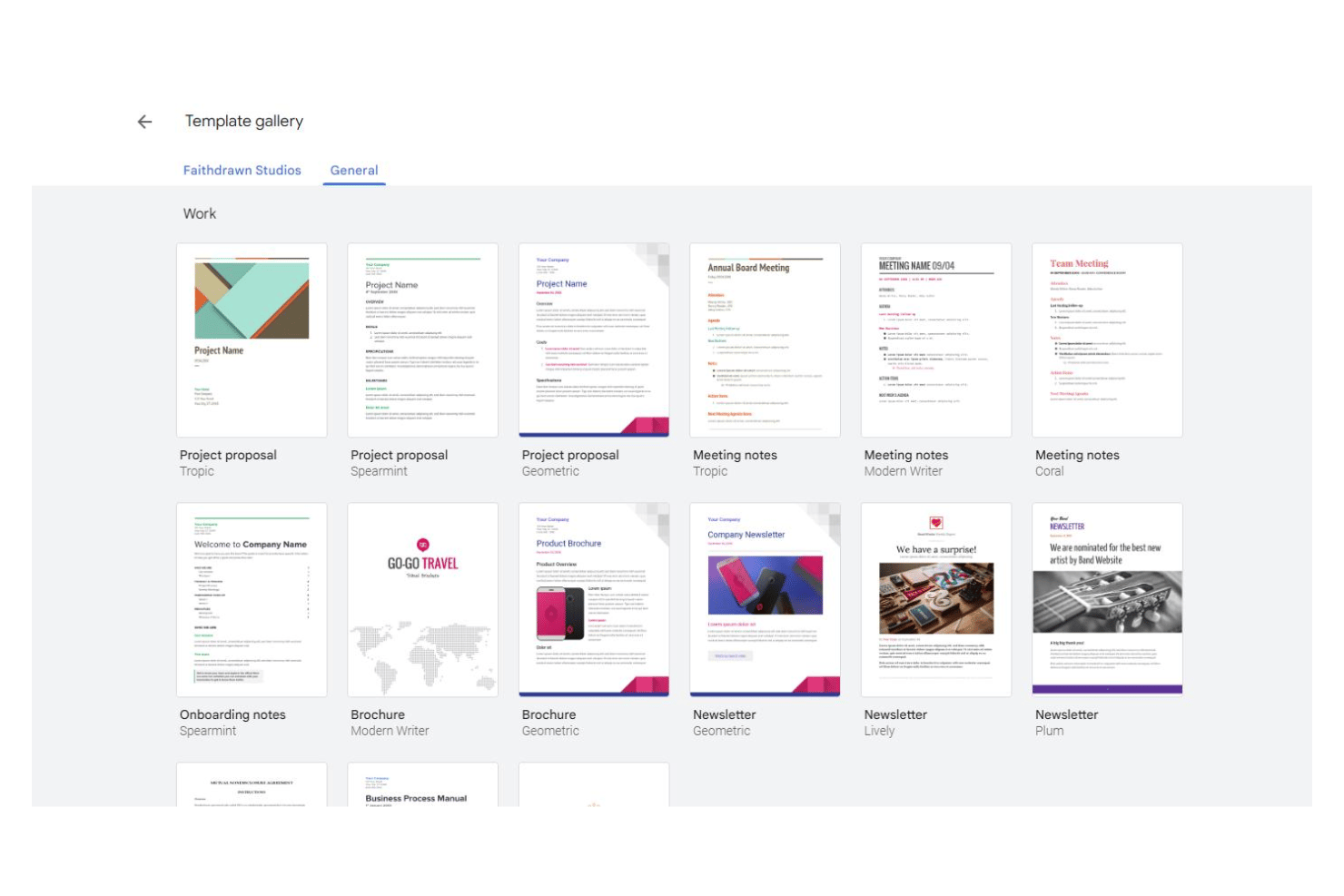
Consideriamo quanto sia semplice e rapido eseguire le attività definite dalla funzionalità principale tramite lo strumento. Gli strumenti con un punteggio elevato sono ben progettati, intuitivi, offrono app mobili, propongono modelli e rendono semplici anche le attività più complesse.
Onboarding (10% della valutazione finale)
Sappiamo quanto sia importante che il team adotti rapidamente una nuova piattaforma, quindi valutiamo quanto sia facile imparare e utilizzare uno strumento con poca formazione. Valutiamo quanto velocemente un membro del team possa iniziare a utilizzare lo strumento senza esperienza. Le soluzioni con un punteggio alto indicano che è richiesto poco o nessun supporto.
Supporto clienti (10% della valutazione finale)
Recensiamo la rapidità e semplicità nel trovare aiuto tramite telefono, chat live o knowledge base. Gli strumenti e le aziende che forniscono supporto in tempo reale ottengono i punteggi migliori, mentre i chatbot i più bassi.
Recensioni dei clienti (10% della valutazione finale)
Oltre ai nostri test e valutazioni, consideriamo il net promoter score dei clienti attuali e passati. Valutiamo la loro probabilità, qualora fosse possibile, di scegliere nuovamente lo strumento per le sue funzionalità di base. Un software con un punteggio elevato riflette un alto net promoter score da clienti attuali o passati.
Rapporto qualità-prezzo (10% della valutazione finale)
Infine, prendendo in considerazione tutti gli altri criteri, analizziamo il prezzo medio dei piani base confrontandolo con le funzionalità principali e valutando il valore degli altri criteri. I software che offrono di più, spendendo meno, ottengono punteggi più alti.
Core Features
Real-Time Co-Authoring
Multiple users can edit a document at once, with changes instantly visible and auto-saved in the cloud. This helps teams keep momentum and eliminate version confusion.
Commenting and Suggestions
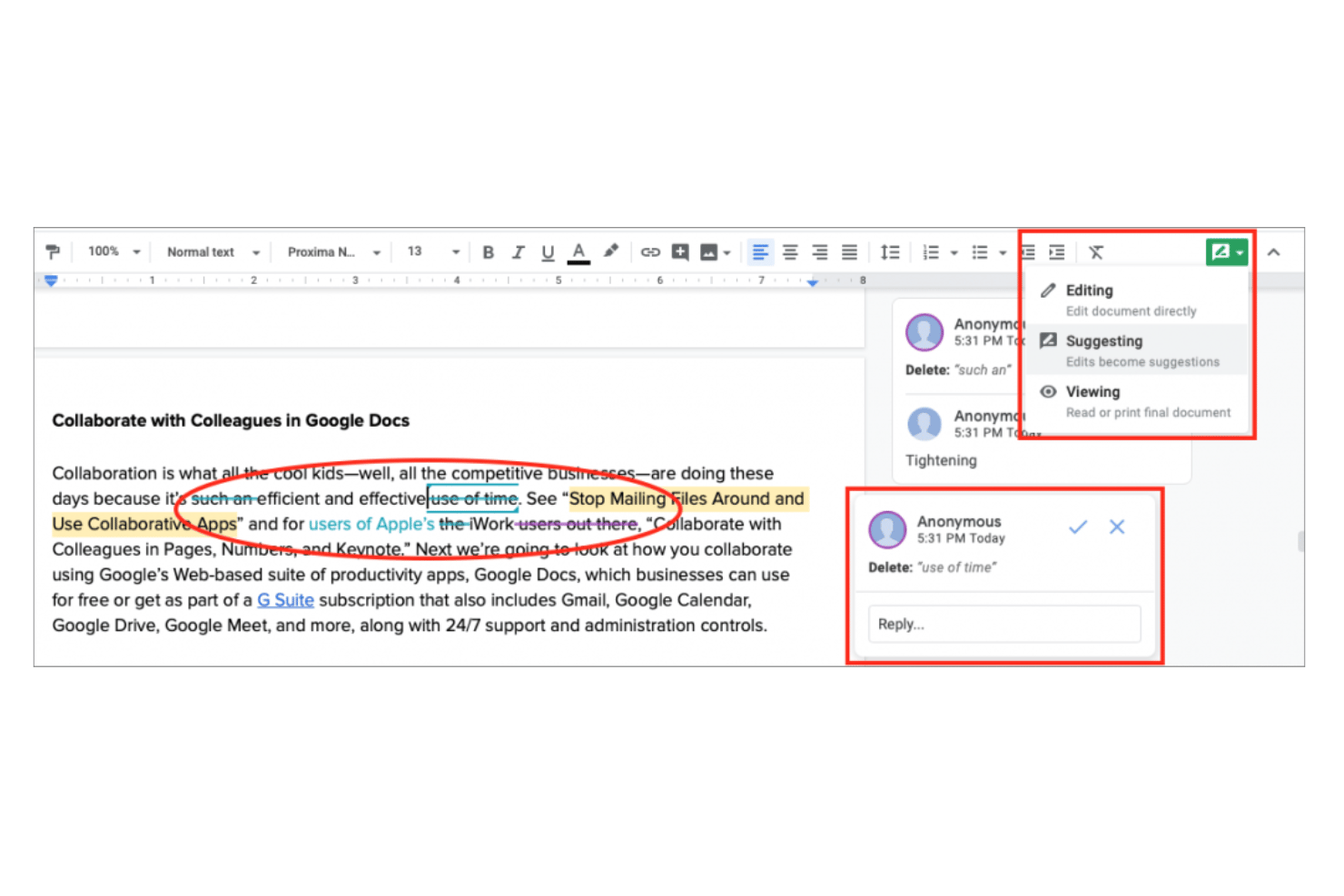
Users can leave threaded comments, track changes via suggestions, or resolve edits directly in the document. This makes feedback and approvals fast and transparent.
Version History
Every change saves as a new version, so you can view or restore prior edits anytime. This gives you peace of mind if you need to roll back.
Sharing and Permissions
Share documents via simple links and control who can view, comment, or edit. This lets you involve stakeholders without opening editing rights to everyone.
Cloud-Based Accessibility
Work from any device—desktop browser, Android, or the mobile app—without worrying about syncing or losing data. Everything is always saved automatically to the cloud.
Voice Typing
You can dictate text directly into your document using voice commands. This is handy for capturing notes quickly or working hands-free.
Ease of Use
Google Docs sets the bar for user-friendly document editing with a clean, familiar interface and almost zero onboarding for new users. Sharing is as simple as sending a link. Most teams praise its straightforward navigation, fast autosave, intuitive keyboard shortcuts, and the obvious placement of core tools like comments and suggestions. Even complex features—like version history or permissions—are easy to access and understand, so teams rarely get bogged down by technical hurdles.
Integrations
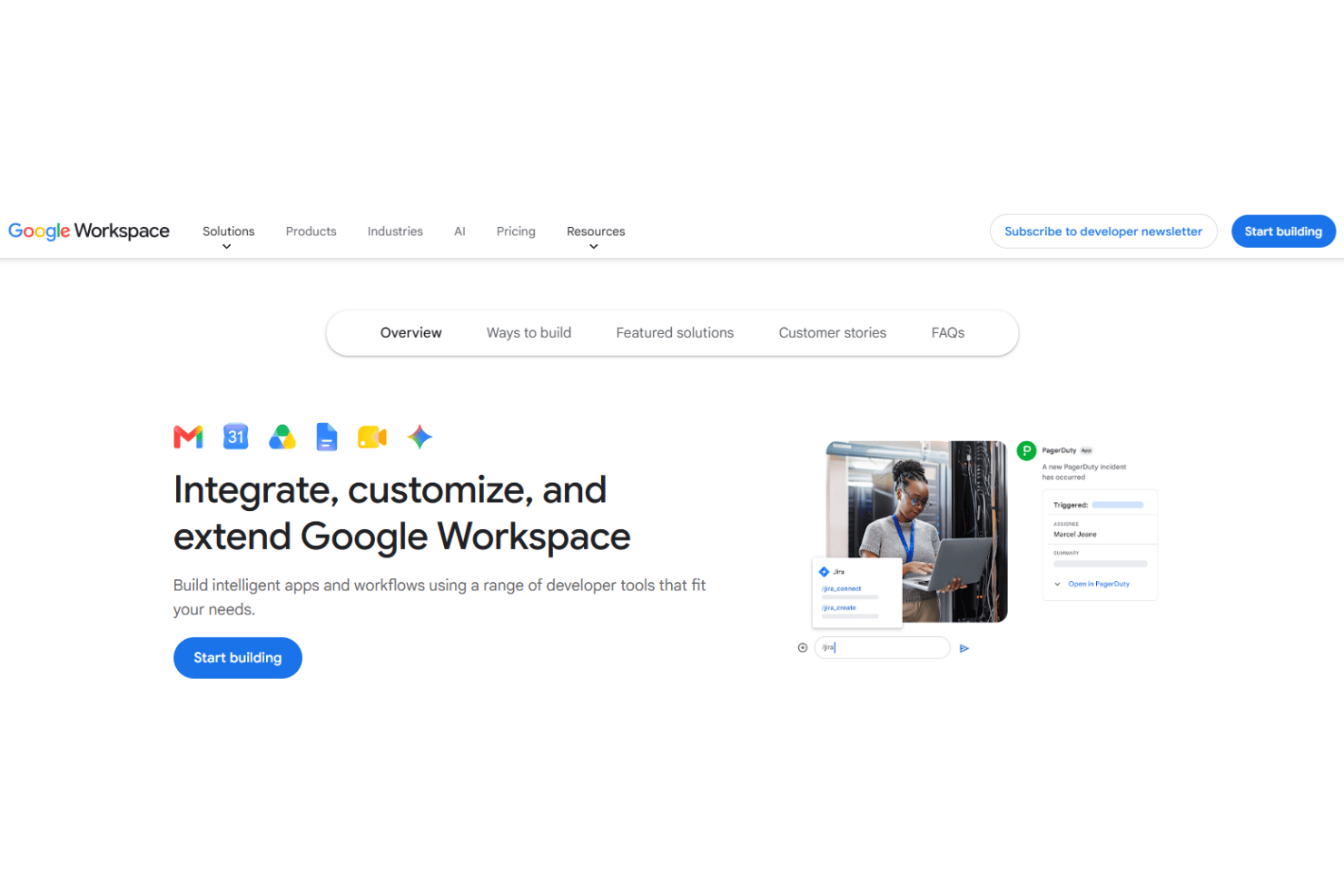
Google Docs integrates with Google Drive, Google Sheets, Google Slides, Gmail, Google Calendar, Google Keep, Google Meet, and Google Gemini, among others.
Google Docs also supports add-ons from the Google Workspace Marketplace and offers a developer API for custom connections.
Google Docs Specs
- 2-Factor Authentication
- API
- Batch Permissions & Access
- Budgeting
- Calendar Management
- Contact Management
- Contact Sharing
- Customer Management
- Dashboard
- Data Export
- Data Import
- Data Visualization
- Email Integration
- Expense Tracking
- External Integrations
- Gantt Charts
- Google Apps Integration
- Multi-User
- Notifications
- Project Management
- Resource Management
- Scheduling
- Task Scheduling/Tracking
- Third-Party Plugins/Add-Ons
- Travel Management