10 meilleurs logiciels de gestion de projet pour agences créatives 2026

10 Sélection des meilleurs logiciels de gestion de projets pour agences créatives


Planifier, gérer et contrôler des projets créatifs n'est pas une mince affaire. Un logiciel de gestion de projets pour agences créatives peut vous aider à gérer les risques et les défis liés à vos projets, à maintenir l'équipe sur la bonne voie et à livrer le travail dans les délais et le respect du budget.
Les solutions de gestion de projets pour agences créatives sont nombreuses, mais il peut être difficile de trouver celle qui convient à votre agence ou à votre équipe interne. Je vais vous simplifier la tâche : j'ai sélectionné les meilleurs outils de gestion de projets en me fondant sur ma vaste expérience de la gestion de projets créatifs.
Pourquoi faire confiance à nos recommandations de logiciels
Notre équipe teste et évalue des logiciels depuis 2012. En tant que chefs de projet nous-mêmes, nous savons à quel point il est difficile — et important — de choisir le bon logiciel.
Pour ce guide, nous avons évalué les outils grâce à des tests pratiques et une recherche indépendante, en notant les outils selon nos critères de sélection. Nous nous appuyons également sur les enseignements de leaders d’opinion du secteur et de professionnels de la gestion de projet en activité.
Nos avis reflètent notre jugement éditorial humain, et non un argumentaire de vente.
Réviseurs experts:
Tableau comparatif des logiciels de gestion de projets pour agences créatives
Ce tableau comparatif récapitule les informations tarifaires de ma sélection des meilleurs logiciels de gestion de projets pour agences créatives :
| Tool | Best For | Trial Info | Price | ||
|---|---|---|---|---|---|
| 1 | Idéal pour avoir une visibilité sur les opérations d’une agence | Essai gratuit de 14 jours + démo gratuite disponible | À partir de $19.90/utilisateur/mois (facturé annuellement) | Website | |
| 2 | Idéal pour l'annotation et le versionnage | Essai gratuit de 14 jours | À partir de 6 $/utilisateur/mois | Website | |
| 3 | Idéal pour gérer les ressources, les projets et les finances | Essai gratuit de 14 jours + démonstration gratuite disponible | À partir de 10 $/mois (facturé annuellement) | Website | |
| 4 | Idéal pour les organisations en expansion | Essai gratuit de 14 jours | $9.80/utilisateur/mois | Website | |
| 5 | Idéal pour gérer des projets créatifs à grande échelle afin d’augmenter le retour sur investissement | Démo gratuite | À partir de $20/utilisateur/mois | Website | |
| 6 | Idéal pour la prestation de services créatifs sur tout le cycle de vie | Démo gratuite disponible | Tarification sur demande | Website | |
| 7 | Idéal pour la gestion stratégique des agences | Démonstration personnalisée gratuite | À partir de $17/mois | Website | |
| 8 | Idéal pour la planification des capacités | Essai gratuit de 30 jours disponible | À partir de $5/utilisateur/mois | Website | |
| 9 | Idéal pour des échéanciers de projet complexes | Essai gratuit de 15 jours + forfait gratuit + démo gratuite disponible | À partir de $4/utilisateur/mois (facturation annuelle) | Website | |
| 10 | Idéal pour décomposer des tâches complexes | Essai gratuit de 30 jours + plan gratuit disponible | À partir de 7,65 $/membre/mois (facturé annuellement) | Website |


Présentation des meilleurs logiciels de gestion de projets créatifs
Découvrez chaque outil et obtenez des informations pertinentes concernant son utilisation dans les projets créatifs. N’hésitez pas à consulter \u003ca href=\u0022#how-I-picked\u0022\u003ecomment j’ai effectué ma sélection\u003c/a\u003e des logiciels de cette liste.
Scoro
Idéal pour avoir une visibilité sur les opérations d’une agence
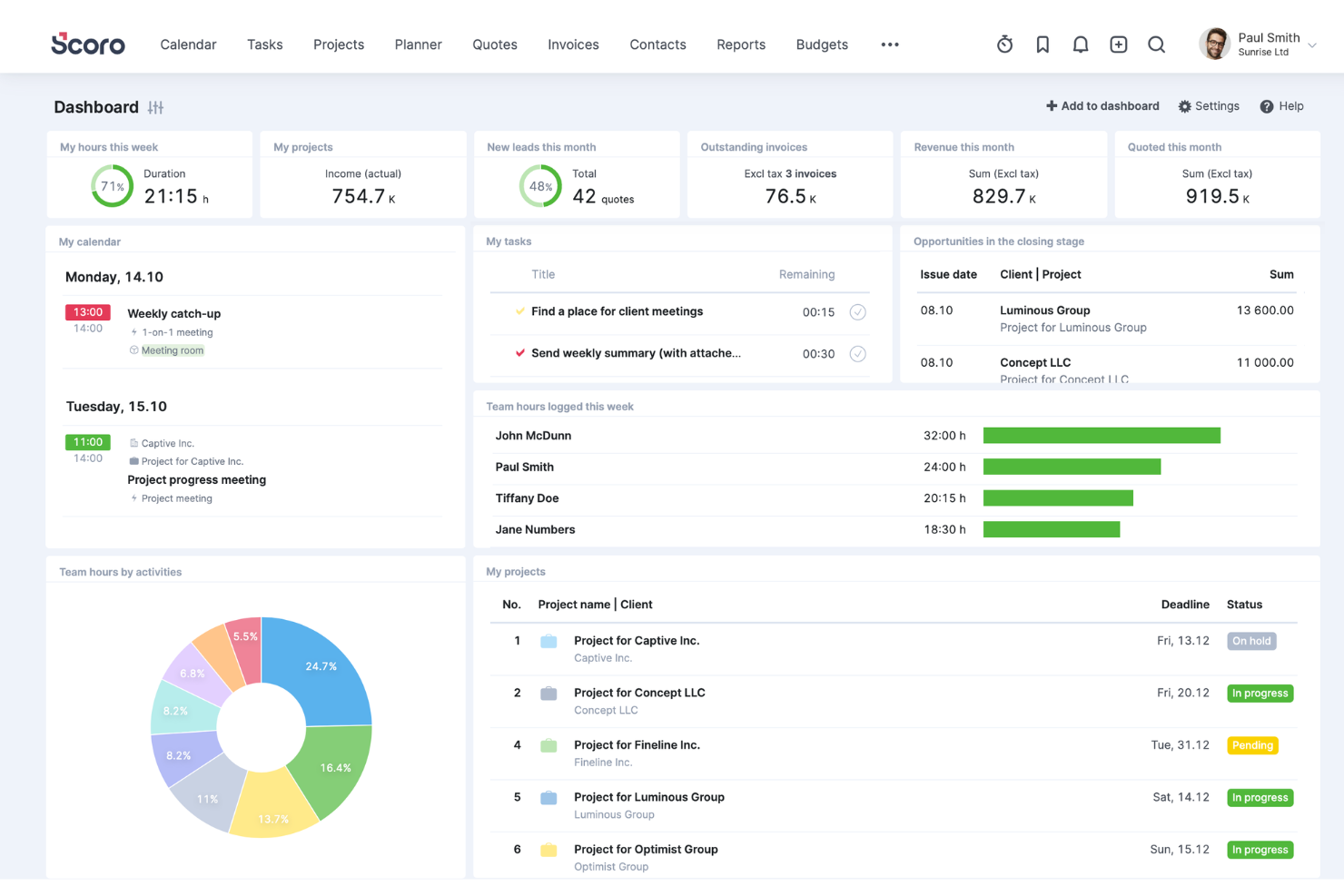
Scoro est une plateforme de gestion de projets conçue pour les agences créatives qui doivent gérer leurs projets, leurs ressources et leurs budgets au même endroit, afin d’aider les équipes à coordonner le travail client, à suivre le temps et à maintenir l’alignement entre les finances et la réalisation des projets.
À qui Scoro convient-il le mieux ?
Scoro convient aux agences de services créatifs et professionnels de taille moyenne qui ont besoin d’une plateforme unique pour gérer leurs projets, leurs équipes et leur rentabilité.
Pourquoi j’ai choisi Scoro
Scoro figure sur ma liste restreinte grâce à la visibilité qu’il offre sur chaque aspect des opérations d’une agence. J’apprécie particulièrement les tableaux de bord en temps réel qui présentent au même endroit l’avancement des projets, l’utilisation des équipes et la consommation des budgets, sans avoir à générer manuellement des rapports. La chronologie des projets de type Gantt permet également à mon équipe de repérer les conflits de planification et les manques de ressources avant qu’ils ne deviennent problématiques. Les outils intégrés de devis et de facturation de Scoro relient directement les performances financières à la réalisation des projets, afin que rien ne passe entre les mailles du filet.
Fonctionnalités clés de Scoro
- Tableaux de tâches Kanban : Affichez et gérez l’état des tâches dans des colonnes telles que 'Planifié', 'En cours' et 'Terminé' afin de suivre le travail au niveau de chaque tâche.
- Gestion des forfaits récurrents : Suivez le travail récurrent des clients, surveillez les budgets et gérez directement les heures des forfaits récurrents au sein de la plateforme.
- Suivi du temps : Enregistrez les heures consacrées aux tâches et aux projets à l’aide d’un minuteur intégré, d’une saisie manuelle ou d’un suivi basé sur le calendrier.
- Portail client : Partagez les devis et les mises à jour de projets avec les clients, recueillez les approbations et échangez des messages sans quitter Scoro.
Intégrations de Scoro
Les intégrations comprennent Google Calendar, Xero, QuickBooks, Zapier, Slack, Dropbox, Microsoft 365, Outlook et Sage.
Pros and Cons
Pros:
- Suit la rentabilité des projets en temps réel
- La planification des ressources montre la capacité de l’équipe créative
- Le processus allant du devis à la facture maintient les finances connectées
Cons:
- La création de tâches peut nécessiter trop d’étapes
- L’intégration initiale peut sembler générique pour les flux de travail des agences
New Product Updates from Scoro

Scoro Adds Time Mobile App and ELI Improvements
Scoro adds the Scoro Time mobile app for iOS/Android to track time anywhere and expands ELI with attachments, smarter filtering, and trigger-based actions. For more information, visit Scoro's official site.
Idéal pour l'annotation et le versionnage
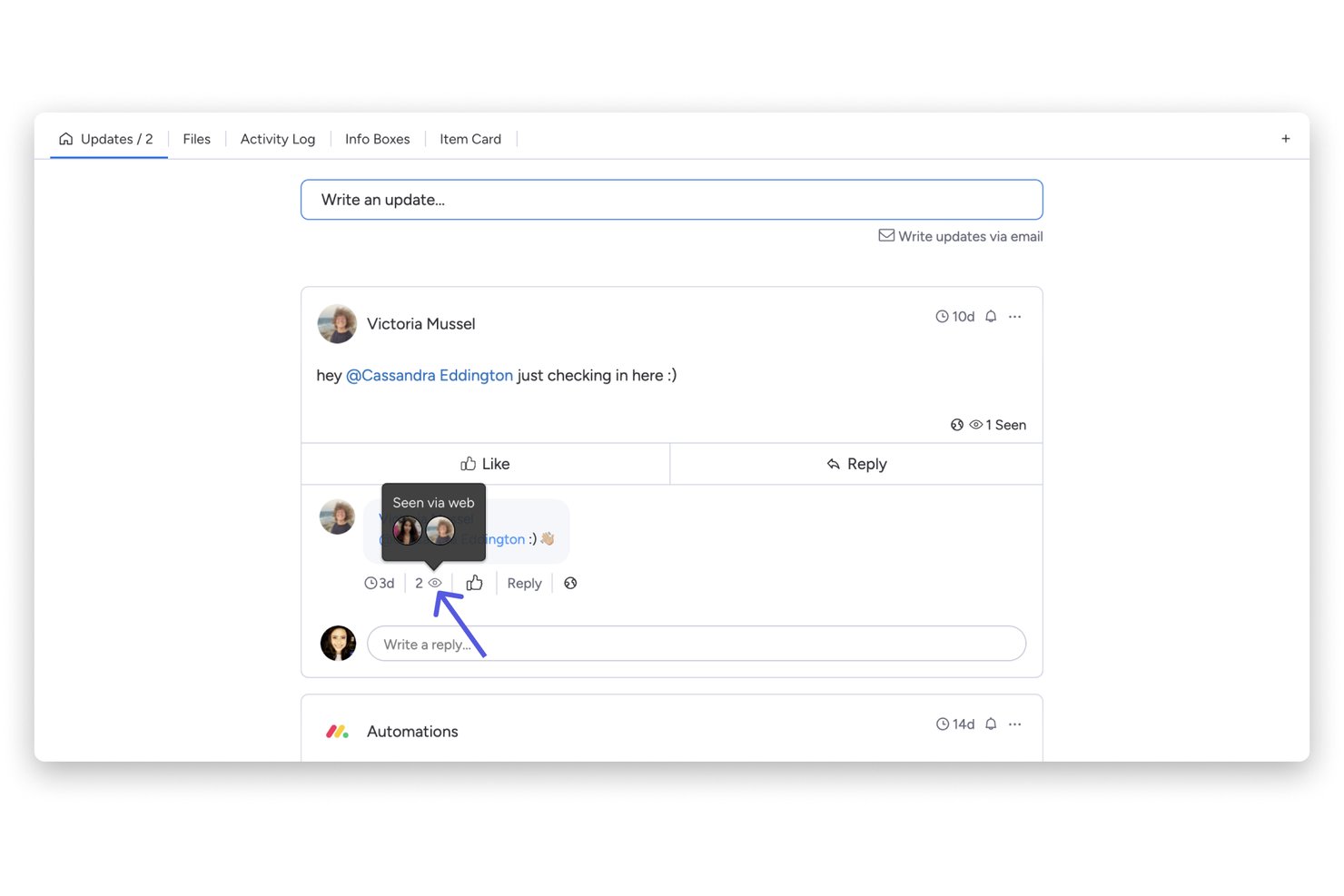
monday AI Workspace est une plateforme de gestion du travail qui combine des tableaux de projets alimentés par l'IA, des modèles de flux de travail créatifs, l'annotation de fichiers, le suivi des versions et la validation des livrables pour les équipes marketing et créatives.
À qui s'adresse monday AI Workspace ?
C'est une solution idéale pour les équipes marketing et créatives internes qui gèrent de gros volumes de supports visuels, des cycles de retours itératifs et des validations impliquant plusieurs parties prenantes.
Pourquoi j'ai choisi monday AI Workspace
monday AI Workspace mérite sa place dans ma sélection grâce à sa gestion native du versionnage de fichiers directement dans le tableau. Chaque téléversement de support crée une chronologie des versions, permettant à mon équipe de comparer les itérations sans fouiller dans les chaînes de mails. J'apprécie également l'outil d'annotation intégré au tableau, qui nous permet d'ajouter des commentaires directement sur des zones précises d'une image liées aux tâches. La connexion avec Adobe Creative Cloud signifie que les designers peuvent envoyer des mises à jour depuis Photoshop ou InDesign sans changer d'onglet.
Fonctionnalités clés de monday AI Workspace
- Formulaires dynamiques : Collectez les briefs créatifs via des formulaires personnalisables qui dirigent automatiquement les demandes vers les bons projets.
- Flux d'approbation multi-étapes : Configurez des validations séquentielles ou parallèles avec un suivi des étapes d'approbation sur les livrables.
- Tableaux de charge de travail : Visualisez la capacité de chaque membre de l'équipe et attribuez des rôles projets via des vues de charge de travail intégrées.
- Modèles de flux de travail créatifs : Accédez à une bibliothèque de modèles préconçus pour les campagnes, calendriers de contenu et productions graphiques.
Intégrations de monday AI Workspace
monday AI Workspace propose des centaines d'intégrations natives et d'applications du marketplace, notamment Slack, Adobe Creative Cloud, Figma, HubSpot, Salesforce, Google Workspace, Dropbox, Microsoft 365, Jira, ainsi qu'une connexion à Zapier. Une API est disponible pour des intégrations personnalisées.
Pros and Cons
Pros:
- Versionnage natif de supports lié aux tâches
- Annotation intégrée sur images et PDFs
- Formulaires dynamiques avec routage automatique
Cons:
- Le contrôle vidéo ne supporte pas les commentaires horodatés
- Les vues de charge de travail ne sont pas adaptées aux rôles créatifs
New Product Updates from monday AI Workspace
monday AI Workspace Adds Human Approval Routing
monday AI Workspace adds a human-in-the-loop approval block to AI Workflows, sending approval requests and routing workflow paths based on responses. For more information, visit monday AI Workspace's official site.

Idéal pour gérer les ressources, les projets et les finances
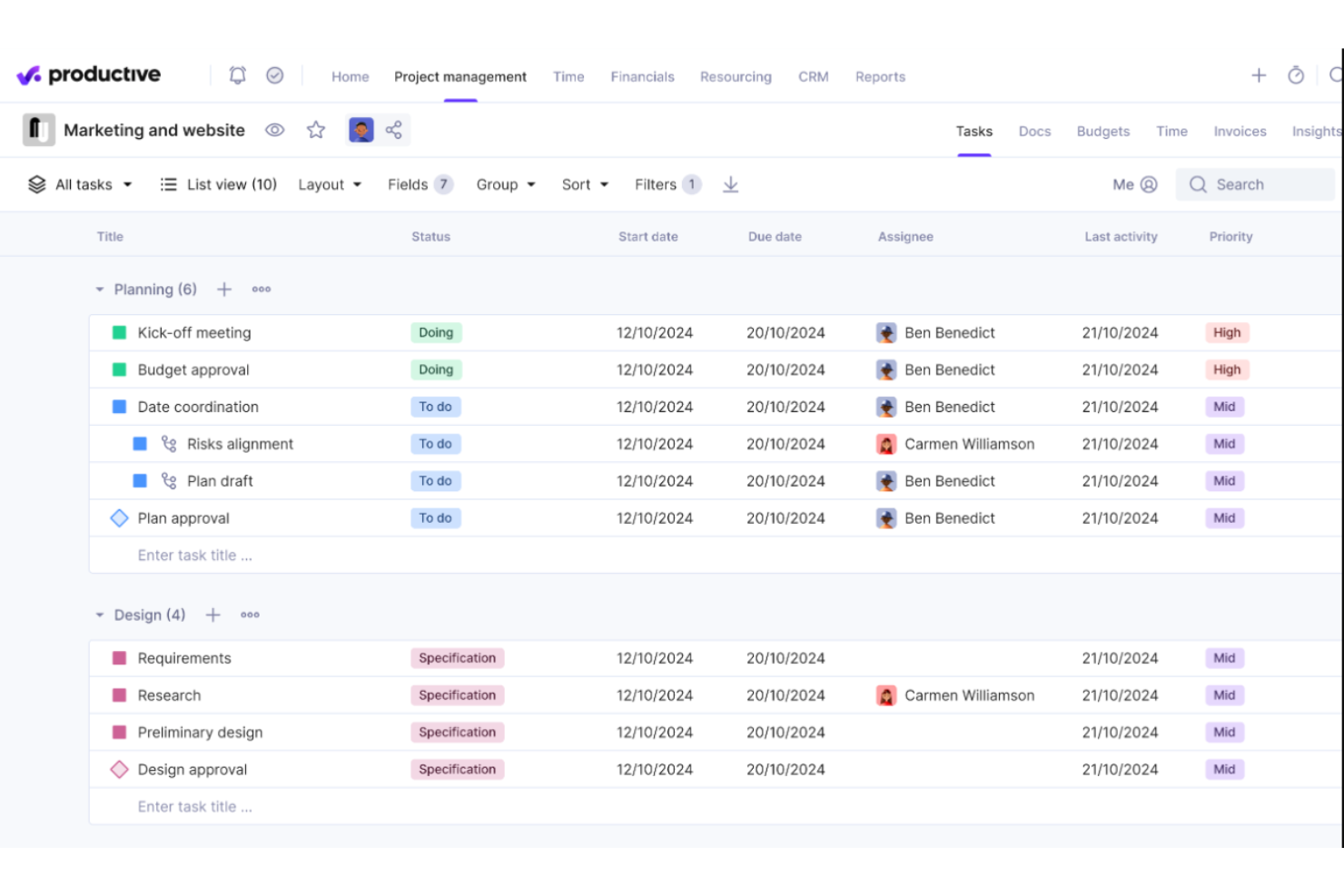
Productive est une plateforme de gestion de projets conçue pour les agences créatives qui doivent gérer des projets clients, suivre le temps, gérer les ressources et superviser les budgets au même endroit.
À qui Productive convient-il le mieux ?
Productive convient parfaitement aux agences créatives et numériques de petite à moyenne taille qui ont besoin d’une plateforme unique pour gérer les projets clients, la capacité de l’équipe et la rentabilité.
Pourquoi j’ai choisi Productive
Productive figure sur ma liste restreinte parce que c’est l’un des rares outils pour agences qui relie la planification des ressources, la réalisation des projets et les performances financières dans une seule vue. J’apprécie le fait que, lorsque mon équipe enregistre du temps sur un projet, ces données alimentent directement le suivi budgétaire et les rapports de rentabilité, sans rapprochement manuel. La fonctionnalité de planification des ressources me permet de voir qui est disponible, qui est surchargé et comment le travail planifié affectera les marges des projets plusieurs semaines à l’avance. Le module de budgétisation prend également en charge les modèles à prix fixe, au temps passé et aux matériaux, ainsi que les modèles de contrats récurrents, ce qui me permet de configurer des budgets qui reflètent précisément la manière dont mon agence facture ses clients.
Fonctionnalités principales de Productive
- Vues de projet multiples : Passez d’une vue Gantt à un tableau Kanban, une chronologie, un calendrier ou une vue de la charge de travail afin de gérer les tâches dans le format qui convient à votre équipe.
- Modèles de projet : Dupliquez les tâches, sous-tâches, descriptions et responsables depuis un modèle enregistré pour créer rapidement de nouveaux projets clients.
- Accès au portail client : Invitez directement les clients dans les projets pour qu’ils puissent consulter les budgets, laisser des commentaires et suivre l’avancement sans avoir besoin d’un outil distinct.
- Automatisations des flux de travail : Configurez des déclencheurs pour ouvrir automatiquement des projets, créer des factures ou envoyer des messages Slack lorsque certaines conditions sont remplies.
Intégrations de Productive
Les intégrations incluent Jira, HubSpot, Xero, Google Calendar, Sage, Gmail, Microsoft Outlook, Slack, BugHerd et QuickBooks.
Pros and Cons
Pros:
- Les budgets récurrents contribuent à éviter la surfacturation auprès des clients
- Le suivi du temps est directement relié aux budgets des projets
- Les prévisions anticipent le taux d’utilisation et les marges futures
Cons:
- Les vues de gestion des ressources peuvent sembler encombrées
- La configuration des budgets nécessite un temps d’apprentissage
New Product Updates from Productive

Productive Adds Agent Triggers, Teams Integration, and Time Controls
Productive adds automated agent triggers, broader AI file support, Microsoft Teams integration, Resource Planner improvements, and new time entry controls. These updates expand automation while improving scheduling, collaboration, and time tracking. For more information, visit Productive’s official site.
Wrike
Idéal pour les organisations en expansion

Wrike est une plateforme de gestion de projets conçue pour les agences créatives et les équipes marketing qui doivent gérer des campagnes complexes, rationaliser les retours et faire avancer les projets pour plusieurs clients et livrables.
À qui Wrike convient-il le mieux ?
Wrike convient particulièrement aux agences créatives de taille moyenne à grande qui ont besoin d’une plateforme de gestion de projets capable d’évoluer avec leur équipe et leur clientèle.
Pourquoi j’ai choisi Wrike
J’ai retenu Wrike parce que c’est l’une des rares plateformes capables d’évoluer avec une agence sans nécessiter une refonte complète des flux de travail lorsque l’équipe s’agrandit. J’apprécie particulièrement les formulaires de demande personnalisés, qui génèrent automatiquement des tâches, attribuent des flux de travail et acheminent les demandes lorsqu’un nouveau projet arrive — ainsi, l’intégration d’un nouveau client ou d’une nouvelle campagne ne devient pas chaotique. Les outils de réservation des ressources et de gestion de l’effort de Wrike me permettent également de voir exactement qui a encore de la disponibilité avant d’attribuer une tâche, ce qui est essentiel lorsque l’on gère plusieurs clients au sein d’une équipe en pleine croissance.
Principales fonctionnalités de Wrike
- Vues Kanban et Gantt : Visualisez les échéances des projets et l’avancement des tâches pour plusieurs campagnes grâce à des vues en tableau et en diagramme interchangeables.
- Outils de vérification et d’approbation : Examinez, annotez et approuvez les ressources créatives directement dans les tâches, sans passer à un outil distinct.
- Étiquetage croisé : Ajoutez simultanément des tâches à plusieurs dossiers de projets afin que le travail reste visible dans les différentes vues des clients ou des équipes.
- Tableaux de bord en temps réel : Créez des tableaux de bord personnalisés qui présentent l’état actuel des projets, l’achèvement des tâches et les données de charge de travail dans toute votre agence.
Intégrations de Wrike
Les intégrations comprennent Adobe Creative Cloud, Salesforce, Google Drive, Microsoft Teams, Zoom, QuickBooks, Tableau, Power BI, Miro et MediaValet.
Pros and Cons
Pros:
- La vérification intégrée accélère les approbations créatives
- L’intégration Adobe simplifie les flux de travail liés aux ressources
- Les formulaires de demande standardisent les briefs créatifs
Cons:
- Les fonctionnalités avancées pour les agences sont réservées aux forfaits supérieurs
- Outils limités de création collaborative en temps réel
New Product Updates from Wrike

Wrike Adds Quick Search to Table View
Wrike adds Quick Search to Table View with full-table search across titles, descriptions, and fields, plus highlighted matches. This helps users find tasks faster in large tables. For more information, visit Wrike’s official site.
Idéal pour gérer des projets créatifs à grande échelle afin d’augmenter le retour sur investissement
Screendragon est un logiciel de gestion de projets créatifs conçu pour accélérer la livraison créative et réduire les risques et les coûts des projets. Il est utilisé et apprécié par des équipes internes et des agences chez Kellogg’s, BP, le Comité International Olympique, TBWA et McCann World Group.
Screendragon se distingue particulièrement par son automatisation de flux de travail améliorée par l’IA, qui aide les équipes créatives à éliminer les tâches manuelles répétitives, à réduire les goulets d’étranglement lors des validations et à simplifier les processus complexes. En automatisant intelligemment les flux de travail, les équipes libèrent plus de temps pour les activités créatives à forte valeur ajoutée tout en assurant le bon déroulement des projets avec moins de retards. Cette automatisation, associée à une interface hautement personnalisable et à des options de branding, fait de Screendragon une solution puissante pour les agences ayant besoin à la fois de flexibilité et de rapidité.
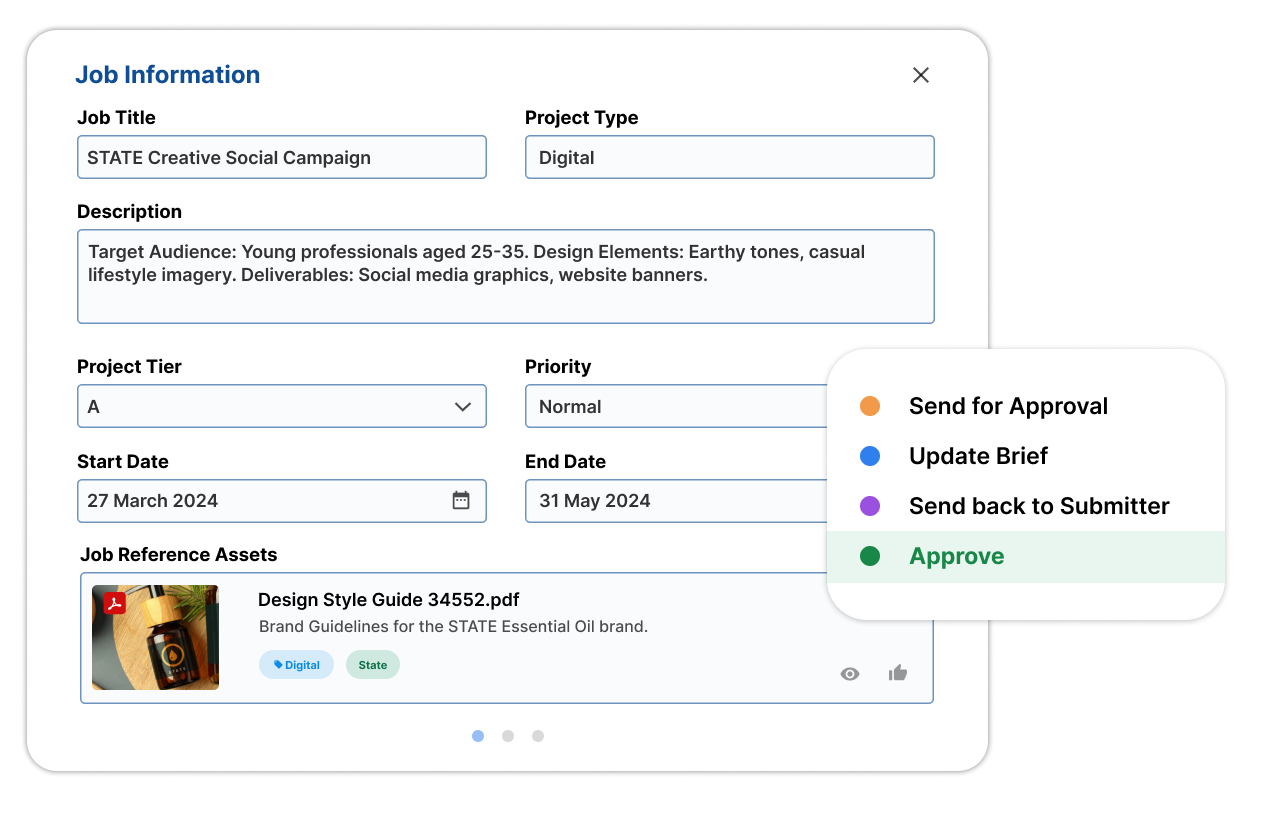
D’un point de vue ergonomique, Screendragon propose une interface intuitive avec des fonctionnalités couvrant chaque étape de la gestion de projet créatif — création de cahiers des charges, briefs créatifs, validation visuelle, partage de fichiers, et circuits de validation et d’approbation. Les options avancées de personnalisation comprennent des permissions utilisateur granulaires, des tableaux de bord personnalisés, des formulaires personnalisés, des modèles et des règles de gestion des flux de travail.
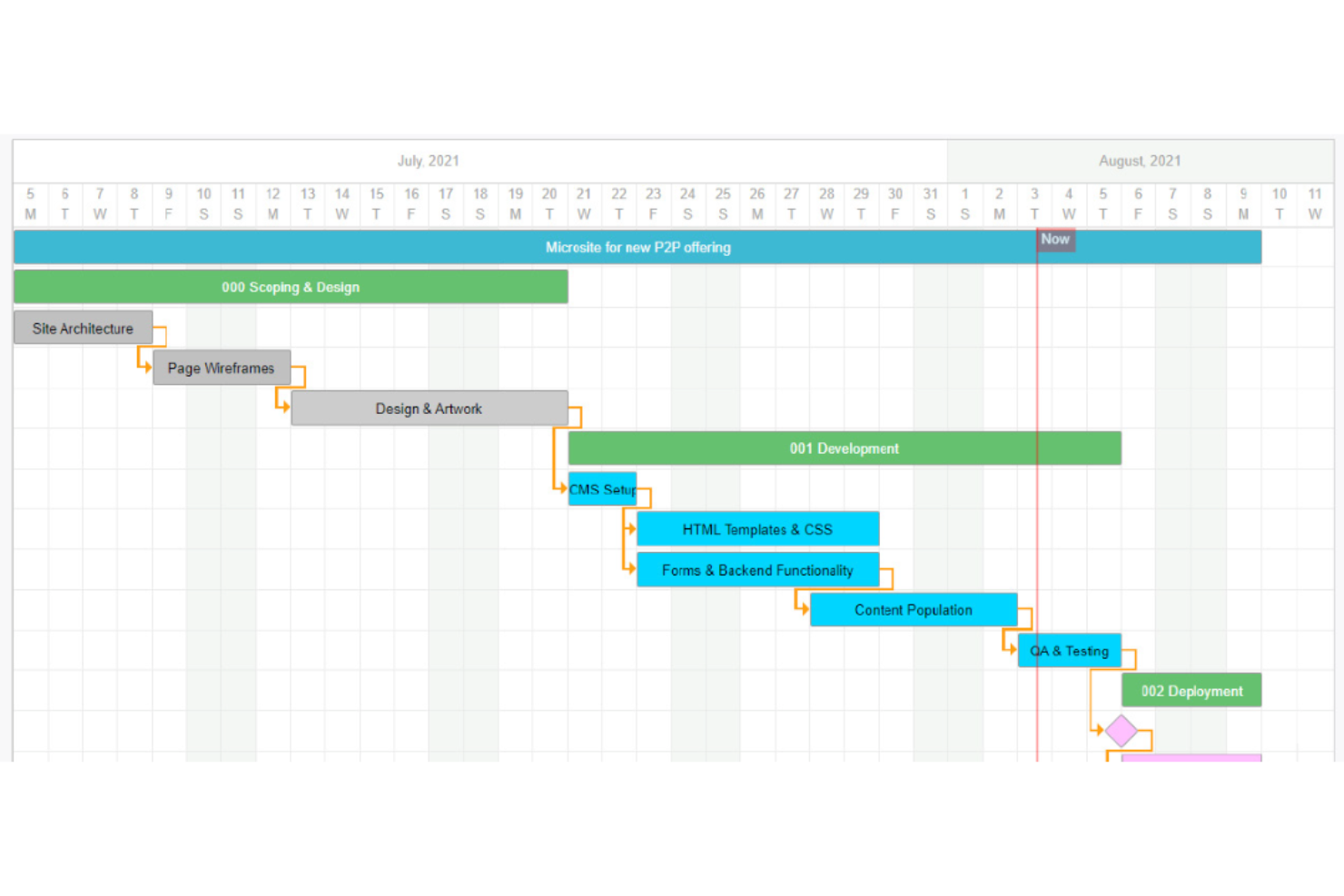
Les équipes créatives peuvent gérer et visualiser leur travail via des diagrammes de Gantt interactifs, des tableaux Kanban ou des vues en liste. Son module budgétaire intégré facilite la création des devis et le suivi des dépenses tout au long du cycle de vie du projet. Les responsables profitent également de la vue de capacité, qui fournit une perspective à 360 degrés de la disponibilité actuelle et à venir des ressources pour mieux anticiper.
Pour rationaliser davantage la production, Screendragon inclut le contrôle des versions, un routage avancé et l’automatisation des approbations, ce qui en fait un choix populaire pour les agences internes cherchant à accroître la productivité et réduire les coûts. La plateforme est très adaptable aux différents besoins organisationnels, garantissant qu’elle évolue à mesure que les équipes grandissent.
Screendragon propose également une API ouverte et des intégrations transparentes. Des connexions natives avec des systèmes ERP tels que SAP et PeopleSoft sont disponibles, ainsi que des intégrations avec des milliers d’applications via Zapier — y compris Slack, Trello, Google Drive, Office 365 et Microsoft Dynamics.
New Product Updates from Screendragon
Screendragon Unveils New AI Hub
Screendragon introduced AI Hub, a new capability that lets teams build and manage AI agents directly within workflows. The update helps marketing teams automate tasks, maintain governance controls, and scale AI-driven operations more efficiently. For more information, visit Screendragon's official site.

Kantata
Idéal pour la prestation de services créatifs sur tout le cycle de vie

Kantata est une plateforme de gestion de projets conçue pour les agences créatives qui doivent gérer les projets clients, les ressources et les finances depuis un espace de travail unique, afin d'aider les équipes à gérer des flux de travail et des livrables complexes tout au long du cycle de vie du projet.
À qui Kantata convient-il le mieux ?
Kantata convient particulièrement aux agences créatives de taille moyenne à grande et aux entreprises de services professionnels qui doivent gérer les ressources, la réalisation des projets et les finances clients au même endroit.
Pourquoi j'ai choisi Kantata
Kantata mérite sa place parmi les meilleurs outils de ma sélection, car il s'agit de l'une des rares plateformes qui couvre véritablement l'ensemble du cycle de prestation de services créatifs, de la planification des ressources avant le lancement d'un projet jusqu'au reporting financier une fois celui-ci terminé. J'apprécie le fait que le module de gestion des ressources permette à mon équipe de filtrer les talents disponibles selon leurs compétences et leur capacité, afin que nous ne nous contentions pas d'affecter les personnes disponibles, mais que nous associons réellement les bonnes personnes aux bonnes tâches. La couche de gestion financière est ce qui distingue véritablement Kantata : mon équipe peut suivre les marges des projets en temps réel, et pas uniquement au moment de la facturation, ce qui nous permet de détecter les dérives de périmètre avant qu'elles ne réduisent discrètement la rentabilité à néant. La couche intégrée de veille stratégique nous fournit également des rapports prédéfinis sur le taux d'utilisation, les honoraires et les marges, soit exactement les indicateurs dont les dirigeants d'agence ont besoin pour prendre en toute confiance des décisions en matière de recrutement et de tarification.
Fonctionnalités clés de Kantata
- Outils de collaboration et de collecte des retours : Recueillez les impressions des clients et des employés parallèlement aux indicateurs des projets dans un espace de travail unique afin de suivre la satisfaction et de signaler les problèmes pendant la réalisation.
- Suivi du temps : Enregistrez les heures facturables et non facturables directement sur les projets afin que les données de temps de votre équipe alimentent directement les calculs de budget et de marge.
- Moteur d'expertise IA : Met en évidence les prochaines actions les plus pertinentes et fournit des informations prévisionnelles à partir des données de l'ensemble de votre portefeuille de projets.
- Facturation : Générez des factures directement liées aux données financières des projets, afin de maintenir la facturation en adéquation avec le travail réellement réalisé.
Intégrations de Kantata
Les intégrations incluent Salesforce, HubSpot, Slack, Jira, QuickBooks, Xero, NetSuite, BambooHR, Google Drive et Microsoft Teams.
Pros and Cons
Pros:
- La gestion des ressources basée sur les compétences associe les créatifs aux projets
- La prévision de capacité contribue à éviter la surcharge de l'équipe
- Les retours des clients peuvent être recueillis pendant la réalisation
Cons:
- La richesse fonctionnelle peut submerger les petites équipes créatives
- Les flux de travail de gestion des services professionnels peuvent sembler rigides pour les projets créatifs menés à un rythme soutenu
New Product Updates from Kantata

Kantata Adds Access Group Change History
Kantata adds Access Groups History, letting account administrators track changes to group details, membership, and permissions in Recent History. The update also makes these events available through the Subscribed Events API for broader monitoring. For more information, visit Kantata’s official site.
 .
.
Idéal pour la gestion stratégique des agences
Synergist est une plateforme de gestion de projets destinée aux agences créatives qui gèrent leurs projets, leurs ressources et leurs finances au même endroit, afin d'aider leurs équipes à gérer des flux de travail complexes et à fournir un travail rentable.
Pour qui Synergist est-il le mieux adapté ?
Synergist s'adresse aux agences créatives et marketing de taille moyenne à grande qui ont besoin d'une visibilité approfondie sur la rentabilité des projets, l'utilisation des ressources et les performances financières.
Pourquoi j'ai choisi Synergist
Synergist mérite sa place parmi les meilleurs outils de ma sélection, car il est conçu spécifiquement pour la gestion stratégique des agences, offrant à leurs dirigeants la visibilité financière et opérationnelle dont ils ont besoin pour prendre des décisions qui font progresser l'entreprise. J'apprécie particulièrement les tableaux de bord de rentabilité en temps réel, qui permettent de voir en un coup d'œil quels clients, projets et services génèrent une marge et lesquels la réduisent insidieusement. Les fonctionnalités de comptabilisation des revenus et de prévision de la facturation sont particulièrement performantes : vous pouvez modéliser les revenus par mois, ajuster la comptabilisation des travaux en cours et suivre les revenus facturés par rapport aux revenus prévus sans passer d'un système à l'autre. Le générateur de rapports personnalisés permet également à mon équipe de programmer l'envoi automatique de rapports dans les boîtes de réception appropriées, afin que la direction dispose toujours de données à jour sans avoir à les rechercher.
Fonctionnalités clés de Synergist
- Planification des ressources : Réservation dans un calendrier par glisser-déposer avec visibilité sur les réservations en dépassement, réservations provisoires et rapports d'utilisation par personne, équipe et projet.
- Tableaux kanban et gestion des tâches : Tableaux kanban personnalisables avec listes illimitées, listes de contrôle, commentaires en fil et saisie du temps directement sur les tâches.
- Estimation et devis : Créez des devis en plusieurs phases avec des options de facturation au forfait, au temps passé et aux matériaux, ou hybrides, notamment des grilles tarifaires propres à chaque client et des prévisions du portefeuille commercial.
- Achats et gestion des fournisseurs : Créez des bons de commande associés aux missions, définissez des limites de dépenses par utilisateur, rapprochez les factures des fournisseurs et exportez les données vers votre logiciel de comptabilité.
Intégrations de Synergist
Les intégrations comprennent Sage Business Cloud Accounting, Sage 50, Sage 300, Sage Intacct, Xero, QuickBooks, Access, KashFlow, Microsoft Dynamics et AccountsIQ.
Pros and Cons
Pros:
- Suit les dépassements de prestation avant que les marges ne diminuent
- La planification de la capacité met en évidence les besoins en travailleurs indépendants
- Gestion intégrée des contrats de maintenance et des missions récurrentes
Cons:
- Peut sembler complexe pour les utilisateurs occasionnels
- Davantage axé sur les opérations que sur la validation créative

Idéal pour la planification des capacités
Resource Guru offre aux agences créatives un moyen clair de planifier les personnes, les projets et les ressources, en aidant les équipes à gérer les charges de travail et à éviter la surallocation lorsqu'elles répondent aux multiples demandes de leurs clients.
À qui Resource Guru convient-il le mieux ?
Resource Guru convient particulièrement aux agences créatives de petite et moyenne taille qui ont besoin d'un outil dédié pour planifier les personnes et suivre la disponibilité de l'équipe sur plusieurs projets.
Pourquoi j'ai choisi Resource Guru
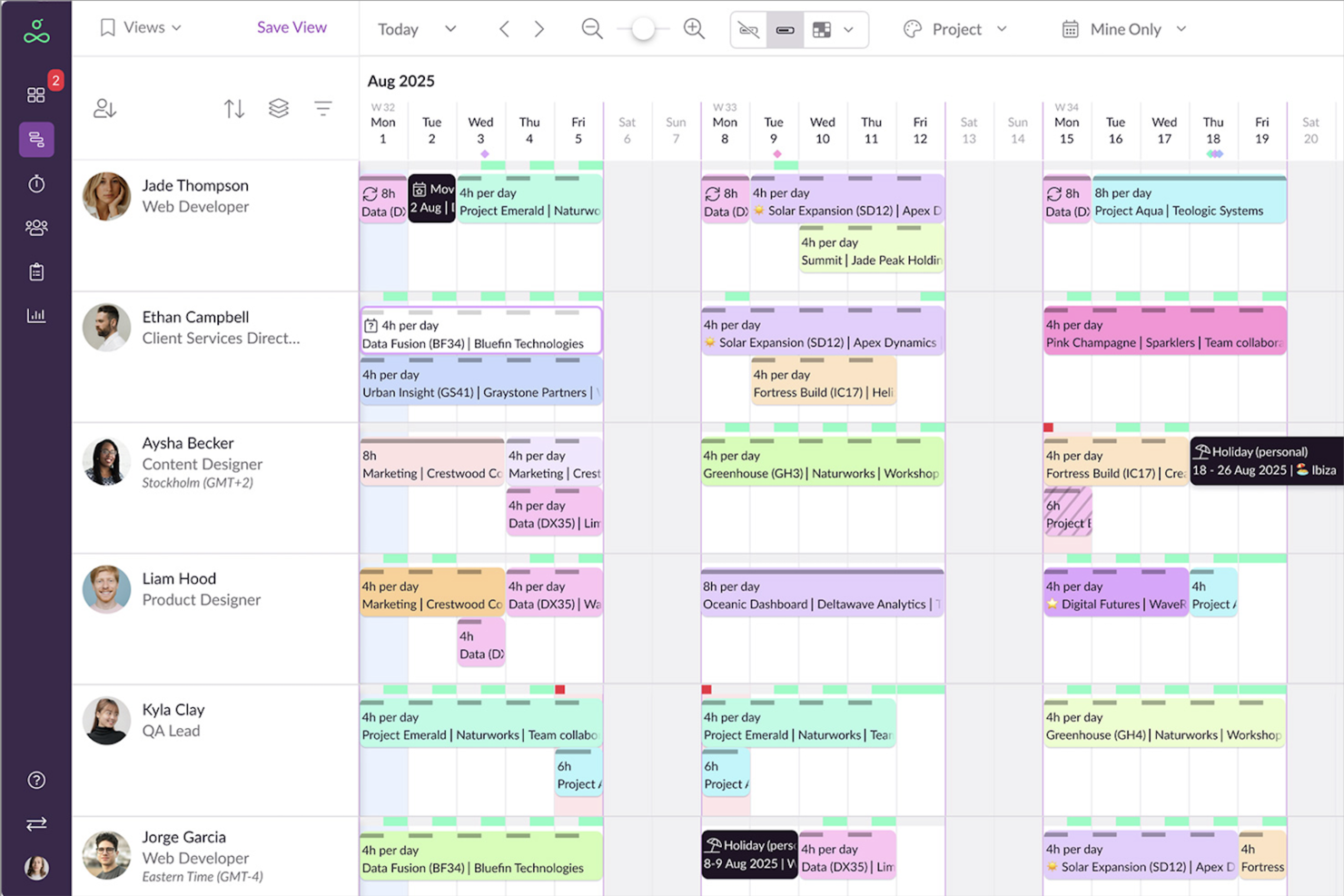
Resource Guru figure dans ma sélection parce qu'il gère très bien la planification des capacités pour les agences qui supervisent plusieurs projets simultanément. J'apprécie que la barre de disponibilité donne instantanément une vue d'ensemble des personnes qui disposent de capacité et de celles qui sont surchargées, sans avoir à parcourir des feuilles de calcul ni à relancer les équipes pour obtenir des mises à jour de statut. Mon équipe peut utiliser les rapports d'utilisation pour voir en un coup d'œil si nous affectons trop ou pas assez de personnes aux projets clients. Cette visibilité facilite grandement les décisions d'affectation des ressources avant qu'un goulot d'étranglement ne survienne.
Principales fonctionnalités de Resource Guru
- Planification par glisser-déposer : Déplacez les réservations dans la vue chronologique pour ajuster les affectations sans devoir reconstruire votre planning depuis le début.
- Gestion des congés et absences : Enregistrez les vacances, les congés maladie et les jours fériés afin qu'ils soient automatiquement pris en compte dans la disponibilité des ressources.
- Suivi du temps des projets : Enregistrez les heures facturables et non facturables pour des projets et clients précis afin de tenir les feuilles de temps à jour.
- Gestion des conflits : Resource Guru signale automatiquement les doubles réservations, afin que vous puissiez résoudre les conflits avant qu'ils n'affectent la livraison.
Intégrations de Resource Guru
Les intégrations comprennent le calendrier Outlook, Google Agenda, Jira et Asana.
Pros and Cons
Pros:
- Les cartes thermiques des capacités révèlent la surcharge des équipes créatives
- Le filtrage par compétences aide à associer les créatifs aux briefs
- La gestion des conflits évite les doubles réservations de talents
Cons:
- La modification des réservations de plusieurs jours peut être fastidieuse
- Les prévisions avancées restent relativement limitées
New Product Updates from Resource Guru

Resource Guru Adds Flexible Total Hours Bookings
Resource Guru adds Total Hours bookings, letting teams allocate a fixed number of hours across a date range based on actual availability. The update helps schedules adapt automatically as bookings, leave, and availability change. For more information, visit Resource Guru’s official site.
 .
.
Idéal pour des échéanciers de projet complexes
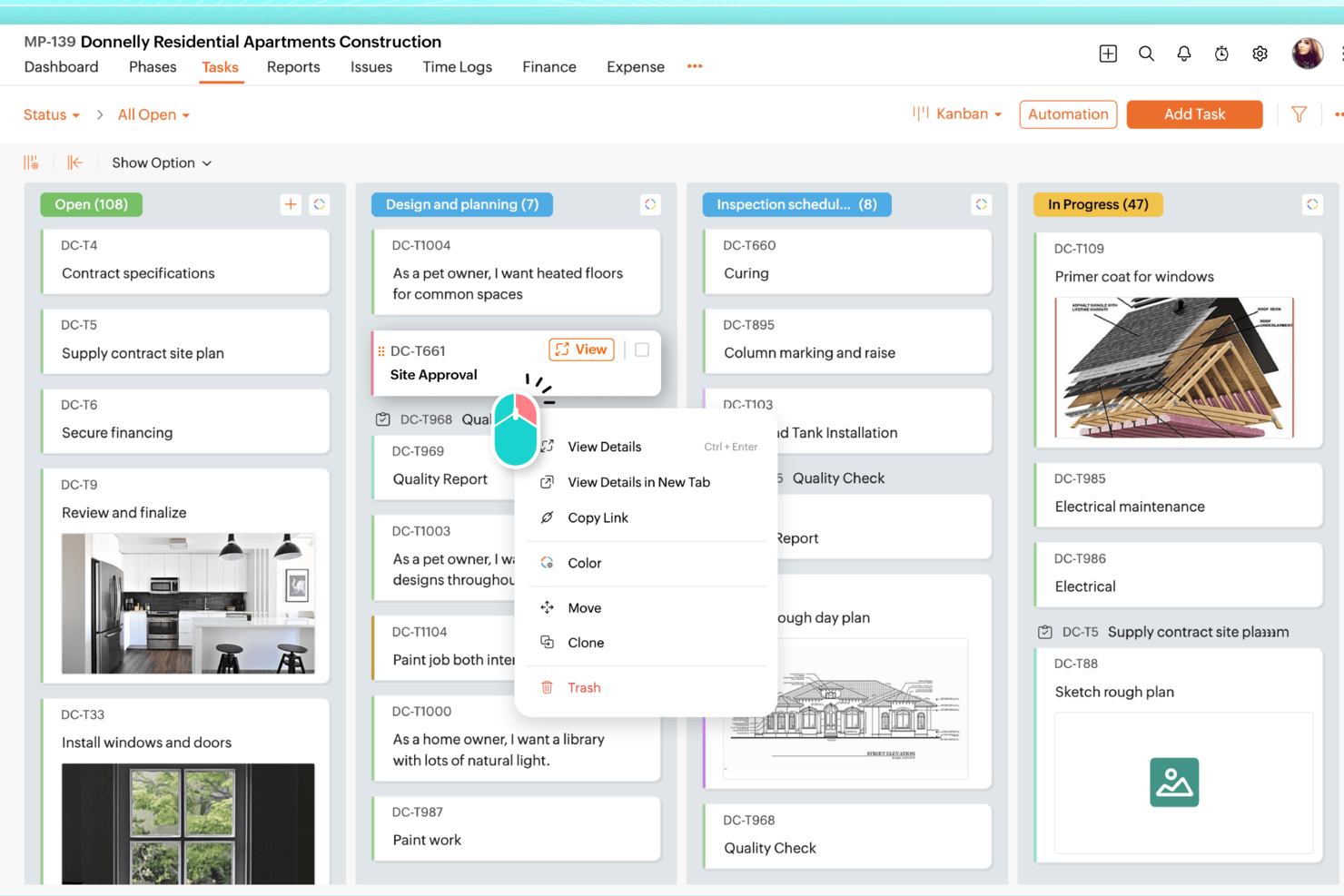
Zoho Projects offre aux agences créatives une plateforme flexible pour gérer les campagnes clients, suivre les livrables et coordonner les équipes sur des projets complexes grâce à des outils intégrés de collaboration et de gestion des échéanciers.
Pour qui Zoho Projects est-il le mieux adapté ?
Zoho Projects convient aux petites et moyennes agences créatives qui ont besoin de flux de travail de projet structurés sans le coût des outils de niveau entreprise.
Pourquoi j'ai choisi Zoho Projects
J'ai sélectionné Zoho Projects dans ma liste car il gère très bien les échéanciers complexes et multi-phases—un problème fréquent pour les agences créatives. J'apprécie particulièrement l'analyse du chemin critique du diagramme de Gantt, qui signale les tâches susceptibles de retarder l'ensemble du projet si elles prennent du retard. Cela permet à mon équipe d'identifier en priorité les livrables nécessitant une attention, plutôt que de découvrir un goulot d'étranglement après qu'il ait provoqué une cascade de retards. La fonction de comparaison avec la référence de départ est aussi utile : je peux fixer une référence au lancement du projet, puis comparer à tout moment l'avancement prévu à la réalité pour montrer aux clients exactement où en est le projet.
Fonctionnalités clés de Zoho Projects
- Dépendances de tâches : Reliez les tâches associées pour que toute modification de l'une mette automatiquement à jour le planning des travaux dépendants.
- Suivi du temps et feuilles de temps : Enregistrez les heures facturables et non facturables directement sur les tâches et générez des rapports de feuille de temps pour la facturation client.
- Graphique d'utilisation des ressources : Visualisez la répartition de la charge de travail au sein de l'équipe afin de repérer une surcharge avant qu'elle n'affecte la livraison.
- Gestionnaire d'incidents : Enregistrez, attribuez et suivez les bugs ou demandes de révision directement liées aux tâches du projet.
Intégrations de Zoho Projects
Les intégrations incluent Zoho CRM, Zoho Desk, Zoho Analytics, Zoho Books, Google Calendar, Microsoft Teams, Dropbox, Box, Slack et GitHub.
Pros and Cons
Pros:
- Automatisation solide et personnalisation des flux de travail
- Suivi du temps et facturation intégrés
- Tarifs abordables pour les équipes en croissance
Cons:
- Interface avec courbe d'apprentissage plus marquée
- Expérience mobile moins complète
New Product Updates from Zoho Projects
Zoho Projects Adds CodeX Scripts for Custom Modules
Zoho Projects now supports CodeX Scripts for custom modules, enabling conditional logic and rules for creating, updating, and deleting records. For more information, visit Zoho Projects' official site.
 .
.
Quire
Idéal pour décomposer des tâches complexes
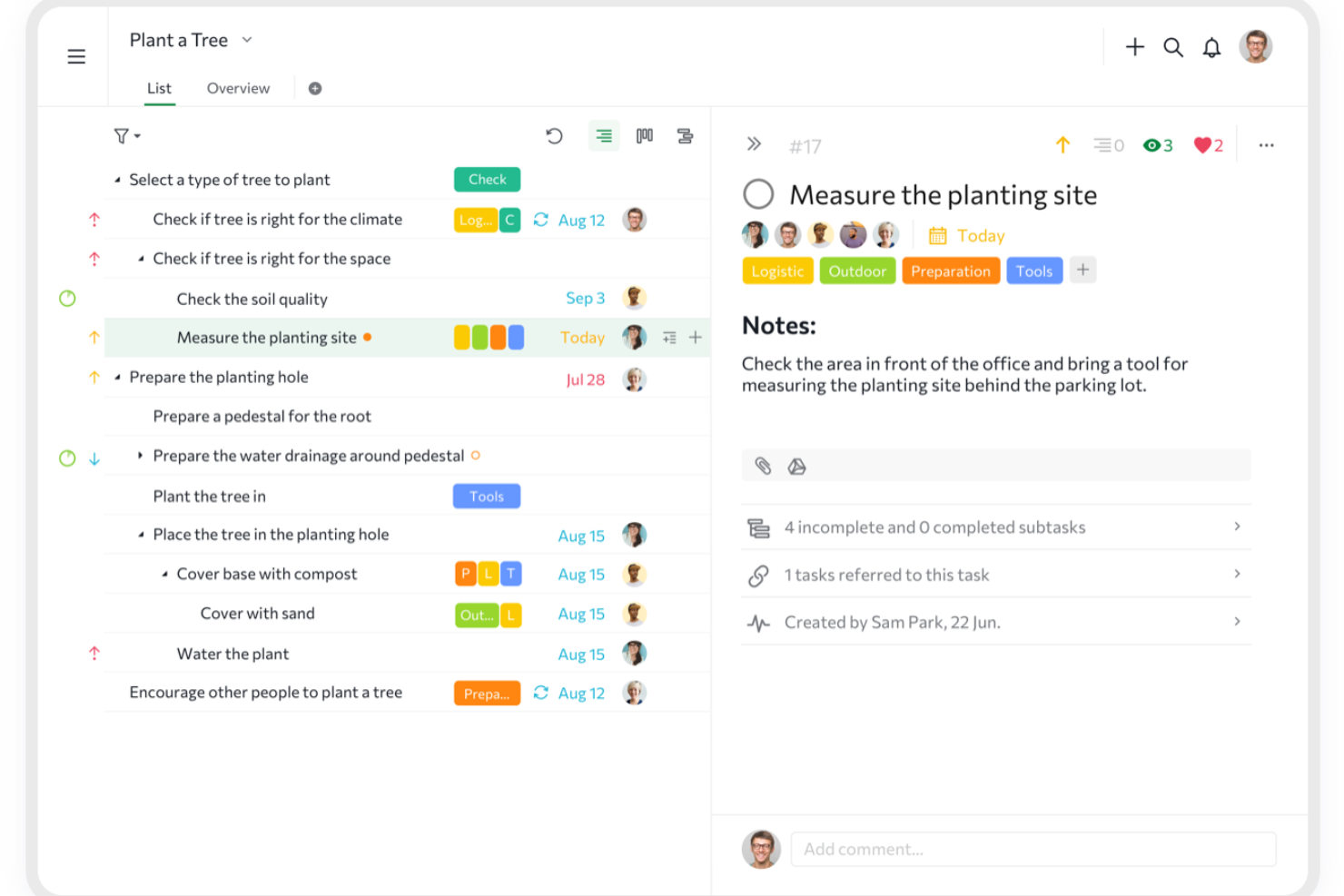
Quire est une plateforme de gestion de projet conçue pour les agences créatives et les équipes qui doivent organiser, visualiser et collaborer sur des projets complexes comportant de nombreux éléments en mouvement.
Pour qui Quire est-il le mieux adapté ?
Quire convient particulièrement aux petites et moyennes équipes créatives qui ont besoin d’un outil flexible et visuel pour gérer des projets à plusieurs niveaux, sans la lourdeur des solutions d’entreprise.
Pourquoi j’ai choisi Quire
Quire mérite sa place dans ma sélection pour l’efficacité avec laquelle sa liste de tâches imbriquée à l’infini gère les missions complexes et multi-phases auxquelles les agences créatives sont régulièrement confrontées. Je l’utilise pour découper de grands projets de campagne ou de production en sous-tâches profondément imbriquées, puis pour zoomer sur n’importe quelle branche afin de travailler dessus sans perdre de vue l’ensemble de la structure. La fonctionnalité Smart Sublist est particulièrement utile : je peux créer une vue ciblée uniquement sur les tâches pertinentes pour un membre d’équipe ou un sprint donné, afin que les designers et rédacteurs n’aient pas à naviguer parmi les tâches qui ne les concernent pas. Les dépendances entre tâches ajoutent un niveau de contrôle supplémentaire, me permettant de visualiser quels livrables sont bloqués par d’autres avant que l’échéance n’arrive par surprise.
Fonctionnalités clés de Quire
- Tableau Kanban : Visualisez et gérez les tâches à travers les différentes étapes du flux de travail grâce à un tableau à cartes déplaçables par glisser-déposer.
- Vue chronologique : Planifiez les échéances de projets et suivez l’avancement des livrables qui se chevauchent grâce à une chronologie de type diagramme de Gantt.
- Collaboration en temps réel : Commentez directement sur les tâches, identifiez des collègues, et partagez des mises à jour sans quitter le projet.
- Champs personnalisés : Ajoutez aux tâches des données spécifiques au projet, telles que le niveau de priorité, le budget ou le type de contenu.
Intégrations de Quire
Les intégrations proposées incluent Google Drive, Dropbox, Box, Microsoft OneDrive, Gmail, Outlook, Google Calendar, Microsoft Teams, Slack et GitHub.
New Product Updates from Quire

Quire Adds Task and Standalone Reminders
Quire adds task reminders and standalone reminders with shared notifications, recurring schedules, and automatic date tracking. These updates help teams stay ahead of deadlines and manage reminders that do not need a task. For more information, visit Quire’s official site.
 .
.Autres logiciels de gestion de projets pour agences créatives
Besoin d’autres idées d’applications créatives ? Après tout, les projets créatifs et la gestion de projets pour agences de design nécessitent parfois de sortir des sentiers battus. Voici quelques suggestions supplémentaires pour vous aider à démarrer.
- Enji
Idéal pour les petites agences marketing
- Quickbase
Idéal pour des applications métier sans code
- FigJam
Idéal pour se connecter à Figma
- MeisterTask
Idéal pour la collaboration inspirée de Kanban
- ClickUp
Idéal pour un forfait gratuit de gestion de projets créatifs
- Nifty
Idéal pour le reporting inter-organisations
- Freedcamp
Idéal pour les intégrations tierces
- Workzone
Un logiciel de gestion de projets complet, à la fois puissant et facile à utiliser pour les équipes créatives
- Streamtime
Idéal pour la gestion de missions créatives
- Filestage
Idéal pour sa variété de moyens de collecter des retours
- Teamwork.com
Idéal pour surveiller la capacité et la charge de travail de l'équipe
- Bonsai Agency Software
Idéal pour la gestion de projets d'agence créative à grande échelle
- Admation
Idéal pour les processus créatifs marketing
- FunctionFox
Meilleur outil de gestion de projets créatif avec suivi du temps
- Planview AdaptiveWork
Idéal pour les projets créatifs d’entreprise
- Ravetree
Idéal pour les contrats en régie
- COR
Meilleure solution de gestion tout-en-un pour les agences créatives
- ClientFlow
Idéal pour la collaboration au sein de petites équipes créatives
- GanttPRO
Idéal pour la gestion complexe des tâches avec diagramme de Gantt
- Project.co
Idéal pour collaborer avec les clients


Logiciels de gestion de projets connexes
Si vous n'avez toujours pas trouvé ce que vous cherchez ici, consultez ces autres outils connexes que nous avons testés et évalués :
- Logiciels de gestion de projets
- Outils de gestion de projets de production vidéo
- Logiciels de gestion de projets de relations publiques
- Logiciels de gestion des ressources
- Logiciels d'automatisation des flux de travail
- Logiciels de suivi du temps
- Outils de collaboration
- Outils de productivité
- Logiciels gratuits de gestion de projets
- Logiciels pour agences publicitaires
- Outils de collaboration pour le design
Comment j’évalue les logiciels de gestion de projets créatifs
Mon évaluation se divise en deux niveaux : les critères de base qu’un outil doit remplir pour figurer sur la liste, et les éléments différenciateurs qui importent pour les équipes créatives gérant briefs, épreuves et cycles de retours.
Fonctionnalités de base (Prérequis pour cette liste)
Lorsque je sélectionne des outils pour ma liste, j’attribue à chacun une note de 0 (fonctionnalité absente) à 5 (excellence dans ce domaine) pour chaque fonctionnalité clé ci-dessous. Ensuite, je calcule le score total de l’outil en pourcentage. Chaque outil doit obtenir un score total minimum de 65 % pour être pris en considération.
- Collecte des demandes créatives : Je vérifie si les équipes peuvent créer des formulaires de brief structurés et acheminer automatiquement les demandes, plutôt que de s’appuyer sur des emails ou des messages Slack pour démarrer un travail.
- Validation et annotation : La possibilité d’annoter des images, PDF et vidéos directement sur la plateforme est essentielle — je cherche des commentaires en fil de discussion, épinglés à des zones ou à des images précises.
- Workflows d’approbation : J’évalue la gestion des validations en plusieurs étapes, d’un chef de projet design unique validant des visuels sociaux à des revues plus complexes (légales, branding) sur les ressources de campagne.
- Gestion des ressources & des versions : Les équipes créatives manipulent des dizaines de versions de fichiers par livrable. Je recherche donc la gestion automatique des versions, des options de retour à une version antérieure, et des ressources reliées à leur tâche principale.
- Planification des ressources et de la capacité : Je vérifie les vues permettant de voir qui est surchargé ou qui a de la disponibilité, notamment entre différents métiers comme designers, concepteurs-rédacteurs ou motion designers.
- Modèles de workflow créatif : L’existence de modèles prédéfinis ou enregistrables pour les processus répétitifs (lancements de campagne, production vidéo) aide les équipes à éviter la configuration et à passer plus vite à l’action.
Une fois ma liste constituée d’outils répondant aux critères, j’examine les éléments qui distinguent chaque plateforme.
Facteurs différenciateurs (Ce qui distingue les éditeurs)
Voici comment je compare les différents éditeurs :
Fonctionnalités remarquables
Les portails clients et parties prenantes sont un vrai facteur de différenciation. Je privilégie les outils permettant aux intervenants externes de soumettre des briefs et valider des livrables sans licence complète. Les tableaux de bord analytiques créatifs sont aussi importants : un responsable de studio doit pouvoir rendre compte aux dirigeants du taux de révisions ou ponctualité des livraisons. Le suivi du temps, relié directement aux tâches créatives, aide agences et équipes internes à mesurer l’effort par projet et à gérer les refacturations éventuelles.
Au-delà des fonctionnalités
Les intégrations natives avec des outils comme Adobe Creative Cloud et Figma sont cruciales, car les designers doivent pouvoir mettre à jour le statut d’un projet sans quitter leur environnement créatif. J’évalue aussi la capacité de l’outil à se déployer à différentes échelles d’équipe : prestataires freelances, gestion multi-marques ou départements créatifs importants en entreprise. La sécurité fait également partie des critères clés. Les équipes manipulent souvent des éléments avant leur sortie et de la propriété intellectuelle sensible, donc je recherche des droits d’accès granulaires, la gestion de l’expiration des accès et l’audit des accès externes.
Comment choisir un logiciel de gestion de projets pour agence créative
Lorsque vous élaborez votre propre processus unique de sélection de logiciels, gardez les points suivants à l’esprit :
| Facteur | Points à prendre en compte |
|---|---|
| Facilité d’utilisation | Choisissez un logiciel que les designers, responsables de comptes et autres membres de l’équipe peuvent utiliser sans formation approfondie. Une interface complexe peut ralentir l’adoption et créer des obstacles dans le cadre d’un travail créatif mené à un rythme soutenu. |
| Collaboration créative et validations | Recherchez des fonctionnalités de commentaires, d’annotations, de suivi des versions et des flux de validation qui rattachent les retours au contenu créatif lui-même plutôt que de les disperser entre les e-mails et les discussions. |
| Planification des ressources et de la capacité | Vérifiez si vous pouvez consulter les charges de travail, les disponibilités, le taux d’utilisation et le temps consacré à chaque projet. Cela vous aide à repérer les créatifs surchargés et la capacité disponible avant d’attribuer le travail. |
| Suivi du temps et du budget | Recherchez le suivi du temps, les budgets de projet, les estimations et les rapports de rentabilité afin de voir quand le travail d’un client consomme plus d’heures que prévu. |
| Gestion des clients | Déterminez si les clients peuvent examiner le travail, fournir des retours et valider les livrables sans obtenir un accès inutile à l’espace de travail interne de votre agence. |
| Capacités d’intégration | Assurez-vous que la plateforme se connecte aux outils que votre agence utilise déjà, tels qu’Adobe Creative Cloud, les solutions de stockage de fichiers, de communication et de comptabilité. |
| Personnalisation | Recherchez des flux de travail, modèles, champs et tableaux de bord personnalisables capables de s’adapter à différents types de projets, des campagnes ponctuelles aux contrats récurrents. |
| Rapports | Vérifiez si vous pouvez établir des rapports sur le taux d’utilisation, les heures facturables, l’avancement des projets, les budgets et la rentabilité pour l’ensemble des clients et des projets. |
Les tendances des logiciels de gestion de projets pour agences créatives en 2026
Voici quelques tendances clés des outils de gestion de projets pour agences qui, selon moi, auront une influence aussi bien aujourd’hui qu’à l’avenir :
- L’IA prend en charge une plus grande partie des tâches fastidieuses : les outils de gestion de projets avec IA vont au-delà des résumés et des suggestions pour aider à créer des projets, mettre à jour les tâches, acheminer le travail et signaler les obstacles potentiels.
- La planification des ressources devient plus intelligente : les agences peuvent de plus en plus planifier le travail en fonction des disponibilités, des compétences, de la charge de travail, du taux d’utilisation et de la demande des projets, plutôt que d’attribuer les tâches à la personne qui semble simplement disponible.
- Les révisions créatives se déroulent au même endroit : la vérification, les annotations, les comparaisons de versions et les validations s’intègrent de plus en plus au flux de travail du projet, ce qui réduit la dispersion des retours entre les e-mails, les discussions et d’autres outils.
- Les rapports de projet nécessitent moins de travail manuel : les équipes peuvent de plus en plus poser des questions sur les données des projets, générer des mises à jour de statut et identifier les retards sans devoir créer chaque rapport à partir de zéro.
- La transformation des demandes en projets devient plus simple : les nouveaux outils peuvent aider à convertir les briefs, les demandes des clients et les conversations en tâches et en flux de travail, ce qui réduit le temps de configuration des projets et la saisie répétitive de données.
- Les contenus créatifs se rapprochent des flux de travail des projets : les agences gèrent de plus en plus les fichiers, les versions, les retours et les validations en parallèle du travail lui-même, au lieu de considérer la gestion des contenus comme un processus distinct. Pour les équipes qui gèrent de grands volumes de fichiers créatifs, un logiciel de gestion des contenus numériques dédié peut offrir une organisation, une recherche, des autorisations et un contrôle des contenus plus avancés.
Qu’est-ce qu’un logiciel de gestion de projets pour agence créative ?
Un logiciel de gestion de projets pour agence créative aide les agences à gérer le travail des clients, du brief à la livraison finale. Il offre aux responsables de comptes, chefs de projet, designers, rédacteurs et autres créatifs un espace unique pour suivre qui travaille sur quoi, les échéances et l’état d’avancement de chaque livrable.
Contrairement aux outils basiques de gestion des tâches, les logiciels destinés aux agences prennent souvent en charge les briefs créatifs, la planification des ressources, le suivi du temps et du budget, les révisions de fichiers, les retours, la gestion des versions et les validations des clients. Cela aide les agences à gérer les deux aspects du travail : faire avancer les projets créatifs tout en surveillant la capacité, les échéances et la rentabilité.
Logiciel de gestion de projets ou DAM
La distinction la plus simple est que les logiciels de gestion de projet gèrent le travail, tandis que les logiciels de gestion des ressources numériques (DAM) gèrent les fichiers produits par ce travail.
| Si vous devez… | Solution la mieux adaptée |
|---|---|
| Planifier des projets, attribuer le travail et gérer les échéances | Logiciel de gestion de projet |
| Gérer les charges de travail, les budgets et les dépendances | Logiciel de gestion de projet |
| Stocker et organiser une vaste bibliothèque de ressources créatives | DAM |
| Contrôler les versions des fichiers, les autorisations et l’accès aux ressources | DAM |
| Trouver et réutiliser les ressources créatives approuvées | DAM |
| Gérer la production et tenir à jour une bibliothèque de ressources à long terme | Logiciel de gestion de projet + DAM |
Il existe des recoupements, notamment concernant les fichiers, la validation, les versions et les approbations. Les équipes créatives n’ont donc pas toujours besoin des deux solutions. Si votre principal défi consiste à livrer le travail, donnez la priorité à la gestion de projet. S’il s’agit de maintenir organisée et accessible une bibliothèque de ressources en pleine croissance, un DAM est probablement la solution la mieux adaptée.
Fonctionnalités
Lors du choix d’un logiciel de gestion de projets créatifs, surveillez les principales fonctionnalités suivantes :
- Gestion des tâches : de solides fonctionnalités de gestion des tâches aident les équipes à attribuer, suivre et hiérarchiser les tâches, afin que chacun connaisse ses responsabilités et ses échéances. Cela contribue à gérer les dépendances et à réduire les goulots d’étranglement.
- Outils de collaboration : les outils de collaboration facilitent la communication entre les membres de l’équipe et permettent de partager facilement des idées, des commentaires et des mises à jour en temps réel.
- Suivi du temps : le suivi du temps permet aux équipes de surveiller le temps consacré à chaque tâche. Cela aide à établir le budget des projets et à identifier les points à améliorer.
- Gestion des ressources : la gestion des ressources aide à affecter efficacement les ressources telles que les membres de l’équipe, les outils et le matériel, ce qui peut prévenir la surallocation et optimiser leur utilisation.
- Partage de fichiers : les fonctionnalités de partage de fichiers garantissent que tous les membres de l’équipe ont accès aux dernières versions des fichiers et des documents. Cela réduit les risques d’erreurs et de malentendus.
- Cahiers des charges créatifs : les cahiers des charges créatifs permettent de présenter les objectifs du projet, le public cible et les livrables. Ils fournissent ainsi une orientation claire et garantissent l’alignement de toutes les parties prenantes.
- Contrôle des versions : le contrôle des versions assure le suivi des modifications apportées aux documents et aux fichiers, afin que les équipes puissent revenir aux versions précédentes si nécessaire et conserver un historique clair des révisions.
- Modèles de projet : les modèles de projet font gagner du temps en fournissant des structures prédéfinies pour les types de projets courants. Ils favorisent également la cohérence et permettent de démarrer rapidement.
- Diagrammes de Gantt : les diagrammes de Gantt offrent une représentation visuelle du calendrier du projet, afin que les équipes puissent comprendre l’avancement du projet et identifier les retards potentiels.
- Révision et approbation par le client : les fonctionnalités de révision et d’approbation par le client simplifient le processus de collecte des commentaires et des validations des clients, afin que les projets restent sur la bonne voie et répondent à leurs attentes.
Avantages
Voici cinq avantages clés de l’utilisation d’outils de flux de travail créatif pour les utilisateurs comme pour les organisations :
- Collaboration améliorée : les logiciels de gestion de projet pour les agences de publicité peuvent améliorer la collaboration en fournissant une plateforme centralisée pour la communication, afin que tous les membres de l’équipe soient alignés et puissent facilement partager leurs idées et leurs commentaires.
- Efficacité accrue : en rationalisant les flux de travail et en automatisant les tâches répétitives, le logiciel aide les équipes à travailler plus efficacement, à gagner du temps et à se concentrer sur les tâches créatives à fort impact.
- Meilleure gestion des ressources : des fonctionnalités efficaces de gestion des ressources permettent aux organisations d’affecter efficacement les membres de l’équipe et les outils, de prévenir la surcharge de travail et de garantir que les projets sont terminés dans les délais et le respect du budget.
- Transparence accrue : grâce aux mises à jour en temps réel et à une visibilité claire sur l’avancement des projets, les outils de gestion de projet pour les agences créatives peuvent accroître la transparence, afin que les équipes restent sur la bonne voie et que vous puissiez prendre rapidement des décisions éclairées.
- Résultats de meilleure qualité : l’approche structurée et les outils complets fournis par les logiciels de gestion d’agence de design aboutissent à des résultats de meilleure qualité, car les équipes peuvent planifier, exécuter et réviser leur travail avec davantage de précision.
Coûts et tarifs
Voici une présentation des formules courantes, de leurs prix moyens et des fonctionnalités qu’elles incluent généralement :
Tableau comparatif des formules
Voici un tableau que vous pouvez utiliser pour comparer les différentes formules proposées par la plupart des logiciels de gestion de projet pour agences créatives.
| Type de forfait | Prix moyen | Fonctionnalités courantes |
|---|---|---|
| Gratuit | $0 | Gestion basique des tâches, partage de fichiers, stockage et accès utilisateur limités, outils de collaboration basiques |
| Basique | $10 - $20 par utilisateur/mois | Gestion des tâches, suivi du temps, allocation des ressources, rapports basiques, intégrations avec les applications essentielles |
| Standard | $25 - $40 par utilisateur/mois | Outils de collaboration améliorés, rapports et analyses avancés, modèles de projets, contrôle des versions, capacité de stockage accrue |
| Premium | $50 - $70 par utilisateur/mois | Toutes les fonctionnalités standard, gestion des ressources optimisée par l’IA, automatisation des flux de travail, fonctionnalités de sécurité avancées, assistance prioritaire |
| Entreprise | Tarification personnalisée | Toutes les fonctionnalités premium, intégrations personnalisées, responsable de compte dédié, stockage illimité, sécurité de niveau entreprise |
FAQ sur les logiciels de gestion de projets pour agences créatives
Trouvez les réponses aux questions fréquentes sur la gestion de projets dans les agences créatives.
Qu’est-ce qu’un projet créatif ?
Un projet créatif est, dans la plupart des cas, une solution imaginative ou artistique originale au problème d’un client. Ces types de projets sont généralement pris en charge par les entreprises de marketing numérique, les agences publicitaires, les studios de création de marque et d’autres types d’entreprises créatives.
Qu’est-ce que la gestion de projets créatifs ?
La gestion de projets créatifs désigne les processus et méthodologies spécialisés utilisés pour planifier, organiser et exécuter des projets et initiatives créatifs. Contrairement à la gestion de projets traditionnelle, qui se concentre davantage sur les livrables et les processus tangibles, la gestion de projets créatifs traite les défis uniques liés à la gestion du travail créatif, tels que les processus de conception itératifs, les retours subjectifs et la gestion des talents créatifs. Elle comprend des techniques telles que les flux de travail agiles, les sprints de conception et la collaboration régulière avec les parties prenantes afin de maintenir les projets créatifs sur la bonne voie et de fournir des ressources créatives de haute qualité dans les délais et le respect du budget. En tant que chef de projet, vous êtes l’« intermédiaire » entre les équipes techniques, administratives et créatives.
Qui utilise les logiciels de gestion de projets créatifs ?
Il existe plusieurs types d’équipes et façons d’utiliser un logiciel de gestion de projets. Parmi les exemples spécifiques, on peut citer les agences créatives, les équipes marketing, les studios de design et les équipes de développement de produits. Le travail créatif implique collaboration, retours et validation, c’est pourquoi un système de gestion de projets pour agence doté de fonctionnalités de communication et de collaboration est particulièrement adapté à ce type de travail. Les équipes créatives peuvent également apprécier une interface conviviale par glisser-déposer ou des listes de contrôle interactives. Pour les agences en particulier, la possibilité de suivre l’avancement — et de permettre aux clients de le suivre — constitue un atout majeur. Certains systèmes de gestion d’agence proposent même des portails clients pour faciliter ce suivi.
Comment gérer un projet créatif ?
Il n’existe pas une seule façon de gérer un projet créatif. Selon le mode de fonctionnement de votre équipe, vous pouvez adopter une approche agile ou davantage en cascade. De même, la création d’un produit peut nécessiter une approche différente de celle de la gestion d’un projet marketing. Quel que soit votre contexte, voici quelques étapes pour commencer :
- Suivez attentivement un processus de collecte des exigences.
- Lancez le projet avec une réunion de lancement solide.
- Assurez-vous de savoir créer et utiliser un plan de projet et un budget robustes.
- Suivez l’avancement et maintenez une communication fréquente (et évitez la dérive du périmètre !).
- Une fois le produit final livré, veillez à recueillir des retours utiles de la part de vos équipes (par exemple, lors d’une réunion rétrospective).
Que fait un chef de projet dans une agence créative ?
À quoi ressemble donc le travail quotidien de gestion de projets dans une agence créative ? Voici une liste type des tâches d’un chef de projet travaillant en agence :
- Examinez les échéanciers des projets et ajustez les calendriers si nécessaire.
- Organisez des réunions d’équipe pour suivre l’avancement et résoudre les éventuels problèmes.
- Coordonnez-vous avec les clients pour clarifier les exigences et fournir des mises à jour.
- Affectez les ressources et attribuez les tâches aux membres de l’équipe.
- Suivez les budgets des projets et veillez à leur rentabilité.
- Supervisez la qualité des livrables et assurez-vous qu’ils répondent aux attentes des clients.
- Gérez les risques et mettez en œuvre des stratégies d’atténuation.
- Mettez à jour la documentation du projet et tenez les dossiers à jour.
- Communiquez avec les parties prenantes pour gérer les attentes et rendre compte de l’avancement.
- Facilitez les processus de résolution des problèmes et de prise de décision.
Pouvez-vous gérer directement le travail créatif depuis l’emplacement où les fichiers sont stockés ?
Parfois. Les plateformes conçues autour des fichiers créatifs peuvent également vous permettre d’attribuer des tâches, de recueillir des retours, de gérer les versions et de faire passer les ressources par le processus d’approbation. Cela peut bien fonctionner lorsque le fichier est au centre du flux de travail. Mais si vous avez également besoin d’échéanciers détaillés, de planification de la capacité, de budgets ou de dépendances, vous aurez probablement besoin de fonctionnalités dédiées à la gestion de projets.
Dois-je utiliser un logiciel de gestion de projets ou un DAM ?
Réfléchissez à ce que vous essayez de gérer. Le logiciel de gestion de projets fait avancer le travail—qui fait quoi, pour quelle échéance et comment le projet progresse. Un DAM permet de garder le contrôle sur les ressources—où se trouvent les fichiers, quelle version est approuvée, qui peut y accéder et comment ils sont réutilisés.