


Moxo vs. ServiceNow: Vergleich und Expertenbewertungen für 2026



Workflow problems do not always begin with a broken process. Sometimes the process works fine until more teams, systems, approvals, and outside participants pile on, turning a simple handoff into an enterprise-sized headache.
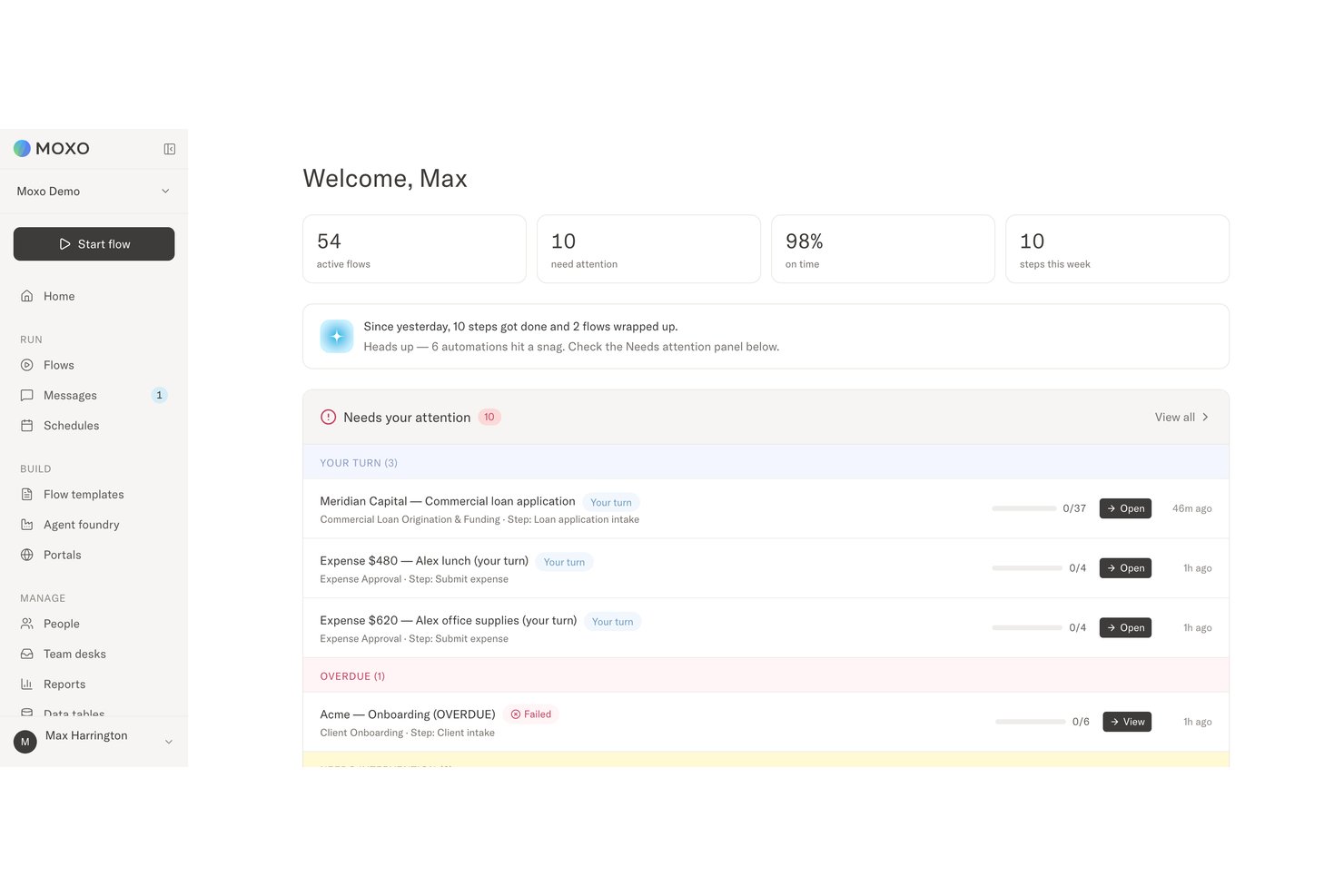
Moxo and ServiceNow are workflow automation platforms built to solve different operational problems. Moxo focuses on human-AI process orchestration across employees, clients, vendors, AI agents, and connected systems, while ServiceNow supports enterprise-wide workflow automation across IT, HR, customer service, security, finance, and other business functions.
In this detailed comparison, I’ve evaluated Moxo and ServiceNow to help you decide which platform better fits your workflow automation needs.
Moxo vs. ServiceNow: An Overview
Moxo
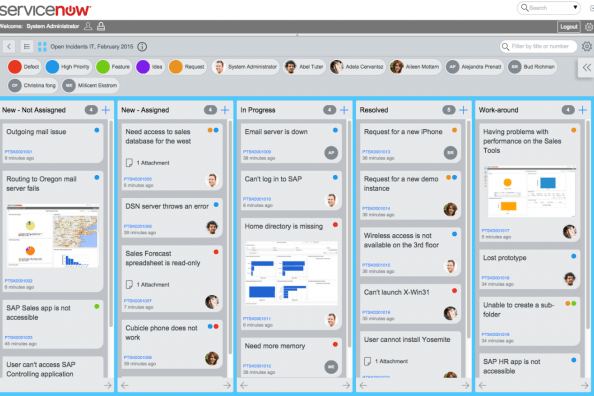
ServiceNow



Warum Sie unseren Software-Empfehlungen vertrauen können
Unser Team testet und bewertet Software seit 2012. Als Projektmanager wissen wir selbst, wie schwierig – und wichtig – es ist, die richtige Software auszuwählen.
Für diesen Leitfaden haben wir Tools mithilfe von praktischen Tests und unabhängiger Recherche bewertet und dabei unsere Bewertungskriterien angewendet. Zudem greifen wir auf Erkenntnisse von Branchenvordenkern und praktizierenden Projektmanagement-Experten zurück.
Unsere Bewertungen spiegeln unser menschliches redaktionelles Urteilsvermögen wider, keine Verkaufsstrategie.
Expertenprüfer:
Moxo vs. ServiceNow Pricing Comparison
| Moxo | ServiceNow | |
|---|---|---|
| Free Trial | Free plan available | Free demo available |
| Pricing | From $99/month | Pricing upon request |
Moxo vs. ServiceNow Preise & versteckte Kosten
Moxo veröffentlicht Preise für Free, Business und Pro, während für die Enterprise-Version ein individuelles Angebot erstellt wird. Die Kosten steigen, wenn Teams mehr Abläufe und KI-Kontingente benötigen oder in höhere Tarife für individuelle Portale, Supervisor-Agents, APIs, SSO und Prüfprotokolle wechseln. ServiceNow hingegen setzt auf individuelle Preisgestaltung je nach gewählten Produkten, Implementierungsumfang und betrieblichen Anforderungen. Hinzu kommen möglicherweise Kosten für Implementierungsberatung, Migration, Integrationen, Schulungen, Support, zusätzliche Module und laufende Verwaltung.
Die Entscheidung zwischen den beiden hängt vor allem davon ab, ob Sie Moxos transparente Preisstufen präferieren oder das hochgradig maßgeschneiderte Unternehmensmodell von ServiceNow bevorzugen. Holen Sie sich vor der Verpflichtung einen vollständigen Kostenüberblick ein, der Einrichtung, Nutzungslimits, Support, Integrationen, Anpassungen und spätere Erweiterungen abdeckt – denn das reine Abonnement-Angebot ist meist nur ein Teil der gesamten Investition.
Moxo vs. ServiceNow Feature Comparison
| Moxo | ServiceNow | |
|---|---|---|
| API | ||
| Analytics | ||
| Batch Permissions & Access | ||
| Customer Management | ||
| Data Export | ||
| Data Import | ||
| External Integrations | ||
| Multi-User | ||
| Notifications | ||
| Project Management | ||
| Workflow Management |
Moxo vs. ServiceNow Integrationen
| Integration | Moxo | ServiceNow |
|---|---|---|
| Salesforce | ✅ | ✅ |
| Microsoft Teams | ✅ | ✅ |
| Google Drive | ✅ | ✅ |
| Slack | ✅ | ✅ |
| Zoom | ✅ | ✅ |
| DocuSign | ✅ | ✅ |
| Jira | ✅ | ✅ |
| Outlook | ✅ | ✅ |
| API | ✅ | ✅ |
| Zapier | ✅ | ✅ |
Beide Plattformen bieten eine hohe Integrationsvielfalt, setzen diese Verbindungen jedoch unterschiedlich ein. Moxo führt Daten und Aktionen in Mehrparteien-Workflows für Mitarbeiter, Kunden, Partner und KI-Agents zusammen, während ServiceNow für die Verknüpfung großer Unternehmenslandschaften über IT, HR, Kundenservice, Sicherheit und weitere Bereiche ausgelegt ist. Insgesamt bietet ServiceNow mehr Tiefe für komplexe Unternehmensökosysteme, während Moxo die Koordination vernetzter Systeme rund um externe Zusammenarbeit und nachvollziehbare menschliche Entscheidungen vereinfacht.
Moxo vs. ServiceNow Sicherheit, Compliance & Zuverlässigkeit
| Faktor | Moxo | ServiceNow |
|---|---|---|
| Datenschutz | Verwendet eine Multi-Tenant-Architektur mit KMS-verschlüsseltem Speicher sowie Verschlüsselung bei der Übertragung und im Ruhezustand zum Schutz von Workflowdaten und Dokumenten. | Verschlüsselt Daten bei der Übertragung und im Ruhezustand, mit zusätzlichem Schutz für sensible Felder, Anhänge, Datenbanken und Verschlüsselungsschlüssel. |
| Compliance & Datenschutz | Hält SOC 2 Typ II und SOC 3 Zertifizierungen, wird regelmäßig von Drittanbietern geprüft und bietet Kontrollmechanismen, die GDPR-Anforderungen in regulierten Workflows unterstützen. | Verfügt über ein breites Portfolio an SOC-, ISO-, Datenschutz-, Cloud-Sicherheits- und Geschäftskontinuitäts-Zertifizierungen für globale Unternehmen. |
| Identität & Zugriff | Unterstützt SAML 2.0 SSO und rollenbasierte Kontrollen für Mitarbeiter, externe Beteiligte und KI-Agenten und begrenzt so den Zugriff auf Daten, Aktionen und Entscheidungsbefugnisse. | Bietet SSO, MFA, Verzeichnisintegrationen sowie fein abgestufte rollenbasierte Kontrollen über Anwendungen, Datensätze, Felder und Administrationsfunktionen. |
| Auditierbarkeit & E-Signaturen | Führt unveränderliche Prüfprotokolle für menschliche und KI-Aktionen und bietet native e-Signaturen, geschützt durch KMS-basierte Verschlüsselung. | Zeichnet Benutzeraktivitäten, Systemereignisse, Transaktionen und Konfigurationsänderungen zur Unterstützung von Audits, Untersuchungen und Governance auf. |
| Zuverlässigkeit & Wiederherstellung | Nutzt Enterprise-Infrastruktur, gestaffelte Sicherheitskontrollen, flexible Einsatzoptionen und regelmäßige Tests zum Schutz der Verfügbarkeit und Integrität von Workflows. | Verwendet redundante Infrastruktur, kontinuierliche Replikation, Überwachung, Backups und getestete Notfallwiederherstellungsverfahren für Unternehmensverfügbarkeit. |
Moxo integriert Sicherheit direkt in den Workflow, mit kontrolliertem Zugriff, unveränderlichen Protokollen und kryptografisch geschützten Signaturen für menschliche und KI-Aktivitäten. ServiceNow hingegen bietet eine breitere Infrastruktur-Governance und globale Zertifizierungen, aber Moxo ist die gezieltere Wahl, wenn sichere externe Beteiligung und Rechenschaft für Entscheidungen nicht vage bleiben dürfen.
Moxo vs. ServiceNow Benutzerfreundlichkeit
| Faktor | Moxo | ServiceNow |
|---|---|---|
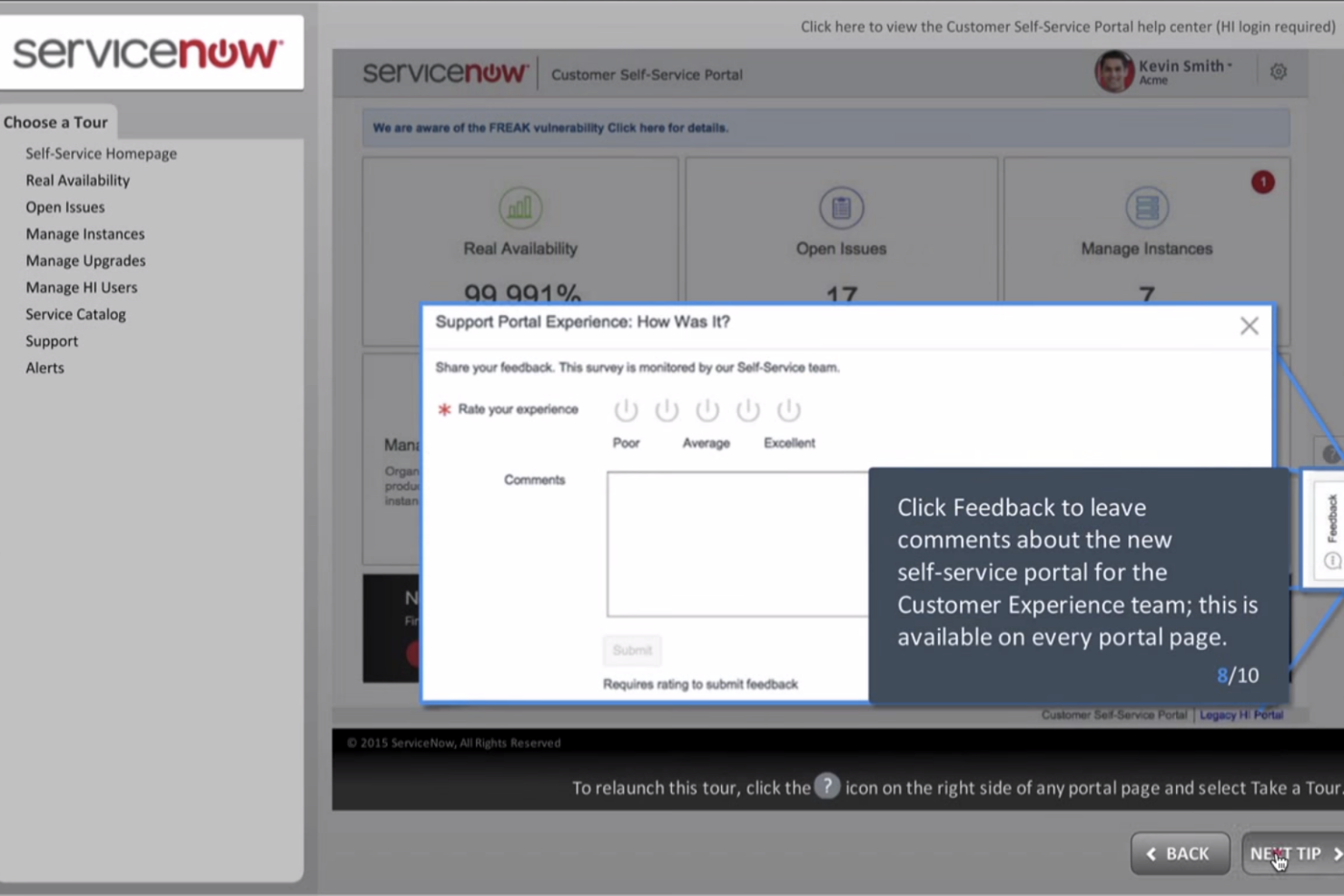
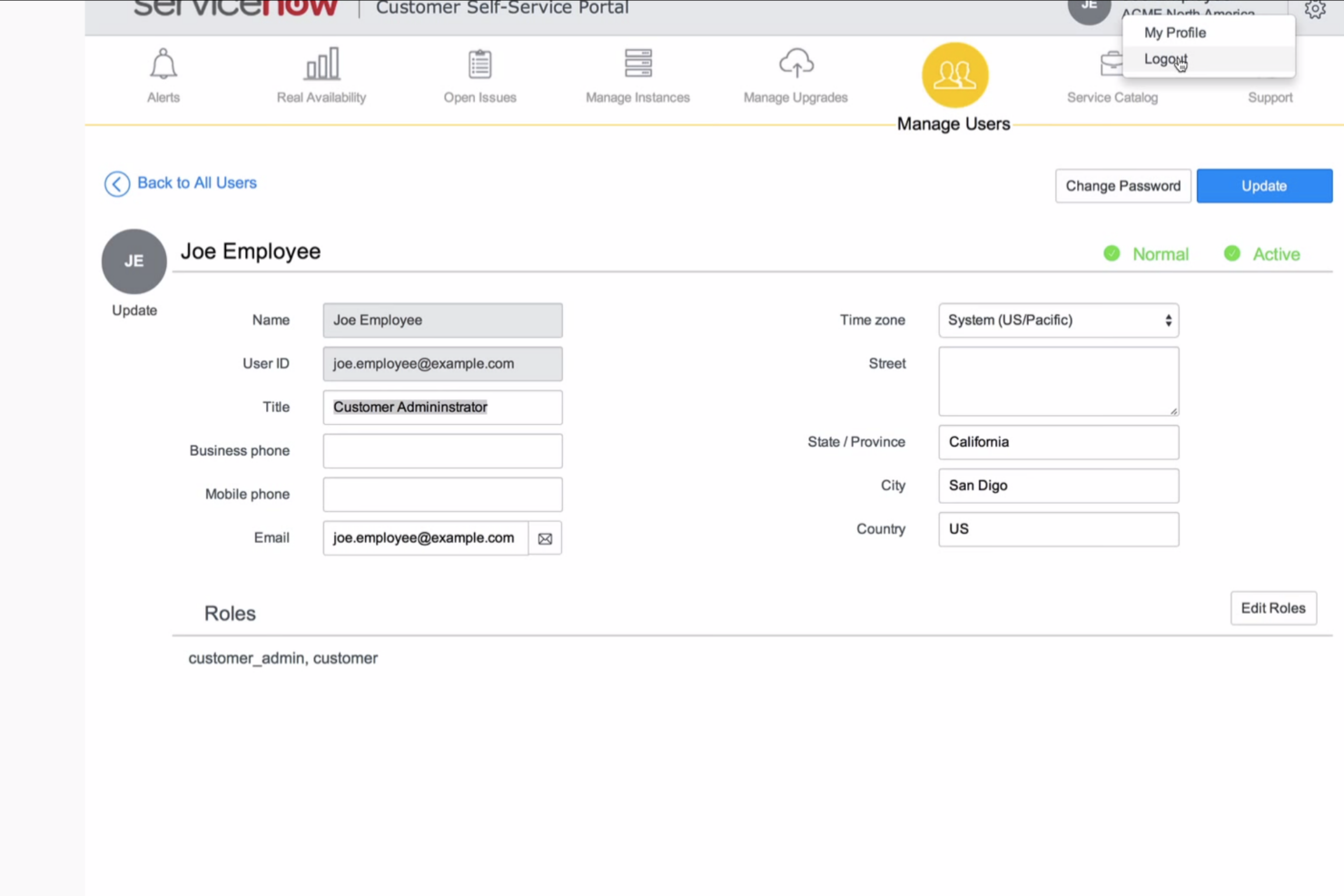
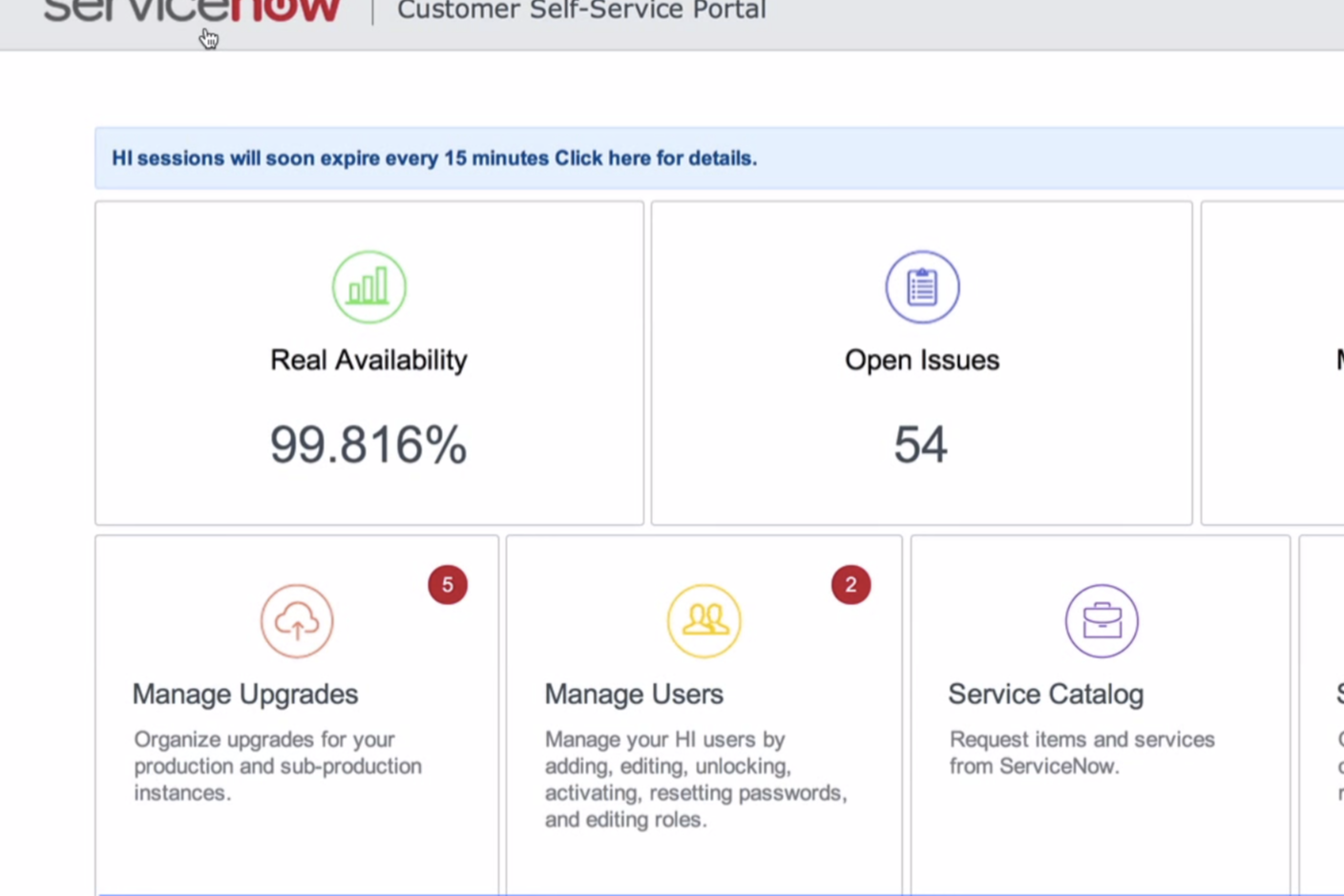
| Benutzeroberfläche | Setzt auf geführte Abläufe und individuelle Portale, sodass Mitarbeiter, Kunden, Lieferanten und weitere Teilnehmer nur die für sie relevanten Nachrichten, Dateien, Entscheidungen und Aktionen sehen. | Bietet Workflows, Services, Analysen und Administration in einer funktionsreichen Unternehmensoberfläche, die Einarbeitungszeit von neuen Nutzern erfordert. |
| Onboarding | Unterstützt Self-Service-Onboarding per Vorlagen, No-Code-Workflow-Builder sowie hochgeladene Dokumente oder Diagramme; geführte Implementierung ist für größere Deployments verfügbar. | Bietet umfangreiche Dokumentation, Schulungen und Implementierungsressourcen, wobei Rollouts im Unternehmen meist Administratoren, Berater oder zertifizierte Partner erfordern. |
| Workflow-Erstellung | Der No-Code-Workflow-Builder generiert Rollen, Verzweigungen, Datenreferenzen, Fristen und Eskalationsregeln aus schriftlichen Anweisungen, Dokumenten oder Diagrammen. Für komplexe Agentenaufsicht ist dennoch eine durchdachte Gestaltung nötig. | Bietet umfassende Low-Code-Konfiguration über Anwendungen, Daten, Automatisierungen und Geschäftsregeln, wobei komplexe Setups meist technisches Know-how und laufende Administration erfordern. |
| Kundensupport | Beinhaltet In-App-Unterstützung und eine Wissensdatenbank, mit Support durch Customer Success und Engineering für komplexere Implementierungen. | Bietet Dokumentation, Community-Ressourcen, technischen Support und Unternehmensservices, wobei Umfang und Reaktionszeiten vom gewählten Supportpaket abhängen. |
| Mobile Nutzung | Bietet internen und externen Beteiligten mobilen Zugriff auf individuelle Portale, geführte Aktionen, Genehmigungen, Dateien, Nachrichten und Workflow-Updates ohne Offenlegung des gesamten Prozesses. | Unterstützt mobile Serviceanfragen, Genehmigungen, Aufgaben, Vorfälle und Mitarbeiterworkflows – die Nutzererfahrung spiegelt jedoch die Vielseitigkeit der Plattform wider. |
Hinsichtlich der Benutzerfreundlichkeit hält Moxo die Einrichtung durch No-Code-Workflow-Builder, geführte Abläufe und individuelle Portale einfach, wobei jeder Teilnehmer nur das sieht, was er benötigt. ServiceNow bietet erheblich mehr Konfigurationsmöglichkeiten, diese Flexibilität geht jedoch meist mit aufwendigerem Onboarding, mehr Administration und höherem technischen Supportbedarf einher. Moxo ist die einfachere Wahl für Organisationen mit komplexen, mehrstufigen Workflows, während ServiceNow sich besser für Großunternehmen eignet, die für mehr Kontrolle auch eine steilere Lernkurve in Kauf nehmen.
Moxo vs ServiceNow: Pros & Cons
Moxo
- Agentic AI handles preparation, validation, routing, and monitoring
- Custom portals keep external participants aligned
- Human-in-the-loop controls, SLA rules, and audit trails reinforce accountability
- Advanced workflow design requires an adjustment period
- Less common integrations may require Zapier, Composio, or APIs
- Reporting focuses on process operations rather than customizable BI
ServiceNow
- It enhances your team's efficiency with powerful workflow automation.
- You can customize it extensively to fit your specific business needs.
- It offers strong customer support to help you resolve issues quickly.
- The user interface can be complex, which might slow down new users.
- It requires a learning curve to fully leverage its capabilities.
- You might find the initial setup time-consuming for larger implementations.
Best Use Cases for Moxo and ServiceNow
Moxo
- Professional Services Firms Accounting, legal, consulting, and marketing firms can manage client onboarding, document collection, approvals, and recurring service delivery.
- Financial Services and Insurance Banks, lenders, wealth managers, and insurers can coordinate applications, compliance checks, exception reviews, signatures, and client decisions.
- Healthcare Administration Healthcare organizations can manage provider credentialing, intake, document verification, acknowledgements, and approval-heavy processes.
- B2B SaaS Customer Operations Customer success and implementation teams can coordinate onboarding, account reviews, renewals, and service requests across customers and internal specialists.
- Real Estate and Construction Firms Moxo helps organize contracts, approvals, vendor requirements, project documentation, and communication between clients, brokers, contractors, and internal staff.
- Manufacturing and Logistics Operations Operations teams can use Moxo for vendor onboarding, order fulfillment, compliance checks, document requests, and other multi-party workflows.
ServiceNow
- IT Departments ServiceNow's comprehensive workflow automation helps your IT team manage tasks and incidents efficiently.
- Healthcare Organizations The platform supports compliance and streamlines your healthcare operations with its customizable workflows.
- Finance Companies ServiceNow offers robust security features that help your finance team manage sensitive data securely.
- Technology Firms With its integration capabilities, your tech team can easily connect existing tools and improve productivity.
- Project Management Teams ServiceNow's extensive customization allows your team to tailor workflows for specific project needs.
- Customer Service Departments The platform's strong support features help your customer service team resolve issues quickly and effectively.
Wer sollte Moxo nutzen und wer sollte ServiceNow nutzen?
Wenn Sie eine Workflow-Automatisierungssoftware für komplexe Prozesse benötigen, die Mitarbeiter, Kunden, Lieferanten, KI-Agenten und verbundene Systeme umfasst, ist Moxo wahrscheinlich die bessere Wahl. Es eignet sich für professionelle Dienstleister, Finanzunternehmen, das Gesundheitswesen und andere regulierte Organisationen, die benutzerdefinierte Portale, nachvollziehbare Freigaben, Prüfpfade und menschliche Aufsicht brauchen, ohne jede Einführung zu einem IT-Projekt werden zu lassen.
Wenn Sie hingegen eine Unternehmensplattform benötigen, um Arbeitsabläufe in den Bereichen IT, Kundenservice, Personal, Sicherheit, Finanzen und anderen Abteilungen zu automatisieren, ist ServiceNow möglicherweise die stärkere Wahl. Am besten geeignet ist es für große Unternehmen im Gesundheitswesen, Finanzdienstleister, Technologieunternehmen und globale Organisationen, die tiefgreifende Anpassungen, umfassende Integrationen, ein ausgereiftes Service-Management sowie ausreichend administrative Kontrolle benötigen, damit komplexe Abläufe nicht zu einem eigenen Vollzeitproblem werden.
Differences Between Moxo and ServiceNow
| Moxo | ServiceNow | |
|---|---|---|
| AI Agent Model | Uses Agent Foundry to deploy Prepare, Advise, Review, Automation, and Chat agents, with supervisor agents and human checkpoints governing sensitive decisions. | Uses AI Agent Studio and enterprise AI agents to automate work across applications, data, and workflows within the ServiceNow AI Platform. |
| Deployment Ownership | Its no-code workflow builder lets business teams generate structured workflows from natural-language instructions, documents, or diagrams without waiting for a lengthy IT-led development cycle. | Supports no-code and low-code development, but complex enterprise deployments typically involve administrators, developers, governance teams, or implementation partners. |
| External Participant Experience | Provides custom portals configured for clients, vendors, partners, and other participants, with secure access to relevant messages, files, resources, and assigned actions through accounts or magic links. | Delivers employee and customer experiences through enterprise portals, workspaces, and service interfaces connected to the broader ServiceNow environment. |
| Platform Architecture | Uses process-centric flows to coordinate people, AI agents, documents, decisions, and system actions across departments and organizations. | Uses a unified enterprise data model to connect AI, workflows, applications, security, and records across 450+ third-party applications. |
| Primary Workflow Scope | Orchestrates complex processes across employees, clients, vendors, AI agents, and connected systems, with named humans remaining accountable for critical decisions. | Automates enterprise-wide workflows across IT, HR, customer service, security, finance, and other business functions on a shared platform. |
| Visit MoxoOpens new window | Read ServiceNow ReviewOpens new window |
Similarities Between Moxo and ServiceNow
| Forms and Data Collection | Both collect structured requests, questionnaires, documents, and supporting information within the workflow, giving each participant the context needed before the next action begins. |
|---|---|
| Integrations and Extensibility | Both connect workflows with third-party business systems and support APIs, automation tools, and configurable actions for transferring data or triggering work across a wider technology stack. |
| Notifications and Escalations | Both send reminders, status updates, and escalation alerts based on deadlines, stalled work, conditions, or exceptions, reducing the need for someone to chase every handoff manually. |
| Reporting and Process Visibility | Both provide dashboards, workflow histories, and performance data that help teams track progress, uncover bottlenecks, measure completion times, and review how each process was handled. |
| Task and Approval Management | Both assign work by role, route approvals and decision steps, set deadlines, and preserve ownership as a process moves across multiple participants and departments. |
| Visit MoxoOpens new window Read ServiceNow ReviewOpens new window | |