

10 migliori alternative a Slite per le basi di conoscenza nel 2026

10 Alternative a Slite: selezione


Una valida alternativa a Slite offre al tuo team una gestione flessibile della conoscenza, collaborazione in tempo reale e ricerca basata sull'intelligenza artificiale, senza vincolarti a un unico flusso di lavoro. Se stai cercando alternative a Slite, probabilmente cerchi strumenti che supportino una documentazione rapida, una condivisione semplice e integrazioni affidabili con il tuo stack esistente.
Questo elenco ti aiuterà a confrontare le principali opzioni, così potrai trovare una piattaforma per la base di conoscenza adatta alle esigenze del tuo team, in grado di adattarsi ai cambiamenti e di mantenere le informazioni accessibili man mano che i tuoi progetti evolvono.
Che cos'è Slite?
Slite è una piattaforma per la base di conoscenza basata sull'intelligenza artificiale, progettata per la documentazione dei team e la condivisione delle informazioni. Consente ai team di creare, organizzare e cercare documentazione interna, note delle riunioni e wiki dei progetti in un unico luogo. Le funzionalità di Slite includono modifica collaborativa, cronologia delle versioni e integrazioni con strumenti popolari.
Le sue funzionalità di intelligenza artificiale aiutano gli utenti a trovare rapidamente le risposte e a mantenere aggiornati i contenuti, rendendola una scelta popolare per i team distribuiti e dinamici.
Tabella di confronto delle alternative a Slite
Questa tabella di confronto riassume i dettagli sui prezzi delle mie principali alternative a Slite:
| Tool | Best For | Trial Info | Price | ||
|---|---|---|---|---|---|
| 1 | Ideale per strumenti di analisi delle knowledge base | Prova gratuita di 14 giorni + demo gratuita disponibile | Prezzo su richiesta | Website | |
| 2 | Ideale per modelli di spazio di lavoro personalizzabili | Disponibile piano gratuito | Da $10/utente/mese (fatturazione annuale) | Website | |
| 3 | Ideale per la modifica collaborativa in tempo reale | Prova gratuita di 14 giorni + piano gratuito disponibile | Da $6/utente/mese (fatturazione annuale) | Website | |
| 4 | Ideale per contenuti multilingua | Piano gratuito disponibile | Da $49/autore/mese (fatturazione annuale) | Website | |
| 5 | Ideale per integrazione con Slack | Prova gratuita di 30 giorni disponibile | Da $8/utente/mese (fatturazione annuale) | Website | |
| 6 | Ideale per la fusione di fogli di calcolo e documenti | Non disponibile | Da $10/utente/mese (fatturazione annuale) | Website | |
| 7 | Ideale per funzionalità di collaborazione con team numerosi | Prova gratuita di 7 giorni + piano gratuito disponibile | From $5.42/user/month | Website | |
| 8 | Ideale per l'integrazione della documentazione API | Piano gratuito + demo gratuita disponibili | A partire da $65/sito/mese + $12/utente/mese (fatturazione annuale) | Website | |
| 9 | Ideale per la documentazione orientata agli sviluppatori | Prova gratuita di 14 giorni disponibile | Da $80/mese (fatturato annualmente) | Website | |
| 10 | Ideale per la compatibilità con Microsoft Teams | Prova gratuita di 14 giorni disponibile | Da $12/utente/mese (fatturazione annuale) | Website |
Perché fidarsi dei nostri consigli sui software
Il nostro team testa e recensisce software dal 2012. In quanto project manager noi stessi, sappiamo quanto sia difficile — e importante — scegliere il software giusto.
Per questa guida, abbiamo valutato gli strumenti attraverso test pratici e ricerche indipendenti, assegnando un punteggio agli strumenti in base ai nostri criteri di selezione. Ci basiamo inoltre sulle competenze di leader di pensiero del settore e di professionisti attivi nella gestione dei progetti.
Le nostre recensioni riflettono il nostro giudizio editoriale umano, non un discorso di vendita.
Revisori esperti:
Recensioni delle alternative a Slite
Di seguito trovi le mie recensioni dettagliate delle migliori alternative a Slite incluse nella mia selezione. Le mie recensioni offrono un’analisi approfondita delle funzionalità, delle integrazioni e dei casi d’uso ideali di ciascuna piattaforma, per aiutarti a trovare quella più adatta a te.

Ideale per strumenti di analisi delle knowledge base
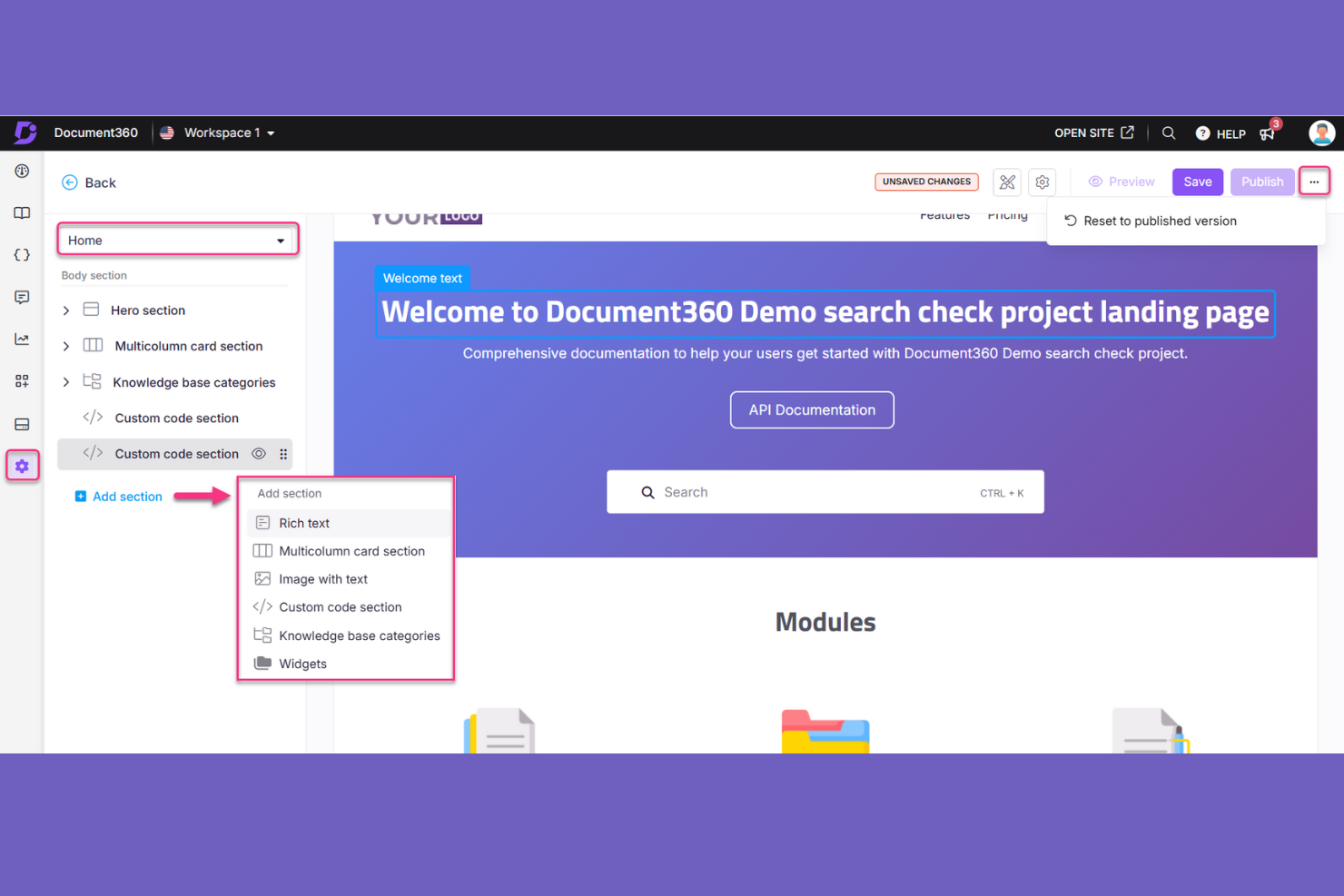
I team che desiderano una comprensione approfondita di come viene utilizzata la loro base di conoscenza dovrebbero prendere in considerazione Document360. Questa piattaforma è pensata per product manager, responsabili del supporto e team di documentazione che necessitano di analisi avanzate per monitorare le prestazioni degli articoli e il coinvolgimento degli utenti. A differenza di Slite, Document360 offre dashboard di analisi integrate che aiutano a individuare lacune nei contenuti e ottimizzare la strategia della knowledge base.
Perché Document360 è una valida alternativa a Slite
Se hai bisogno di analisi avanzate per la tua base di conoscenza, Document360 è una scelta solida. Ho scelto Document360 perché offre dashboard dettagliate che tracciano le visualizzazioni degli articoli, i termini di ricerca e il coinvolgimento degli utenti in tempo reale. La piattaforma fornisce anche heatmap e strumenti di feedback, così puoi vedere esattamente quali contenuti funzionano e dove gli utenti si bloccano. Queste funzionalità di analisi ti aiutano a prendere decisioni basate sui dati per migliorare la documentazione e la condivisione della conoscenza.
Funzionalità principali di Document360
Oltre alle sue capacità di analisi, ho trovato utili anche queste funzionalità:
- Editor Markdown: Crea e formatta articoli usando un editor markdown integrato per una documentazione rapida e strutturata.
- Gestione delle versioni: Traccia, confronta e ripristina versioni precedenti degli articoli per mantenere l'accuratezza dei contenuti.
- Knowledge base private e pubbliche: Crea spazi separati per la condivisione interna delle conoscenze e per gli utenti esterni all'interno della stessa piattaforma.
- Supporto dominio personalizzato: Pubblica la tua knowledge base su un dominio personalizzato per un'esperienza utente coerente.
Integrazioni Document360
Le integrazioni includono Zendesk, Freshdesk, Intercom, Drift, Slack, Microsoft Teams, Salesforce, Google Analytics, Crowdin e Disqus.
Pros and Cons
Pros:
- Editor Markdown adatto alla documentazione tecnica
- Il gestore delle categorie organizza grandi librerie di contenuti
- Knowledge base private e pubbliche in un unico workspace
Cons:
- Nessuna modifica collaborativa in tempo reale per i team
- La personalizzazione del branding richiede piani di livello superiore
New Product Updates from Document360

Document360 Adds Drive and Eddy AI Workflow Updates
Document360 adds Drive file renaming, Eddy AI email ticket notifications, and Drive image support in AI Capture. These updates simplify file management, support escalation, and visual content editing. For more information, visit Document360’s official site.
 .
.
Notion
Ideale per modelli di spazio di lavoro personalizzabili

Notion offre ai team un modo flessibile per costruire e organizzare basi di conoscenza con modelli di spazio di lavoro personalizzabili. Se hai bisogno di adattare i layout della documentazione per diversi progetti o reparti, l'approccio modulare di Notion si distingue rispetto a piattaforme più rigide come Slite. È particolarmente indicato per i piccoli team che desiderano unire appunti, wiki interni e database in un unico posto.
Perché Notion è una valida alternativa a Slite
Notion si distingue per i suoi modelli di spazio di lavoro altamente personalizzabili, che permettono di progettare basi di conoscenza adatte alla struttura e al flusso di lavoro unici del tuo team. Ho scelto Notion perché consente di creare layout di pagina personalizzati, database e blocchi di contenuti collegati, rendendo semplice organizzare le informazioni secondo le reali modalità operative del gruppo. La sua galleria di modelli copre tutto, dai wiki di progetto alle note riunione, così puoi iniziare rapidamente o costruire da zero. Per i team che chiedono più controllo su come acquisire e condividere la conoscenza, Notion offre una flessibilità superiore rispetto a Slite.
Funzionalità principali di Notion
Altre funzionalità rendono Notion una scelta versatile per la gestione della conoscenza:
- Suggerimenti di contenuto basati su AI: Notion AI può riassumere appunti, generare attività e rispondere alle domande in base ai contenuti del tuo spazio di lavoro.
- Permessi granulari: Imposta l'accesso per visualizzare, commentare o modificare sia a livello di pagina che di database per un controllo preciso sulla condivisione delle informazioni.
- Controllo delle versioni: Tieni traccia delle modifiche e ripristina versioni precedenti di qualsiasi pagina per mantenere la documentazione accurata.
- Supporto per media incorporati: Aggiungi immagini, video, frammenti di codice e file direttamente nelle pagine per creare documentazione ricca e interattiva.
Integrazioni Notion
Le integrazioni includono Slack, Jira, GitHub, Asana, Google Drive, Figma, Trello, GitLab, Webex e Typeform.
Pros and Cons
Pros:
- Supporta ricerca e riassunti tramite AI
- I database collegati uniscono contenuti tra le pagine
- La cronologia delle versioni consente un facile recupero
Cons:
- L'accesso offline è limitato e poco affidabile
- La formattazione di tabelle complesse può risultare poco intuitiva

Nuclino
Ideale per la modifica collaborativa in tempo reale
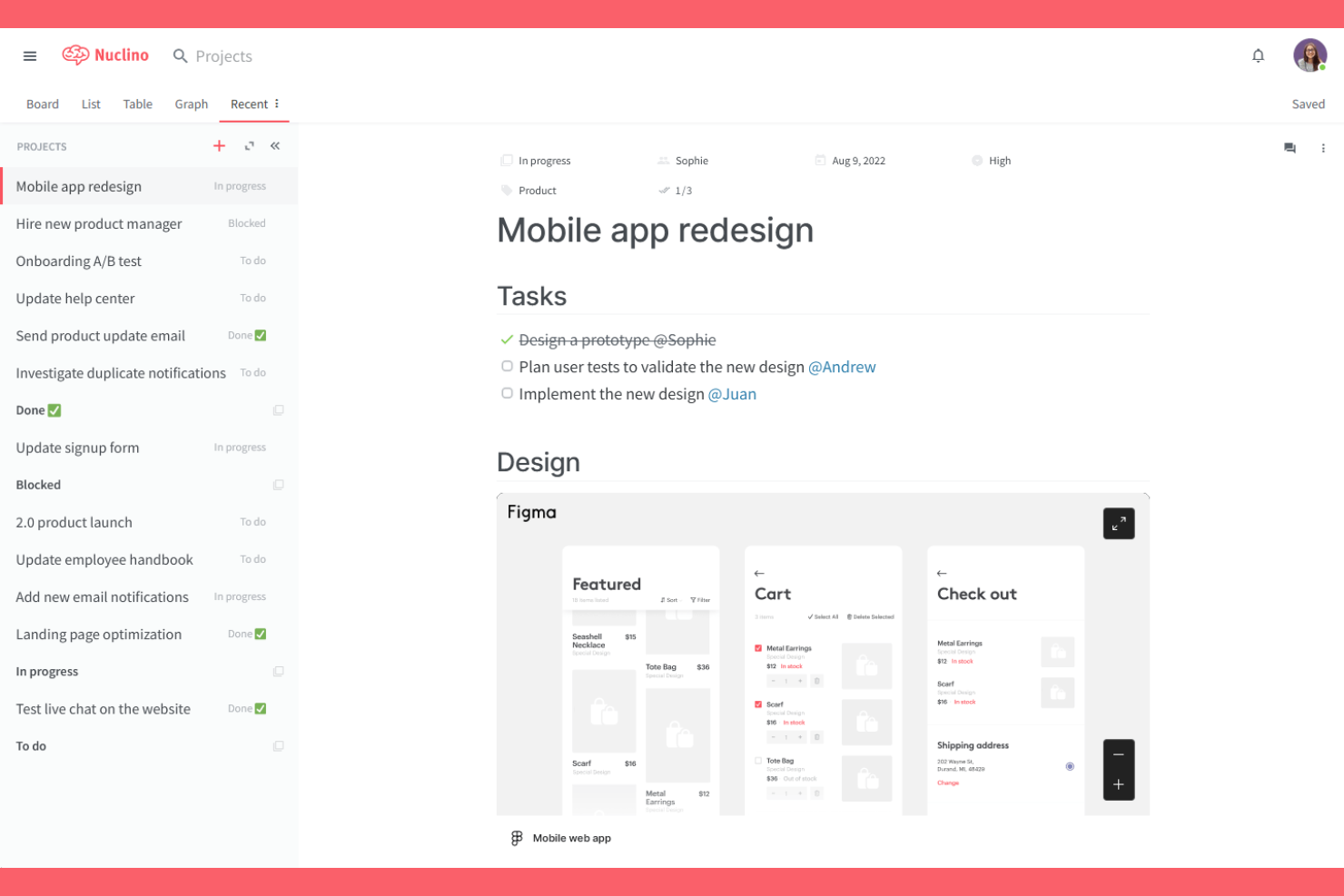
Se il tuo team ha bisogno di una modifica collaborativa rapida e in tempo reale, Nuclino è pensato per voi. Il suo spazio di lavoro unificato e leggero conquista i team di prodotto, le startup e le agenzie che desiderano mantenere documentazione, note di progetto e knowledge base sempre aggiornate. A differenza di Slite, la funzione di modifica live e l’interfaccia intuitiva di Nuclino aiutano le squadre ad evitare conflitti di versione e a mantenere tutti sulla stessa pagina.
Perché Nuclino è una valida alternativa a Slite
Quando la modifica collaborativa in tempo reale è la priorità assoluta, Nuclino si distingue come una valida alternativa a Slite. Ho scelto Nuclino perché la sua modifica simultanea multiutente e la sincronizzazione immediata permettono ai team di co-creare documenti senza conflitti di versione o ritardi. La struttura dello spazio di lavoro unificato consente di organizzare e rendere accessibili conoscenze, attività e documenti di progetto man mano che vengono aggiornati. Per le squadre che devono muoversi velocemente e restare allineate, le funzionalità di editing in tempo reale di Nuclino sono una scelta vincente.
Funzionalità principali di Nuclino
Oltre ai suoi punti di forza nell’editing in tempo reale, Nuclino offre anche altre funzionalità degne di nota:
- Vista grafico: Visualizza le relazioni tra documenti e argomenti tramite una mappa interattiva.
- Supporto Markdown: Formatta rapidamente i contenuti utilizzando scorciatoie markdown integrate.
- Cronologia delle versioni: Visualizza e ripristina le versioni precedenti di ogni documento.
- Integrazioni embed: Aggiungi contenuti da strumenti come Figma, Miro e YouTube direttamente nelle tue pagine.
Integrazioni Nuclino
Le integrazioni includono Slack, Microsoft Teams, Discord, Google Drive, Dropbox, Box, Jira, Figma, Typeform e Google Calendar.
Pros and Cons
Pros:
- La vista grafico mappa le relazioni tra gli argomenti
- Le scorciatoie Markdown velocizzano la formattazione dei contenuti
- Interfaccia pulita e minimale
Cons:
- Nessun permesso granulare per le singole pagine
- L’accesso offline al momento non è supportato

Ideale per contenuti multilingua
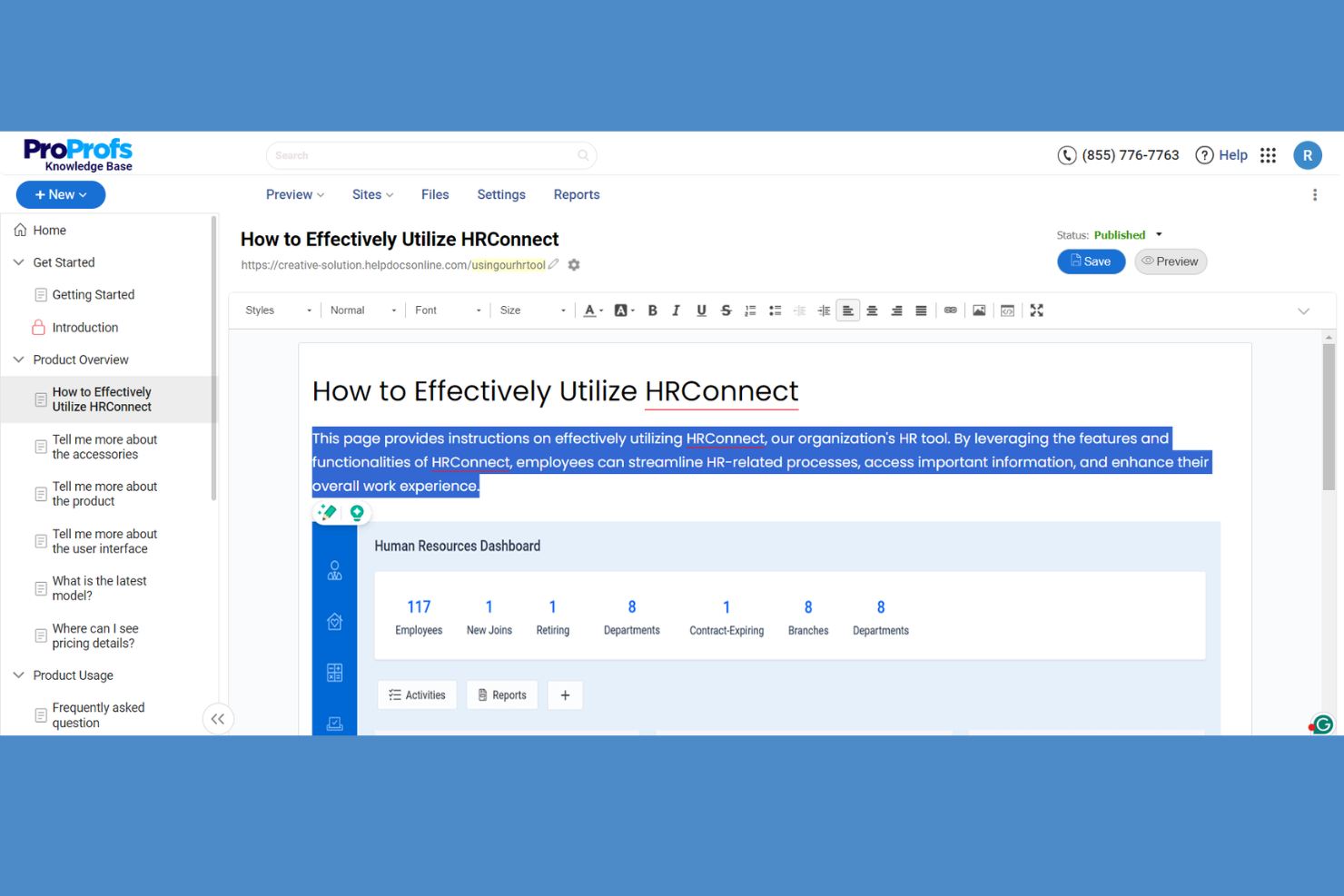
ProProfs Knowledge Base è progettato per le organizzazioni che devono gestire e distribuire contenuti in più lingue. Se il tuo team supporta clienti globali o opera in diverse regioni, apprezzerai come ProProfs gestisce traduzione e localizzazione direttamente all'interno della sua piattaforma. A differenza di Slite, ProProfs offre strumenti di gestione multilingua integrati che ti aiutano a creare, organizzare e aggiornare contenuti di knowledge base per pubblici eterogenei.
Perché ProProfs Knowledge Base è una valida alternativa a Slite
Quando hai la necessità di gestire la conoscenza per un pubblico multilingue, ProProfs Knowledge Base si distingue come una valida alternativa a Slite. Ho scelto ProProfs perché ti permette di creare, tradurre e aggiornare articoli in più lingue da un'unica dashboard. La piattaforma supporta anche flussi di lavoro specifici per lingua, così puoi assegnare i contenuti a traduttori e revisori senza perdere il tracciamento degli aggiornamenti. Questo lo rende una scelta pratica per i team che devono fornire conoscenza accurata e localizzata a utenti in tutto il mondo.
Funzionalità principali di ProProfs Knowledge Base
Altre funzionalità degne di nota includono:
- Branding personalizzato: Aggiungi il logo, i colori e il dominio della tua azienda per personalizzare la knowledge base.
- Ruoli utente e permessi: Assegna livelli di accesso specifici ad autori, editori e visualizzatori.
- Analisi e reportistica: Monitora le prestazioni degli articoli e l'interazione degli utenti con l'analisi integrata.
- Versionamento dei contenuti: Mantieni una cronologia delle modifiche e ripristina versioni precedenti degli articoli.
Integrazioni di ProProfs Knowledge Base
Le integrazioni includono Jira, Hotjar, Salesforce, Slack, Zendesk, Tidio Chat, LiveChat, Olark e SnapEngage.
Pros and Cons
Pros:
- Analisi chiare e facilmente comprensibili
- Processo di configurazione rapido e semplice
- Interfaccia intuitiva adatta ai principianti
Cons:
- Opzioni di personalizzazione avanzate limitate
- L'interfaccia può sembrare basilare per gli utenti avanzati

Tettra
Ideale per integrazione con Slack

I team che si affidano a Slack per la comunicazione quotidiana troveranno Tettra particolarmente utile come piattaforma di knowledge base. È progettata per aziende dinamiche che desiderano catturare, organizzare e condividere conoscenza direttamente da Slack senza cambiare strumento. A differenza di Slite, la profonda integrazione di Tettra con Slack consente di rispondere a domande, suggerire documentazione e gestire richieste di contenuti direttamente all'interno del flusso di chat del team.
Perché Tettra è una valida alternativa a Slite
Per i team che vogliono che la loro knowledge base viva dove avvengono le conversazioni, l'integrazione con Slack di Tettra è un grande vantaggio. Ho scelto Tettra perché permette di creare, cercare e condividere conoscenza direttamente da Slack, così il tuo team non deve lasciare l'ambiente di chat per trovare le risposte. Lo strumento permette inoltre di rispondere alle domande su Slack mostrando le pagine rilevanti di Tettra e di gestire le richieste di contenuti senza cambiare applicazione. Se il tuo flusso di lavoro ruota attorno a Slack, l'integrazione stretta di Tettra rappresenta un'alternativa solida a Slite.
Funzionalità principali di Tettra
Altre funzionalità degne di nota includono:
- Flussi di verifica dei contenuti: Assegna esperti della materia per revisionare e verificare gli articoli della knowledge base.
- Suggerimenti di pagine: Raccomanda automaticamente le pagine Tettra più pertinenti quando i membri del team pongono domande.
- Libreria di modelli: Utilizza modelli predefiniti per standardizzare la documentazione all'interno del tuo team.
- Integrazione con Google Workspace: Importa e collega Google Docs, Sheets e Slides direttamente nelle pagine di Tettra.
Integrazioni di Tettra
Le integrazioni includono Slack, Google Drive, GitHub, Zapier, Microsoft Teams, Trello, Asana, Jira, Dropbox e Confluence.
Pros and Cons
Pros:
- Supporta la condivisione di conoscenza in chat su Slack
- La verifica dei contenuti assegna esperti alla revisione delle pagine
- La libreria di modelli standardizza la documentazione
Cons:
- Nessun accesso offline ai contenuti della knowledge base
- La funzionalità di ricerca non trova tutte le occorrenze delle parole chiave

Quip
Ideale per la fusione di fogli di calcolo e documenti
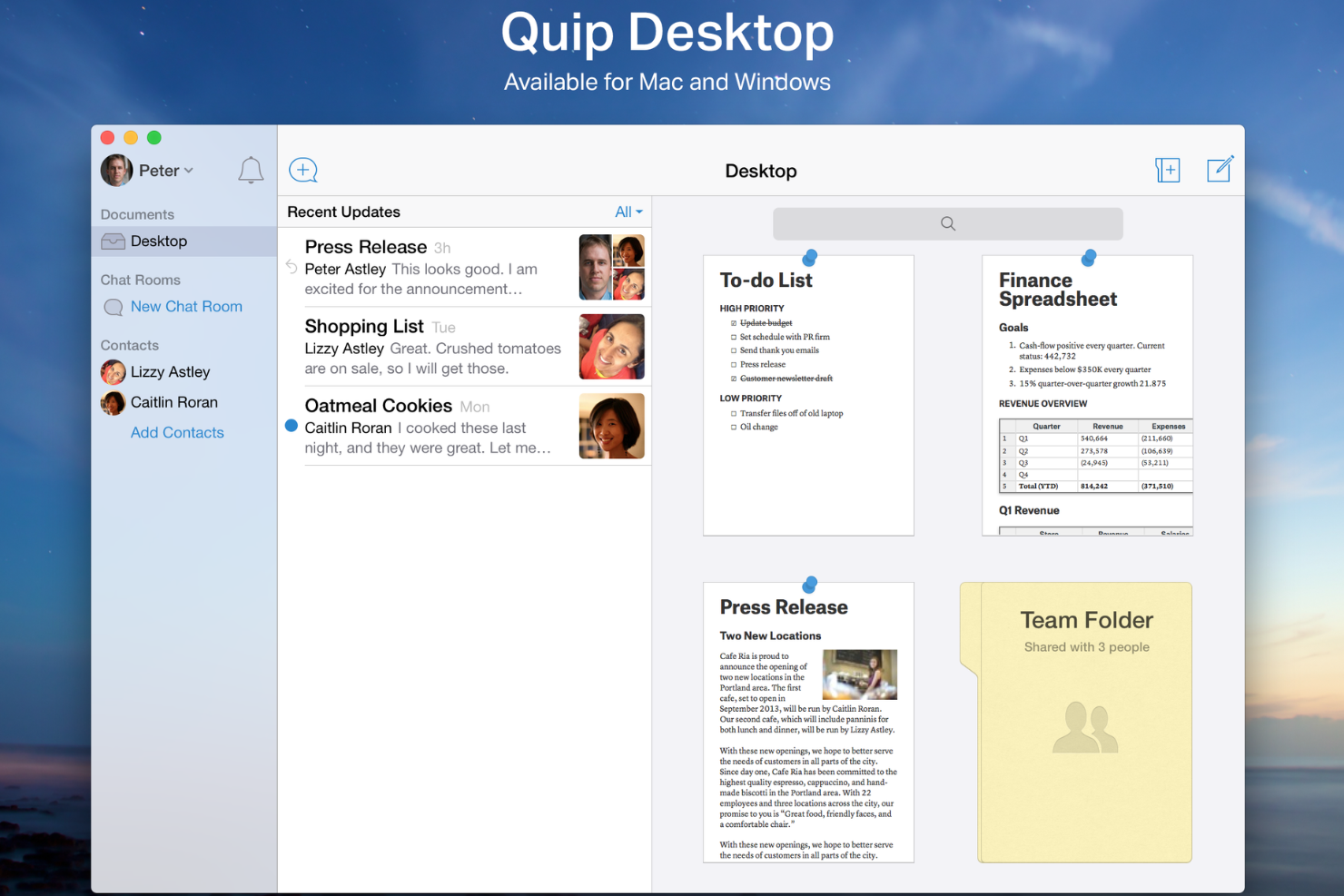
Quip unisce fogli di calcolo e documenti in un unico spazio di lavoro collaborativo, risultando particolarmente adatto per i team che devono combinare dati strutturati con conoscenza scritta. I responsabili di progetto e le figure operative che gestiscono piani, report di stato e dati in tempo reale troveranno la fusione tra documenti e fogli di calcolo di Quip particolarmente utile. A differenza di Slite, Quip permette di incorporare fogli di calcolo dinamici direttamente all’interno dei documenti, così il tuo team può aggiornare dati e contesto in un unico posto.
Perché Quip è una valida alternativa a Slite
Per i team che devono combinare dati in tempo reale con la documentazione, Quip offre un approccio unico che lo distingue da Slite. Ho scelto Quip perché consente di incorporare fogli di calcolo pienamente funzionali direttamente nei documenti, in modo che il tuo team possa aggiornare numeri e contesto fianco a fianco. Puoi anche collegare le celle dei fogli ai testi, rendendo semplice fare riferimento e aggiornare metriche di progetto o elenchi di attività senza cambiare strumento. Questa fusione tra fogli di calcolo e documenti è particolarmente preziosa per i project manager che vogliono mantenere piani, report e dati in un unico luogo.
Funzionalità principali di Quip
Altre funzionalità degne di nota includono:
- Chat integrate: Collabora con il tuo team direttamente all’interno dei documenti con thread di chat integrati.
- Cronologia delle versioni dei documenti: Tieni traccia delle modifiche e ripristina le versioni precedenti di qualsiasi documento.
- Modifica da mobile: Crea e modifica documenti e fogli di calcolo anche da dispositivi mobili.
- Libreria di modelli: Accedi a una raccolta di modelli preimpostati per piani di progetto, note riunione e altro ancora.
Integrazioni di Quip
L'integrazione comprende Salesforce.
Pros and Cons
Pros:
- Fogli di calcolo live si aggiornano istantaneamente
- L'app mobile consente la modifica ovunque
- Collega i documenti ai dati Salesforce CRM
Cons:
- Nessuna struttura wiki gerarchica nativa
- Formattazione limitata per documentazione tecnica

Ideale per funzionalità di collaborazione con team numerosi
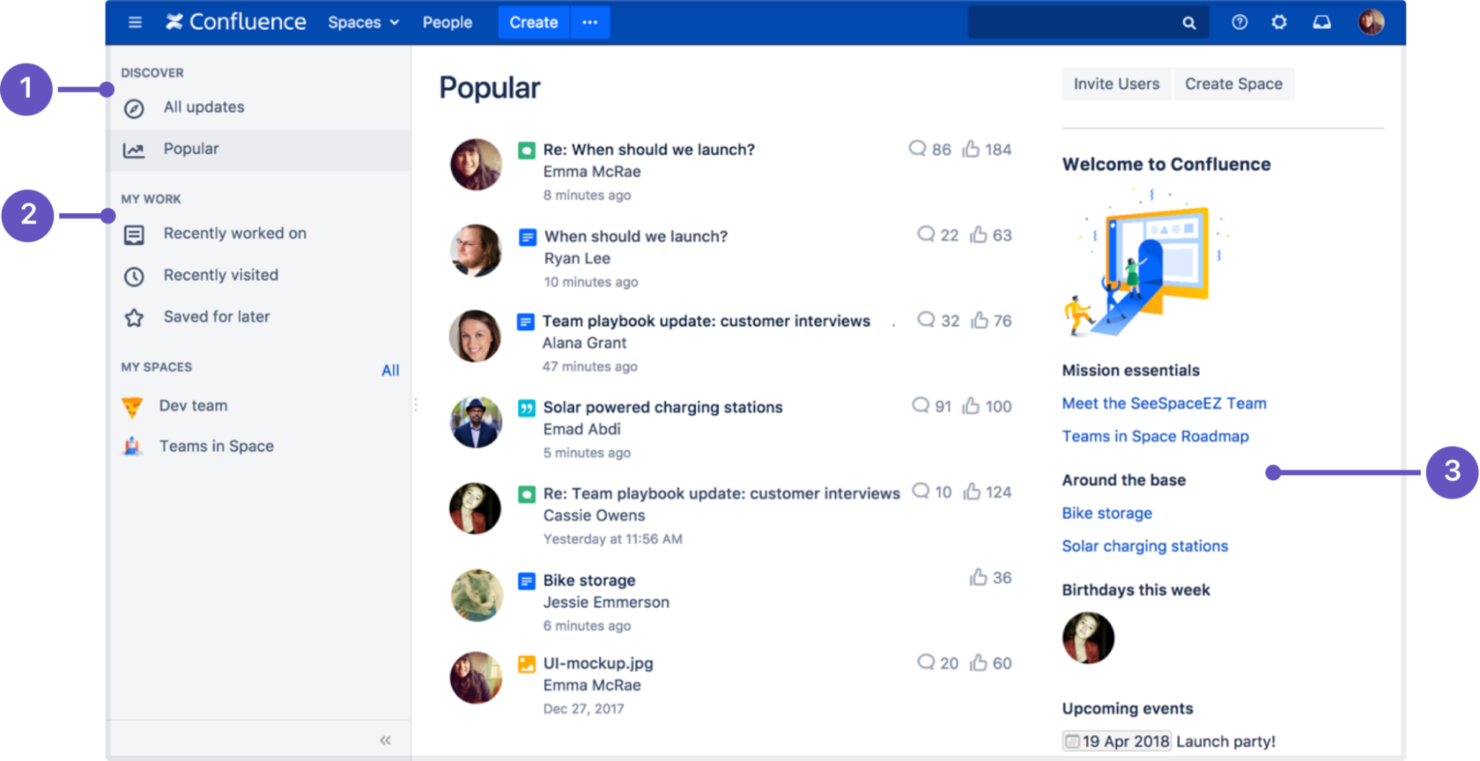
Confluence è pensato per le organizzazioni che necessitano di funzionalità avanzate per la collaborazione tra team numerosi o distribuiti. Se gestisci progetti complessi o documentazione su larga scala, gli spazi strutturati di Confluence e la profonda integrazione con gli strumenti Atlassian lo distinguono da Slite. È particolarmente utile per i team che desiderano centralizzare la conoscenza, gestire i permessi e coordinare il lavoro tra diversi reparti.
Perché Confluence è una valida alternativa a Slite
Per i team che devono coordinare conoscenza e documentazione su larga scala, Confluence offre strumenti di collaborazione che vanno oltre quelli di Slite. Ho scelto Confluence perché i suoi spazi strutturati, permessi avanzati sulle pagine e strumenti di modifica collaborativa sono pensati per organizzazioni di grandi dimensioni con esigenze complesse. Funzionalità come i commenti in linea, il versionamento delle pagine e i ruoli utente dettagliati aiutano i team a gestire i contributi e mantenere il controllo sulle informazioni sensibili. Se il tuo team dà valore alla collaborazione dettagliata e al monitoraggio, Confluence è un'ottima alternativa a Slite.
Funzionalità principali di Confluence
Altre funzionalità di Confluence lo rendono una scelta flessibile per la gestione della conoscenza:
- Generazione di contenuti tramite IA: Usa Atlassian Intelligence per creare, riassumere e migliorare la documentazione direttamente nelle pagine.
- Libreria di modelli: Accedi a un'ampia gamma di modelli predefiniti per prendere appunti durante le riunioni, pianificare progetti e definire i requisiti di prodotto.
- Monitoraggio delle attività: Assegna e traccia le attività nelle pagine per mantenere il lavoro sui progetti visibile e attuabile.
- Dashboard di analisi: Monitora il coinvolgimento nelle pagine e l'attività degli utenti con gli strumenti di analisi integrati.
Integrazioni di Confluence
Le integrazioni includono Jira, Slack, Microsoft Teams, Google Drive, Dropbox, Figma, Miro, GitHub, Zoom e Loom.
Pros and Cons
Pros:
- Supporta strutture documentali complesse
- Offre suggerimenti sui contenuti tramite IA
- Gestione utenti in blocco per grandi organizzazioni
Cons:
- Configurazione dei permessi lunga e complessa
- Curva di apprendimento ripida

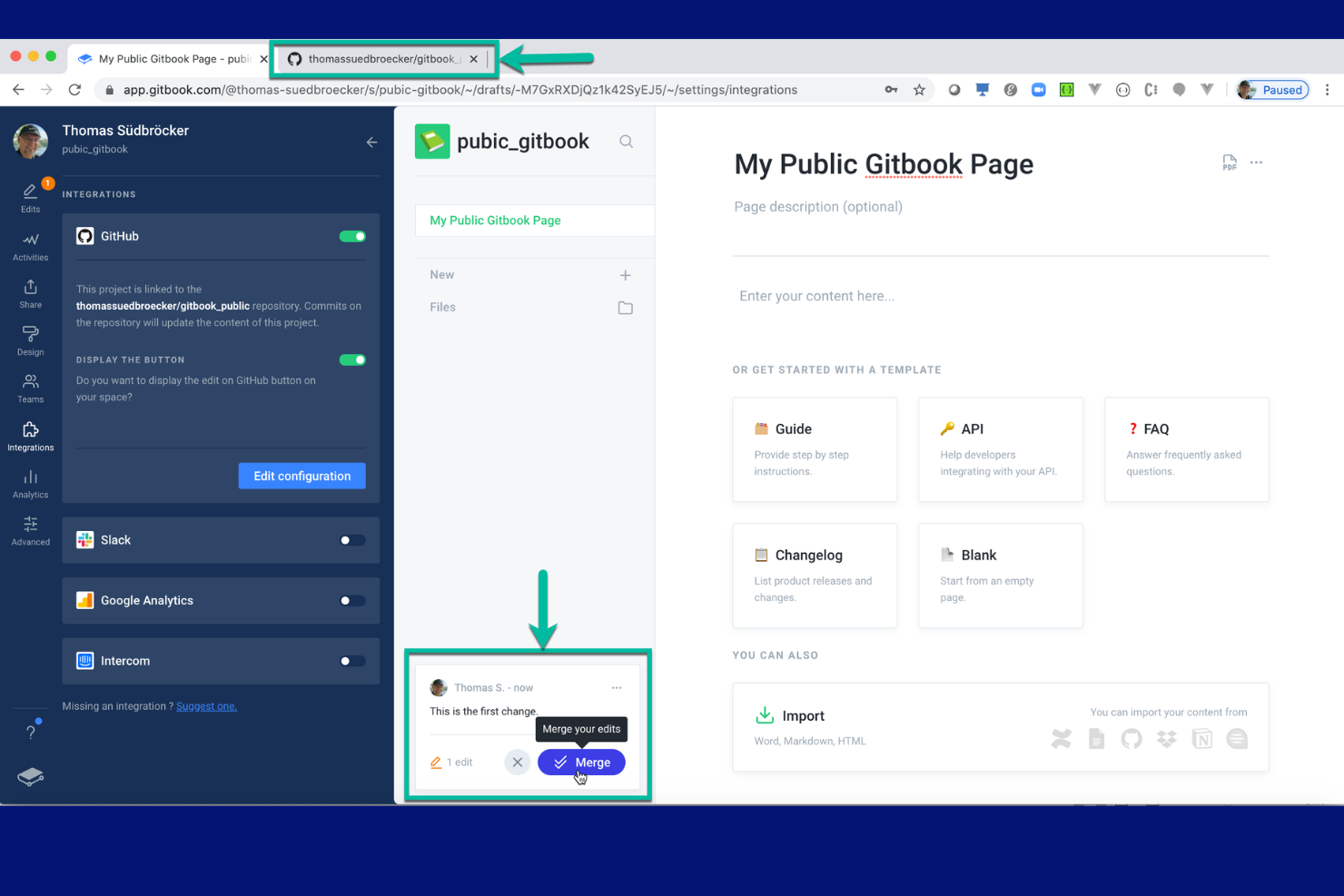
Se il tuo team ha bisogno di una piattaforma di knowledge base che eccelle nella documentazione API, GitBook merita sicuramente attenzione. È pensato per team di prodotto e ingegneria che desiderano pubblicare, mantenere e collaborare su documentazione tecnica con funzionalità di integrazione API incorporate. A differenza di Slite, GitBook offre supporto nativo a OpenAPI e strumenti interattivi per l'esplorazione delle API, facilitando la sincronizzazione tra documentazione tecnica e riferimenti API live.
Perché GitBook è una buona alternativa a Slite
Quando la documentazione API è una priorità assoluta, GitBook offre funzionalità che vanno oltre ciò che Slite propone. Ho scelto GitBook perché consente di importare nativamente OpenAPI e permette di creare API explorer interattivi direttamente all’interno della documentazione. La piattaforma consente inoltre la collaborazione in tempo reale sulla documentazione tecnica, così i team di prodotto e ingegneria possono mantenere aggiornati e precisi i riferimenti alle API. Se la tua knowledge base deve fungere anche da hub API sempre aggiornato, le funzionalità specializzate di GitBook lo rendono una scelta solida.
Funzionalità principali di GitBook
Altre funzionalità che hanno attirato la mia attenzione includono:
- Domini personalizzati: Pubblica la documentazione sotto il tuo URL brandizzato.
- Controlli di accesso granulari: Imposta i permessi per team, gruppi o utenti singoli.
- Supporto Markdown: Scrivi e modifica contenuti utilizzando la sintassi markdown che già conosci.
- Cronologia delle versioni: Tieni traccia delle modifiche e ripristina versioni precedenti della documentazione.
Integrazioni GitBook
Le integrazioni includono GitHub, GitLab, Slack, Jira, Figma, Intercom, Linear, Google Docs, Loom e Lucidchart.
Pros and Cons
Pros:
- L'integrazione OpenAPI consente documentazione API live
- Editor Markdown e WYSIWYG disponibili
- Supporta portali di documentazione brandizzati
Cons:
- Nessun supporto integrato per database o blocchi tabella
- Automazione limitata nei flussi di revisione dei contenuti

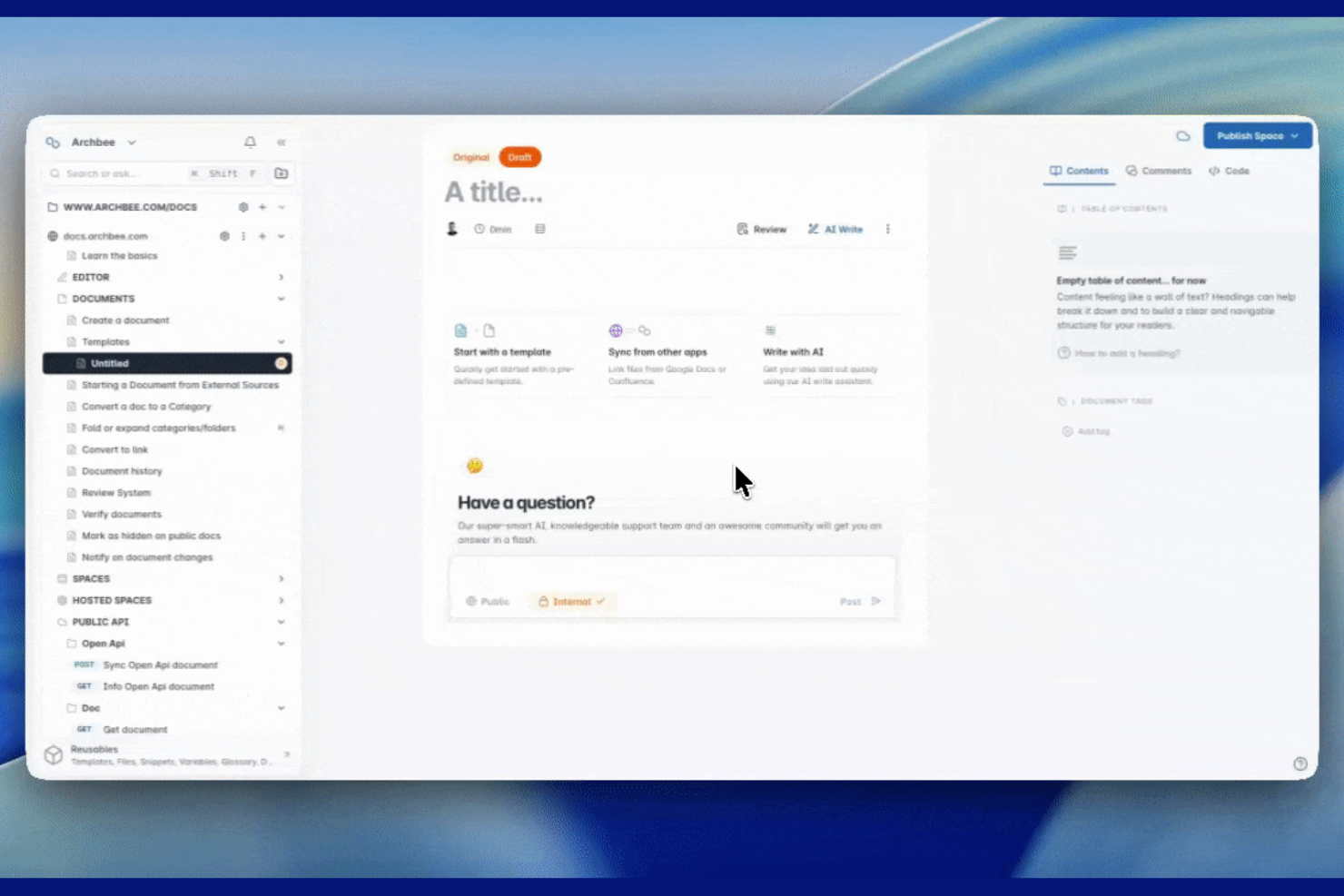
Progettato pensando ai team tecnici, Archbee offre una piattaforma di documentazione pensata per sviluppatori e ingegneri di prodotto. I suoi strumenti per la documentazione delle API, il supporto dei blocchi di codice e le funzionalità del portale per sviluppatori lo rendono particolarmente adatto ad aziende SaaS e team software che gestiscono conoscenze tecniche complesse. A differenza di Slite, Archbee pone l'accento su documentazione API strutturata e contenuti interattivi per sviluppatori, aiutando i team a centralizzare e condividere le informazioni tecniche in modo più efficace.
Perché Archbee è una valida alternativa a Slite
Per i team che necessitano di una documentazione focalizzata sugli sviluppatori, Archbee offre funzionalità che non troverai in Slite. Ho scelto Archbee perché supporta documenti di riferimento API interattivi e consente di incorporare blocchi di codice con evidenziazione della sintassi, essenziale per la documentazione tecnica. La piattaforma mette a disposizione anche un builder di portali per sviluppatori, semplificando la pubblicazione e l'organizzazione di risorse tecniche pubbliche o private. Se il tuo team gestisce documentazione API o conoscenze ingegneristiche complesse, gli strumenti specializzati di Archbee lo rendono una valida alternativa.
Funzionalità principali di Archbee
Altre funzionalità che mi hanno colpito includono:
- Branding personalizzato: Applica il logo, i colori e il dominio della tua azienda ai portali di documentazione.
- Versionamento dei documenti: Tieni traccia delle modifiche e gestisci più versioni della documentazione.
- Commenti interni: Collabora con i membri del team utilizzando commenti in linea e discussioni sui feedback.
- Controlli di accesso: Imposta permessi per team, gruppi o singoli utenti.
Integrazioni di Archbee
Le integrazioni includono GitHub, GitLab, Bitbucket, Slack, Jira, Intercom, Zendesk, Figma, Miro e Google Docs.
Pros and Cons
Pros:
- Evidenziazione della sintassi dei blocchi di codice per più linguaggi
- Branding personalizzato per portali pubblici e privati
- I commenti in linea favoriscono la collaborazione
Cons:
- Nessuno strumento integrato per diagrammi o lavagne bianche
- Ricerca lenta con documentazione ampia

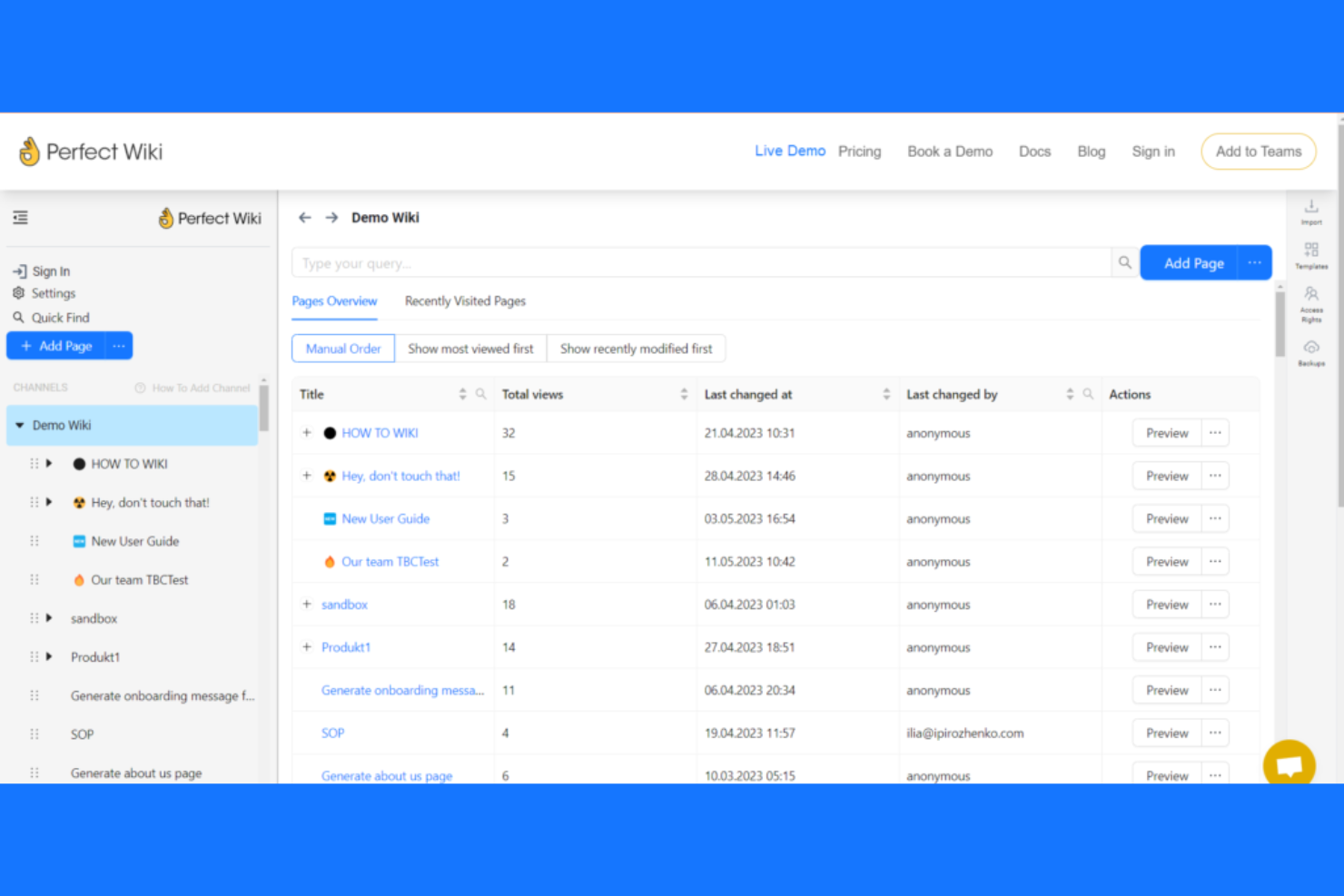
Se il tuo team si affida a Microsoft Teams per la collaborazione, Perfect Wiki è progettato per integrarsi perfettamente nel tuo flusso di lavoro. Questa piattaforma di knowledge base potenziata dall’intelligenza artificiale è ideale per le organizzazioni che desiderano gestire e condividere la documentazione senza uscire dall’ambiente Teams. A differenza di Slite, Perfect Wiki offre un’integrazione nativa con Teams, rendendo facile catturare, organizzare e accedere alle conoscenze direttamente all’interno dei canali di chat esistenti.
Perché Perfect Wiki è una valida alternativa a Slite
A differenza di molti strumenti di knowledge base, Perfect Wiki è costruito specificamente per Microsoft Teams, risultando una scelta ideale se la tua organizzazione utilizza già Teams come centro di comunicazione principale. Ho scelto Perfect Wiki perché permette di creare, modificare e cercare documentazione direttamente nei canali Teams, così il tuo team non deve mai cambiare piattaforma per trovare informazioni. Lo strumento supporta anche permessi dettagliati e versionamento delle pagine, aiutando a mantenere controllo e accuratezza sulle conoscenze condivise. Per le aziende integrate nell’ecosistema Microsoft, Perfect Wiki offre un livello di integrazione e comodità che Slite non eguaglia.
Caratteristiche principali di Perfect Wiki
Altre funzionalità degne di nota includono:
- Generazione di contenuti tramite AI: Genera e riassumi documentazione usando strumenti di intelligenza artificiale integrati.
- Esportazione in PDF e Word: Esporta le pagine wiki direttamente in formato PDF o Microsoft Word.
- Ricerca full-text: Cerca su tutte le pagine e gli allegati per recuperare rapidamente le informazioni.
- Analisi delle pagine: Tieni traccia delle visualizzazioni delle pagine e del coinvolgimento degli utenti all’interno della knowledge base.
Integrazioni di Perfect Wiki
Le integrazioni includono Microsoft Teams, Slack, ChatGPT, Microsoft Edge, SharePoint, Salesforce, Power Automate e OneDrive.
Pros and Cons
Pros:
- Integrazione nativa con Teams in scheda e chat
- Esporta le pagine wiki in PDF e Word
- Le analisi delle pagine monitorano il coinvolgimento degli utenti
Cons:
- Nessuna condivisione pubblica al di fuori di Microsoft Teams
- La ricerca non supporta filtri avanzati
Altre alternative a Slite
Ecco alcune ulteriori alternative a Slite che non sono state incluse nella mia selezione, ma che vale comunque la pena prendere in considerazione:


Come Valuto le Alternative a Slite
Valuto ogni strumento su due livelli: le capacità fondamentali di collaborazione e base di conoscenza necessarie ai PM ogni giorno, e i fattori distintivi che rendono una soluzione più adatta rispetto a un'altra.
Funzionalità di Base (Requisiti Fondamentali per Questa Lista)
Quando seleziono gli strumenti per la mia lista, valuto ciascuno su una scala da 0 (non offre la funzionalità) a 5 (eccelle in quest'area) per ogni funzionalità di base elencata di seguito. Poi calcolo il punteggio totale dello strumento in percentuale. Ogni strumento deve raggiungere un punteggio totale minimo del 65% per essere preso in considerazione per l'inclusione.
- Modifica Collaborativa di Documenti: Cerco la co-modifica in tempo reale, dove più PM e collaboratori possono lavorare insieme a un project brief o una retrospettiva con commenti, menzioni e cronologia delle versioni.
- Organizzazione della Base di Conoscenza: Una gerarchia ordinata e navigabile è fondamentale—pagine nidificate, cartelle o raccolte che permettano di costruire una wiki del team facilmente consultabile da ingegneri e designer senza dover chiedere dove trovare le informazioni.
- Ricerca & Scoperta dei Contenuti: Valuto quanto rapidamente si possa trovare una decisione o uno specifico documento di mesi fa, verificando la presenza di ricerca full-text, filtri e indicizzazione degli allegati in tutto l'ambiente di lavoro.
- Integrazioni per la Gestione Progetti: Esamino attentamente le connessioni native con piattaforme come Jira, Asana, Linear e Slack, poiché i documenti separati dagli strumenti di delivery tendono a diventare rapidamente obsoleti.
- Template & Contenuti Strutturati: Template predefiniti e personalizzabili per note di riunione, retrospettive di sprint e documenti di kickoff progetto aiutano i team a standardizzare senza ricominciare da zero ogni volta.
- Permessi & Controlli di Accesso: Impostazioni di condivisione granulari sono fondamentali quando l'ambiente di lavoro include consulenti esterni, stakeholder cross-funzionali e contenuti sensibili che richiedono visibilità basata sui ruoli.
Una volta ottenuta una lista di strumenti che soddisfano questi criteri, considero cosa distingue ciascuna piattaforma.
Fattori Differenzianti (Cosa Distingue i Fornitori)
Ecco come confronto e metto a confronto i vari fornitori:
Funzionalità Distintive
L'assistenza potenziata dall'IA è un grande elemento di differenziazione—cerco strumenti che possano riassumere documenti lunghi, rispondere a domande sulla base di conoscenza già presente e generare contenuti da prompt. I database integrati con viste kanban, tabella o timeline sono anch'essi notevoli perché permettono di gestire roadmap e tracciamento delle attività insieme alla documentazione. Valuto anche se uno strumento offre workflow di verifica della conoscenza, poiché i documenti di progetto obsoleti rappresentano un vero problema per i team distribuiti che devono poter fidarsi delle informazioni disponibili.
Oltre le Funzionalità
Il supporto alla migrazione è una delle prime cose che controllo—spostare un team da Slite o Confluence significa importare centinaia di pagine, e gli strumenti con importatori dedicati fanno risparmiare settimane di copia-incolla manuale. Valuto anche quanto la struttura dei prezzi sia trasparente, soprattutto per quanto riguarda utenti ospiti e componenti aggiuntivi di IA, visto che questi costi possono crescere rapidamente nei team di progetto più ampi. Anche la profondità delle integrazioni è importante, in particolare il supporto API aperte e automazioni per collegare la documentazione allo stack di delivery esistente.
Perché cercare un'alternativa a Slite?
Sebbene Slite sia una buona scelta come piattaforma per la gestione della conoscenza basata sull'intelligenza artificiale, esistono diversi motivi per cui alcuni utenti cercano soluzioni alternative. Potresti cercare un'alternativa a Slite perché…
- Hai bisogno di strumenti avanzati di analisi e reporting
- Il tuo team richiede la modifica collaborativa in tempo reale
- Vuoi un maggiore controllo sul branding e sulla personalizzazione
- Hai bisogno di una gestione dei contenuti multilingue
- La tua organizzazione ha requisiti rigorosi di residenza dei dati
- Vuoi integrazioni più avanzate con altri strumenti aziendali
Se ti riconosci in una di queste situazioni, sei nel posto giusto. Il mio elenco contiene diversi strumenti di gestione della conoscenza basati sull'intelligenza artificiale, più adatti ai team che affrontano queste difficoltà con Slite e cercano soluzioni alternative.
Funzionalità principali di Slite
Ecco alcune delle funzionalità principali di Slite, per aiutarti a mettere a confronto ciò che offrono le soluzioni alternative:
- Ricerca basata sull'IA per recuperare rapidamente informazioni
- Modifica collaborativa dei documenti con commenti
- Modelli di base di conoscenza per una configurazione rapida
- Cronologia delle versioni dei documenti e ripristino
- Controlli delle autorizzazioni per l'accesso del team e degli ospiti
- Integrazione con Slack per notifiche e condivisione
- Cartelle strutturate e tag per l'organizzazione
- Discussioni in thread nell'app per la comunicazione del team
- Opzioni di base di conoscenza pubbliche e private
- Notifiche in tempo reale per gli aggiornamenti dei documenti