

10 Melhores Alternativas ao Confluence para a Gestão do Conhecimento em 2026

Seleção das melhores alternativas ao Confluence


Se utiliza o Atlassian Confluence para gerir o conhecimento e a documentação dos projetos da sua equipa, é possível que tenha encontrado alguns obstáculos — edição pouco prática, personalização limitada ou preços que não correspondem às necessidades da sua equipa.
O software de gestão do conhecimento deve ajudar a sua equipa a manter-se organizada, a partilhar atualizações de forma clara e a reduzir a confusão. Se o Confluence não está a cumprir esse objetivo, talvez seja altura de experimentar algo novo.
Neste artigo, reuni as melhores alternativas ao Confluence que vale a pena considerar. Testo e analiso software de forma independente e selecionei ferramentas que resolvem problemas comuns de gestão de projetos, oferecendo simultaneamente uma melhor adaptação a diferentes equipas e orçamentos.
O que é o Confluence?
O Confluence da Atlassian é uma ferramenta de gestão do conhecimento que ajuda as equipas a organizar, aceder e partilhar informações num único local. É amplamente utilizado por gestores de projetos, programadores e profissionais de TI que necessitam de um espaço central para colaboração.
Funcionalidades importantes, como a edição de documentos, o acompanhamento de tarefas e as integrações com ferramentas de terceiros, facilitam a coordenação das equipas e garantem que todos se mantêm alinhados. De um modo geral, o Confluence promove uma melhor comunicação e aumenta a produtividade das equipas.
Why Trust Our Software Recommendations
Our team has been testing and reviewing software since 2012. As project managers ourselves, we know how difficult—and important—it is to choose the right software.
For this guide, we evaluated tools using hands-on testing and independent research, scoring tools using our selection criteria. We also draw on insights from industry thought leaders and practicing project management experts.
Our reviews reflect our human editorial judgment, not a sales pitch.
Expert reviewers:
Tabela de comparação das alternativas ao Confluence
Esta tabela de comparação resume os detalhes de preços das minhas principais alternativas ao Confluence:
| Tool | Best For | Trial Info | Price | ||
|---|---|---|---|---|---|
| 1 | Best for AI-powered knowledge bases | Free trial + demo available | Pricing upon request | Website | |
| 2 | Best for AI-driven doc upkeep | 14-day free trial + demo available | From $10/user/month (billed annually) | Website | |
| 3 | Best for self-hosted Confluence migration | Free plan + free trial available | From €5,796/year (billed annually) | Website | |
| 4 | Best for docs-as-code Git workflows | Free plan + 14-day trial + demo available | From $65/site/month + $12/user/month (billed annually) | Website | |
| 5 | Best for keeping team knowledge current | Free plan available | From $6.67/user/month (billed annually) | Website | |
| 6 | Best for docs linked to tasks and projects | Free plan + demo available | From $7/user/month (billed annually) | Website | |
| 7 | Best for M365-native document governance | Free trial available | From $7/user/month (billed annually) | Website | |
| 8 | Best for verified, always-current knowledge | 30-day free trial + free demo available | Pricing upon request | Website | |
| 9 | Best for flat-rate, Markdown-first knowledge bases | Free plan + 30-day trial available | From $4/user/month (billed annually) | Website | |
| 10 | Best for docs, data, and workflows in one hub | Free plan available | From $25/user/month (billed annually) | Website |

Análises das melhores alternativas ao Confluence
Segue-se o meu resumo detalhado das melhores alternativas ao Confluence que entraram na minha seleção. As minhas análises apresentam uma visão detalhada das principais funcionalidades, vantagens & desvantagens, integrações e casos de utilização ideais de cada ferramenta, para o ajudar a encontrar a melhor opção para si.

Best for AI-powered knowledge bases

Document360 is a knowledge base software designed to help teams create and manage documentation efficiently. It's commonly used by customer support and technical teams needing a centralized platform for their knowledge resources.
Why it's a good Confluence alternative: Document360 provides AI-powered search capabilities, a powerful authoring experience, and version control, which help with maintaining accurate and accessible documentation. The ability to create multilingual content and detailed analytics further supports the software’s role as a comprehensive knowledge management tool.
Standout Features & Integrations:
Features include customizable branding options that let your team maintain a consistent look across your documentation. You can also use the category manager to organize content logically. The platform additionally supports collaboration with a comprehensive commenting system to enhance team communication.
Integrations include Microsoft Teams, Zendesk, Intercom, Slack, Freshdesk, Google Analytics, Drift, Zoho PageSense, Olark, and Gorgias.
Pros and Cons
Pros:
- Detailed analytics available
- Strong version control
- AI-powered search capabilities
Cons:
- Basic mobile support
- Can be resource-intensive
New Product Updates from Document360

Document360 Adds AI Version Summaries and Centralized Engage Controls
Document360 adds Eddy AI summaries for article version changes and a centralized Engage dashboard for guides and videos. These updates help teams review content changes faster and manage interactive assets from one place. For more information, visit Document360’s official site.
 .

Slite
Best for AI-driven doc upkeep

Slite is a collaborative knowledge base for tech and digital teams that organizes project briefs, processes, and decisions in one workspace, so people can find shared context as work changes.
Who Is Slite Best For?
Slite suits product, engineering, and operations teams that need a shared knowledge base and AI support to keep internal documentation current.
Why I Picked Slite
I picked Slite as a Confluence alternative because it’s Best for AI-driven doc upkeep. Its verification workflows assign document owners and prompt reviews, while Ask answers questions from your knowledge base with source links. I like this for product teams that need to check whether specs and decisions are current before acting.
Slite Key Features
- Templates: Use or customize templates for recurring project briefs, meeting notes, and onboarding docs.
- Collections: Add tags, people, dates, and links to docs, then filter, sort, or view them as a table or board.
- Embedded content: Add Jira issues, Figma designs, Google Sheets, and other connected content directly to docs.
- Document imports: Bring existing knowledge into Slite with migration tools for Notion, Confluence, and Google Docs.
Slite Integrations
Slite offers a built-in Slack integration, agent-source connections for Jira and Google Drive, and document embeds for GitHub, Linear, Asana, Figma, and Google Sheets; it also supports Zapier. Slite provides an API for custom integrations.
Pros and Cons
Pros:
- Reviewers praise easy Confluence migration
- Verification workflows flag outdated team documentation
- AI answers link back to source documents
Cons:
- Offline work isn’t supported, reviewers report
- Table editing can be awkward

XWiki
Best for self-hosted Confluence migration

XWiki is an extensible wiki platform for product and engineering teams that need to organize shared knowledge, document processes, and build custom collaboration tools around their workflows.
Who Is XWiki Best For?
XWiki suits IT and engineering teams migrating from Confluence who need a self-hosted wiki they can adapt to their documentation workflows.
Why I Picked XWiki
I picked XWiki as a best Confluence alternative for self-hosted Confluence migration because its toolkit can import spaces or full backups, including permissions and page history. Compatibility macros help preserve Confluence content behavior, while on-premises deployment lets your IT team control where the wiki runs.
XWiki Key Features
- WYSIWYG editor: Edit wiki pages visually in your browser.
- Structured data: Build forms and browse records in filterable tables.
- Advanced search: Search wiki content and filter results by space.
- LDAP and SSO: Connect XWiki to existing directory and sign-on systems.
XWiki Integrations
XWiki supports identity integrations with LDAP, Microsoft Active Directory and Entra ID, SAML, OpenID Connect, and Keycloak; an available extension connects XWiki with Jira Server and Data Center. XWiki also provides a REST API for custom integrations.
Pros and Cons
Pros:
- Structured pages support forms and filtered tables
- Docker deployment makes private hosting straightforward
- Imports Confluence spaces with permissions and history
Cons:
- Large Confluence XML imports can take hours
- Text editing feels less smooth than alternatives


GitBook is a knowledge base for product and engineering teams that need to publish clear technical documentation and keep shared answers current as software and workflows change.
Who Is GitBook Best For?
GitBook suits engineering teams that want to manage technical documentation through docs-as-code workflows and keep changes aligned with Git.
Why I Picked GitBook
I picked GitBook as a Confluence alternative because it fits “Best for docs-as-code Git workflows.” Git Sync connects documentation to GitHub or GitLab, so engineers can propose API guide changes through pull requests and review them alongside code. That keeps documentation updates in the same version-control process as a release.
GitBook Key Features
- Block editor: Create pages with structured content blocks and custom blocks.
- Full-text search: Let readers search published documentation for relevant pages.
- Custom domains: Publish your documentation under your own domain.
- Site analytics: Track page views, search terms, and reader feedback.
GitBook Integrations
GitBook offers built-in integrations with GitHub, GitLab, Slack, Jira, Linear, Intercom, Google Analytics, Segment, Fathom, and PostHog. Its developer platform supports custom integrations.
Pros and Cons
Pros:
- Real-time drafts support team review
- Markdown editing suits technical documentation
- Git-based reviews align docs with releases
Cons:
- Media assets can be hard to manage
- Page design controls remain limited


Slab is a team knowledge platform for product and engineering groups that brings project docs, processes, and decisions into one workspace, helping reduce scattered information and repeated questions compared with Confluence.
Who Is Slab Best For?
Slab fits tech teams whose project managers need a shared place to keep project guidance, decisions, and team practices up to date.
Why I Picked Slab
I rate Slab among the best Confluence alternatives because its verification feature assigns maintainers to review and confirm posts, helping project decisions and process docs stay current. Unified Search also finds answers across Slab and connected tools, so I can locate the latest guidance without checking each workspace separately.
Slab Key Features
- Content editor: Create formatted posts with modern editing tools.
- Topics: Group posts by subject and add context for readers.
- Realtime collaboration: Edit posts with teammates at the same time.
- Templates: Start common documents with reusable layouts.
Slab Integrations
Slab’s integration catalog lists 50 connections, including Slack, Google Workspace, GitHub, GitLab, Jira, Linear, Asana, Confluence, Dropbox, and Figma. These connect team knowledge with tools for communication, search, documentation, and issue tracking.
Pros and Cons
Pros:
- Verification assigns owners to review documentation
- Topics let teams tag posts across subjects
- Unified search finds answers across team knowledge
Cons:
- Imported documents may need structural cleanup
- Tables and image formatting can feel clunky

ClickUp
Best for docs linked to tasks and projects
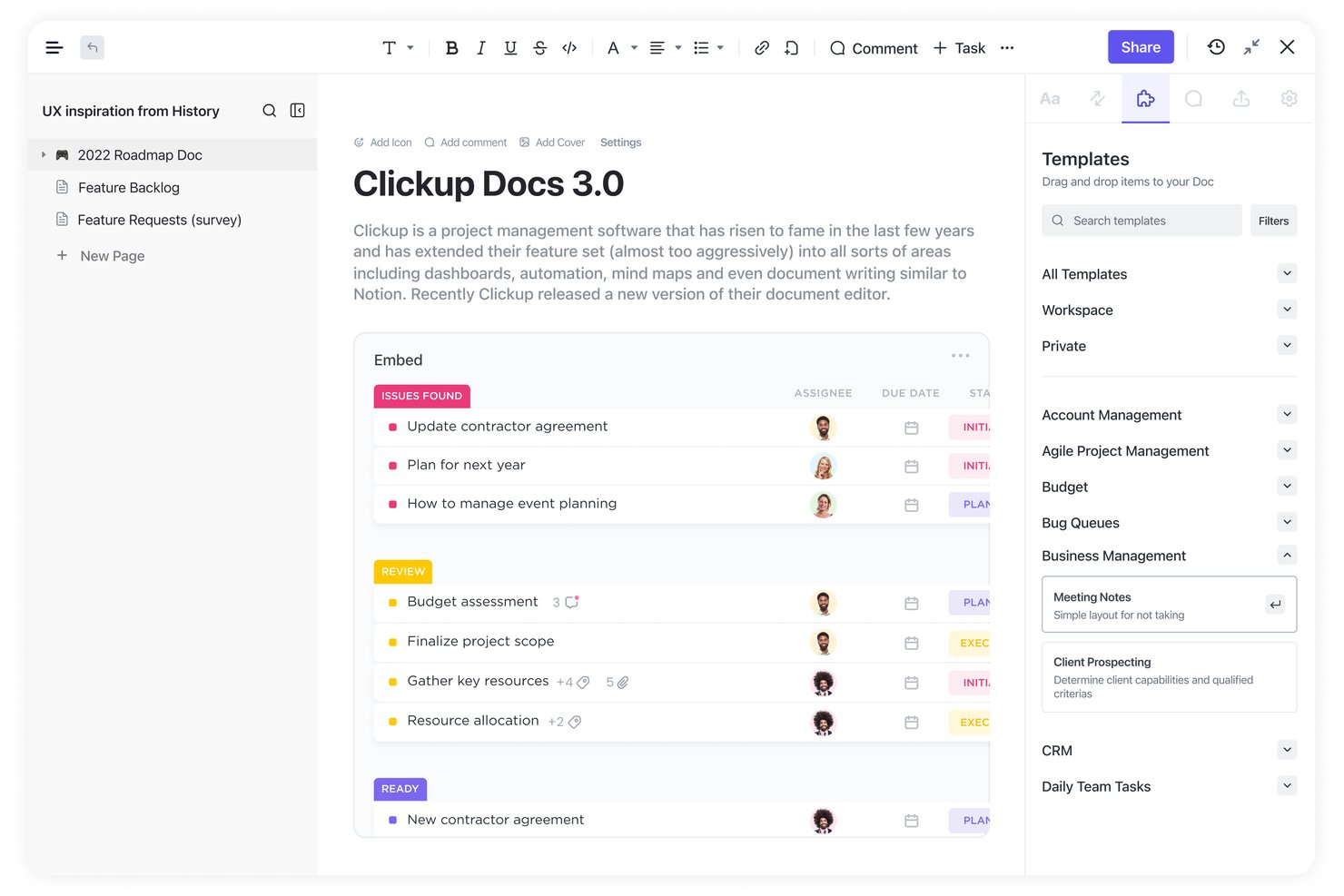
For product and engineering teams evaluating Confluence alternatives, ClickUp is a work management platform that helps organize team knowledge and coordinate cross-functional projects in one workspace.
Who Is ClickUp Best For?
ClickUp suits project managers and cross-functional teams that want project plans and reference docs connected directly to tasks.
Why I Picked ClickUp
I picked ClickUp as Best for docs linked to tasks and projects because ClickUp Docs can connect project briefs and requirements directly to the work they guide. I like that connection for tracking decisions alongside task ownership and progress, rather than searching separately for context in a Confluence alternative.
ClickUp Key Features
- Docs Hub: Browse and organize Docs and wikis from a central location.
- Nested pages: Add subpages to structure information within a Doc.
- Doc templates: Create Docs from reusable templates.
- Page permissions: Control who can view or edit a Doc.
ClickUp Integrations
ClickUp offers native integrations with Slack, GitHub, GitLab, Bitbucket, Google Drive, Google Calendar, Microsoft Teams, and Figma. It also connects with Zapier and provides a public API for custom integrations.
Pros and Cons
Pros:
- Reuse templates for project documentation
- Organize reference material with nested pages
- Link project briefs directly to tasks
Cons:
- Wiki organization feels limited for knowledge bases
- Large Docs can lag or crash
New Product Updates from ClickUp
ClickUp Adds Meetings Hub, Super Agent Templates, and ZoomInfo Integration
ClickUp adds a searchable Meetings Hub, new ways to clone and template Super Agents, and a ZoomInfo integration through the App Center. These updates improve meeting retrieval, agent reuse, and access to sales intelligence. For more information, visit ClickUp’s official site.

Best for M365-native document governance

Microsoft SharePoint is a knowledge management and collaboration platform for Microsoft 365 organizations, helping project teams organize documentation, publish internal guidance, and reduce scattered information.
Who Is Microsoft SharePoint Best For?
Microsoft SharePoint suits project and operations teams in Microsoft 365 organizations that need governed document libraries and internal guidance.
Why I Picked Microsoft SharePoint
I picked Microsoft SharePoint as a Confluence alternative for its “Best for M365-native document governance” focus. Document libraries pair version history with access permissions, while metadata and views help me separate approved project guidance from drafts. SharePoint pages let me publish that guidance alongside the files teams need.
Microsoft SharePoint Key Features
- SharePoint search: Find content across sites, pages, and files with keyword searches.
- News posts: Publish announcements and updates on team or communication sites.
- SharePoint lists: Track project items such as decisions, issues, and risks in structured lists.
- Site templates: Start a site with a preconfigured layout and features for a specific purpose.
Microsoft SharePoint Integrations
SharePoint has native integrations across Microsoft 365, including Microsoft Teams, OneDrive, Word, Excel, and Outlook. It also connects with Power Automate and Power Apps through Microsoft’s SharePoint connector, and supports custom integrations through Microsoft Graph.
Pros and Cons
Pros:
- Shared libraries centralize project files
- Metadata views distinguish guidance from drafts
- Version history reduces document version confusion
Cons:
- Search misses files in poorly structured libraries
- Site navigation can obscure wiki-style guidance

Guru
Best for verified, always-current knowledge
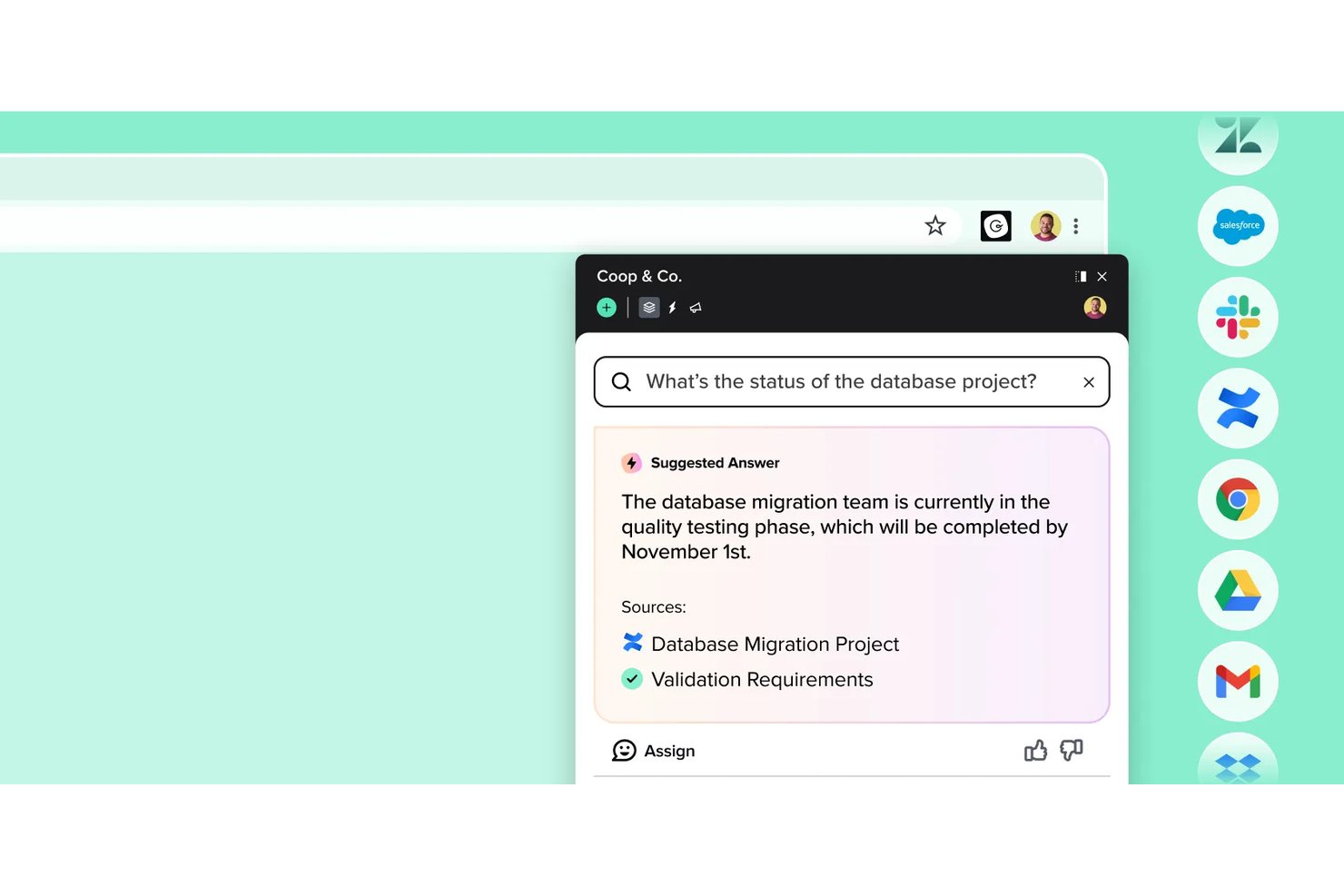
Guru is a knowledge management platform for cross-functional teams that brings company guidance into everyday work, helping product and engineering groups find answers without relying on scattered Confluence pages.
Who Is Guru Best For?
Guru suits knowledge managers and team leads at tech companies who need subject matter experts to keep internal answers verified and current.
Why I Picked Guru
I picked Guru for “Best for verified, always-current knowledge.” Its verification workflow assigns knowledge cards to subject matter experts and prompts them to review content on a schedule. When an API process changes, an owner can update and reverify the guidance before engineers rely on an outdated Confluence page.
Guru Key Features
- AI answers: Knowledge Agents answer questions from company knowledge with citations.
- Enterprise search: Search Guru and connected sources from one place.
- Slack and Microsoft Teams integrations: Search knowledge and get cited answers within either app.
- Browser extension: Find contextual answers and knowledge triggers without leaving your current tab.
Guru Integrations
Guru offers integrations with Confluence, Jira, Slack, Microsoft Teams, GitHub, Google Drive, Notion Pages, and more for search and in-context knowledge access. It also supports Zapier and provides an API for custom integrations.
Pros and Cons
Pros:
- Browser extension puts answers beside work
- Cited answers surface knowledge in context
- Expert verification prompts keep guidance current
Cons:
- Verification workload grows across large libraries
- Search can miss cards without exact titles


Outline is a collaborative knowledge base for product and engineering teams that keeps internal documentation, project decisions, and team guides organized and searchable as work changes.
Who Is Outline Best For?
Outline suits software teams where project leads and engineers need to maintain shared internal documentation in Markdown under a flat-rate plan.
Why I Picked Outline
I picked Outline as a Confluence alternative because it fits “Best for flat-rate, Markdown-first knowledge bases.” I like its Markdown editor for maintaining engineering runbooks and decision records, while collections group related docs and search helps me find project guidance.
Outline Key Features
- Comments and threads: Discuss document details in focused conversations.
- Access permissions: Set read and write access for users and groups.
- Public sharing: Share selected documents with people outside your workspace.
- Document templates: Create reusable templates for recurring documents.
Outline Integrations
Outline documents 20+ integrations, including Slack, GitHub, GitLab, Linear, Figma, Google Analytics, Notion, and Zapier. It also offers an API and webhooks for custom integrations.
Pros and Cons
Pros:
- Document links and version history aid traceability
- Live collaboration keeps edits and comments together
- Markdown editing suits engineering documentation
Cons:
- Collection permissions cannot exclude individual documents
- Search can lag behind recent updates

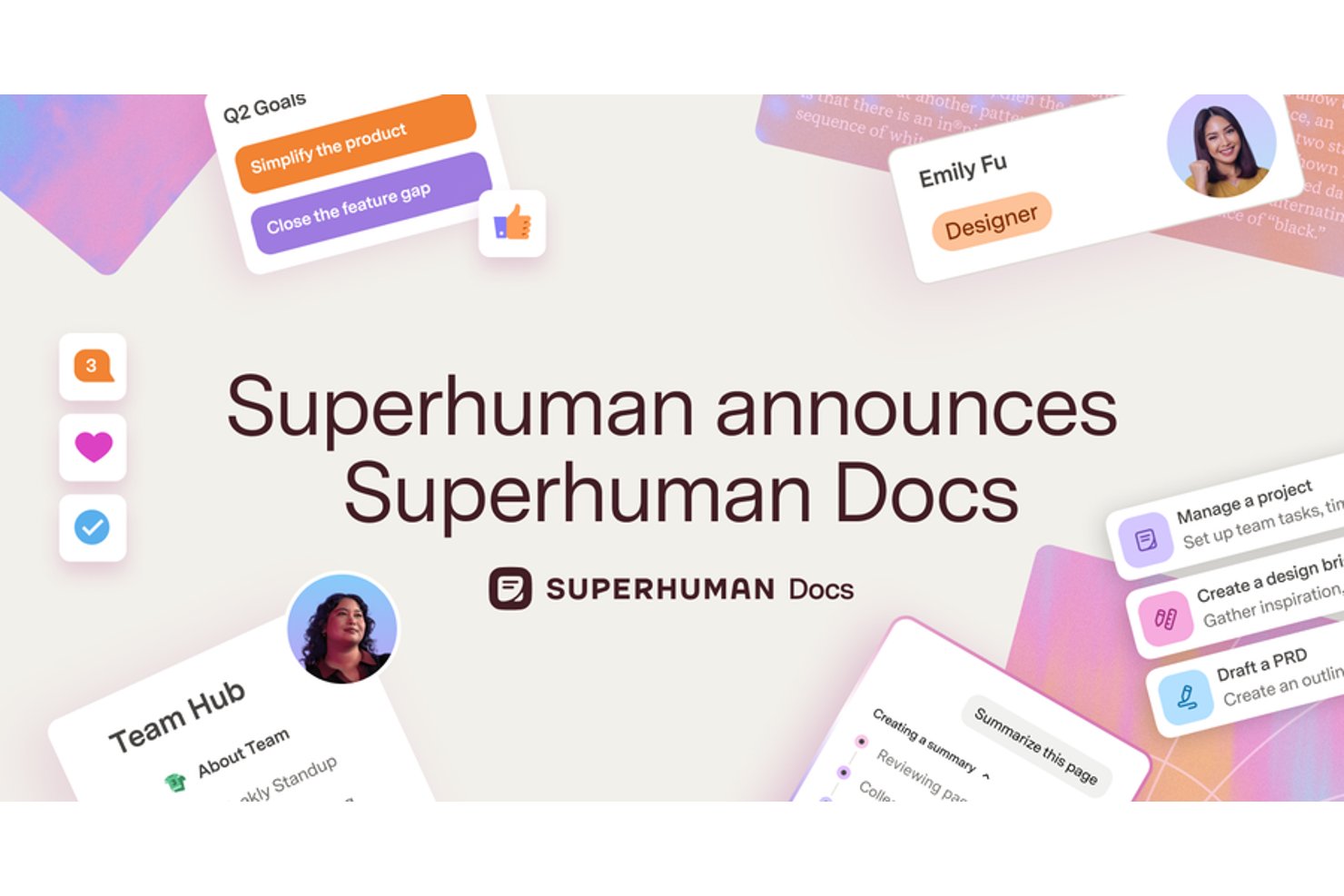
Superhuman gives product and engineering teams a collaborative workspace to document decisions, organize team knowledge, and connect information to project work, offering an alternative to static Confluence pages.
Who Is Superhuman Best For?
Technical program managers and cross-functional leads coordinating product and engineering work can use Superhuman to keep team knowledge, project data, and workflows together.
Why I Picked Superhuman
I picked Superhuman as a Confluence alternative because it’s “Best for docs, data, and workflows in one hub.” Docs AI builds interactive tables, formulas, and buttons from prompts, while knowledge hubs keep project information in a shared source of truth. I like that teams can also build approval workflows and project trackers directly in their docs.
Superhuman Key Features
- Version history: Review earlier document versions within your plan’s retention period.
- Tool integrations: Sync information from connected tools such as Jira, Salesforce, and Asana.
- Custom-domain publishing: Publish documents under a branded custom domain.
- Custom roles and permissions: Set access permissions for different users and roles.
Superhuman Integrations
Superhuman Docs supports 800+ integrations, including Jira, Salesforce, Asana, and Slack, with two-way sync for connected tools. It also offers a public API for custom integrations and connects with Zapier.
Pros and Cons
Pros:
- Live collaboration keeps team information centralized
- Formulas turn knowledge pages into project trackers
- Docs and relational tables share one workspace
Cons:
- Large project portfolios can outgrow its structure
- Advanced formulas and automations take time to learn
Outras alternativas ao Confluence
Eis algumas alternativas adicionais ao Confluence que não entraram na minha seleção, mas que vale a pena conhecer:
- Docmost
For self-hosted open-source wiki teams
- Nuclino
For wiki-style docs without the complexity
- Tettra
For Slack-native Q&A documentation
- Notion
For docs, databases, and wikis in one place
- Helpjuice
For dedicated customer knowledge bases
- Archbee
For developer-focused API doc publishing
- Wiki.js
For self-hosted wiki with granular access rules
- Papyrs
For intranet-style internal portals
- ONES.com
For linking docs to project workflows


How I Evaluate Confluence Alternatives
I split my evaluation into three parts. First—and most important—I check whether a tool can support real-time collaborative document editing and organize content into a navigable, searchable hierarchy. Then I look for standout capabilities like AI knowledge assistants or database views embedded in pages. Finally, I consider migration support and pricing scalability.
Core Functionality (Table Stakes For This List)
When I'm selecting tools for my list, I score each one on a scale from 0 (does not offer the functionality) to 5 (excels in this area) for each core functionality listed below. I then convert the total into a percentage to help assess each tool's overall fit, with extra weight on any functionalities I’ve deemed essential.
- Collaborative Editing (Essential): I look for live co-editing, visible changes, and inline discussion so product, engineering, and design can update a project brief together.
- Knowledge Organization (Essential): I assess whether spaces, nested pages, links, and templates keep decision logs, onboarding guides, and project plans findable as work grows.
- Permissions & Access: I check whether admins can set page- or space-level access for internal teams, partners, and sensitive project notes.
- Version History: I look for author attribution, revision comparisons, and restore options when project requirements or guidance change.
- Workflow Integrations: I consider connections to task, chat, and file tools, including whether teams can find documentation alongside active project work.
- Search & Discovery: I look for full-text search across pages and attachments, with filters that help locate an old decision or delivery guideline.
Once I have a list of tools that meet the criteria, I consider what sets each platform apart.
Differentiating Factors (What Sets Vendors Apart)
Here's how I compare and contrast different vendors:
Standout Features
I look for AI knowledge assistants that can surface answers from existing pages, since a PM searching for a past decision shouldn't have to scan dozens of docs manually. Database and table views matter too—tools like Notion let you embed a tracker directly in a project brief, keeping status data and documentation in one place. I also evaluate public page publishing, which agencies need when sharing deliverables with clients without exposing internal notes.
Beyond Features
I evaluate migration support first—tools like Notion and Document360 offer Confluence import wizards, but I check whether they preserve formatting, attachments, and version history. Pricing models matter just as much. Per-user costs add up fast on distributed teams, so I compare flat-rate and free-tier options that let smaller groups evaluate fit before committing. I also look at deployment flexibility, since some teams need self-hosted or on-premise setups to meet data residency policies.
Por que procurar uma alternativa ao Confluence?
Embora o Confluence seja uma boa escolha de software de gestão do conhecimento, alguns utilizadores procuram soluções alternativas. Pode estar à procura de uma alternativa ao Confluence porque…
- Precisa de uma melhor integração com outras ferramentas
- A sua equipa considera a interface demasiado complexa
- Pretende mais opções de personalização
- O seu orçamento para subscrições de software é limitado
- Necessita de acesso sem ligação à Internet aos documentos
- A sua equipa precisa de um apoio ao cliente mais rápido
Se alguma destas situações lhe é familiar, veio ao sítio certo. A minha lista inclui várias opções de software de gestão do conhecimento mais adequadas a equipas que enfrentam dificuldades com o Confluence e procuram soluções alternativas.
Principais funcionalidades do Confluence
Eis algumas das principais funcionalidades do Confluence, que o ajudarão a compará-las com o que as soluções alternativas oferecem:
- Edição em tempo real: As equipas podem editar conteúdos em colaboração e em simultâneo.
- Comentários: Os comentários em linha permitem que a sua equipa tenha discussões diretamente no conteúdo.
- Notificações: Receba alertas para se manter a par das alterações e do progresso nos seus projetos.
- Quadros brancos: Utilize uma tela infinita para debater ideias e gerar ideias com a sua equipa.
- Bases de dados: Organize e visualize informações com atualizações em tempo real provenientes de várias ferramentas.
- Funcionalidades de IA e automatização: Automatize tarefas e melhore a eficiência da comunicação com capacidades de IA.
- Espaços do Confluence: Organize o conhecimento por equipas e projetos com opções avançadas de pesquisa.
- Armazenamento de ficheiros: Armazene conteúdos de forma segura com opções de armazenamento de 250 GB ou ilimitado.
- Gestão de utilizadores: O suporte para um número ilimitado de utilizadores permite uma colaboração abrangente entre equipas.
- Permissões de conteúdo: Personalize o acesso de utilizadores e grupos para gerir a visibilidade do conteúdo.