

I 10 migliori software di gestione dei progetti per il settore minerario nel 2026

Il miglior software di gestione dei progetti per il settore minerario: selezione


Il miglior software di gestione dei progetti per il settore minerario aiuta a coordinare le operazioni, controllare i costi, mantenere gli standard di sicurezza e conformità e rispettare le scadenze. I ritardi nei progetti minerari derivano da una cattiva allocazione delle risorse, da una comunicazione inefficace e dalla scarsa visibilità sull'avanzamento. Senza lo strumento giusto, si rischiano sforamenti del budget, tempi di inattività delle apparecchiature e violazioni delle norme di sicurezza.
La piattaforma giusta consente di monitorare l'avanzamento, assegnare manodopera e attrezzature e centralizzare gli aggiornamenti per mantenere il team allineato. Ho testato e confrontato diverse soluzioni per individuare il miglior software di gestione dei progetti per il settore minerario. Trova qui sotto lo strumento giusto per mantenere le tue operazioni efficienti e conformi.
Perché fidarsi dei nostri consigli sui software
Il nostro team testa e recensisce software dal 2012. In quanto project manager noi stessi, sappiamo quanto sia difficile — e importante — scegliere il software giusto.
Per questa guida, abbiamo valutato gli strumenti attraverso test pratici e ricerche indipendenti, assegnando un punteggio agli strumenti in base ai nostri criteri di selezione. Ci basiamo inoltre sulle competenze di leader di pensiero del settore e di professionisti attivi nella gestione dei progetti.
Le nostre recensioni riflettono il nostro giudizio editoriale umano, non un discorso di vendita.
Revisori esperti:
Tabella comparativa dei software di gestione dei progetti per il settore minerario
Confronta nella tabella qui sotto i dettagli sui prezzi delle mie migliori selezioni di software di gestione dei progetti per il settore minerario.
| Tool | Best For | Trial Info | Price | ||
|---|---|---|---|---|---|
| 1 | Ideale per la gestione della sicurezza | Prova gratuita su richiesta | Da $3,600/anno | Website | |
| 2 | Ideale per la gestione dei fornitori | Demo gratuita disponibile | Prezzi su richiesta | Website | |
| 3 | Ideale per la gestione del portafoglio progetti | Demo gratuita disponibile | Prezzo su richiesta | Website | |
| 4 | Ideale per la segnalazione in tempo reale dal campo | Prova gratuita di 30 giorni + demo gratuita disponibile | Da $32/utente/mese (fatturato annualmente) | Website | |
| 5 | Ideale per l'analisi dei dati tramite droni | Prova gratuita di 14 giorni disponibile | Prezzo su richiesta | Website | |
| 6 | Ideale per il monitoraggio della conformità | Demo gratuita | Prezzi su richiesta | Website | |
| 7 | Ideale per il controllo dei progetti di capitale | Piano gratuito disponibile + prova gratuita + demo disponibile | Da $150/mese | Website | |
| 8 | Ideale per la raccolta dati da mobile | Prova gratuita disponibile | Da $25.20/utente/mese (fatturazione annuale) | Website | |
| 9 | Ideale per la gestione dei dati di esplorazione | Demo gratuita disponibile | Da $1.350/mese | Website | |
| 10 | Ideale per la prontezza operativa | Demo gratuita disponibile | Prezzi su richiesta | Website |
Recensioni dei migliori software di gestione dei progetti per il settore minerario
Leggi qui sotto il mio riepilogo di ciascuna delle mie scelte per il miglior software di gestione dei progetti per il settore minerario. Analizzo funzionalità principali, pro e contro, integrazioni e casi d’uso, così puoi trovare la soluzione più adatta.

Ideale per la gestione della sicurezza

EHS Insight è un software di gestione ambientale, salute e sicurezza per le industrie, focalizzato sulla conformità e la gestione dei rischi. Serve responsabili della sicurezza e team con strumenti per la gestione degli incidenti, audit e ispezioni per mantenere la sicurezza e la conformità nei luoghi di lavoro.
Perché ho scelto EHS Insight: EHS Insight si concentra sulla gestione della sicurezza e offre strumenti per rimanere conformi e gestire i rischi. È possibile segnalare incidenti, eseguire audit e monitorare i problemi di sicurezza affinché vengano risolti rapidamente. Permette inoltre di impostare checklist di sicurezza e svolgere ispezioni in base alle esigenze del tuo team.
Caratteristiche e integrazioni principali:
Caratteristiche includono valutazione dei rischi, gestione della formazione e gestione ambientale. Lo strumento supporta anche l'indagine sugli incidenti per identificare le cause principali e prevenire recidive.
Integrazioni includono Microsoft Excel e Microsoft Power BI.
Pros and Cons
Pros:
- Forte attenzione alla conformità sulla sicurezza
- Checklist di sicurezza personalizzabili
- Segnalazione efficiente degli incidenti
Cons:
- Ideale per team numerosi
- Progettato principalmente per professionisti della sicurezza

Felix
Ideale per la gestione dei fornitori

Felix è un software di gestione degli approvvigionamenti pensato per le industrie che necessitano di un'efficiente gestione dei fornitori e dei processi di approvvigionamento. Serve ai team di procurement e ai project manager, aiutando a semplificare la selezione dei fornitori, la gestione dei contratti e il monitoraggio della conformità.
Perché ho scelto Felix: Felix si concentra sulla gestione dei fornitori e ti offre strumenti per gestirli e valutarli. Puoi svolgere una prequalifica per assicurarti che i fornitori rispettino gli standard di conformità. Permette inoltre di gestire i contratti e monitorare le prestazioni dei fornitori per mantenere qualità ed efficienza.
Funzionalità principali & Integrazioni:
Funzionalità includono valutazione dei rischi, monitoraggio delle performance dei fornitori e pianificazione degli approvvigionamenti. Lo strumento supporta anche la gara digitale, rendendo il processo di approvvigionamento più efficiente.
Integrazioni includono Oracle Aconex, Asite, Eftsure e InEight.
Pros and Cons
Pros:
- Forti capacità di gestione dei fornitori
- Gestione efficiente dei contratti
- Supporta il monitoraggio della conformità
Cons:
- Più indicato per grandi organizzazioni
- Focalizzato principalmente sui team di procurement


EcoSys è un software di gestione progetti focalizzato sulla gestione di portafogli progetti a livello aziendale e serve settori come costruzioni, ingegneria ed energia. Aiuta i project manager e i dirigenti a gestire i portafogli, controllare i costi e migliorare le prestazioni dei progetti.
Perché ho scelto EcoSys: EcoSys si concentra sulla gestione dei portafogli e offre strumenti per gestire più progetti e i loro aspetti finanziari. Puoi usarlo per il controllo dei costi e la misurazione delle prestazioni, per mantenere i progetti allineati ai tuoi obiettivi. Ti permette di gestire previsioni e budget, rendendo più semplice il processo decisionale.
Funzionalità principali e integrazioni:
Funzionalità includono la misurazione delle prestazioni, il controllo dei costi e la previsione dei progetti. Puoi utilizzarlo anche per l'ottimizzazione delle risorse e la pianificazione strategica.
Integrazioni includono SAP, Oracle, PeopleSoft, JD Edwards, Viewpoint, Primavera P6, Microsoft Project, Tableau, Microsoft Excel e Microsoft Power BI.
Pros and Cons
Pros:
- Ottime funzionalità di gestione del portafoglio
- Strumenti efficaci per il controllo dei costi
- Supporta la pianificazione strategica
Cons:
- Processo di configurazione complesso
- Pensato principalmente per grandi aziende


PlanRadar è un software di gestione per l'edilizia dedicato al monitoraggio e alla segnalazione dei difetti. Supporta appaltatori, sviluppatori e facility manager con strumenti per la gestione dei progetti e della qualità.
Perché ho scelto PlanRadar: PlanRadar è progettato per la segnalazione in tempo reale dal campo, così il tuo team riceve aggiornamenti immediati e accesso ai dati di progetto. Puoi segnalare i difetti direttamente dal cantiere tramite l'app mobile, monitorare i progressi e prendere decisioni rapide per mantenere i lavori in movimento.
Caratteristiche principali & Integrazioni:
Caratteristiche includono pianificazione dei progetti, gestione dei documenti e ispezioni. Puoi utilizzarlo anche per la gestione dei reclami e reportistica dettagliata.
Integrazioni includono Dropbox, Google Drive, OneDrive, Box e Slack.
Pros and Cons
Pros:
- App mobile per segnalazione direttamente sul posto
- Supporta il monitoraggio dettagliato dei progetti
- Personalizzabile per adattarsi ai flussi di lavoro
Cons:
- La configurazione iniziale può essere complessa
- Non ideale per progetti molto piccoli


Propeller è una piattaforma di analisi dati tramite droni per i settori delle costruzioni e dell'estrazione mineraria. Fornisce a responsabili di progetto e ingegneri di cantiere strumenti per mappare, misurare e analizzare i dati del sito al fine di aumentare l'efficienza operativa.
Perché ho scelto Propeller: Propeller si concentra sull'analisi dei dati raccolti tramite droni, aiutando il tuo team a raccogliere e processare dati aerei. Puoi utilizzarlo per la mappatura 3D e per calcoli volumetrici così da ottenere misurazioni precise del sito. Permette inoltre di monitorare i progressi, confrontare le condizioni del sito nel tempo e visualizzare facilmente i dati per prendere decisioni informate.
Caratteristiche principali & integrazioni:
Funzionalità includono elaborazione automatica dei dati, modellazione digitale del terreno e monitoraggio dell'avanzamento. È possibile generare report dettagliati da condividere con gli stakeholder.
Integrazioni includono Autodesk Build, Trimble Connect e Procore.
Pros and Cons
Pros:
- Elaborazione accurata dei dati raccolti tramite droni
- Supporta mappatura e modellazione 3D
- Utile per calcoli volumetrici
Cons:
- Curva di apprendimento iniziale elevata
- Richiede conoscenze di pilotaggio droni


Enablon è un software di controllo del lavoro pensato per settori con requisiti rigorosi di sicurezza, conformità e gestione dei rischi. Serve responsabili della sicurezza e della conformità.
Perché ho scelto Enablon: Enablon si concentra sul monitoraggio della conformità e offre al tuo team strumenti per seguire le norme di sicurezza e regolamentari. Puoi gestire gli incidenti ed eseguire valutazioni dei rischi per mantenere sicuro l'ambiente di lavoro. Inoltre, permette di automatizzare le attività di conformità e creare report per tracciare le prestazioni in materia di sicurezza.
Caratteristiche e integrazioni principali:
Caratteristiche includono il monitoraggio della conformità normativa e la creazione di report sulle prestazioni di sicurezza. Il software supporta anche analisi dettagliate per aiutare il tuo team a prendere decisioni informate.
Integrazioni non sono elencate pubblicamente sul sito di Enablon.
Pros and Cons
Pros:
- Automatizza i processi di conformità
- Supporta report dettagliati sulla sicurezza
- Utile per la gestione dei rischi
Cons:
- Configurazione e impostazione complesse
- Destinato principalmente a grandi organizzazioni

Mastt è un software di gestione progetti per progetti di capitale. È progettato principalmente per i project manager e i team di costruzione che gestiscono progetti su larga scala, offrendo funzionalità per la gestione del budget, la valutazione dei rischi e il monitoraggio dell'avanzamento dei lavori.
Perché ho scelto Mastt: Mastt si concentra sul controllo dei progetti di capitale e fornisce al tuo team strumenti per gestire i budget e valutare i rischi. Puoi utilizzarlo per la previsione finanziaria e il monitoraggio dell'avanzamento, mantenendo i progetti nei tempi previsti e nel rispetto del budget. Consente inoltre di creare report dettagliati da condividere con gli stakeholder così che tutti rimangano aggiornati.
Caratteristiche principali e integrazioni:
Caratteristiche includono una visualizzazione dettagliata dei dati, che facilita il processo decisionale. Hai inoltre accesso a dashboard in tempo reale che offrono al tuo team visibilità su tutti i progetti.
Le integrazioni includono Microsoft Project e Primavera P6.
Pros and Cons
Pros:
- Strumenti efficaci per la gestione del budget
- Supporta una previsione finanziaria dettagliata
- Migliora la trasparenza del progetto
Cons:
- Principalmente per grandi progetti di capitale
- Ideale per project manager esperti


Dashpivot è un software di gestione per cantieri destinato a team che lavorano su progetti di costruzione, ingegneria e industriali. Aiuta a gestire la raccolta dati in cantiere, tracciare i progetti, favorire la collaborazione del team e fornisce strumenti che aumentano produttività ed efficienza in loco.
Perché ho scelto Dashpivot: Dashpivot rende la raccolta dati mobile semplice, in modo che il tuo team possa acquisire e gestire informazioni direttamente dal campo. Puoi utilizzare moduli digitali, scattare foto in tempo reale e trasformare rapidamente i dati in PDF o fogli di calcolo per la reportistica. L'accesso da mobile mantiene il team attrezzato in cantiere e riduce i ritardi nella gestione dei dati.
Funzionalità e integrazioni principali:
Funzionalità includono strumenti per il monitoraggio dell'avanzamento e la gestione della sicurezza. Il software consente una facile conversione ed esportazione dei dati per la reportistica.
Integrazioni includono Xero, QuickBooks, SharePoint, Microsoft Excel e Microsoft Power BI.
Pros and Cons
Pros:
- Ottimizzato per l'utilizzo in cantiere via mobile
- Supporta flussi di lavoro automatizzati
- Moduli digitali personalizzabili
Cons:
- Capacità offline limitate
- Progettato principalmente per team di costruzione

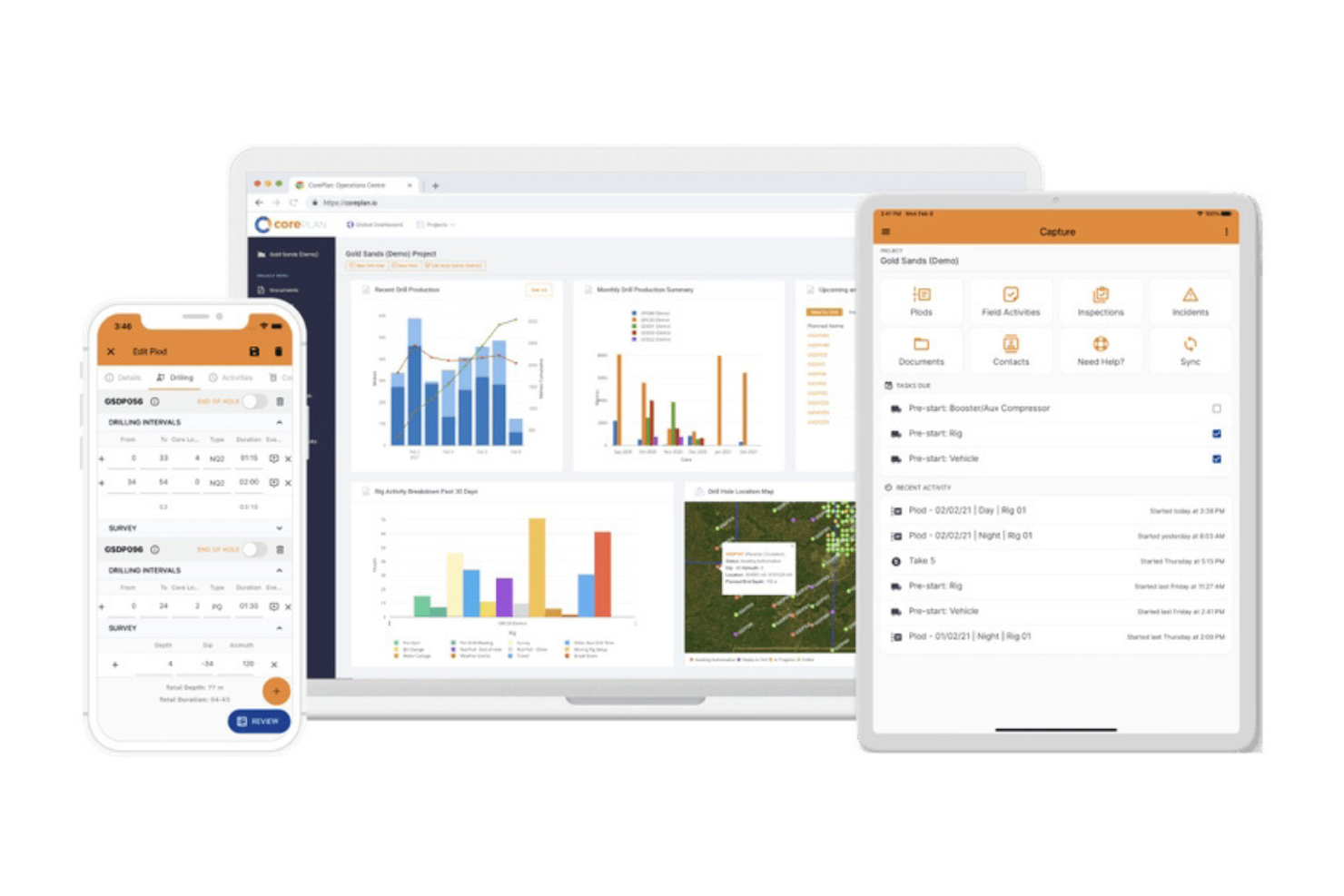
CorePlan è un software basato su cloud per i team di esplorazione mineraria. È focalizzato sulla gestione dei dati e sull'efficienza operativa, e offre strumenti per la gestione dei dati di esplorazione, la pianificazione e la reportistica per geologi e squadre sul campo.
Perché ho scelto CorePlan: CorePlan è stato sviluppato per gestire i dati di esplorazione in modo che tu e il tuo team possiate accedervi e utilizzarli facilmente. Puoi creare report digitali di perforazione e archiviare fotografie dei carotaggi per mantenere i dati geologici organizzati e pronti per l'analisi. Ti consente di monitorare l'avanzamento della perforazione e gestire le risorse.
Funzionalità principali & Integrazioni:
Le funzionalità includono la mappatura digitale e la programmazione delle risorse, e puoi gestire le operazioni sul campo con aggiornamenti in tempo reale. Lo strumento supporta anche la visualizzazione dei dati.
Le integrazioni includono Garmin inReach, MYOB, Xero, Microsoft Power BI e Excel.
Pros and Cons
Pros:
- Supporta la gestione dettagliata dei dati di esplorazione
- Aggiornamenti in tempo reale delle operazioni sul campo
- Opzioni di reportistica personalizzabili
Cons:
- Funzionalità offline limitate
- Richiede competenze nella gestione dei dati

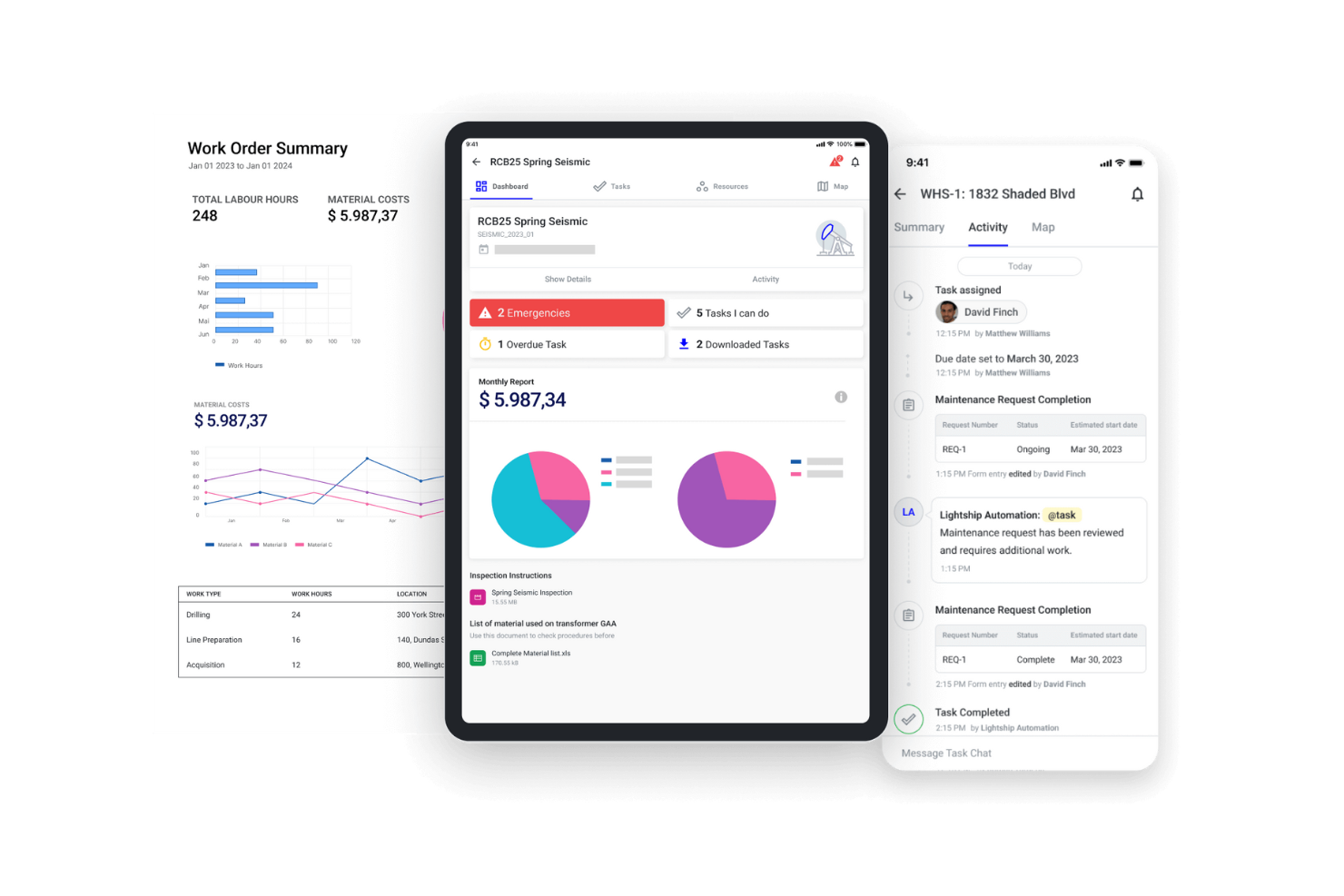
OpsReady è un software operativo per il settore industriale. Si concentra sulla gestione dei progetti e sulla prontezza operativa. Fornisce strumenti per le operazioni sugli asset e la gestione degli incidenti alle aziende di settori come energia, manifatturiero e servizi ambientali.
Perché ho scelto OpsReady: OpsReady è progettato per la prontezza operativa e aiuta il team a gestire i progetti in un'unica piattaforma. Puoi usare l'app mobile per il lavoro sul campo e collegarla ai sistemi esistenti. Permette di monitorare le tempistiche, i costi e la conformità. OpsReady permette anche di partire in meno di 90 giorni, così il tuo team può adattarsi e rispondere rapidamente alle esigenze.
Funzionalità principali e integrazioni:
Funzionalità includono il monitoraggio degli incidenti e il supporto ai servizi ambientali. Puoi anche usare OpsReady per la gestione degli impianti e delle emergenze.
Integrazioni non sono elencate pubblicamente sul sito web di OpsReady.
Pros and Cons
Pros:
- Implementazione rapida in meno di 90 giorni
- Supporta funzionalità mobile offline
- Accesso illimitato per gli utenti
Cons:
- Opzioni di personalizzazione limitate
- Ideale per team operativi
Altri software di gestione dei progetti per il settore minerario
Ecco alcune ulteriori opzioni di software di gestione dei progetti per il settore minerario che non sono entrate nella mia selezione, ma che vale comunque la pena prendere in considerazione:


Come Valuto il Software di Gestione Progetti per l'Industria Mineraria
Valuto ogni strumento su due livelli: le capacità fondamentali che deve possedere per essere incluso—come la pianificazione su più fasi e il monitoraggio HSE—e i fattori differenzianti che determinano la soluzione più adatta.
Funzionalità Fondamentali (Requisiti di Base Per Questa Lista)
Quando seleziono gli strumenti per la mia lista, ne classifico ognuno su una scala da 0 (non offre la funzionalità) a 5 (eccelle in quest'area) per ciascuna funzionalità fondamentale elencata sotto. Successivamente, calcolo il punteggio totale dello strumento come percentuale. Ogni strumento deve raggiungere un punteggio totale minimo del 55% per essere considerato per l'inclusione.
- Pianificazione di Progetti Minerari: Verifico la presenza di pianificazione Gantt su più fasi con CPM e gestione delle dipendenze che possa rappresentare l'intero ciclo di vita della miniera, dall'esplorazione fino alla chiusura.
- Gestione di Risorse & Attrezzature: È fondamentale il monitoraggio di squadre, appaltatori e macchinari pesanti tra cantieri o gallerie—cerco viste di utilizzo e allocazione su base turno.
- Controllo dei Costi di Progetti Capitali: Le grandi costruzioni minerarie CAPEX richiedono budgeting, previsione e monitoraggio del valore realizzato; valuto come ogni strumento gestisce i costi a livello di progetto e di portafoglio.
- Monitoraggio HSE & Conformità: I progetti minerari comportano importanti obblighi normativi. Cerco registrazione di incidenti, monitoraggio permessi, tracce di audit e capacità di reportistica ambientale.
- Collaborazione in Campo & Siti Remoti: La maggior parte dei siti minerari sono lontani dalla sede centrale. Valuto se ogni strumento supporta accesso mobile offline, controllo documentale e coordinamento multi-sito.
- Integrazione & Reportistica con Sistemi Minerari: Verifico la connettività con piattaforme ERP, suite di pianificazione mineraria e strumenti di gestione flotte, oltre a dashboard consolidate che evidenziano gli indicatori di progetto.
Una volta raccolta una lista di strumenti che soddisfano questi criteri, considero ciò che distingue ciascuna piattaforma.
Fattori Differenzianti (Cosa Distingue i Fornitori)
Ecco come confronto e metto a paragone i diversi fornitori:
Funzionalità Distintive
La gestione dei rischi e dei pericoli è un forte elemento differenziante. Cerco registri dei rischi integrati con librerie di pericoli specifiche per il settore minerario collegate alle attività di progetto, così il team monitora le mitigazioni insieme all'avanzamento della pianificazione. Anche i flussi di lavoro di gestione appalti e approvvigionamento sono importanti—gestire capitolati di gara, stati avanzamento lavori e appaltatori EPC all'interno della stessa piattaforma evita continui scambi di comunicazioni durante le grandi realizzazioni. La pianificazione di fermi impianto e turnaround è un'altra caratteristica che considero, specialmente per i team operativi che programmando la manutenzione di impianti o gallerie rispetto agli obiettivi produttivi.
Oltre le Funzionalità
La flessibilità di implementazione è una delle prime cose che valuto. Molti siti minerari operano con connettività limitata, quindi verifico se il fornitore offre hosting cloud, on-premise o ibrido con sincronizzazione offline affidabile. Anche la scalabilità è importante—uno strumento che funziona per un singolo progetto a cielo aperto deve poter essere scalato a un portafoglio multi-miniera senza dover ristrutturare il setup. Valuto inoltre il supporto all'implementazione. I software PM per il mining presentano curve di apprendimento impegnative, e i fornitori con consulenti esperti in ambito minerario e formazione basata sui ruoli per planner, ingegneri e dirigenti tendono a facilitare un’adozione più rapida tra i siti.
Come scegliere il software di gestione dei progetti per il settore minerario
È facile perdersi in lunghi elenchi di funzionalità e strutture tariffarie complesse. Per aiutarti a rimanere concentrato mentre affronti il tuo specifico processo di selezione del software, ecco una lista di fattori da tenere presenti:
| Fattore | Cosa considerare |
|---|---|
| Scalabilità | Il software può crescere insieme alle tue operazioni? Considera l'espansione futura e se lo strumento è in grado di gestire una maggiore quantità di dati e utenti. |
| Integrazioni | Si collega ai sistemi esistenti? Cerca la compatibilità con strumenti come GIS, ERP e software finanziari. |
| Personalizzazione | Puoi adattarlo al tuo flusso di lavoro? Verifica se il software consente di personalizzare dashboard, report e processi. |
| Semplicità d'uso | È facile da usare per il tuo team? Testa l'interfaccia per assicurarti che sia intuitiva e richieda una formazione minima. |
| Implementazione e avvio | Quanto tempo richiederà la configurazione? Valuta il supporto fornito per l'avvio e la disponibilità di materiali formativi. |
| Costo | Rientra nel tuo budget? Confronta i piani tariffari e verifica la presenza di costi nascosti o di requisiti relativi a contratti a lungo termine. |
| Misure di sicurezza | Sono presenti misure per la protezione dei dati? Cerca crittografia, autenticazione degli utenti e conformità agli standard del settore. |
| Disponibilità dell'assistenza | L'aiuto è facilmente accessibile? Considera la disponibilità dell'assistenza clienti e i canali offerti, come chat o telefono. |
Che cos'è il software di gestione dei progetti per il settore minerario?
Il software di gestione dei progetti per il settore minerario è progettato per aiutare a gestire e ottimizzare i progetti minerari, dalla pianificazione all'esecuzione. Questi strumenti vengono utilizzati da project manager, ingegneri e personale operativo per aumentare l'efficienza e mantenere i progetti in linea con i piani.
Le funzionalità di pianificazione, gestione delle risorse e monitoraggio della conformità aiutano a organizzare le attività, gestire le risorse e rispettare le normative. Questi strumenti forniscono supporto per il successo dei progetti nel settore minerario.
Funzionalità del software di gestione dei progetti per il settore minerario
Quando si seleziona un software di gestione dei progetti per il settore minerario, è necessario cercare le seguenti funzionalità principali:
- Pianificazione e monitoraggio: Gestire le tempistiche del progetto e monitorare i progressi per assicurarsi che le attività siano completate nei tempi previsti.
- Gestione delle risorse: Allocare e ottimizzare le risorse in modo efficace per evitare colli di bottiglia e massimizzare la produttività.
- Monitoraggio del budget: Tenere sotto controllo le spese del progetto e le previsioni finanziarie per rimanere entro il budget.
- Monitoraggio della conformità: Mantenere il rispetto delle normative di settore e degli standard di sicurezza per ridurre i rischi.
- Visualizzazione dei dati: Fornire informazioni chiare e accessibili attraverso grafici e diagrammi per supportare il processo decisionale.
- Valutazione dei rischi: Identificare e valutare i potenziali rischi per mitigare i problemi prima che influiscano sul progetto.
- Capacità di integrazione: Collegarsi ai sistemi software esistenti per mantenere un flusso di dati continuo e migliorare l'efficienza.
- Pannelli di controllo personalizzabili: Adattare l'interfaccia alle esigenze e alle preferenze specifiche del progetto per migliorare l'esperienza dell'utente.
- Gestione degli incidenti: Monitorare e gestire gli incidenti di sicurezza per mantenere un ambiente di lavoro sicuro.
- Accesso da dispositivi mobili: Consentire ai membri del team di accedere ai dati e agli strumenti del progetto dal campo per migliorare flessibilità e reattività.
Vantaggi del software di gestione dei progetti per il settore minerario
Ecco alcuni vantaggi principali dell'implementazione di un software di gestione dei progetti per il settore minerario:
- Maggiore efficienza: Automatizzare attività come la pianificazione e l'allocazione delle risorse per risparmiare tempo e aumentare la produttività.
- Migliore conformità: Monitorare e gestire il rispetto delle normative di settore e degli standard di sicurezza, riducendo inoltre i rischi legali.
- Processo decisionale più efficace: Utilizzare strumenti di visualizzazione dei dati per ottenere informazioni utili e prendere rapidamente decisioni consapevoli.
- Controllo dei costi: Monitorare attentamente budget e spese per evitare sforamenti e migliorare i risultati finanziari.
- Mitigazione dei rischi: Identificare tempestivamente i potenziali rischi con funzionalità di valutazione dei rischi che aiutano a evitare ritardi e problemi del progetto.
- Maggiore collaborazione: Consentire ai membri del team di accedere alle informazioni del progetto da qualsiasi luogo per favorire una migliore comunicazione e collaborazione.
- Flussi di lavoro personalizzabili: Adattare il software alle esigenze specifiche del progetto, migliorando così la soddisfazione degli utenti e i risultati del progetto.
Costi e prezzi del software di gestione dei progetti per il settore minerario
I costi del software di gestione dei progetti per il settore minerario variano in base alle funzionalità, alle dimensioni del team, ai componenti aggiuntivi e ad altri fattori. La tabella seguente riepiloga i piani comuni, i relativi prezzi medi e le funzionalità tipicamente incluse nella maggior parte delle soluzioni:
Tabella comparativa dei piani del software di gestione dei progetti per il settore minerario
| Tipo di piano | Prezzo medio | Funzionalità comuni |
|---|---|---|
| Piano gratuito | $0 | Pianificazione di base, utenti limitati e reportistica essenziale |
| Piano personale | $5-$25/utente/mese | Pianificazione, gestione delle risorse e analisi di base. |
| Piano aziendale | $30-$75/utente/mese | Reportistica avanzata, integrazioni e monitoraggio della conformità. |
| Piano per grandi aziende | $100-$200/utente/mese | Flussi di lavoro personalizzati, maggiore sicurezza e supporto dedicato. |
FAQ sul software di gestione dei progetti per il settore minerario
Ecco alcune risposte alle domande comuni sul software di gestione dei progetti per il settore minerario:
In che modo il software di gestione dei progetti aiuta le attività minerarie?
Il software di gestione dei progetti aiuta le attività minerarie con strumenti per la pianificazione, la gestione delle risorse e il monitoraggio del budget. Consente al team di pianificare in modo efficiente, allocare le risorse e monitorare i progressi rispetto alle tempistiche. In questo modo, i progetti rimangono in linea con i piani e il budget.
Il software di gestione dei progetti può integrarsi con i sistemi esistenti?
Sì, molte soluzioni software per la gestione dei progetti offrono funzionalità di integrazione con sistemi esistenti come GIS, ERP e software finanziari. Prima di scegliere uno strumento, verifica la compatibilità con i sistemi attuali per mantenere un flusso di dati continuo e l’efficienza tra le piattaforme.
Quali sono le principali difficoltà nell'implementazione del software di gestione dei progetti nel settore minerario?
L’implementazione del software di gestione dei progetti nel settore minerario può essere impegnativa a causa della complessità dei progetti e della necessità di personalizzazione. Potresti incontrare ostacoli nell’allineamento del software ai flussi di lavoro esistenti e nella formazione del team all’uso efficace dei nuovi strumenti.
In che modo il software di gestione dei progetti può migliorare la conformità in materia di sicurezza?
Il software di gestione dei progetti può migliorare la conformità in materia di sicurezza grazie a funzionalità come il monitoraggio degli incidenti, il controllo della conformità e la reportistica automatizzata. Questi strumenti aiutano il team a mantenere il rispetto degli standard e delle normative di sicurezza e a ridurre il rischio di incidenti e problemi legali.
L'accesso da dispositivi mobili è importante per il software di gestione dei progetti nel settore minerario?
Sì, l’accesso da dispositivi mobili consente al team di accedere ai dati e agli strumenti del progetto direttamente sul campo. Questa flessibilità migliora la comunicazione e la reattività e consente ai membri del team di aggiornare le informazioni e prendere decisioni in tempo reale, un aspetto fondamentale negli ambienti minerari dinamici.