

I 10 migliori software di gestione della reputazione per agenzie 2026

I migliori software di gestione della reputazione per agenzie: selezione


Il software di gestione della reputazione per agenzie è una risorsa preziosa, indipendentemente dal settore scelto. Con il software giusto, i team possono migliorare la soddisfazione dei clienti e aumentare la visibilità online. Tuttavia, trovare il software di gestione della reputazione più adatto alle agenzie può essere una sfida, soprattutto considerando le numerose opzioni disponibili.
Basandomi sulla mia esperienza con i software di gestione dei progetti, ho testato e confrontato alcuni dei migliori software di gestione della reputazione per agenzie disponibili. Successivamente, ho raccolto i risultati in recensioni dettagliate per aiutarti a trovare il software più adatto alle tue esigenze.
Perché fidarsi dei nostri consigli sui software
Il nostro team testa e recensisce software dal 2012. In quanto project manager noi stessi, sappiamo quanto sia difficile — e importante — scegliere il software giusto.
Per questa guida, abbiamo valutato gli strumenti attraverso test pratici e ricerche indipendenti, assegnando un punteggio agli strumenti in base ai nostri criteri di selezione. Ci basiamo inoltre sulle competenze di leader di pensiero del settore e di professionisti attivi nella gestione dei progetti.
Le nostre recensioni riflettono il nostro giudizio editoriale umano, non un discorso di vendita.
Riepilogo dei migliori software di gestione della reputazione per agenzie
Questa tabella comparativa riassume i dettagli dei prezzi delle mie selezioni dei migliori software di gestione della reputazione per agenzie, per aiutarti a trovare quello più adatto al tuo budget e alle esigenze della tua azienda.
| Tool | Best For | Trial Info | Price | ||
|---|---|---|---|---|---|
| 1 | Ideale per risposte alle recensioni generate dall'IA | Prova gratuita disponibile | Da $10/sede/mese | Website | |
| 2 | Ideale per l'analisi del sentiment in tempo reale | Prova gratuita di 14 giorni | A partire da $199/mese (fatturato annualmente) | Website | |
| 3 | Ideale per la gestione della reputazione in modalità white-label | Demo gratuita disponibile | Prezzo su richiesta | Website | |
| 4 | Ideale per monitorare le recensioni su oltre 100 siti | Versione di prova gratuita + demo gratuita disponibili | A partire da 63 $/sede/mese (con fatturazione annuale) | Website | |
| 5 | Ideale per la gestione automatizzata delle schede aziendali | Demo gratuita disponibile | Da $79/mese (fatturato annualmente) | Website | |
| 6 | Ideale per piccole imprese | Demo gratuita disponibile | Da $75/mese | Website | |
| 7 | Ideale per agenzie SEO | Prova gratuita di 14 giorni + demo gratuita disponibile | A partire da 29$/mese | Website | |
| 8 | Ideale per la generazione di recensioni | Prova gratuita disponibile | Da $110/postazione/mese | Website | |
| 9 | Ideale per il feedback dei clienti | Demo gratuita disponibile | Prezzi su richiesta | Website | |
| 10 | Ideale per ascolto social in tempo reale | Prova gratuita di 14 giorni + demo gratuita disponibile | Da $599 | Website |


Recensioni dei migliori software di gestione della reputazione per agenzie
Questa analisi approfondita offre una panoramica di ciascun software di gestione della reputazione per agenzie. Illustra i vantaggi e gli svantaggi, le funzionalità e i casi d’uso migliori.

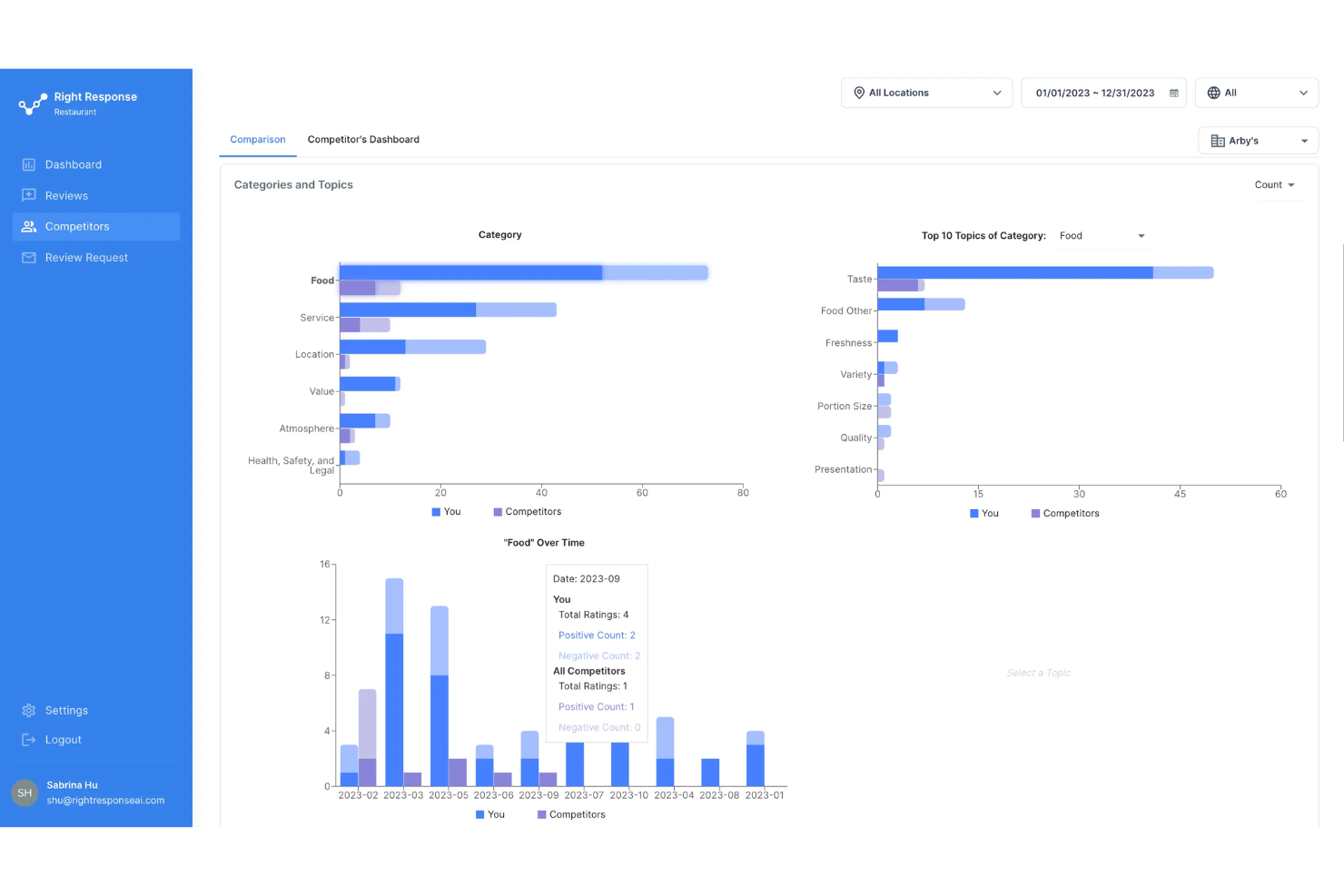
RightResponse AI è una piattaforma di gestione della reputazione per agenzie che utilizza l'IA per monitorare le recensioni, generare risposte e gestire i feedback dei clienti su più siti di recensioni.
Per chi è ideale RightResponse AI?
RightResponse AI è una soluzione adatta per le agenzie di marketing digitale che gestiscono le recensioni online per più clienti di aziende locali.
Perché ho scelto RightResponse AI
RightResponse AI è nella mia shortlist perché la sua IA gestisce le risposte alle recensioni in modo diverso. Invece di generare repliche generiche, integra nelle risposte le 'Informazioni' che hai caricato sull'attività del cliente, come gli orari dell'happy hour o le specialità di servizio, inserendole in ogni risposta. Inoltre, mi piace che rilevi indizi contestuali direttamente nella recensione stessa, quindi, se un cliente menziona una promozione specifica, l'IA la richiama direttamente nella risposta. Per le agenzie che gestiscono più account clienti, il Portale Agenzia consente di passare rapidamente da un cliente a una sede senza dover gestire più accessi o schede aperte.
Funzionalità principali di RightResponse AI
- Analisi del sentiment: Suddivide il contenuto delle recensioni per argomento e categoria così puoi vedere cosa elogiano o criticano i clienti nelle varie sedi.
- Analisi delle recensioni dei concorrenti: Esegue la stessa analisi del sentiment sulle recensioni dei concorrenti, permettendoti di confrontare le prestazioni dei tuoi clienti con quelle dei rivali locali.
- Richieste di recensioni personalizzate: Invia email o SMS generati dall'IA per chiedere una recensione, facendo riferimento a dettagli specifici del cliente come date del servizio, nomi dei rappresentanti o foto dei lavori.
- Monitoraggio del posizionamento su Google Maps: Mostra come un'attività si posiziona su Google Maps per le parole chiave target su una griglia geografica, includendo i dati di posizionamento dei concorrenti.
Integrazioni RightResponse AI
Le integrazioni native includono Google Business Profile e Yelp. È disponibile un'API per integrazioni personalizzate.
Pros and Cons
Pros:
- Risposte AI personalizzate e basate sui fatti
- Analisi del sentiment basata sulla posizione
- Strumenti di benchmarking della concorrenza
Cons:
- Nessuna integrazione pubblica indicata
- Curva di apprendimento nell'impostazione

Brand24
Ideale per l'analisi del sentiment in tempo reale

Brand24 offre alle agenzie un modo per monitorare, analizzare e comunicare la reputazione del brand sui social media, nelle notizie, nei blog e nei forum, aiutando i team a individuare e affrontare i problemi prima che influiscano sulla percezione del cliente.
Per chi è più adatto Brand24?
Brand24 è una soluzione adatta alle agenzie di marketing digitale che gestiscono la reputazione online e il monitoraggio del brand per più clienti.
Perché ho scelto Brand24
Ho scelto Brand24 come una delle soluzioni migliori perché la sua analisi del sentiment in tempo reale offre al mio team una lettura immediata di ciò che il pubblico pensa del brand di un cliente, non solo della frequenza con cui viene menzionato. Il sistema di valutazione del sentiment basato sull'IA categorizza automaticamente le menzioni come positive, negative o neutre e segnala i cambiamenti improvvisi che potrebbero indicare un problema di pubbliche relazioni prima che si aggravi. Mi piace anche il rilevatore di anomalie, che avvisa il mio team quando il volume delle menzioni aumenta inaspettatamente, permettendoci di analizzare la situazione e rispondere immediatamente.
Funzionalità principali di Brand24
- Feed delle menzioni: Aggrega le menzioni del brand provenienti da social media, siti di notizie, blog, podcast e forum in un unico flusso in tempo reale.
- Punteggio di influenza: Assegna un punteggio a ogni fonte in base alla sua portata, aiutandoti a stabilire quali menzioni meritano maggiore attenzione.
- Report personalizzati: Genera report PDF personalizzati con il branding aziendale, contenenti il volume delle menzioni, le tendenze del sentiment e i dati sulla portata per le presentazioni ai clienti.
- Strumento di confronto: Consente di confrontare le prestazioni del brand di un cliente con quelle dei concorrenti utilizzando metriche affiancate.
Integrazioni di Brand24
Le integrazioni includono X (Twitter), Facebook, Instagram, YouTube, Spotify, LinkedIn, Reddit, Telegram, TripAdvisor e TikTok.
Pros and Cons
Pros:
- Monitora gli hashtag delle campagne con metriche relative a portata e volume
- Sistema di avvisi per picchi e anomalie nelle menzioni
- Metriche di sentiment, portata e intento in un'unica visualizzazione
Cons:
- Alcune integrazioni (come i CRM) richiedono una configurazione manuale
- I pannelli possono risultare disordinati quando il volume dei dati è elevato
New Product Updates from Brand24

Brand24 Adds TikTok Video Transcriptions for Mention Tracking
Brand24 now detects keywords spoken in TikTok videos, not just in descriptions, and collects matching videos as mentions with spoken fragments and timestamps shown. For more information, visit Brand24's official site.

Birdeye
Ideale per la gestione della reputazione in modalità white-label
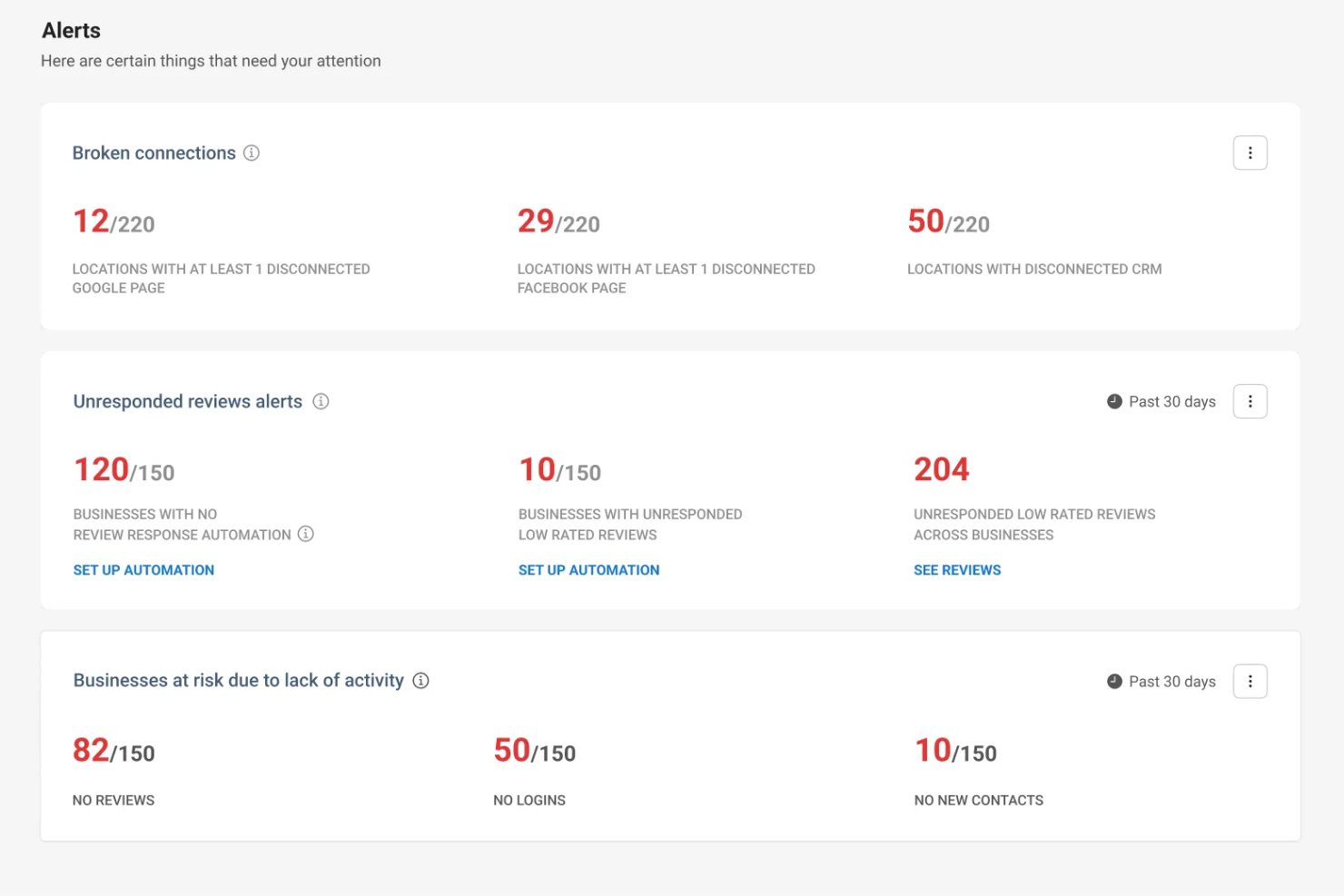
Birdeye è una piattaforma di gestione della reputazione progettata per agenzie e aziende con più sedi che necessitano di monitorare, gestire e migliorare le recensioni dei clienti, la presenza online e i feedback dei clienti su diversi canali.
Per chi è ideale Birdeye?
Birdeye è particolarmente adatto per le agenzie di marketing digitale che gestiscono la reputazione su diversi account clienti, soprattutto quelle che lavorano con attività locali e aziende multi-sede.
Perché ho scelto Birdeye
Ho inserito Birdeye nella mia shortlist perché è pensato per le agenzie che gestiscono la reputazione su una vasta base di clienti. L'opzione white-label consente alla tua agenzia di presentare la piattaforma con il proprio marchio, così i clienti interagiscono con il tuo prodotto invece che con quello di Birdeye. La dashboard per le agenzie (chiamata Command Central) offre una visione unificata di ogni account cliente, inclusi metriche di adozione, avvisi di errore per integrazioni non funzionanti e report ROI configurabili per singolo cliente. Apprezzo anche la funzione di pubblicazione sociale in blocco, che consente di raggruppare i clienti per settore o area geografica e pubblicare contenuti su centinaia di account contemporaneamente.
Funzionalità Principali di Birdeye
- Agente AI per risposta alle recensioni: Redige automaticamente risposte personalizzate e coerenti con il brand alle recensioni, analizzando tono, urgenza e immagini allegate su oltre 200 siti di recensioni.
- Benchmarking competitivo: Confronta i punteggi di reputazione dei tuoi clienti, le valutazioni a stelle e il conteggio delle recensioni direttamente con i concorrenti locali, offrendo insight generati dall'AI su dove migliorare.
- Listings AI: Gestisce e sincronizza le informazioni del profilo aziendale su Google, Apple Maps, Yelp, Facebook e altre directory ad alto traffico da una singola dashboard centralizzata.
- Sondaggi ai clienti: Invia campagne di sondaggi automatizzate via SMS ed email e utilizza l'AI per riassumere le risposte e evidenziare tendenze e sentiment per località.
Integrazioni di Birdeye
Le integrazioni includono QuickBooks Online, Salesforce, HubSpot, Clio Manage, Zoho CRM, AthenaHealth, Dentrix, ServiceTitan, Square e Constant Contact.
Pros and Cons
Pros:
- Dashboard unificata semplifica il monitoraggio multi-cliente
- Funzioni di pubblicazione sociale in blocco
- Gli avvisi di errore migliorano la gestione proattiva dei clienti
Cons:
- Personalizzazione limitata in alcune funzionalità
- Le funzionalità AI possono richiedere un periodo di apprendimento per i nuovi utenti
New Product Updates from Birdeye
Birdeye Campaign ROI Expands to Full-Year Reporting
Birdeye’s Campaign ROI reporting now supports custom date ranges up to 12 months, expanding beyond the prior 90-day limit for longer-term performance analysis. For more information, visit Birdeye's official site.
 .
.
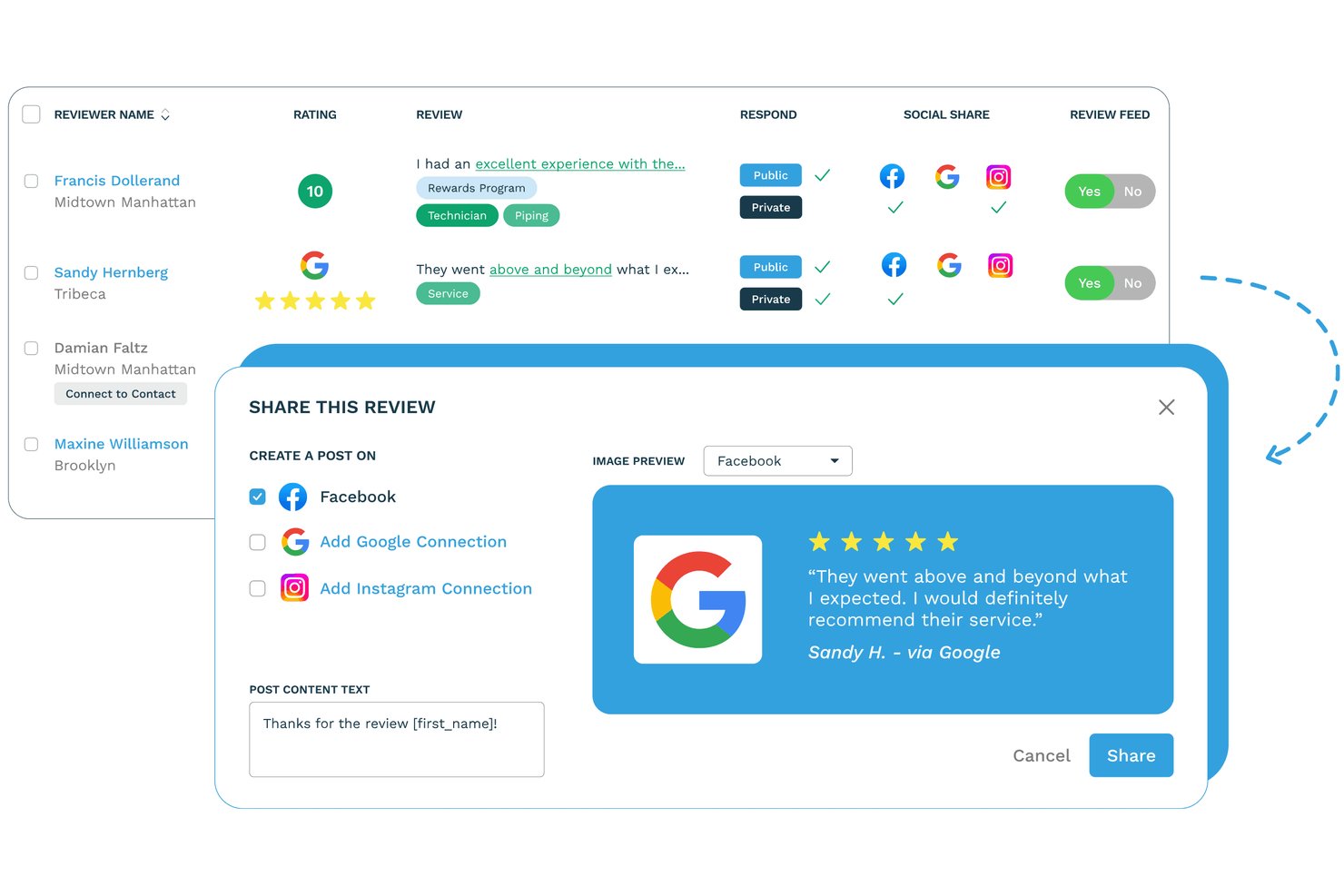
ReputationStacker è una piattaforma di gestione della reputazione che aiuta le agenzie a centralizzare il monitoraggio su oltre 100 siti di recensioni, automatizza le campagne di richiesta di recensioni via e-mail e SMS e mette a disposizione risposte generate dall'intelligenza artificiale e approfondimenti sul sentiment in più sedi dei clienti.
Per chi è più indicato ReputationStacker?
ReputationStacker è particolarmente adatto alle agenzie che gestiscono clienti con più sedi in settori caratterizzati da un elevato numero di recensioni, come sanità, servizi legali e servizi per la casa.
Perché ho scelto ReputationStacker
ReputationStacker si è guadagnato un posto nella mia selezione perché la portata effettiva del suo monitoraggio delle recensioni è davvero notevole. Mi piace il fatto che raccolga le recensioni da oltre 100 piattaforme, inclusi elenchi di settore specializzati come Healthgrades, Avvo e Zillow, così le agenzie che servono clienti del settore sanitario o legale non devono cercare recensioni su una dozzina di accessi separati. Apprezzo anche i controlli pensati per le agenzie, che semplificano la gestione di clienti, sedi e accessi del team all'interno della stessa piattaforma.
Funzionalità principali di ReputationStacker
- Generazione di risposte alle recensioni tramite IA: prepara risposte contestuali e coerenti con il brand alle recensioni ricevute, con un passaggio opzionale di approvazione prima della pubblicazione.
- Raccolta del NPS: raccoglie i dati del Net Promoter Score dai clienti insieme al sondaggio della richiesta di recensione, per quantificare il sentiment su vasta scala.
- Autorizzazioni utente personalizzate: stabilisce quali membri del team possono accedere a determinati account o sedi dei clienti, supportando i flussi di lavoro delle agenzie con più clienti.
- Infrastruttura conforme all'HIPAA: consente alle agenzie di gestire campagne di recensioni per clienti del settore sanitario senza compromettere la privacy dei dati dei pazienti.
Integrazioni di ReputationStacker
ReputationStacker offre integrazioni con Profilo dell'attività su Google e Facebook, oltre a Zapier e a un'API per connessioni personalizzate.
Pros and Cons
Pros:
- Monitora le recensioni provenienti da oltre 100 siti di settore
- L'IA genera risposte alle recensioni coerenti con il brand
- La conformità HIPAA supporta i clienti delle agenzie del settore sanitario
Cons:
- Funzionalità di personalizzazione del brand limitata alla rimozione di base del logo
- Nessun monitoraggio delle menzioni sui social o sul web
Synup
Ideale per la gestione automatizzata delle schede aziendali

Synup aiuta le agenzie a gestire recensioni online, schede aziendali, social media e SEO locale da un'unica piattaforma white-label. È progettato per team che gestiscono clienti con più sedi e che necessitano di monitorare la reputazione, migliorare la visibilità locale e fornire report personalizzati su larga scala.
Per chi è migliore Synup?
Synup è particolarmente adatto ad agenzie di marketing digitale e rivenditori che gestiscono SEO locale e reputazione per più clienti aziendali sotto configurazione white-label.
Perché ho scelto Synup
Ho scelto Synup come il migliore per la gestione automatizzata delle schede perché aiuta le agenzie ad aggiornare le informazioni commerciali su molte sedi dei clienti senza modificare ogni scheda una a una. Il tuo team può sfruttare automazioni per apportare modifiche a orari, descrizioni, categorie e attributi su sedi raggruppate per tag, cartella o categoria. Mi piace anche che Synup tracci lo stato di indicizzazione delle schede sui diversi publisher, così puoi mostrare ai clienti se gli aggiornamenti sono stati pubblicati e come è cambiata la loro visibilità locale. Questo lo rende adatto alle agenzie che gestiscono clienti con più sedi e che richiedono aggiornamenti rapidi, schede più accurate e report pronti per il cliente.
Caratteristiche principali di Synup
Altre funzionalità di Synup aiutano le agenzie a gestire la reputazione dei clienti, i report e la precisione delle schede su larga scala:
- Risposte alle recensioni generate dall’IA: Redigi risposte alle recensioni in arrivo usando impostazioni di tono e voce del marchio specifiche del cliente.
- Campagne di generazione recensioni: Invia richieste di recensioni automatizzate via email o SMS tramite template e tempistiche personalizzabili.
- Reportistica white-label per i clienti: Crea report personalizzati con metriche di recensioni, punteggi di salute delle schede e dati di ricerca locale.
- Soppressione di schede duplicate: Rileva e gestisci schede duplicate su directory diverse direttamente dalla dashboard di Synup.
Integrazioni di Synup
Le integrazioni includono Google Business Profile, Google Maps, Facebook, Instagram, LinkedIn, X, Salesforce CRM, HubSpot’s Sales Hub, Zoho e Square.
Pros and Cons
Pros:
- Unisce recensioni, schede, social e reportistica SEO locale
- Automatizza le richieste di recensioni tramite campagne email e SMS
- Strumenti white-label per servizi di reputazione a marchio dell’agenzia
Cons:
- Le funzionalità avanzate dipendono da integrazioni con CRM o POS
- L’ampiezza di funzionalità può richiedere tempo di configurazione per le agenzie

NiceJob
Ideale per piccole imprese

NiceJob aiuta agenzie e aziende basate sui servizi a raccogliere, gestire e mostrare le recensioni dei clienti, rendendo più facile costruire fiducia e migliorare la reputazione online dei loro clienti.
Per Chi è NiceJob
NiceJob è particolarmente adatto alle piccole imprese e alle agenzie che le servono, specialmente nei servizi per la casa, nei mestieri e in altri settori di servizi locali.
Perché Ho Scelto NiceJob
Ho incluso NiceJob tra le mie scelte principali perché è uno dei pochi strumenti di gestione della reputazione costruiti specificamente sulle esigenze delle piccole imprese locali di servizi, il che lo rende una scelta naturale per le agenzie che gestiscono clienti nei settori dei servizi per la casa, mestieri e simili. Quello che mi piace di più è la funzione di campagne di recensioni automatizzate: invia un SMS pre-scritto e una sequenza di tre email ai clienti subito dopo un lavoro, senza che il titolare dell'attività debba fare alcun seguito manuale. Mi piacciono anche i widget di prova sociale, che inseriscono automaticamente le nuove recensioni sul sito web di un cliente e le condividono sui social media, così le agenzie possono mostrare risultati concreti e visibili senza dover creare soluzioni personalizzate. Per le agenzie che gestiscono più clienti di piccole imprese, questo tipo di automazione a basso intervento su più account è davvero utile.
Funzionalità Principali di NiceJob
- Strumento per campagne di referral: Invia inviti di passaparola automatizzati ai clienti esistenti, spingendoli a raccomandare l’azienda ad amici e familiari.
- Raccolta di feedback e insight: Raccogli feedback dai clienti dopo il servizio tramite sondaggi per rilevare il livello di soddisfazione prima che diventi una recensione pubblica.
- Risposte AI: Genera e invia automaticamente risposte alle recensioni ricevute, riducendo il lavoro manuale nella gestione delle risposte su più piattaforme.
- Widget di social proof per il sito web: Inserisci feed di recensioni live direttamente sul sito del cliente per mostrare testimonianze aggiornate senza necessità di aggiornamenti manuali.
Integrazioni NiceJob
Le integrazioni includono QuickBooks, Housecall Pro, Jobber, Clio, ServiceTitan, Salesforce, HubSpot, Zapier, Google My Business e Facebook.
Pros and Cons
Pros:
- Generazione automatica di social proof e ottimizzazione del sito web
- Campagne di recensioni personalizzabili
- Tracciamento del percorso cliente e delle interazioni
Cons:
- Funzionalità di reportistica e analisi di base
- Nessuna funzione di supporto clienti integrata

Ideale per agenzie SEO

BrightLocal offre ad agenzie e team di marketing digitale una piattaforma per gestire, monitorare e migliorare la reputazione dei clienti nelle ricerche locali, aiutandoti a tracciare recensioni, citazioni e posizionamenti locali da un'unica dashboard.
Per chi è ideale BrightLocal?
BrightLocal è particolarmente adatto ad agenzie SEO locali che gestiscono la reputazione e la visibilità sui motori di ricerca per diversi clienti.
Perché ho scelto BrightLocal
Ho inserito BrightLocal nelle mie selezioni principali perché è una delle poche piattaforme di gestione della reputazione costruita specificamente attorno alla SEO locale—e questa differenza conta molto per le agenzie. Apprezzo il fatto che la gestione della reputazione non sia stata inserita come funzione accessoria. La generazione di recensioni tramite SMS, email e campagne in negozio si collega direttamente alle prestazioni di posizionamento locale, così il mio team può mostrare ai clienti una correlazione chiara tra volume delle recensioni e visibilità nella ricerca. La reportistica white-label permette inoltre di generare report brandizzati, pronti per i clienti, che includono dati sulle recensioni insieme al tracking del posizionamento e allo stato delle citazioni—senza dover unire manualmente le informazioni. Questo è un vero vantaggio se gestisci molti clienti SEO locali e devi dimostrare l'impatto su larga scala.
Caratteristiche principali di BrightLocal
- Gestione profilo Google Business: Verifica, aggiorna e monitora le schede GBP di tutti gli account clienti da un'unica dashboard.
- Tracker di citazioni locali: Individua citazioni mancanti, duplicate o incoerenti tra le directory per rafforzare la presenza nelle ricerche locali.
- Gestione della reputazione: Monitora le recensioni su più piattaforme, tra cui Google, Yelp e Facebook, in un unico feed consolidato.
- Monitoraggio del posizionamento di ricerca: Tieni traccia dei posizionamenti locali delle parole chiave dei clienti su Google, Bing e Google Maps a livello di città o CAP.
Integrazioni BrightLocal
Le integrazioni includono Google Business Profile, Google Analytics, Facebook, Yelp, Trustpilot, TripAdvisor, Foursquare, Bing Places, Twitter e un'API per integrazioni personalizzate.
Pros and Cons
Pros:
- Integrazione tra SEO locale e gestione reputazione
- Tracciamento dettagliato delle citazioni
- Monitoraggio localizzato delle parole chiave
Cons:
- Forte focalizzazione solo sulla SEO
- Meno strumenti e funzioni per la gestione dei social media

Grade.us
Ideale per la generazione di recensioni
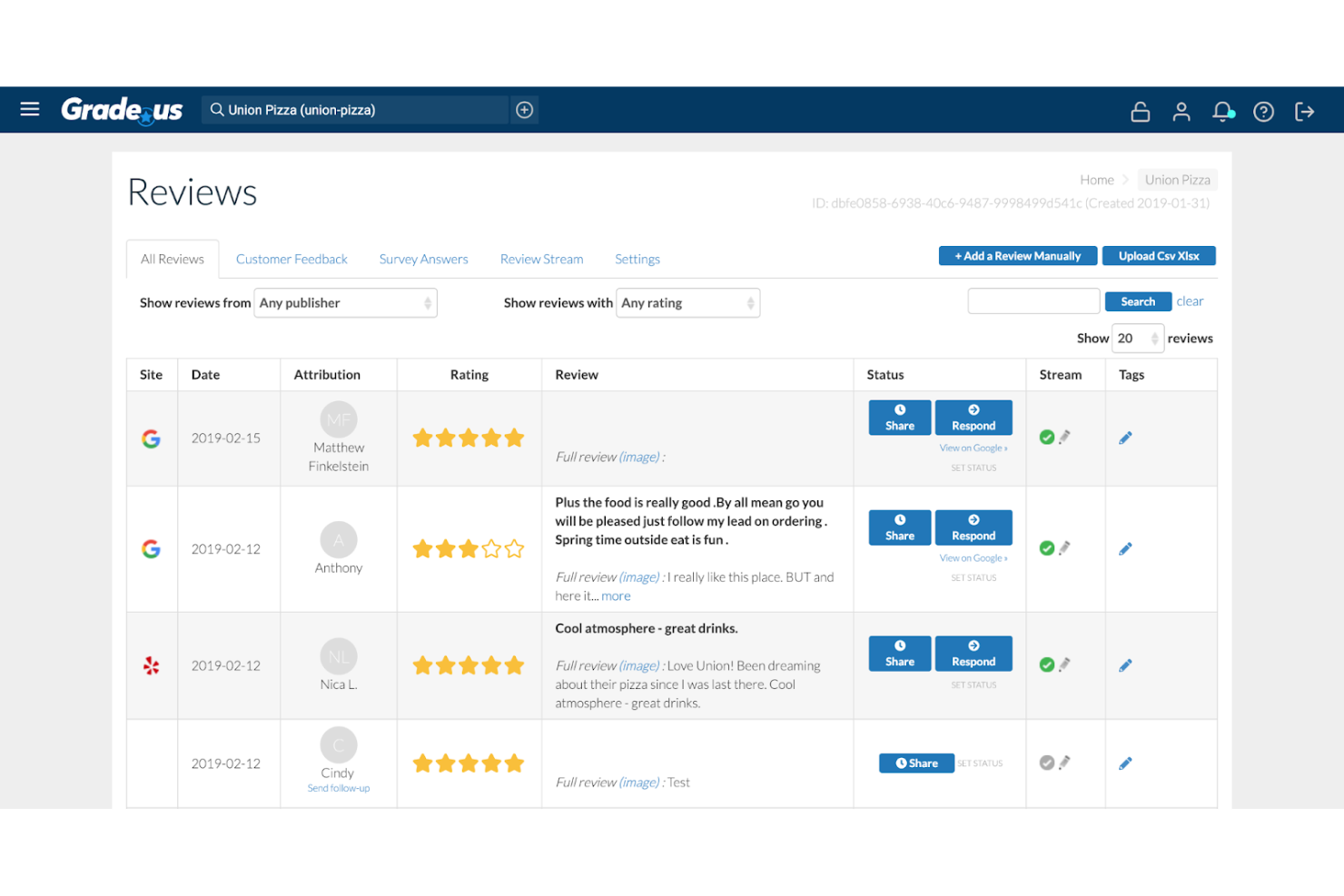
Grade.us offre alle agenzie una piattaforma centralizzata per gestire, monitorare e far crescere la reputazione dei clienti, automatizzando le richieste di recensioni, tracciando i feedback sui principali siti e fornendo report white-label per aziende con più sedi.
Per chi è ideale Grade.us?
Grade.us è particolarmente adatto alle agenzie di marketing digitale che gestiscono la reputazione di diversi clienti locali in settori come sanità, servizi per la casa e ospitalità.
Perché ho scelto Grade.us
Grade.us si merita un posto nella mia selezione per l’efficacia con cui gestisce la generazione di recensioni su larga scala per le agenzie. Mi piace perché consente al mio team di gestire campagne automatiche di richiesta recensioni via email e SMS, con sequenze drip personalizzabili che seguono i clienti dei nostri clienti senza bisogno di interventi manuali. Il flusso di recensioni a imbuto è particolarmente utile: indirizza i clienti soddisfatti verso i siti di recensioni pubbliche, mentre raccoglie i feedback negativi in privato prima che diventino pubblici. Per le agenzie che gestiscono decine di clienti locali, questo tipo di triage integrato fa davvero la differenza operativa.
Caratteristiche principali di Grade.us
- Portale clienti white-label: Offri a ogni cliente una dashboard personalizzata per visualizzare recensioni, valutazioni e performance delle campagne.
- Monitoraggio recensioni: Tieni traccia delle nuove recensioni su Google, Facebook, Yelp e altre principali piattaforme da una visuale unica a livello di agenzia.
- Reportistica e analisi: Genera report pronti per il cliente che mostrano volume delle recensioni, valutazioni medie e andamento del sentiment nel tempo.
- Gestione multi-sede: Gestisci campagne di recensioni e monitora la reputazione su più sedi aziendali con un unico account.
Integrazioni di Grade.us
Le integrazioni includono Google, Facebook, Yelp e un'API per integrazioni personalizzate.
Pros and Cons
Pros:
- Opzioni white-label altamente personalizzabili
- Pannelli recensioni specifici per ogni cliente
- Richieste di recensioni stampate per clienti offline
Cons:
- Mancanza di strumenti survey integrati
- Nessuna analisi del sentiment

InMoment
Ideale per il feedback dei clienti

InMoment offre alle agenzie una piattaforma per raccogliere, analizzare e agire sui feedback dei clienti attraverso diversi canali, aiutandole a gestire la reputazione online e a migliorare l'esperienza cliente per i marchi in mercati competitivi.
Per chi è ideale InMoment?
InMoment è particolarmente indicato per agenzie di medie e grandi dimensioni che gestiscono programmi di gestione della reputazione e dell'esperienza cliente tra più marchi o settori dei clienti.
Perché ho scelto InMoment
Ho scelto InMoment come uno dei migliori per il modo in cui gestisce il feedback dei clienti su larga scala attraverso molteplici punti di contatto. Mi piace che combini strumenti per sondaggi, monitoraggio delle recensioni e analisi testuale in un solo posto, così il mio team può seguire cosa dicono i clienti su diversi canali senza dover passare da una piattaforma all'altra. L'analisi del sentiment basata su intelligenza artificiale è particolarmente utile—fa emergere temi e schemi nei feedback a risposta aperta che richiederebbero ore di revisione manuale. Per le agenzie che gestiscono la reputazione di diversi marchi clienti, un tipo di insight strutturato da feedback non strutturati è davvero difficile da replicare.
Caratteristiche principali di InMoment
- Gestione delle schede: Gestisci e ottimizza le schede delle attività locali per migliorare la visibilità nei risultati di ricerca locali su più sedi.
- Richieste di recensione automatizzate: Avvia campagne di richiesta di recensione tramite integrazioni dirette con piattaforme come Salesforce e HubSpot per aumentare il volume delle recensioni.
- Risposte alle recensioni generate dall'IA: Genera risposte automatiche ai commenti dei clienti in linea con il brand e contestualizzate, bilanciando coerenza e autenticità.
- Analisi dei competitor: Confronta le valutazioni, le recensioni e le prestazioni di ricerca locale dei clienti rispetto ai concorrenti per ottenere insight strategici.
Integrazioni di InMoment
Le integrazioni includono Salesforce, Marketo, Zendesk, ed è disponibile un'API per integrazioni personalizzate.
Pros and Cons
Pros:
- Capacità avanzate di segmentazione
- Raccolta di feedback in tempo reale
- Analisi predittiva del comportamento del cliente
Cons:
- Personalizzazione e generazione dei report richiedono tempo
- Flessibilità limitata e integrazione non semplice con altri strumenti

Mention
Ideale per ascolto social in tempo reale

Mention offre alle agenzie un modo per monitorare la reputazione del marchio su social media, notizie, blog e forum, aiutando i team a identificare e rispondere tempestivamente alle conversazioni online che influenzano i loro clienti.
Per Chi è Ideale Mention?
Mention è adatto ad agenzie di marketing digitale e PR che gestiscono il monitoraggio dei marchi e l’ascolto social per più clienti.
Perché Ho Scelto Mention
Ho incluso Mention nella mia shortlist perché rende immediatamente visibili le conversazioni sul marchio. Mi piace che monitori contemporaneamente social media, siti di notizie, blog e forum, così il mio team non deve ricostruire la copertura dei clienti da strumenti diversi. Il sistema di avvisi in tempo reale è particolarmente utile: quando un cliente viene menzionato in una notizia dell’ultima ora o in un post virale sui social, posso segnalarlo e rispondere prima che prenda piede. L’analisi del sentiment di Mention mi permette anche di capire se un aumento nelle menzioni è positivo o negativo.
Funzionalità Principali di Mention
- Avvisi di ricerca booleana: Crea query di monitoraggio personalizzate utilizzando operatori booleani per tracciare combinazioni precise di parole chiave su fonti web e social.
- Report di share of voice: Confronta la presenza online di un cliente rispetto alla concorrenza per misurare la sua quota di conversazione nel settore.
- Report white label: Genera report personalizzati con il logo e i colori della tua agenzia da condividere direttamente con i clienti.
- Avvisi di spike: Ricevi notifiche quando il volume delle menzioni per un argomento monitorato aumenta improvvisamente, segnalando un potenziale problema di PR o un contenuto virale.
Integrazioni di Mention
Le integrazioni includono Facebook, Instagram, X (Twitter), LinkedIn, TikTok, Pinterest, YouTube, Google Business Profile, Slack e Canva.
Pros and Cons
Pros:
- Filtraggio avanzato e prioritizzazione delle menzioni
- Analisi approfondita del sentiment e dei dati storici
- Monitoraggio delle menzioni in tempo reale
Cons:
- Opzioni di automazione limitate
- Incoerenze segnalate nell’accuratezza dei dati
Altri software di gestione della reputazione per agenzie
Ecco alcune opzioni aggiuntive di software di gestione della reputazione per agenzie che non sono entrate nella mia selezione, ma che vale comunque la pena considerare:
- Reputation.com
Ideale per il settore sanitario
- Vendasta
Ideale per agenzie di marketing digitale
- Podium
Ideale per le attività locali
- Yext
Il migliore per la precisione dei dati
- Social Places
Ideale per catene di ristoranti
- Aicarma
Ideale per il monitoraggio della visibilità del brand
- ReviewFlowz
Ideale per ottenere feedback freschi e costanti
- SurveySparrow
Ideale per l’analisi delle recensioni tramite IA


Come Valuto i Software di Gestione della Reputazione per Agenzie
Quando un'agenzia gestisce le recensioni per oltre 50 sedi di clienti, la base di partenza conta: per questo suddivido la valutazione tra funzionalità principali che ogni strumento deve avere e i fattori che distinguono i migliori dal resto.
Funzionalità Principali (Requisiti Fondamentali per Questo Elenco)
Quando seleziono gli strumenti per il mio elenco, valuto ciascuno di essi su una scala da 0 (la funzionalità non è presente) a 5 (eccelle in quest'area) per ogni funzionalità principale elencata di seguito. Poi calcolo il punteggio totale dello strumento in percentuale. Ogni strumento deve ottenere un punteggio totale minimo del 65% per essere considerato nell'elenco.
- Gestione Account Multi-Cliente: Cerco una dashboard centralizzata dove puoi passare da un account cliente all'altro senza dover uscire e rientrare, con permessi basati sui ruoli che mantengano separati i dati di ciascun cliente.
- Monitoraggio e Aggregazione delle Recensioni: Ogni strumento dovrebbe raccogliere le recensioni dalle principali piattaforme come Google, Yelp e Facebook—oltre che dalle directory di settore—in un'unica casella di posta, evitando che qualcosa venga trascurato.
- Gestione delle Risposte alle Recensioni: Valuto se è possibile rispondere alle recensioni attraverso le varie piattaforme direttamente dallo strumento, includendo funzionalità come modelli di risposta e workflow di approvazione per i team dell’agenzia.
- Reportistica White-Label & per il Cliente: Le agenzie devono fornire report personalizzati con il proprio brand, quindi verifico la presenza di template personalizzabili, possibilità di inserire logo e colori, e invio programmato dei report ai referenti dei clienti.
- Automazione della Richiesta di Recensioni: Analizzo come lo strumento gestisce le campagne per ottenere nuove recensioni: se supporta email, SMS o entrambi, e qual è il livello di controllo su tempi, sequenze e targetizzazione.
- Monitoraggio del Sentiment & delle Menzioni: Lo strumento dovrebbe evidenziare le menzioni del brand su social, notizie e fonti online, con analisi del sentiment, dando ai PM dell’agenzia una lettura rapida dell’andamento della reputazione del cliente.
Una volta che ho l’elenco degli strumenti che soddisfano i criteri, considero ciò che distingue ogni piattaforma dalle altre.
Fattori Differenzianti (Cosa Distingue i Fornitori)
Ecco come confronto e metto a paragone i diversi fornitori:
Funzionalità Distintive
La generazione di risposte supportata dall’AI è un importante fattore distintivo quando il tuo team gestisce centinaia di recensioni a settimana per i clienti. Cerco strumenti che creano risposte in linea con il brand invece che semplici modelli generici. Anche il confronto con i competitor è fondamentale: ti permette di mostrare ai clienti come i loro voti e il volume delle recensioni si confrontano con quelli della concorrenza locale, aggiungendo peso reale alle strategie. Valuto inoltre se la piattaforma offre un portale rivolto ai clienti per consultare autonomamente i dati sulla reputazione, senza dover aspettare la consegna di un report programmato.
Oltre le Funzionalità
La struttura dei prezzi è molto rilevante per le agenzie. Verifico se il fornitore applica prezzi per sede, per utente o per cliente, e se quel modello resta sostenibile quando si passa da 20 a 200 account. L’integrazione con il resto della tecnologia dell’agenzia è un altro elemento che tengo in considerazione, soprattutto per quanto riguarda i collegamenti con CRM come HubSpot o Salesforce e strumenti di project management già utilizzati dal team. Infine, valuto il supporto all’onboarding, perché migrare decine di account cliente su una nuova piattaforma è una vera sfida senza risorse dedicate all'abilitazione delle agenzie.
Come scegliere il software di gestione della reputazione per agenzie
È facile perdersi in lunghi elenchi di funzionalità e strutture tariffarie complesse. Per aiutarti a rimanere concentrato mentre segui il tuo specifico processo di selezione del software, ecco una lista di fattori da tenere a mente:
| Fattore | Cosa considerare |
| Scalabilità | Il software crescerà insieme alle esigenze della tua azienda? |
| Integrazioni | Si integra con gli strumenti e i sistemi che già utilizzi? |
| Personalizzazione | Puoi adattare il software alle tue esigenze specifiche? |
| Facilità d'uso | Il software è intuitivo e facile da imparare per il tuo team? |
| Budget | Il prezzo rientra nei tuoi limiti finanziari? |
| Misure di sicurezza | Sono presenti misure di sicurezza adeguate per proteggere i dati? |
| Assistenza clienti | È disponibile un'assistenza affidabile quando ne hai bisogno? |
| Strumenti di reportistica | Offre report completi per monitorare le prestazioni? |
Tendenze nel software di gestione della reputazione per agenzie
Durante la mia ricerca, ho raccolto innumerevoli aggiornamenti dei prodotti, comunicati stampa e registri delle versioni di diversi fornitori di software di gestione della reputazione per agenzie. Ecco alcune delle tendenze emergenti che sto monitorando:
- Analisi del sentiment basata sull'intelligenza artificiale: Molti strumenti utilizzano ora l'intelligenza artificiale per fornire un'analisi del sentiment più accurata. Questo aiuta le aziende a comprendere le emozioni dei clienti nelle recensioni e nelle menzioni sui social media.
- Programmi Voce del cliente: Si pone sempre più enfasi sulla raccolta dei feedback dei clienti attraverso vari canali, non solo tramite il testo. Questa tendenza riguarda la raccolta e l'analisi dei feedback vocali, che possono offrire informazioni più approfondite.
- Visualizzazione avanzata dei dati: Gli strumenti offrono una sofisticata visualizzazione dei dati per aiutare gli utenti a interpretare più facilmente i feedback. Questo semplifica l'identificazione di tendenze e schemi nel sentiment dei clienti da parte dei team.
- Controlli avanzati della privacy: Con l'aumento delle preoccupazioni relative alla privacy, sempre più strumenti offrono funzionalità avanzate per la tutela dei dati personali. Ciò include un controllo migliore sulle modalità di archiviazione e utilizzo dei dati dei clienti.
- Gestione localizzata delle recensioni: Man mano che le aziende si espandono a livello globale, diventa essenziale gestire le recensioni in diverse regioni. Gli strumenti offrono una gestione localizzata per gestire recensioni e feedback in varie lingue e regioni.
Che cos'è il software di gestione della reputazione per agenzie?
Il software di gestione della reputazione per agenzie aiuta le aziende a monitorare e gestire la propria presenza online su diverse piattaforme. I professionisti del marketing, i team di pubbliche relazioni e i responsabili del servizio clienti utilizzano questi strumenti per migliorare l'immagine del marchio e rispondere ai feedback dei clienti.
Funzionalità come l'analisi del sentiment, la gestione delle recensioni e le capacità di visualizzazione dei dati aiutano a comprendere le emozioni dei clienti, gestire i feedback e interpretare i dati in modo efficace. Queste funzionalità consentono agli utenti di mantenere una reputazione online positiva, favorendo in definitiva la fiducia e la credibilità presso il proprio pubblico.
Funzionalità del software di gestione della reputazione per agenzie
Quando scegli il software di gestione della reputazione per agenzie, presta attenzione alle seguenti funzionalità chiave:
- Analisi del sentiment: Aiuta a comprendere le emozioni dei clienti analizzando le recensioni e le menzioni sui social media.
- Gestione delle recensioni: Consente di monitorare, raccogliere e rispondere alle recensioni dei clienti in modo efficiente.
- Visualizzazione dei dati: Fornisce report visivi dettagliati per aiutare a interpretare i feedback e le tendenze dei clienti.
- Controlli della privacy: Garantisce che i dati dei clienti siano gestiti in modo sicuro e nel rispetto delle normative sulla privacy.
- Gestione localizzata: Gestisce recensioni e feedback in più lingue e regioni per raggiungere un pubblico globale.
- Richieste automatizzate di recensioni: Invia ai clienti richieste di recensioni, semplificando la raccolta dei feedback.
- Avvisi in tempo reale: Ti informa immediatamente quando viene menzionato il tuo marchio, consentendo risposte rapide.
- Funzionalità a marchio bianco: Consentono alle agenzie di offrire servizi personalizzati con il proprio marchio, aumentando il valore della loro proposta per i clienti.
- Programmi Voce del cliente: Raccolgono e analizzano i feedback vocali per ottenere informazioni più approfondite sulle esperienze dei clienti.
Vantaggi del software di gestione della reputazione per agenzie
L'implementazione di un software di gestione della reputazione del marchio per agenzie offre diversi vantaggi al tuo team e alla tua azienda. Ecco alcuni dei benefici che puoi aspettarti:
- Migliore immagine del marchio: La gestione delle recensioni positive e negative e l'analisi del sentiment possono migliorare la reputazione online e la percezione pubblica della tua azienda.
- Maggiore fiducia dei clienti: I controlli della privacy e una gestione accurata dei dati aiutano a creare fiducia nei clienti, garantendo la sicurezza delle informazioni.
- Risposta rapida ai feedback: Gli avvisi in tempo reale consentono al tuo team di affrontare rapidamente i feedback dei clienti e migliorare la loro soddisfazione.
- Migliore processo decisionale: La visualizzazione dei dati e l'analisi forniscono informazioni sul comportamento dei clienti, favorendo decisioni aziendali più consapevoli.
- Maggiore portata globale: La gestione localizzata consente alla tua azienda di gestire i feedback in varie lingue e di ampliare la propria influenza.
- Raccolta efficiente dei feedback: Le richieste automatizzate di recensioni semplificano la raccolta dei feedback dei clienti, facendo risparmiare tempo e fatica.
- Offerte di servizi personalizzate: Le funzionalità a marchio bianco consentono alle agenzie di fornire strumenti di gestione della reputazione personalizzati con il proprio marchio, aggiungendo valore per i clienti.
Costi e prezzi del software di gestione della reputazione per agenzie
La scelta del software di gestione della reputazione per agenzie richiede la comprensione dei vari modelli di prezzo e dei piani disponibili. I costi variano in base alle funzionalità, alle dimensioni del team, ai componenti aggiuntivi e ad altri fattori. La tabella seguente riassume i piani comuni, i relativi prezzi medi e le funzionalità tipicamente incluse nelle soluzioni software di gestione della reputazione per agenzie:
Tabella comparativa dei piani per il software di gestione della reputazione per agenzie
| Tipo di piano | Prezzo medio | Funzionalità comuni |
| Piano gratuito | $0 | Monitoraggio di base delle recensioni, analisi semplici e assistenza limitata. |
| Piano personale | $10-$30/utente/mese | Richieste di recensioni, analisi della percezione e assistenza via e-mail. |
| Piano aziendale | $50-$100/utente/mese | Analisi avanzate, avvisi in tempo reale e riscontri multicanale. |
| Piano per grandi aziende | $150-$300/utente/mese | Integrazioni personalizzate, responsabile dell'account dedicato e reportistica completa. |
Domande frequenti sul software di gestione della reputazione per agenzie
Ecco alcune risposte alle domande più comuni sul software di gestione della reputazione per agenzie:
Quali sono i quattro componenti della gestione della reputazione?
I quattro componenti della gestione della reputazione sono il monitoraggio, la risposta, il miglioramento e la promozione. Il monitoraggio consiste nel tenere traccia delle menzioni del proprio marchio online; rispondere significa affrontare tempestivamente i riscontri; il miglioramento si concentra sull’utilizzo dei riscontri per migliorare i propri servizi; la promozione mette in evidenza le esperienze positive per migliorare l’immagine del marchio.
Quanto tempo richiede la gestione della reputazione?
La gestione della reputazione è un processo continuo e i tempi variano in base agli obiettivi e alle strategie. In genere sono necessari almeno sei mesi per osservare cambiamenti significativi nella presenza online e nel posizionamento nei risultati di ricerca. Un monitoraggio e una risposta costanti aiutano a mantenere e migliorare la reputazione nel tempo.
Come si misura il successo della gestione della reputazione?
Il successo della gestione della reputazione si misura attraverso i miglioramenti nelle recensioni online, nei punteggi di soddisfazione dei clienti e nella percezione del marchio. Anche il monitoraggio dei cambiamenti nel posizionamento sui motori di ricerca e del volume di riscontri positivi nel tempo può indicare il successo. Gli strumenti di analisi aiutano a quantificare efficacemente queste metriche.
Il software di gestione della reputazione può integrarsi con altri strumenti?
Sì, molte soluzioni software per la gestione della reputazione offrono integrazioni con sistemi CRM, piattaforme di social media e strumenti di analisi. Queste integrazioni aiutano a semplificare i flussi di lavoro e a centralizzare i dati, rendendo semplici le attività di gestione della reputazione su più canali.
Qual è il prossimo passo?
Vuoi entrare in contatto con altri responsabili di progetto digitali per condividere risorse e buone pratiche? Unisciti alla nostra community riservata agli iscritti.