

Os gestores de projetos devem mesmo pensar como diretores executivos agora?

O que significa realmente liderar um projeto como um CEO quando não se tem autoridade executiva, controlo sobre o orçamento ou sequer um lugar à mesa onde são tomadas as decisões? E, à medida que a IA assume cada vez mais do trabalho repetitivo em que os gestores de projetos tradicionalmente se apoiavam, o que tornará os gestores de projetos indispensáveis?
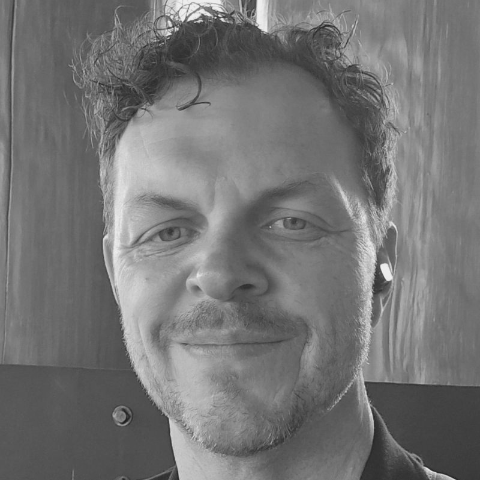
Neste episódio, o apresentador Galen Low conversa com Jeremiah Hammon, fundador da Project Revolution e criador do High Voltage Execution System, para analisar o verdadeiro significado da liderança na gestão de projetos moderna. Com base na sua experiência a liderar projetos de elevada importância nos setores da energia nuclear, aeroespacial, das infraestruturas e da defesa nacional, Jeremiah explica por que razão o conhecimento empresarial, a inteligência emocional e a presença executiva são mais importantes do que nunca. Exploram a importância cada vez maior da certificação PMP, os riscos de confiar cegamente na IA e a forma como os líderes de entrega podem ajudar as suas equipas a desenvolver a confiança necessária para influenciar decisões, gerir conflitos e criar valor empresarial significativo — independentemente do seu cargo.


O que vai aprender
- Por que razão pensar como um CEO tem menos que ver com autoridade e mais com compreender o valor empresarial, a responsabilização e os objetivos estratégicos.
- Como a IA está a afastar o papel do gestor de projetos das tarefas administrativas repetitivas e a aproximá-lo da liderança, da criatividade e da ligação humana.
- Por que razão a inteligência emocional e a presença executiva são capacidades de liderança essenciais, mesmo para gestores de projetos sem autoridade formal.
- Como a certificação PMP e as estruturas comprovadas continuam a ser valiosas quando aplicadas a desafios reais de projetos.
- Por que razão uma liderança eficaz exige crescimento pessoal intencional, relações mais fortes e a capacidade de lidar com a incerteza.
- O que os líderes de entrega precisam de priorizar para preparar as suas equipas para a mudança impulsionada pela IA e para a crescente pressão organizacional.
Principais conclusões
- Pense como um líder empresarial, mesmo que não tenha esse cargo. Compreender de que forma o seu projeto contribui para os objetivos empresariais é mais valioso do que simplesmente comunicar a conclusão de tarefas. Explique o que as decisões significam para a empresa, adapte a sua mensagem ao público e ajude as partes interessadas a compreender o que é mais importante.
- Deixe a IA tratar do trabalho repetitivo para se poder concentrar nas pessoas. Mapeie os seus fluxos de trabalho, identifique estrangulamentos e procure oportunidades para automatizar tarefas previsíveis. Utilize o tempo recuperado para fortalecer relações, desenvolver a sua equipa e enfrentar os desafios mais complexos que exigem discernimento humano.
- Construa credibilidade como líder identificando e corrigindo lacunas. Não precisa de autorização para começar a demonstrar liderança. Procure problemas que não estejam a ser resolvidos, assuma a responsabilidade quando for apropriado e desenvolva as competências necessárias para os resolver. A confiança cresce através da ação, não apenas das credenciais.
- Trate os seus conhecimentos de PMP como uma caixa de ferramentas, não como um troféu. As certificações podem estabelecer credibilidade, mas o seu verdadeiro valor resulta da aplicação das estruturas que lhes estão subjacentes. Tal como um mecânico escolhe a ferramenta certa para uma reparação, os gestores de projetos eficazes compreendem que métodos utilizar, por que razão funcionam e quando os devem adaptar.
- Desenvolva as suas pessoas, não apenas os seus planos de projeto. Uma excelente liderança de projetos implica compreender em que ponto do seu desenvolvimento se encontram os membros da equipa e ajudá-los a superar-se sem ultrapassarem os seus limites. Crie oportunidades de crescimento no trabalho quotidiano do projeto e lembre-se de que a sua atitude e presença emocional influenciam toda a equipa.
- Desenvolva presença executiva através da preparação e do autoconhecimento. Demonstrar confiança não significa fingir que está tudo bem. Planeie com antecedência, compreenda os seus estilos de comunicação e de gestão de conflitos, estabeleça expectativas claras e aprenda a delegar. Uma liderança sustentável resulta da criação de hábitos que o ajudam a desempenhar bem sob pressão sem chegar ao esgotamento.
- Não confunda a adoção da IA com a transformação através da IA. Implementar uma nova ferramenta sem reformular os fluxos de trabalho ou preparar as equipas cria mais problemas do que resolve. Os gestores de projetos precisam de questionar implementações deficientes, manter a supervisão humana e desenvolver as competências de negociação e influência necessárias para contestar construtivamente quando for preciso.
Capítulos
- 00:00 – A mentalidade do gestor de projetos executivo
- 03:05 – Os gestores de projetos devem pensar como CEOs?
- 08:41 – Liderança e inteligência emocional
- 12:25 – A evolução da gestão de projetos
- 16:37 – Para além do trabalho rotineiro com a IA
- 21:33 – A mentalidade da Project Revolution
- 23:00 – Liderar sem autoridade
- 24:22 – Assumir a responsabilidade e criar confiança
- 32:14 – O verdadeiro valor do PMP
- 36:02 – Inspirar e desenvolver equipas
- 39:11 – Liderança sem esgotamento
- 43:04 – Construa até se tornar aquilo que pretende
- 44:37 – Fundamentos da gestão de projetos e discernimento na utilização da IA
- 48:49 – O futuro da liderança de projetos
- 52:20 – Contacte o Jeremiah
Conheça o nosso convidado

Jeremiah Hammon é o fundador da Project Revolution e o criador do High Voltage Execution System (HVX), uma estrutura de liderança concebida para ajudar as organizações a melhorar a execução, reforçar o desempenho das equipas e alcançar resultados orientados para a missão. Profissional de gestão de projetos com certificação PMP, autor e orador principal, conta com mais de 20 anos de experiência a liderar programas complexos nos setores da energia nuclear, aeroespacial, das infraestruturas e da defesa nacional. É também coautor de Executing Excellence e autor de The Project Management Pathway. Através da sua formação, palestras e acompanhamento, Jeremiah ajuda gestores de projetos e líderes empresariais a desenvolver competências de liderança mais fortes, criar equipas de elevado desempenho e transformar a estratégia em resultados mensuráveis.
Recursos deste episódio:
- Junte-se à comunidade do Digital Project Manager
- Subscreva a newsletter para receber os nossos artigos e podcasts mais recentes
- Estabeleça ligação com Jeremiah no LinkedIn
- Visite a Project Revolution
Artigos e podcasts relacionados:
Galen Low: There's a lot of people saying that project managers are the CEOs of their projects. Heck, I've probably said it once or twice in the past. But in some ways, it isn't all that helpful. First of all, loads of project managers don't have executive authority over their projects and aren't free to manage their budgets like it's their own P&L.
Secondly, most project managers may not actually fully understand what a good CEO does, and that even folks with executive authority have people to answer to. CEO does not mean free reign. So maybe a more helpful thing would be to say that project managers need to adopt a leadership mindset and develop an executive presence to reinforce their value and remain indispensable to the business.
But what does that mean exactly? And how can heads of delivery and PM team leads get their PMs started on that path, even if their PMs aren't seen as leaders within the organization? To answer that, I brought in a leadership coach with a deep history as a senior project manager to talk about the bold steps he took early in his career, how he has turned his direct personality into executive presence, and how his project manager-specific leadership framework is delivering results for PMs in the age of AI. Hope you enjoy the episode.
Welcome to the Digital Project Manager Podcast—the show that helps delivery leaders work smarter, deliver smoother, and lead their teams with confidence in the age of AI. I'm Galen, and every week we dive into real-world strategies, emerging trends, proven frameworks, and the occasional war story from the project front lines.
Whether you're steering massive transformation projects, wrangling AI workflows, or just trying to keep the chaos under control, you're in the right place. And if you've been liking what you've been hearing from us lately, please consider following us wherever you're finding us, and maybe even leaving us a review. All right, let's get into it.
With me today is Jeremiah Hammon, founder of Project Revolution and creator of the High Voltage Execution System. Jeremiah is a leadership and execution strategist, coach, keynote speaker, and longtime project professional who has led high-stakes work across nuclear energy, aerospace, infrastructure, and national defense.
He is also the author of the upcoming book, The Art of Influence: The Science of Execution and the Project Management Pathway, and also the co-author of Executing Excellence. He also happens to be the only project management influencer that I know who is also the frontman of a Metallica tribute band, as well as two other bands, which might make him uniquely qualified to tell us whether project leadership is becoming less about following the sheet music and more about knowing how to perform when the stage pyrotechnics don't trigger.
Jeremiah, thanks so much for joining me today.
Jeremiah Hammon: I am so honored, and that was an incredible, outstanding introduction. Thank you for that.
Galen Low: Honestly, it's, it's an honor for me as well. I've been meaning to have you on the show forever. I wanted to start out by hitting you with a bit of a spicy question that my listeners would just love to get your take on.
But then I'd like to use that as a lens to look at three things. First, I wanted to talk about the state of change in the PM profession and why some folks might not be experiencing it yet. And then I wanted to get your perspective on the role of the PMP certification, the impact of AI, and what the demands for leadership training is saying about where the profession may be heading.
And then lastly, I'd just love to get your take on what heads of delivery and project team leaders need to do to prepare their PMs for some of the challenges ahead. How does that sound to you?
Jeremiah Hammon: Let's go. I'm ready.
Galen Low: All right. In my LinkedIn feed these days, I'm seeing this big push for project managers to become strategic leaders and CEOs of their projects.
And you work across a lot of different industries and talk to a lot of project professionals, so I wanted to ask you, is the call for PMs to become CEOs of their projects relevant to everyone who practices the craft, or is it just a motivational daydream for some of us?
Jeremiah Hammon: This is a good question for the fact that it just depends on what industry you're in.
And, and that's the, the worst thing that we can always say is, "Well, it depends," right? But it really, it really is About, you know, are you someone who is working on a project where you have complex in delivery and you're, and you have to manage profit and loss? If you're working on a project and you have to report back to P&L, you have funds, you have budget that you're distributing and spending capital funds.
Not, and I... And that, the- we can get pretty deep on that, but for resources, even managing resources, those are capital funds. You ha- you, you're paying people to do the work. Then you need to know how to be able to understand the money you're spending, but more importantly, how to communicate that back upstairs.
Because what a lot of us don't realize as project managers, and it's just because we get so focused on doing the doing, that we miss stepping back and, you know, looking at 30,000 feet and being like, "Wait a second. What's the strategic objective of why we're doing what we're doing? How does this impact the business?
And then how does the, the bus- how does every decision we make actually drive value to the business so it can continue doing what it's doing and makes our team look good? How do we do all that?" So when we're focused in the, in the weeds on that, just getting through the day-to-day, we miss that part of it.
And what happens is then when we go to communicate, a lot of us can communicate all the kerfuffery that's going on, versus "Here's the three things that we have going on wrong. Here's how I say it in a way that resonates with you, the actual person you're talking to, and here's how you can report that back upstairs."
And that's what a lot of us don't, we don't think about. The person who's usually coming down on us usually is reporting back upstairs to somebody else, who's reporting to somebody else, investors, their customers, all of those things. And so as a project professional, if you want to truly win at the game of being a project manager, senior project manager, let's say a project management professional or a project manager of excellence, you have to understand why the business does what it does, and then how can I communicate that effectively to the people in front of me, knowing that every one of them see things differently, and I have to understand that.
So that's one side of the spectrum. The other side is that maybe you're not really involved in profit and loss and you're, you know, you're dealing in, you know, just mainly resources, or maybe you're a junior project manager, coordinator/coordinator, and that's, that's still... I would highly recommend you start getting your skills and building your reputation there, because if you start thinking outside that box as more of an executive or an ent- even an entrepreneur in a business, they call them entrepreneurs.
If you think like that, you know what? You're, you're gonna-- your name will be spoken when you're not in the room in a positive way because you're adding value to the organization, not just doing your job. So that's a lot of words to say it depends, but it really is something I think that everybody should do.
And in my career, that's the one thing that made me super successful was I focused on business value.
Galen Low: I love that, and I love that you described it as a spectrum specifically because when you started going, you're like, "Okay, well, if you're running the P&L," I think a lot of people were like, "Okay, yeah, no, I'm, I'm, I'm, I'm really in an organization that's like I'm certainly spending somebody else's money.
You know, I still need to get permission for everything. You know, I am not that person." But then as you went on, it's kind of like, actually, you know, it's, it's about understanding the business. You could do that in any role and how you communicate, and I'm just picturing that, right? And I think we all picture that in our heads.
You know, baby project manager Galen would be like, "Oh, here's the status report. This task is done, and this deliverable is a bit late, and, you know, here's where the budget's at." You know? Fine. But also what does that mean? Why? H- why is that important? And also, how does that impact, you know, the people that I'm talking to and who they need to talk to as well?
And even as you were saying that, I'm like, "Yeah, you know what? Everyone's got a boss." CEOs have a boss, you know? We, we, we, we throw these words around sometimes of "Oh yeah, you know, be a CEO of your project means that you can do whatever you want, whenever you want, and, you know, you're gonna be in a private jet or whatever."
No, it still means you are answerable and accountable, if not more answerable and accountable to the results of the initiative or the project or the program. And so I, I like that the, the sort of intrapreneurial, entrepreneurial mindset that you can bring into practically anything. And I think you raise a hugely good point that, yeah, I know a lot of folks, I've met a lot of folks recently who have a project manager title but are fundamentally being treated like project coordinators in their current role, partly because, you know, the organization might not understand what they can get from a project manager or, you know, it may have been just somebody in the past who was in that role and that's what they did.
But what I love about what you're saying is, yeah, it's, it... There's a mindset aspect to this as well. There's a behavioral aspect to it, and then it's reinforcing it reinforces itself, because if you are showing up in that way, showing that you understand the business, you know, taking ownership of decisions for your project and looking out for the business, then yeah, that's going to get your name spoken in rooms that you're not in, create more opportunity and that's, that's what it is.
It's not necessarily, you know, don't get your business card printed that says CEO of, of my projects on it necessarily. I mean, you could. Go for it. So-
Jeremiah Hammon: It's kinda cool.
Galen Low: CEO. Yeah, it's kinda neat.
Jeremiah Hammon: Yeah. Yeah, I want that.
Galen Low: One of those metal cards too, right? Yeah. A bit thick, heavy, right? And you just lay it down and you're like, "Hey, listen." I'm the CEO of my projects. I'm the sheriff around here.
Jeremiah Hammon: You know, that's interesting if you think about what does a CEO really do, you know? And if everybody says, "Okay, well, CEO of my project, what does that mean?" Well, you, you made a comment. You're like, "Well, it doesn't mean that we just go around doing whatever we want.
It actually means we have more responsibility." And if you think about what CEOs are supposed to do, like what the gray ones do, they understand the business and they understand the strategic objective behind it, and they understand how to put the right people in the right place to get the job done correctly, and they know how to create an environment that people thrive in, that people wanna come into, because they know that it's about who they become in that journey, and they love who they work with.
So if we're project managers and we really wanna influence people, and this is a major, major distinction I had with my teams, and if you go back and you look at a lot of my... On LinkedIn, I have a lot of recommendations, and it's actually earlier on in my career. These are just people I work with, CEOs and stuff, that were just like, "This guy rocks on.
He brings a positive attitude." I would literally go in with a team, and I would always find one or two things for these people, for each team member, that would transform them a little bit on their career. So it's like, okay, we gotta deliver the thing. It's gonna be hard. But where are you at in the emotional intelligence spectrum?
Where are you at with your skills and abilities? What kind of coaching do you actually need? How can I help you grow just a little bit more? And then where can I actually bend you to really challenge you? Not break you, bend you. And that's what good-- And that's a project manager. So I'm in there challenging people as a project manager and then casting a vision of who they get to become, knowing that the road ahead isn't gonna be perfect.
And that's an important message, and that's what CEOs do.
Galen Low: I love that, and I also love it because, again, right, this is something, it's mindset stuff, it's behavioral. Even as you're saying that, you're describing, you know, Jeremiah at the beginning of your career, or at least early in your career, not necessarily when you became a big wig and could you know, earned the right to or earned the privilege of caring about the development of your team.
And the other thing you snuck in there is those recommendations, not just down, not just your project team and thinking about how, you know, they can become, you know, a greater version of themselves, but also up as well, right? How, how are your, you know, executive sponsors becoming greater versions of themselves through some of this collaborative project-based work?
Jeremiah Hammon: It's when we start talking about our careers, a lot of us always talk about or think about the, the moment now. "I've done all the things and got the, got, got the certificates and the stuff." But we don't really remember what it was like to be in the field or in the fire, you know? And and then when we do, it's usually "Well, that sucked, you know?
But I, I learned and now I'm great and I do all these things." And it's when we're talking to people, we have to remember, and this is a problem with leadership as well that we have, that we- we're- it's like there's a crisis in leadership and it's because a lot of us are legends in our own mind. So we, we kick off, we get out there, we're doing the work, and we, we only know what works for me at my best.
And if I'm like gonna communicate to somebody who's five years behind me and I'm gonna tell them, I'm gonna hold them to a standard that was my best that I maybe did once or twice, I'm setting them up to fail. And so as leaders, we have to constantly remember, and this is why I will always say this until I'm on the top of the mountain right now screaming and blue in the face, emotional intelligence is the ultimate advantage in business.
And just because I say EQ, people are like, "Buzzword, gotta go to sleep." It's leadership, everybody. It's there for a reason. We say emotional intelligence so that you know what I'm talking about, but it really means understanding yourself at the deepest level so you can lead one-to-one, then you can lead one-to-many, and then people will remember you in your absence.
That's what emotional intelligence is. And the thing about it is that a lot of us always think about this legendary version of ourselves vers- versus the version that's been there, and then being able to help the person, right? And remember where they're at. Oh, they're a project coordinator. Where are they at on that leadership development spectrum that we are always looking at?
Like, where are they at? And then how can I transform action to them appropriately? And that's like the power of like good project management and us as leaders trying to make sure that we're growing these teams effectively.
Galen Low: I really like that. I also like the memorability thing, right? Like it's like it's not just-- Yeah, it, it, it has impact.
It drives results. It's not just you know, the soft and squishy. I think, you know, EQ, emotional intelligence, empathy, you know, they get-- They, they're, they're currently, you know, getting a bad rap, I think, in a lot of spots. But what I do see is it re-entering the conversation as something else, especially with AI in the picture, where it's like what is the sort of differentiating value that we bring to the table, which may be a cheeky segue into zooming out a little bit.
Because, you know, as you're talking about this, I, I think there's a lot of folks who are like, "Okay, this is different." Feels like the project management profession is, is changing. And you yourself, you know, you're, you're someone who your company is called Project Revolution. I've interpreted that to mean that you are embracing a, a sort of wave of change that is hitting the PM world, AI and otherwise.
But honestly, like I, I keep talking to project managers recently, like as recently as a couple weeks ago who, who don't feel like their job is changing that much. Some think that the discourse around the evolution of the project manager role is kind of just hype, and others feel like they're being asked to, you know, do things use things like AI and automation to manage more projects, but ultimately they don't feel like their role has changed materially or even will in the near future.
I mean, first of all, are you seeing this? And second of all, if you are, what are you telling PM teams who seem to think that it's business as usual in the project management world, and that you're Chicken Little telling people that the sky is falling?
Jeremiah Hammon: When I hear somebody saying that, you know, it's business as usual. And we all know how fast technology is moving.
It is hi- there's a deeper, there's a deeper-rooted problem or something going on there, meaning-- and a lot of it goes back to fear, fear of change. Because as humans, we have a fear of change. We-- in a, in, in a world that's always changing, we sure like certainty. And so in our life, you know, your-- the, the quality of your success and the quality of your stress is equally proportional to the amount of uncertainty and certainty that you can handle in the world.
And in project management, we have a lot of uncertainty. So when we step into, to worlds where we start getting a little bit of certainty, we'll do anything to cling onto it. So usually when I'm talking to people, and they ask that question, or they s- they mention, "Oh, nothing's changed, it's the same," I like to have a curious conversation ab- around it because everything's evolving so fast that if we're not leveraging AI right now, we're gonna be left in the dust.
It goes back to Apple. You know, when Apple came out and they were having the computers, and they came out with the, the, the the first laptop and stuff, you know, it was like everybody's like, "Oh, you know, this is e- it's either get in front of or get behind it." It was even more, even more so, think about like the internet.
When the internet came out, everybody was like, "Oh, trend, it's gonna go away, and it could be a big thing." Connect. Look at us now. I mean, woo. But even Apple did so much transformation. All of these companies have done it, and it's like everybody's trying to-- it's like "Oh, that's not the greatest thing.
That's not good. That's this, that's that." And then all of a sudden it becomes very relevant in our world. And so that change is happening all the time, and project managers need to understand you're-- we're coming to a point in the world where a lot of the things that we've been hiding behind are gonna be erased.
And I hate to be the guy to say this, and I'm not being the contrarian over here, but people say AI is not going to replace project management. We just need to learn different things. Well, you know, to be able to step up our roles, and actually AI is gonna replace the parts of project management that's repeatable.
If it's repeatable, and it's something that, that especially data informed we still have to l- you know, see the data. But anything that's repeatable that can have a set of rules, it will replace it. And so a lot of us hide in those, or have been hiding in that administrative kind of like we get da- making the spreadsheet or figuring out the tool and stuff, and you don't have to do that anymore.
And so the, the next wave is this, to be doing what we should always be doing, which is leading the people, leading the teams, being creative, and then leveraging AI because it helps us be creative even more. So If you're stuck into, you know, hey, the project, it's not really evolving, it's you're either you're scared of the change, you're nervous about it, or you're, or you're just not informed.
You know, you're not looking into it, or your company hasn't caught up. That's kinda my view on it.
Galen Low: What I find really interesting about that is how you opened with that balance between certainty and uncertainty. And I think project managers are especially, it-- like, it's a role where at a certain stage in your career, a lot of project managers will be like, "Well, my m- my mission is to create certainty," right?
"I'm gonna have a plan. We're gonna look at all the risks, like nothing's gonna go wrong. My goal is to create predictability." And then your, I like your framing of like, and then we hide behind things that are kind of certain and predictable, right? It's like, well, I know I need to gather the data and send a status report.
I'm gonna have my weekly meeting. You know, I'm gonna meet with the team, and there's predictability and certainty here. And it's not that it's like a project manager instinct to hide behind those things. It's, it's a human instinct to hide behind those things because it's like this is what I can grab onto.
I'm like you're-- We're like grabbing onto the thing that is knowable and, and certain to a certain extent. But from picking up what you're putting down, some, some of those things, the repeatable, predictable things, those are the things we shouldn't be grabbing onto. They are not surfaces that will keep us afloat in the river.
These are things that are, you know, they're moving, they're moving away. They're moving downstream. It's still part of the craft. It still gets done, but it's not where our value is. And I don't know, would you say then that, you know, a-amidst the sort of the framework of leadership and, and, and, and some of the, the softer skills, would you say that actually project managers should actually be p- be playing more in the uncertain than the certain?
Is that the art now?
Jeremiah Hammon: Yes, 100%. And I want you to think about, you know, life is so precious Everything that we do in life is so precious, and when you really think about some of the most daunting, grueling, grinding tasks, it is that stuff that's in the, like repeatable, like gotta build the spreadsheet, I gotta build the thing, I gotta do this, I gotta get through the SOPs, I gotta extract my requirements, I gotta read all the requirements, now I'm lost in requirements.
There's too many requirements. What do I gotta do? Oh, I have too many tasks. I don't know how to organize myself. These are all things that drain us, and when we have all of these different things going on, you know, we start getting drained. We start taking that home, right? Now we're at home, and then we have things at home that drain you, and pretty soon you're just drained.
You have no energy. You've stopped becoming and started just trying to get through the day, right? Instead of becoming a person, you know, this, this, this, this best version of yourself, you're just trying to get through Monday through Friday. Then Saturday hits, and you're kind of happy for a minute, then Sunday and you're dreading going back to work because of all this stuff.
That's what AI can relieve from you, and I'm, and I'm telling you, when you understand your workflows, if you can actually take your workflow, map it out, find your bottlenecks, find your inconsistencies, just standard workflow, and then you map it out, you can then take that workflow and say, "How do I now redo my workflow with AI in there to free up X amount of hours so I can do these other things that I love?"
And that's becoming. Who do I get to be? Because we don't h- it's not about hoping who we get to be. It's who we build ourselves to be. And then we get to really go back and just say, look at our life and say, "Okay, I'm not now tucked behind this computer screen doing all of this other stuff." I'm adding value to the organization.
I understand how to add more value to the organization because I'm thinking about it from that standpoint. Now I can build an even more, you know, genuine, more bolder version of myself, and that's the journey of life. It's like at the end of the day, we're in our rocking chairs, like, "Who did we become on this journey?
Did we actually do it all?" And a lot of the times, and I, and I know a lot of older people and mentors I've talked to, they grinded, grinded, grinded. So I wish if I... Jer- Jerremiah, man, you gotta do relationships, man. Don't... Nine to five? Man, try to find nine to three. Life is so precious. And so I think that if project managers or l- executives and leaders, everybody out there really starts thinking, "How do we leverage these tools that's repeatable to get us more back in the, the realm of getting out of that?"
And then the uncertainty is the fun stuff if you have... You know, if you, if you like a little uncertainty in your life. Not sur- you know, surprise. But you can then be a little bit more creative. You can build yourself to, to that next level. You can focus on those skills, and they call them soft skills, Galen, but they're the hardest skills you will ever learn.
And then you can focus on growing yourself, and so that uncertainty becomes more about how do I communicate better with people? How do I grow richer relationships? How do I make sure that the thing is doing the thing, the AI bot, but quickly and efficiently so that I can go back to transferring the action to the teams?
Because no matter where I've been in my career, I've always had tools. I've always had it give me data. I've had the top tools at the top time giving me the data, and then that, I would get the information, but leading the team was the most important thing. Transferring in their language, speaking in their language was the most important thing.
Galen Low: I love that. I also love the, the, the idea of becoming is in itself uncertain. That what do you do with the extra time if you've automated these things? It's like you're not supposed to know exactly what you're meant to do, but you've got to go back on that journey of embracing that uncertainty of becoming something that you are not right now.
Jeremiah Hammon: I've got time, and it's, it is like time is precious, and I keep saying that, and people are like... And that's when I talk about Project Revolution, what it is. It's more a, it's, it's about change. It's about the revolution. Who do we get to become? Who are we serving? What identity, what beliefs do we have to change, and skills and abilities do we have to change to hit the goal?
Any goal, there's a mission behind it, and that's the revolution, and there's a project. Because there's a start and an end. We gotta go after it, right? Then what kind of rhythm do I need to have? The the repeatable skills that I do consistently each day, my habits. Then the most important is stage presence.
Who do I get to become when I show up? How do I be my best even when I feel my worst? And that comes with intention, showing up on purpose with intention. And if you get rid of a lot of those things that are dragging you down, that big weight, it's like all of the 10,000 things. Even if, even if you automated 20% of it, you're gonna be 20% lighter, little bit more willpower, a little bit more better version of yourself.
Then you're gonna have a better r- rhythm, and you're gonna be hitting your goals because you know where you wanna go, and you know how to get there That's what, that's what our whole business is about, is really building yourself to become that next version of yourself so that you can impact the projects, the community, the people, and the world, and they all depend on those projects.
Galen Low: I love that. I also like the double entendre. I hadn't actually picked up on it. I was thinking just revolution, right? Like uprising, not revolution as in a cycle, as in- As a cycle- ... like rotation ...
Jeremiah Hammon: of change and growth. Human capability.
Galen Low: I love that. I, I... You know what? Maybe we can dive in there because, you know, what I see from Project Revolution, I see a lot of people who've gone through your coaching posting about, you know, them sort of passing the PMP exam, the updated one.
But as, as you and I have been sort of prepping for this and talking in the green room actually, I think if I'm understanding correctly, the PMP exam prep stuff is becoming a smaller and smaller part of what you do. And even earlier you had mentioned, you alluded to this, like it's not just about stacking certificates and certifications.
There's more to it than that. And, you know, the stuff I see from you lately is, is more in this vein of leadership. Not just showing up and telling people that you're a leader, but actually this framework for showing up in the room as a leader, the stage presence and, and the sort of self-growth.
I thought maybe I would ask you just what does it mean to you for a PM to become a leader? And for the PMs who kinda feel disempowered, right? And they're listening to you "That's, that's nice, Jeremiah, but I just, you know, I, I go to work and I sit in the corner and, you know, sometimes, you know, I just, you know, I'm just shoveling dirt and getting shat on by, by upper management.
You know, I, I... This is great, but I don't feel like I'm becoming anything." Like, how can someone who is in a disempowered PM role start moving in the direction of being seen as a leader and showing up in the room as a leader?
Jeremiah Hammon: You know, when I, when I first started my career in project management, like a lot of us, we talk about being the unintentional PM.
We hear about it "We're the unintentional PM. I just kinda fell into it." I was not that. I was like, "I'm going after it," and here's why. I worked in a business in Salt Lake City, and the project managers, you know, I watched six project managers quit their job. They quit their job all within a year's time.
Six of them. They all... And here's the thing, they all had these, you know, big credentials. They had all of the stuff that said that they should be doing project management, and even some of them even, you know, managed projects in their career. But they could not get this, this business under control to be able to be, you know, delivering on its promises to its customer, and it was rapidly growing really fast to become one of the biggest, you know, crane businesses in the industry.
So, and they're a dude crane manufacturing. So I'm sitting there and I was there on the production floor, and I kept watching their inability to manage projects was destroying incredible people, right? And, and, and so, and I'm a very driven person, and I saw that as an opportunity. So this is where I think a lot of PMs can learn from that because you have to make a choice.
You have to make a choice on who am I gonna become, and do I really wanna do this, and do I wanna operate at the highest level? And so when people talk to me, I'm a high achiever, high achiever. So I used to be a type person who'd always give people the best. Remember I was talking about the best earlier?
"This is me, I've done the best." Well, not everybody can do that. They have to learn. Our job is to coach them. Well, at this time, because of that, because of that achiever, I like to see the gaps, fill the gaps, bridge the gap, because I'm very strategic in nature and I know how to execute efficiently. So I, I went...
And I actually just put a post up about this. I literally got tired of it. I was just- I got done playing with my band down in Salt Lake, 2:00 o'clock in the morning, I sent an email to the, to the CEO of the business, "Your project managers stink," you know, and it was like not my most professional moment, but we have to grow and learn.
I took my shot. That's what I did. And I wrote this email, and then I w- hit send. I was all champion. I was stoked. And then, you know, Sunday comes and I'm like trouble. So I walked in there, I walked in there, and this guy, he read it. He read all, you know, 19,000 words, right? You know, there's like just a blob of me all and the angry, angry PM, or not at the time, I was just angry worker individual contributor.
And so he brings me in his office and he says, "All right, man. Basically put up or shut up." He said, "You wanna play with the, you wanna play with the big dogs, or it's time to get off the porch? Which one is it?" So I was like, "Okay." So I stepped into that role, and when I stepped into that role, it was an honor for me because I was like, "I'm gonna do this well."
And I... And it was a bumpy road for me, and it was hard, and a lot of people, like I said, six other guys qualified. Guys ladies and gentlemen, guys and girls over there that just quit, like just did it. And here I, I stepped into that role and I kept owning it. When I didn't know something, I went and learned it.
When I didn't know something, I went and learned it. And so what was an eight-hour job for some people are like, "I just work eight hours a day," was a 16-hour job for me because I went home and I was studying how do I become a better leader? I didn't know. Like I was like very driven, what you call an achiever, very directive, very pace setting.
And those two things burn people out. And I ended up in HR a lot. So as I'm growing in this industry, I d- I look back, and this is why the PMP is so important. I look back and I said, "Well, I'm, I'm now... I've been a project manager for a few years," so we fast-forward. I righted that company. We did amazing things.
I went in there, I learned the game, I was playing it, and I was with these mini entrepreneurs growing their business, but I had to play the project management, and I ended up being their program manager, running their engineering team, all the things, right? It was incredible. A tight team. And, well, it's time for me to move on.
We got to a point, you know, what got me here won't get me there. I wanna be more senior. I wanted to move on. And that's where the PMP stepped in as well, I feel like that there's some fundamentals that I'm missing, and I'm on this journey to become this best version of my leadership self. And guess what?
I saw the PM. It was PMP. It was 2016. It wasn't as... You know, not everybody had it. It wasn't as popular, and it wasn't in every job description. PMP preferred, PMP preferred. You know? It was only in a few jobs that were, like, you know, heavy regulated, because that's what it was really good for, process groups, all the stuff.
So I was like, "This will give me credibility as a project manager." I just worked my tail off. I grew this business. We did amazing things, you know? And I got a card that says I'm a project manager. I need something that says I'm a project manager, right? And so I got the PMP. Fast-forward, because of that, like literally fast-forward to the day I got my PMP, I'm applying for this work.
I get this job in Nuclear. They got me. They wanted me to come in because I had the PMP. It was like this was the mission, right? They're like, "You got it. We need somebody who can apply it." So I step in there, and now I've got all these frameworks, and this is where I, I got really... where I'm really passionate about frameworks for people The PMP is not something that you get to shelve it because, one, it takes a lot of your effort to get it.
Anything that you spend that much time on, use it, and if you're not, you're wasting your time. Because you can ... If you are really good with words, you can ... It, it's a little harder now to get it, to get in the to get the interview, but if you're good at with r- building relationships and you're really good at speaking, you can immediately, you know, get a job over somebody with a PMP any day of the week, as long as you can communicate how you're going to position yourself to solve their problems with your past experience to bring it to their business, and you're gonna take them forward.
If you can do that, it doesn't matter. But if you're gonna get the PMP, use it, because what it does is it gives you frameworks that are tried and true, tested all over the world, you know, millions of projects that right now that you don't have to think about it. The worst thing in the world, Galen, is if we have to think about it.
I ... You know what I mean? As a project timer, it's every ... We all know the latency, decision latency, right? Every hour that I'm like, "Oh," that I'm waiting on a decision, I'm losing money. So it gives you frameworks, and I always tell people you can have hard work, you can have guesswork, or you can have a framework.
Frameworks minimize the hard work and the guesswork. Doesn't take it away, but it minimizes it. Now I can move a little bit faster. In this world right now with the, the, the way that this, the PMP is now is it's more saturated. Would you say a lot of people are getting the PMP, but still people are going after it?
And I think that people should definitely leverage those frameworks because that's one thing that transf- that transformed my life and what we're doing, and would help all of those PMs that are sitting there "I just kind of punch the clock. I'm not sure what I'm doing." It's like, well, then do what I did, you know?
Find the gap. Fill, figure out how you can add value to the organization outside your roles and responsibilities that's gonna grow you. Be selfish. This is gonna grow me. If I do these things, I can then leverage their money, their time, their energy to grow myself to be the person that I wanna be, so when I get there, I can keep, keep growing, keep moving, and keep becoming this better version of myself.
And what happens is that goes back to that thing that we talked about earlier. I think that people get complacent, they're getting beat up, and they are lacking some of those skills to be able to appropriately step up, and some of that is just confidence. It's just confidence to step up, to say the hard thing, to have the hard conversations, to move the project along, and not really
And there's a point where you have to be a little bit more of a pacesetter and commander, and then learn the other leadership styles on the journey. It's a lot of words, but I really truly feel that, you know, this is one of the things a lot of people miss, is that you've gotta take your shot, and you do that every day.
Every day you're presented with an opportunity. Every week you're presented with an opportunity. How you show up, they say 50% is just showing up or 80% is just showing up. BS. I have tons of people who show up that I wish they would've stayed home. I'm not kidding because I was like, "You didn't help me. You just caused me problems because you're mad and upset at the wife and the lady or whatever's going on or the husband, the thing.
You know, the kid kept you up all night and now you came in here and you yelled at me. You brought your monkeys on me. Ah." So I, I think that people, if they wanna take their shot, they really wanna really succeed in this world and really kick butt, take names, you gotta get in the game. And getting in the game is not complaining about it, it's fixing it.
Find it and fix it.
Galen Low: What I love is that it started with the best of intentions, right? And, and, and it really resonated when you said that you were watching really bright people fail at projects which would move the business forward, which would move them forward, which would help them grow, if only they could just like kind of see how they could work together better to get this thing done that everybody cares about because it's about livelihoods, about the survival of the business, it's about growth, it's about all these things.
And, you know, how painful it is to kind of look at it and be like, "I think I can solve that." And I, even for the accidental project managers and the deliberate ones, I think that is the, the shooting the shot, which is "Let me let me pilot this for a little bit. Let me get in the driver's seat and see what I can do here."
And then the other thing you said is and not, you know, you didn't read the entire whatever body of knowledge or all the textbooks on project management and then write the email to your CEO at 2:00 AM on a Saturday. You did it first, and then you figured out what was needed, and you're like, "I don't know the answer to this.
I need to solve this problem. And, and let me learn about what I should do." And when you said that, I'm like, gosh, what is the PMBOK anyways? It's a body of knowledge of people who did exactly that. They were like, "We need to solve this problem. How can we solve this problem fast?" And we're like, "Oh, we have this framework.
Okay, cool." Or, "We need to build this framework, and then we should probably share it with other people so that they don't have to go through this pain again, and we can keep these projects moving." It all starts from this good place. And then, ah, it's so much good stuff because I was also that person who got my PMP to stand out, to, to be differentiated, to make more money.
But I, I do think that like its value for me personally was using some of these things, like was figuring out how to estimate faster, was, you know, hearing about, you know, how project managers in other industries like that have nothing to do with my digital world are tackling some of these problems like, you know, risk analysis and you know, doing, doing a bit of modeling to see what's gonna happen in the future.
This is pre-AI. And I think it, it, it is the stuff that I use that actually makes it worthwhile for me. And I do think that right now, for better or for worse, there's a lot of folks, A, getting the PMP to stand out, which to your point doesn't make them stand out that much anymore because everyone else has it and every job description is asking for it.
And so this... It, it's, it's now the like table stakes. But I think the, the real beauty is, is, is using it. And I think you and I in a previous conversation as we were prepping for this, I think we arrived at this idea that it's kind of like this bag of like tricks and tools. Eh, it's a toolkit. But in my head it's this like sack of like magic utilities, right?
That you can kind of reach into and be like, "Oh, you need this?" You need the Acme hole in the wall so we can go through this brick wall and get to the other side? Yeah, I got that. I got that. You know? Let's, let's use it. You know? There is actual utility to it. But to your point, and to sort of underscore it all, and, and I think this is really the thread of steel, it's like knowing all that stuff in your brain and being able to recite it rote, you know, to somebody is not the craft.
And the, the, the big thing that enables all of this is, yeah, sometimes that confidence, that willingness to shoot your shot. And gosh, you said it earlier, I think you said PM of excellence, right? And that mindset of wanting to show up and, and be at your best every day, even if that's not how you feel, that presence the pacesetter.
And, and that is a leadership or it's a leadership role, leadership quality. You know, someone who is, yeah, making people move forward together w- for the greater good, not because, you know, you're gonna make more money or because y- one day you're gonna, you know, be a C-suite executive, but because we need to get people working together to deliver value, and that's a noble cause that sometimes requires a set of skills.
But, you know, you know, it's something to be excited about. I like that.
Jeremiah Hammon: One thing that, that I think is really important and is one of the, the greatest lessons I ever learned by watching good- great leaders is casting a vision. When we work on projects we always think about projects, some of us, we talk about it being grandiose.
We're doing this project that's gonna save the world, right? And that's cool, but not everybody has it, and I think that's where we get the disconnect with people on the floor is they're like, "Look, I gotta supply, I gotta literally take care of my family. You know, I'm trying to buy, you know, some new stuff.
I'm trying to do these things. That's not what I-- My purpose here isn't to do that. My purpose is family," or whatever it may be. As leaders, if we can understand how to cast a vision of who people become on that journey, and y- we then took day-to-day operations or day-to-day projects we're working on, and we make it exciting for people to show up because there's a little bit more potential for them to be more, and that's our job.
And so even on... I was, I worked jobs where we were building frames, like these, like crazy frames for scaffolding. You know, it was like, well, this isn't, you know, very, you know, great. But it was like, well, okay, well let's think about how we can understand different kinds of staging and then, you know, different things of aspects about the drawing and first time build on this.
And then how do we actually work out a process for ourselves that we can leverage it? And we would talk about the minor things of that aspect of it that we could grow ourselves to be better at. So, the overall project was like, whatever, it delivered, it did its thing, but there was these little parts in there where we, we were mastering the craft and using our-- finding our deficiencies, our weaknesses, for lack of better terms, and then turning them into strengths while we're working.
So while we're doing that, we recognized, one, that that was our problem, and two, we then were working towards being better at it, so we had an open line of communication. And we were leveraging, and I, and I say this and I, and I don't care, we're leveraging the company's time to grow ourselves as individuals, whether they developed us or not That's what we were doing because we wanted to be leaders of excellence.
That's what we wanted to do. We wanted to be great. And then there's sometimes you just get too beat up and you don't feel that way, and it's our job as leaders to go in there and inspire people. One of my favorite people in the world, her name is Sam, she's a LinkedIn creator, does a lot of cool stuff. Every day that before she walks into work, she sits back and she takes a big breath and she says, "I'm the blank princess," and just kicks open the door and walks in all just ready to go.
She changes her state to become the person who needs to walk in there and just deliver it as a, like a, as a BA, right? Just to go in there and rock it. And and I used to do that when I'd go to work when I was working a lot in person. On my way there, I'd put on music and I would get in the vibe and no matter
And I was go- al- always walking into a mass amount of dumpsters always lit on fire, where they're gonna throw me in there, dump gasoline on it. They're gonna throw more torches on it, keep finding more gasoline And I would walk in there just like boom, with a rock on attitude. I was like, "Let's rock on."
Because everybody's looking at you, and even when it sucked, they're watching you as a leader because emotions are contagious and people are a reflection of your leadership. And once you understand that, you show up differently because you know that your intentions, your emotions, your physical presence will absolutely destroy the team if you let it.
That's... And that's project management to me. I think that that's part of the leading.
Galen Low: I mean, I like it. I, I I, I see it be effective. The question I have to ask you is, I mean, even in the role, even you know, as a frontman of a band, you know, this sort of stage presence do you find it takes a toll on you?
I know a lot of folks would be like, "Yeah, you know, do the power poses, go into the room, you know, look, look amazing, be your best, and then go home and feel crushed and crumbled and, you know, drink yourself to sleep."
Jeremiah Hammon: That's the reality. That is the reality. I was what you just described. I was getting crushed, I was doing all the things, and I had that moment where I woke up and I said, "I have to lead better and I have to figure out..."
This is where I really went into the art of productivity and leadership. They're both the same to me. So, well, I, I shouldn't say it like that because it'll confuse people, but there's a leadership aspect of it. But getting people to be productive and having good performance is, is a, is a whole art. That's why it's the art of influence, science of execution.
So it's like there's this art behind how you do that, and there's a science behi-behind how we get things done, and we... A lot of the times, we major in the minors and we grind ourselves into the dirt to where we go home, and we do have that, that what do they call it? Toxic positivity where we're like, "I think I can, I think I can, I think I can."
I'm going through the day, going the bathroom, standing up, right? And, and that's, that's not effective. You have to have, have intention every day that you show up. You have to have intention, you have to have purpose, and you have to plan ahead. If you wanna win the day, plan the day before. If you wanna win the week, plan the week before, period.
If you're not doing that, then you're, you're being reactive instead of responding. And once you realize there's a true art of that, then you can get in there and you can have less of your willpower drained by BS. You can have less of it, and then you have to learn to be a leader that communicates your principles, your values, and how you can communicate and exist with me.
You do that, and you just, you keep standing on that, eventually people know how to communicate with you. So they stop giving you all the monkeys. They start... And then you empower them, right? You give them things, delegations. Hard for us, you know, controllers. To basically, you, you empower them with things that they necessarily haven't earned, right?
We stretch them, we don't bend them. Or I'm sorry, we stretch and bend them, we don't break them, right? So that we can get people, and you start, you know, trusting people a little bit more than they've earned And then you're offloading that, and then you learn how to communicate and then coach. That's when everything changes where you go home and you stop doing the like, I gotta hit the bottle and stuff because you've actually served other people than yourself.
You didn't take it all on. You re- even, I'm telling you, 30% of the weight, your life will change. And I'm s- and this is coming from a person who's managed inc- you know, huge projects, worked with lots of high-performing teams, and we have done amazing things. And at the end of it, the lessons that I learned in even coaching them and working with them, with this, these are the, these are the tools.
These are the tools we have to use is how do we understand ourselves at a deeper level so we can understand and communicate to others at an even deeper level? Then how do we become really pro- productive in understanding how to self-regulate ourselves in a room, and then become really productive with our time by understanding the value of every single thing that we're doing?
Because you can have two kinds of lives. You can have two ki- you can have two kinds of days, one that sucks and one that rocks. The one that sucks, low power, low voltage, what we call it, versus high voltage. That is the person who just shows up and does it and just gets beat up and they walk out like versus the person who's high voltage, who planned, understands, thinks about, anticipate, prevent thinks about it because they're like, "You know what?
I don't want to go home and drink after work. I don't wanna get crushed by the day. I wanna go home and my purpose is with my family, and I wanna go home and be present with them, and I wanna be excellent with them." And that takes work. And anything that we build is hard. You have two kinds of hard, one that's gonna be hard and it's coming anyway, or the kind of hard where you build yourself to withstand it.
Galen Low: No, I like it because it's you know, it's not faking it, right? I think there's, there's the, the faking it till you make it kind of thing and that can take a toll. But I think the intentionality of, you know, deciding that you want to change something or contribute to somebody's growth or, you know, make, make a project happen that's, you know, yeah, maybe it's not gonna change the world, but also it will change the world a little bit, you know?
There's something there, too.
Jeremiah Hammon: Yeah. Ripple effect, man. And we tell people to build it till you become it. Don't fake it till you make it. Build it till you become it. That's it. Build every single thing. It's all about building. And my whole life, my whole career with everybody I've worked with, the people e- and back to music, every one of those people that you see on the stage, they have created that person.
Go back to look at Beyoncé and Sasha Fierce, right? Every one of them. David, David Bowie, everybody's got somebody they've built, right? That they've built themselves into. Tony Robbins. Tony Robbins is one of the biggest, you know ins- you know, inspirational speakers in the world, but that's not who he...
I mean, he is that person, but he built that person, right? Y- Gary Vee built that person. He talked about wine when he first came out. All of these major stars that you see, they built themselves to... I mean, Hormozi. Hormozi, like he's, he... I mean, I remember seeing him back when he was just doing selling fitness gym stuff, right?
And he was, like, back there selling fit stuff, and all of a sudden he built this, you know, I'm 36, and he, and he wrote on the the coattails of this guy named Ba- Bezos. Not, not the Amazon guy, it's s- I forget his name. It's like Bezos. But anyway, he, he really learned from him, stole his 10,000 hours, and built himself to become a better version of him.
Every one of us, every mentor that we get in front of, we can do that. Anybody who's above us, we can steal their 10,000 hours right now. Start from a place of experience. We don't have to grind.
Galen Low: I love that stealing the 10,000 hours thing. I haven't heard that before. But yeah, absolutely a great description of, yeah having a coach, having a mentor, but having a body of knowledge for project management, all these things.
Yeah, these are... Yeah, steal them.
Jeremiah Hammon: That's what the body of knowledge is. It's a, it... You know, you said about tools, and this is funny. It- when you think about a tool set, right? Think about a mechanic. You go take your car in to get it fixed, and a mechanic has all of the tools in there. They don't need them all.
They just need the one to fix the thing. And they know it, and they look at it and go, "Hurr, you're hurt. Divert, divert, and you're breaking things out. Hold on one second." And they go over and they grab the tool, and they come back and they do some stuff, and magic, your car starts. You're like, "Woo." That's what project managers need.
We got the tool. But leadership is frameworks, and everybody has to remember this. The PMP right now, as you see, know, they're trying to get more into leadership because they're realizing, they realize AI is taking... Press a button, Monte Carlo happens. Press a button, and my schedule will tell me all the things I need to know about it.
But your input has to be good. We know that. But still, and we've always been able to press a button. I've worked with Primavera, and I've worked in Microsoft Projects and all of these different tools. And the thing about the PM thing, and this is the, my last little thing on the PMP, I just wanna make sure I, I, I say this if that's okay.
All of these tools out there, whether it be Asana, we're looking at Monday, whatever your favorite, you know, Jira, your f- your favorite flavor of the week, all of these tools are base or are built on bare of these specific fundamentals that are in the PMBOK. And if you don't understand the fundamentals like the tool and why it does what it does, like the process of be- of, of a work breakdown structure, work packages, put it into a schedule, how do I break it down, my logic ties, all of these different things, critical path, driving path.
If you don't understand those certain concepts when you're working in a tool, you're not gonna get the result of the tool necessarily, and you, well, you bump around in the night trying to figure it out, when if you understand the concept, then you know the right tool to use, and you'll realize you can use any tool anywhere because you understand the fundamental principles behind it.
That's why the PMBOK's awesome to me. That's the only reason.
Galen Low: Well, a- and honestly, it's like a, it's a hugely good point because I think there's some folks who'll be like, "Yeah, I don't need to learn anymore. There's a tool for that," which to your point, has never been true in the past, right? You need to understand why you need to use that tool, like why the process is the way it is, how to challenge it, how to interrogate it.
I think it was you actually who posted a while back I don't think you... These are not your words, but it was like, "Is AI making PMs dumb," right? We get this like AI-generated output either because we asked ChatGPT for it or because one of our team me- team members sent it to us, and we're like I don't know.
I guess it's probably pretty good. Like my gut says there's, there's something wrong with this, but it sounds so confident and I'm not that confident, so I'm just gonna ship it. And I think it's like that's what we need to avoid in terms of yes, we have these tools. Yes, we can press a button. No, that does not mean we should stop learning about why we do these things so that we can curate some of these methods so that we can have the right framework for getting work done, not just have it all happen in some black box and hope it's okay.
Jeremiah Hammon: And hope. And ho- hope is not a plan, but planning gives you hope, right? You know what's interesting? There's a, a study that just came out, but it was like 64% of executives and, you know, people in mid-level and executive leadership trust AI's output blindly, trust it to be right even over their own judgment.
This is, this is just Harvard. The other number was that they they also trust their AI over their colleagues with experience. And I was like, when I read this and I went back and I looked and it was... It has a good sample size. I was like, okay, everybody, that's just, we're moving too fast. If, if you trust over your, over your peers, just blindly trusting AI, there's a little bottom down here that says, oh, let me look.
Hold on. Claude is AI and can make mistakes, and I think chat used to say cl- chat hallucinates. Chat's not an accent. One of the worst things is, you know, keep human in the loop. Well, yes, keep the human in the loop, but also set the bot up to do things that are repeatable that you can say, "Here are all the things you have to do," and then periodically sample check it to make sure it's right.
That's how you win. And so people that are blindly, like blindly just g- like that's insane.
Galen Low: It's the very far extreme of stealing the 10,000 hours because whatever these LLMs have trained on the entire internet, like great, that's you know, that could be a million hours of human effort. Let's just steal that.
But like in stealing it, you don't mean just use it and don't think about it. You actually still have to understand it, challenge it, know enough.
Jeremiah Hammon: Yeah. And just so you know, it h- it has 10,000 hours of the good and the bad, and sometimes it doesn't know the difference. You're getting conflicting information real quick, and that's a problem.
It's a 10, it's a 10-year-old genius.
Galen Low: I like the through line in this. I like the sort of leadership and, you know, the exec presence, the stage presence, and the sort of intentionality of, you know, growing yourself and, and growing the people around you. You know, we've talked about how the PM role is changing and we talked about people who don't think the PM role is changing.
But I mean, either way, I think most people can agree that the PM role will change pretty dramatically over the next few years because of things like AI, but also because of the way businesses are structured, because of what our workforce will look like. Just like looking ahead, what are some of the biggest challenges that project professionals need to be ready for, whether they are seasoned experts or like up and coming PMs?
Jeremiah Hammon: I honestly think it's gonna be more bad implementation of the product of AI. A lot of CEOs and people, you know, a lot of businesses are implementing AI at a fast rate out of fear of not of, of keeping up with the Joneses, for lack of better terms, of just be- because they wanna stay relevant And when they're doing that, they're actually, you know, throwing, you know, a very complex tool that can make a lot of mistakes on their team expecting them to make magic.
And just like any product, and we've all seen this, and I, and I, and I would-- every viewer, I challenge every viewer here, raise your hand if this is true, viewers. How many times have you been given a new software And had no direction on how to use it. It was just, you know, rolled out on a Wednesday and we have to use it, and then it's our job to fix it.
And then everybody's "Are you working through the procedure? The procedure's good." Or, "There's a product supposed to fix that. Why is it not working?" And it was just like there's no effectiveness review. They didn't talk to the people on the floor. All of these things happened. We didn't rework our workflows.
And this is an interesting fact too. Only 6% of the businesses right now that are implementing AI are actually seeing a return on investment. It's because they rework their, their workflows. Like they say, "Okay, AI now is gonna handle this workflow," and they rebuild it around that versus, "Project manager, figure it out," or product owner or whoever.
Their biggest challenge is going to be navigating that, and that's why we go back to CEO presence, executive presence. You have to learn how to communicate with executives and push back. You gotta learn how to lean into conflict if you wanna be really, really good. Lean into conflict and learn n- the art of negotiation.
And negotiation will help you, and influence will help you in everything that you're doing, and it won't just help you at work. It will help you in all aspects of your life. And because of my history in project management I've went and learned some crazy tactics because I, I dealt with some really type A high-energy people that had very little emotional intelligence.
And because of that I had to learn how to maintain myself and be my best and not let their world then plant, you know, seeds and weeds in my brain. I had to pluck those out and figure out ways to combat that and guard the doors of my mind, and I learned a lot of tools to do that. And I highly recommend people just start doubling down on that.
How do I handle conflict? How do I stay calm under pressure? What's my conflict style? What's my decision-making style? Those are important things to understand about yourself because when you understand that, you can lean into it faster, then you can communicate even better to people in front of you.
That's the most important aspect of it. How to handle the conflict, because it's gonna come. How all of the pressures of these new, the new AI and the technology, we haven't even-- We're not even, we're not even at the peak. We're not even close. Like we just started the mountain. It's gonna get crazier from here, so all of us are gonna have to really learn how to, to pivot and be able to handle a lot more pressure as it comes down because as it gets better, we have to make decisions faster.
And I mean, how many of you like to make decisions at your own speed? It's true. So it's like that's, that's where we're at. So I think the project professionals need to double down on that and and, and really and give themselves some grace on the journey.
Galen Low: Jeremiah, obviously, thank you so much for spending the time with me today.
Thanks for hanging out. Thanks for the chat. For folks who are listening and, and, and who, who, who may have been living under a rock and, and don't know much about you , where can they learn more about you? But also, when's the new book coming out? How can they learn more about that? Ooh. It sounds interesting.
Ooh. I'm interested in it. Excited. Where can, where can they go?
Jeremiah Hammon: You can check us out. We have ProjectRevolutionLLC.com our website. LinkedIn is where the party's happening. We're getting ready to launch a full-scale YouTube, everybody. Go subscribe. It's happening right now. We're, we got our stuff up there.
We're putting stuff up daily now. It's gonna be fun. And the book is going to... We're, we're thinking we're gonna release it the first part of next year, 2027.
Galen Low: And Jeremiah, thanks again.
Jeremiah Hammon: I appreciate you. Thank you all, and we'll talk to you all soon.
Galen Low: All right, folks, that's it for this episode of Digital Project Manager Podcast. If you enjoyed this conversation, make sure to subscribe wherever you're listening. And if you want even more tactical insights, case studies, and playbooks, create a free account with us at thedigitalprojectmanager.com. Until next time, thanks for listening.

