


Recensione di Livestorm: Pro, Contro, Caratteristiche e Prezzi Spiegati



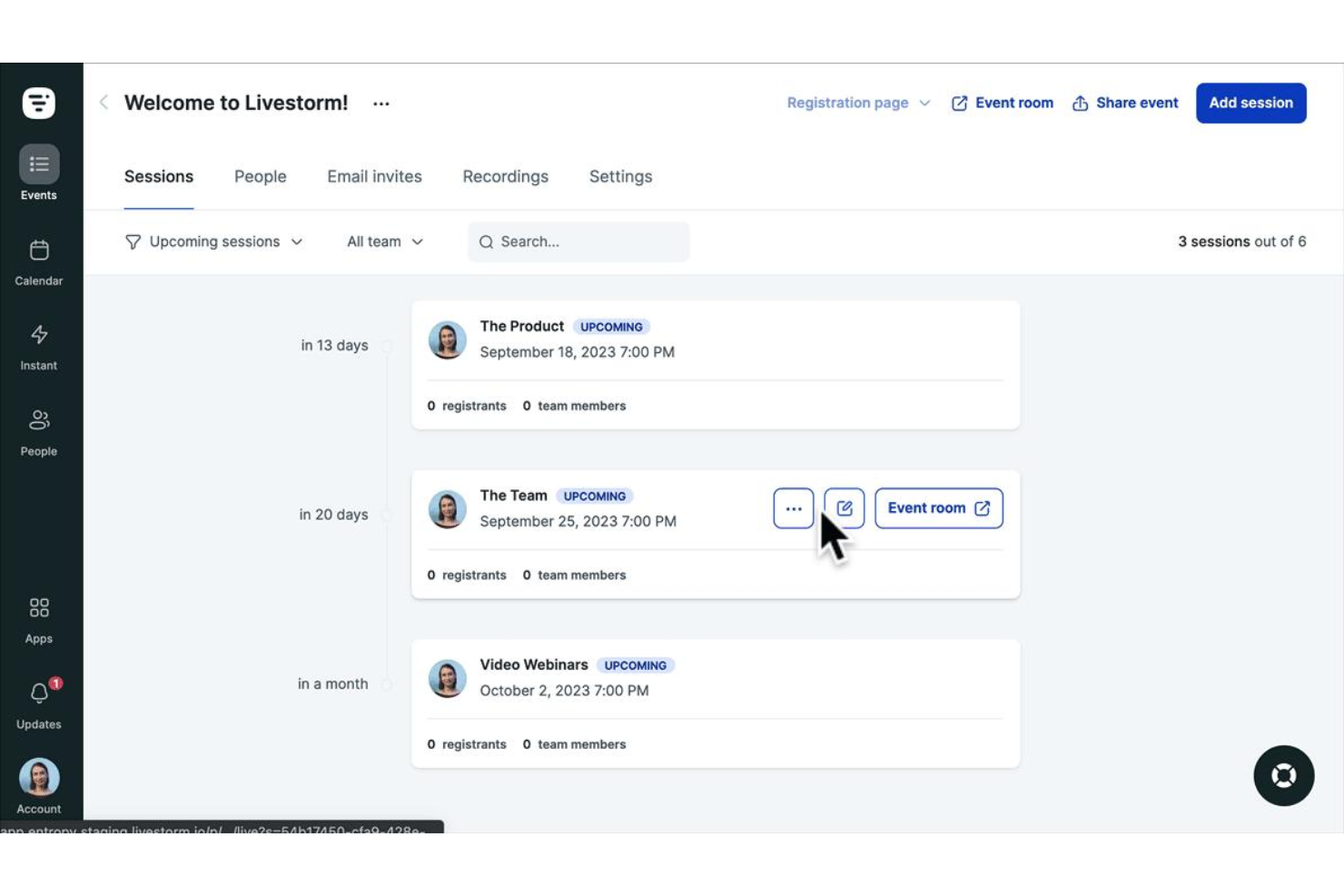
Livestorm is a video conferencing software built for webinars, virtual events, and product demos. It runs entirely in the browser—no downloads needed for hosts or attendees. I'd consider it if your team regularly runs external-facing sessions at scale. Compared to Zoom, Livestorm gives you more purpose-built event features without having to work around a tool that was designed for internal meetings first.
Livestorm Evaluation Summary
- From $3/attendee
- Free trial + free demo available
Perché fidarsi dei nostri consigli sui software
Il nostro team testa e recensisce software dal 2012. In quanto project manager noi stessi, sappiamo quanto sia difficile — e importante — scegliere il software giusto.
Per questa guida, abbiamo valutato gli strumenti attraverso test pratici e ricerche indipendenti, assegnando un punteggio agli strumenti in base ai nostri criteri di selezione. Ci basiamo inoltre sulle competenze di leader di pensiero del settore e di professionisti attivi nella gestione dei progetti.
Le nostre recensioni riflettono il nostro giudizio editoriale umano, non un discorso di vendita.
Livestorm Overview
When judging Livestorm against other video conferencing software, its browser-based interface, automated event workflows, and strong analytics set it apart for teams focused on webinars and virtual events. Pricing is competitive for mid-sized organizations, and onboarding is straightforward. However, it underperforms for teams needing advanced collaboration tools or highly customizable integrations. If you're selecting a webinar platform for marketing, training, or client-facing sessions, Livestorm's ease of use and polished attendee experience make it a strong choice.
pros
-
Browser-based access with no downloads required
-
Automated email reminders and event workflows
-
Detailed attendee analytics and engagement reports
cons
-
Limited interactive collaboration tools for online meetings
-
No built-in whiteboard or advanced annotation features
-
Occasional audio/video sync issues reported by users
-

Celoxis
Visit WebsiteThis rating combines scores from multiple user review sites to reflect overall customer sentiment about the product.4.5 -
Smartsheet
Visit WebsiteThis rating combines scores from multiple user review sites to reflect overall customer sentiment about the product.4.5 -
Accelo
Visit WebsiteThis rating combines scores from multiple user review sites to reflect overall customer sentiment about the product.4.4





La nostra metodologia di recensione
Come testiamo e valutiamo gli strumenti
Abbiamo passato anni a costruire, perfezionare e migliorare il nostro sistema di test e valutazione dei software. Il nostro schema è progettato per cogliere tutte le sfumature della scelta di un software e ciò che rende uno strumento efficace, ponendo l’accento sugli aspetti critici del processo decisionale. Qui sotto puoi vedere esattamente come funziona il nostro test e la nostra valutazione su sette criteri. Questo ci consente di offrire una valutazione imparziale del software basata su funzionalità fondamentali, caratteristiche distintive, facilità d’uso, onboarding, assistenza clienti, integrazioni, recensioni dei clienti e rapporto qualità-prezzo.
Funzionalità principali (25% della valutazione finale)
Il punto di partenza della nostra valutazione è sempre la funzionalità principale dello strumento. Ha le funzioni e le caratteristiche di base che un utente si aspetterebbe di trovare? Alcune di queste funzionalità sono limitate ai piani premium? In sostanza, ci aspettiamo che uno strumento sia all’altezza delle capacità di base dei suoi concorrenti.
Caratteristiche distintive (25% della valutazione finale)
Successivamente valutiamo le funzioni distintive, non comuni, che vanno oltre la semplice funzionalità di base normalmente presente in strumenti simili. Un punteggio elevato riflette funzionalità specializzate o uniche che rendono il prodotto più rapido, efficiente o che offrono un valore aggiunto all’utente. Valutiamo anche la facilità d’integrazione con altri strumenti comunemente presenti nel tech stack per ampliare la funzionalità e l’utilità del software. Gli strumenti che offrono molte integrazioni native, connessioni di terze parti e accesso API per creare integrazioni personalizzate ottengono il punteggio più alto.
Facilità d’uso (10% della valutazione finale)
Consideriamo quanto sia semplice e rapido eseguire le attività definite dalla funzionalità principale tramite lo strumento. Gli strumenti con un punteggio elevato sono ben progettati, intuitivi, offrono app mobili, propongono modelli e rendono semplici anche le attività più complesse.
Onboarding (10% della valutazione finale)
Sappiamo quanto sia importante che il team adotti rapidamente una nuova piattaforma, quindi valutiamo quanto sia facile imparare e utilizzare uno strumento con poca formazione. Valutiamo quanto velocemente un membro del team possa iniziare a utilizzare lo strumento senza esperienza. Le soluzioni con un punteggio alto indicano che è richiesto poco o nessun supporto.
Supporto clienti (10% della valutazione finale)
Recensiamo la rapidità e semplicità nel trovare aiuto tramite telefono, chat live o knowledge base. Gli strumenti e le aziende che forniscono supporto in tempo reale ottengono i punteggi migliori, mentre i chatbot i più bassi.
Recensioni dei clienti (10% della valutazione finale)
Oltre ai nostri test e valutazioni, consideriamo il net promoter score dei clienti attuali e passati. Valutiamo la loro probabilità, qualora fosse possibile, di scegliere nuovamente lo strumento per le sue funzionalità di base. Un software con un punteggio elevato riflette un alto net promoter score da clienti attuali o passati.
Rapporto qualità-prezzo (10% della valutazione finale)
Infine, prendendo in considerazione tutti gli altri criteri, analizziamo il prezzo medio dei piani base confrontandolo con le funzionalità principali e valutando il valore degli altri criteri. I software che offrono di più, spendendo meno, ottengono punteggi più alti.
Core Features
Browser-Based Meetings
Host and join sessions from any browser — no downloads needed, thus reducing barriers for attendees and simplifies access for external guests.
Automated Event Workflows
Set up automated email reminders, registration confirmations, and follow-ups, which helps teams manage attendee engagement before and after events.
Interactive Polls and Q&A
Engage participants with live polls, Q&A, and upvoting during sessions. This feature makes live webinars more interactive and data-driven.
On-Demand Webinars
Record sessions and make them available for on-demand viewing. Attendees access content at their convenience, extending event reach.
Detailed Analytics
Track attendance, engagement, and participant behavior with built-in dashboards. Teams can export reports to measure event success and follow up with leads.
Custom Registration Pages
Create branded registration forms with custom fields and design options. You can collect relevant attendee information and reinforce brand identity.
Ease of Use
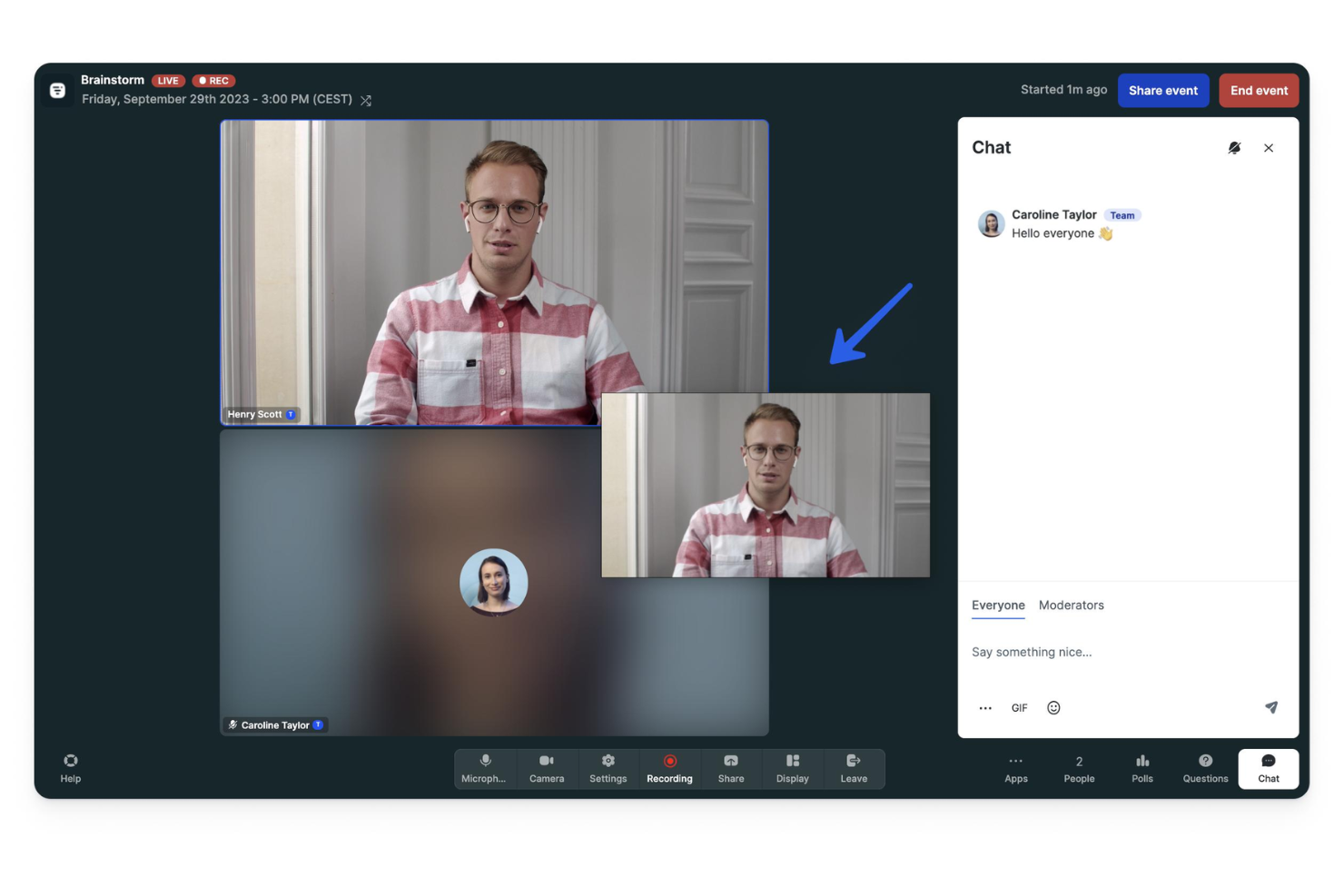
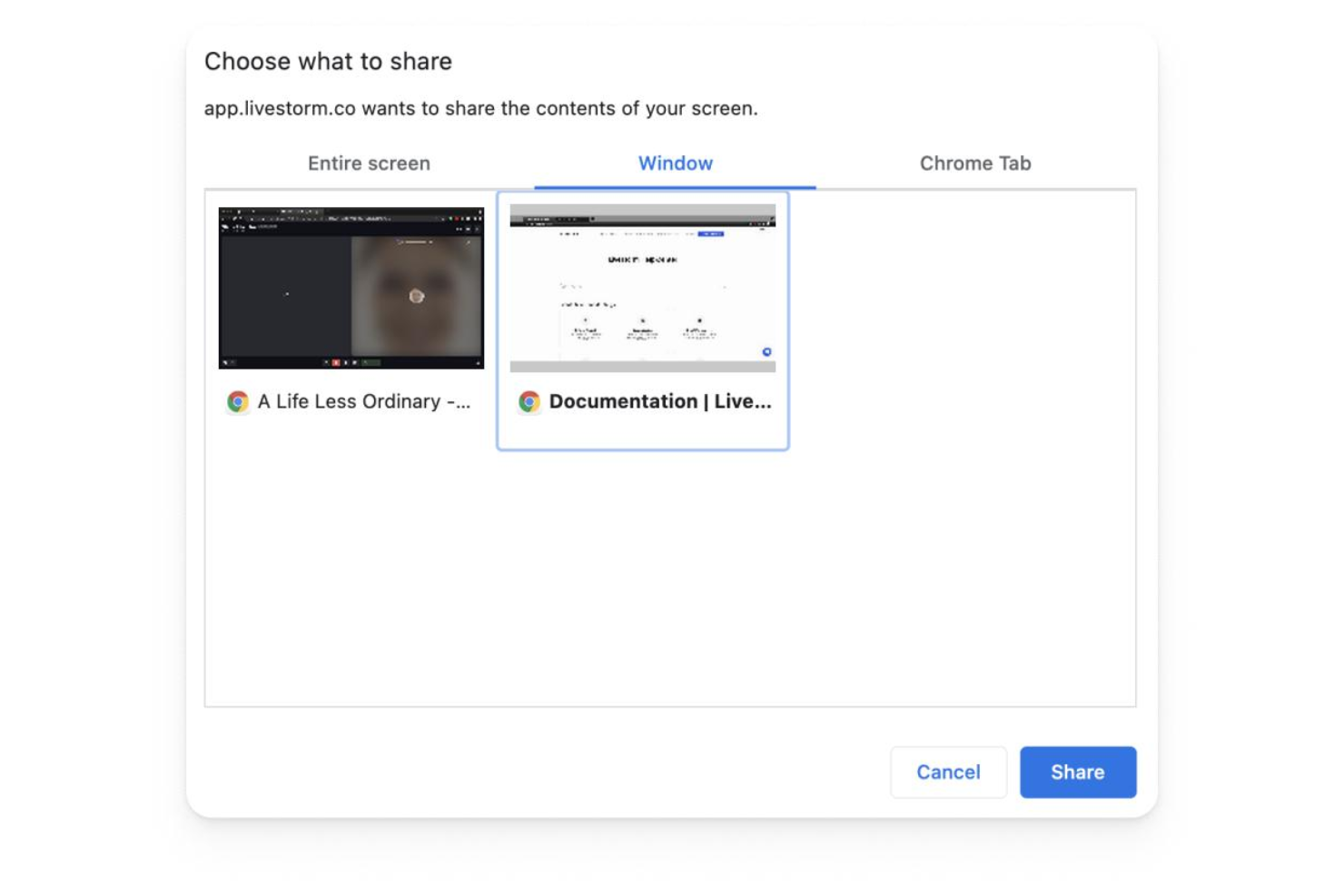
Livestorm is widely recognized for its intuitive, browser-based interface that requires no downloads or plugins, making it accessible for both hosts and attendees. The overall user experience is a standout strength — the platform's clean design and guided onboarding help new users get started quickly. Features like automated reminders, screen share, and branded landing pages reduce manual work and confusion during event management, while the straightforward event setup and clear navigation keep the moderator in full control throughout every session.
Integrations
Livestorm integrates with HubSpot, Google Calendar, Microsoft Outlook, Calendly, Salesforce, Marketo, and Pardot, among others.
Livestorm also offers an API and connects with third-party integration tools like Zapier for expanded automation and customization, making it easy to slot into your existing tech stack.

Livestorm Specs
- API
- Calendar Management
- Chat
- Contact Management
- Contact Sharing
- Email Integration
- External Integrations
- Google Apps Integration
- History/Version Control
- Multi-User
- Notifications
- Project Management
- Scheduling