Recensione di Google Drive: Pro, Contro, Funzionalità e Prezzi Spiegati



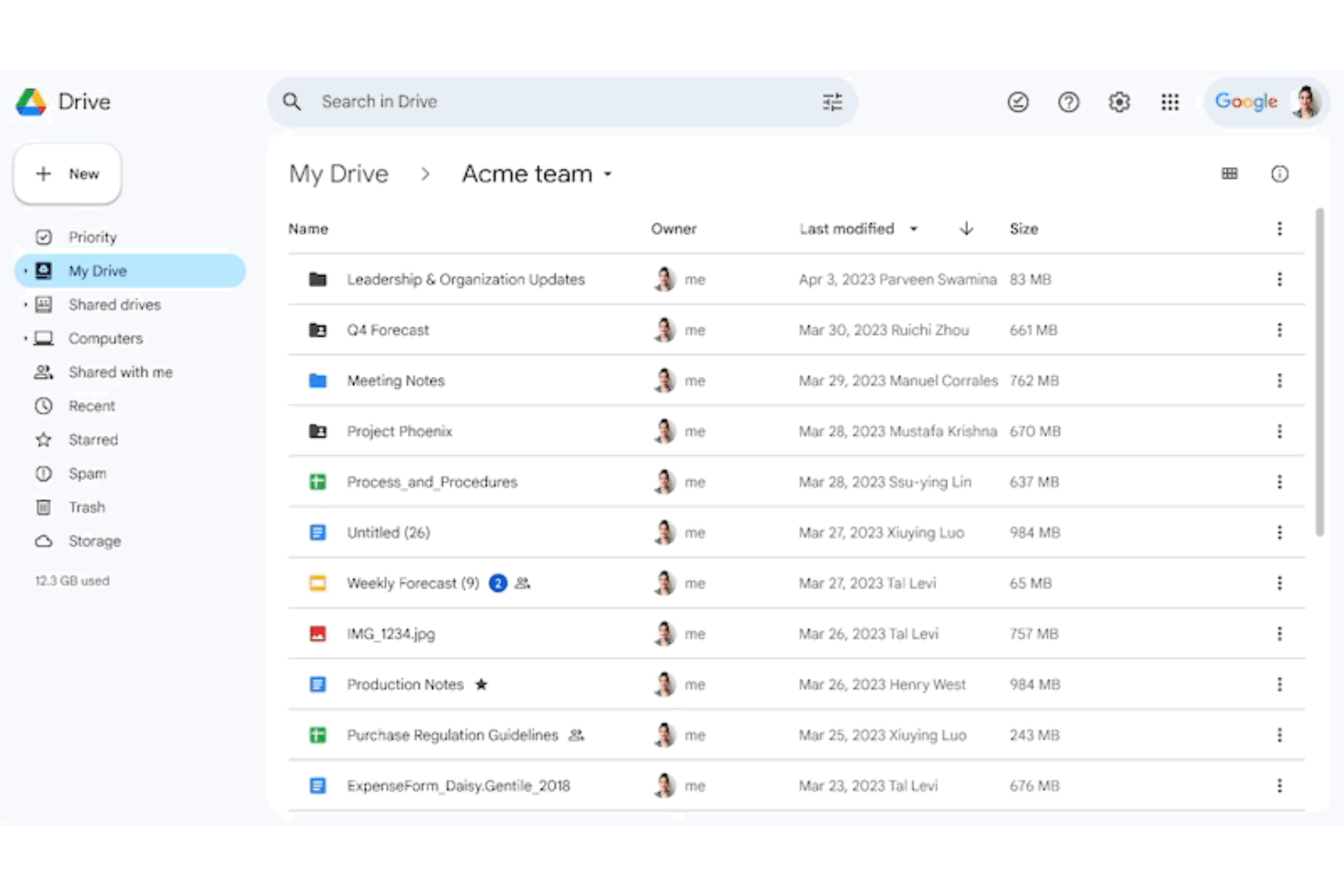
Google Drive is a file sharing software built around real-time collaboration—ideal for teams that need to create, store, and share documents without jumping between separate editing and storage tools. I'd shortlist it over Dropbox when your team is already in Google Workspace, since the native connection to Docs, Sheets, and Slides means you're not managing file versions or switching apps just to get work done.
Google Drive Evaluation Summary
- From CAD $9.20/user/month (billed annually)
- Free plan + 14-day free trial available
Perché fidarsi dei nostri consigli sui software
Il nostro team testa e recensisce software dal 2012. In quanto project manager noi stessi, sappiamo quanto sia difficile — e importante — scegliere il software giusto.
Per questa guida, abbiamo valutato gli strumenti attraverso test pratici e ricerche indipendenti, assegnando un punteggio agli strumenti in base ai nostri criteri di selezione. Ci basiamo inoltre sulle competenze di leader di pensiero del settore e di professionisti attivi nella gestione dei progetti.
Le nostre recensioni riflettono il nostro giudizio editoriale umano, non un discorso di vendita.
Revisori esperti:
Google Drive Overview
I think Google Drive offers unmatched accessibility and seamless integration, especially for teams already using Google Workspace. Pricing stays reasonable as storage grows, and onboarding’s about as easy as it gets. Interface clarity stands out, but large teams needing granular admin control or premium support might find it lacking. If you’re choosing for fast-moving remote teams or cross-company collaboration—think shared drives, real-time commenting, lightweight doc co-editing—Google Drive comes out on top. For those judging by ease of use and breadth of integrations, it’s hard to beat.
pros
-
Real-time collaboration on documents with multiple users
-
Permission settings simplify secure sharing inside and outside teams
-
Seamless access from any device with an internet connection
cons
-
File organization can get messy with frequent sharing
-
Upload and sync speeds can lag with large files
-
Limited offline access compared to some competitors
-

Smartsheet
Visit WebsiteThis rating combines scores from multiple user review sites to reflect overall customer sentiment about the product.4.5 -
Celoxis
Visit WebsiteThis rating combines scores from multiple user review sites to reflect overall customer sentiment about the product.4.5 -
Accelo
Visit WebsiteThis rating combines scores from multiple user review sites to reflect overall customer sentiment about the product.4.4





La nostra metodologia di recensione
Come testiamo e valutiamo gli strumenti
Abbiamo passato anni a costruire, perfezionare e migliorare il nostro sistema di test e valutazione dei software. Il nostro schema è progettato per cogliere tutte le sfumature della scelta di un software e ciò che rende uno strumento efficace, ponendo l’accento sugli aspetti critici del processo decisionale. Qui sotto puoi vedere esattamente come funziona il nostro test e la nostra valutazione su sette criteri. Questo ci consente di offrire una valutazione imparziale del software basata su funzionalità fondamentali, caratteristiche distintive, facilità d’uso, onboarding, assistenza clienti, integrazioni, recensioni dei clienti e rapporto qualità-prezzo.
Funzionalità principali (25% della valutazione finale)
Il punto di partenza della nostra valutazione è sempre la funzionalità principale dello strumento. Ha le funzioni e le caratteristiche di base che un utente si aspetterebbe di trovare? Alcune di queste funzionalità sono limitate ai piani premium? In sostanza, ci aspettiamo che uno strumento sia all’altezza delle capacità di base dei suoi concorrenti.
Caratteristiche distintive (25% della valutazione finale)
Successivamente valutiamo le funzioni distintive, non comuni, che vanno oltre la semplice funzionalità di base normalmente presente in strumenti simili. Un punteggio elevato riflette funzionalità specializzate o uniche che rendono il prodotto più rapido, efficiente o che offrono un valore aggiunto all’utente. Valutiamo anche la facilità d’integrazione con altri strumenti comunemente presenti nel tech stack per ampliare la funzionalità e l’utilità del software. Gli strumenti che offrono molte integrazioni native, connessioni di terze parti e accesso API per creare integrazioni personalizzate ottengono il punteggio più alto.
Facilità d’uso (10% della valutazione finale)
Consideriamo quanto sia semplice e rapido eseguire le attività definite dalla funzionalità principale tramite lo strumento. Gli strumenti con un punteggio elevato sono ben progettati, intuitivi, offrono app mobili, propongono modelli e rendono semplici anche le attività più complesse.
Onboarding (10% della valutazione finale)
Sappiamo quanto sia importante che il team adotti rapidamente una nuova piattaforma, quindi valutiamo quanto sia facile imparare e utilizzare uno strumento con poca formazione. Valutiamo quanto velocemente un membro del team possa iniziare a utilizzare lo strumento senza esperienza. Le soluzioni con un punteggio alto indicano che è richiesto poco o nessun supporto.
Supporto clienti (10% della valutazione finale)
Recensiamo la rapidità e semplicità nel trovare aiuto tramite telefono, chat live o knowledge base. Gli strumenti e le aziende che forniscono supporto in tempo reale ottengono i punteggi migliori, mentre i chatbot i più bassi.
Recensioni dei clienti (10% della valutazione finale)
Oltre ai nostri test e valutazioni, consideriamo il net promoter score dei clienti attuali e passati. Valutiamo la loro probabilità, qualora fosse possibile, di scegliere nuovamente lo strumento per le sue funzionalità di base. Un software con un punteggio elevato riflette un alto net promoter score da clienti attuali o passati.
Rapporto qualità-prezzo (10% della valutazione finale)
Infine, prendendo in considerazione tutti gli altri criteri, analizziamo il prezzo medio dei piani base confrontandolo con le funzionalità principali e valutando il valore degli altri criteri. I software che offrono di più, spendendo meno, ottengono punteggi più alti.
Core Features
Real-Time Document Collaboration
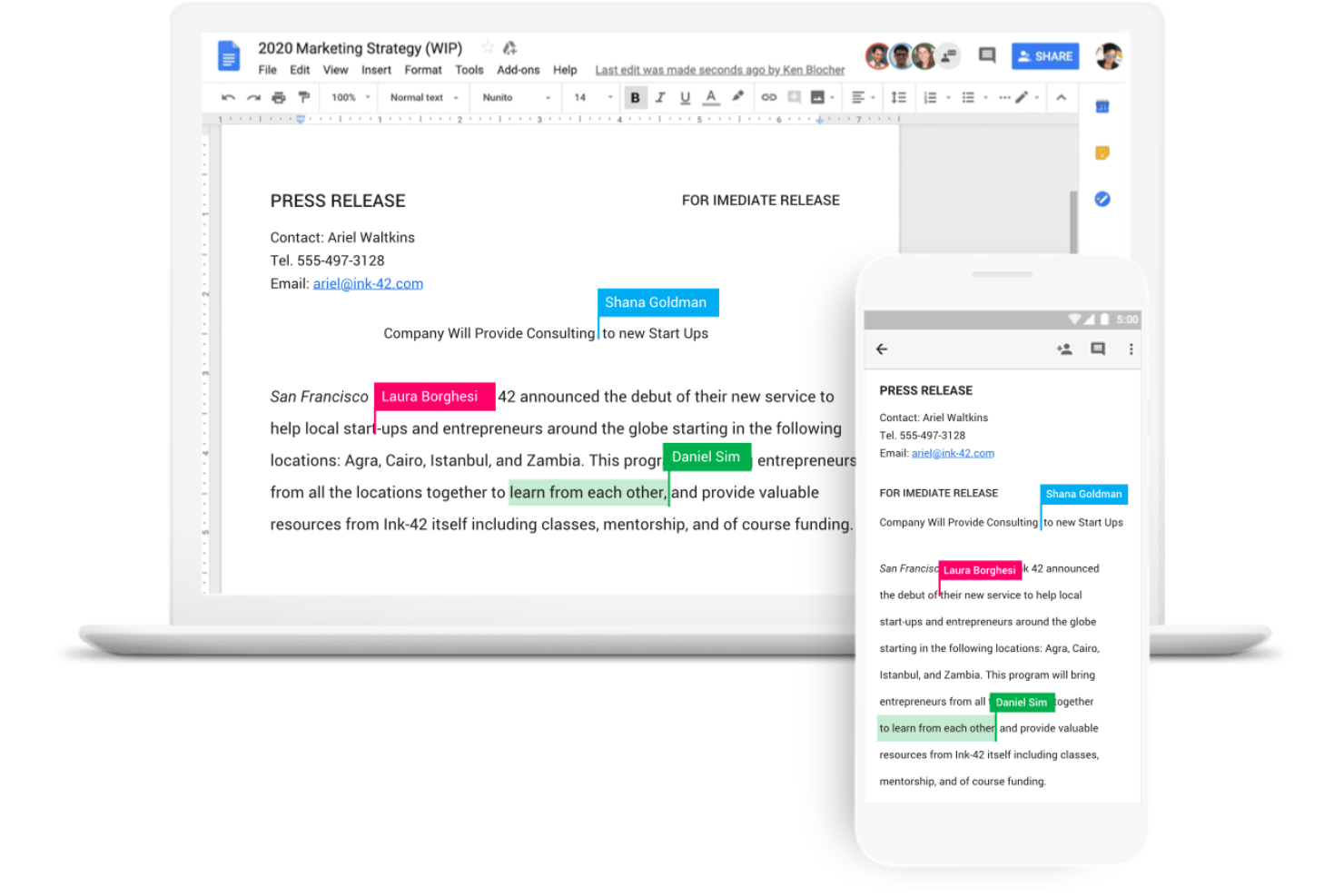
Work with teammates on the same file at once and see comments and edits live. This keeps everyone aligned without sending new file versions back and forth.
Version History and Restore
Track changes, review previous versions, and restore a file to an earlier state if needed. This feature helps you undo mistakes and audit team activity.
Cloud Storage and Backup
Upload files and folders to Google Drive for reliable cloud-based access. Your documents stay secure and retrievable from any device.
Link Sharing with Expiration Controls
Share files via custom links and set link expiration dates or restrict downloads. You stay in control of sensitive project documents at all times.
Offline File Access
Mark files for offline access to view and edit without an internet connection. Changes sync automatically the next time you’re online.
Ease of Use
Google Drive nails user-friendliness with its simple drag-and-drop uploads, clear permission settings, and real-time editing. Teams say onboarding feels almost frictionless—most users need little to no training to get started. The built-in search, comments, and logical folder structure make managing and finding files fast, even for larger organizations.

Integrations
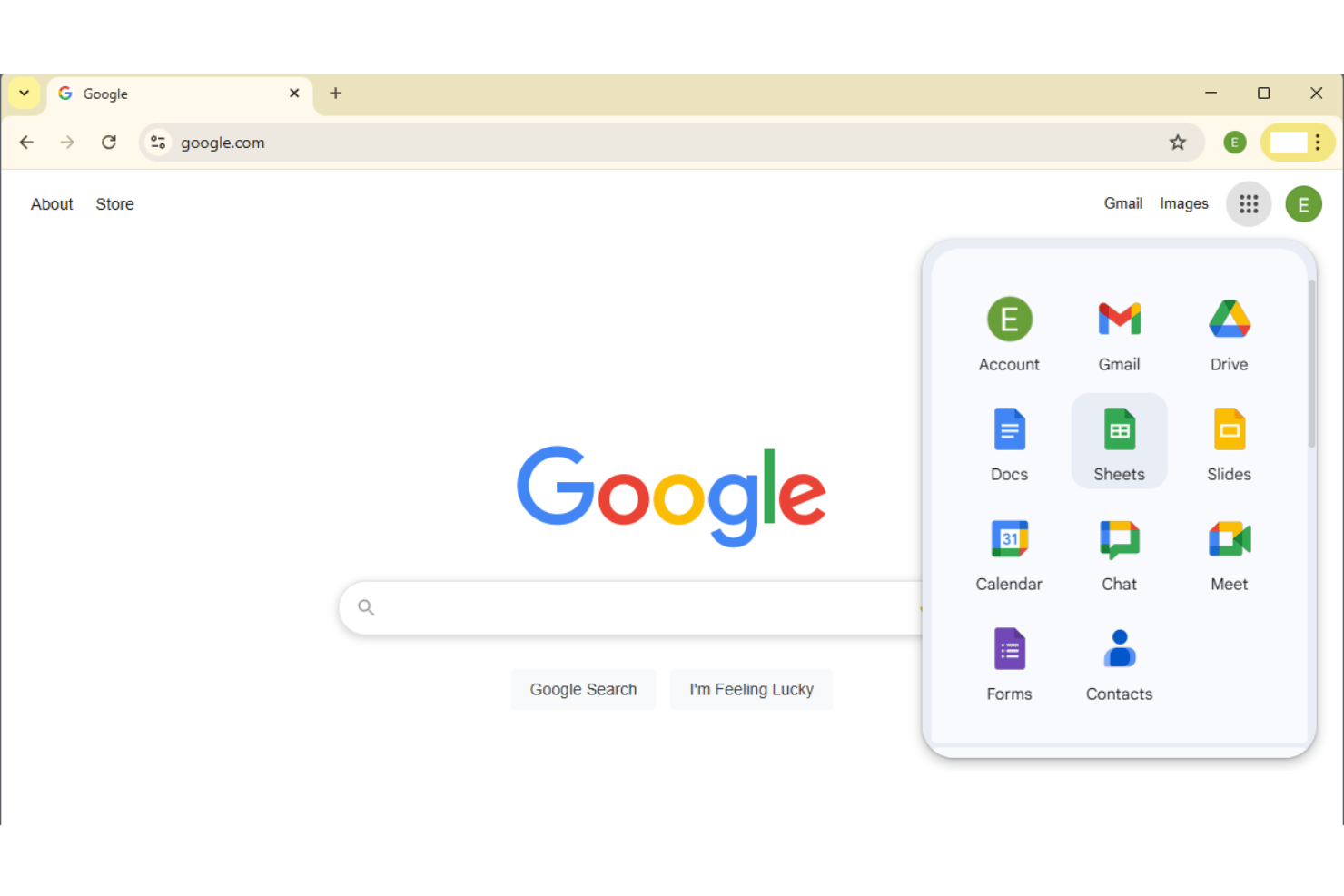
Google Drive integrates with Google Docs, Google Sheets, Google Slides, Gmail, Google Meet, Google Calendar, Google Forms, Google Sites, Google Chat, and Google Classroom, among others.
It also offers an API to use for custom app workflows and connections with third-party integration tools.
Google Drive Specs
- 2-Factor Authentication
- API
- Chat
- Dashboard
- Data Export
- Data Import
- Document Comparison
- External Integrations
- File Sharing
- File Transfer
- History/Version Control
- Multi-User
- Network Traffic Monitoring
- Notifications
- Project Management