

2026’da İncelenen En İyi HVAC Maliyet Tahmin Yazılımları

En İyi HVAC Tahmin Yazılımları Kısa Listesi


HVAC projelerini yönetmek zor olabilir. Sıkı teslim tarihleri, karmaşık hesaplamalar ve beklenmedik maliyetlerle aynı anda ilgilenmeniz gerekir. Bunu anlıyorum. Bu nedenle, bu zorlukların üstesinden gelmenize yardımcı olmak için en iyi HVAC tahmin yazılımlarını inceledim.
Bu araçlar proje tahminlerinizi kolaylaştırarak işinizi kolaylaştırabilir ve zamanınızı verimli kullanmanızı sağlayabilir. Bu makalede, her bir yazılımı öne çıkaran özelliklere odaklanarak en iyi seçimlerimi paylaşacağım.
İster küçük ölçekli projeler ister büyük sözleşmelerle ilgileniyor olun, size yardımcı olacağım. Sizin ve ekibiniz için fark yaratabilecek çözümlere göz atalım.
Why Trust Our Software Recommendations
Our team has been testing and reviewing software since 2012. As project managers ourselves, we know how difficult—and important—it is to choose the right software.
For this guide, we evaluated tools using hands-on testing and independent research, scoring tools using our selection criteria. We also draw on insights from industry thought leaders and practicing project management experts.
Our reviews reflect our human editorial judgment, not a sales pitch.
Expert reviewers:
HVAC Tahmin Yazılımları Karşılaştırma Tablosu
Bu karşılaştırma tablosu, en iyi HVAC tahmin yazılımı seçimlerimin fiyatlandırma ayrıntılarını özetlemektedir.
| Tool | Starting Price | Website | |
|---|---|---|---|
| Best for cloud-based takeoffs with team access | 4.5 out of 5 | $2,599/user/year Free demo + free trial available | Website |
| Best for all-in-one HVAC management | 4.4 out of 5 | Pricing upon request Free demo available | Website |
| Best for dispatch and invoicing estimates | — | Pricing upon request Free demo available | Website |
| Best for digital takeoffs with custom assemblies | — | $2,000/year 14-day free trial available | Website |
| Best for sheet metal labor and fitting details | — | Pricing upon request Free demo available | Website |
| Best for detailed ductwork estimating workflows | — | $250/month Free demo available | Website |
| Best for fabrication-driven estimating and costing | — | Pricing upon request Not available | Website |
| Best for quick estimates for small contractors | — | $54/month Free plan + free demo available | Website |
| Best for flat rate pricing during service calls | — | $99/technician/month Free demo available | Website |
| Best for linking estimates to project accounting | — | Pricing upon request Free demo available | Website |
En İyi HVAC Tahmin Yazılımları İncelemesi
Aşağıda, kısa listeme giren en iyi HVAC tahmin yazılımları hakkındaki ayrıntılı özetlerimi bulabilirsiniz. İncelemelerim, her aracın temel özelliklerine, artılarına ve eksilerine, entegrasyonlarına ve ideal kullanım alanlarına ayrıntılı bir bakış sunarak sizin için en uygun seçeneği bulmanıza yardımcı olur.

STACK
Best for cloud-based takeoffs with team access
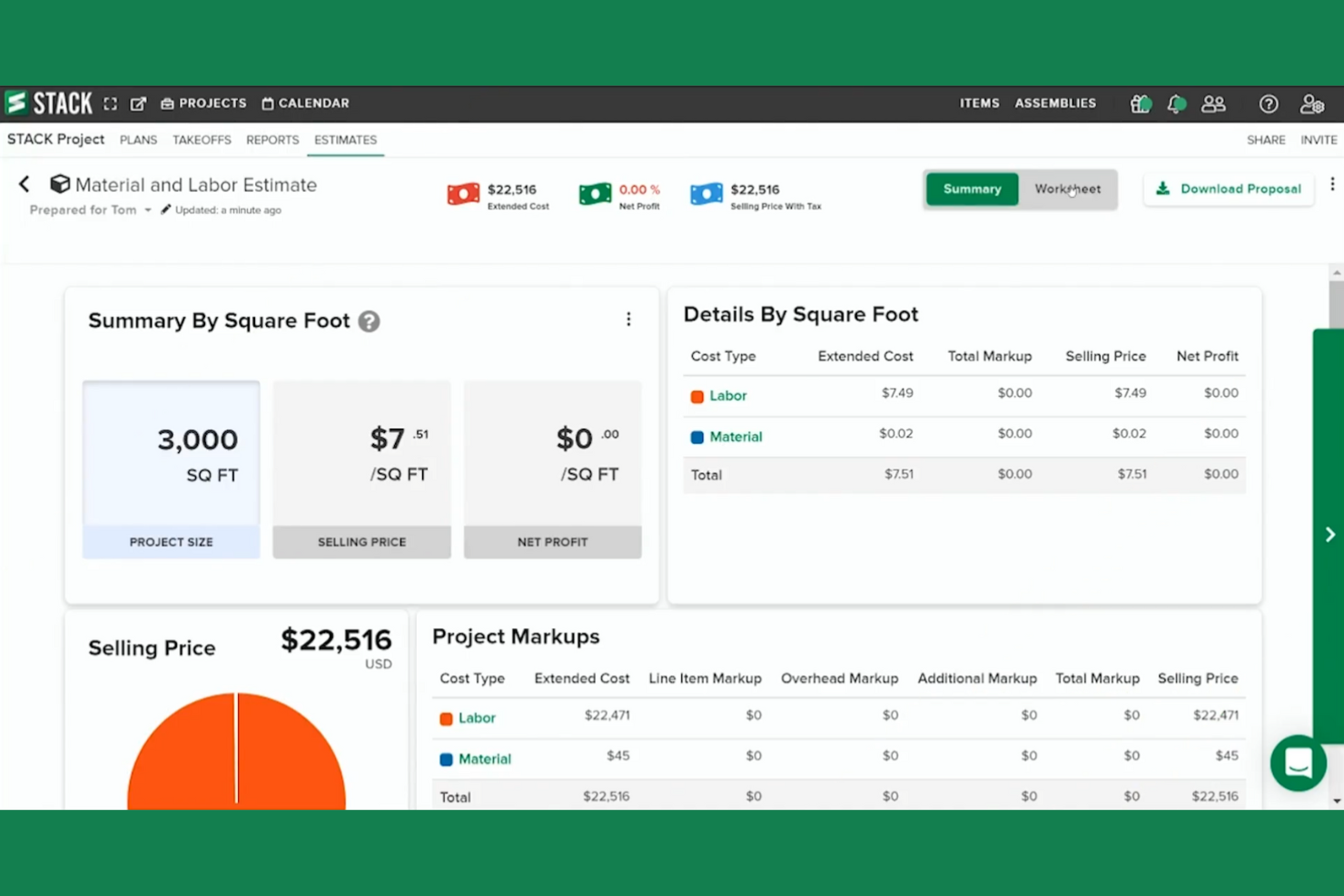
STACK is a cloud-based HVAC estimating and takeoff software designed for contractors looking to speed up their bidding process. It helps contractors perform quick takeoffs and create detailed estimates to increase project profitability.
Why I picked STACK: Its cloud-based nature ensures that your team stays aligned. The platform's open architecture can integrate with other systems, making it highly adaptable.
Standout Features and Integrations:
Features include cloud-based quantity and material takeoff, allowing you to manage takeoffs and keep everyone on the same page. It also offers detailed cost estimates and proposals, letting you adjust costs and create customized branded proposals. Real-time collaboration features ensure your team stays connected with markup, callout, and sharing options.
Integrations include Procore, QuickBooks, Velixo, Sage Intacct, and more.
Pros and Cons
Pros:
- Open architecture for integrations
- Cloud-based collaboration features
- Detailed cost adjustments
Cons:
- Large blueprint uploads take time
- Complex initial setup

Best for all-in-one HVAC management
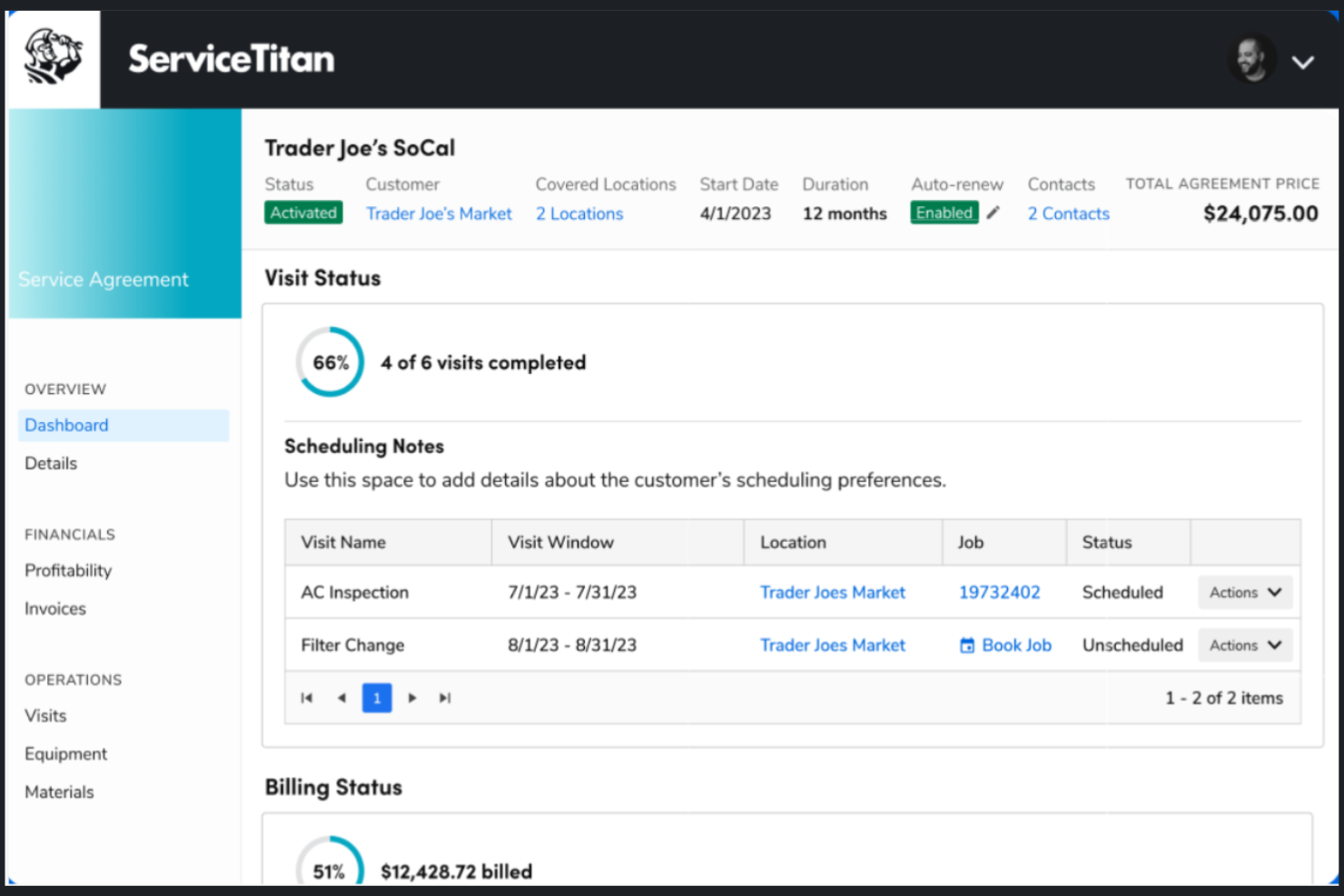
ServiceTitan is a cloud-based residential and commercial HVAC estimating software tailored for contractors, particularly in the HVAC, plumbing, and electrical sectors. It focuses on project management, customer relationship management, and accurate job pricing.
Why I picked ServiceTitan: It's ideal for contractors who want a complete HVAC business management solution. You can create polished digital proposals, automate pricing updates, and produce accurate bids for your HVAC jobs. It also integrates scheduling, dispatching, and invoicing, making it a unified tool for contractors. This versatile software can manage residential and commercial projects.
Standout Features and Integrations:
Features include accurate labor and material cost calculations, digital proposal creation, and mobile app access for technicians. A digital pricebook lets you manage material costs efficiently. It also tracks technician performance with scorecards to monitor service quality.
Integrations include Sage Intacct, BlueVine, MindCloud, and more.
Pros and Cons
Pros:
- Automates pricing updates
- Offers mobile app templates
- Provides project management tools
Cons:
- Limited offline access
- Custom pricing may vary

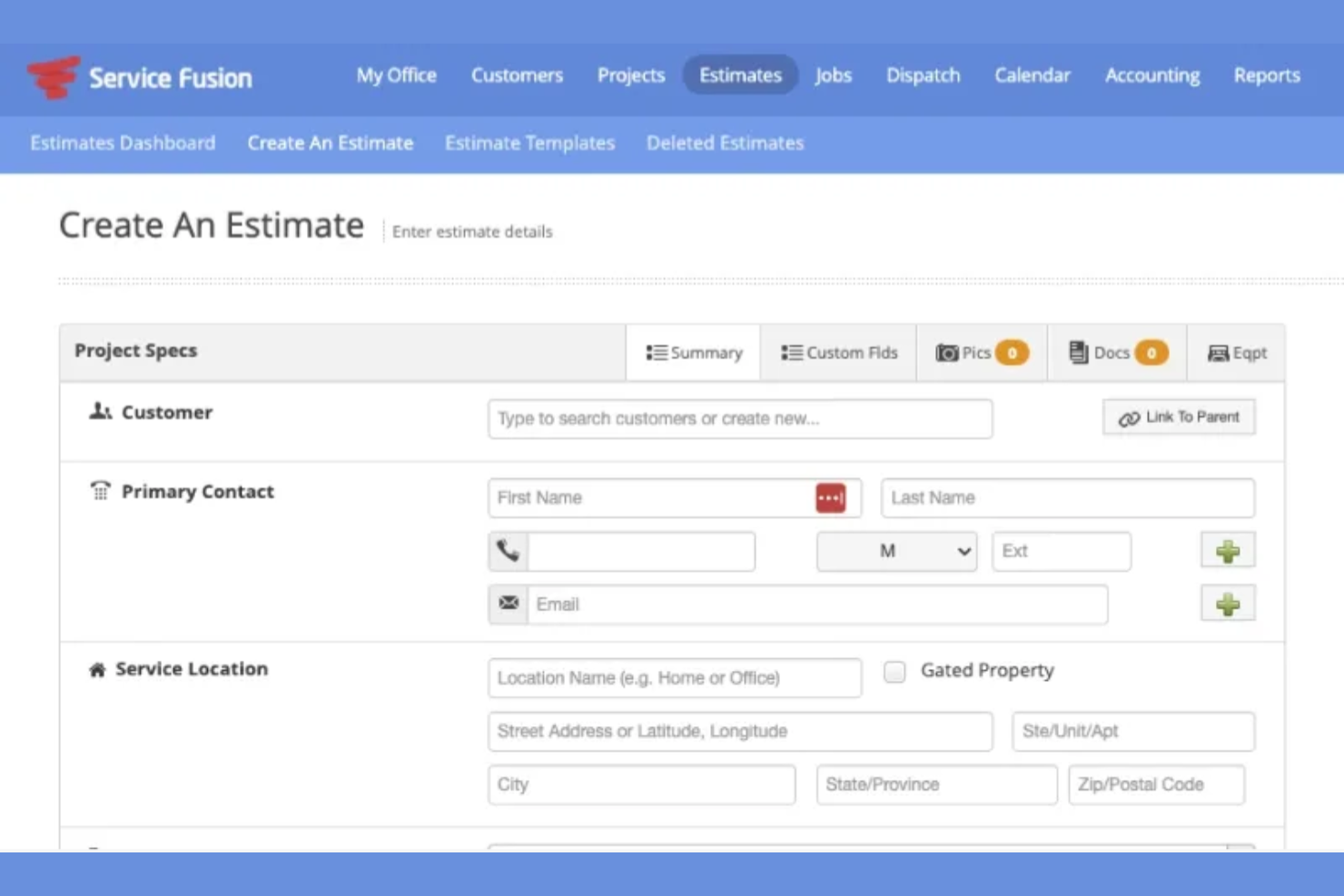
Service Fusion is a field service management platform that helps teams manage jobs from initial quote through payment. It brings estimating, scheduling, and billing into one system so work stays connected as it moves forward. The software is built to support day-to-day operations for service-based teams.
Why I picked Service Fusion: Service Fusion lets you create estimates that tie directly into job scheduling and invoicing, so nothing gets disconnected as work progresses. Once an estimate is approved, you can turn it into a job and dispatch your team without reentering details. Your technicians can see all the required job information in the field. When the job’s done, invoices are created from the same data used in the estimate. This flow helps your team stay organized from the first quote to the final payment.
Standout Features and Integrations:
Features include estimate creation that converts into jobs, built-in dispatch tools for assigning work, and invoicing tied to completed services. You can track job status as it moves from quote to scheduled work. Your team can also manage customer records and service history in one place.
Integrations include QuickBooks, PaySimple, and more.
Pros and Cons
Pros:
- Supports end-to-end job tracking
- Supports communication between office and field teams
- Clear workflow from estimate to invoice
Cons:
- Custom workflows are limited
- Limited options for complex estimates

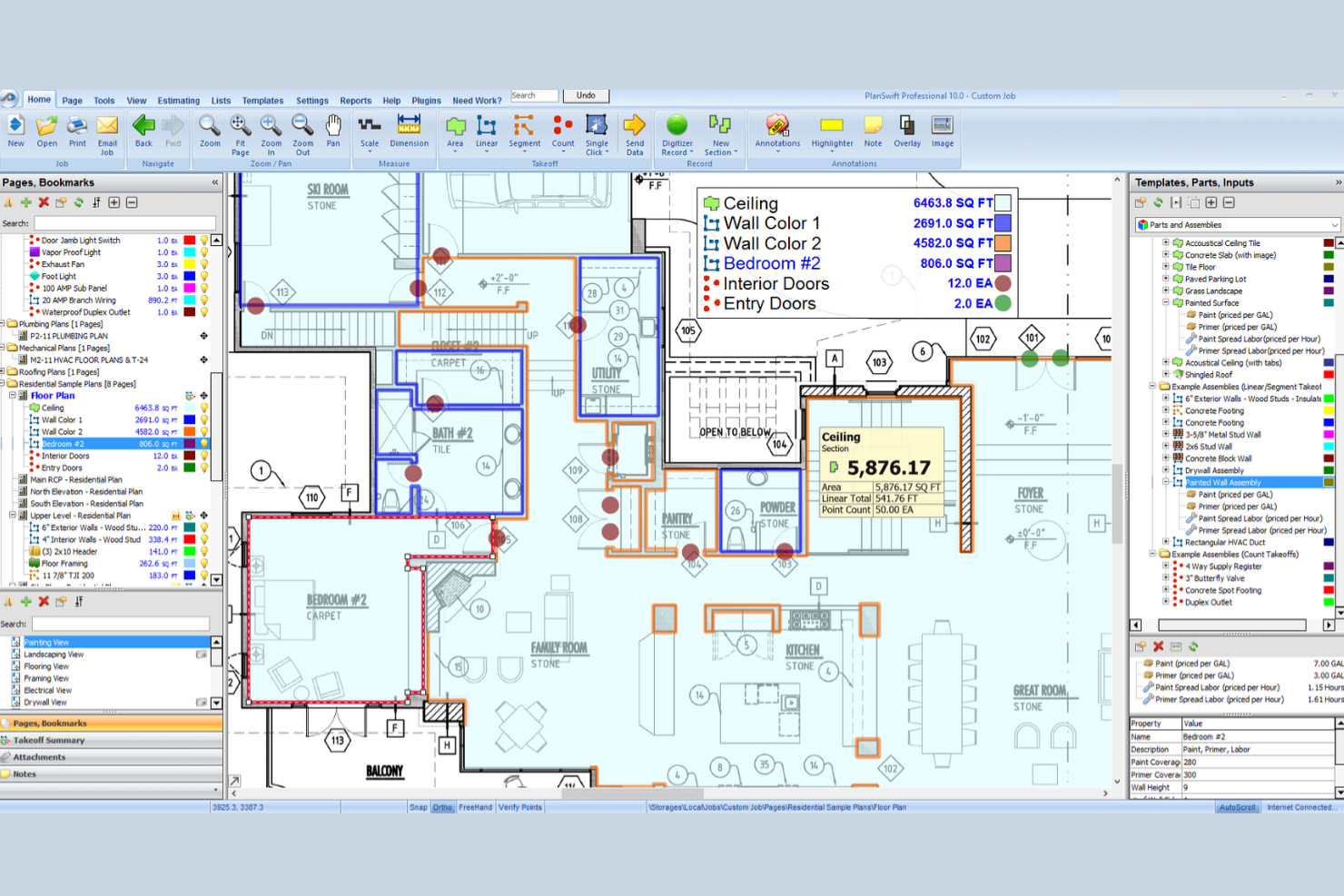
PlanSwift is HVAC estimating software designed for contractors to improve their estimating process. It provides takeoffs and detailed material lists that help calculate costs and volumes for HVAC systems efficiently.
Why I picked PlanSwift: It excels in providing precise HVAC takeoffs, offering features such as digital plan tracing and customizable bills of materials. This software also supports accurate heating and cooling estimates, perfect for complex layouts.
Standout Features and Integrations:
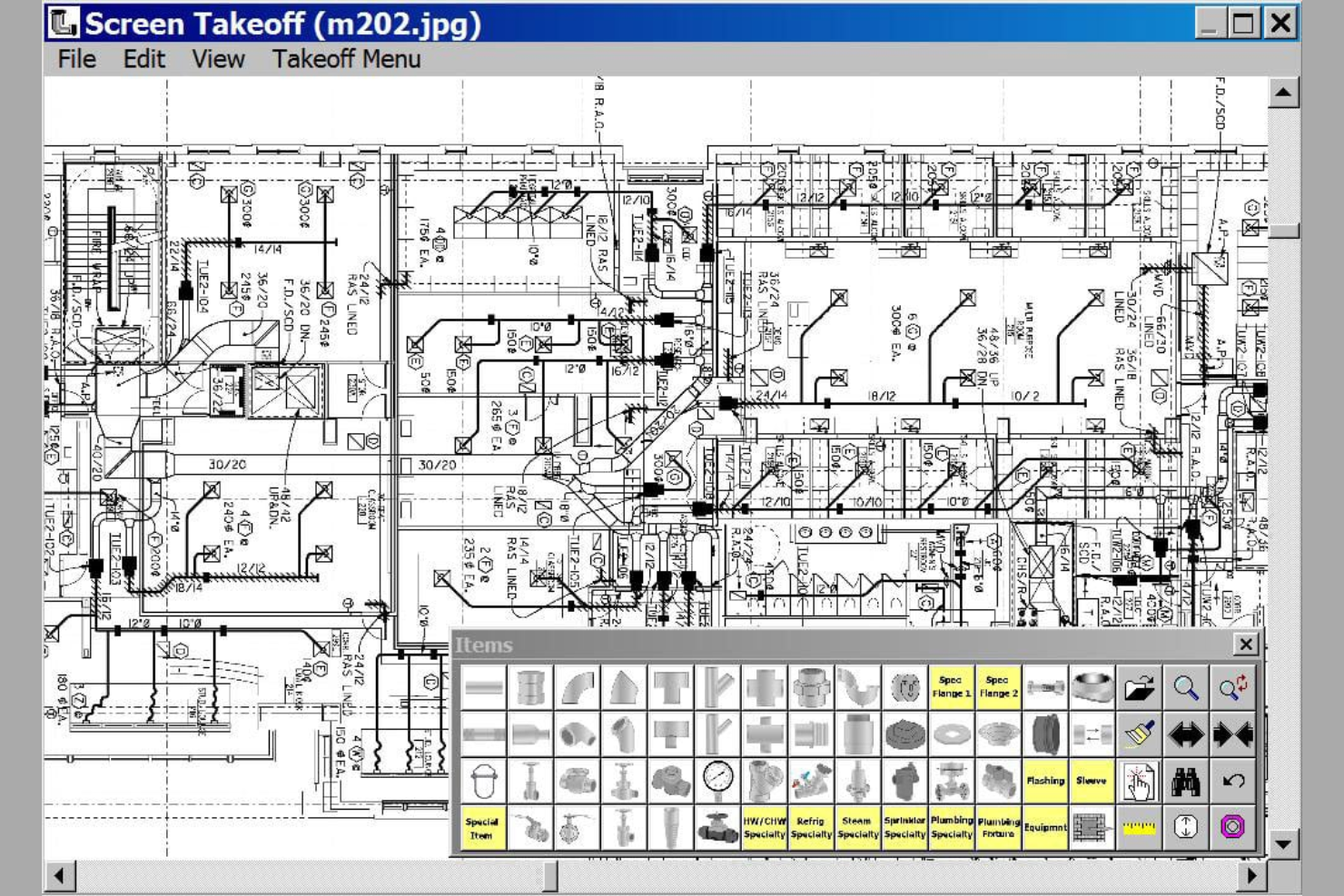
Features include takeoffs, material lists, and the ability to trace room layouts. You can quickly estimate ductwork and integrate additional components such as dampers and insulation. It also has a point-and-click tool that counts items such as pumps and controls, directly adding them to your material list for precise calculations.
Integrations include Microsoft Excel, Sage, and more.
Pros and Cons
Pros:
- Point-and-click counting tool
- Customizable material lists
- Takeoff process
Cons:
- No built-in CRM features
- Requires digital plan uploads

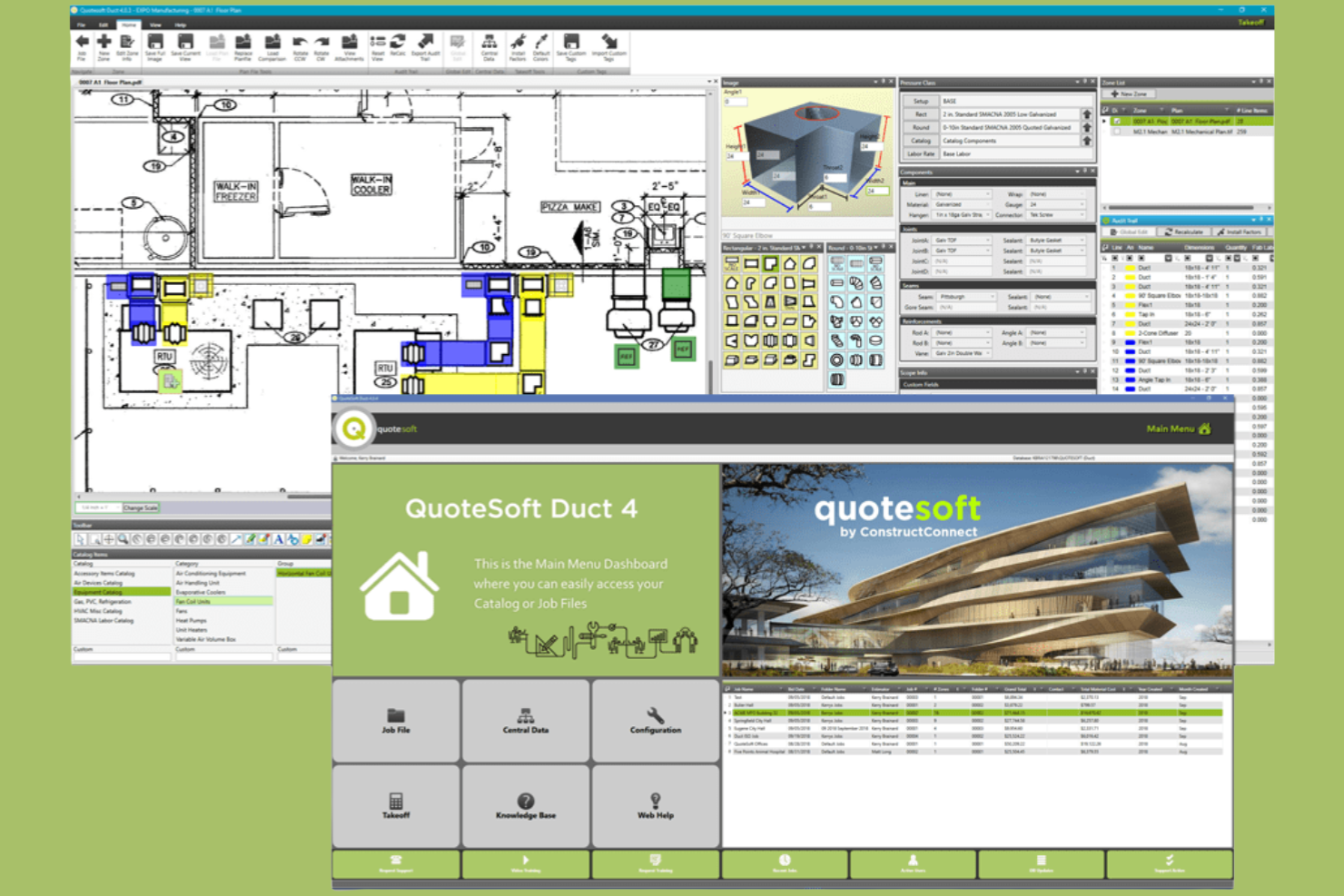
QuoteSoft is an estimating and takeoff product built for mechanical and sheet metal work. It supports bid preparation workflows from takeoff through finalized estimates.
Why I picked QuoteSoft: You get very detailed control over labor and fitting logic, which matters when your work involves complex sheet metal assemblies. You apply labor rates, fitting allowances, and fabrication rules directly to your takeoff items. You can break work down by fittings, joints, and connections instead of relying on broad assemblies, reducing guesswork when bids depend on precise fabrication assumptions.
Standout Features and Integrations:
Features include built-in labor calculation tables that apply hours automatically as you measure, customizable databases for materials and fittings, and on-screen takeoff tools tied directly to estimating logic. You can adjust labor assumptions without redoing the takeoff. Your team can also reuse saved assemblies to keep estimates consistent across jobs.
Integrations are not publicly listed.
Pros and Cons
Pros:
- Handles complex duct layouts
- Strong control over fitting assumptions
- Detailed labor logic for fabrication work
Cons:
- Less flexible for quick ballpark bids
- Time-consuming setup before first bid

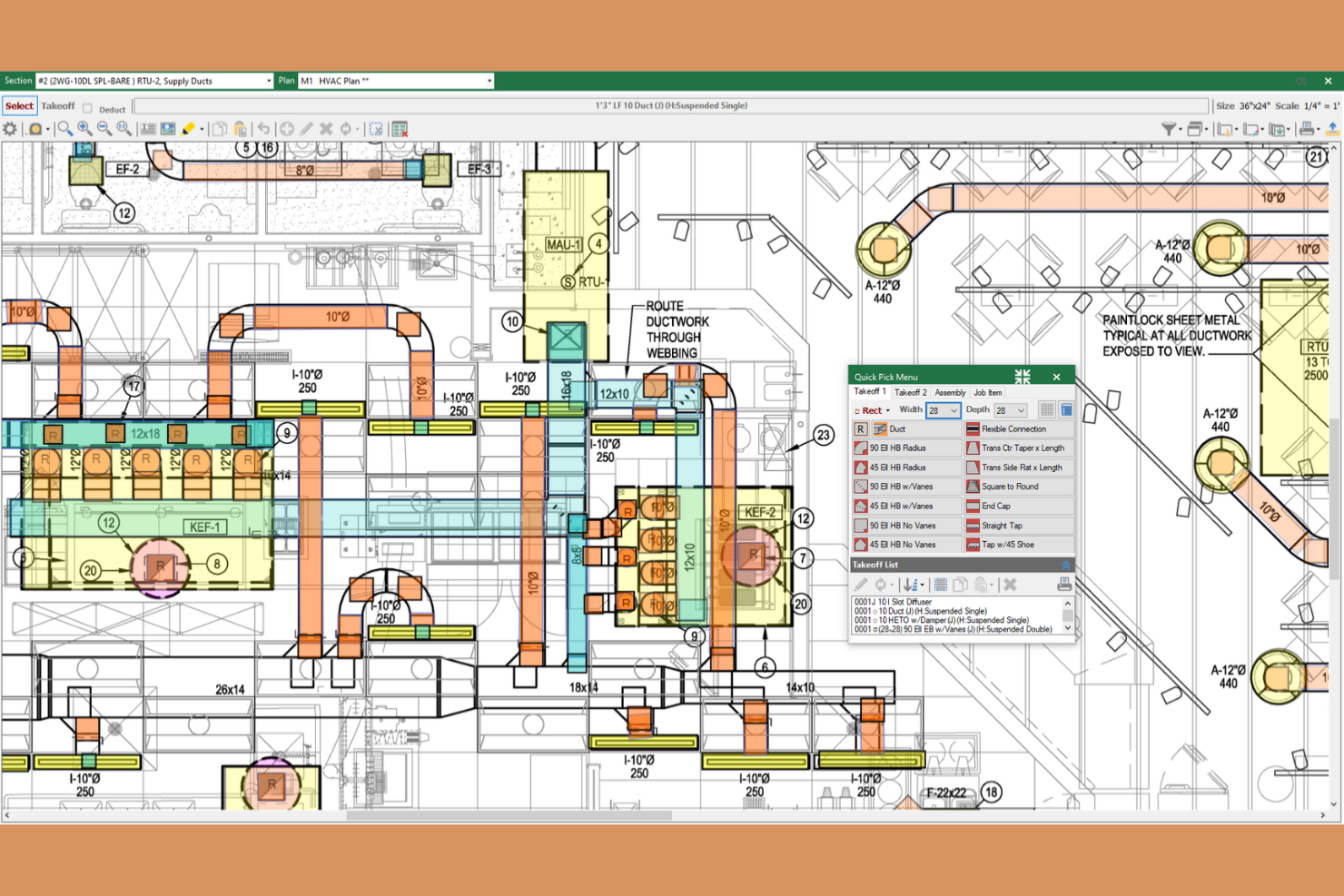
FastDUCT is an HVAC estimating software designed for commercial and industrial sheet metal contractors. It specializes in providing fast and accurate cost estimations for ductwork and HVAC systems.
Why I picked FastDUCT: It’s ideal for creating precise ductwork estimates for your HVAC business. You can customize specifications to match each job’s specific needs. Features such as job templates and easy conversion between duct pricing can increase productivity.
Standout Features and Integrations:
Features include an HVAC pricing catalog with over 250,000 items and an on-screen digitizer for digital plans. It supports various CAD formats and offers high-resolution graphics for detailed analysis. The software also allows for scalable assemblies and customizable cost codes for precise estimates.
Integrations include Microsoft Excel, FastPIPE, and more.
Pros and Cons
Pros:
- Supports multiple CAD formats
- On-screen digitizer
- Extensive pricing catalog
Cons:
- Limited non-Autodesk compatibility
- Limited to HVAC and ductwork

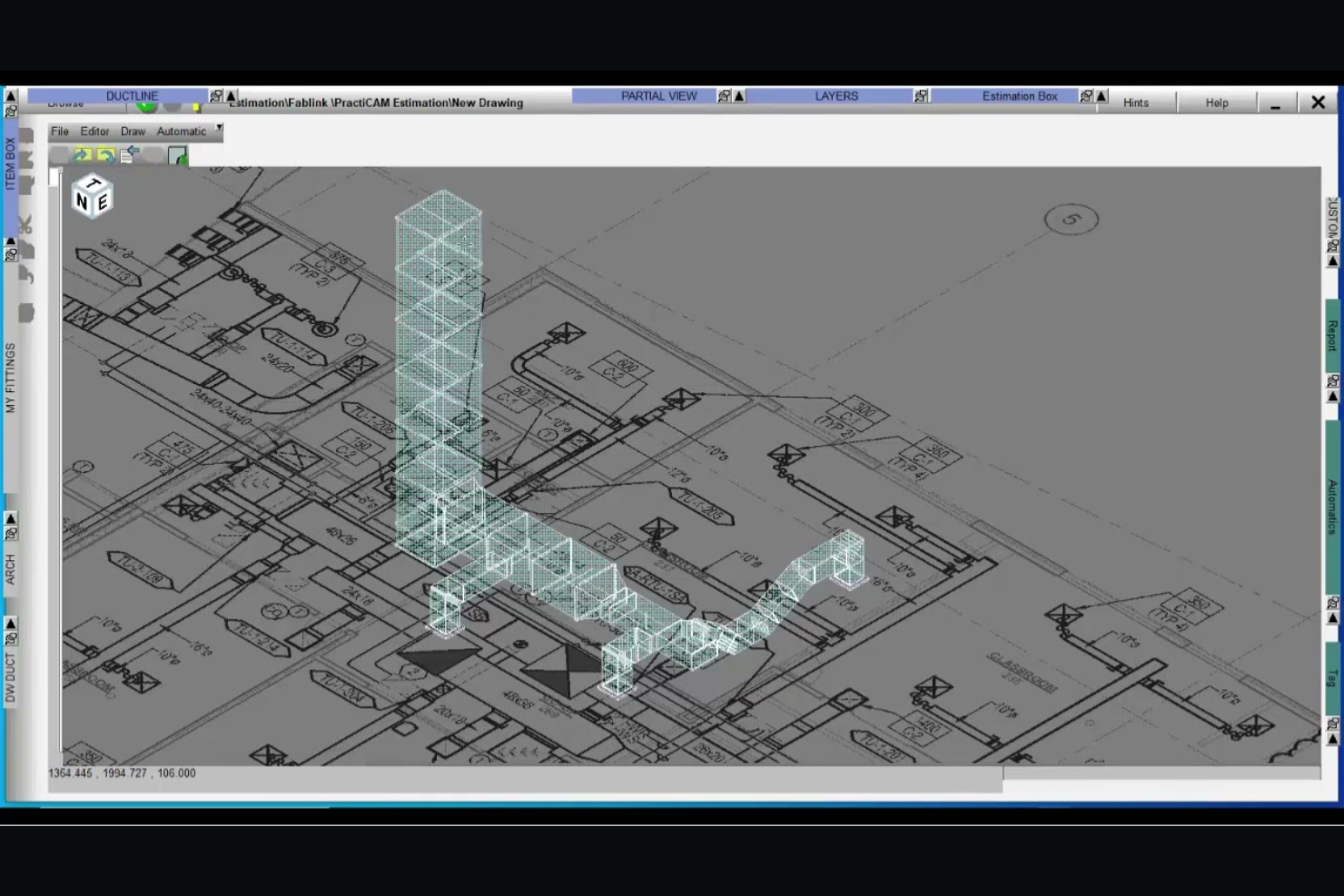
Fablink is an HVAC estimating software tailored for sheet metal and HVAC trades. It helps contractors simplify the estimating process with both standalone and integrated options on Windows and AutoCAD platforms.
Why I picked Fablink: It excels in integrated HVAC and sheet metal estimating. You can quickly convert estimates into 2D or 3D models before finalizing your plans. The software's centralized pricing database ensures quick updates, making it easier to keep your estimates current.
Standout Features and Integrations:
Features include data sharing across systems, which keeps your team aligned. You can track materials and accessories efficiently to avoid discrepancies. The software also offers automatic markups and real-time estimates for accurate projections.
Integrations include AutoCAD, MetaLab, and more.
Pros and Cons
Pros:
- Real-time estimating capabilities
- Centralized pricing database
- Converts estimates to 3D models
Cons:
- Dependent on FabLink ecosystem
- Limited to Windows and AutoCAD

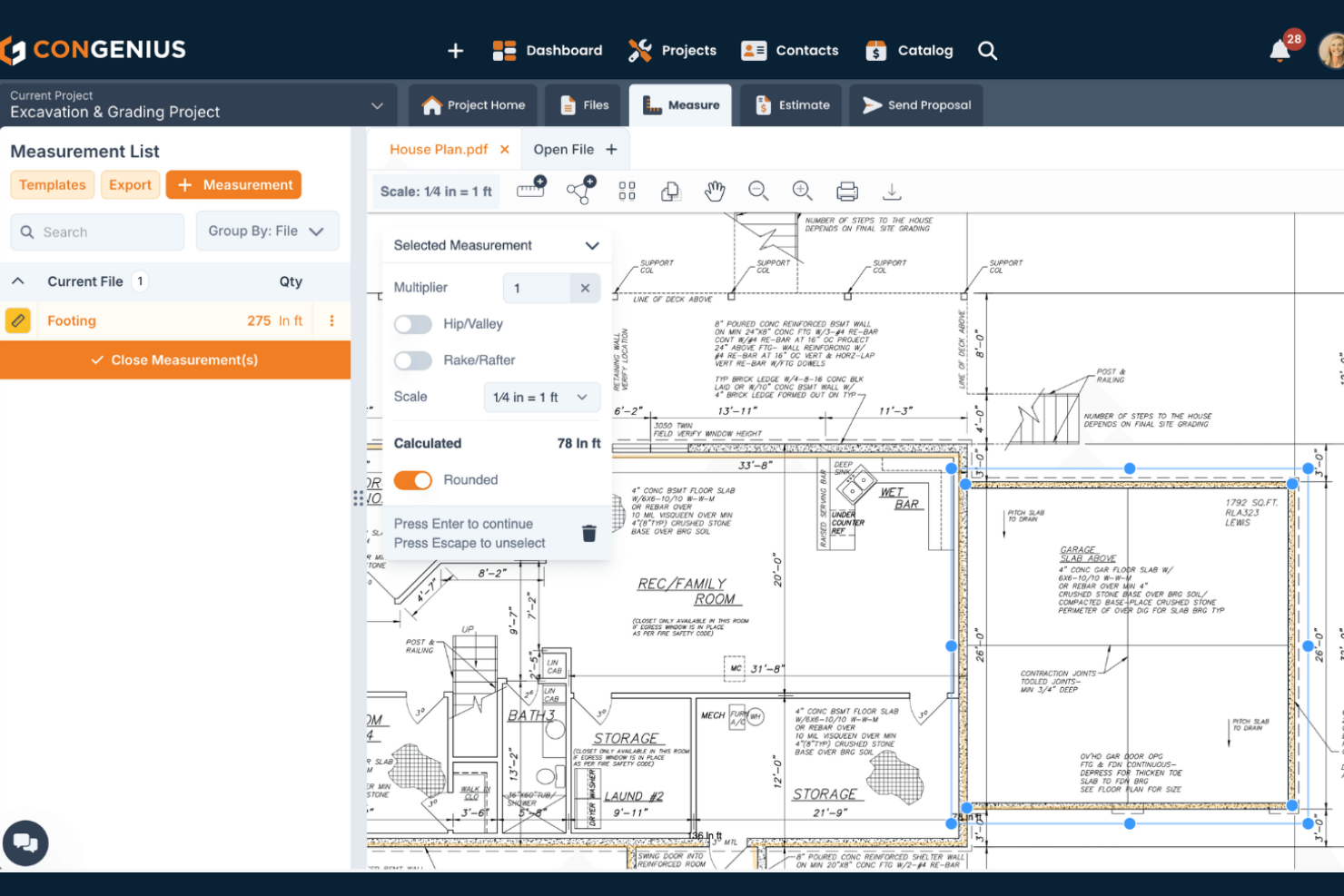
ConGenius is a cloud-based platform that helps contractors build job estimates and project proposals with fewer manual steps. The tool supports sales and estimating functions together, so your team can keep job pricing and proposals in one place.
Why I picked ConGenius: It lets you organize cost items, assemble commonly used work units, and measure from digital plans, so you don’t have to juggle multiple spreadsheets or documents. You can build and reuse catalogs of items and assemblies to spend less time creating estimates for jobs. You can also create and customize proposals that include electronic signature options, helping you boost your win rates.
Standout Features and Integrations:
Features include digital measurement tools that let you count quantities from plans, access to preloaded cost data and item catalogs, and customizable estimate and proposal generation that links your takeoffs to pricing. You also get file management and CRM-like contact organization that keeps your jobs and customer info in one place.
Integrations are not publicly listed.
Pros and Cons
Pros:
- Organizes contacts and job details
- Electronic signature capabilities
- Can measure takeoffs from digital plans
Cons:
- Missing advanced project management features
- Lacks a built-in pdf text search tool

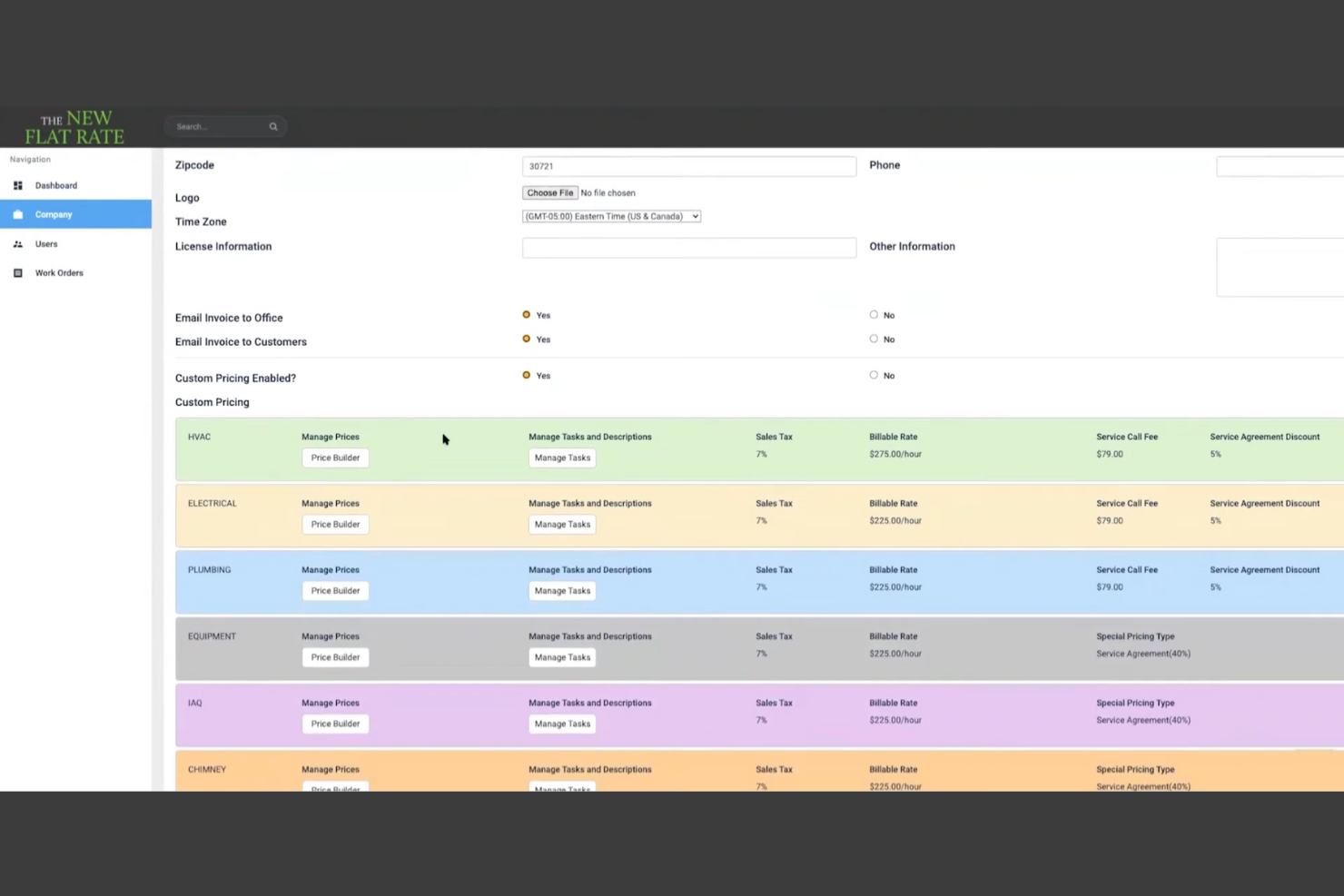
The New Flat Rate is a flat rate pricing platform built to help service teams present consistent prices while they’re in the field. It centers on digital pricebooks that technicians can access during jobs to build and present options quickly.
Why I picked The New Flat Rate: The New Flat Rate gives you a ready-to-use flat rate pricebook that technicians can rely on during service calls. You can present clear pricing options to customers instead of calculating costs after the visit. This keeps prices consistent across jobs and reduces pricing disputes. Real-time pricing updates ensure your technicians aren’t working from outdated numbers. This setup helps you focus on closing work while you’re still on site.
Standout Features and Integrations:
Features include digital flat rate pricebooks your team can access on mobile devices, built-in price presentation tools for service calls, and editable tasks and descriptions to match how you work. You can organize services so technicians find the right option quickly during a visit.
Integrations include ServiceTitan, Housecall Pro, iWallet, and more.
Pros and Cons
Pros:
- Supports standardized service menus
- Creates quotes during service visits
- Mobile app available
Cons:
- Requires regular pricebook upkeep
- Less flexible for custom jobs

Wendes is a construction management and accounting platform designed to connect estimating with financial and project data. The system supports end-to-end project tracking from bid through completion.
Why I picked Wendes: Wendes combines job costing, accounting, and project controls, so estimates stay tied to actual costs as work progresses. You can build estimates that flow into budgets and cost tracking without reentering data. As jobs move forward, your team can compare estimated costs to actuals in the same system to help you spot gaps early instead of waiting until closeout. You can keep labor, materials, and overhead aligned from bid through billing, fitting teams that want stronger cost control across projects.
Standout Features and Integrations:
Features include job estimate data that ties directly into job cost structures, real-time cost tracking against original estimates, and financial reporting that reflects project performance. Your team can also review cost history to improve future estimates.
Integrations not publicly listed.
Pros and Cons
Pros:
- Multi-job accounting
- Supports long-term project tracking
- Links estimates and costs
Cons:
- Not ideal for quick quotes
- Requires accounting knowledge
Diğer HVAC Tahmin Yazılımları
İşte kısa listeme girmeyen ancak yine de göz atmaya değer bazı ek HVAC tahmin yazılımı seçenekleri:
- SAMPro Enterprise
For enterprise-level job costing
- Beam AI
For AI-assisted takeoffs
- Housecall Pro
For estimates converted into invoices
- FieldEdge
For flat rate and pricebook-based estimates
- Procore
For estimating on large construction projects
- Zoho FSM
For estimating within a service workflow
- Jobber
For simple estimates tied to job management


How I Evaluate HVAC Estimating Software
I split my evaluation into two layers: the baseline a tool must have—like duct takeoff and labor costing—and the differentiators that separate the best from the rest for mechanical contractors.
Core Functionality (Table Stakes For This List)
When I'm selecting tools for my list, I rank each one on a scale from 0 (does not offer the functionality) to 5 (excels in this area) for each core functionality listed below. Then, I calculate the tool's total score into a percentage. Each tool needs to achieve a minimum total score of 55% to be considered for inclusion.
- HVAC Takeoff Tools: I check whether the tool handles digital measurement of ductwork, piping, and fittings from plan sets rather than relying on generic shape-based takeoff alone.
- HVAC Cost Databases: Pre-loaded material and equipment pricing matters, so I look for libraries with HVAC-specific items like AHUs, VAV boxes, and diffusers that teams can update.
- Assembly-Based Estimating: Reusable assemblies save hours on repeat bids. I evaluate whether you can build grouped components like a rooftop unit with curb, duct tie-in, and controls.
- Labor Hour Calculations: Each tool should apply HVAC-specific productivity rates for tasks like spiral duct installation or copper brazing rather than flat hourly multipliers.
- Bid & Proposal Generation: I look at how each tool formats final deliverables, from itemized breakdowns by system or floor to professional proposals ready for a GC's bid day.
- Project Management Handoff: Estimating data shouldn't dead-end at contract award. I evaluate how each tool moves bid data into PM, accounting, or fabrication workflows.
Once I have a list of tools that meet the criteria, I consider what sets each platform apart.
Differentiating Factors (What Sets Vendors Apart)
Here's how I compare and contrast different vendors:
Standout Features
Fabrication integration is a major differentiator. I look for tools that push takeoff data directly into shop production systems so your estimating work carries straight to the fab floor. Cloud collaboration also matters, especially when multiple estimators need to split up a large commercial bid simultaneously. I evaluate bid analytics too, where tools track win/loss history and margin trends to help you sharpen pricing on future projects.
Beyond Features
I evaluate how well each tool fits different business sizes. A two-person residential shop has very different needs than a 50-estimator commercial mechanical firm. The integrations ecosystem also weighs heavily—I check whether the tool connects to construction accounting platforms like Sage 300 CRE or Viewpoint and PM tools like Procore. Industry specialization matters too. Vendors with deep HVAC focus tend to offer better manufacturer catalogs, trade-specific support staff, and faster onboarding for mechanical estimators.
HVAC Tahmin Yazılımı Nasıl Seçilir?
Uzun özellik listeleri ve karmaşık fiyatlandırma yapıları arasında kaybolmak kolaydır. Size özgü yazılım seçim sürecinizi yürütürken odağınızı korumanıza yardımcı olmak için göz önünde bulundurmanız gereken faktörleri aşağıda bir kontrol listesi olarak bulabilirsiniz:
| Faktör | Dikkat Edilmesi Gerekenler |
|---|---|
| Ölçeklenebilirlik | Yazılım işletmenizle birlikte büyüyebilir mi? Daha fazla projeyi veya kullanıcıyı sorunsuz bir şekilde yönetip yönetemeyeceğini değerlendirin. Kademeli fiyatlandırma sunan çözümleri tercih edin. |
| Entegrasyonlar | Mevcut araçlarınıza bağlanabiliyor mu? Hâlihazırda kullandığınız muhasebe yazılımı veya proje yönetimi sistemleriyle uyumluluğunu kontrol edin. |
| Özelleştirilebilirlik | İş süreçlerinize uyacak şekilde düzenleyebilir misiniz? Şablonları, raporları ve iş akışlarını ihtiyaçlarınıza göre ayarlama seçeneklerini arayın. |
| Kullanım Kolaylığı | Ekibinizin öğrenmesi kolay mı? Kullanıcı arayüzünü değerlendirin ve benimseme sürecini hızlandırabilecek eğitim kaynaklarının bulunup bulunmadığını kontrol edin. |
| Uygulama ve Başlangıç Süreci | Ne kadar hızlı kullanmaya başlayabilirsiniz? Yazılımı mevcut sisteminize entegre etmek için gereken zamanı ve kaynakları değerlendirin. |
| Maliyet | Bütçenize uygun mu? Fiyatlandırmasını sunduğu özelliklerle karşılaştırın ve iyi bir değer sunup sunmadığını belirleyin. Gizli ücretlere veya uzun vadeli sözleşmelere dikkat edin. |
| Güvenlik Önlemleri | Verilerinizi koruyor mu? Veri korumaya ilişkin sektör standartlarına uyduğundan ve güvenli kullanıcı erişim denetimleri sunduğundan emin olun. |
| Destek Hizmetlerinin Kullanılabilirliği | İhtiyaç duyduğunuzda yardım alabilir misiniz? Sağlayıcının 7/24 destek, canlı sohbet veya sorun giderme için ayrıntılı bir bilgi tabanı sunup sunmadığını kontrol edin. |
HVAC Maliyet Tahmin Yazılımı Nedir?
HVAC maliyet tahmin yazılımı, yüklenicilerin ve teknisyenlerin ısıtma, havalandırma ve iklimlendirme projelerinin maliyetlerini hesaplamasına yardımcı olan bir araçtır. Bu araçlar genellikle proje yöneticileri ve maliyet tahmin uzmanları da dâhil olmak üzere HVAC profesyonelleri tarafından, teklif ve önerilerin hazırlanmasında doğruluğu ve verimliliği artırmak için kullanılır. Maliyet tahmini, proje yönetimi ve entegrasyon özellikleri; verilerin düzenlenmesine, kaynakların yönetilmesine ve iş akışının basitleştirilmesine yardımcı olur. Genel olarak bu araçlar zamandan tasarruf sağlar ve hataları azaltarak proje planlama ve yürütme süreçlerini daha sorunsuz hâle getirir.
Özellikler
HVAC maliyet tahmin yazılımı seçerken aşağıdaki temel özelliklere dikkat edin:
- Maliyet tahmini: Proje maliyetlerinin doğru şekilde hesaplanmasına yardımcı olarak zamandan tasarruf sağlar ve hataları azaltır.
- Proje yönetimi: Projelerin sorunsuz ve zamanında ilerlemesini sağlamak için görevleri ve takvimleri düzenler.
- Entegrasyon özellikleri: Sorunsuz bir iş akışı için muhasebe yazılımı gibi diğer araçlara bağlanır.
- Mobil erişim: Saha ekiplerinin hareket hâlindeyken veri girmesine ve bilgilere erişmesine olanak tanır.
- Özelleştirilebilir şablonlar: Kullanıcıların raporları ve tahminleri işletmelerinin ihtiyaçlarına göre uyarlamasını sağlar.
- Gerçek zamanlı iş birliği: Ekip üyelerinin birlikte çalışmasını ve güncellemeleri anında paylaşmasını sağlar.
- Veri analitiği: Proje performansı hakkında içgörüler sunar ve karar alma süreçlerine yardımcı olur.
- Güvenlik önlemleri: Güçlü erişim denetimleri ve uyumluluk önlemleriyle hassas verileri korur.
Avantajlar
HVAC maliyet tahmin yazılımının uygulanması, ekibiniz ve işletmeniz için çeşitli avantajlar sunar. Yararlanabileceğiniz avantajlardan bazıları şunlardır:
- Zaman tasarrufu: Otomatik hesaplamalar ve süreçler, diğer görevler için zaman kazandırır.
- Doğruluk: Tahminlerdeki hataların azalması, daha güvenilir proje teklifleri hazırlanmasını sağlar.
- Geliştirilmiş iş birliği: Ekip üyeleri arasındaki gerçek zamanlı iletişim, herkesin aynı bilgilerden haberdar olmasını sağlar.
- Daha iyi karar alma: Ayrıntılı veri analitiği, projeler ve kaynaklar hakkında bilinçli kararlar vermenize yardımcı olur.
- Maliyet kontrolü: Harcamaların ve bütçelerin izlenmesi, fazla harcama yapılmasını önlemeye yardımcı olur.
- Ölçeklenebilirlik: Yazılım, büyüyen işletme ihtiyaçlarına uyum sağlayarak genişlemeye ve artan proje yükünün yönetilmesine olanak tanır.
Maliyetler ve Fiyatlandırma
HVAC maliyet tahmin yazılımı seçmek, mevcut çeşitli fiyatlandırma modellerinin ve planların anlaşılmasını gerektirir. Maliyetler özelliklere, ekip büyüklüğüne, eklentilere ve diğer unsurlara göre değişir. Aşağıdaki tabloda yaygın planlar, bunların ortalama fiyatları ve HVAC maliyet tahmin yazılımı çözümlerinde genellikle bulunan özellikler özetlenmektedir:
HVAC Maliyet Tahmin Yazılımı Plan Karşılaştırma Tablosu
| Plan Türü | Ortalama Fiyat | Yaygın Özellikler |
|---|---|---|
| Ücretsiz Plan | $0 | Temel tahmin araçları, sınırlı destek ve topluluk erişimi. |
| Kişisel Plan | $20-$55/kullanıcı/ay | Gelişmiş tahmin özellikleri, mobil erişim ve e-posta desteği. |
| İşletme Planı | $65-$100/kullanıcı/ay | Ekip iş birliği araçları, entegrasyon seçenekleri ve öncelikli destek. |
| Kurumsal Plan | $150-$3000+/kullanıcı/ay | Özelleştirilebilir çözümler, özel hesap yönetimi ve gelişmiş analitik. |
HVAC Tahmin Yazılımı SSS
HVAC tahmin yazılımı hakkında sık sorulan bazı soruların yanıtlarını burada bulabilirsiniz:
HVAC tahmin yazılımı ile genel tahmin yazılımı arasındaki fark nedir?
HVAC tahmin yazılımı, ısıtma, havalandırma ve iklimlendirme projelerine odaklanarak özellikle HVAC sektörü için tasarlanmıştır. Genel tahmin yazılımında bulunmayabilecek kanal sistemi tahmini ve yük hesaplamaları gibi özellikler sunar. Bu uzmanlaşma, HVAC profesyonellerinin tahmin süreçlerini basitleştirmesine ve doğruluğu artırmasına yardımcı olur. HVAC alanında çalışıyorsanız sektöre özel yazılım kullanmak, genel amaçlı bir araç kullanmaya kıyasla zamandan tasarruf etmenizi ve hataları azaltmanızı sağlayabilir.
HVAC tahmin yazılımı proje iş akışlarını nasıl basitleştirir?
HVAC tahmin yazılımı manuel hesaplamaları otomatikleştirir, teklifleri düzenler ve revizyonları tek bir yerde takip etmenize yardımcı olur. Bu, zamandan tasarruf sağlar, hataları azaltır ve proje özellikleri değiştikçe tahminleri güncellemeyi kolaylaştırır. İş akışınızı dijitalleştirerek müşterilere daha hızlı yanıt verebilir, HVAC ekipmanlarını takip edebilir ve ekibinizin verimliliğini artırabilirsiniz.
HVAC tahmin yazılımı diğer işletme araçlarıyla entegre olabilir mi?
Evet, çoğu HVAC tahmin yazılımı muhasebe yazılımı, CRM sistemleri ve proje yönetimi platformları gibi diğer işletme araçlarıyla entegre olabilir. Satın almadan önce, mevcut araçlarınızla uyumlu olduğundan emin olmak için yazılımın ihtiyaç duyduğunuz belirli entegrasyonları destekleyip desteklemediğini kontrol edin.
HVAC tahmin yazılımı tarafından oluşturulan tahminler ne kadar doğrudur?
HVAC yazılımından alınan tahminler, güncel fiyat veritabanlarını kullandığınız ve doğru proje özelliklerini girdiğiniz takdirde oldukça doğrudur. Birçok araç güncel malzeme maliyetleriyle bağlantı kurarak tedarik sırasında yaşanabilecek sürprizleri en aza indirir. En iyi sonuçları elde etmek için maliyet verilerinizi düzenli olarak güncelleyin.
HVAC tahmin yazılımı ne kadar güvenlidir?
Çoğu HVAC tahmin yazılımı çözümü güvenliğe öncelik verir ve veri şifreleme, güvenli kullanıcı erişimi ve düzenli yedeklemeler gibi özellikler sunar. Yazılımın veri korumaya yönelik sektör standartlarına uygun olduğunu doğrulamak önemlidir. Ekibinizin verileri için ekstra bir güvenlik katmanı eklemek amacıyla iki faktörlü kimlik doğrulama gibi özellikleri de aramalısınız.
Yeni HVAC tahmin yazılımı kullanıcıları için eğitim mevcut mu?
Evet, birçok sağlayıcı yeni kullanıcıların başlangıç yapmasına yardımcı olmak için video eğitimleri, web seminerleri ve kullanıcı kılavuzları gibi eğitim kaynakları sunar. Bazıları kişiselleştirilmiş başlangıç oturumları da sağlayabilir. Bu kaynaklardan yararlanmak, ekibinizin yazılımı daha hızlı öğrenmesine yardımcı olarak kuruluşunuz genelinde daha sorunsuz bir geçiş ve daha iyi benimseme sağlar.